
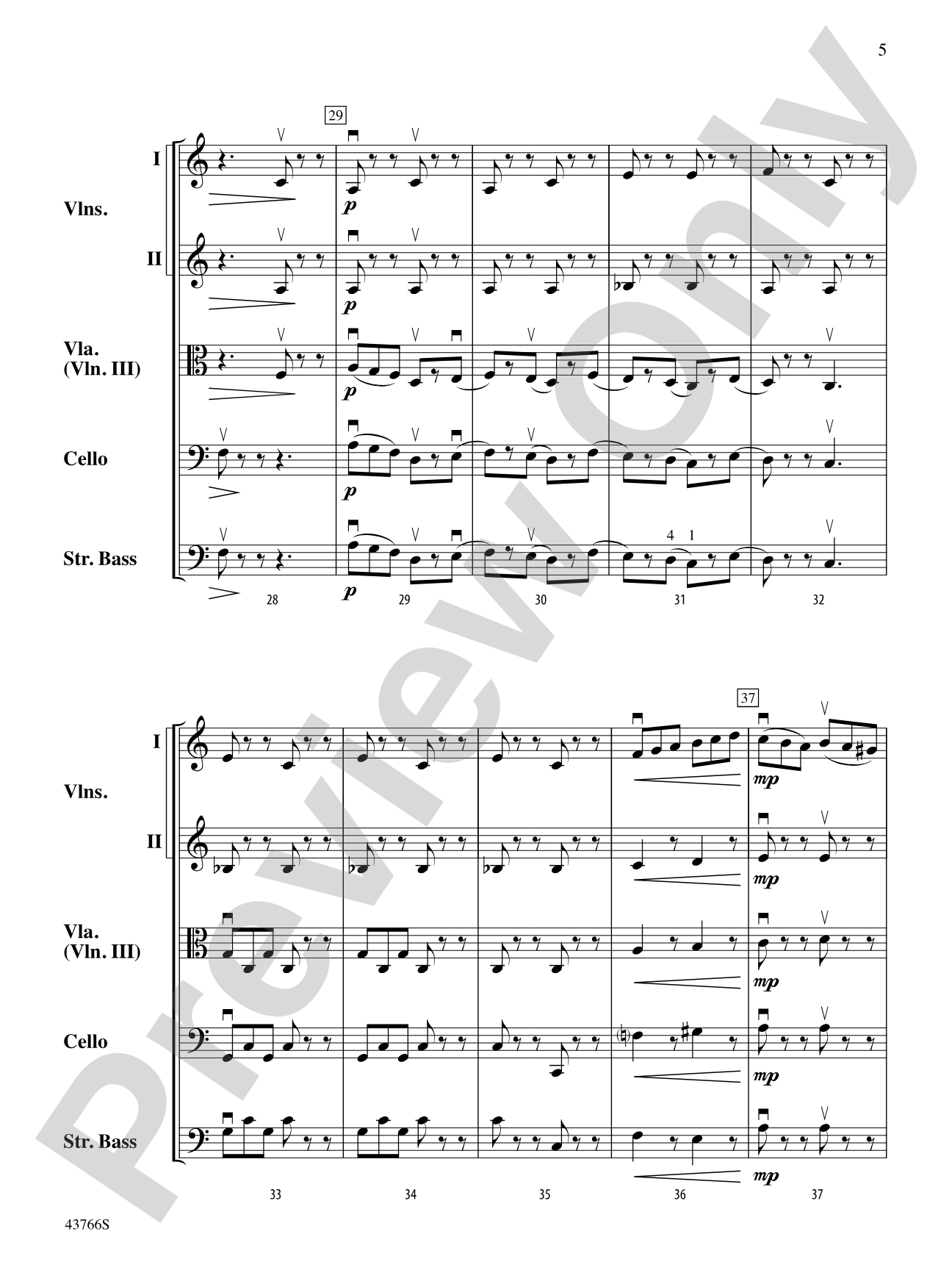
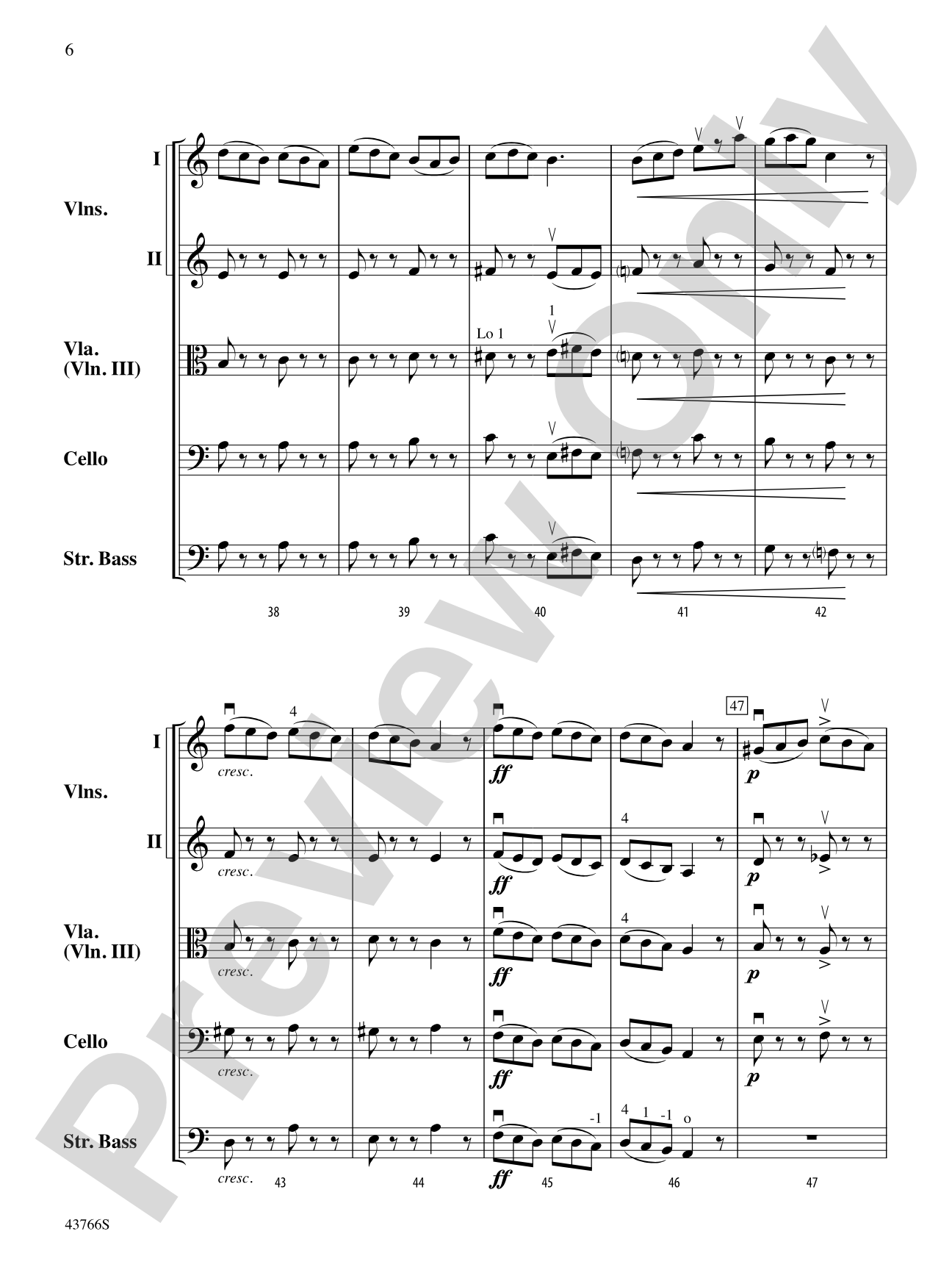
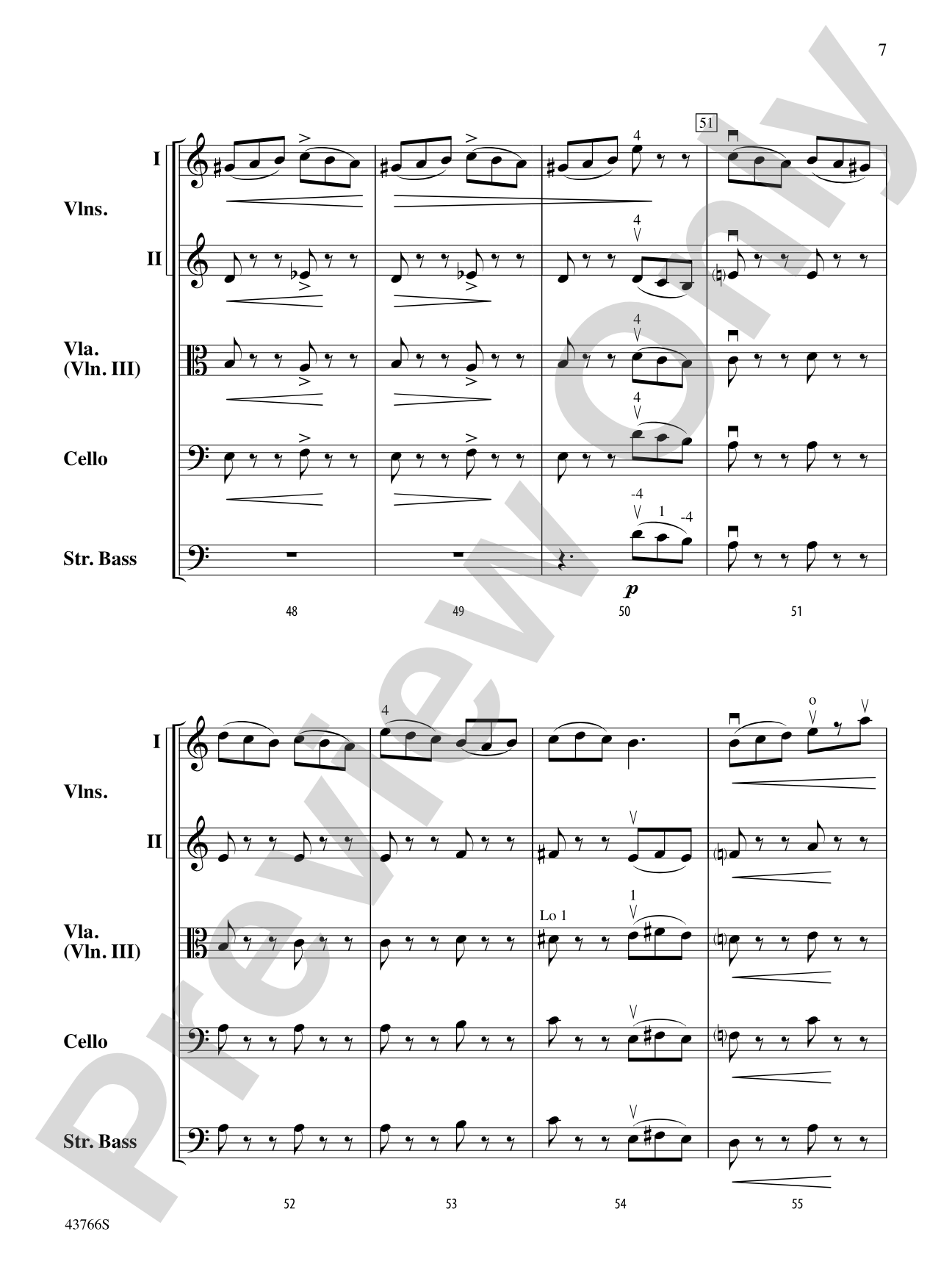
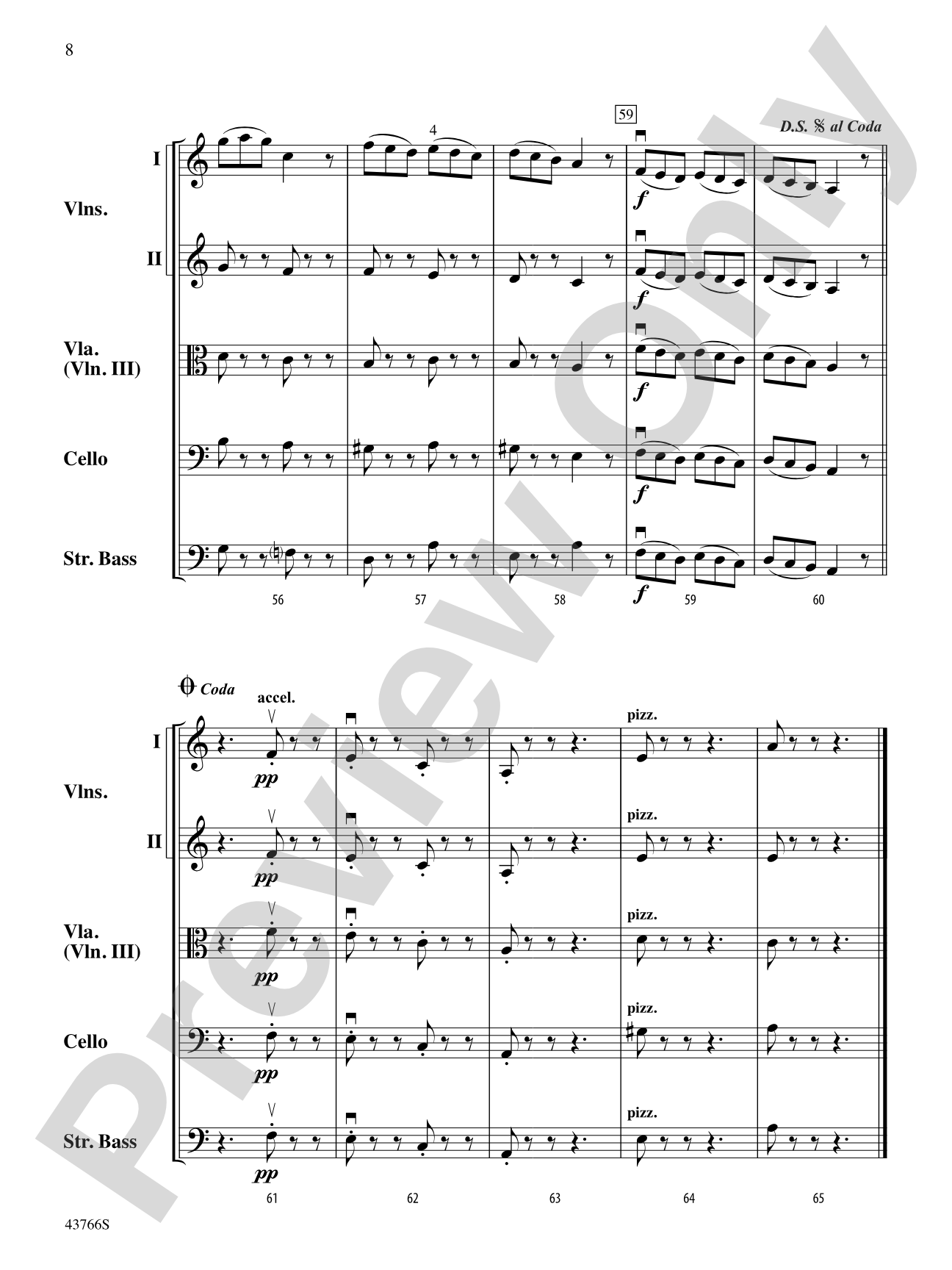

Alla Tarantella: String Orchestra Conductor Score & Parts
By Edward MacDowell / arr. Bob Cerulli
Grade: 2.5
Item: 00-PK-0006623

$55.00
Pickup currently not available
Buy Extra Parts (Digital PDF Download)
| Product | Price | Quantity |
|---|---|---|
| Alla Tarantella: Score | $9.00 | |
| Alla Tarantella: 1st Violin | $5.99 | |
| Alla Tarantella: 2nd Violin | $5.99 | |
| Alla Tarantella: 3rd Violin (Viola [TC]) | $5.99 | |
| Alla Tarantella: Viola | $5.99 | |
| Alla Tarantella: Cello | $5.99 | |
| Alla Tarantella: String Bass | $5.99 |
Parts Added to Cart!
Description
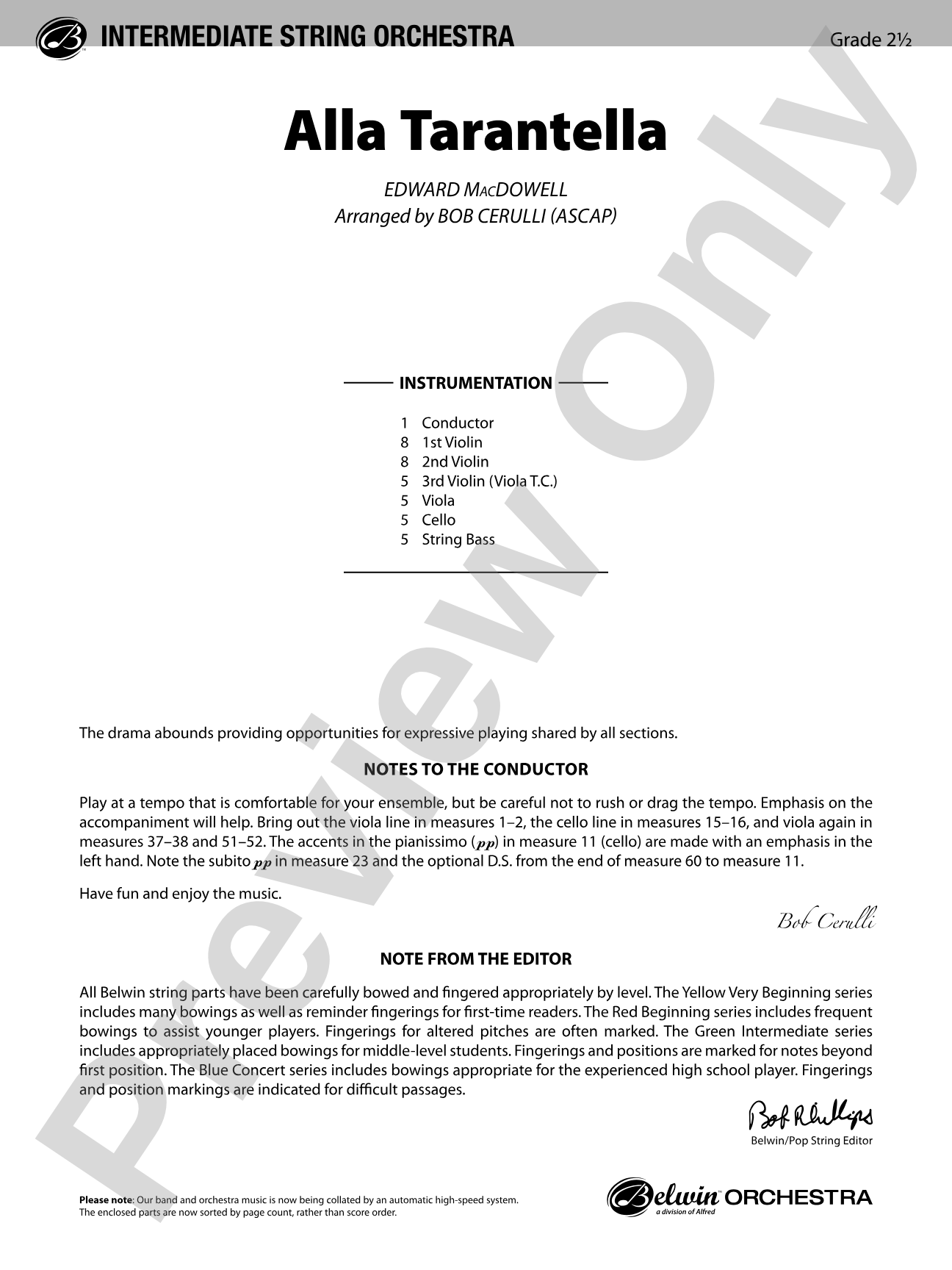
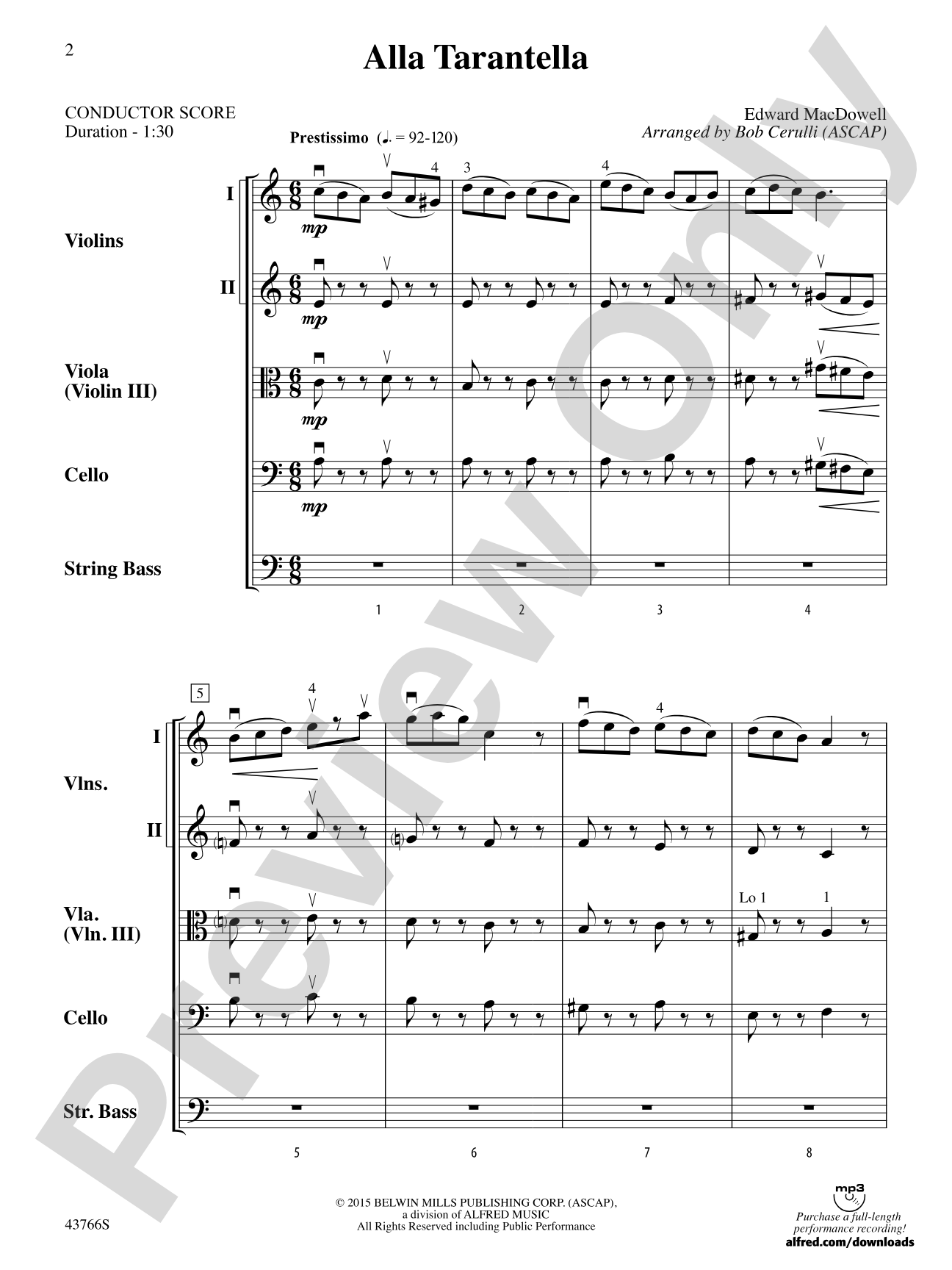
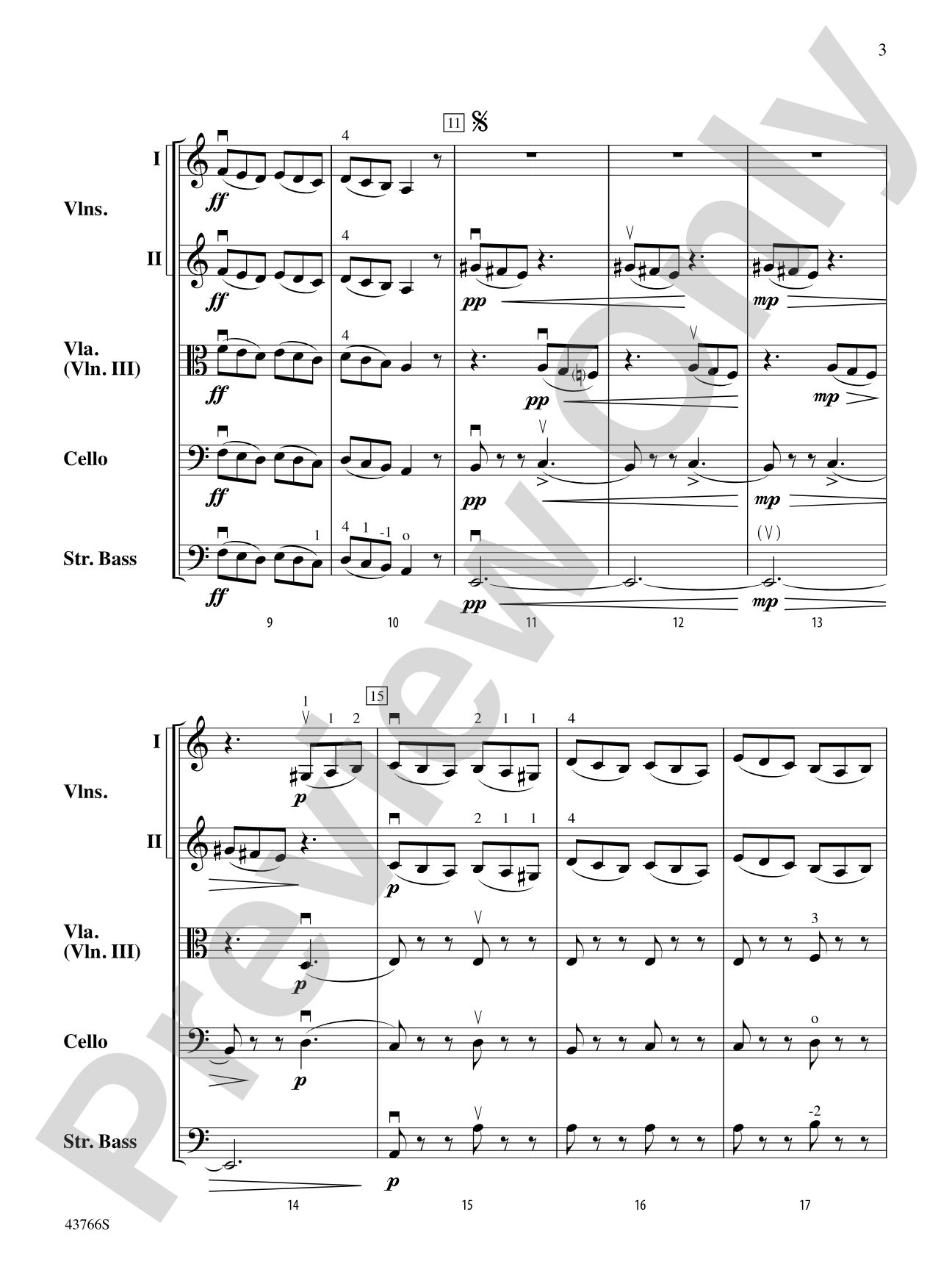
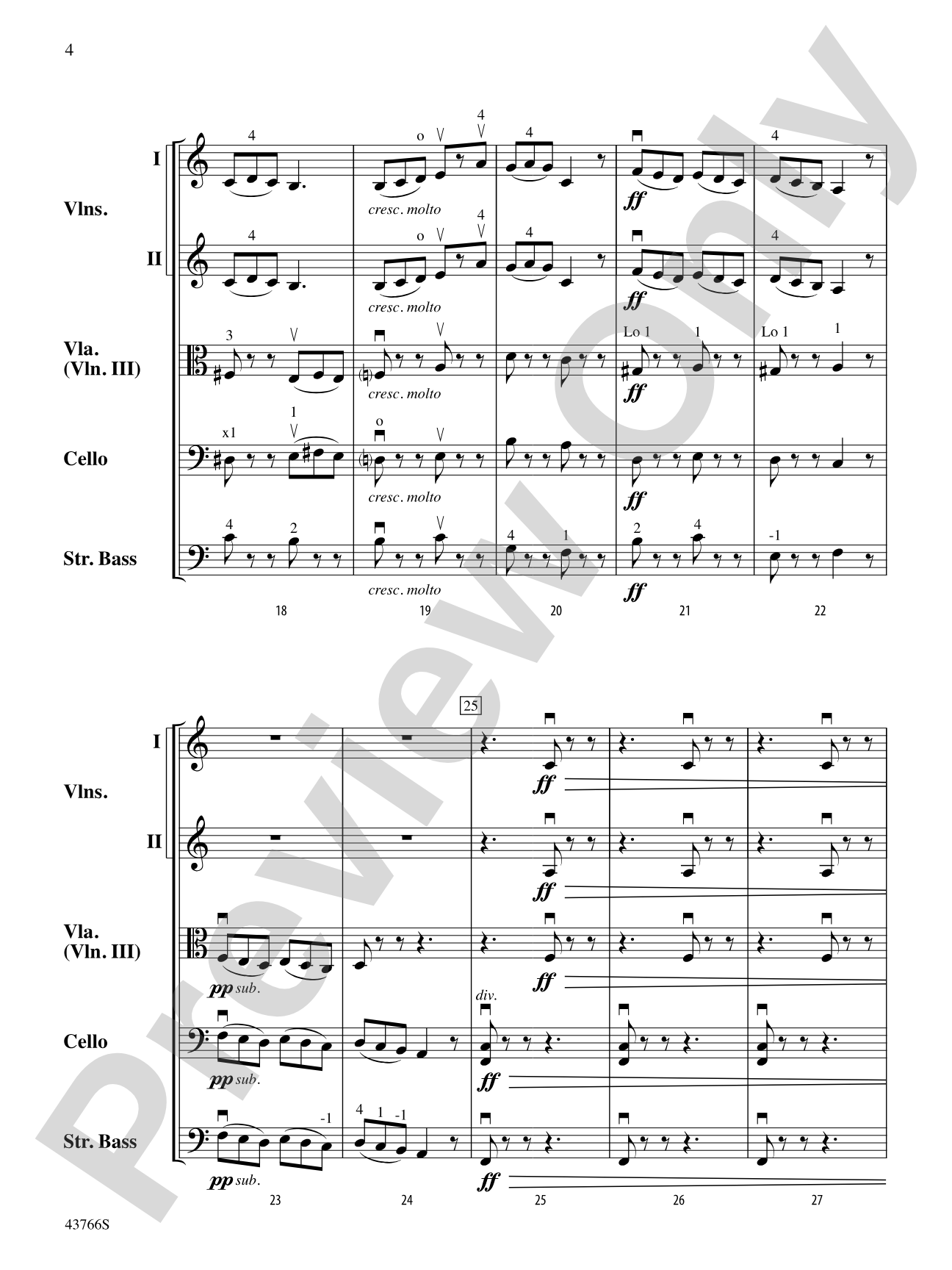
The drama abounds providing opportunities for expressive playing shared by all sections. (1:30)


Don't just read it, hear it, play along with it, and watch your students grow with it. In MakeMusic Cloud, Alla Tarantella: String Orchestra Conductor Score & Parts comes alive with professional accompaniment, adjustable tempo, and built-in practice tools that turn solo practice into real progress.
Open in the Player
Jump straight in and assign it today.
Start Your Free Trial
Open this title and explore the full library in minutes.
Sample Audio
1
Audio File
--:--
0:00
0:00
Sample Video
Additional Details
Series:
Belwin Intermediate String Orchestra
Publisher:
Alfred Music
Page Count:
124
SKU:
00-PK-0006623
More about this title
About the Composer: Edward MacDowell
Edward MacDowell (1860-1908) was an American composer and pianist whose works bridged the Romantic tradition with distinctly national musical idioms. He studied in Europe under some of the era's finest musicians and returned to the United States determined to establish a serious compositional voice rooted in American themes and landscapes. MacDowell's output spans concertos, symphonic poems, piano works, and character pieces that reveal his gift for lyrical melody and orchestral color.
His legacy in music education remains substantial. Teachers and conductors have long drawn on his compositions for their accessibility, emotional directness, and capacity to inspire young musicians. MacDowell's ability to convey dramatic narrative within compact forms makes his work ideal for student orchestras seeking repertoire that challenges without overwhelming.
Why we love this
Bob Cerulli's arrangement captures the turbulent character of MacDowell's tarantella while keeping the string writing transparent and playable at Grade 2.5. The dramatic arc is real here, not watered down. Every section of the orchestra gets moments to shine and carry the storytelling, which means your musicians stay engaged throughout the piece and hear themselves as essential voices rather than accompaniment.
What to expect
The tarantella unfolds with infectious rhythmic energy, building tension through propulsive string figures and sudden shifts between frenetic motion and brooding quiet passages. There's a theatrical quality throughout, as if the orchestra is caught in a swirl of emotion that compels expressive commitment from every player.
Who it's for
String orchestras at the Grade 2 to 2.5 level who are ready for music with real dramatic content and structural sophistication. This works for ensembles with solid bow control and the ability to sustain tone while managing rhythmic vitality. Solo players should have secure position work through first and second positions, with occasional shifts required.
How to get the most out of it
- Balance the melodic line across sections as it passes from violins to violas and cellos. The drama depends on each section projecting with confidence and not retreating when they're not playing the primary theme.
- Shape the rhythmic drive of the tarantella without rushing. Maintain a steady pulse that supports the dramatic swells without letting the tempo slip when dynamic intensity increases.
- Attend to the violin divisi passages carefully during sectional rehearsals so both parts blend cleanly and neither overwhelms the other.
- Use the dramatic contrasts between loud, agitated sections and the quieter passages as anchors for phrasing. These shifts give musicians clear expressive targets.
How to use it
This arrangement sits well on a concert that blends Romantic-era masterworks with contemporary pedagogy. Its 1:30 duration makes it an efficient anchor for a mixed program, and its festival suitability means it doubles as a solid preparation piece for contests or evaluations where students can perform music of genuine substance.
Skills your students will build
- Sustaining tone and dynamic control across phrase lengths
- Executing rhythmic precision within a driving, dance-based meter
- Managing transitions between dramatic contrasts and expressive shifts
- Coordinating bow changes during both fast and slow passages
- Reading multiple divisi passages and maintaining alignment within sections