All Night, All Day Cover Image

All Night, All Day: 2-Part Choral Octavo

$2.25 USD
Sale price  $2.25 USD Regular price 
Skip to product information
All Night, All Day Cover Image

All Night, All Day: 2-Part Choral Octavo

Arr. Patsy Ford Simms

Item: 00-5789

makemusic Cloud badge

Need it now?

Buy Digital Version
$2.25
Shipped

One moment…

Description
Another great 2-part spiritual arrangement from Patsy Ford Simms. It's a light, swing setting with an easy piano accompaniment. Part II has the melody for most of the piece but Part I gets its turn, too. Perfect for beginning choirs.

Don't just read it, hear it, play along with it, and watch your students grow with it. In MakeMusic Cloud, All Night, All Day: 2-Part Choral Octavo comes alive with professional accompaniment, adjustable tempo, and built-in practice tools that turn solo practice into real progress.

Sample Pages

Sample Audio
No sample audio found.
Sample Video
Additional Details
Series: Alfred Archive Edition: Alfred Choral Designs
Publisher: Alfred Music
Page Count: 8
UPC: 038081016542
SKU: 00-5789

More about this title

About the Arranger: Patsy Ford Simms
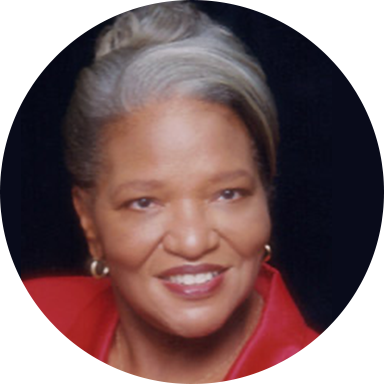
Patsy Ford Simms

Patsy Ford Simms began her publishing career in 1981 and has since created over 300 compositions and arrangements for educational and church settings across multiple major publishing houses, including Shawnee Press. Her prolific output grew directly from her three decades teaching music in grades K-12, including work at the Youth Performing Arts School, where she identified a critical gap in accessible choral literature for junior high and middle school singers.

Her credentials include a Bachelor of Science in Music Education from Knoxville College, a Master of Education from the University of Louisville, and a doctorate in Music Education from Columbia Pacific University. Simms has earned international recognition as a clinician and presenter, delivering workshops in Italy and Africa, and has received numerous ASCAP Special Music Awards. Her commissioned works encompass both choral arrangements and original compositions, including short musicals centered on African American history; two of her pieces were selected for MENC World's Largest Concerts.

Why we love this

This arrangement strikes a natural balance between accessibility and musicality. Simms distributes the melody between both parts thoughtfully, ensuring singers feel genuinely involved rather than relegated to harmony, and her swing setting brings infectious energy without demanding advanced rhythmic skills.

What to expect

Light and buoyant, with the warmth of a spiritual sung among friends rather than performed from a distance. The swing setting invites performers and listeners alike into a relaxed, joyful space where the familiar melody can breathe and the accompaniment propels the music forward with gentle momentum.

Who it's for

This piece is ideal for beginning and early intermediate choirs, particularly groups navigating their first experiences with two-part literature. Treble-voiced choirs at the middle school or early high school level will find the voicing natural and the spiritual tradition deeply rewarding to explore.

How to get the most out of it

  • Keep the swing feel loose and conversational rather than metronomic; let the natural speech rhythms of the spiritual shine through the piano accompaniment.
  • Balance Part II's longer melodic stretches with attentive listening in Part I so the duet feels like a genuine musical conversation.
  • Use the legato passages to develop sustained tone, particularly where the parts move in longer note values against the accompaniment's rhythmic vitality.

How to use it

Pair this with other spirituals in a concert celebrating the genre, or use it as a standalone moment of levity and soul in a program anchored by more formal repertoire. Its accessible difficulty makes it ideal for mid-year performances where your singers have built confidence but are still developing their range and stamina.

Skills your students will build

  • Blending two distinct melodic lines with independent rhythmic movement
  • Interpreting swing stylistic conventions (feel, articulation, relaxation)
  • Sustaining legato tone while navigating a rhythmically active accompaniment
  • Building awareness of spiritual music traditions and performance practice

You May Also Like
