
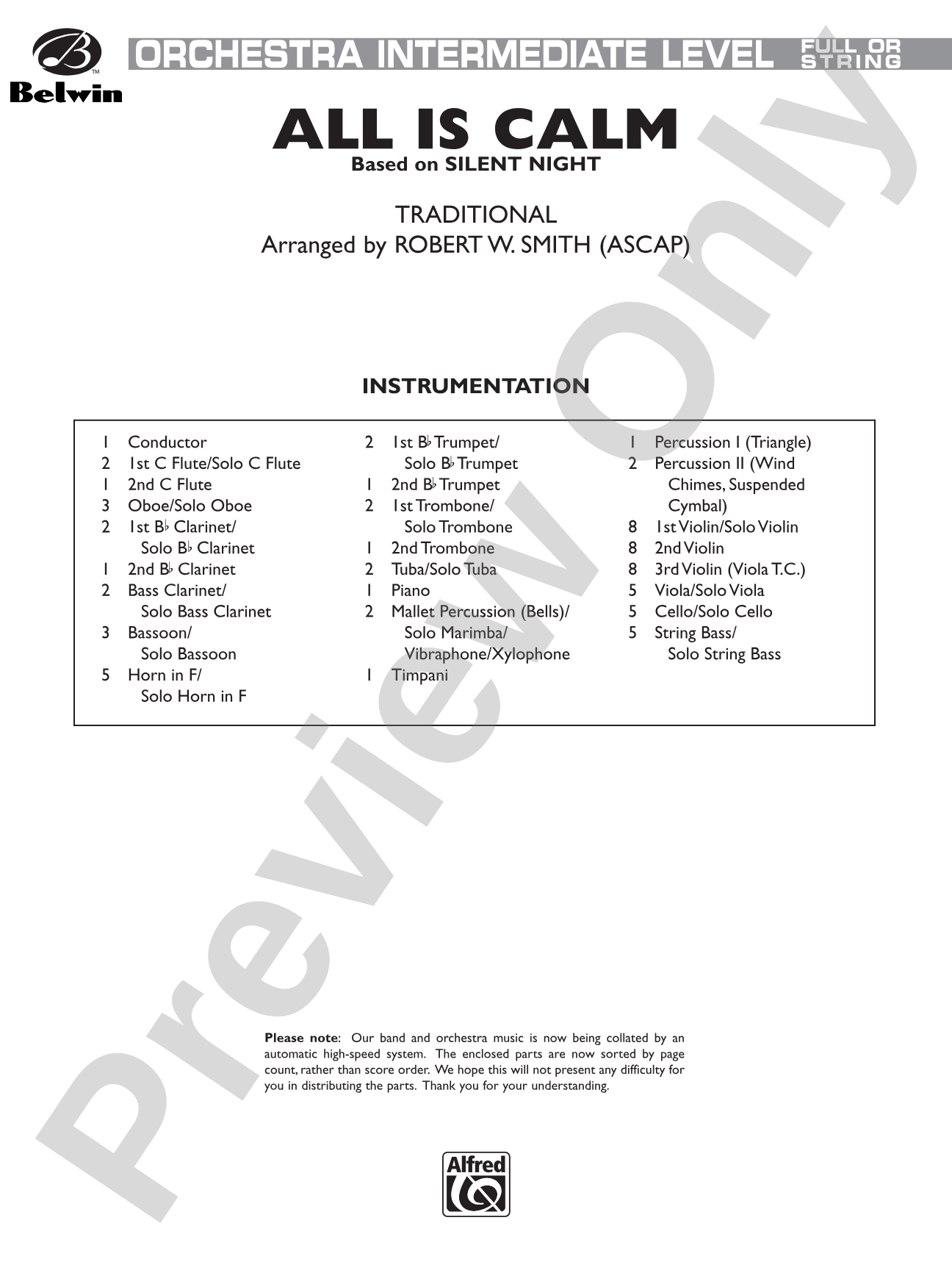
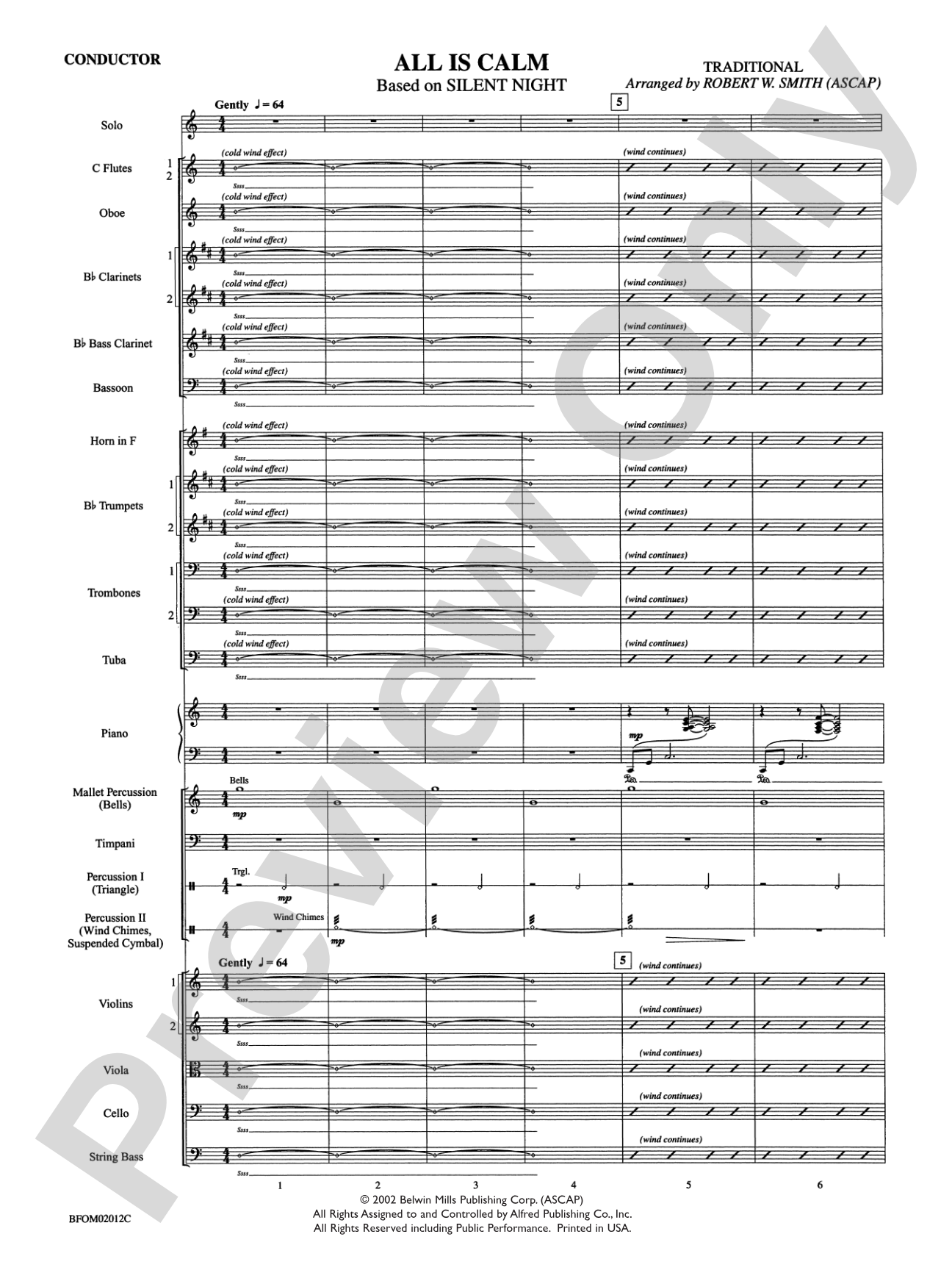
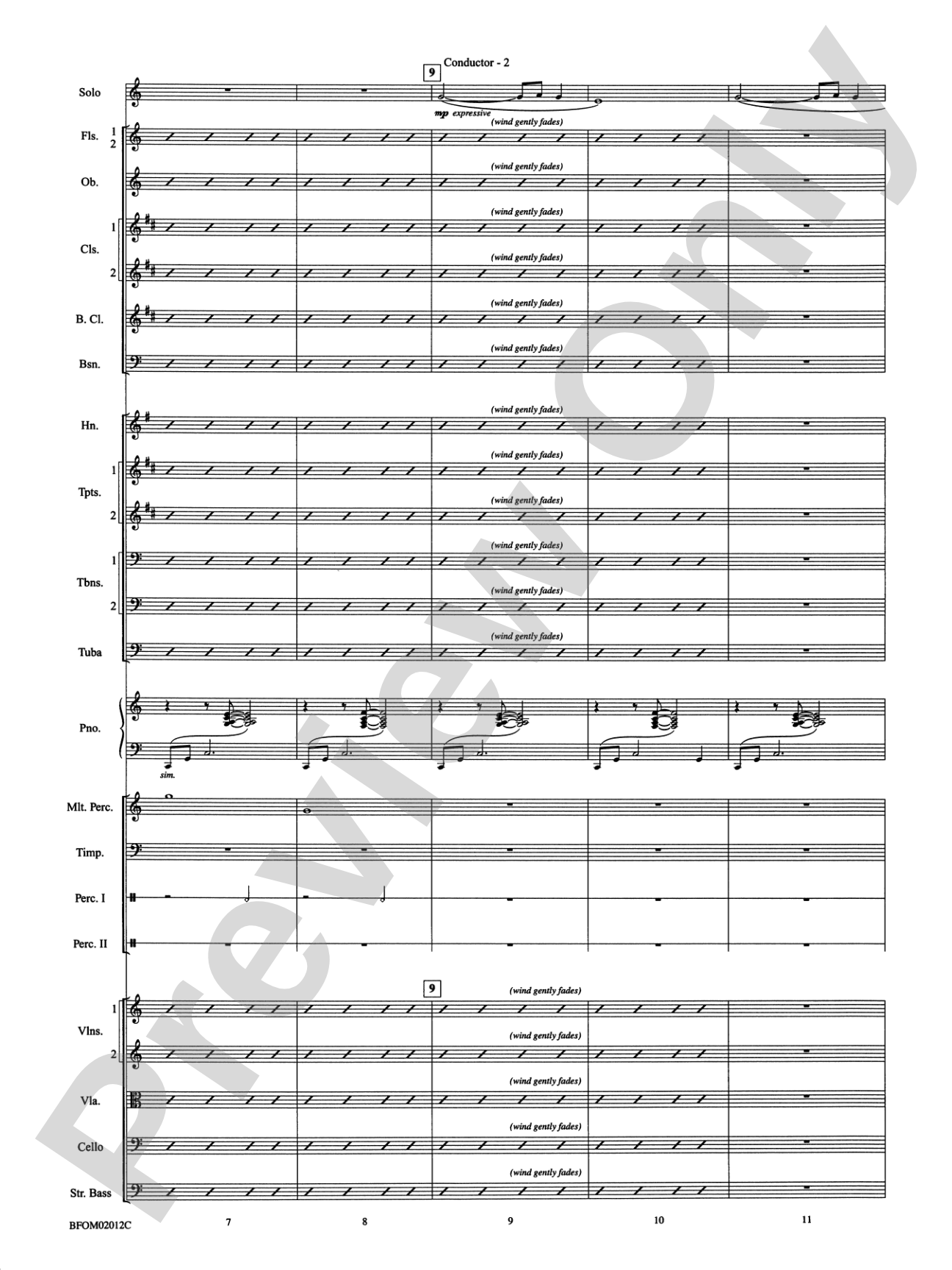
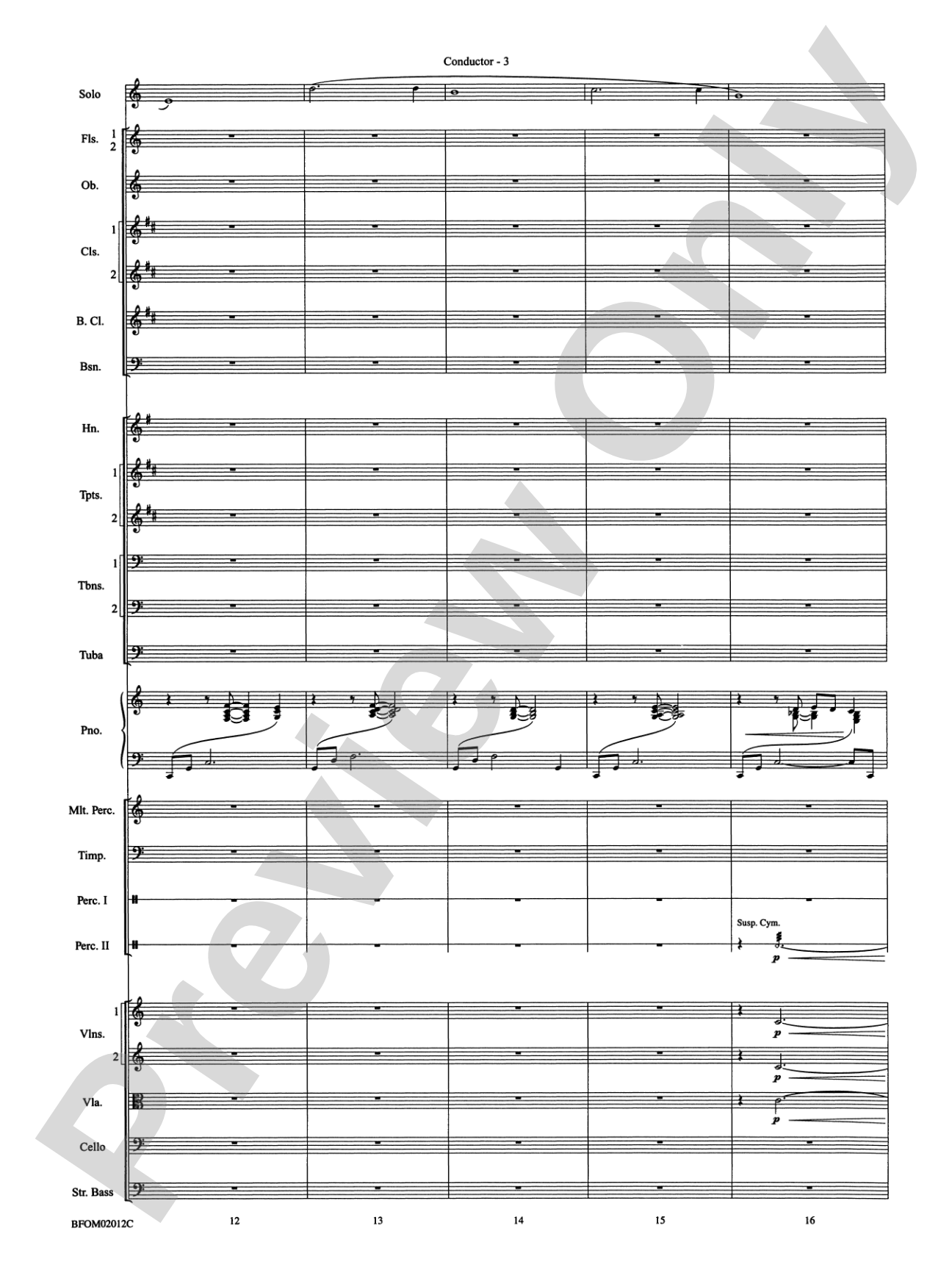
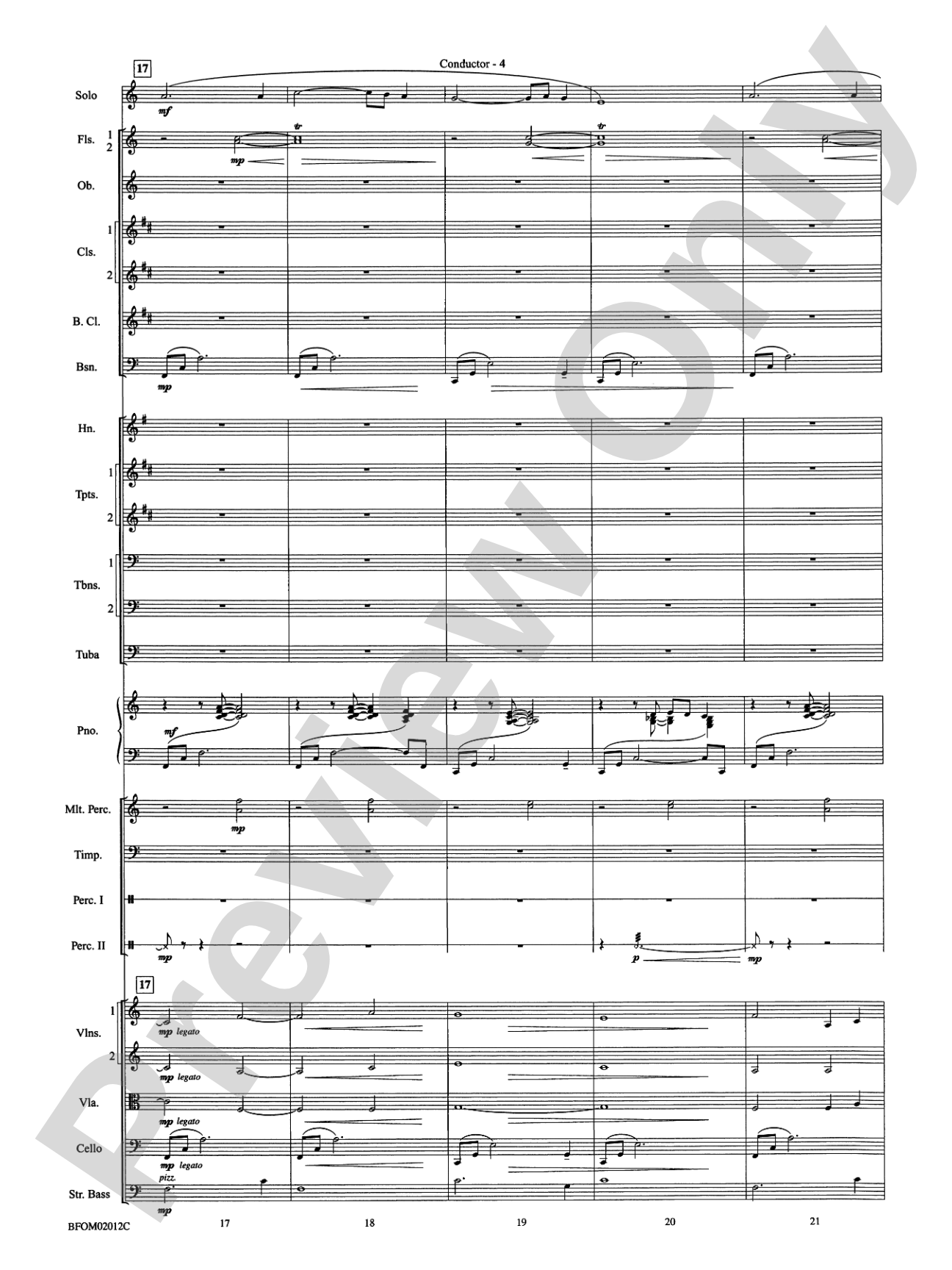
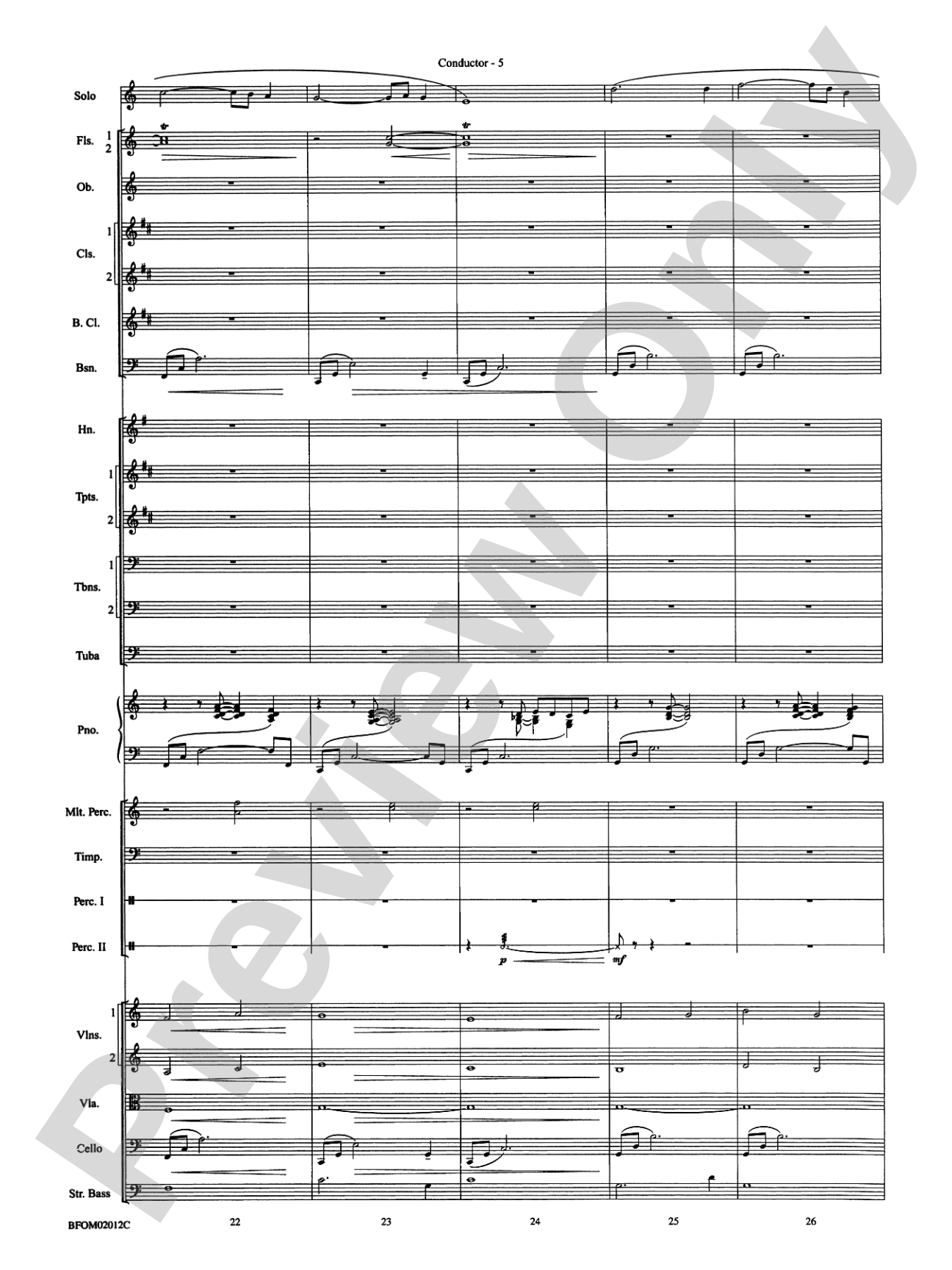
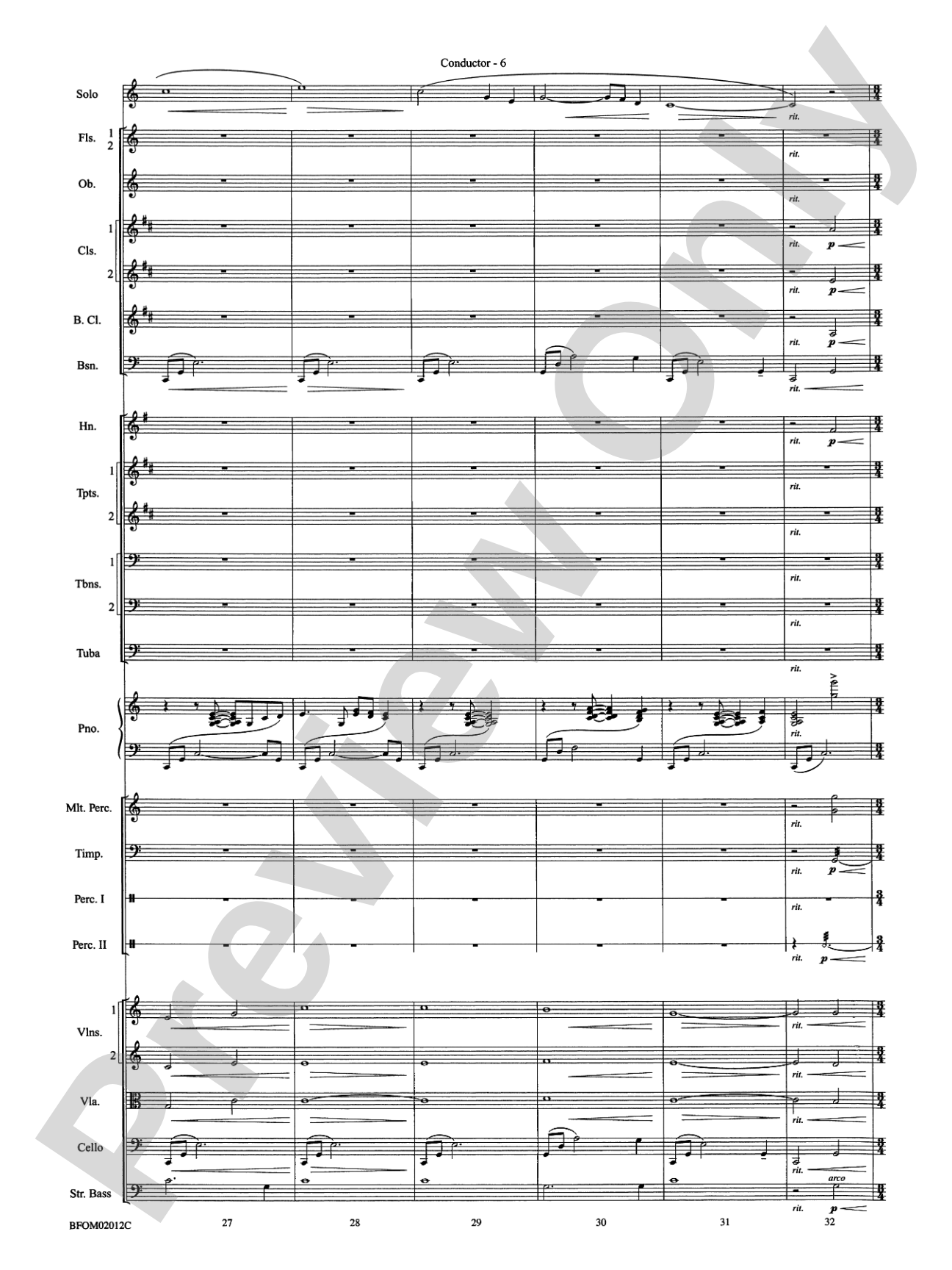
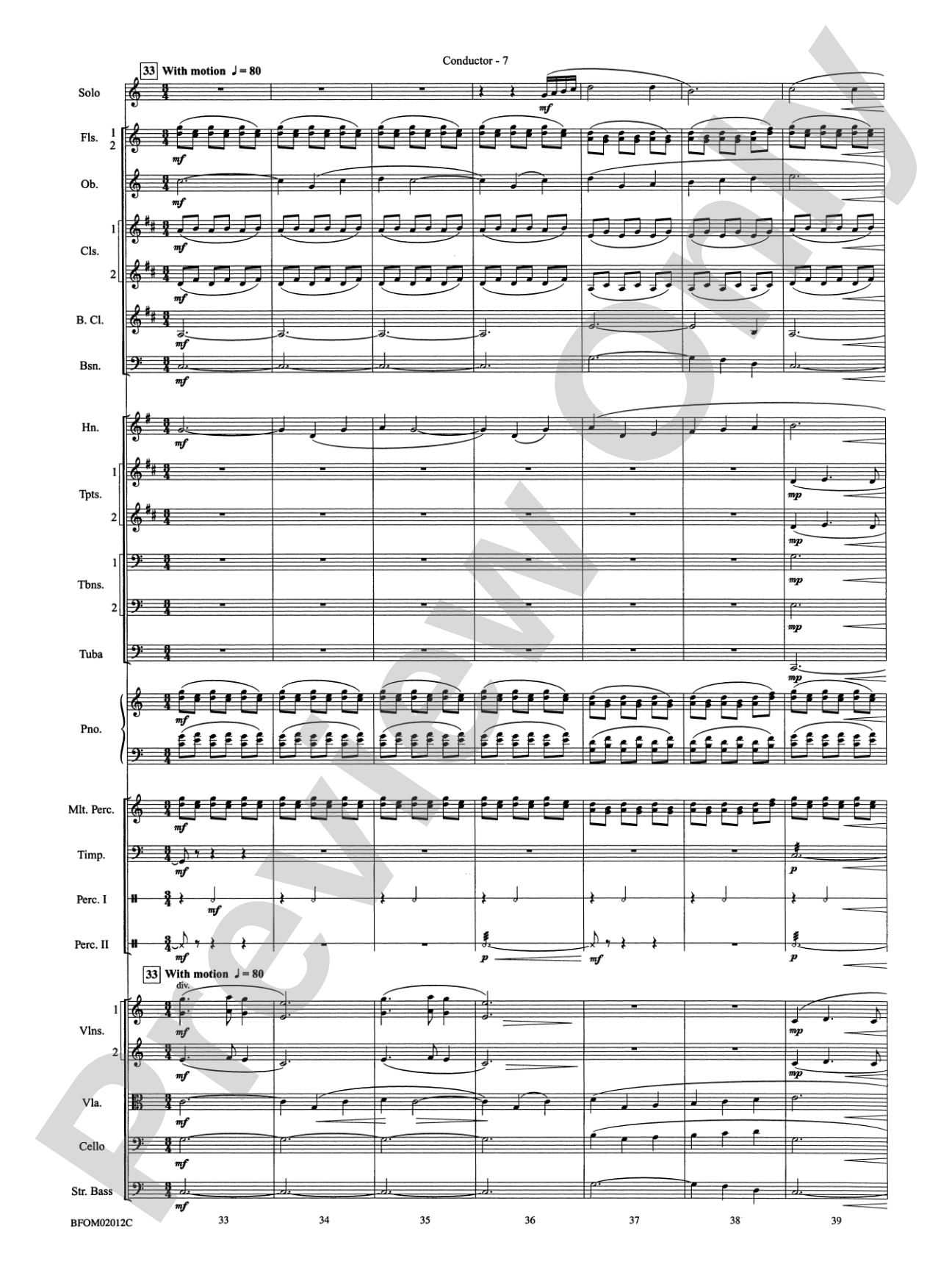
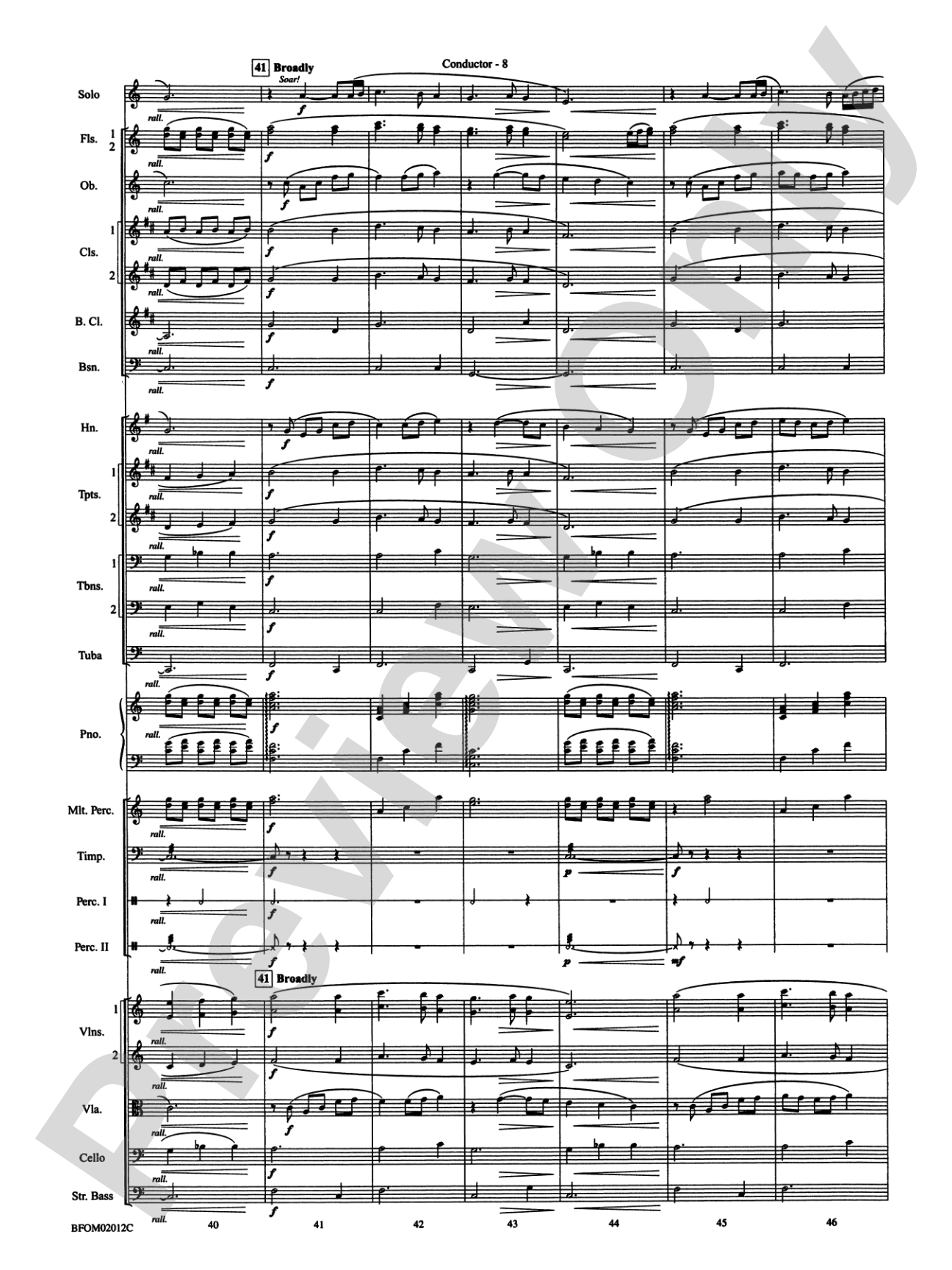
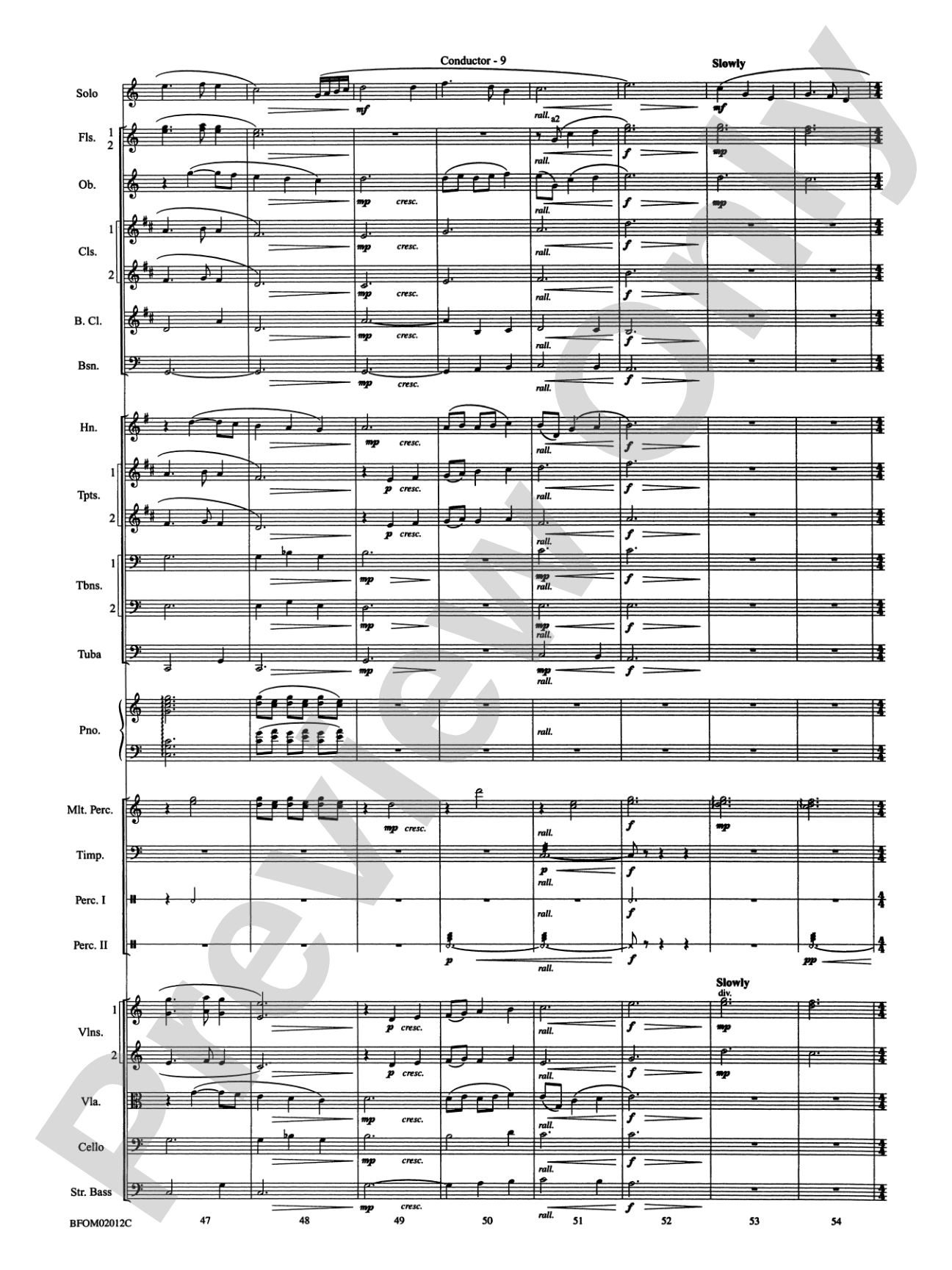
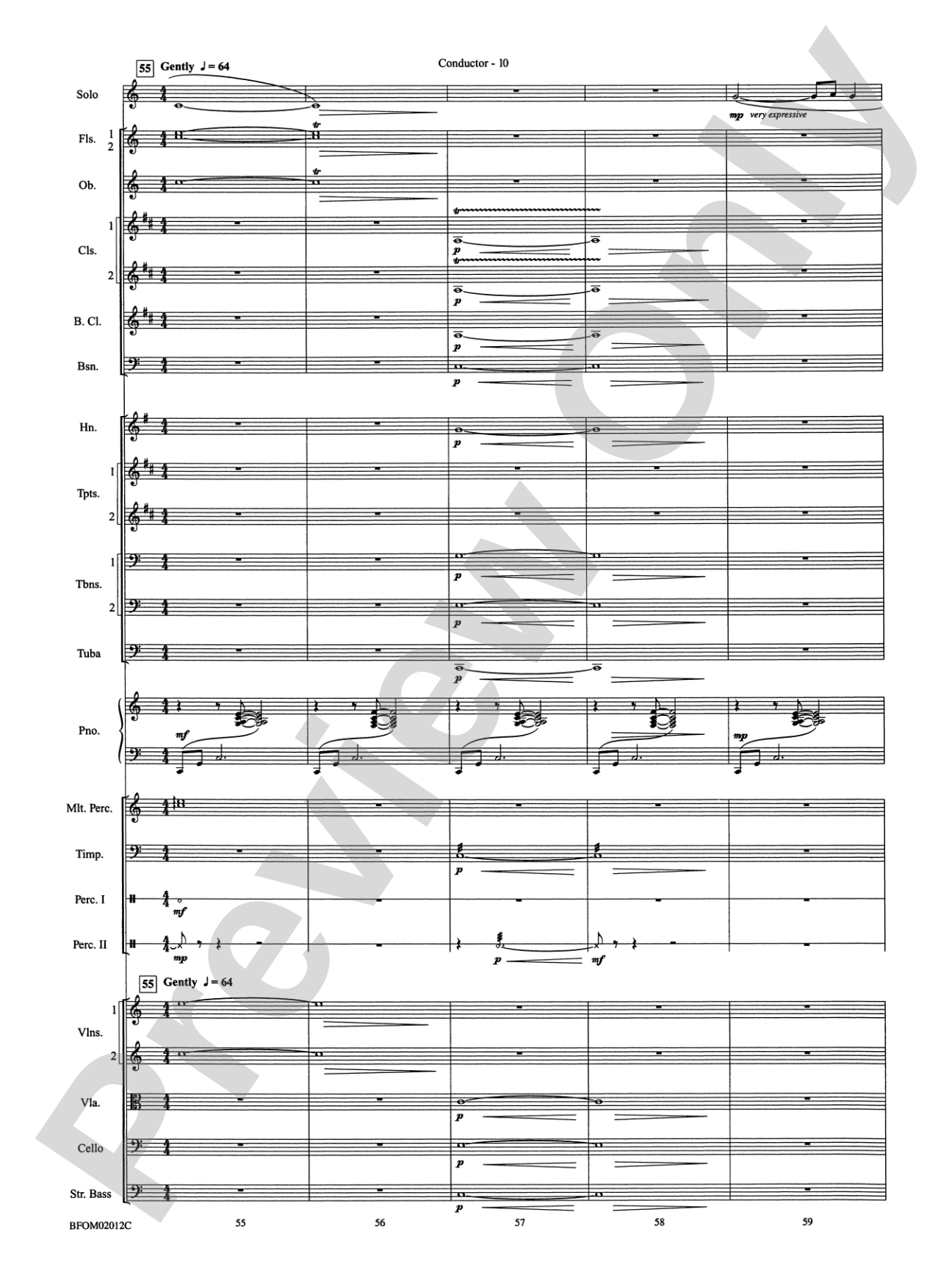
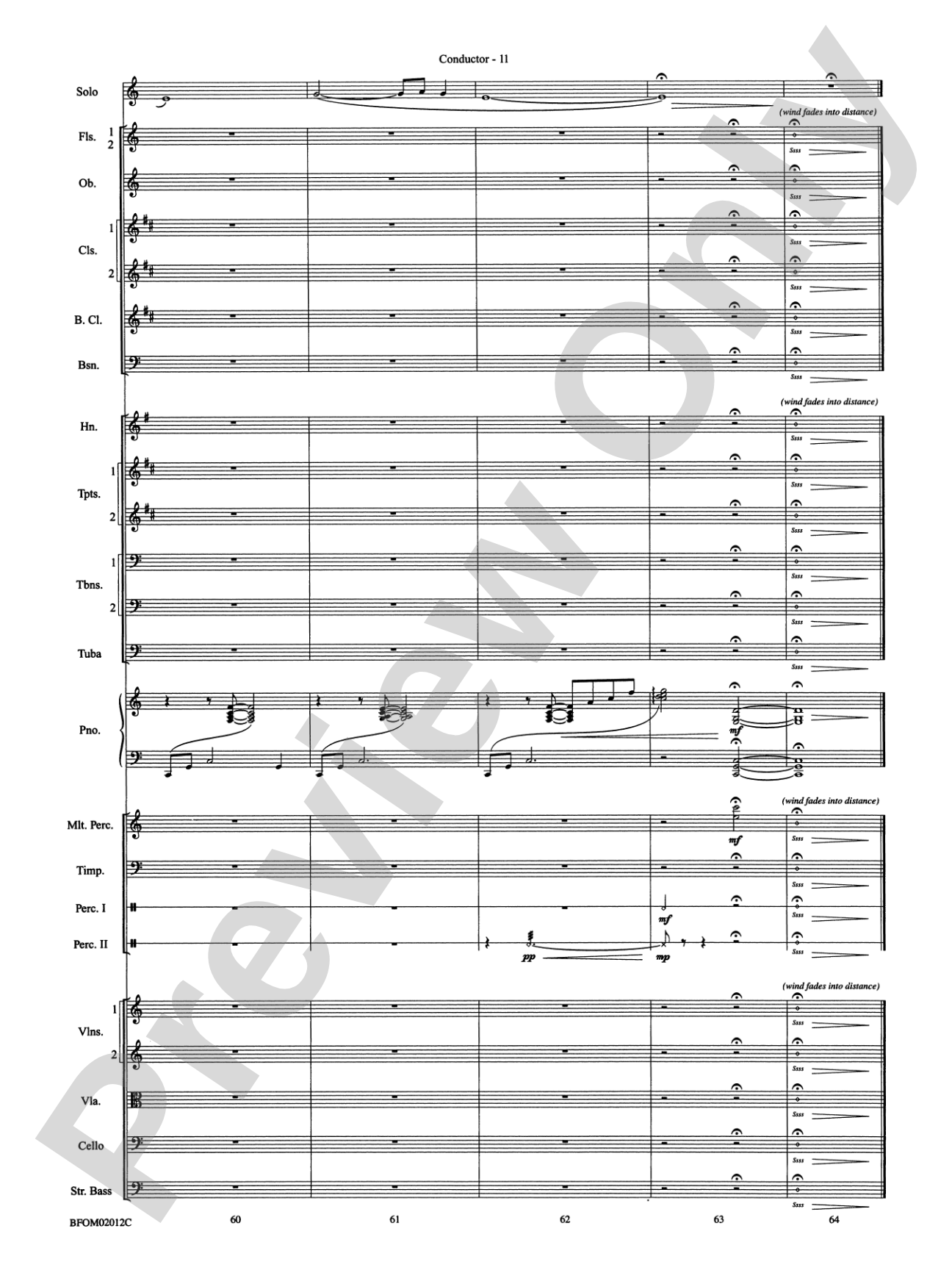




All Is Calm (Based on "Silent Night"): Score
Traditional / arr. Robert W. Smith
Grade: 2.5
Item: 00-PR-0002209
$8.00
Pickup currently not available
Description
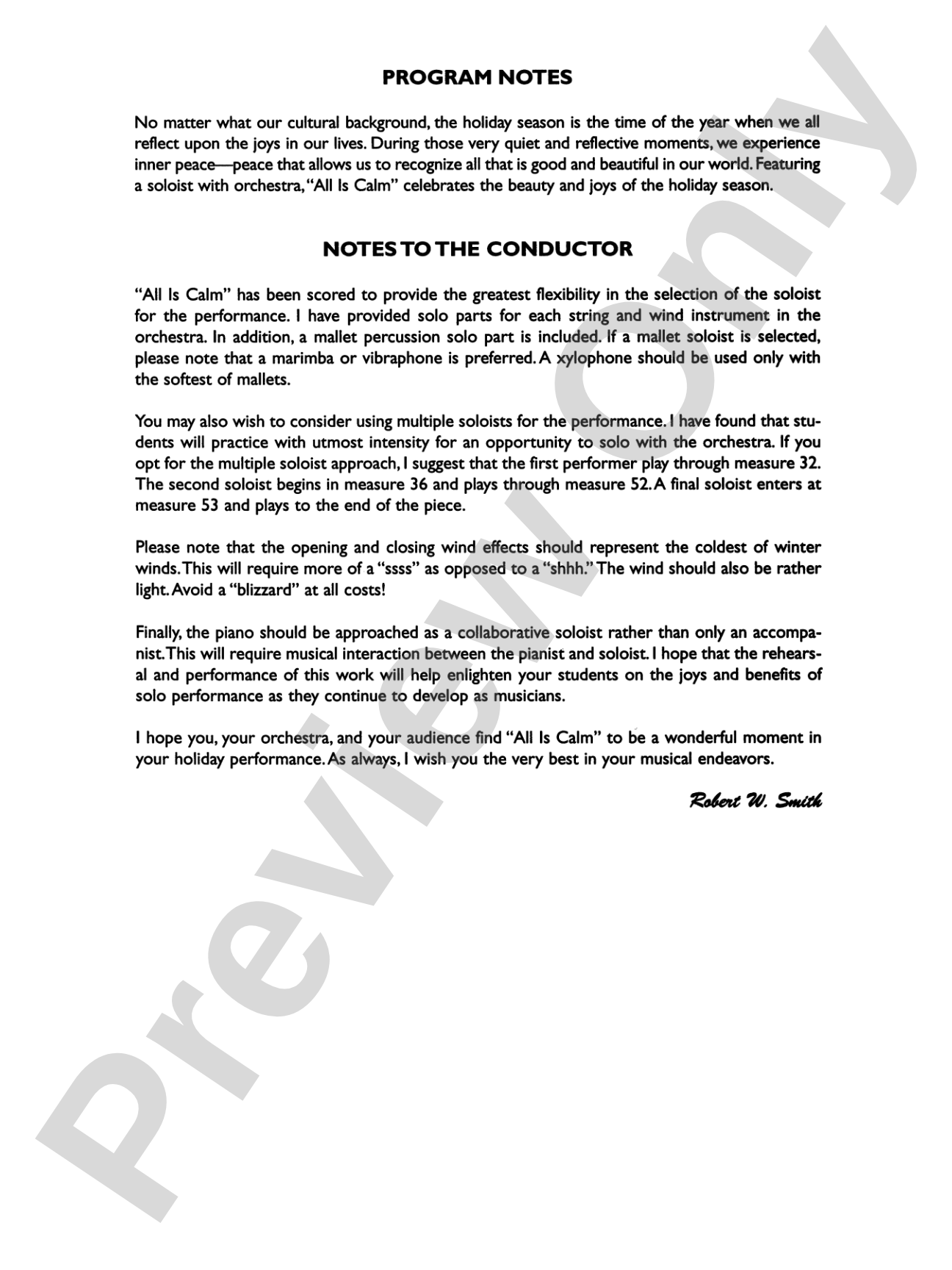
Here's a moving holiday work based on "Silent Night." Incorporating his technique for providing a soloist experience for any member of the ensemble (or a combination of players), Robert W. Smith has staged a master work for intermediate orchestra. Very touching, this arrangement will be a holiday classic you can use from year to year. (3:33)


Don't just read it, hear it, play along with it, and watch your students grow with it. In MakeMusic Cloud, All Is Calm (Based on "Silent Night"): Score comes alive with professional accompaniment, adjustable tempo, and built-in practice tools that turn solo practice into real progress.
Open in the Player
Jump straight in and assign it today.
Start Your Free Trial
Open this title and explore the full library in minutes.
Sample Audio
No sample audio found.
Sample Video
No sample videos found.
Additional Details
Series:
Belwin Intermediate Full Orchestra
Publisher:
Alfred Music
Page Count:
176
SKU:
00-PR-0002209
More about this title
About the Arranger: Robert W. Smith

Robert W. Smith stands as one of America's most recorded composers, with over 400 works in print across concert band and orchestral literature. His training in music education at Troy State University and advanced studies at the University of Miami shaped a compositional voice that balances artistic substance with practical classroom demands. His symphonies The Divine Comedy and The Odyssey have circulated internationally, while works like The Tempest have become repertoire standards in school programs.
Beyond the concert hall, Smith's music has appeared in television broadcasts, Olympic ceremonies, the Macy's Thanksgiving Day Parade, and major league baseball broadcasts. As both composer and conductor, he has led clinics and performances across North America, Europe, Asia, and Australia, giving him direct insight into what teachers and ensembles actually need.
Why we love this
Smith's approach here transforms a beloved carol into an orchestra piece where nearly everyone gets a moment in the spotlight. Rather than burying soloists in the texture, he stages the melody so individual players (or small combinations) carry phrases while the ensemble supports, making this feel personal even in a group setting. For a holiday program, that balance between intimacy and fullness gives you something genuinely moving without requiring star soloists or excessive rehearsal time.
What to expect
Reverent and intimate. The arrangement honors Silent Night's meditation on peace while avoiding treacle; it's genuinely moving rather than saccharine. Each entrance of the melody feels like a quiet discovery, as if the ensemble is learning the tune together for the first time.
Who it's for
Intermediate orchestras that want a substantial holiday offering without the demands of a full concerto or extended symphonic work. This works equally well in schools with 20 players or 60, since solo assignments can flex to match your roster.
How to get the most out of it
- Shape the solo passages with dynamic breathing. The soloist(s) should phrase naturally, even when supported by the ensemble, so the arrangement's transparency serves rather than obscures the melody.
- Let the accompaniment settle into a supportive role without thinning. At Grade 2.5, you can afford lush harmonies in the strings and woodwinds; they're the heart of the arrangement's warmth.
- Balance the recorded accompaniment carefully if you use it. The ensemble parts should never compete with the accompaniment track; treat the track as a rehearsal tool only until the orchestra can stand on its own.
How to use it
Reserve this for your winter concert's closing moments. Its lyrical simplicity and emotional directness work best as a program finale, giving audiences time to absorb the beauty without needing a dramatic upbeat follow-up. It's also ideal for holiday pops concerts or community performances where the audience knows the tune and can focus on how the arrangement reimagines it.
Skills your students will build
- Balancing solo voices against ensemble accompaniment
- Reading and executing transparent orchestration
- Sustaining tone quality during long melodic passages
- Responding to dynamic nuance in carol-based arrangements