All for One Cover Image

All for One: Brass Quintet Score & Parts

$15.00 USD
Sale price  $15.00 USD Regular price 
Skip to product information
All for One Cover Image

All for One: Brass Quintet Score & Parts

By Vince Gassi

Level: Medium

Item: 81-BQ24189

$15.00
Shipped

One moment…

Description
Alternating back and forth between 3/4 and 4/4 time, this chart swings no matter what time signature you're in. An exciting shout chorus with a written tuba solo adds to the unique flavour of this Vince Gassi original. There is an optional drumset part provided.

All for One: Brass Quintet Score & Parts isn't in MakeMusic Cloud just yet...but it could be. Let us know you'd like to see it, and you'll help shape what comes next. In the meantime, start a free trial and dive into thousands of interactive titles your students can play along with today.

Sample Pages

No sample pages found.

Sample Audio
0:00
0:00
Sample Video
Additional Details
Series: Eighth Note Publications: Vince Gassi Jazz Series
Publisher: Eighth Note Publications
ISBN10: 1-55472-028-1
ISBN13: 978-1-55472-028-6
UPC: 685462002221
SKU: 81-BQ24189
Instrumentation: Brass Quintet (Opt. Drumset)

More about this title

About the Composer: Vince Gassi
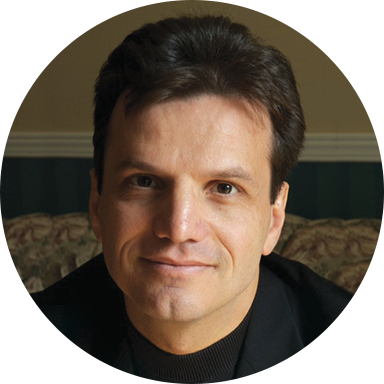
Vince Gassi

Vince Gassi has shaped music education across North America through decades of classroom teaching, composing, and guest conducting. A prolific creator with over 100 published works, he studied composition and arranging at the Dick Grove School of Music in Los Angeles and earned his Bachelor of Music from the University of Western Ontario before completing a Ph.D. at York University in Toronto.

Gassi's reputation rests on his ability to write music that challenges musicians while keeping them engaged. His works appear regularly on contest lists and concert programs internationally, and he remains in high demand as an adjudicator and clinician. Beyond composing, he leads seminars on creative engagement and digital workflows for music directors, bringing both artistic vision and practical classroom insight to everything he creates.

Why we love this

Gassi's rhythmic flexibility here keeps the piece swinging despite the constant time signature shifts, which means students experience a genuinely musical reason to master mixed meters rather than treating them as an exercise. The written tuba solo gives this section real personality while remaining playable at the medium level, and the optional drumset part makes it adaptable whether you're performing in a concert setting or at a jazz festival.

What to expect

The piece radiates excitement from its opening, with the constant dance between 3/4 and 4/4 creating momentum that feels almost propulsive. When the shout chorus hits and the tuba steps into its solo, the ensemble shifts into full swing groove, turning what could have been a technical exercise into something genuinely spirited and fun.

Who it's for

Brass quintet ensembles at the intermediate level who are ready to tackle rhythmic sophistication and want to program something with jazz vocabulary and contemporary energy. This works equally well for contest preparation or a concert featuring original compositions.

How to get the most out of it

  • Lock the meter changes during early rehearsals by isolating the transition points between 3/4 and 4/4; once the brass feel the pulse continuity, the swing emerges naturally across both signatures.
  • Balance the shout chorus so the top voices cut through without drowning the tuba solo; this is where the piece's character lives, and every voice matters.
  • If you include drumset, work out the drum part independently first, then layer it into full rehearsal once the brass quintet has its rhythmic foundation secure.

How to use it

Program this alongside other Gassi works or contemporary brass quintet repertoire to build a set that showcases jazz idiom and compositional variety. It's ideal for a spring or festival concert where you want to close a set on an uplifting, high-energy note without sacrificing musicality.

Skills your students will build

  • Reading mixed meters (3/4 and 4/4) with consistent pulse
  • Swing feel and jazz articulation across time signature changes
  • Ensemble balance during featured solo sections
  • Rhythmic independence and flexibility within a quintet texture

You May Also Like