

Alfred's Teach Yourself to Read Music for Guitar: Practical Music Reading for All Guitarists!
Practical Music Reading for All Guitarists!
By Dan Fox
Level: Advanced
Item: 00-PB-0002223
$16.99
Pickup currently not available
Related Items
Alfred's Teach Yourself to Read Music for Guitar: Guitar Book |
$16.99
|
View |
Description
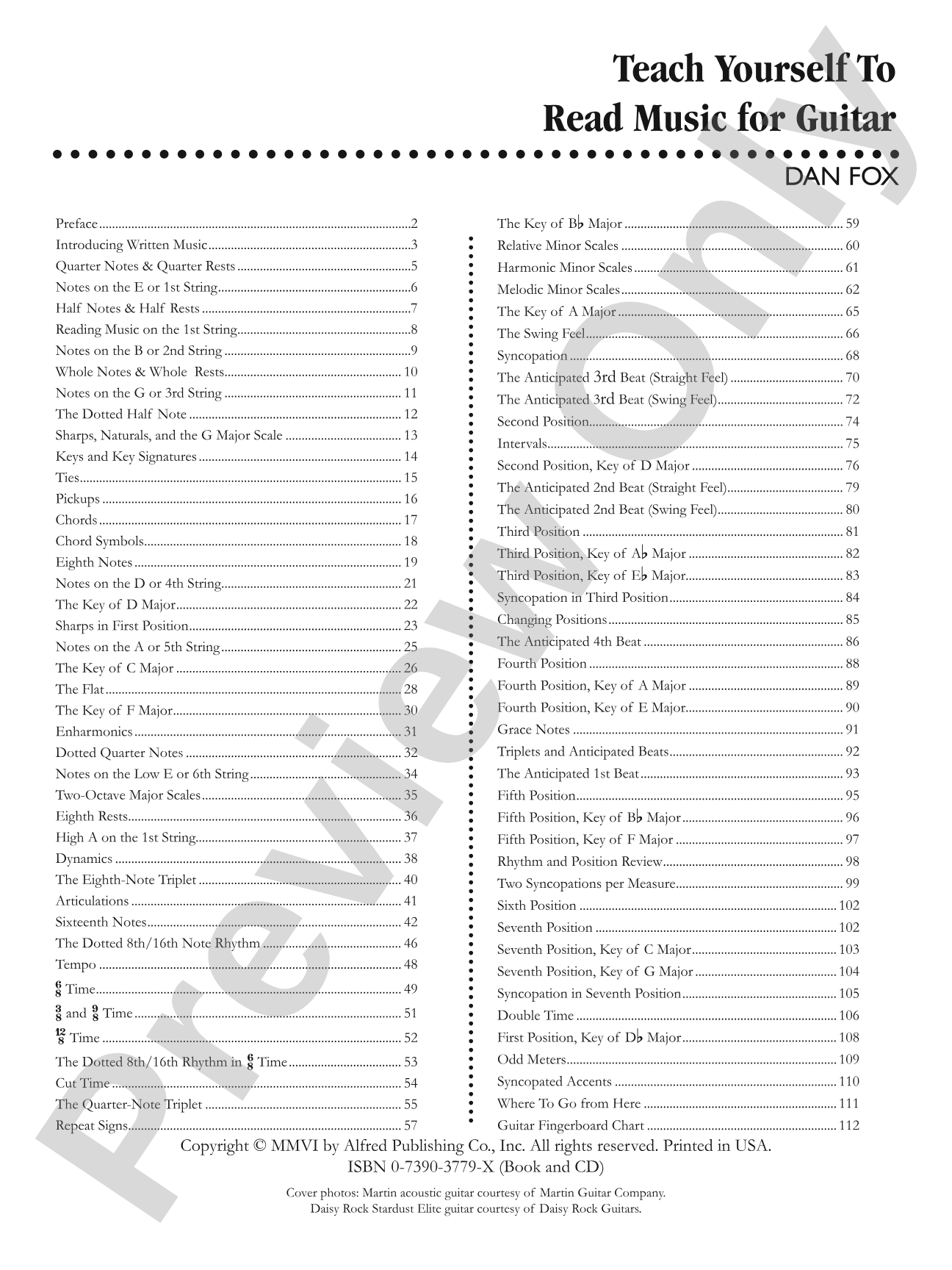
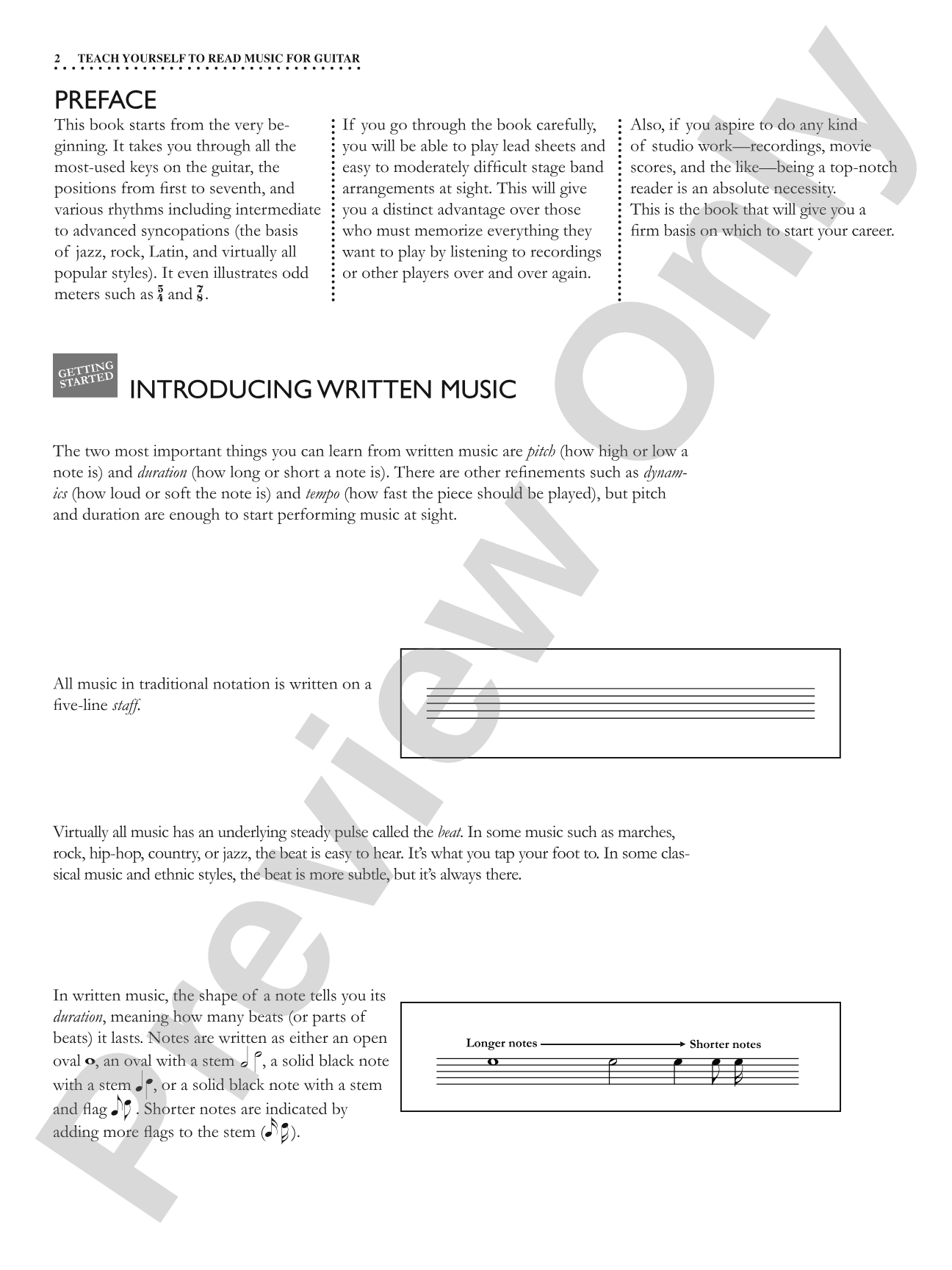
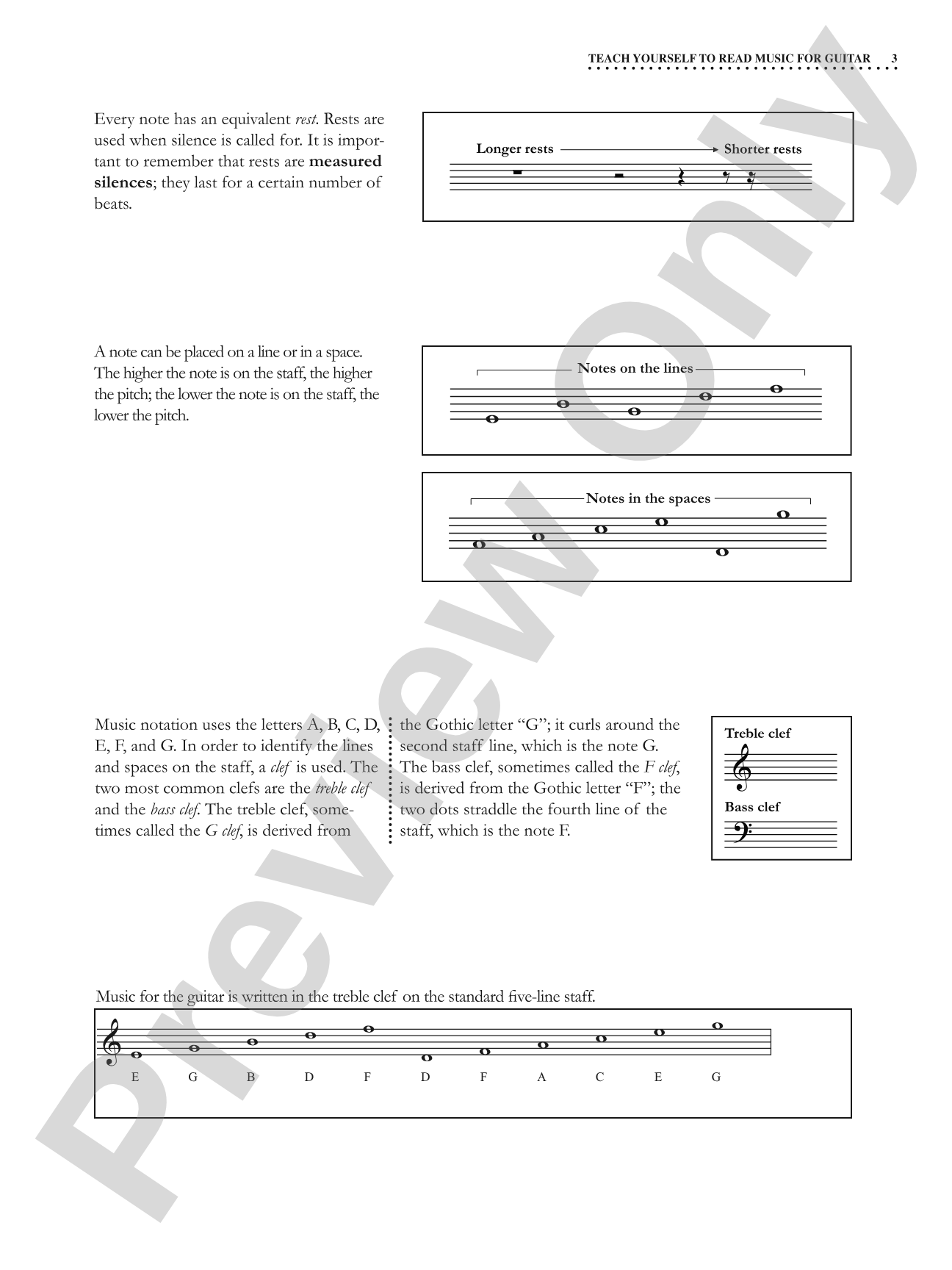
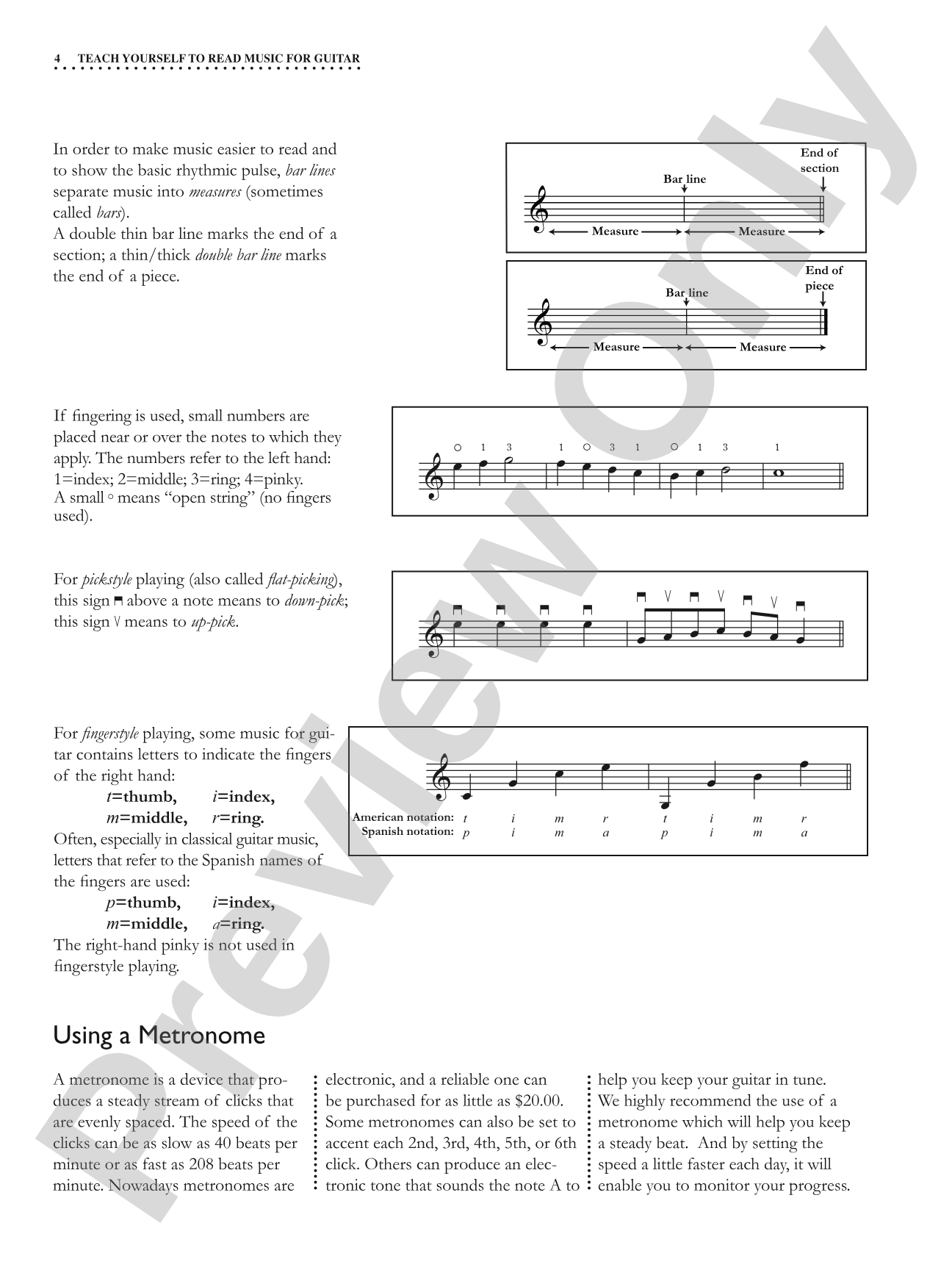
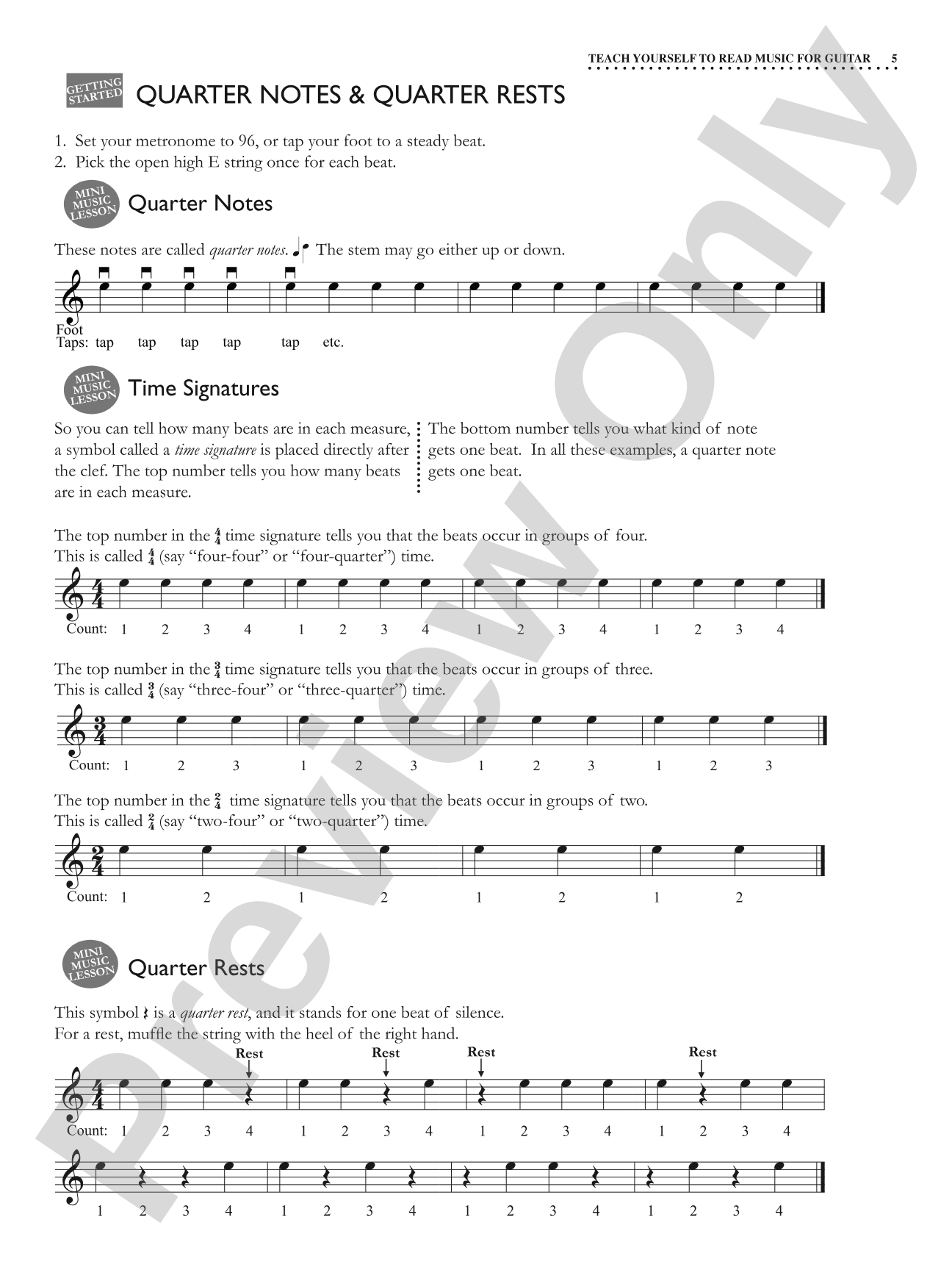
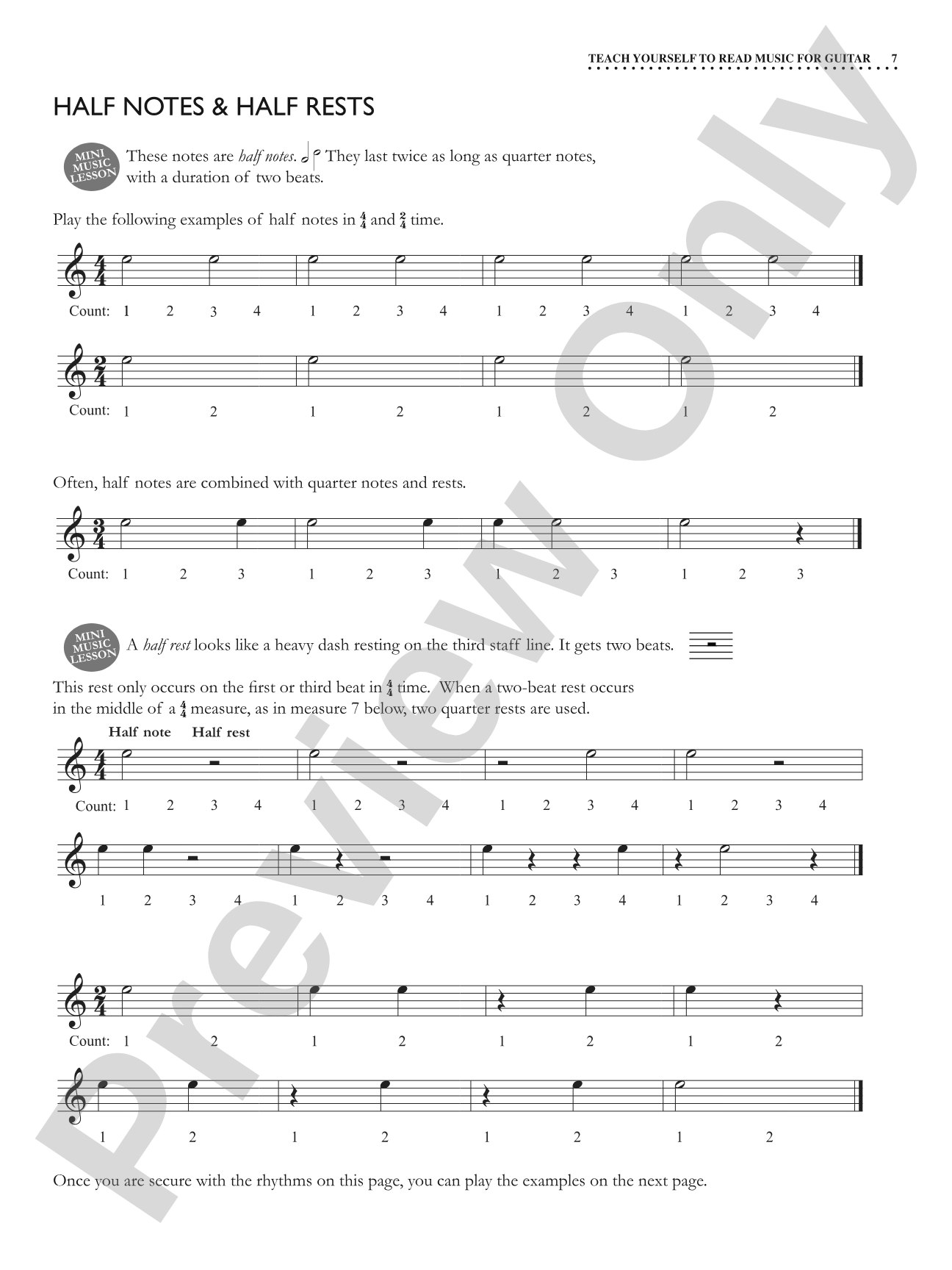
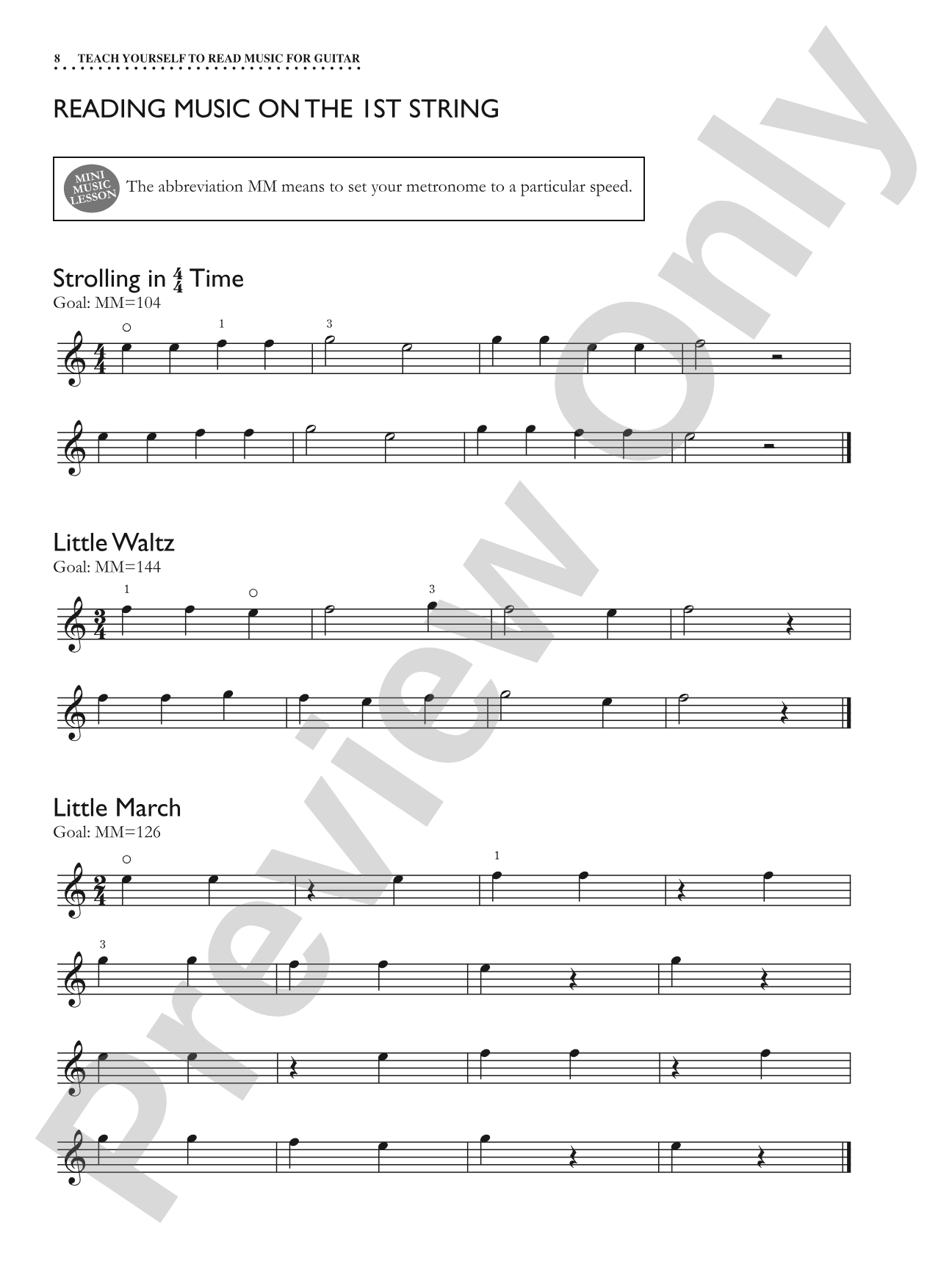
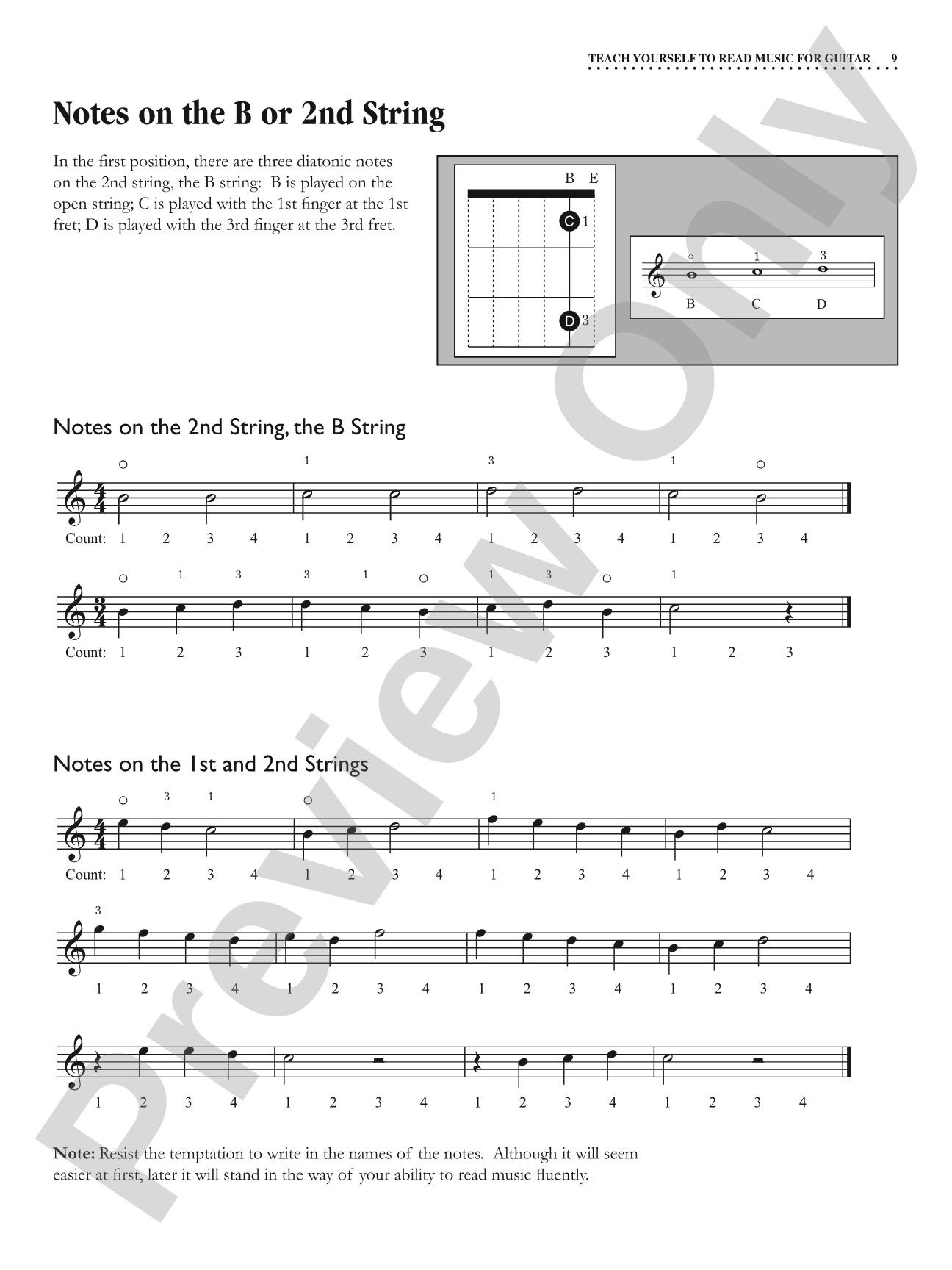
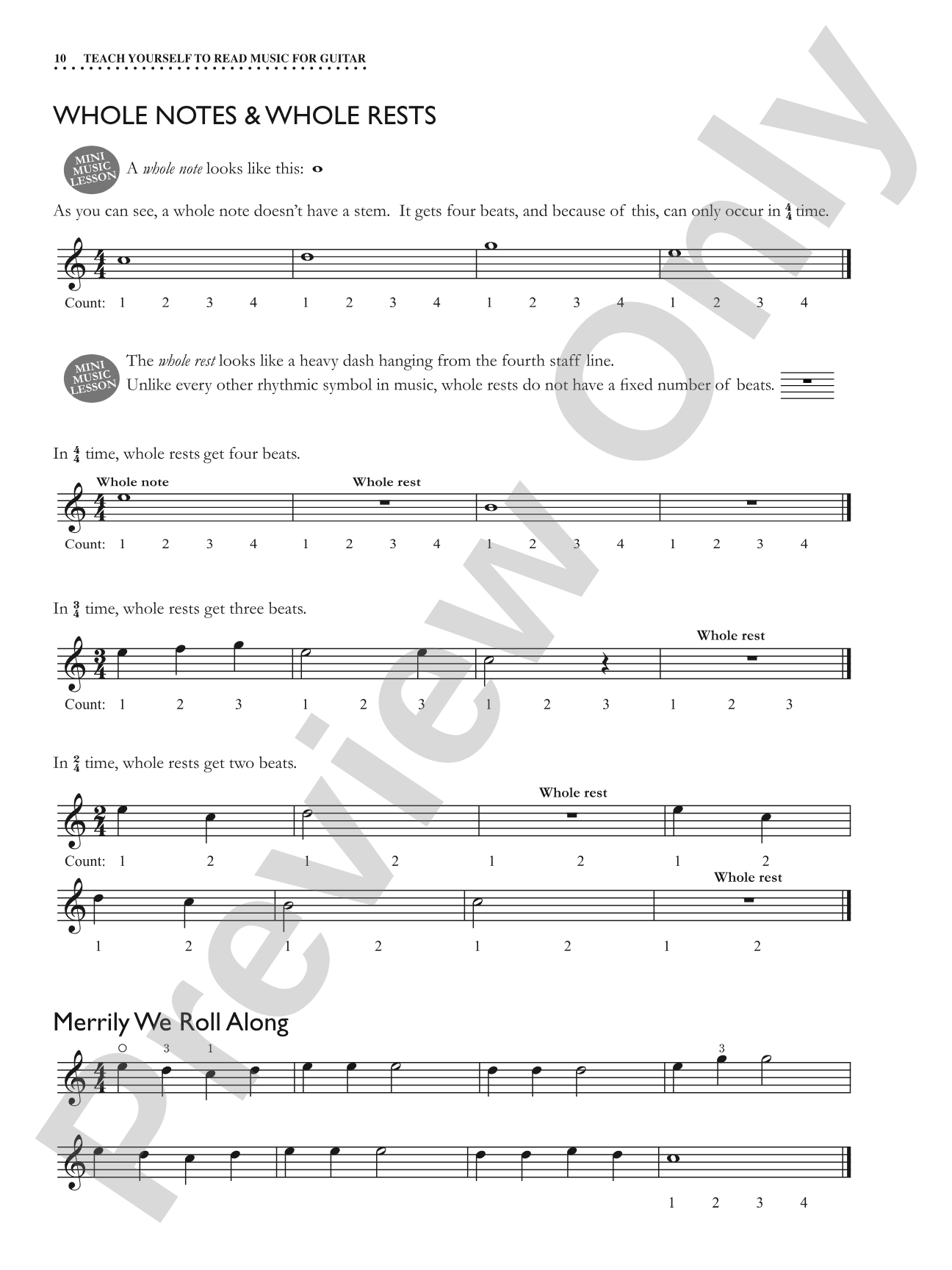
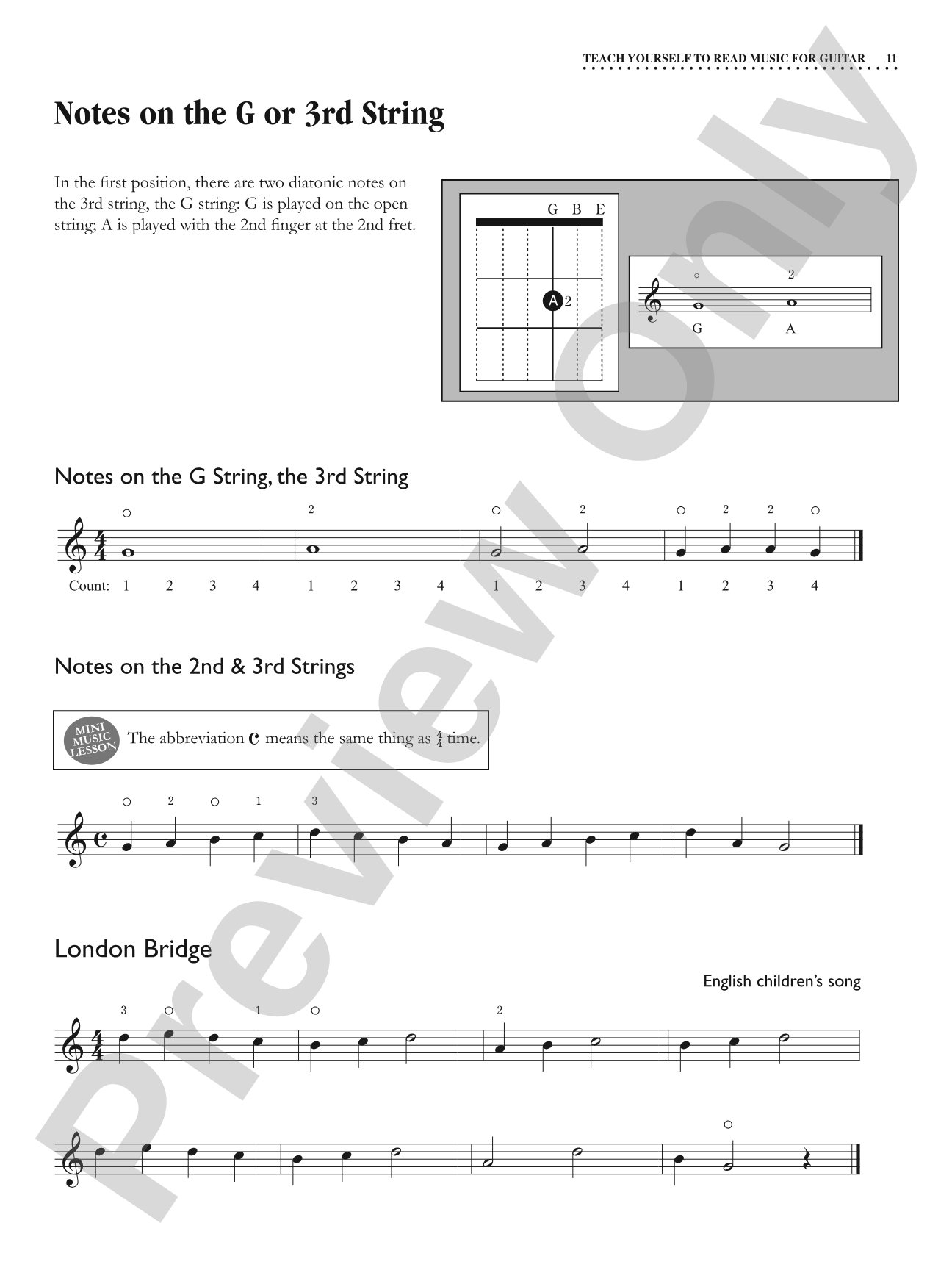
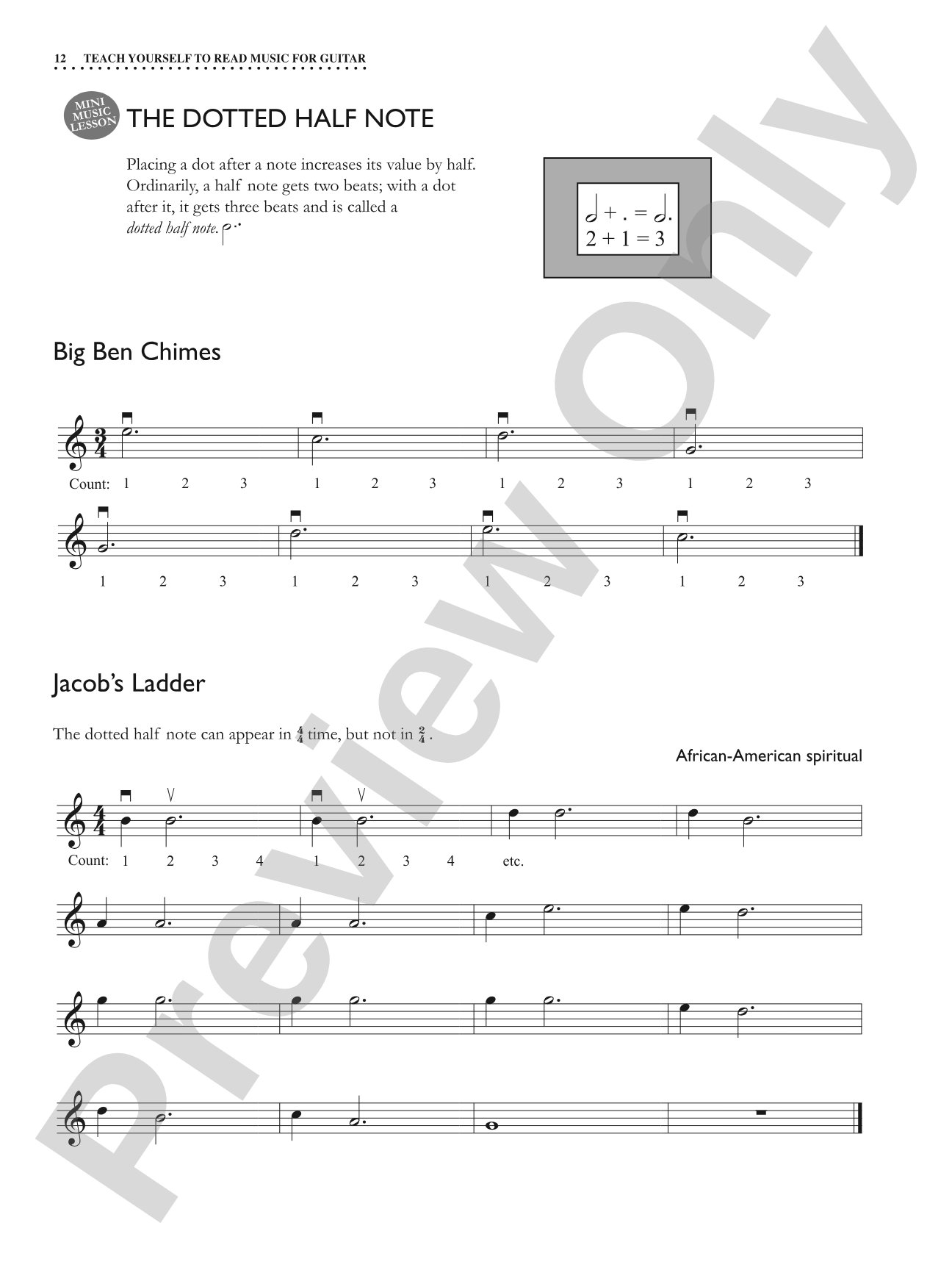
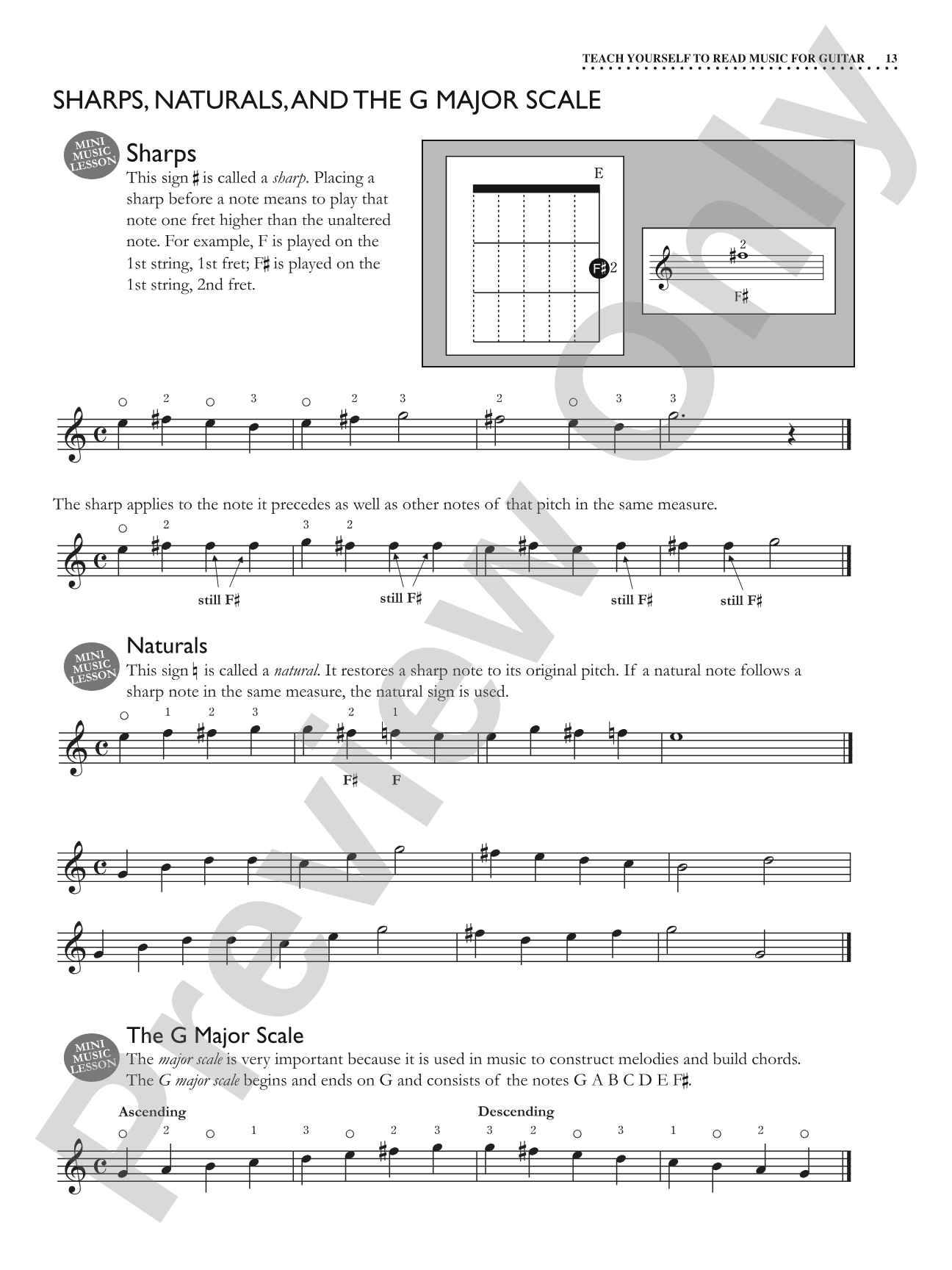
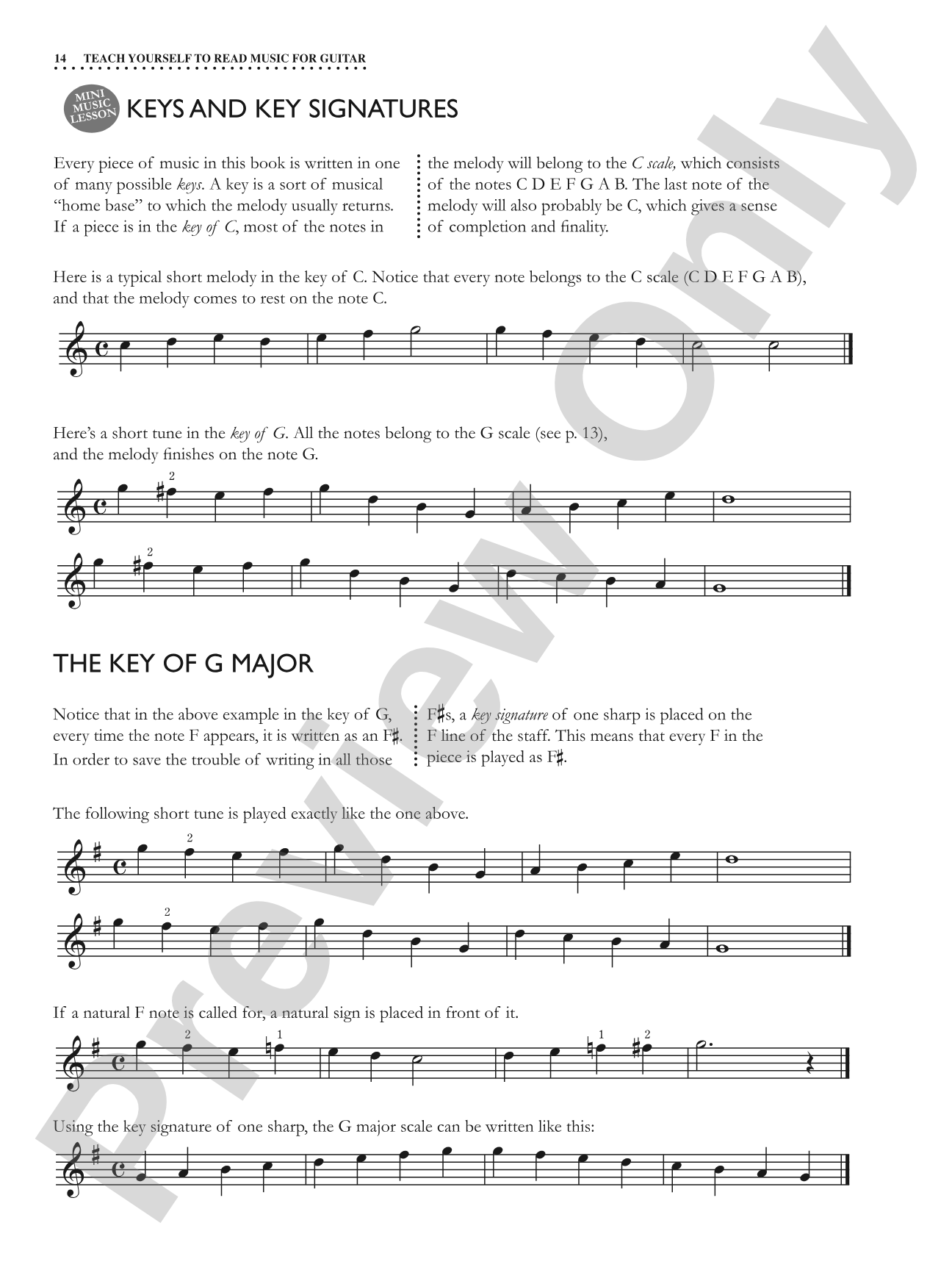
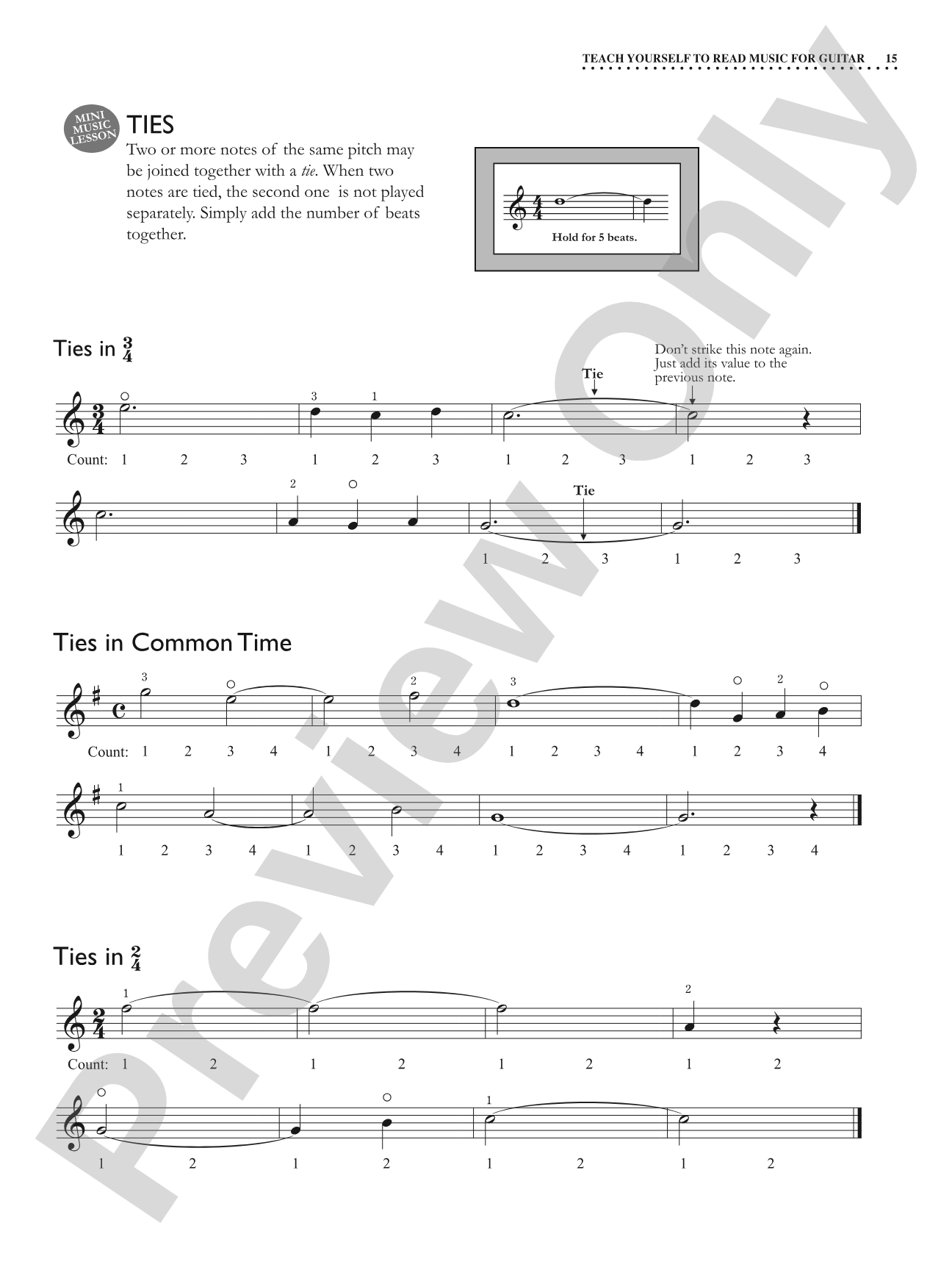
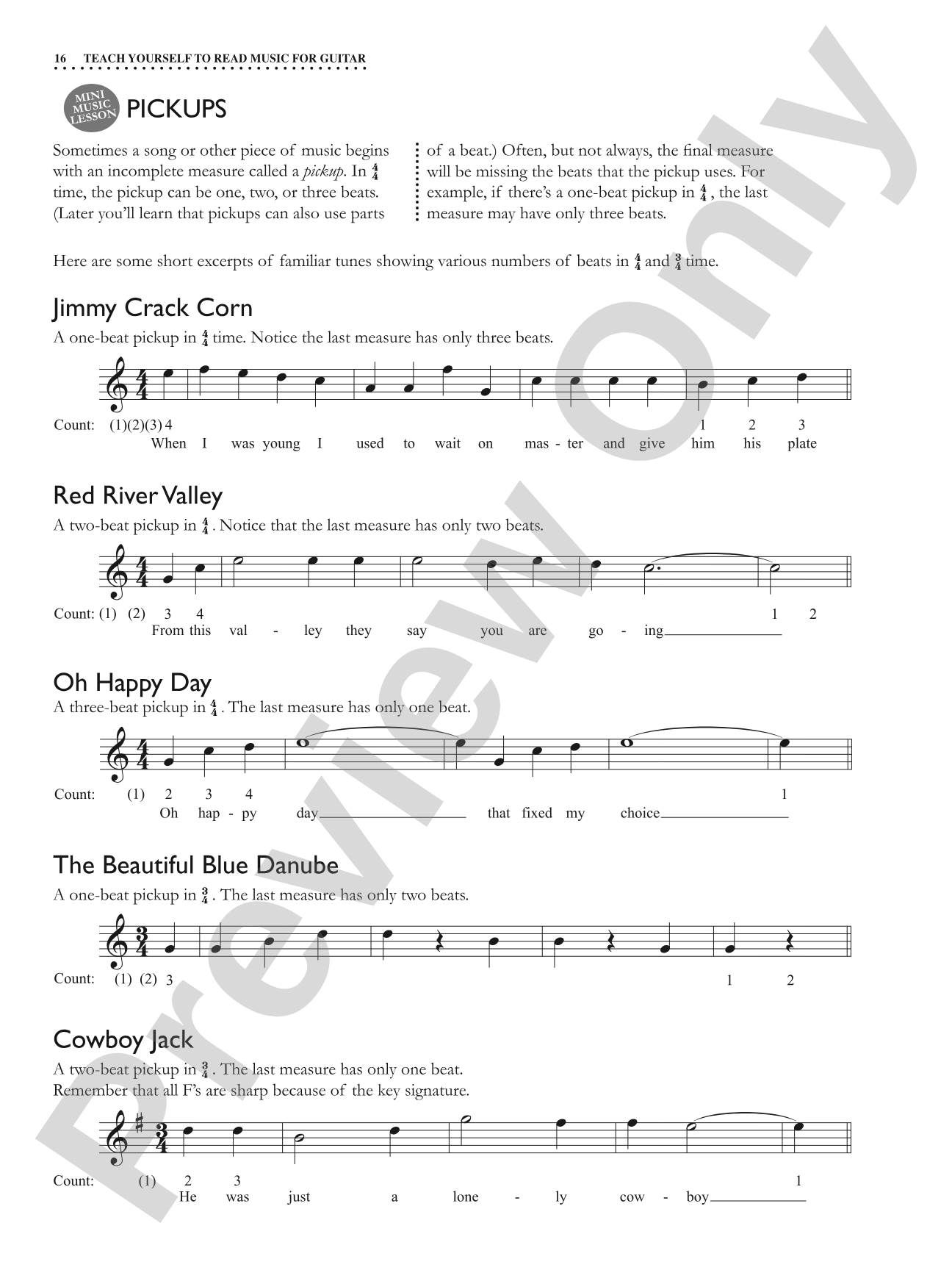
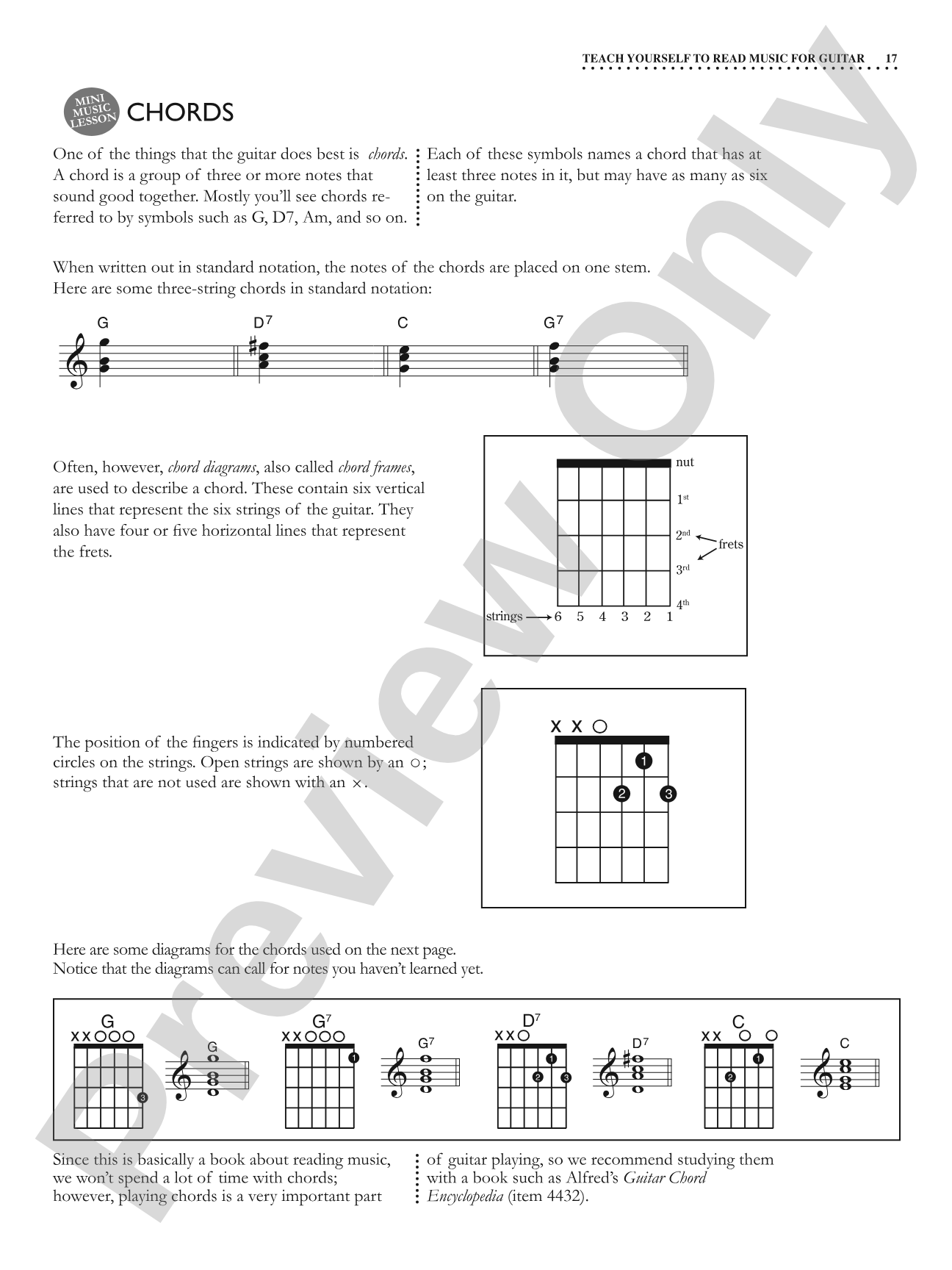
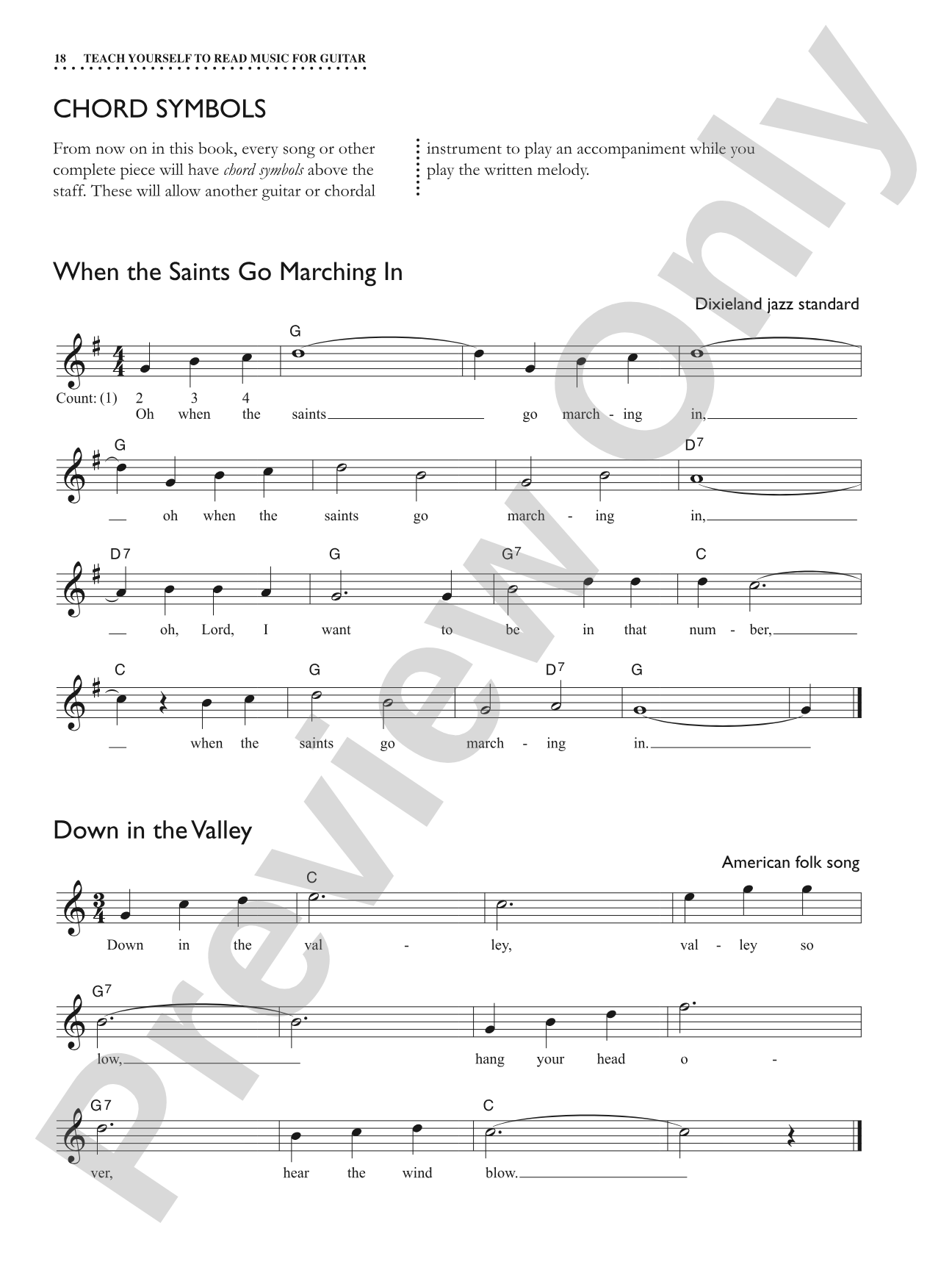
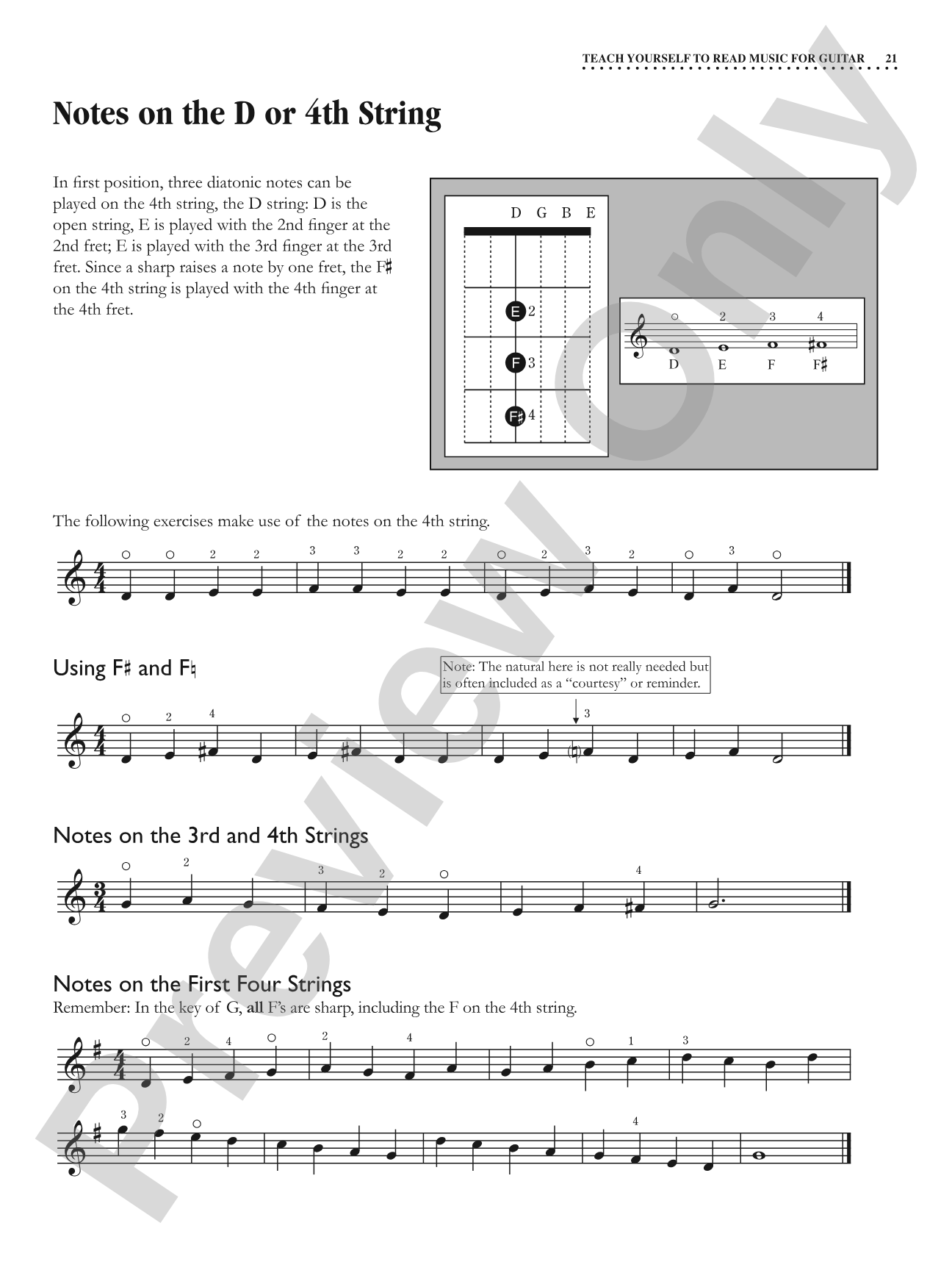
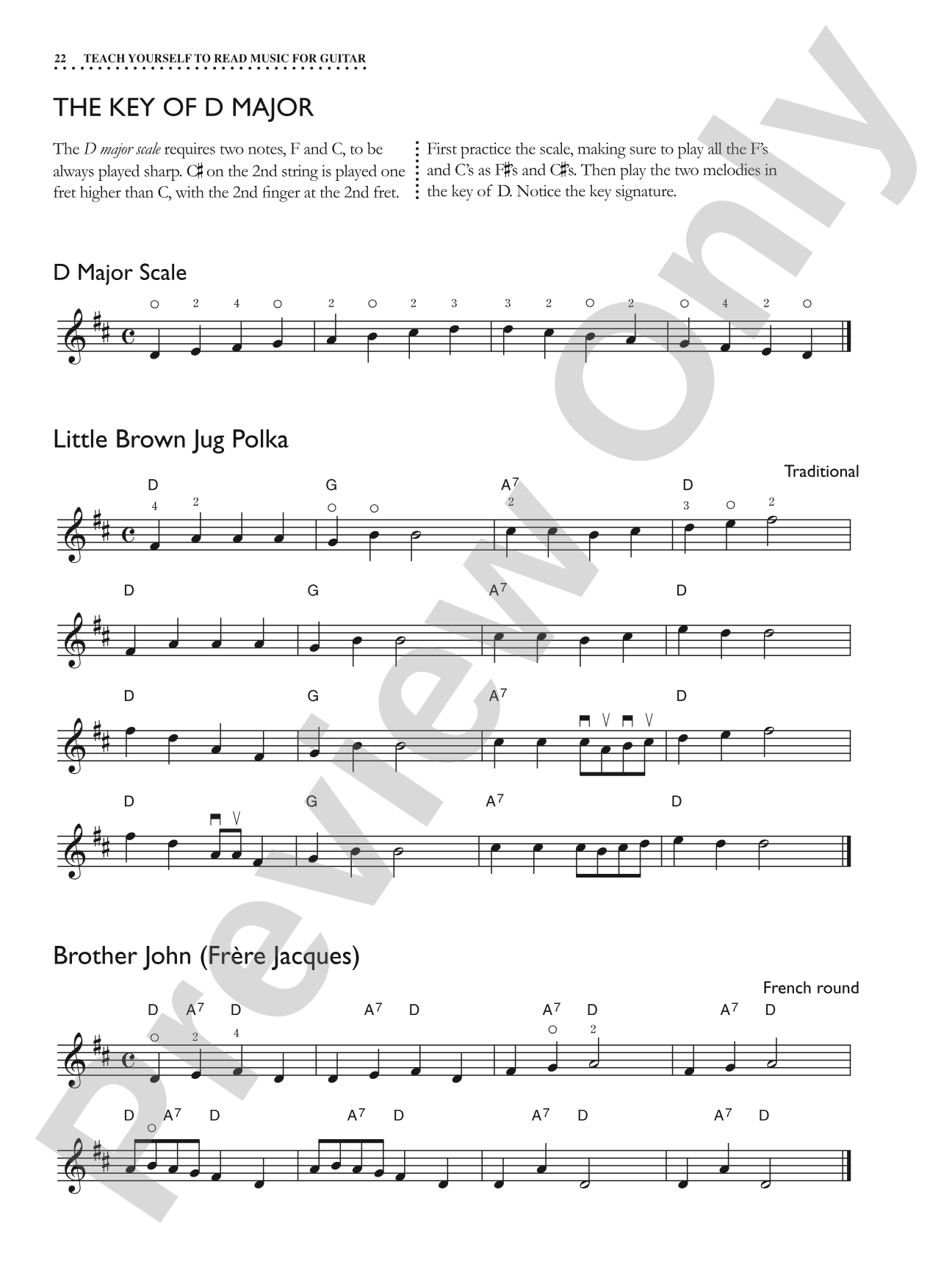
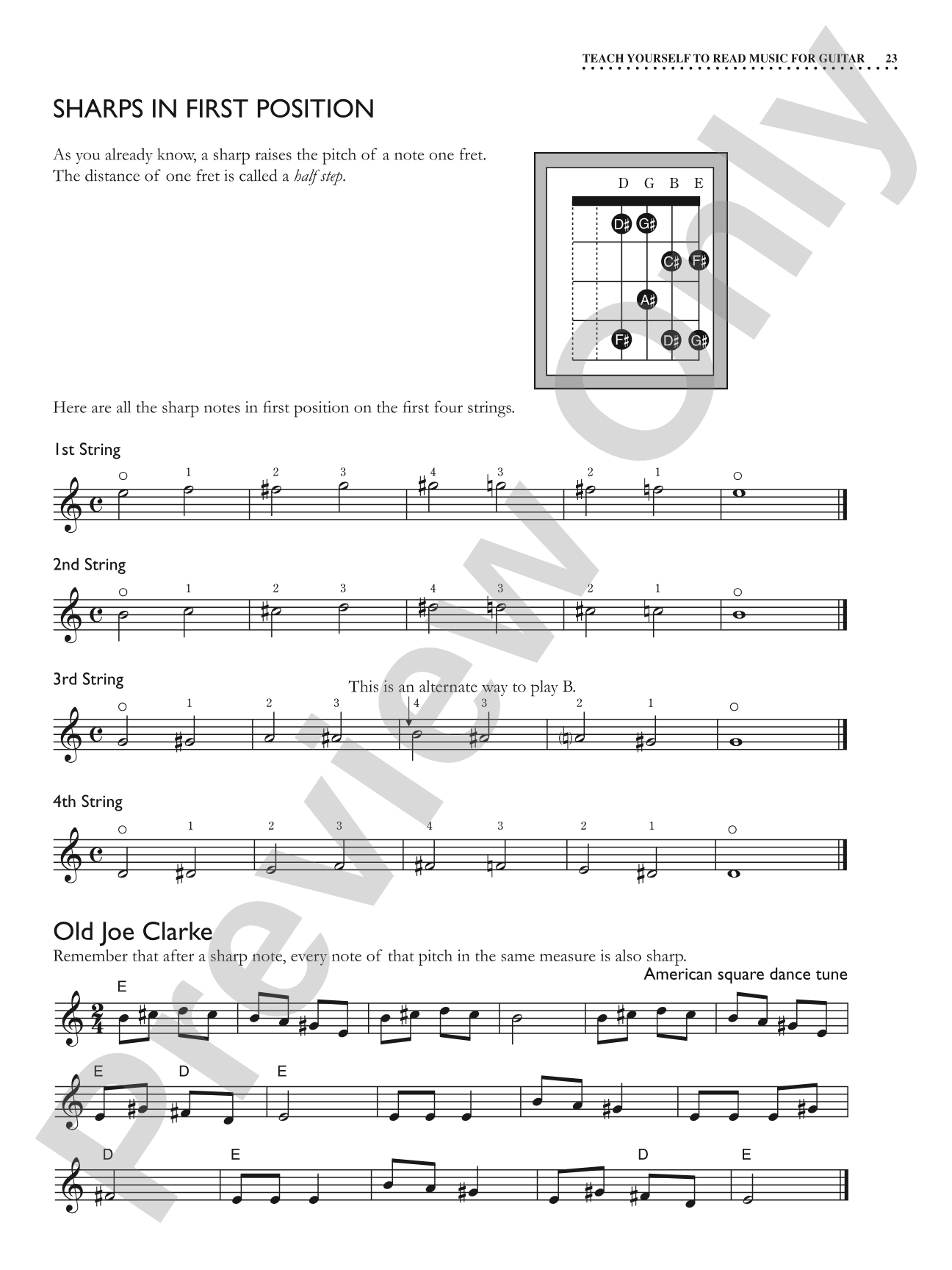
Learn everything you need to know to start playing music from standard notation on the guitar and open up a brand new world of musical knowledge with this exciting method from Alfred. Guitar players of all ages can begin or continue their journey to a lifetime of playing either acoustic or electric guitar from musical notation. Beginning with the fundamentals, you will dive straight into learning about different notes, rests, key signatures, and chords. Upon completion of this book, you will be able to play lead sheets and arrangements at sight.
Features:
* Covers intermediate to advanced syncopations
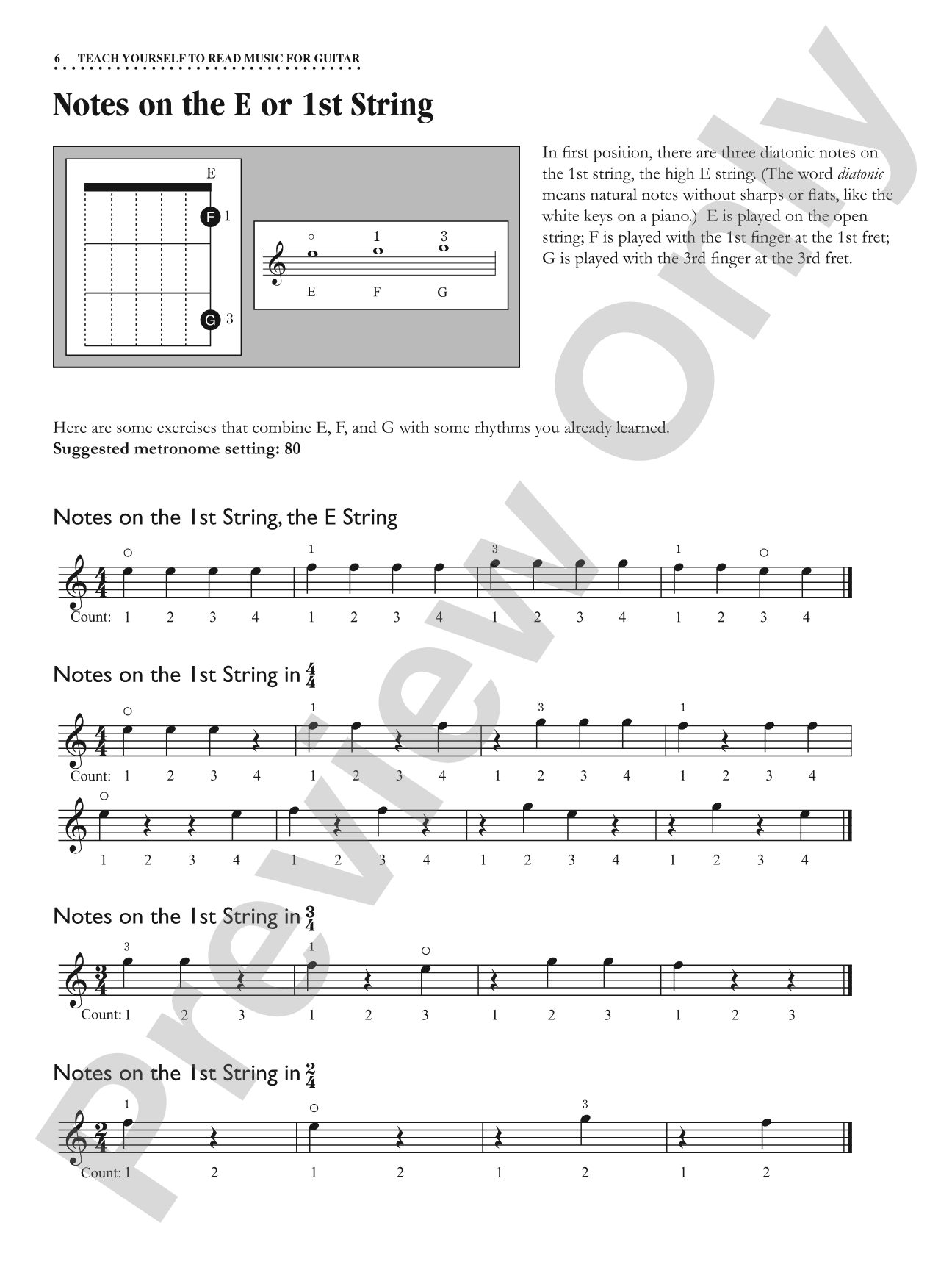
* Relates the notes you're reading to the fretboard on the guitar
* Teaches reading in common meters, odd meters, double time, and cut time
* Guitar fingerboard chart
Be your own teacher, and let Alfred be your resource every step of the way.


Features:
* Covers intermediate to advanced syncopations
* Relates the notes you're reading to the fretboard on the guitar
* Teaches reading in common meters, odd meters, double time, and cut time
* Guitar fingerboard chart
Be your own teacher, and let Alfred be your resource every step of the way.
Alfred's Teach Yourself to Read Music for Guitar: Practical Music Reading for All Guitarists! isn't in MakeMusic Cloud just yet...but it could be. Let us know you'd like to see it, and you'll help shape what comes next. In the meantime, start a free trial and dive into thousands of interactive titles your students can play along with today.
Request This Title
Tell us you want it.
Start Your Free Trial
Explore everything that's ready to play right now.
Sample Audio
No sample audio found.
Sample Video
No sample videos found.
Additional Details
Series:
Teach Yourself Series
Publisher:
Alfred Music
Page Count:
112
SKU:
00-PB-0002223
More about this title
About the Composer: Dan Fox
Dan Fox is a composer and educator whose work with Alfred Music has shaped music instruction for generations of students. His pedagogical approach emphasizes clarity and practical application, making complex musical concepts accessible without sacrificing rigor.
Why we love this
This book bridges a real gap for guitarists who want to move beyond tab notation without starting from scratch. Fox builds systematically from fundamentals to intermediate syncopations and odd meters, so students encounter challenges at exactly the right moment. The fingerboard charts keep the learning grounded in what guitarists actually need: the direct connection between the page and the instrument.
What to expect
Working through this book feels like the notation slowly stops being a foreign language and starts being a direct channel to your fingers. Early exercises build confidence quickly, and by the time you're reading cut time or mixed meters, you're solving real musical puzzles rather than completing exercises.
Who it's for
Guitarists who have played from tab or learned by ear and are ready to unlock the full repertoire of written music. This method also serves experienced players who need to formalize their reading skills or brush up on notation fundamentals before tackling classical or jazz standards.
How to get the most out of it
- Reference the fingerboard chart constantly during early chapters. Physical association between notation and fret location sticks faster than memorization.
- When you reach the syncopation sections, isolate rhythm patterns by tapping before touching the instrument. This separates reading skill from technical execution.
- Practice odd meters (5/4, 7/8) with a metronome set to click on beat one only. Once the meter feels stable, add clicks on every beat.
- Play through lead sheet examples multiple times in one sitting rather than spacing them over days. Repetition builds the pattern recognition that enables true sight reading.
How to use it
This works best as a self directed supplement for guitarists in your ensemble or private lesson studio who need notation literacy. Assign chapters sequentially over a semester or school year, pairing completed lead sheets with repertoire your group is performing so reading translates directly to ensemble contribution.
Skills your students will build
- Reading notes on all six strings in treble clef
- Recognizing and applying key signatures up to multiple sharps and flats
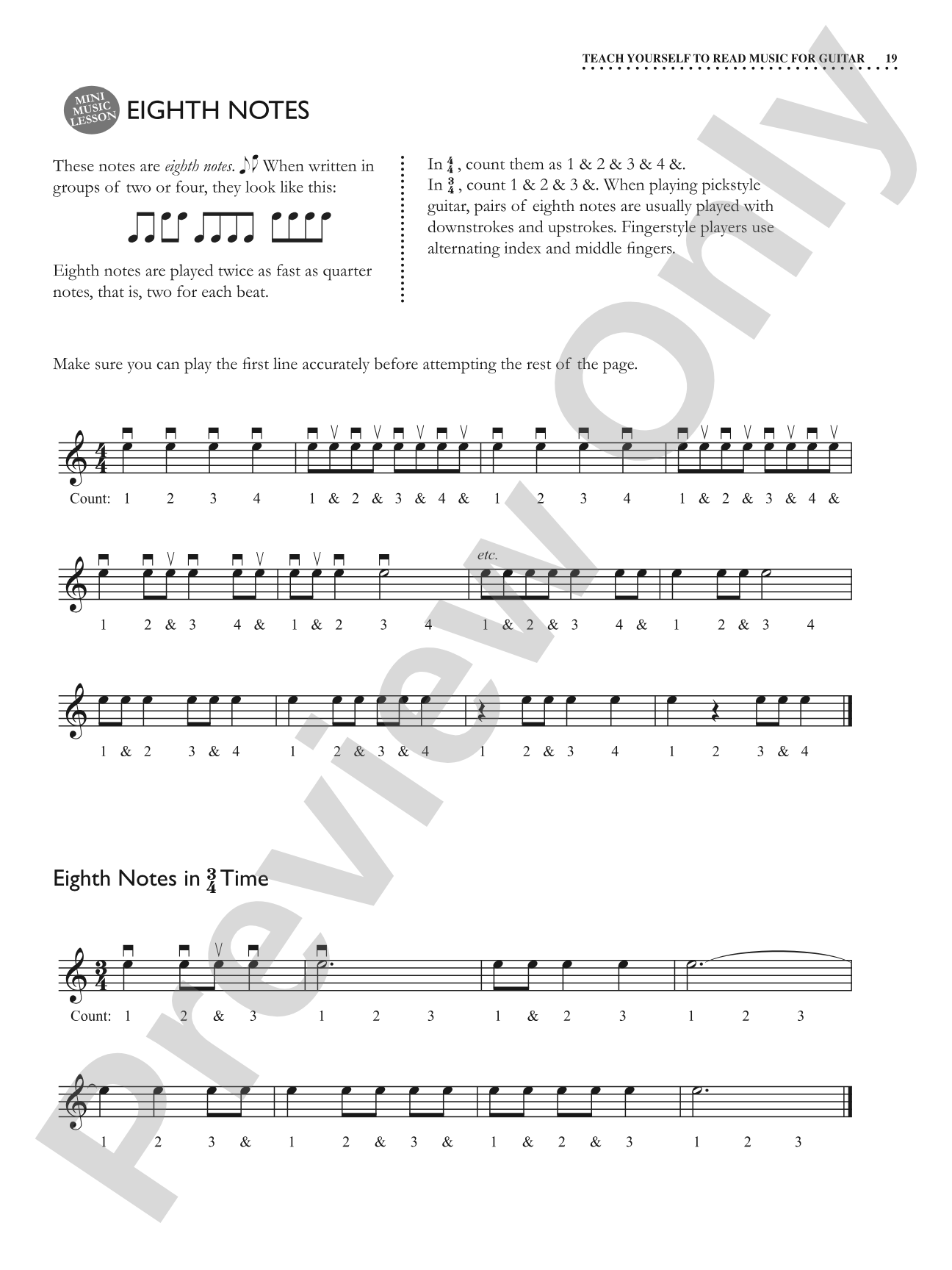
- Interpreting intermediate and advanced syncopation patterns
- Reading in uncommon meters (5/4, 7/8, 7/4) and metric shifts
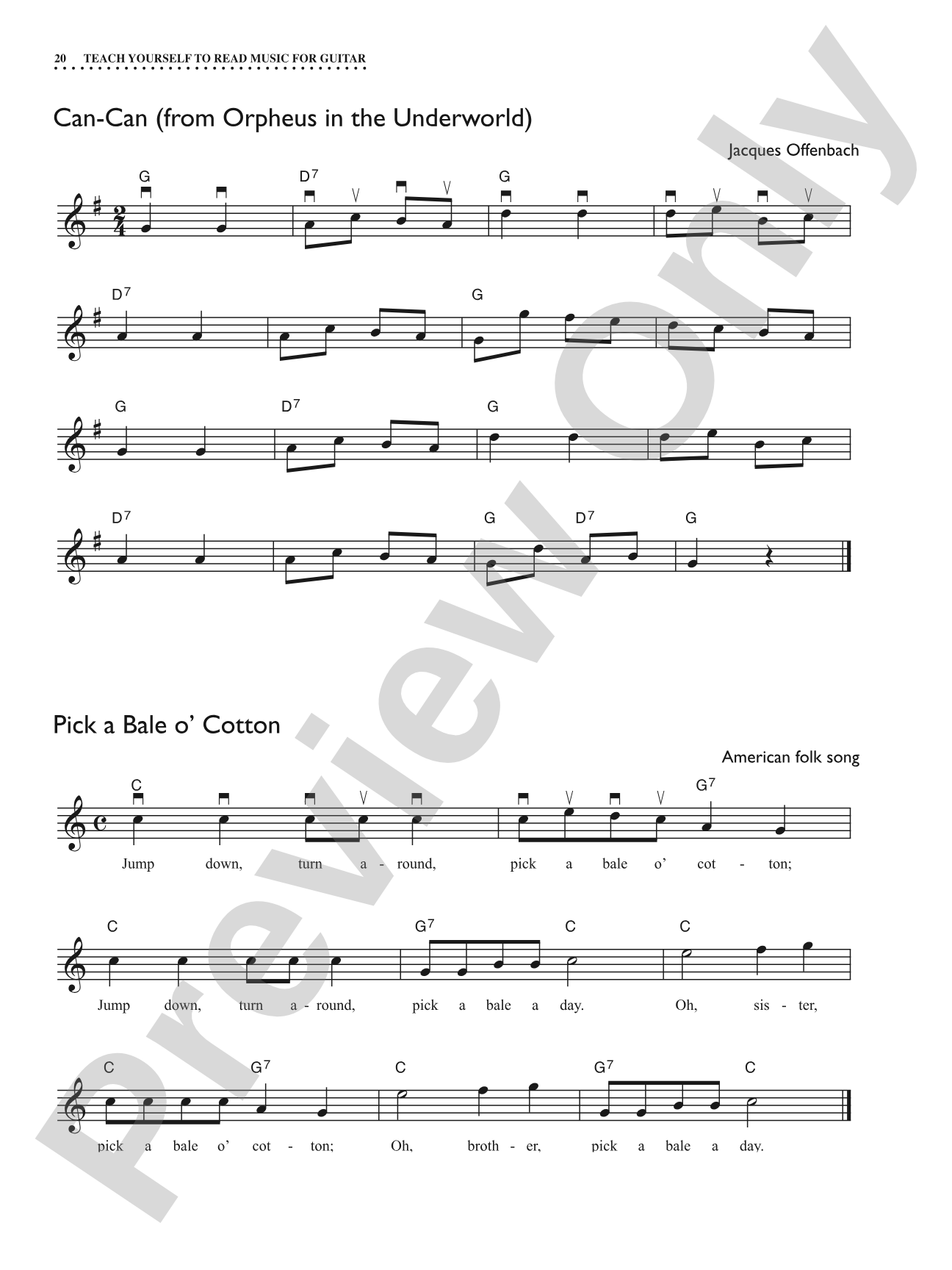
- Sight reading lead sheets and chord arrangements
- Understanding double time and cut time signatures
- Correlating standard notation directly to fretboard position