Alfred's Kid's Piano Course 1 Cover Image

Alfred's Kid's Piano Course 1: Keyboard/Piano Book & Online Video/Audio

$15.99 USD
Sale price  $15.99 USD Regular price 
Skip to product information
Alfred's Kid's Piano Course 1 Cover Image

Alfred's Kid's Piano Course 1: Keyboard/Piano Book & Online Video/Audio

The Easiest Piano Method Ever!

By Christine H. Barden, Gayle Kowalchyk, and E. L. Lancaster

Item: 00-45270

$15.99
Shipped

One moment…

Description
Alfred's Kid's Piano Course is the easiest piano method ever for kids ages 5 and up. Using plain language that's easy for kids to understand, three irresistible piano experts---a clever classical dog, one cool jazz cat, and a friendly alligator who loves the blues---guide students along. They draw attention to what's important on each page and make learning music fun! Kids will learn to play notes and melodies, read music, and perform lots of fun songs.

This book also includes accompanying audio to stream or download so you always know how the music should sound. The online video includes every lesson and example explained and played by expert teacher Gayle Kowalchyk. Perfect for home schooling!

Alfred's Kid's Piano Course 1: Keyboard/Piano Book & Online Video/Audio isn't in MakeMusic Cloud just yet...but it could be. Let us know you'd like to see it, and you'll help shape what comes next. In the meantime, start a free trial and dive into thousands of interactive titles your students can play along with today.

Sample Pages

Sample Audio
1 Track 34 --:--
2 Track 35 --:--
3 Track 41 --:--
4 Track 42 --:--

Track 34

0:00
0:00
Sample Video
Additional Details
Series: Alfred's Kid's Piano Course
Publisher: Alfred Music
Page Count: 48
ISBN10: 1-4706-3351-5
ISBN13: 978-1-4706-3351-6
UPC: 038081519845
SKU: 00-45270

More about this title

About the Author: Christine H. Barden
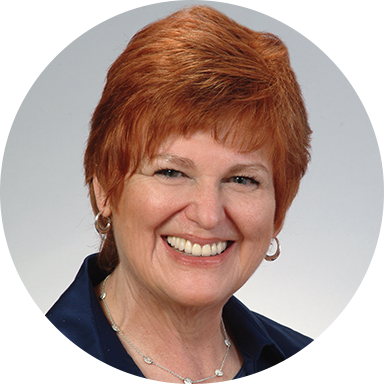
Christine H. Barden

Christine H. Barden brings decades of early childhood music instruction to her teaching and writing. Based in Reno, Nevada, she maintains a private piano studio where her students consistently win competitions, and she teaches Music for Little Mozarts preschool classes. She holds a degree in piano performance from San Francisco State University and studied under Vladimir Brenner, pianist with the NBC Symphony Orchestra. Her training also included four years abroad performing and teaching in Europe, followed by intensive study with Yamaha Music Foundation instructors in Japan.

Barden served as a national staff member for Yamaha Music Education System for 17 years, eventually directing curriculum development and serving as National Chief Instructor. She has presented workshops for piano teachers at conferences across the United States and internationally in England, Norway, and Singapore. Her published compositions include the Music for Little Mozarts series and several solo pieces, one of which was selected by the National Federation of Music Clubs as a Junior Festival offering.

Why we love this

The three animated characters (a classical dog, a jazz cat, and a blues alligator) create a genuinely engaging learning environment without resorting to condescension. Each character returns consistently throughout the method, building familiarity while naturally introducing different musical styles and approaches to the instrument. The integrated online video lessons mean parents and teachers can pause at any point to see exactly how a technique should look and sound, removing guesswork from home instruction.

What to expect

Learning from this method feels less like studying and more like having three friendly musicians sitting beside you, each with something different to share. The language is genuinely simple and direct, never talking down to the student, and the cartoon characters maintain a consistent, encouraging presence throughout. The melodies and songs introduce real musicality early, so students experience playing music that actually sounds good rather than just exercises.

Who it's for

This method is designed for children ages 5 and up who are beginning piano study, whether in a home setting, private studio, or informal group instruction. Parents homeschooling their children will find the clear explanations and integrated video particularly valuable for supporting practice between lessons. The combination of written instruction and multimedia support makes it accessible to children at varying readiness levels within this age range.

How to get the most out of it

  • Use the character voices as a tool for pacing: let your student read what each character says aloud before playing the corresponding exercise. This builds anticipation and helps them connect the instruction directly to their hands.
  • Stream the audio examples before attempting a new piece so your student hears the target sound first. This establishes a clear model and makes note-reading feel like decoding something familiar rather than starting from silence.
  • Have your student watch the online video lesson for each page before opening the book. Gayle Kowalchyk's demonstrations show hand position, posture, and finger motion that plain notation alone cannot convey at this age.
  • Break longer songs into two-measure phrases and celebrate each phrase independently before combining them. This method keeps young pianists engaged and builds confidence in small, achievable steps.

How to use it

This course works exceptionally well as a self-contained beginning piano curriculum for homeschooling families or as a supplement in private studio settings where parental involvement is important. Teachers who want to introduce early elementary students to keyboard in a group setting will appreciate the clear visual layout and the option to display video lessons to the class. The online audio makes it easy to send home recorded versions of each piece so students can practice with accurate models outside of lessons.

Skills your students will build

  • Reading notes on the treble clef in middle C position
  • Playing melodies with proper hand position and finger numbers
  • Understanding basic rhythmic notation (whole notes, half notes, quarter notes)
  • Naming white keys and understanding keyboard geography
  • Playing simple songs and familiar melodies from notation
  • Recognizing and performing in different musical styles (classical, jazz, blues)

You May Also Like