
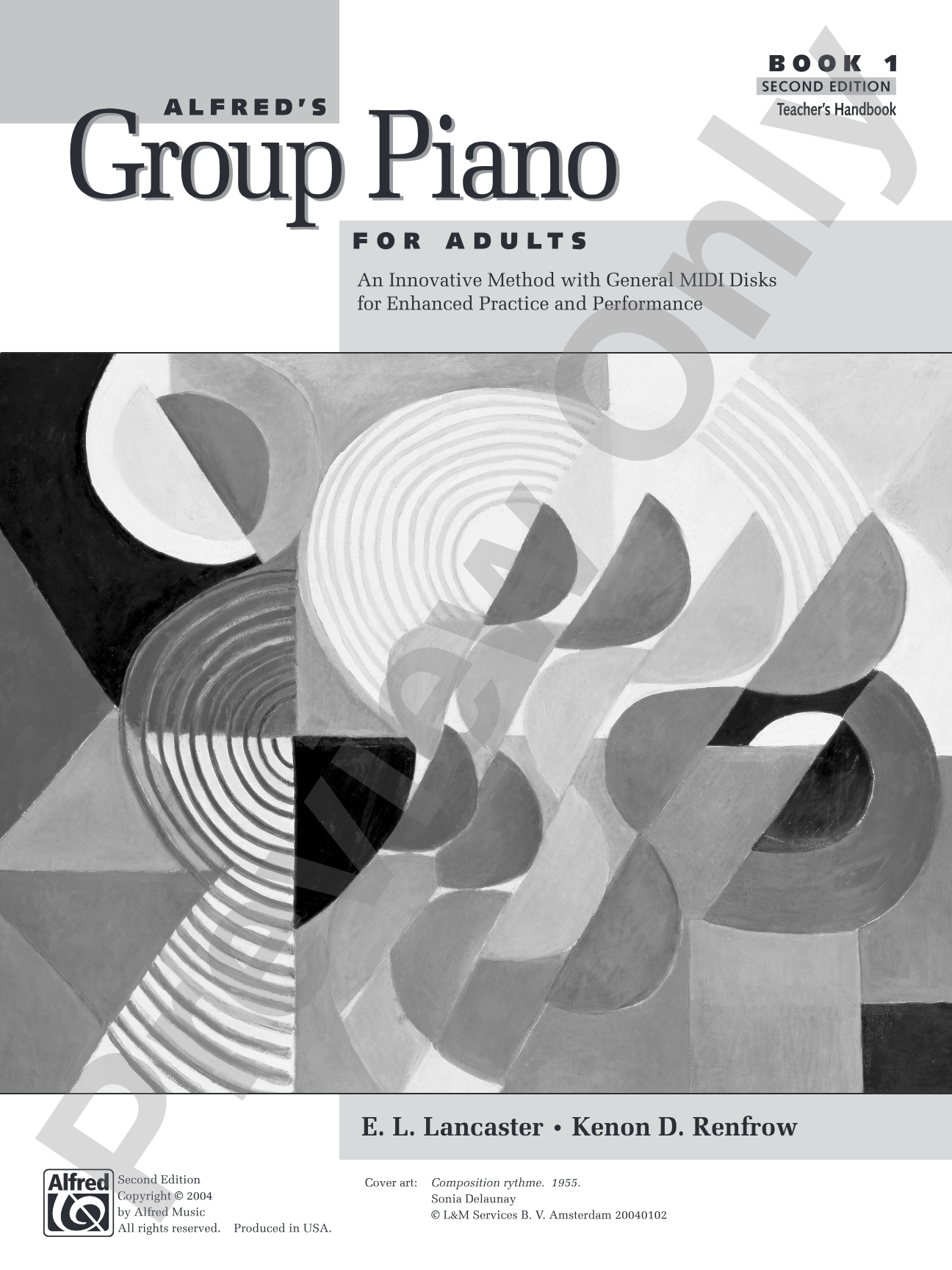

Alfred's Group Piano for Adults: Teacher's Handbook 1 (2nd Edition): An Innovative Method with Optional General MIDI Disks for Enhanced Practice and Performance: Piano
An Innovative Method with Optional General MIDI Disks for Enhanced Practice and Performance
By E. L. Lancaster and Kenon D. Renfrow
Item: 00-PB-0002205
$11.99
Pickup currently not available
Related Items
Alfred's Group Piano for Adults: Teacher's Handbook 1 (2nd Edition): Piano Book |
$11.99
|
View |
Description
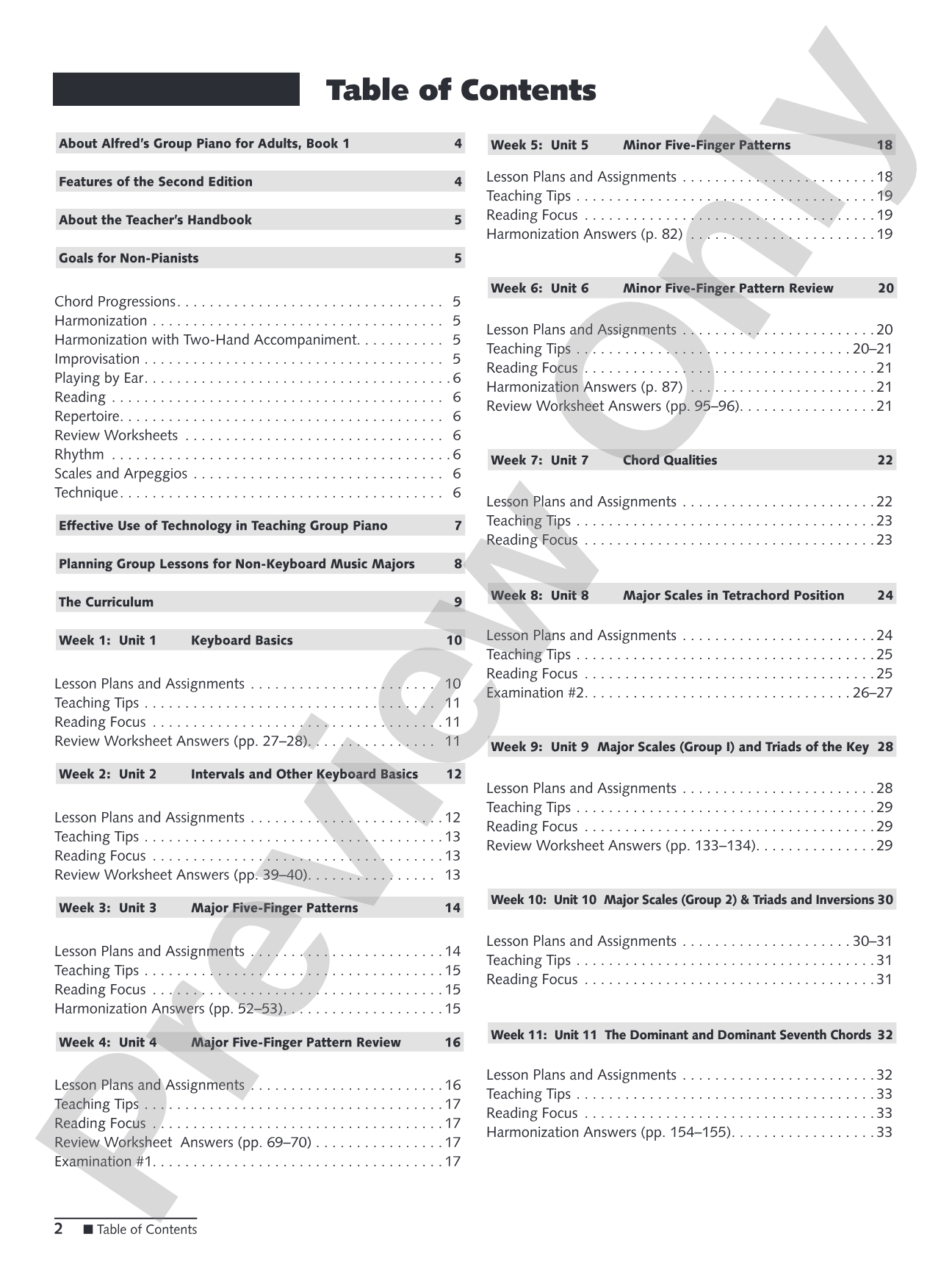
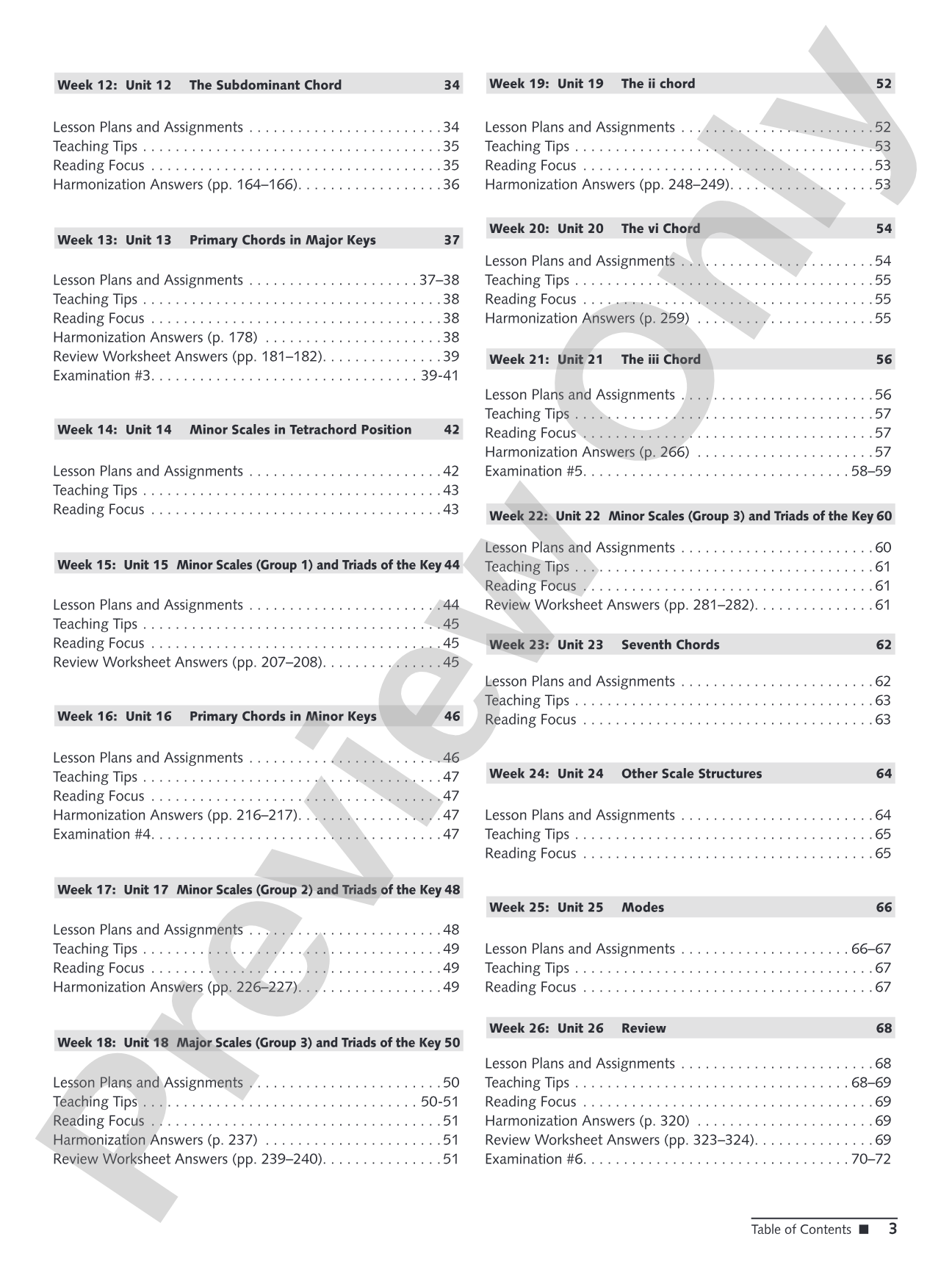
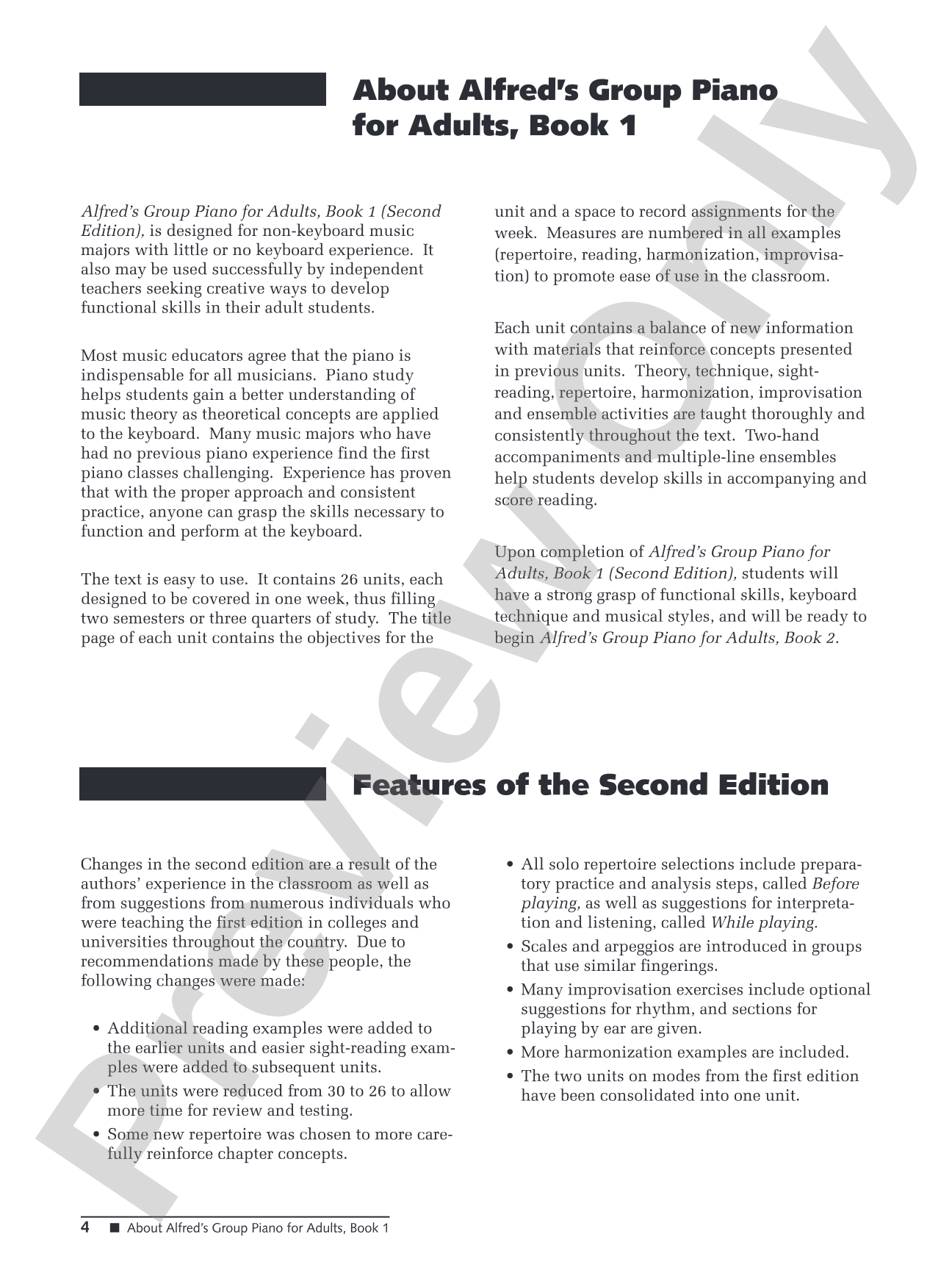
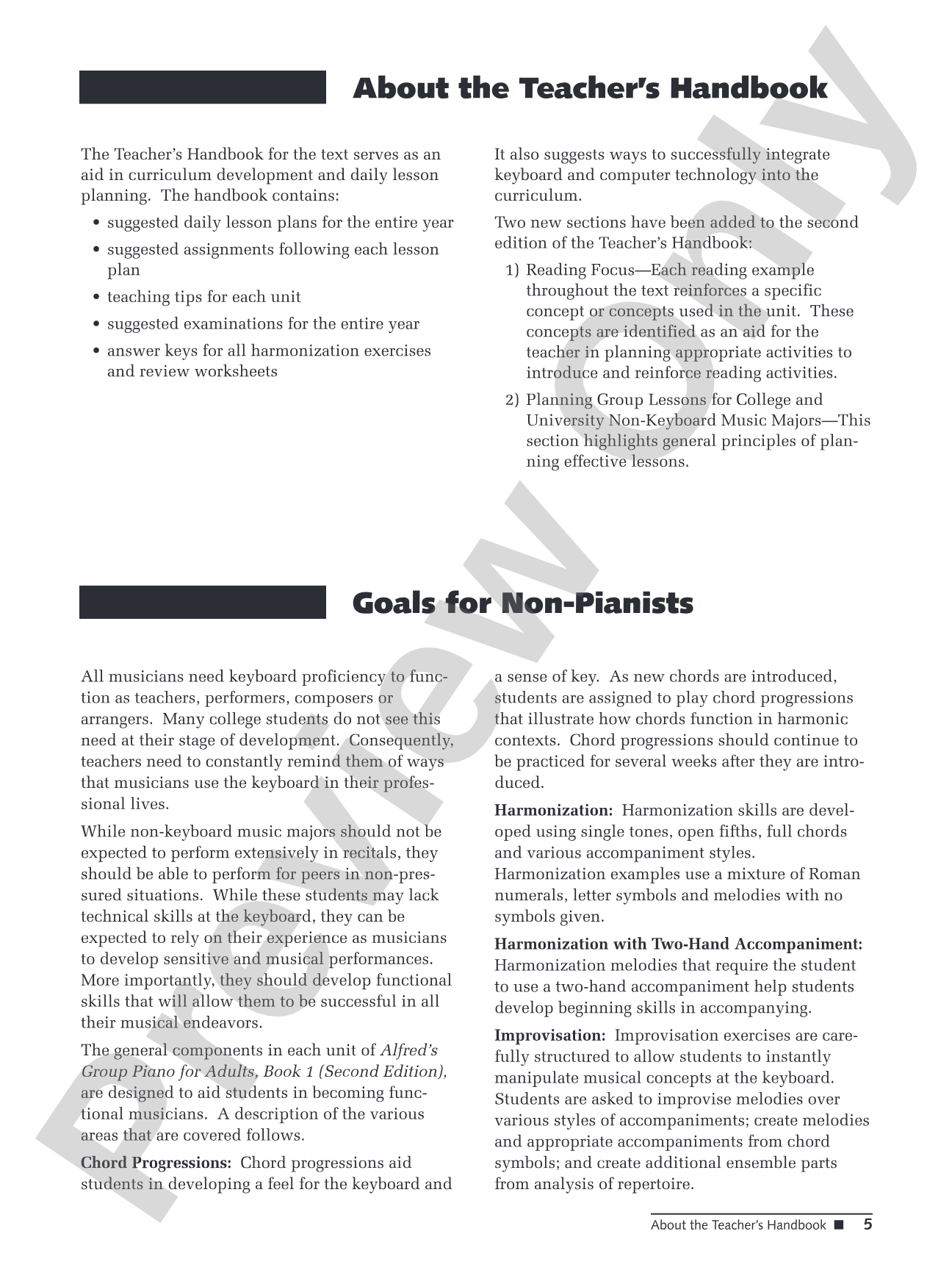
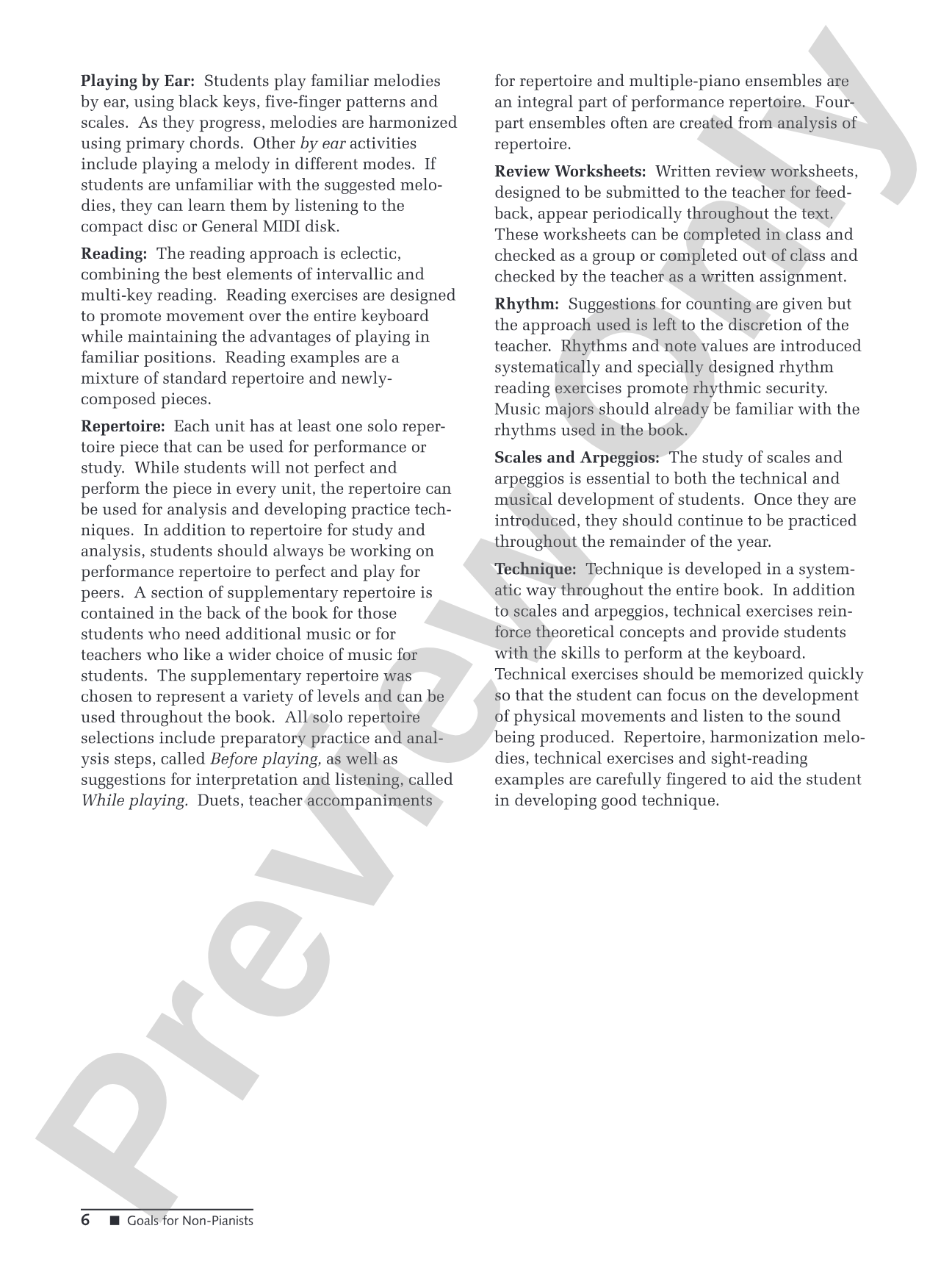
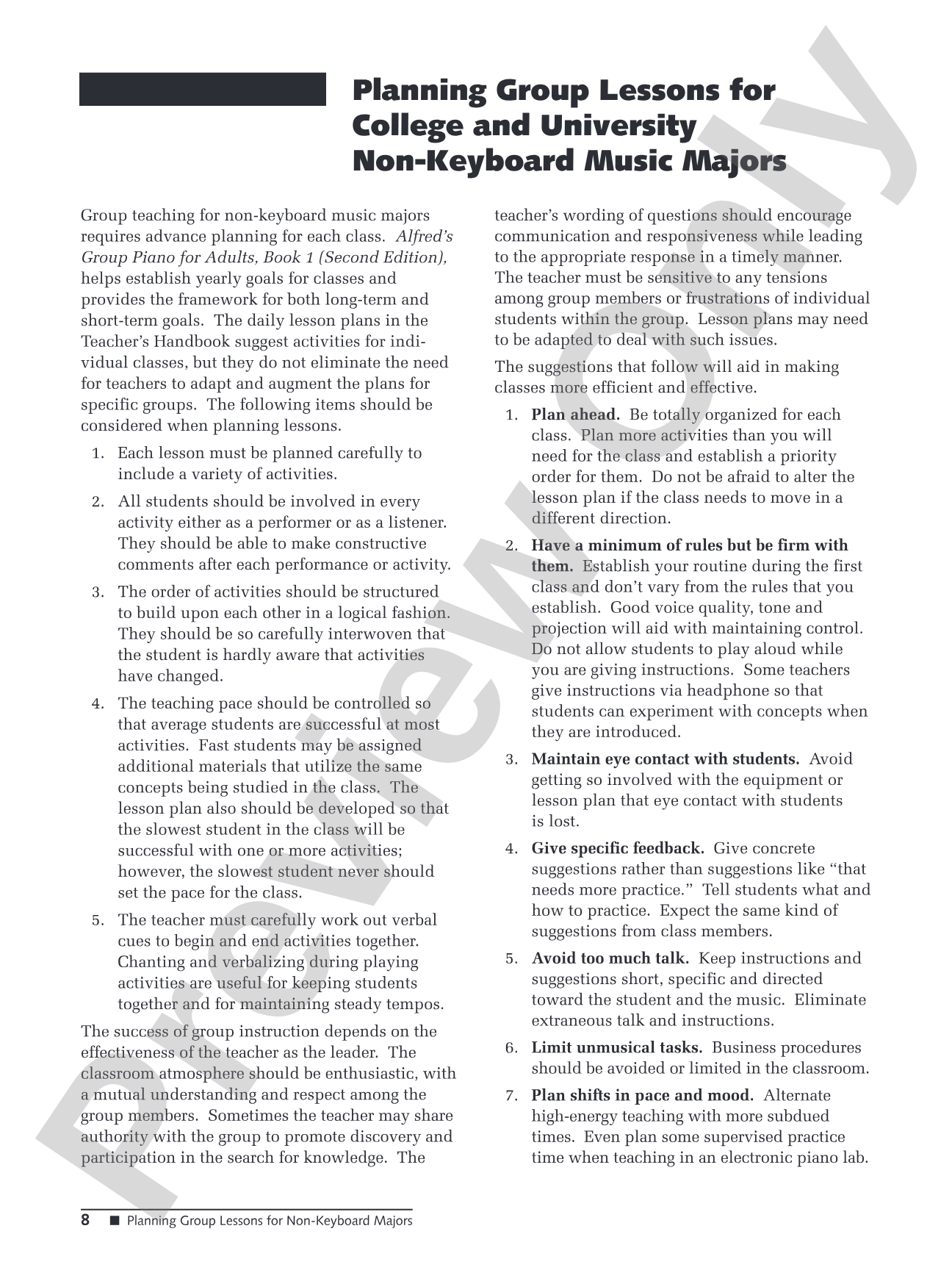
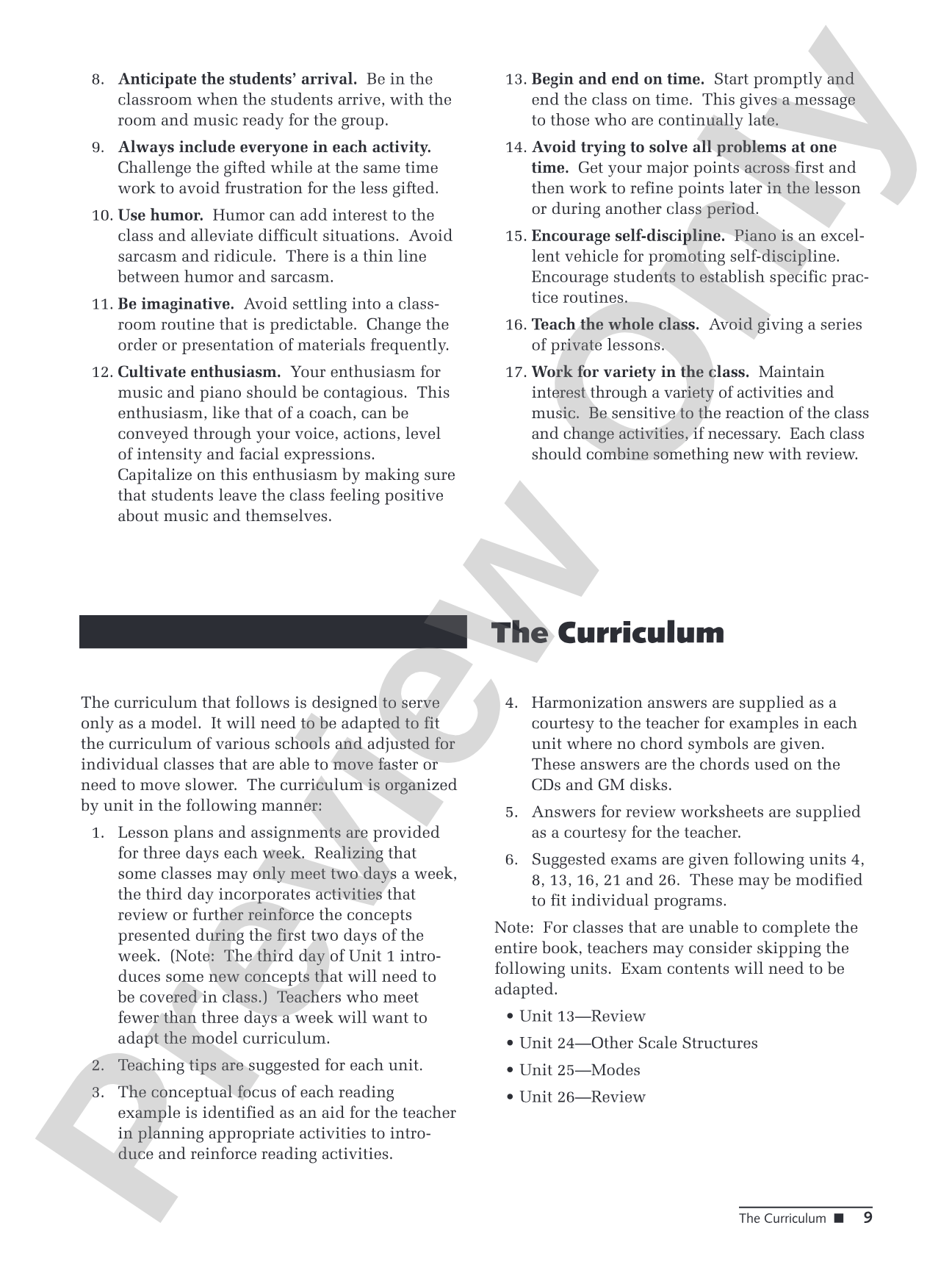
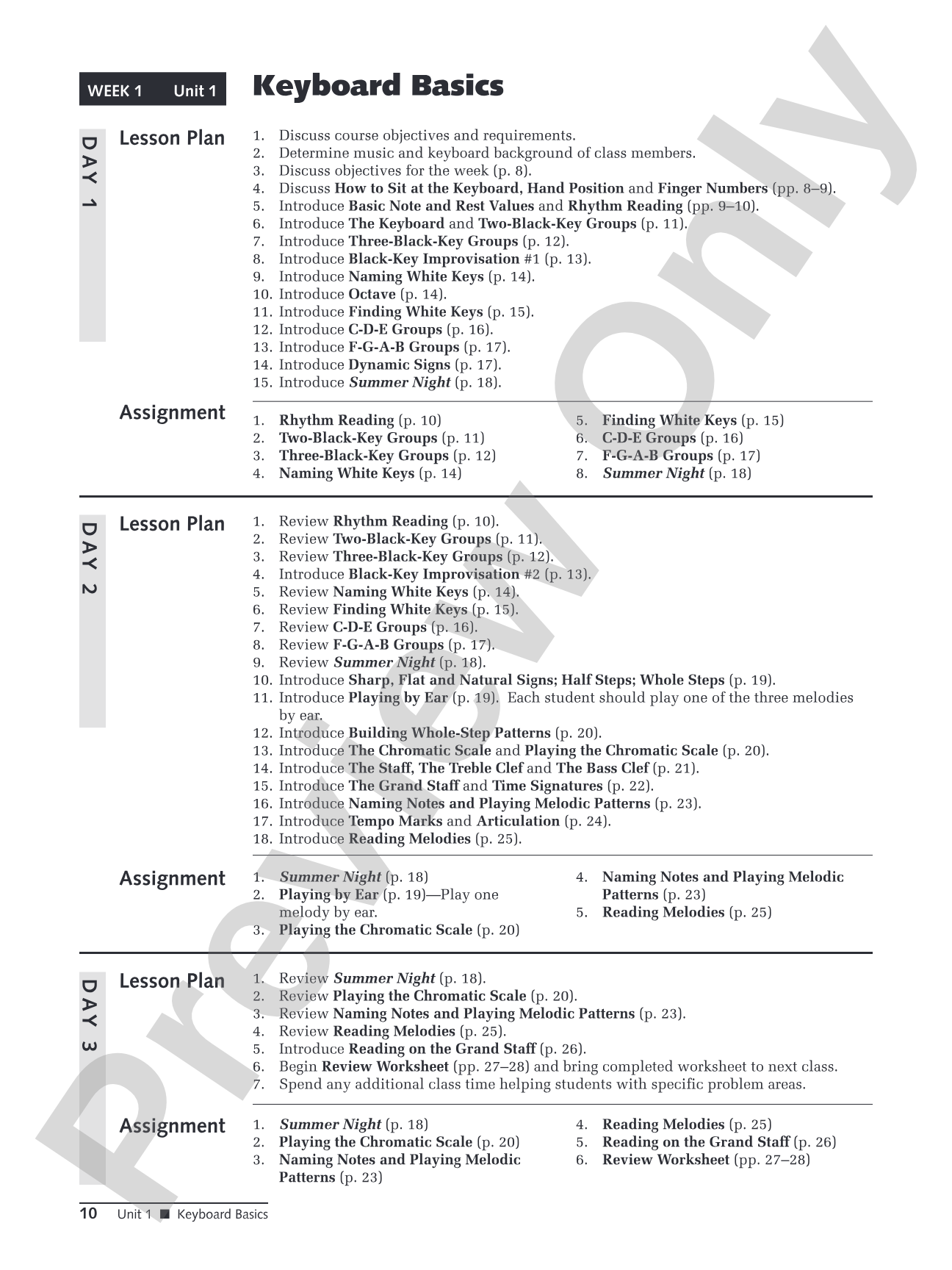
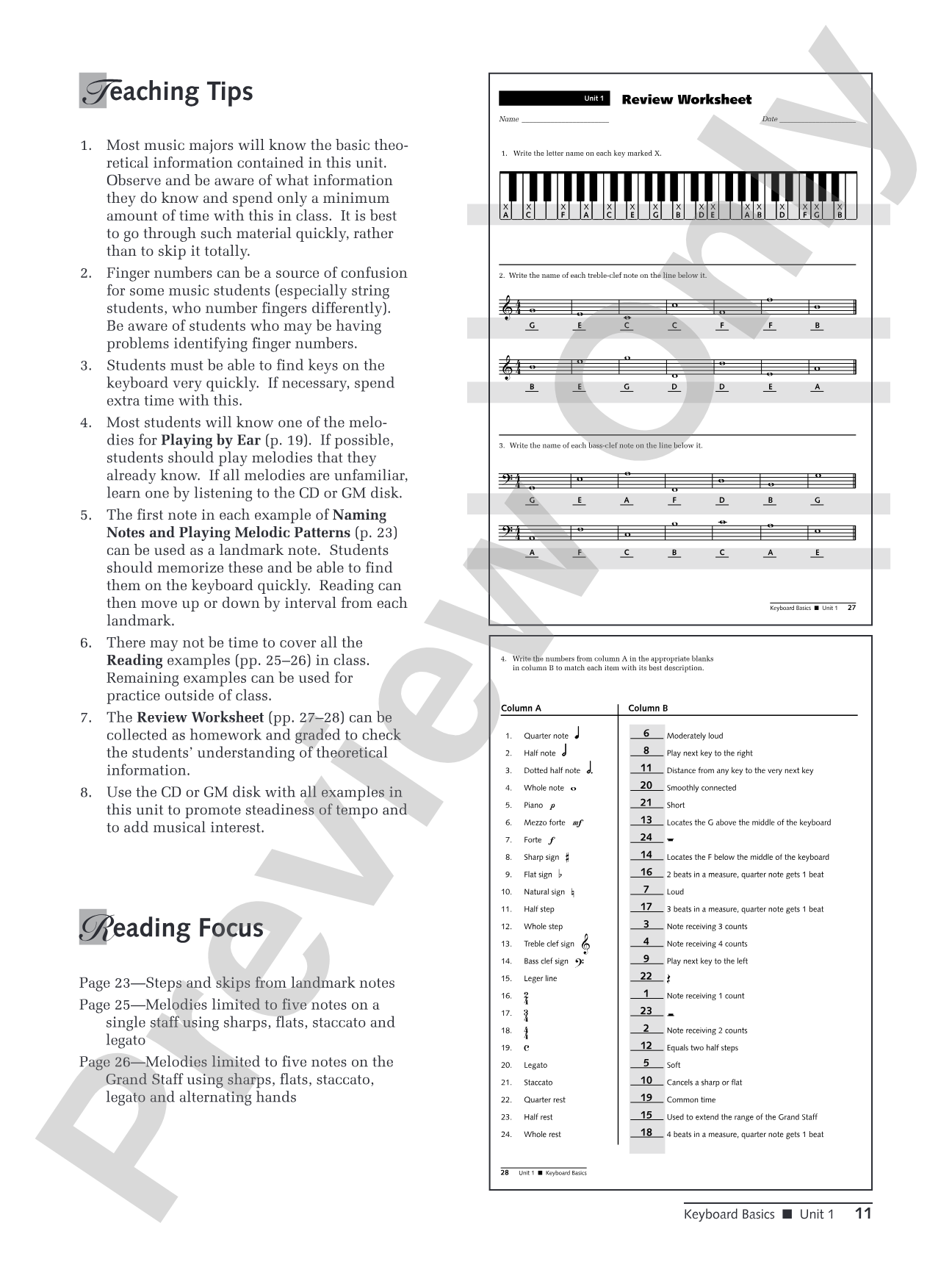
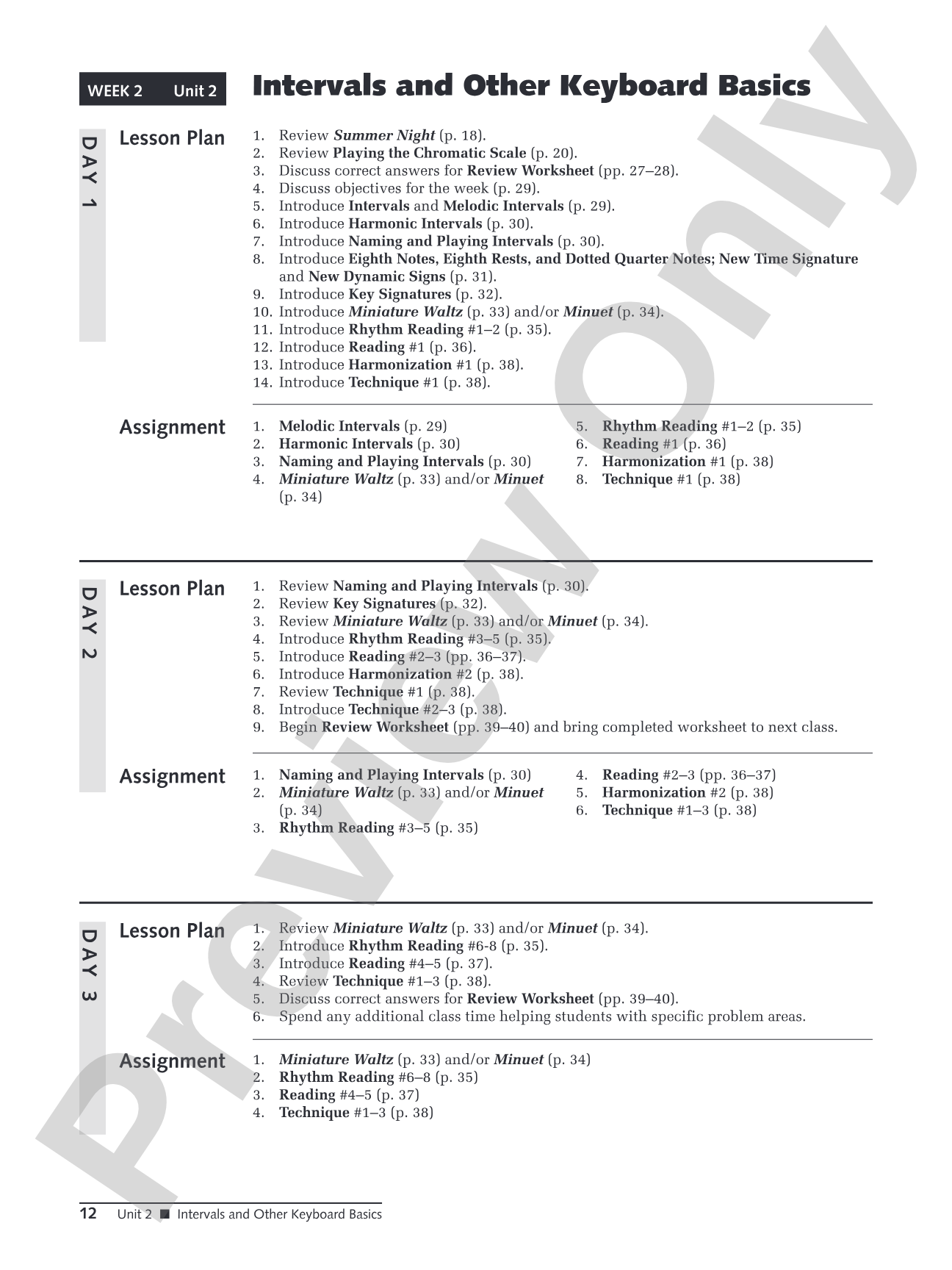
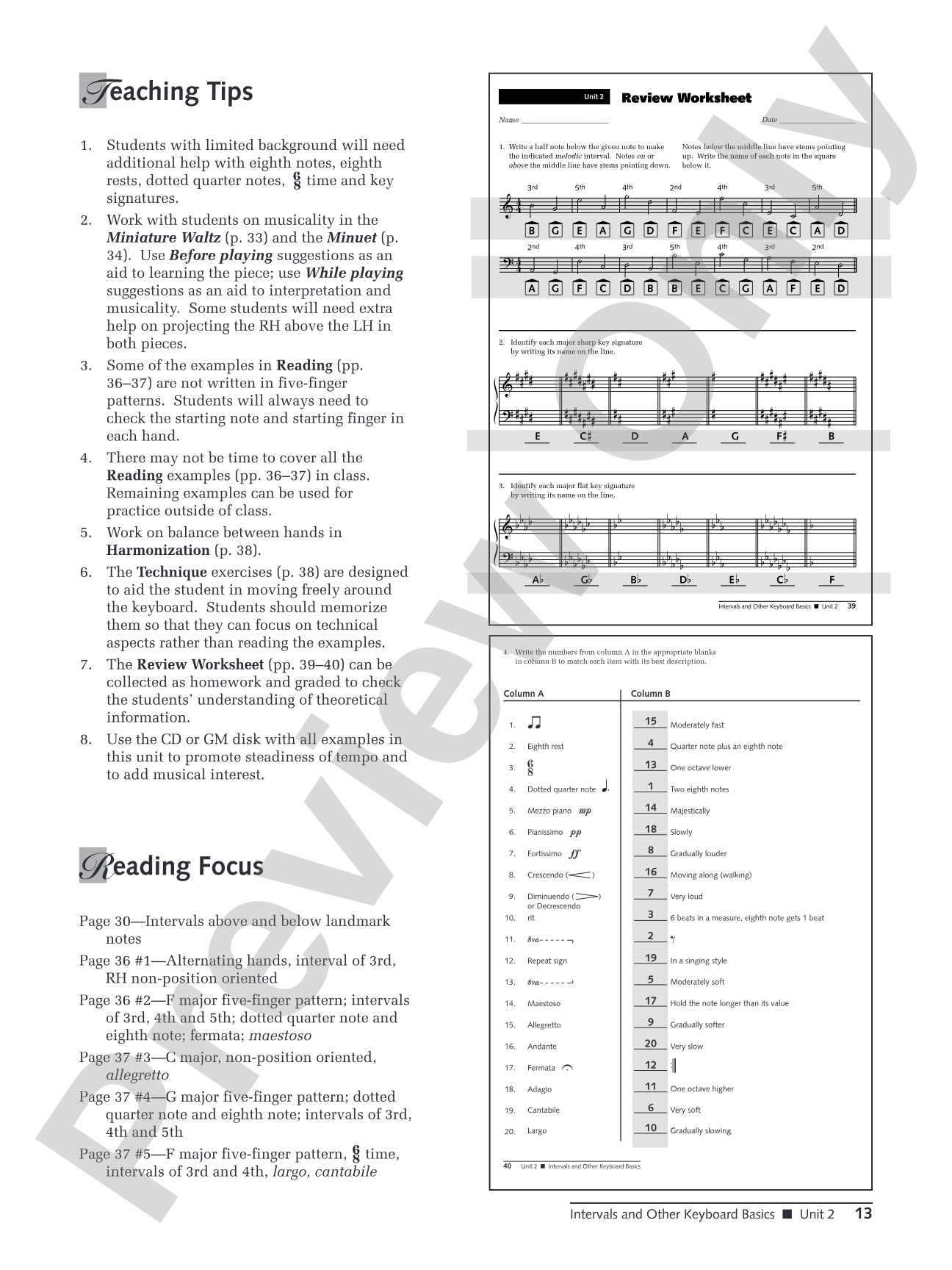
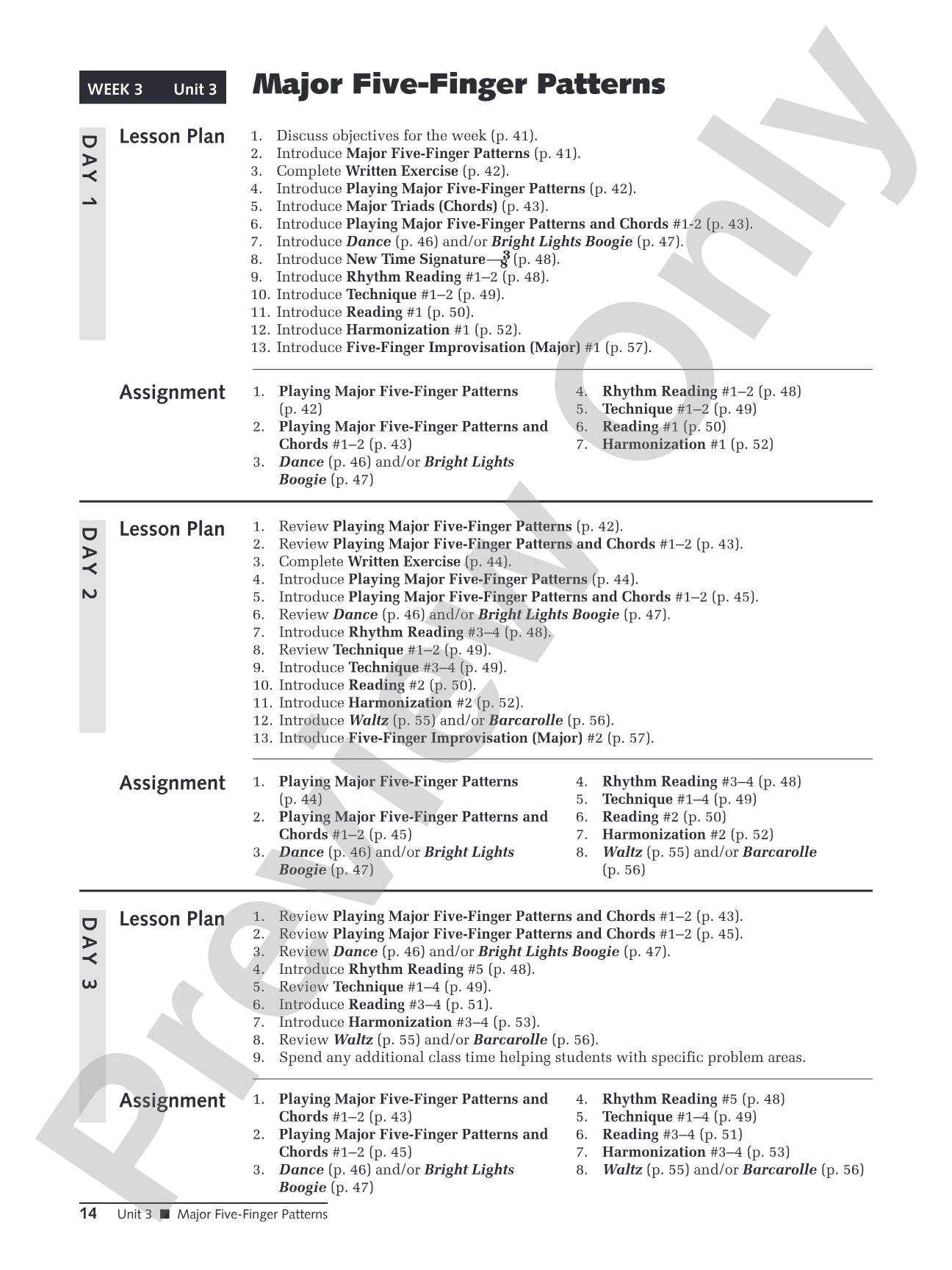
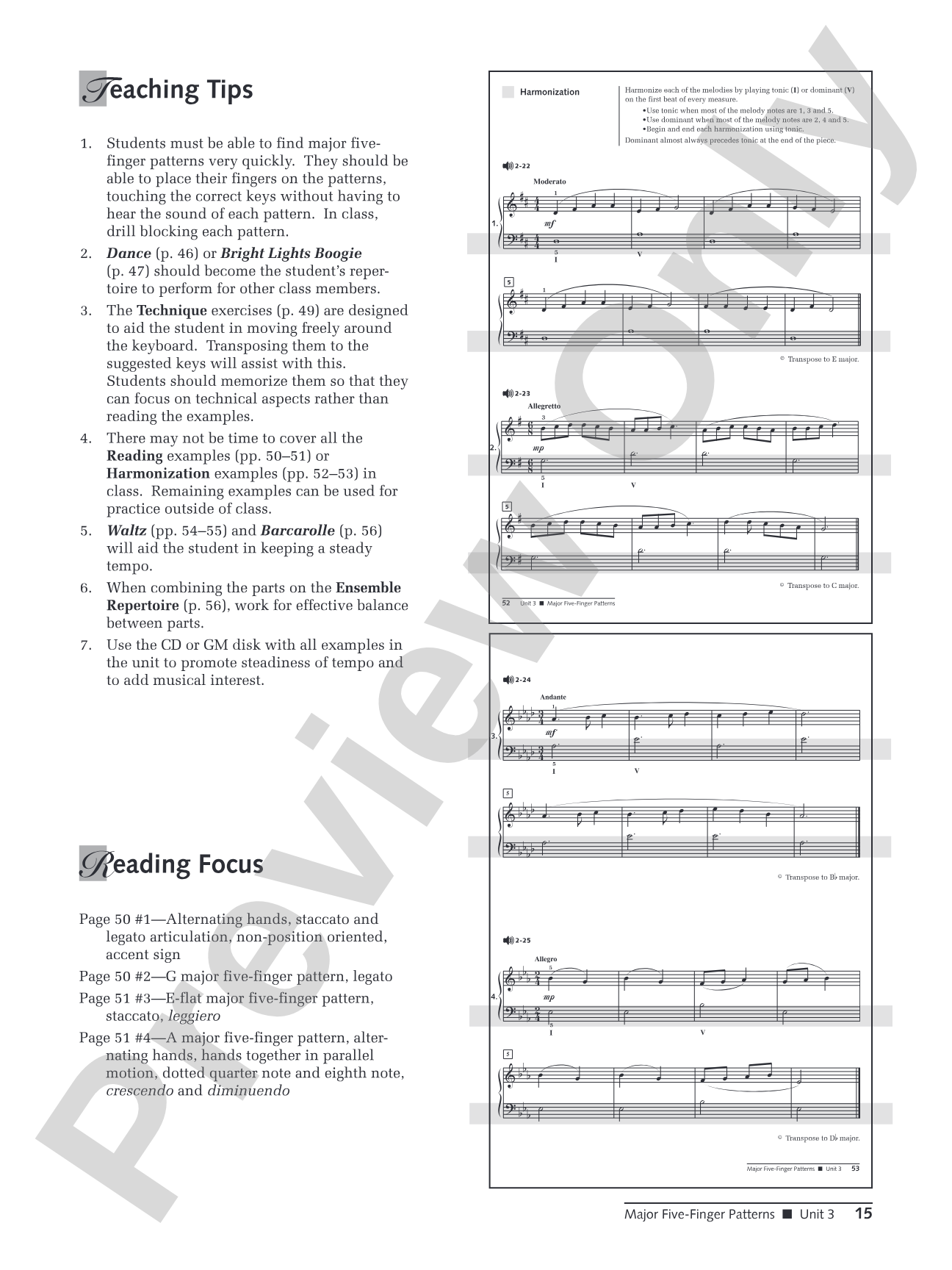
Each unit in this highly popular series contains a balance of theory, technique, sight-reading, repertoire, harmonization, improvisation and ensemble activities. Updated for the 2nd edition of Alfred's Group Piano for Adults, the Teacher's Guide includes: new repertoire preparation and analysis suggestions, recommended examinations teaching tips, lesson plans and answer keys, improvisation exercises and two new sections: Reading Focus and Planning Group Lessons.


Alfred's Group Piano for Adults: Teacher's Handbook 1 (2nd Edition): An Innovative Method with Optional General MIDI Disks for Enhanced Practice and Performance: Piano isn't in MakeMusic Cloud just yet...but it could be. Let us know you'd like to see it, and you'll help shape what comes next. In the meantime, start a free trial and dive into thousands of interactive titles your students can play along with today.
Request This Title
Tell us you want it.
Start Your Free Trial
Explore everything that's ready to play right now.
Sample Audio
No sample audio found.
Sample Video
No sample videos found.
Additional Details
Series:
Alfred's Group Piano for Adults
Publisher:
Alfred Music
Page Count:
72
SKU:
00-PB-0002205
More about this title
About the Composer: E. L. Lancaster

E. L. Lancaster shaped group piano pedagogy as few educators have. During his 19-year tenure at the University of Oklahoma, he built the institution's piano pedagogy program from the ground up, establishing both master's and doctoral tracks and mentoring more than 50 doctoral candidates in the field. His influence extended nationally through leadership roles in MTNA and the National Conference on Piano Pedagogy, where he helped define standards for group instruction across the country.
Lancaster's career bridged academic scholarship and applied teaching. As Executive Editor of Piano at Alfred Music, he translated decades of classroom experience into materials that work in real group settings. His awards from Oklahoma (including the Regents Award for Superior Teaching and the David Ross Boyd Professorship) and his 2014 Distinguished Alumnus Award from Murray State University reflect a lifetime commitment to both rigorous pedagogy and student growth.
Why we love this
This handbook cuts through the noise of group piano instruction by offering concrete, usable guidance rather than vague principles. The addition of Reading Focus and Planning Group Lessons in the second edition signals Lancaster's responsiveness to what teachers actually ask for in the studio: strategies for pacing a lesson and developing sight-reading alongside technique and repertoire.
What to expect
Organized and purposeful. The handbook mirrors the student book's balance of rigor and accessibility, creating lessons that feel complete rather than piecemeal. Adults appreciate materials that respect their time and intelligence, and this handbook delivers exactly that kind of confidence.
Who it's for
Piano teachers leading group classes for adult learners, particularly those using the second edition of Alfred's Group Piano for Adults as their core text. Directors and private teachers managing mixed-level ensembles will find the structured approach to theory, technique, and performance invaluable.
How to get the most out of it
- Study the repertoire preparation suggestions before assigning pieces. Lancaster's analysis notes point out technical hurdles and musical moments that deserve attention, saving you lesson time spent diagnosing problems.
- Use the improvisation exercises early and often. Structured improvisation builds confidence in adults who often arrive at group piano feeling hesitant, and the handbook's framework makes leading these activities straightforward.
- Reference the lesson plans as a skeleton, not a script. Adapt the pacing and sequence based on your ensemble's strengths, but lean on the suggested progression for units you're teaching for the first time.
- Review the answer keys before class so you can address common misconceptions quickly. Adults learn faster when corrections feel collaborative rather than punitive.
How to use it
Use this as your primary planning tool throughout the academic year, unit by unit. The lesson plans pair well with the Performance Tips sections to create a rehearsal structure that accommodates adult schedules and learning styles. The reading focus guidance also makes this handbook valuable for supplementing community college piano sequences or lifelong learner programs.
Skills your students will build
- Sight-reading across multiple clefs and rhythmic patterns
- Theory application in context (harmonization using taught progressions)
- Improvisation within defined harmonic frameworks
- Ensemble balance and listening skills
- Score preparation and performance analysis
- Mixed-meter reading and rhythmic independence