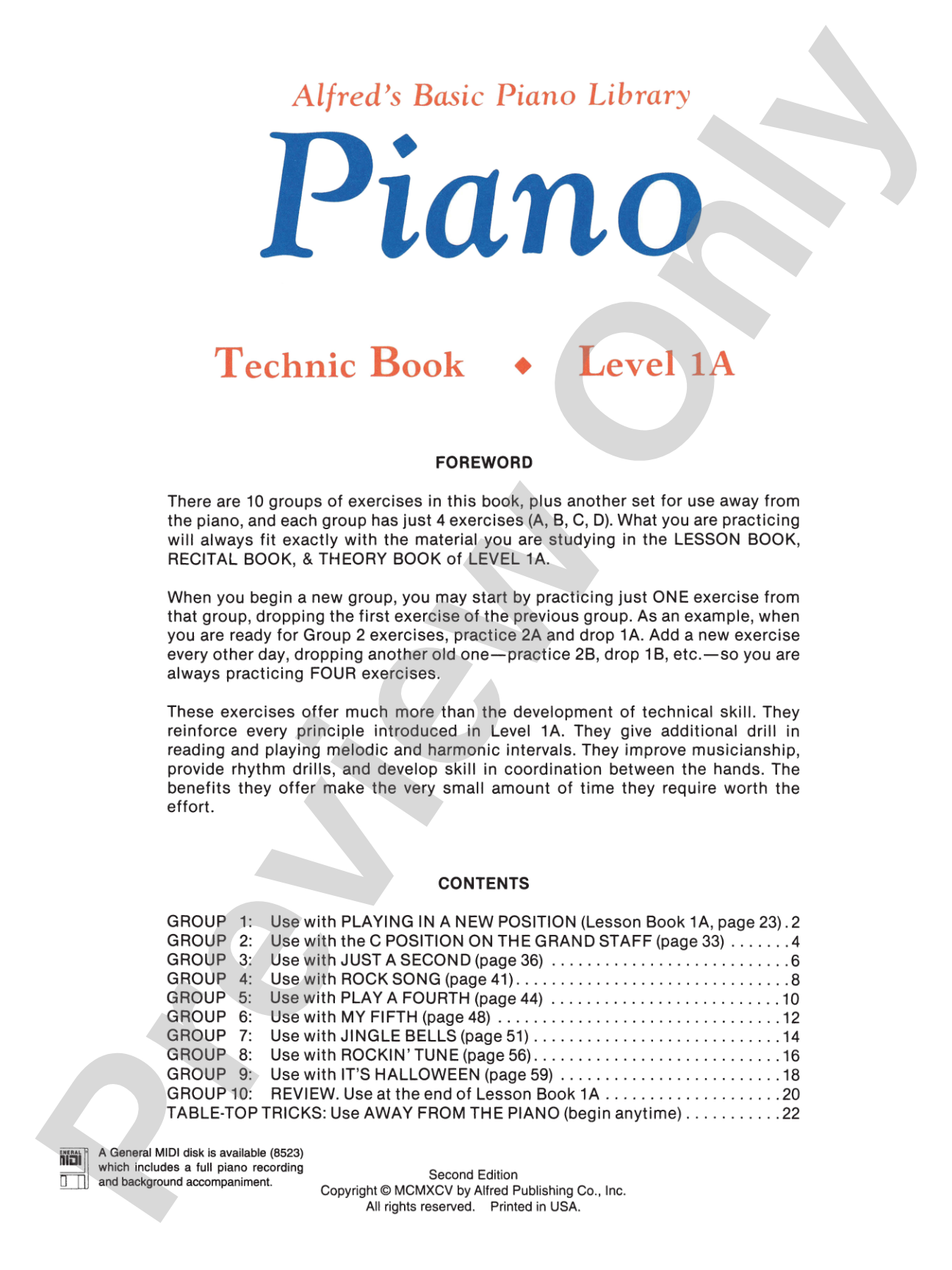
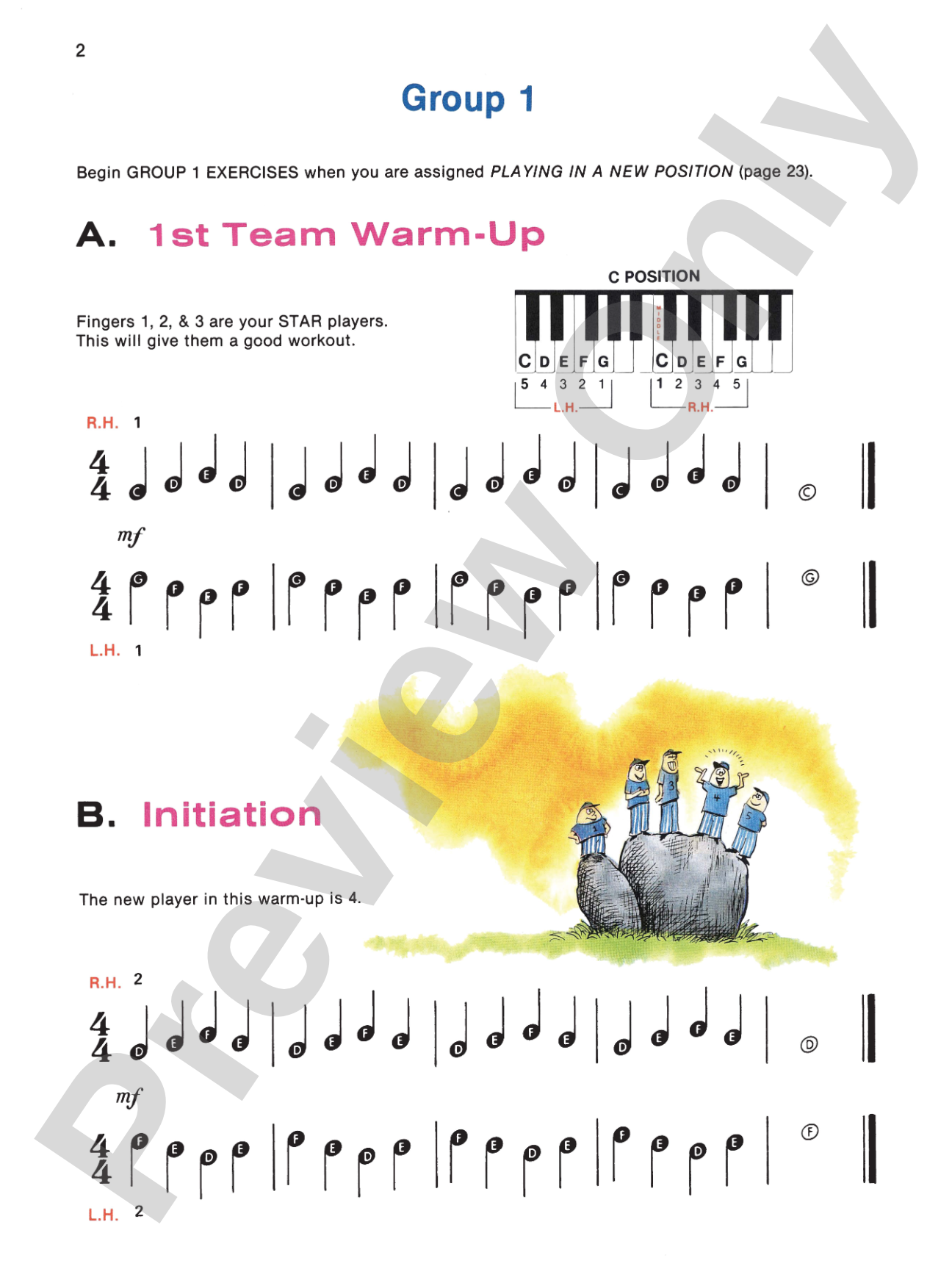
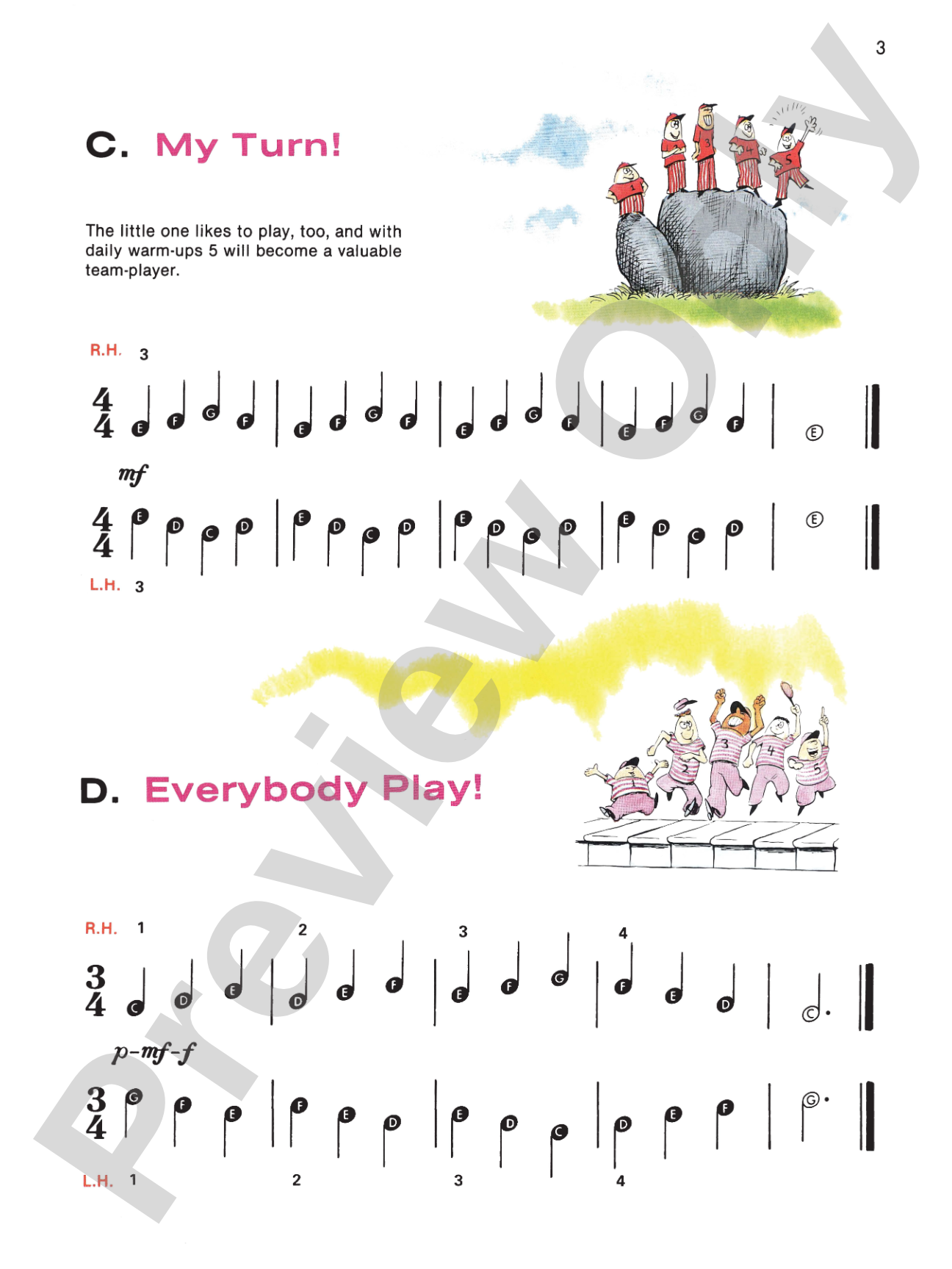
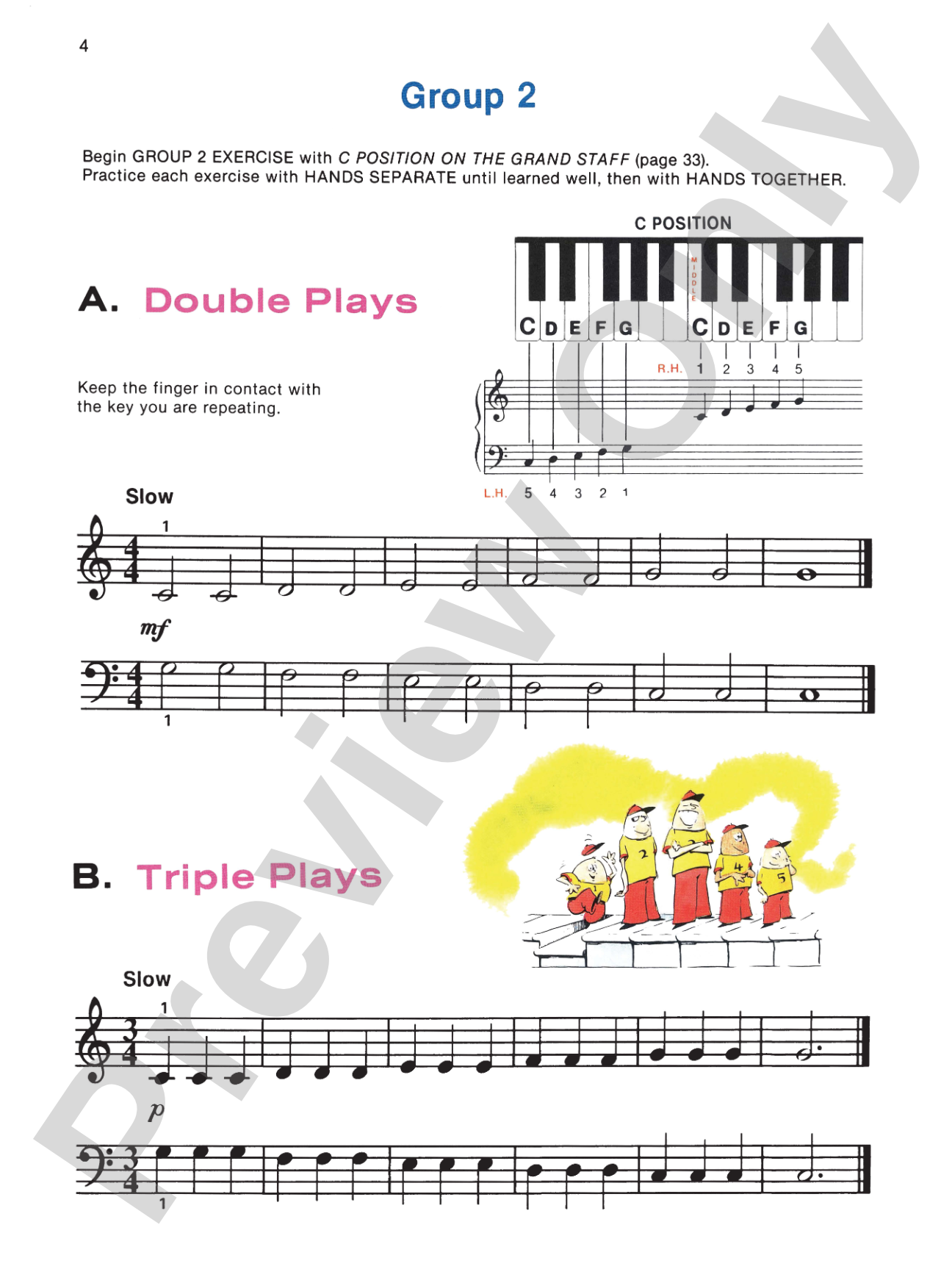
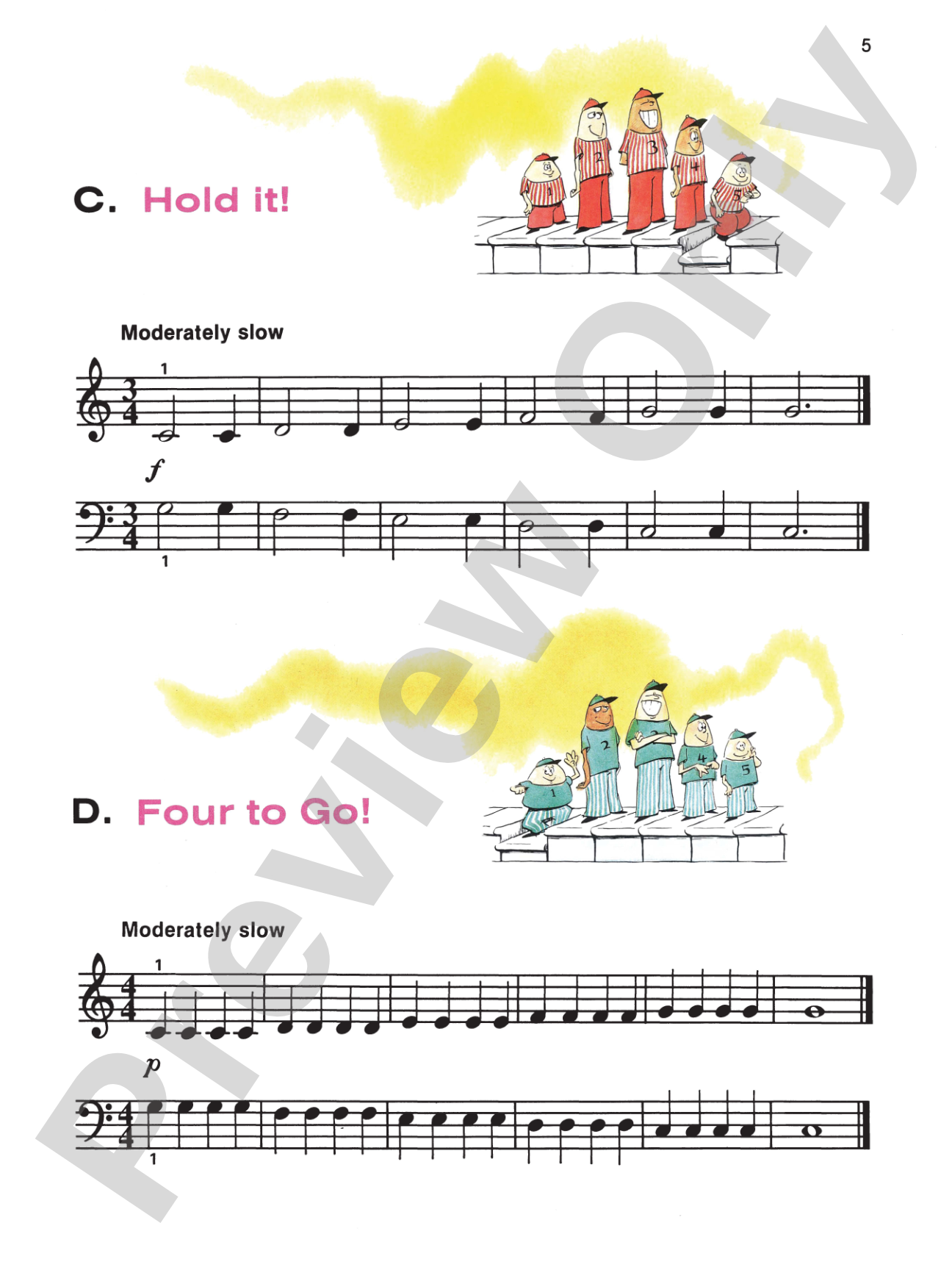
The Technic Books provide reading and rhythm drills and exercises perfectly paced with each Lesson Book in Alfred's Basic Piano Library to improve musicianship and develop coordination of the hands.
Discover MakeMusic Cloud: thousands of interactive titles your students can play along with today.
Willard A. Palmer stands among the most prolific and influential music educators of the twentieth century, having written 789 published works spanning piano, accordion, guitar, organ, and choral repertoire. His compositions and methods have been translated into German, Japanese, French, Dutch, and Spanish, reaching students across continents. A child prodigy who performed on radio at age 13, Palmer studied at the Conservatory of Leipzig on a two-year scholarship and later taught accordion at the University of Houston for 18 years, establishing the first successful college-level accordion program.
Palmer's scholarly expertise in Baroque music and ornamentation earned him international recognition and formed the foundation for the acclaimed Alfred Masterworks series. His meticulous approach to pedagogy, combined with a career as a pianist, accordionist, and choir director, shaped his distinctive ability to write music that teaches musicians how to think musically while they develop technical skills. He received Doctor of Humanities (1971) and Doctor of Music (1983) degrees in recognition of his contributions to musicological research and music education.
Why we love this
Palmer's Technic Books work because they isolate exactly what students need at each stage of the Lesson Book, building hand independence and rhythmic confidence without overwhelming young players. The exercises are brief and purposeful, designed so that daily practice on these drills directly strengthens the musicianship required for the pieces students are learning to play.
What to expect
Focused and energizing. Each exercise zeroes in on one small skill, so students feel their progress instantly. The variety keeps practice fresh while the consistent pacing matches the Lesson Book, meaning students are always working on exactly what they need.
Who it's for
This book is designed for young piano students working through Alfred's Basic Piano Library Level 1A, typically ages 5-8. Teachers who use the Lesson Book will find the Technic Book an essential companion that accelerates development without requiring extra time outside the structured curriculum.
How to get the most out of it
Work through the exercises at a slow, comfortable tempo first. Accuracy and evenness of touch matter far more than speed at this stage.
Alternate hands when drilling rhythm patterns. Having the student speak or tap the rhythm with one hand while playing with the other builds the coordination these exercises target.
Return to earlier exercises occasionally even as you move forward. Reviewing a page from weeks ago takes just two minutes and reinforces foundational patterns that underlie new material.
How to use it
Assign pages from this book as daily warm-up material during private lessons, pairing them directly with the corresponding pages in the Lesson Book. The 24-page format means one exercise book supports a full year of study when used consistently.
Skills your students will build
Hand independence and coordination in both treble and bass clefs
Rhythm reading in simple meters (2/4 and 4/4)
Sight-reading fluency through repeated exposure to common patterns
Finger dexterity and evenness across all five fingers
Confidence reading music in both clefs simultaneously
You May Also Like
Scan to Complete Your Purchase
Use your phone's camera to scan the code below
You'll log in on your phone and the order will be added to your account