

Alfred's Basic Piano Library: Sight Reading Book Complete Level 1 (1A/1B): For the Later Beginner: Piano
For the Later Beginner
By Gayle Kowalchyk and E. L. Lancaster
Level: 1A & 1B
Item: 00-PB-0002590
$8.99
Pickup currently not available
Related Items
Alfred's Basic Piano Library: Sight Reading Book Complete Level 1 (1A/1B): Piano Book |
$8.99
|
View |
Description
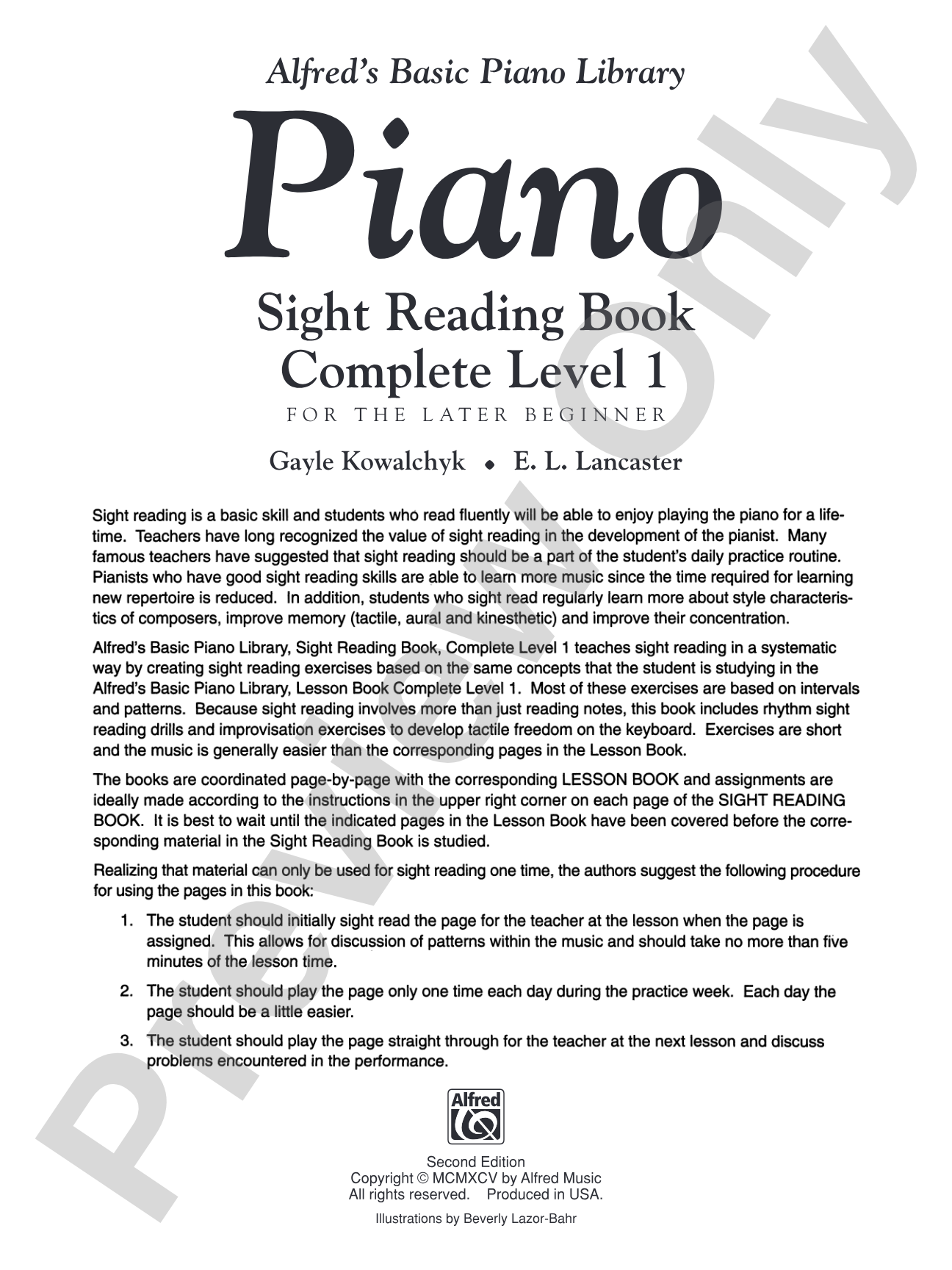
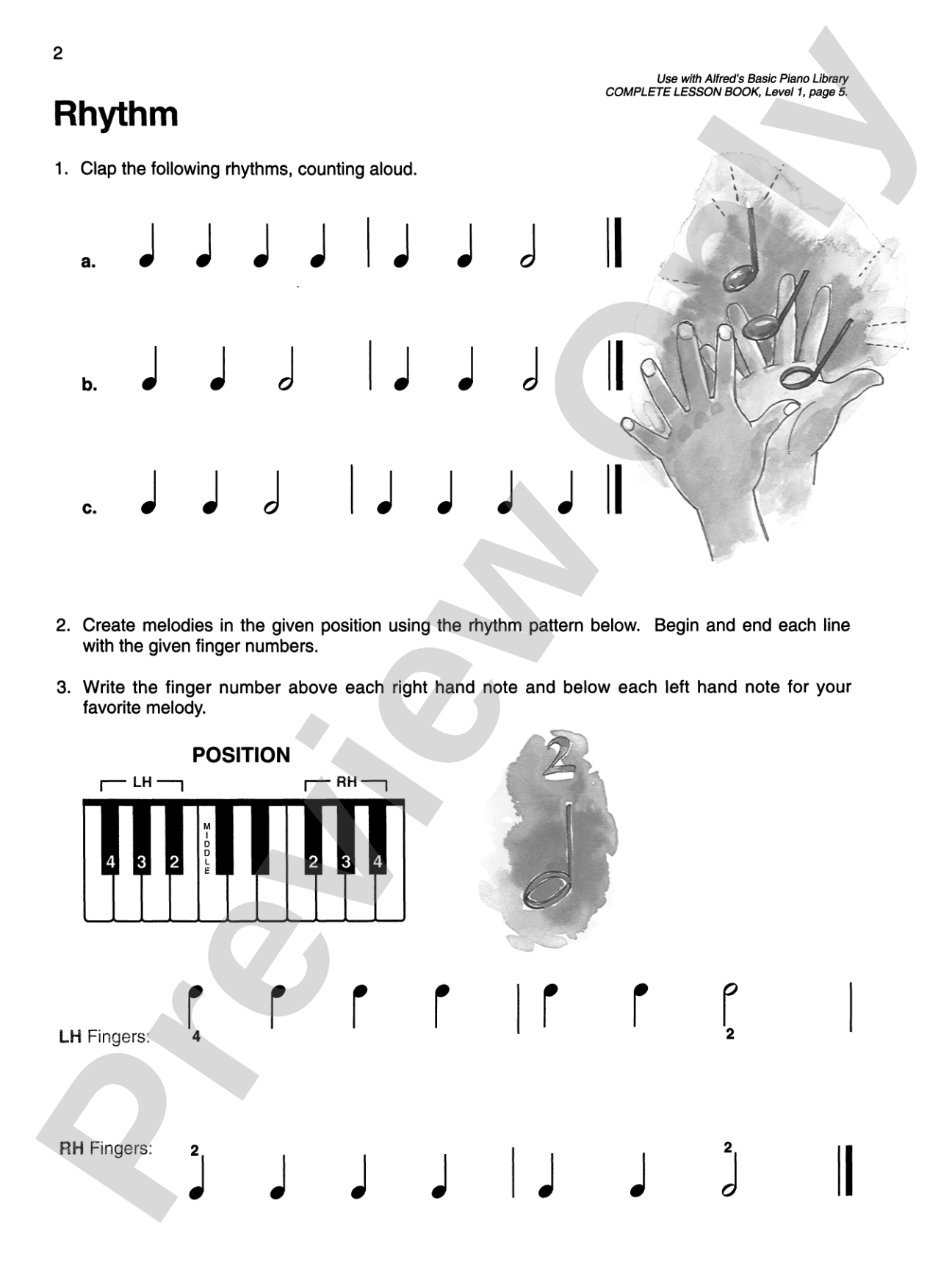
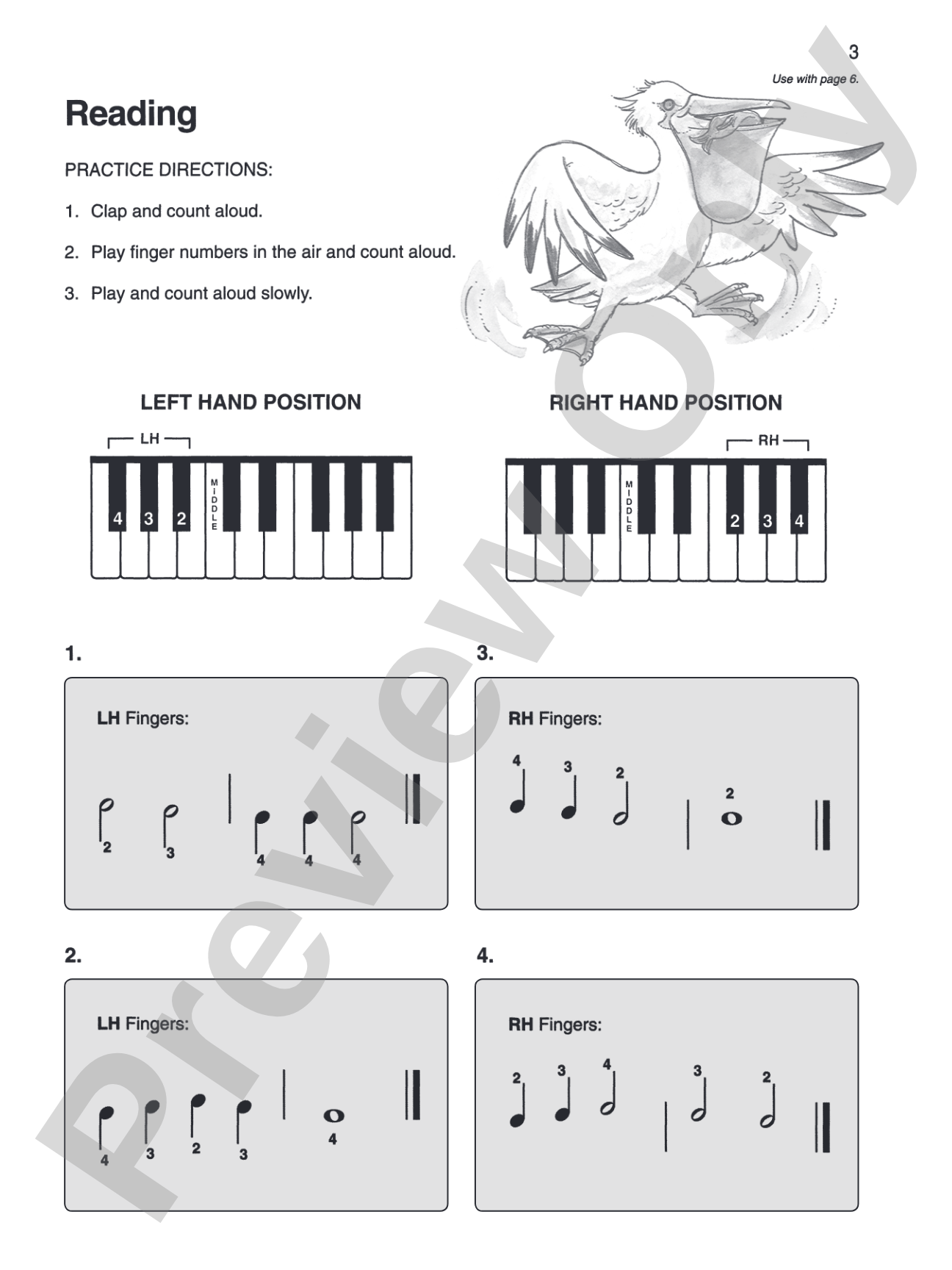
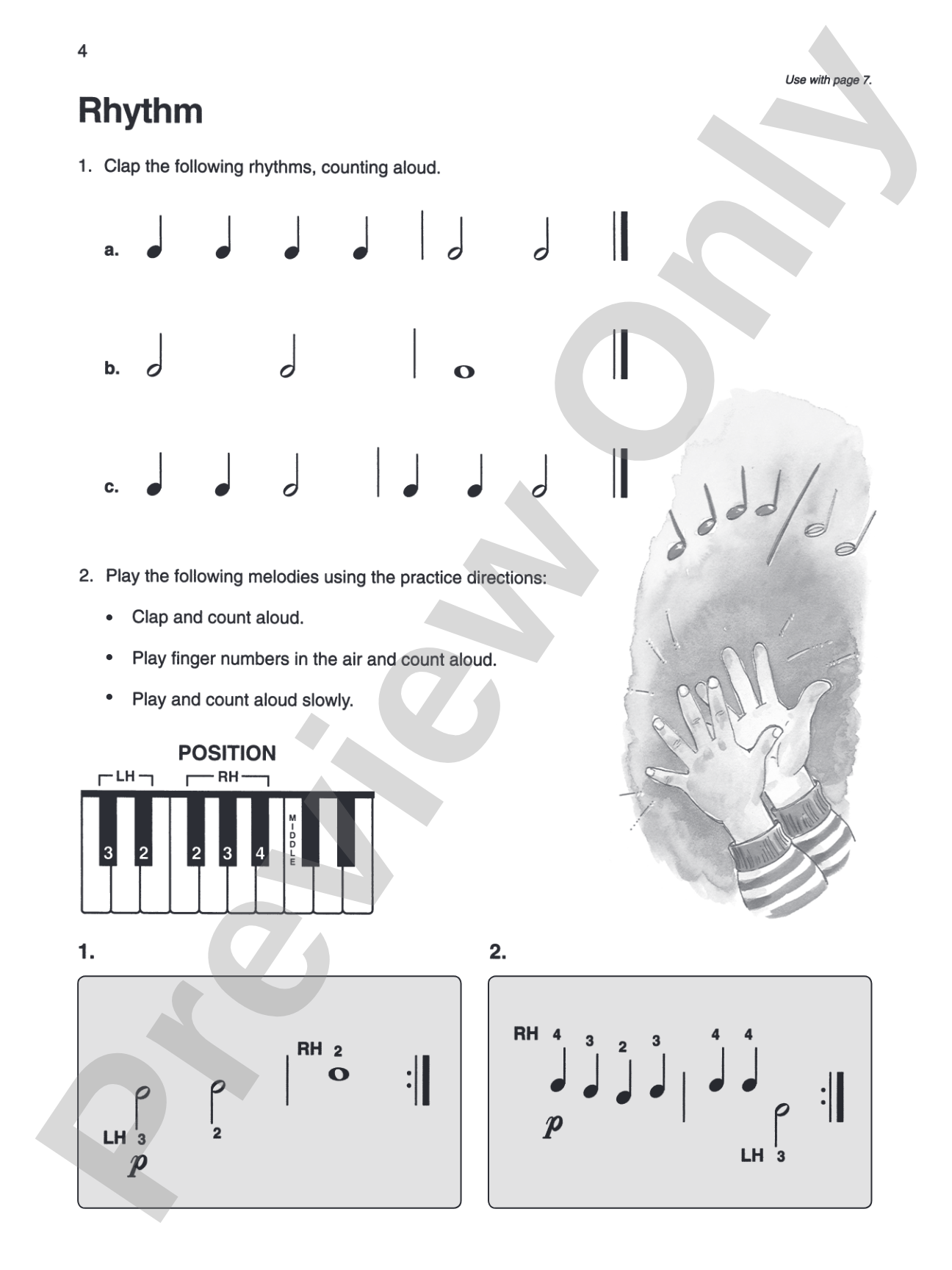
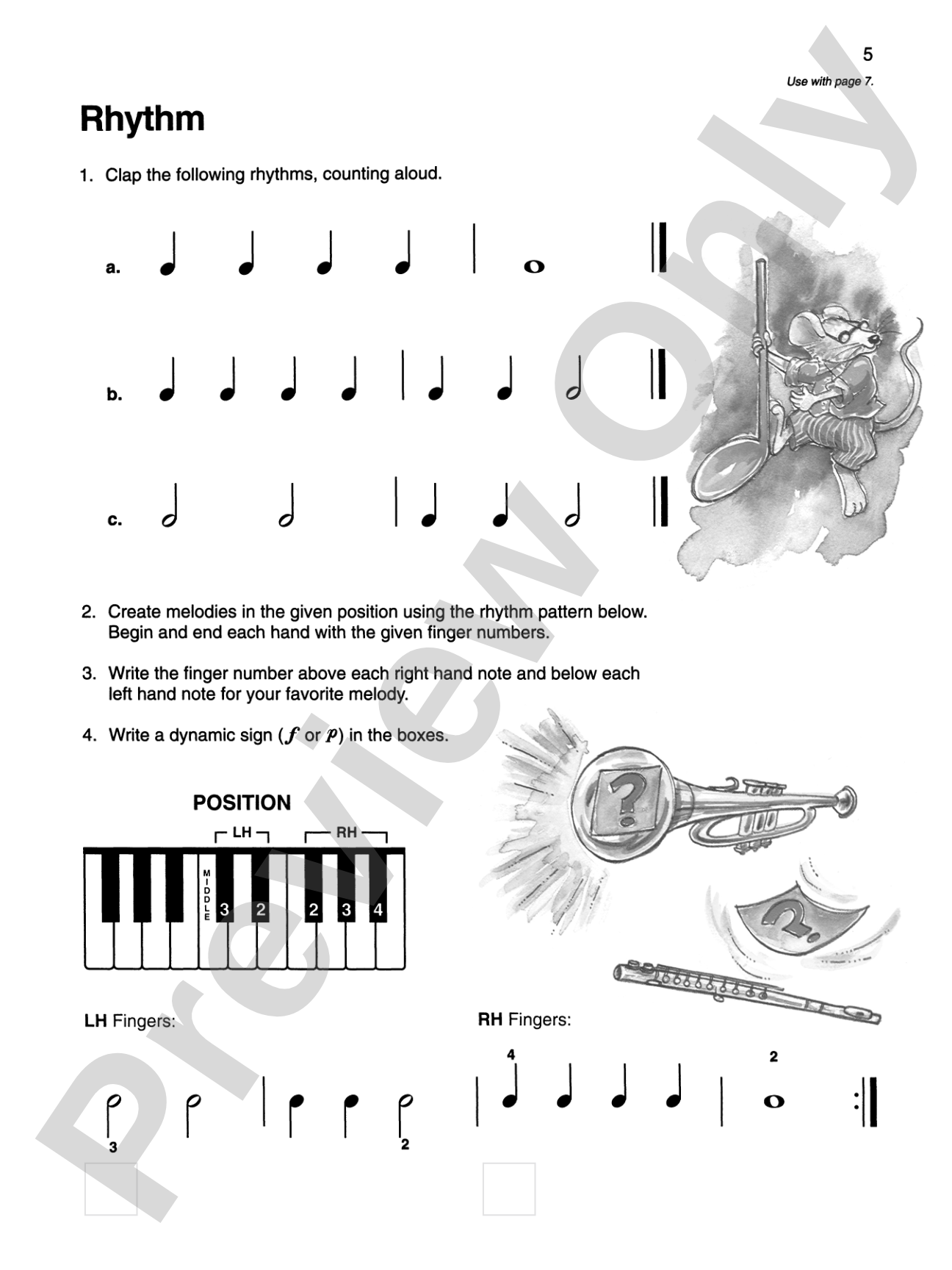
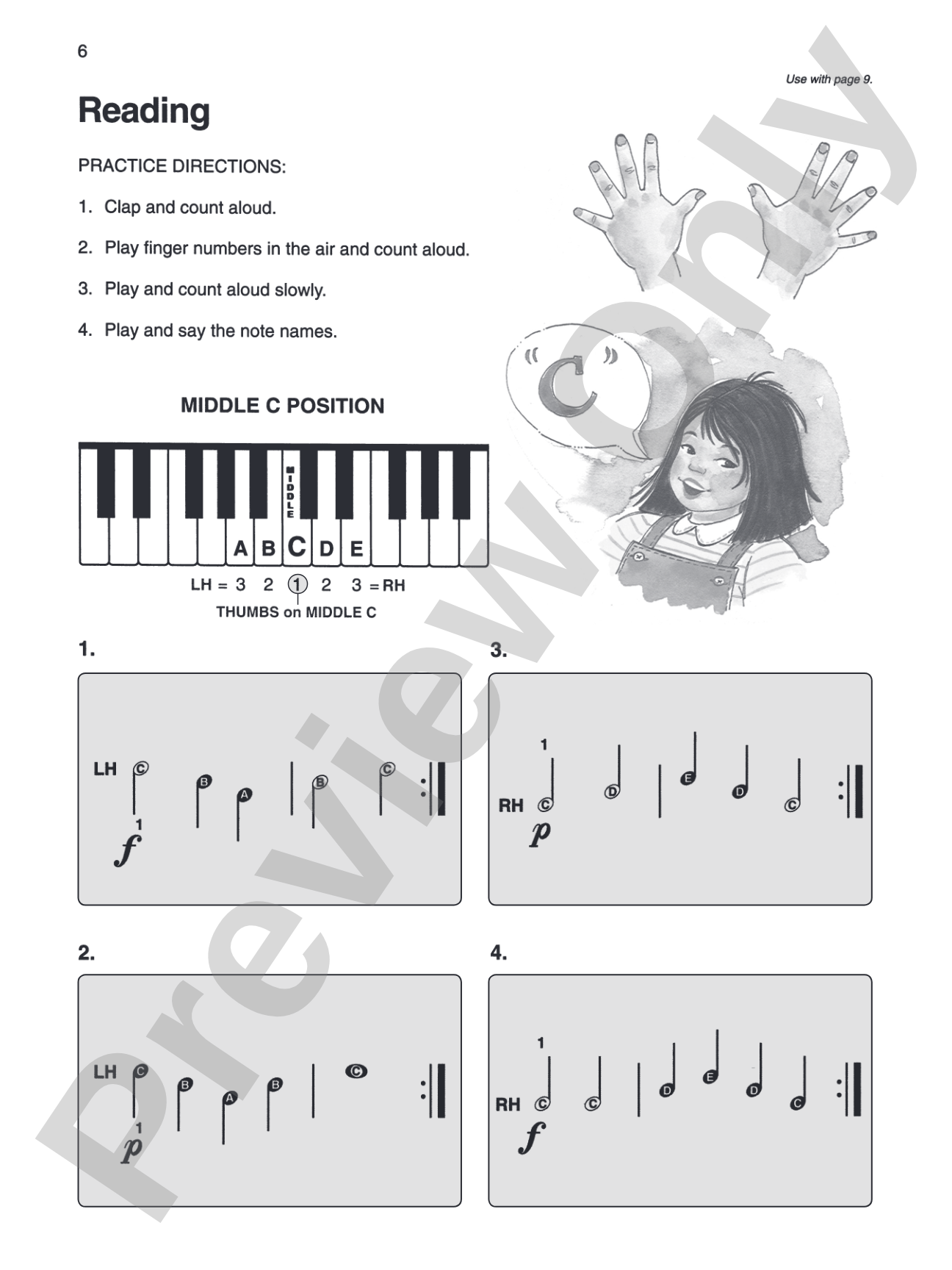
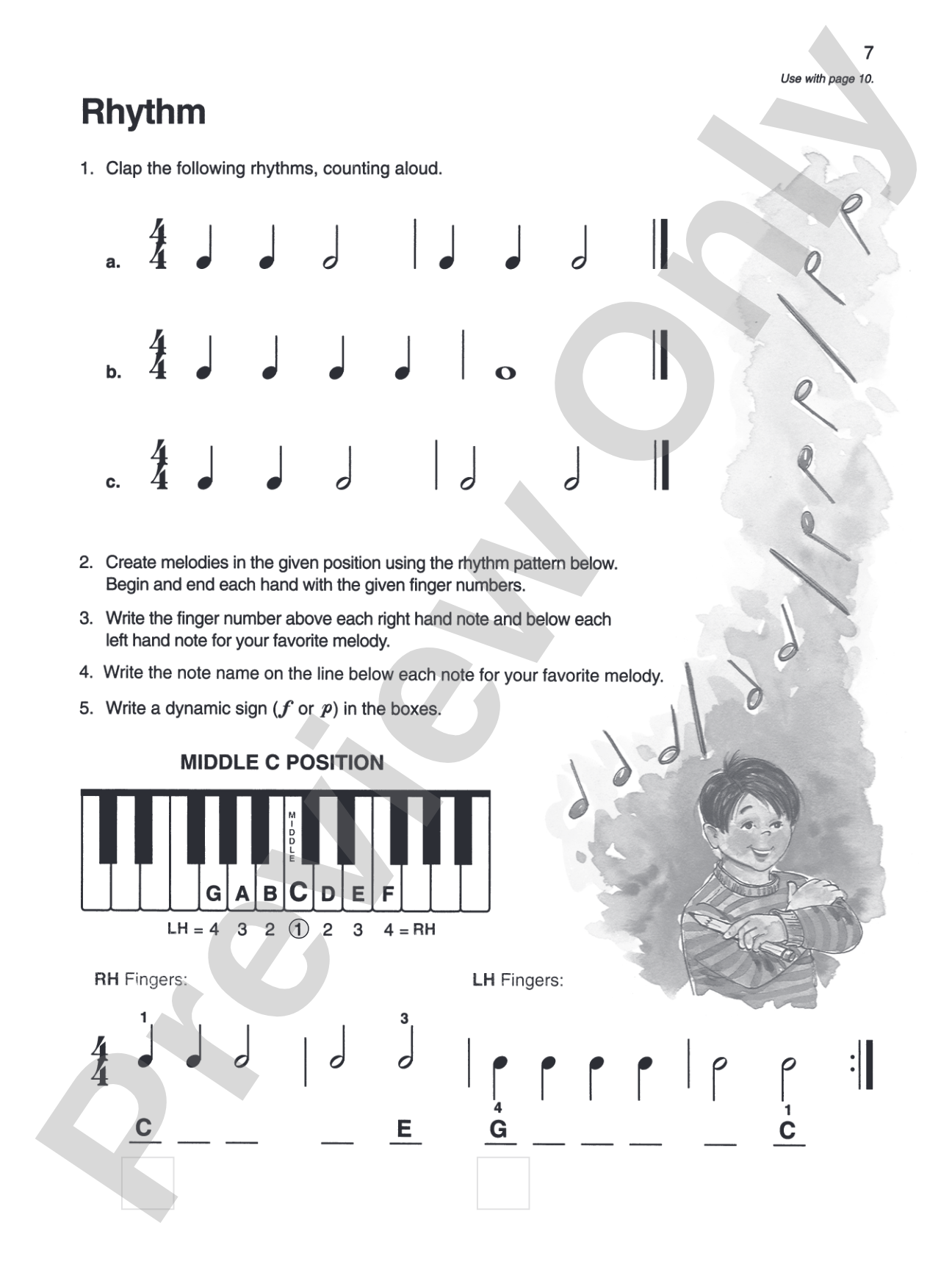
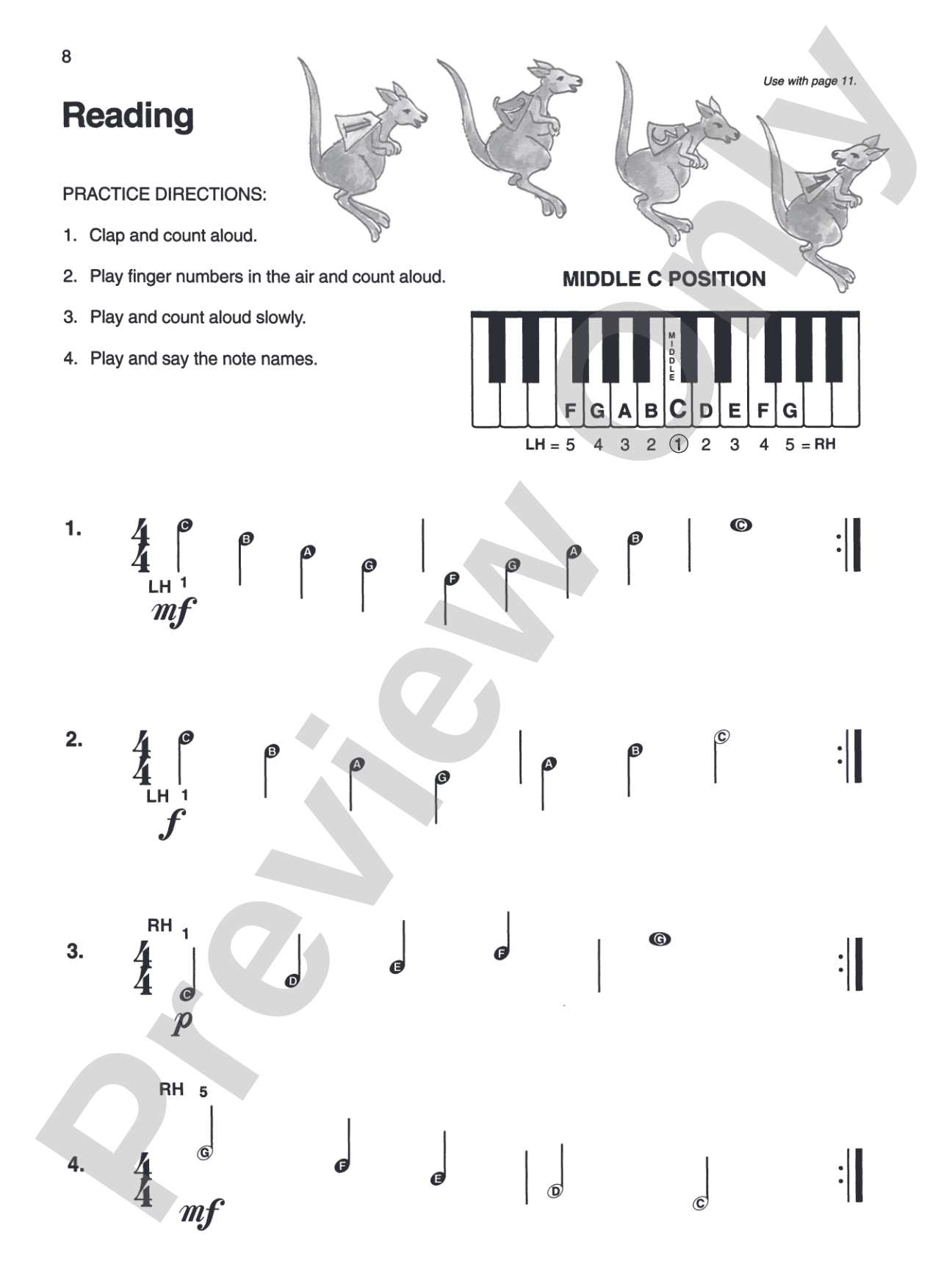
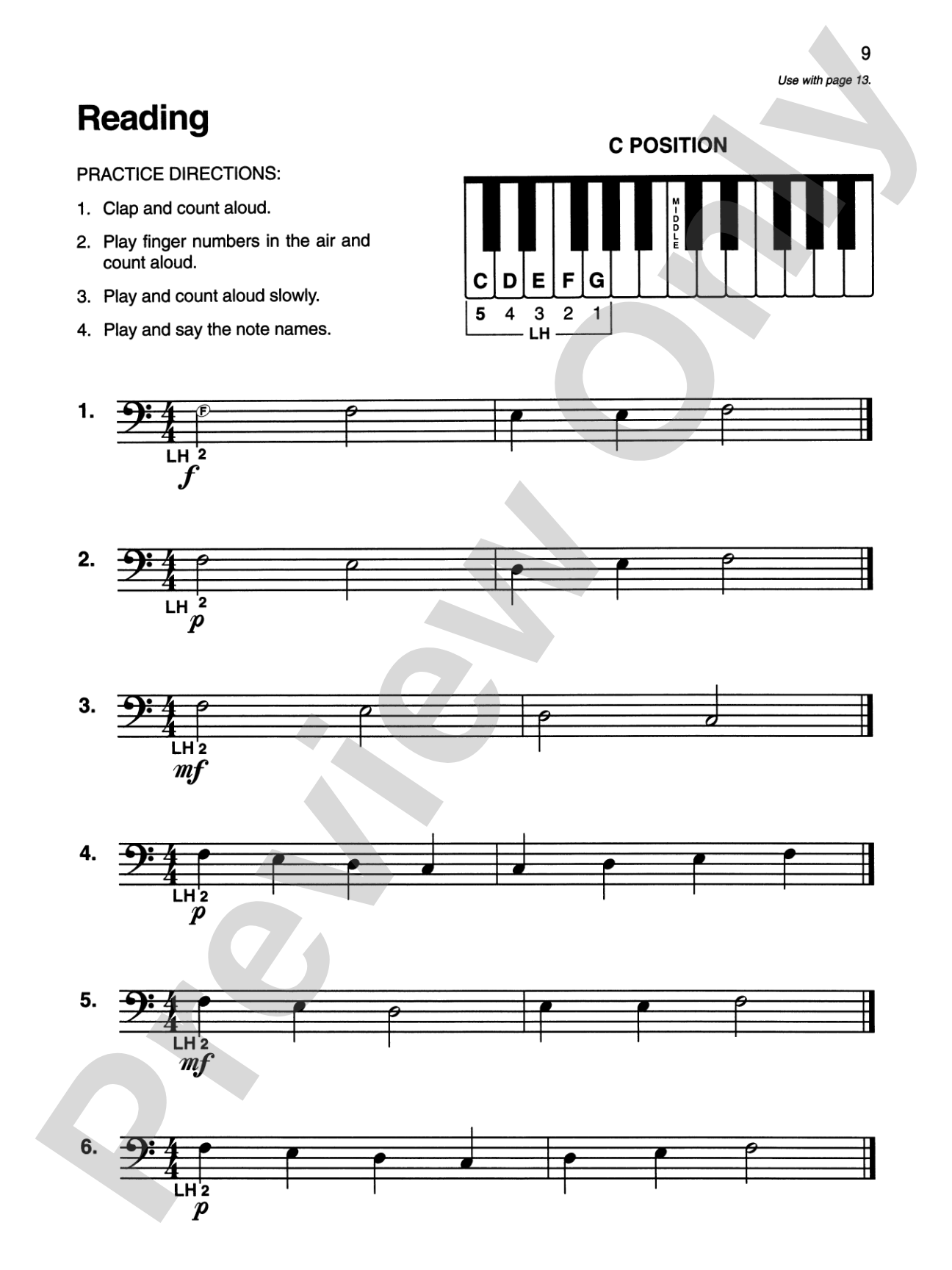
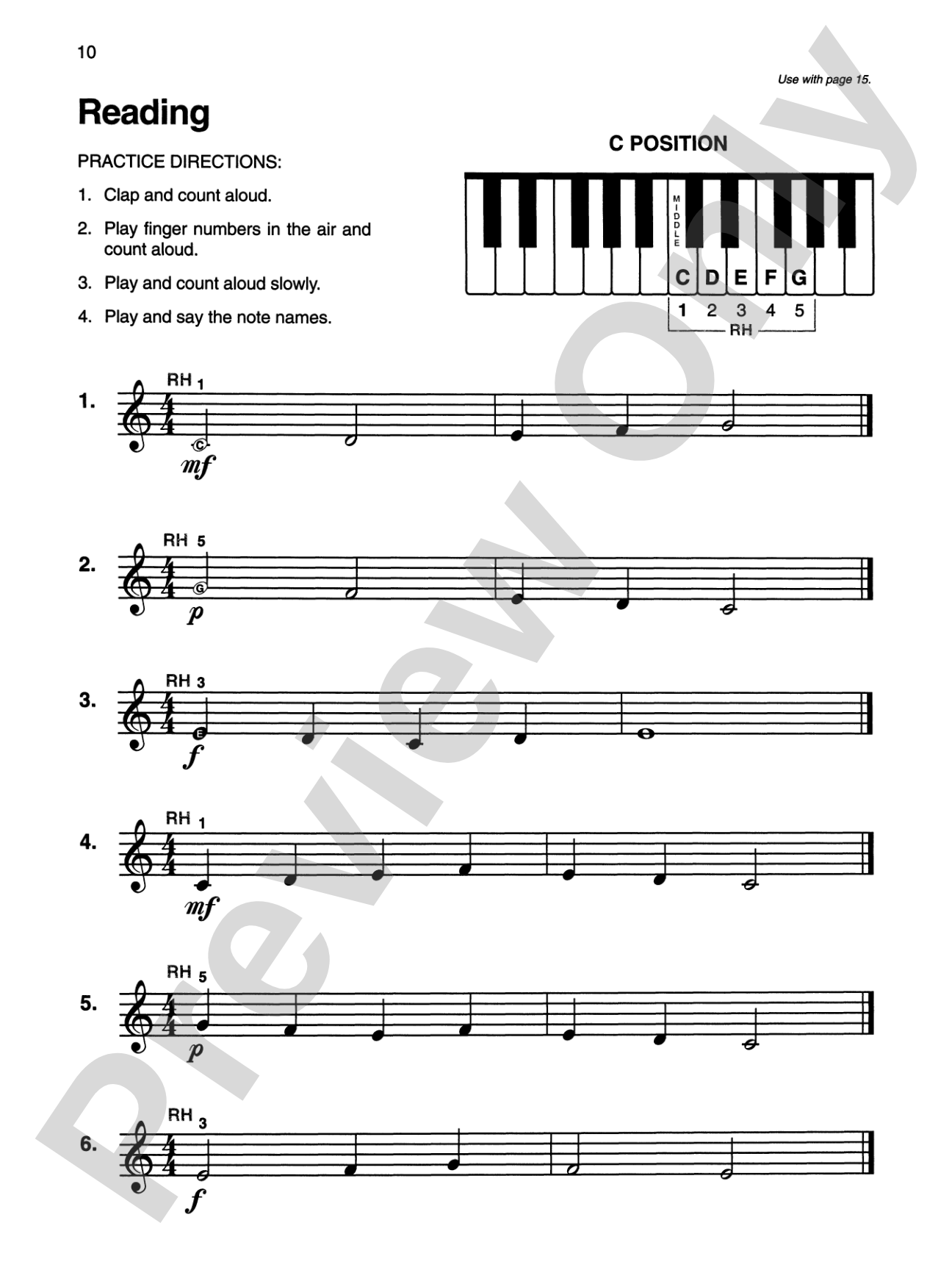
The Sight Reading Books teach sight reading in a systematic way by creating exercises based on the same concepts that students are studying in the Lesson Books. Also includes rhythm sight reading drills and improvisation exercises to develop tactile freedom on the keyboard. Exercises are short and the music is generally easier than the corresponding pages in the Lesson Book.


Discover MakeMusic Cloud: thousands of interactive titles your students can play along with today.
Sample Audio
No sample audio found.
Sample Video
No sample videos found.
Additional Details
Series:
Alfred's Basic Piano Library
Publisher:
Alfred Music
Page Count:
48
SKU:
00-PB-0002590
More about this title
About the Composer: Gayle Kowalchyk

Dr. Gayle Kowalchyk brings three decades of piano pedagogy expertise to her teaching at California State University, Northridge, where she instructs class piano, private piano, and piano pedagogy courses. Her academic credentials span performance training at Ohio University and Northwestern University, culminating in an Ed.D. in piano pedagogy from Teachers College, Columbia University. Before settling in California, she directed piano preparatory programs at Eastern Illinois University and taught at Oklahoma Baptist University and the University of Oklahoma, while also serving on faculty at the National Music Camp in Interlochen during the early 1980s.
As a prolific clinician and national conference presenter, Kowalchyk has shaped piano pedagogy conversations across the Music Teachers National Association, the Music Educators National Conference, and specialized venues like the World Piano Pedagogy Conference. Alongside her husband Dr. E. L. Lancaster, she has authored over 300 educational piano publications, including the Alfred's Premier Piano Course and Music for Little Mozarts series. Her combination of classroom experience, research background, and direct studio work informs every exercise in her sight reading materials.
Why we love this
This book solves a genuine timing problem in beginner piano instruction: students need daily sight reading practice that mirrors what they're learning in the lesson book, but at a slightly gentler difficulty level so they can focus on decoding without frustration. Kowalchyk and Lancaster's systematic approach means each exercise reinforces only concepts already in hand, building confidence and fluency without cognitive overload. The addition of rhythm drills and keyboard improvisation exercises adds dimension that extends beyond note-reading into tactile and rhythmic independence.
What to expect
Accessible and encouraging. Each page presents short, achievable exercises that build reading fluency without the pressure of performing at concert tempo or navigating complicated rhythms. The rhythm drills and improvisation sections add playfulness to an otherwise technical skill.
Who it's for
Students working through Alfred's Basic Piano Library Level 1A and 1B who need reinforcement in sight reading without advancing to harder material. Teachers and private instructors seeking a systematic companion book that directly supports their existing curriculum.
How to get the most out of it
- Work through one or two exercises per practice session rather than tackling a full page at once. Short, focused sight reading sessions are more valuable than marathon runs.
- Keep a pencil nearby to mark tricky rhythmic patterns or unusual note sequences before playing. Annotation takes 10 seconds and prevents stumbles.
- Treat the rhythm sight reading drills as warm-ups before melody work. These isolate the rhythmic independence students need to read with confidence.
- Explore the improvisation exercises without judgment. These exist to develop keyboard familiarity, not to produce polished music.
How to use it
Assign 2-3 exercises from this book each week as sight reading homework, rotating between melody exercises and rhythm drills to maintain variety. For group piano classes, these exercises work as warmup material at the start of sessions, allowing students to settle into focused reading before tackling new material from the main lesson book.
Skills your students will build
- Reading notes and intervals in treble clef across both hands
- Decoding rhythmic patterns (quarter notes, half notes, whole notes, paired eighth notes, basic rests) without relying on prior familiarity
- Maintaining steady tempo while processing new notation
- Developing left-hand independence and reading readiness
- Improvising simple melodies and rhythmic patterns within specified keyboard areas
- Building tactile keyboard awareness through repetition in varied contexts