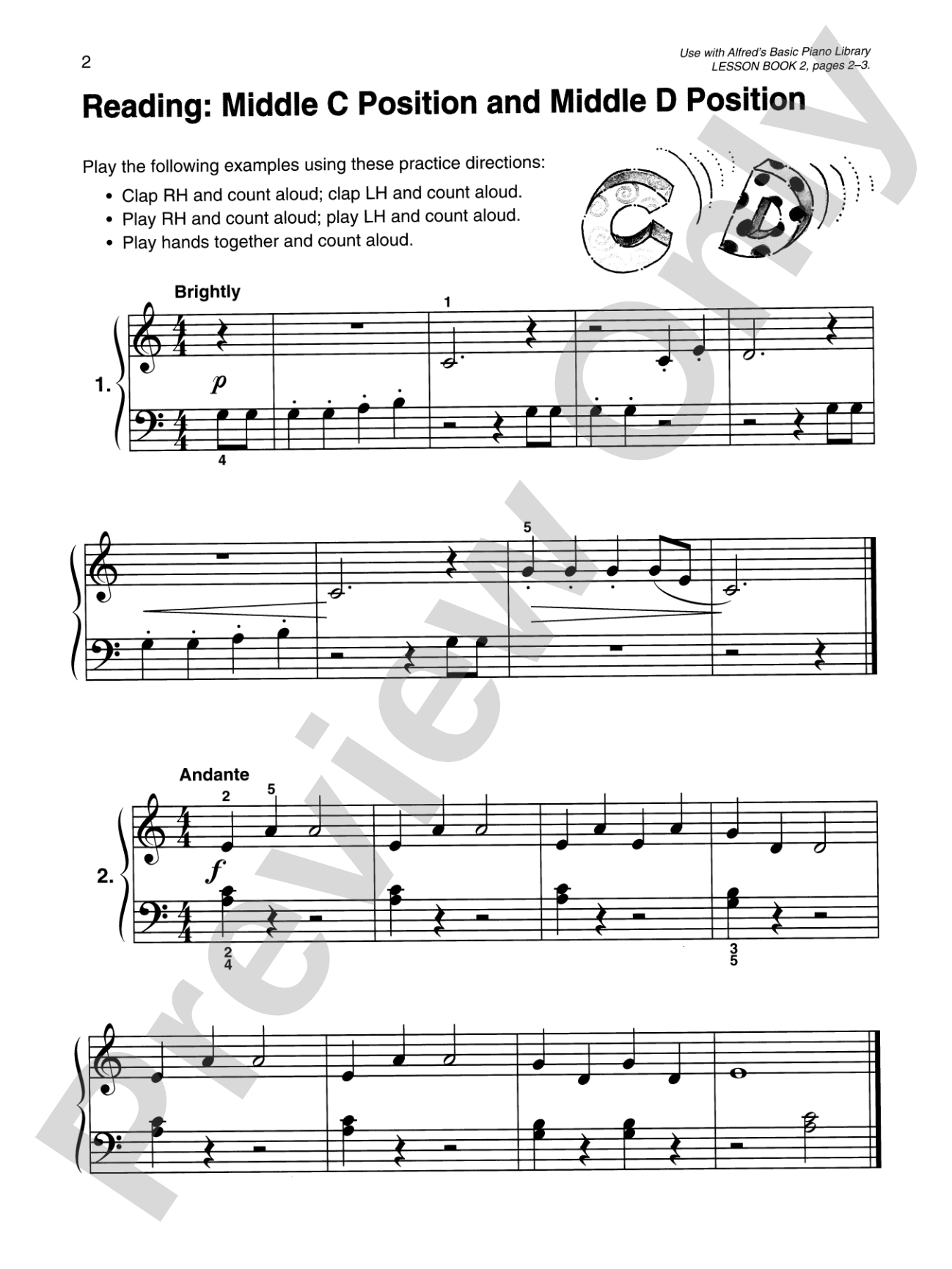
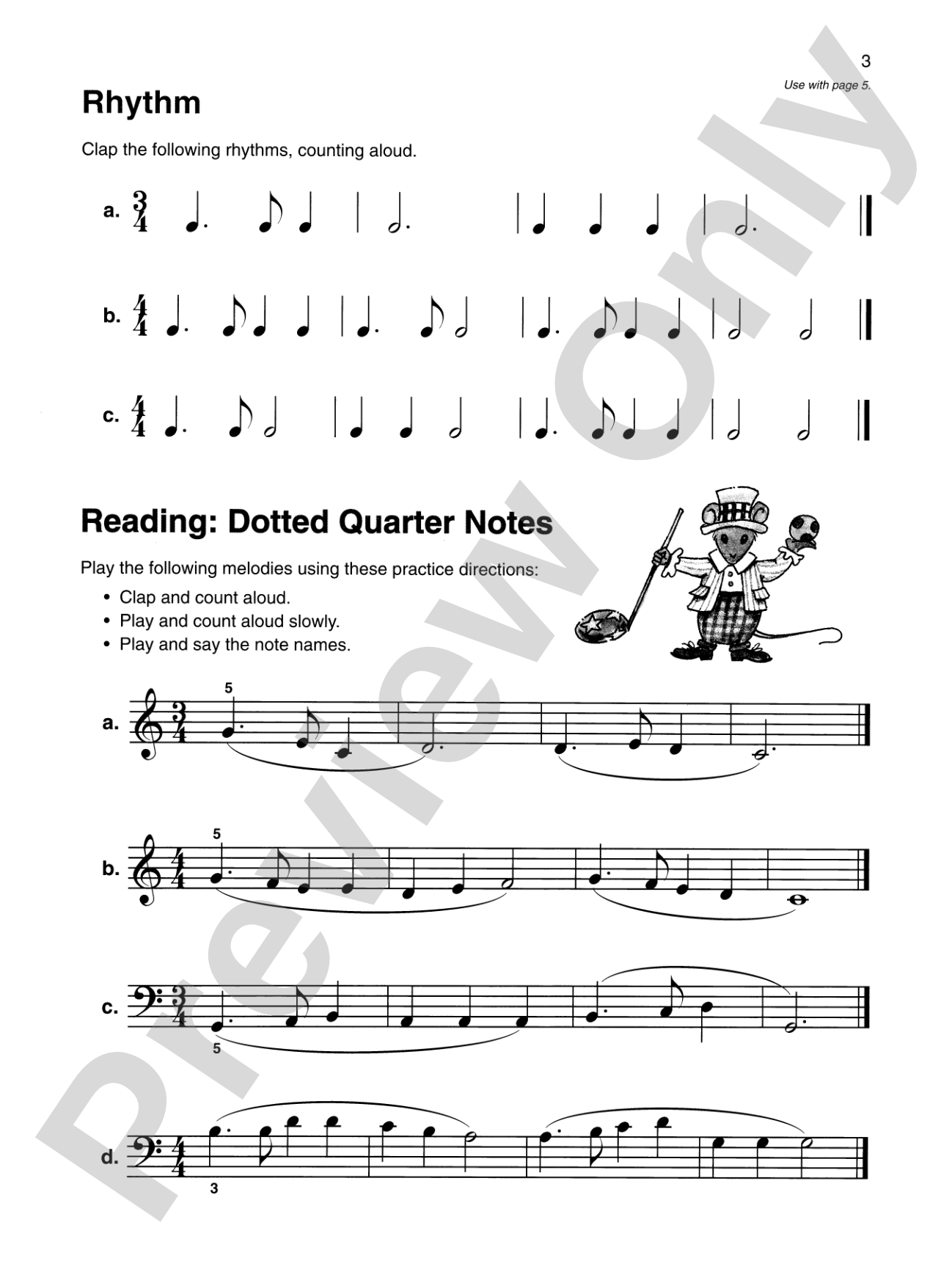
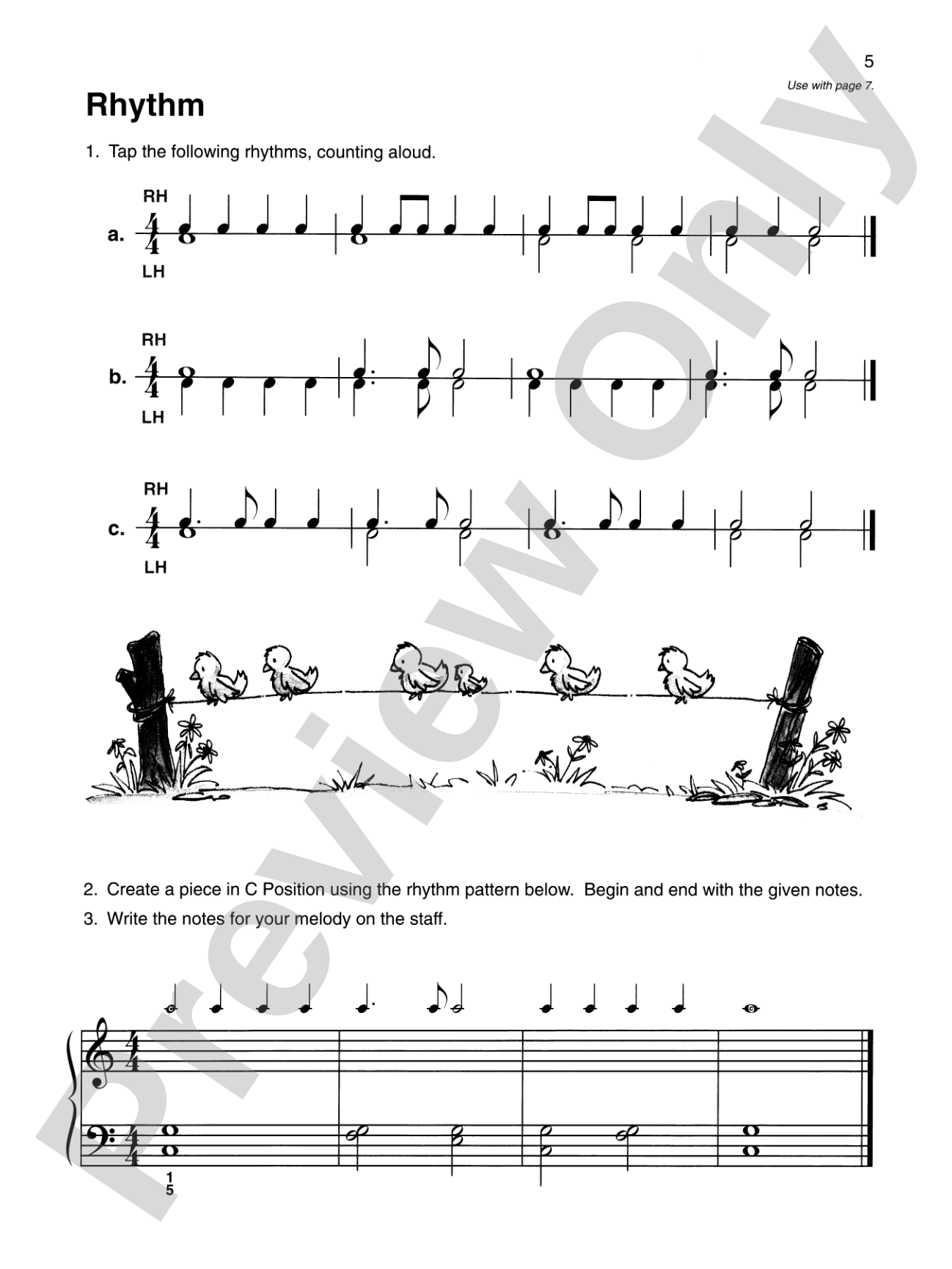
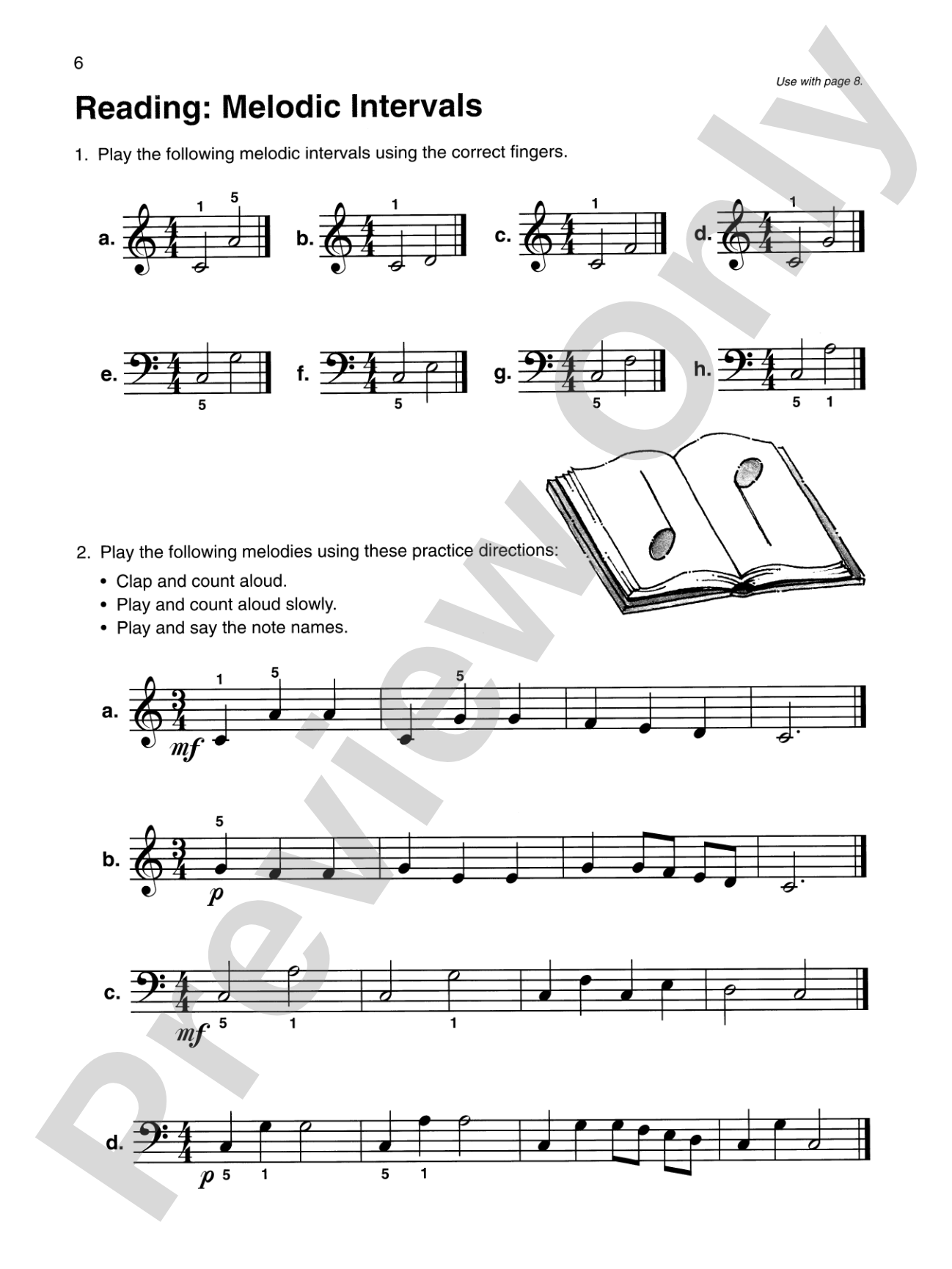
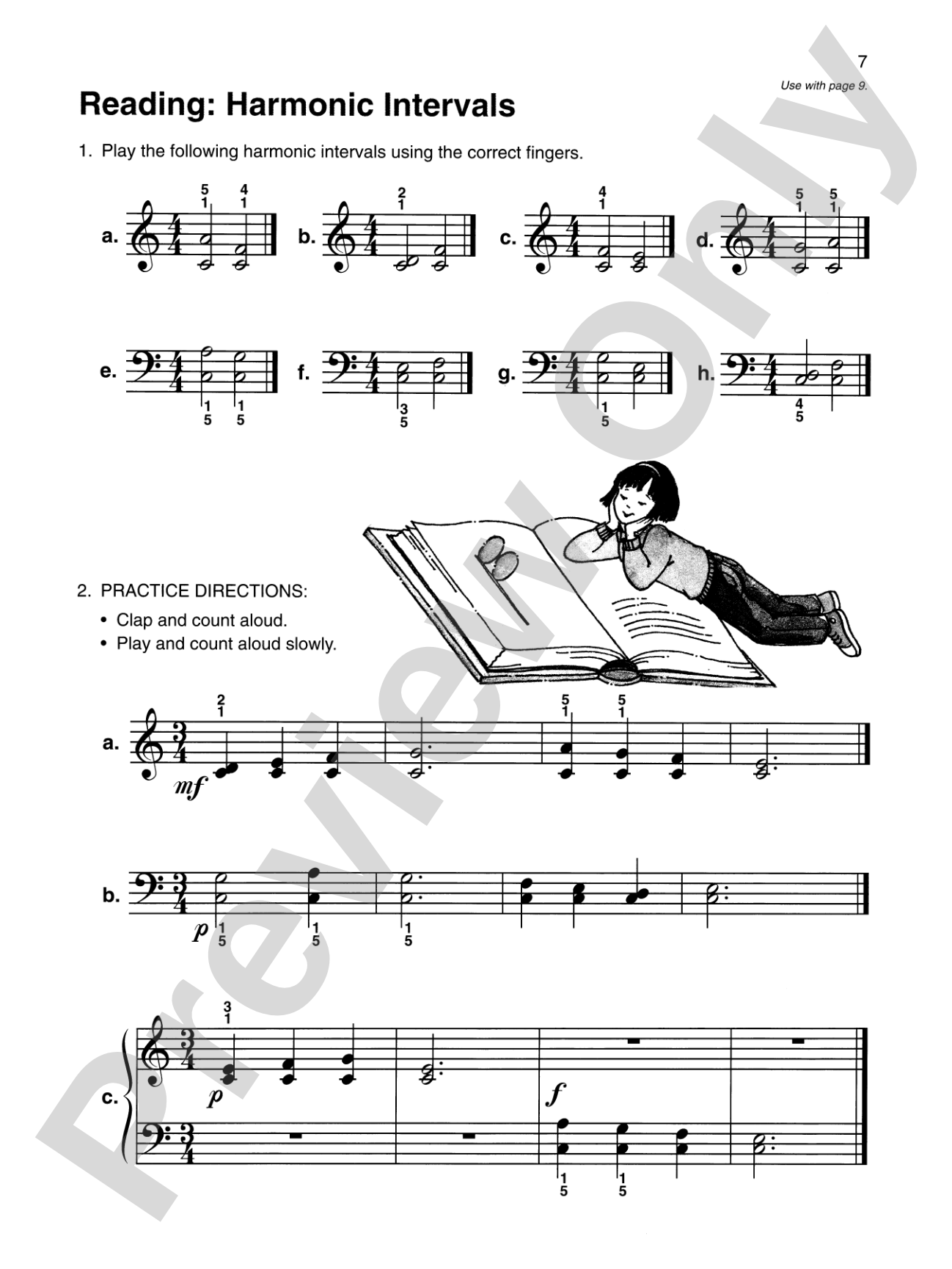
The Sight Reading Books teach sight reading in a systematic way by creating exercises based on the same concepts that students are studying in the Lesson Books. Also includes rhythm sight reading drills and improvisation exercises to develop tactile freedom on the keyboard. Exercises are short and the music is generally easier than the corresponding pages in the Lesson Book.
Discover MakeMusic Cloud: thousands of interactive titles your students can play along with today.
Gayle Kowalchyk holds a doctorate in piano pedagogy from Teachers College, Columbia University, and has shaped piano instruction across multiple universities including California State University, Northridge, where she currently teaches class piano and piano pedagogy. Her career spans four decades of teaching, clinical work, and curriculum development; she has presented at national conferences for MTNA, MENC, and the National Conference on Piano Pedagogy, and served on faculties at Eastern Illinois University, Oklahoma Baptist University, and the University of Oklahoma.
Together with her husband E. L. Lancaster, Kowalchyk has authored over 300 educational piano books, including the widely adopted Alfred's Premier Piano Course and Music for Little Mozarts. Her work reflects deep pedagogical training grounded in both performance and teaching methodology.
Why we love this
The real power of this book lies in its alignment with Lesson Book 2 concepts. Students aren't jumping through random sight reading hoops; they're reinforcing exactly what they've learned in their primary material, which accelerates confidence and independence. The short exercises feel achievable rather than overwhelming, and the rhythm drills embedded throughout build fluency without requiring extra practice time.
What to expect
Manageable and encouraging. The exercises are scaled so students can successfully read through a complete page without stumbling, building the habit of continuous playing rather than stopping to decode notation. The improvisation work offers a moment of creative freedom that rewards their growing technical control.
Who it's for
Students working through Alfred's Basic Piano Library Level 2 who need systematic, graded practice in sight reading without the cognitive load of unfamiliar harmonic or rhythmic concepts. Teachers seeking supplemental material that mirrors lesson book content will find this an efficient way to build reading fluency and keyboard familiarity.
How to get the most out of it
Rotate between the sight reading exercises and the corresponding pages in Lesson Book 2 so students recognize the conceptual connection immediately.
Use the improvisation exercises at the keyboard to build tactile comfort with hand position and interval relationships before moving on to new technical material.
Keep rhythm drills as warm-ups at the start of lessons; their brevity makes them ideal for focusing attention and reinforcing pulse.
How to use it
Assign one or two exercises per week as homework alongside the Lesson Book to deepen sight reading skills without adding separate material to learn. The rhythm drills work beautifully as opening activities in group piano classes or as reinforcement for students who struggle with rhythmic notation in ensemble settings.
Skills your students will build
Sight reading within Level 2 harmonic and melodic vocabulary
Rhythm reading accuracy in simple meters with basic note values
Tactile keyboard familiarity through improvisation on studied concepts
Confidence reading and performing material at or below lesson level
Fluency in recognizing note patterns from the lesson curriculum
You May Also Like
Scan to Complete Your Purchase
Use your phone's camera to scan the code below
You'll log in on your phone and the order will be added to your account