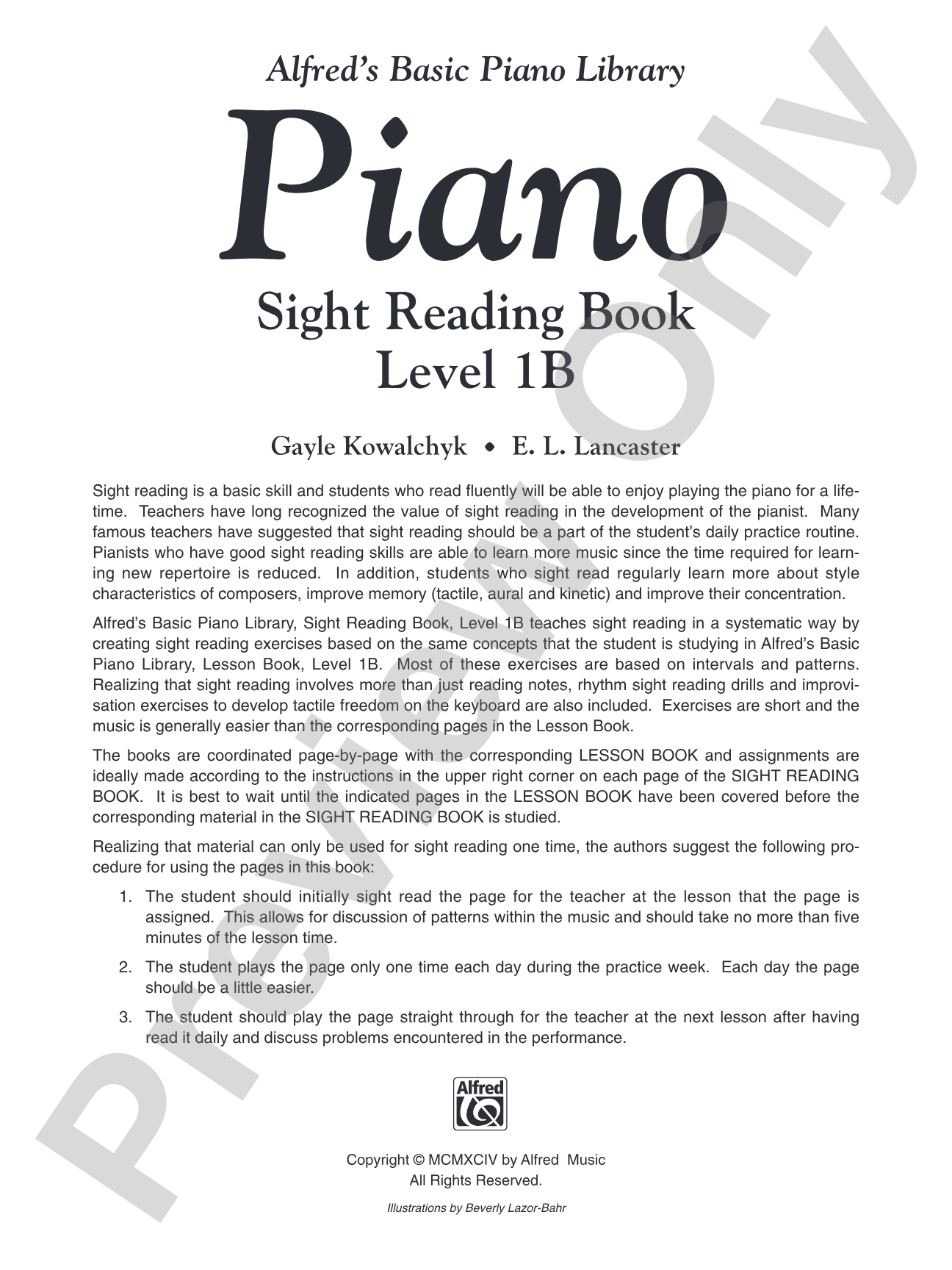
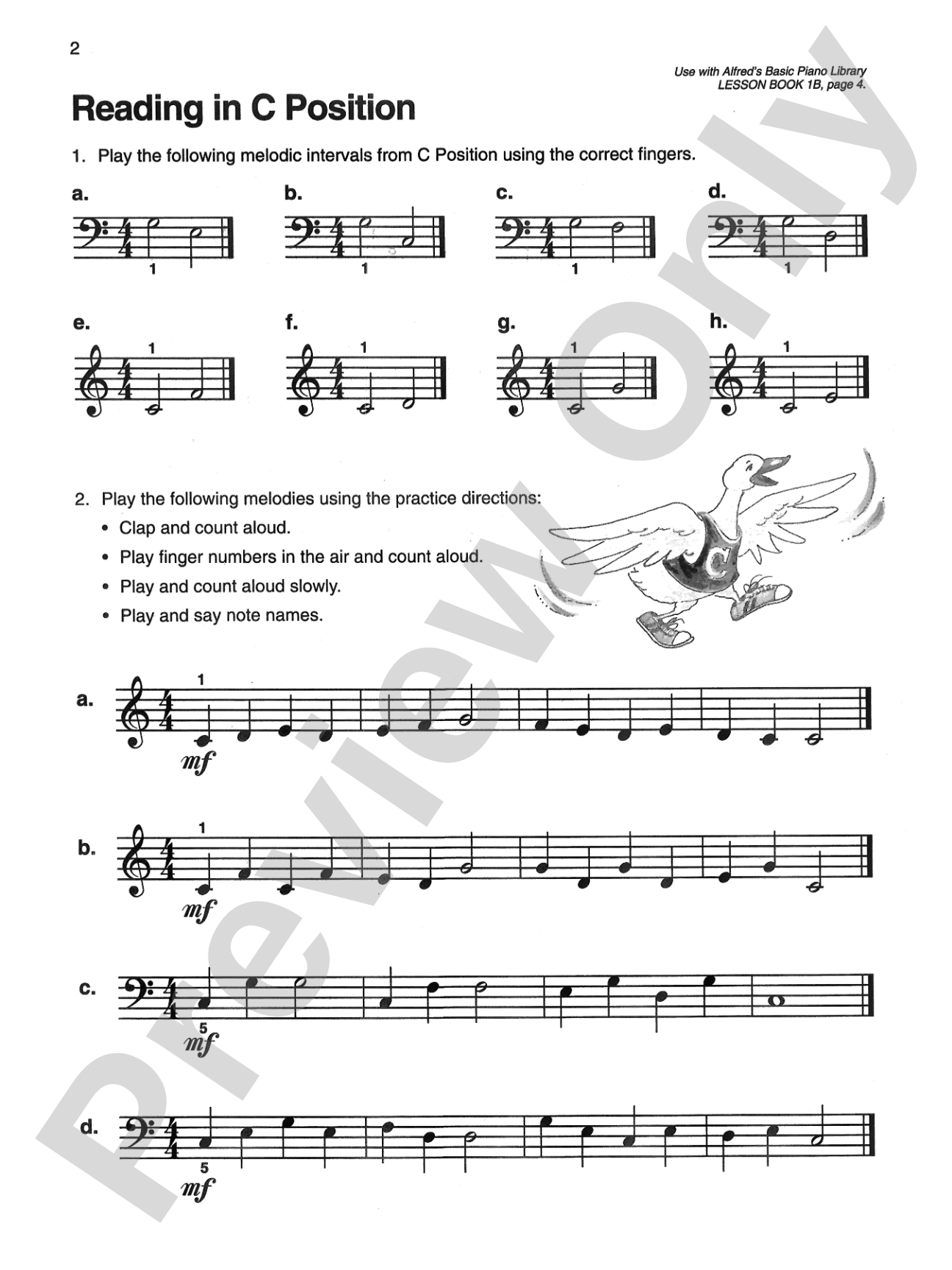
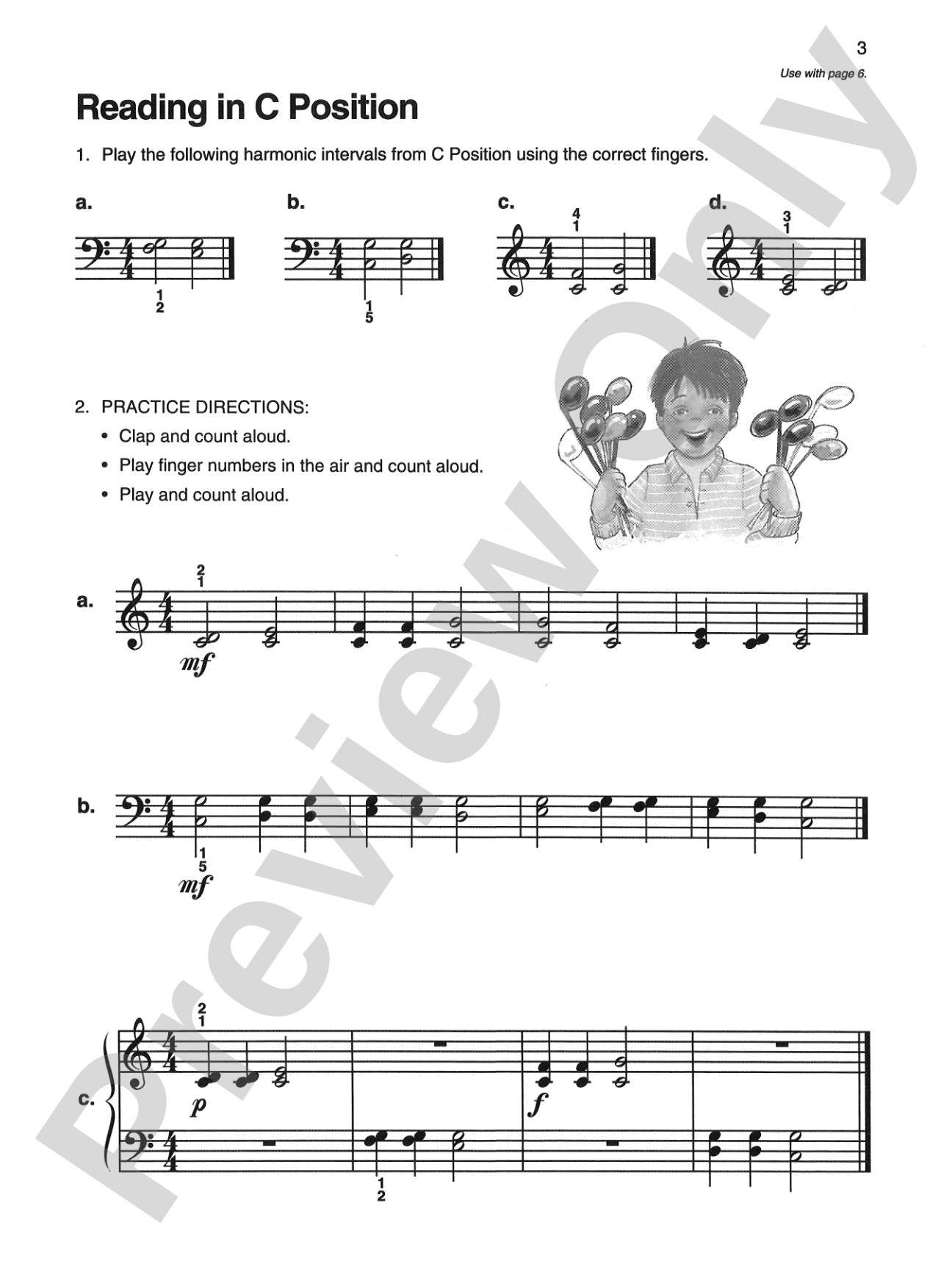
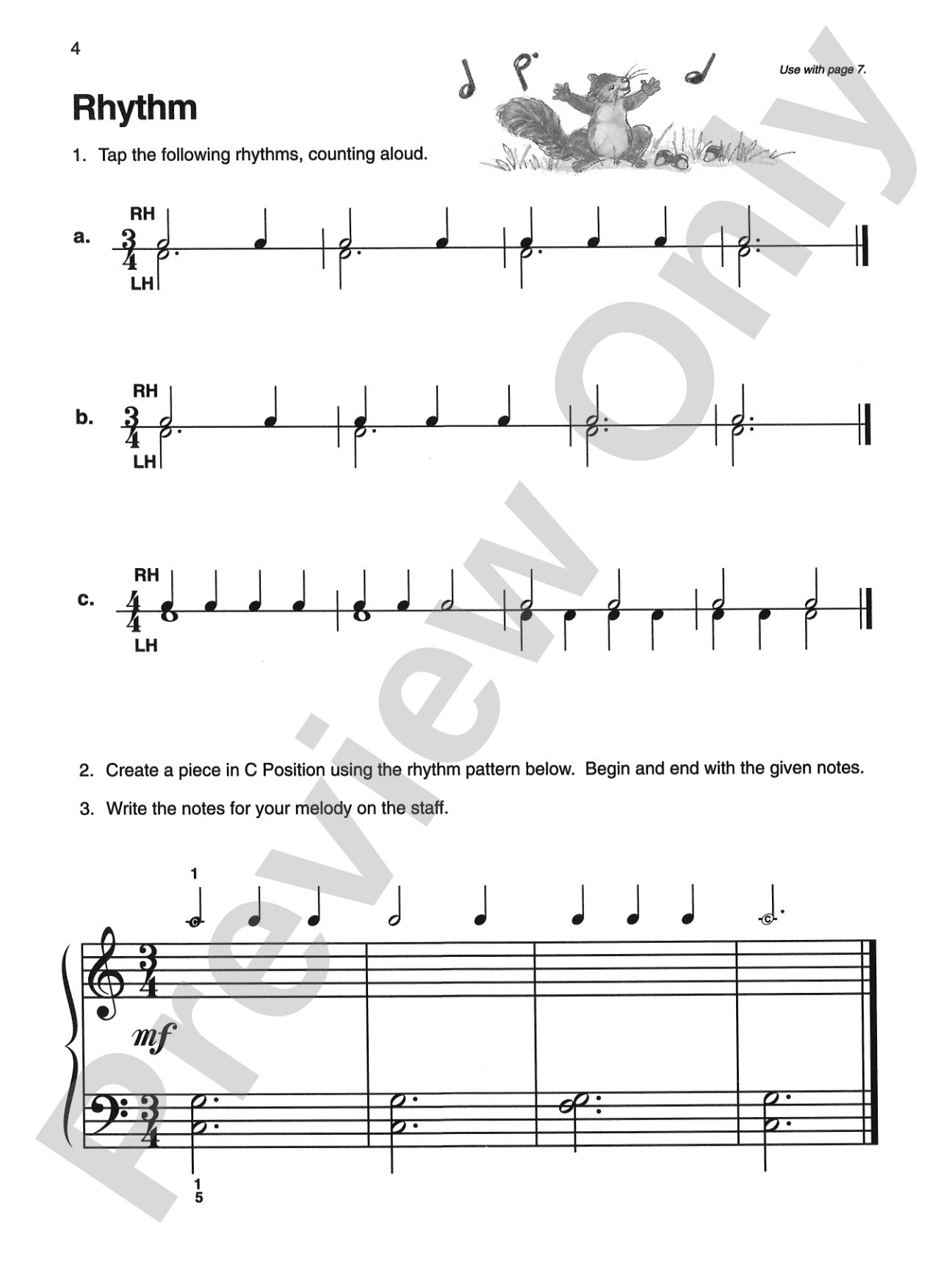
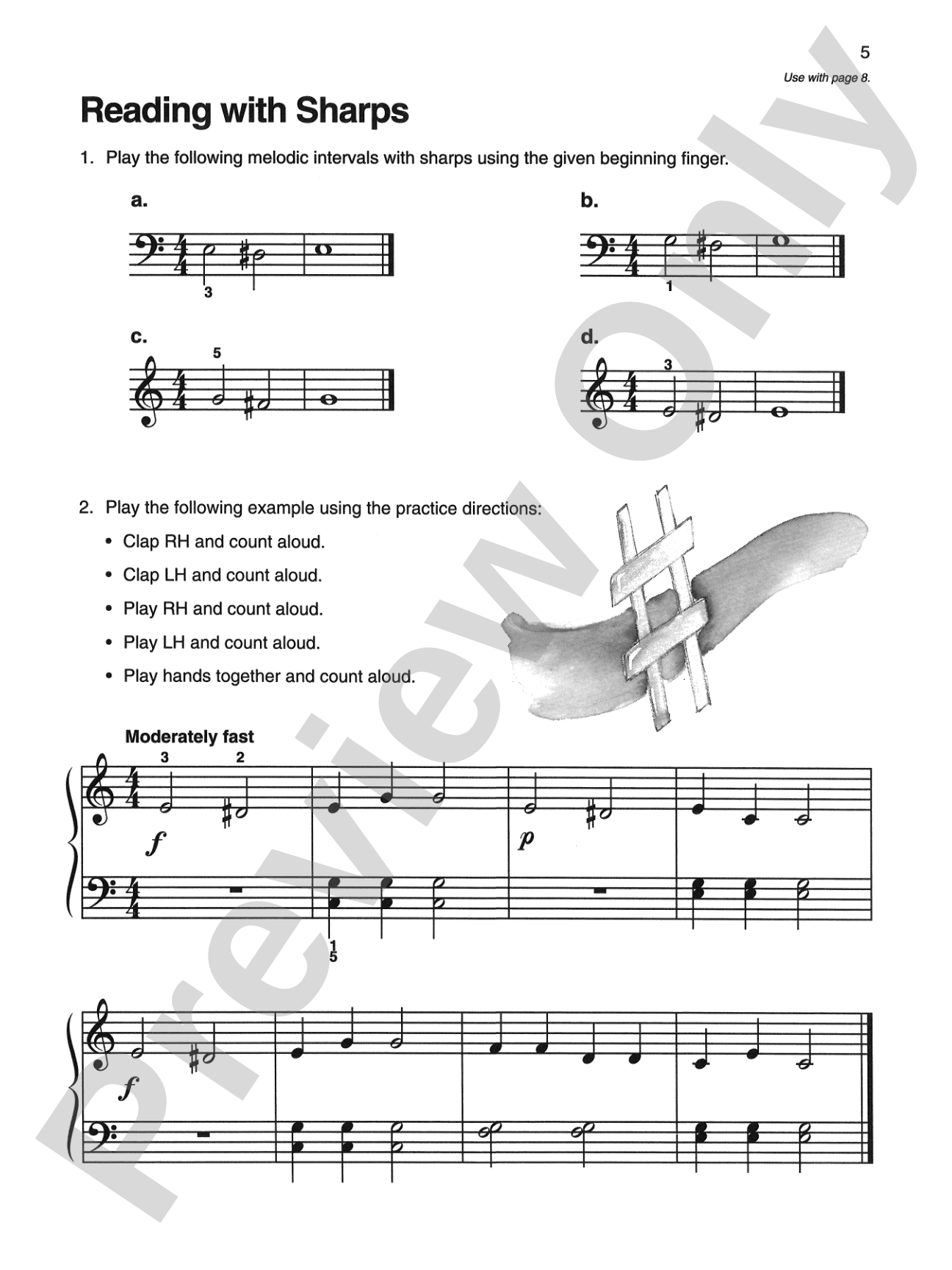
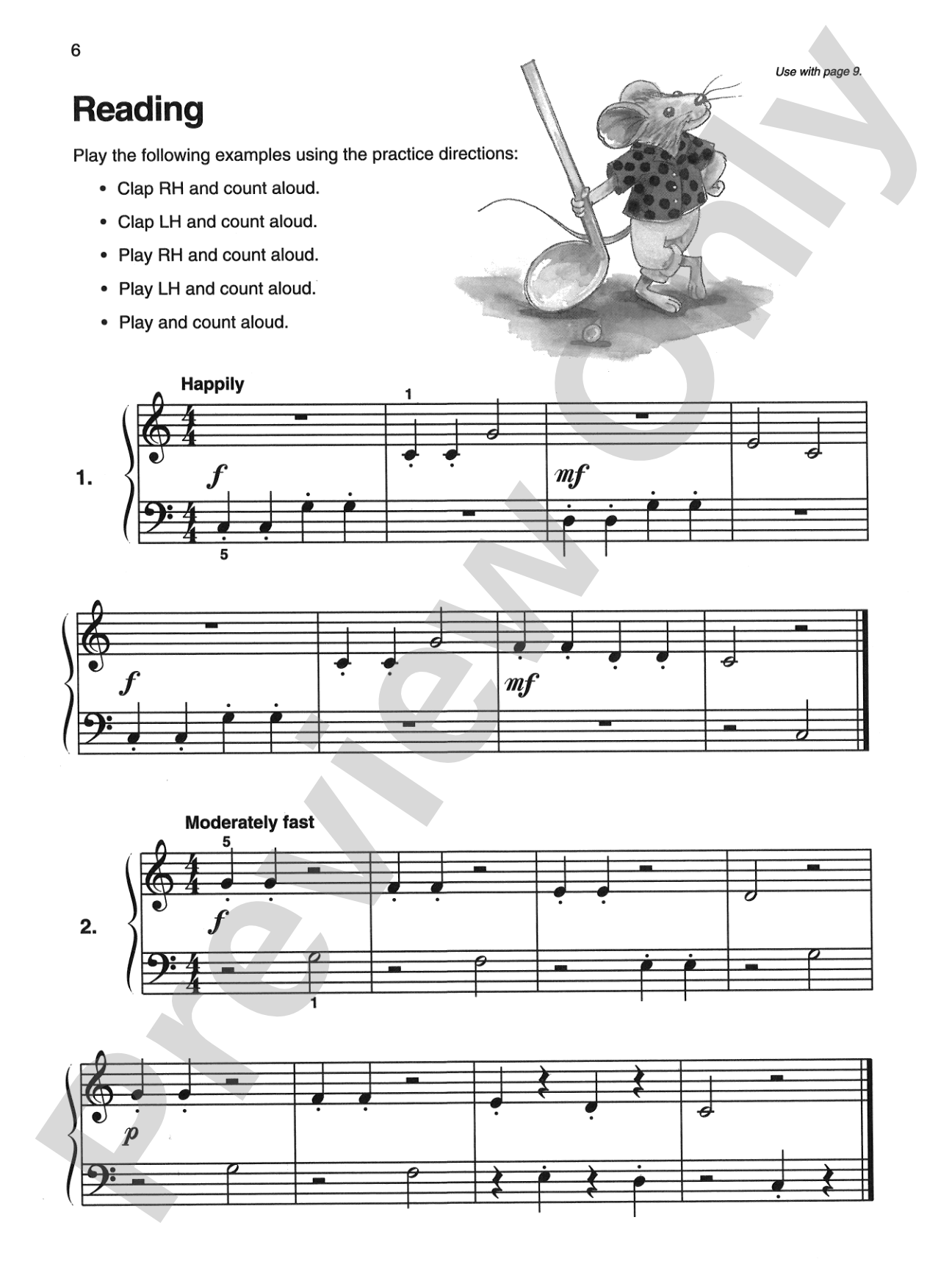
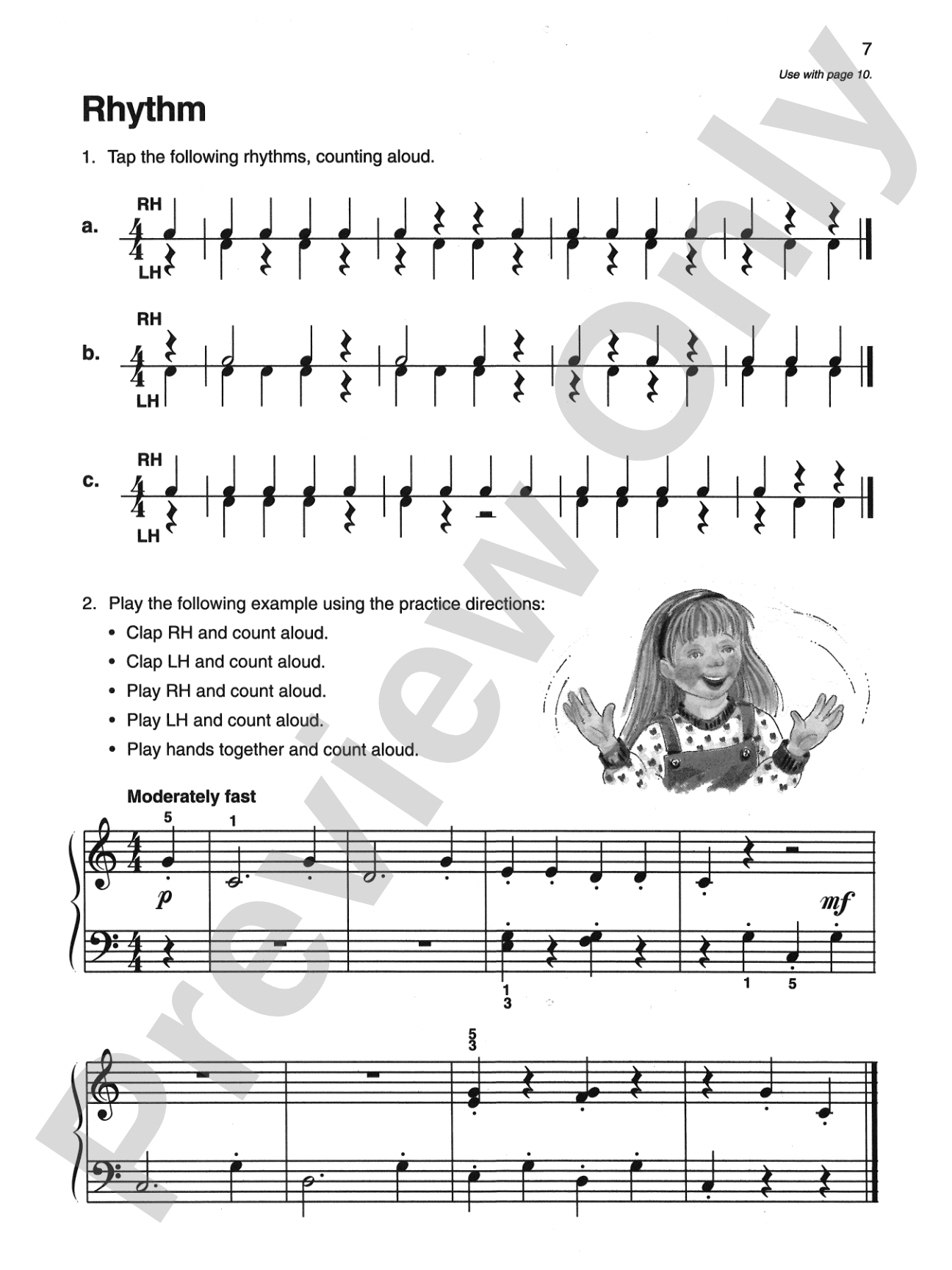
The Sight Reading Books teach sight reading in a systematic way by creating exercises based on the same concepts that students are studying in the Lesson Books. Also includes rhythm sight reading drills and improvisation exercises to develop tactile freedom on the keyboard. Exercises are short and the music is generally easier than the corresponding pages in the Lesson Book.
Discover MakeMusic Cloud: thousands of interactive titles your students can play along with today.
Dr. Gayle Kowalchyk brings three decades of piano pedagogy expertise to her work at California State University, Northridge, where she teaches class piano, private lessons, and pedagogy courses. Her academic training spans performance degrees from Ohio University and Northwestern University, culminating in an Ed.D. in piano pedagogy from Teachers College, Columbia University. She has held faculty positions at Eastern Illinois University, Oklahoma Baptist University, and the University of Oklahoma, and spent summers teaching at the prestigious National Music Camp in Interlochen.
Kowalchyk's influence extends far beyond the university classroom. Working alongside her husband Dr. E. L. Lancaster, she has authored over 300 educational piano publications, including the widely adopted Alfred's Premier Piano Course and Music for Little Mozarts. A sought-after clinician and adjudicator, she regularly presents at national conferences including MTNA, MENC, and the World Piano Pedagogy Conference. Her studio experience teaching students of all ages gives her work the practical foundation that classroom teachers recognize and trust.
Why we love this
This book mirrors the pedagogical sequence of the Lesson Book itself, meaning students encounter sight reading challenges only after they've mastered those same concepts in context. The inclusion of rhythm drills and improvisation exercises addresses real needs: students often struggle with rhythm independently from pitch, and keyboard improvisation builds the tactile confidence that sight reading requires. Short, manageable exercises prevent frustration while building momentum.
What to expect
Accessible and encouraging. Each page invites steady progress without overwhelming complexity, allowing young pianists to experience the small victories that build reading fluency. The improvisation exercises add an element of creative play that keeps engagement high.
Who it's for
Students working through Alfred's Basic Piano Library Level 1B who need targeted sight reading reinforcement beyond their lesson materials. Teachers seeking a structured companion book that doesn't introduce new concepts too far ahead of their lesson sequence will find this essential.
How to get the most out of it
Start each practice session with one or two rhythm sight reading drills before moving to pitched exercises; this isolates the timing challenge and builds confidence separately.
Approach improvisation exercises as permission rather than perfection. Students often hold back; frame these as experiments where wrong notes don't exist.
Have students work through exercises in order without looking ahead. The systematic design means each new challenge builds naturally on the last.
How to use it
Assign one page per week alongside corresponding lesson book pages, using it as the core of weekly warm-up and independent practice. The rhythm drills work well as group activities in class piano settings, and the improvisation sections can serve as springboards for individual creative projects or informal student performances.
Skills your students will build
Systematic sight reading at the early elementary level
Rhythm reading independent from pitch
Keyboard improvisation and tactile freedom
Reading reinforcement of concepts from concurrent lesson materials
You May Also Like
Scan to Complete Your Purchase
Use your phone's camera to scan the code below
You'll log in on your phone and the order will be added to your account