

Alfred's Basic Piano Library: Repertoire Book Complete 2 & 3: For the Later Beginner: Piano
For the Later Beginner
By Willard A. Palmer, Morton Manus, and Amanda Vick Lethco
Level: 2 & 3
Item: 00-PB-0002602
$7.99
Pickup currently not available
Related Items
Alfred's Basic Piano Library: Repertoire Book Complete 2 & 3: Piano Book |
$7.99
|
View |
Description
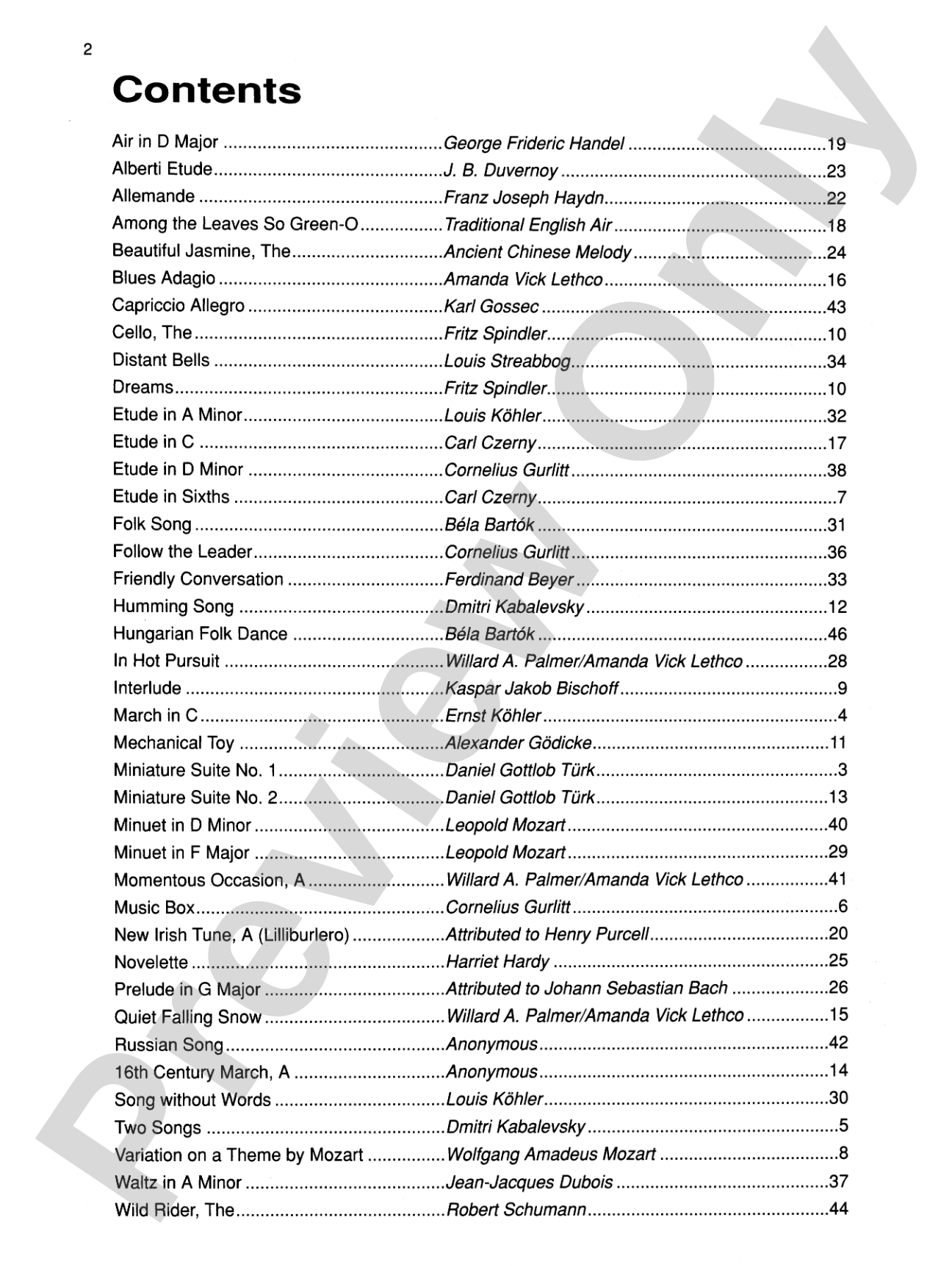
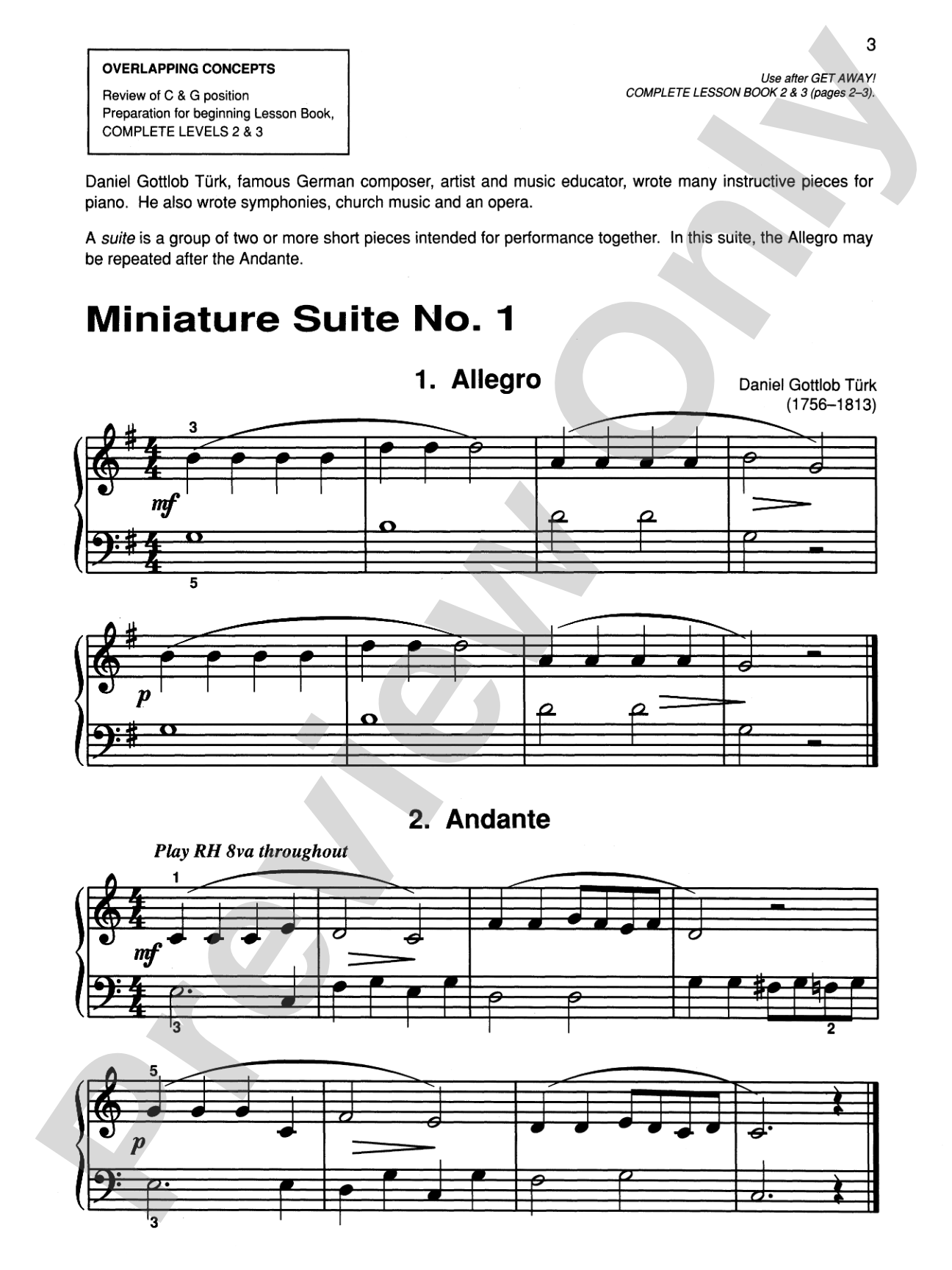
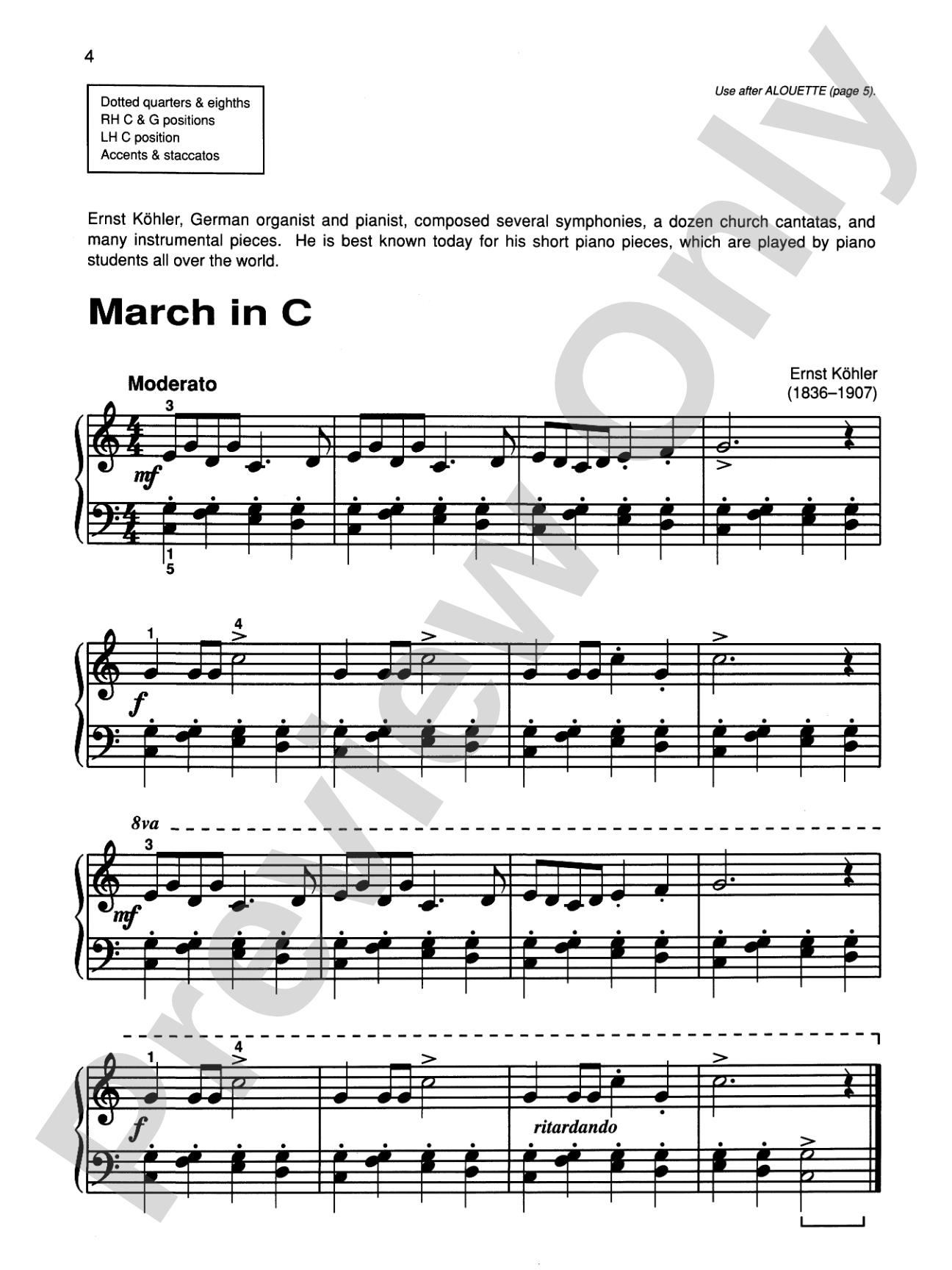
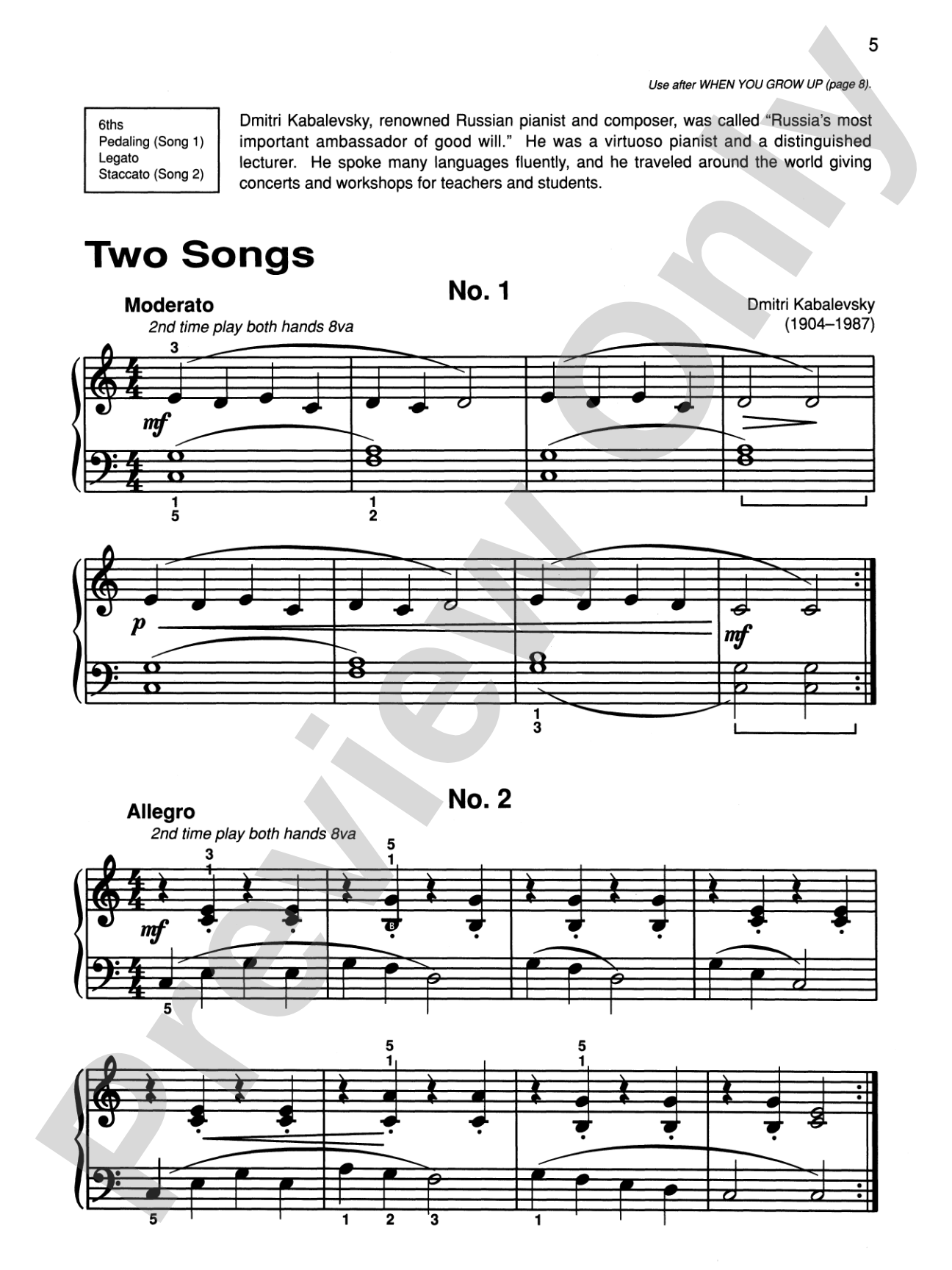
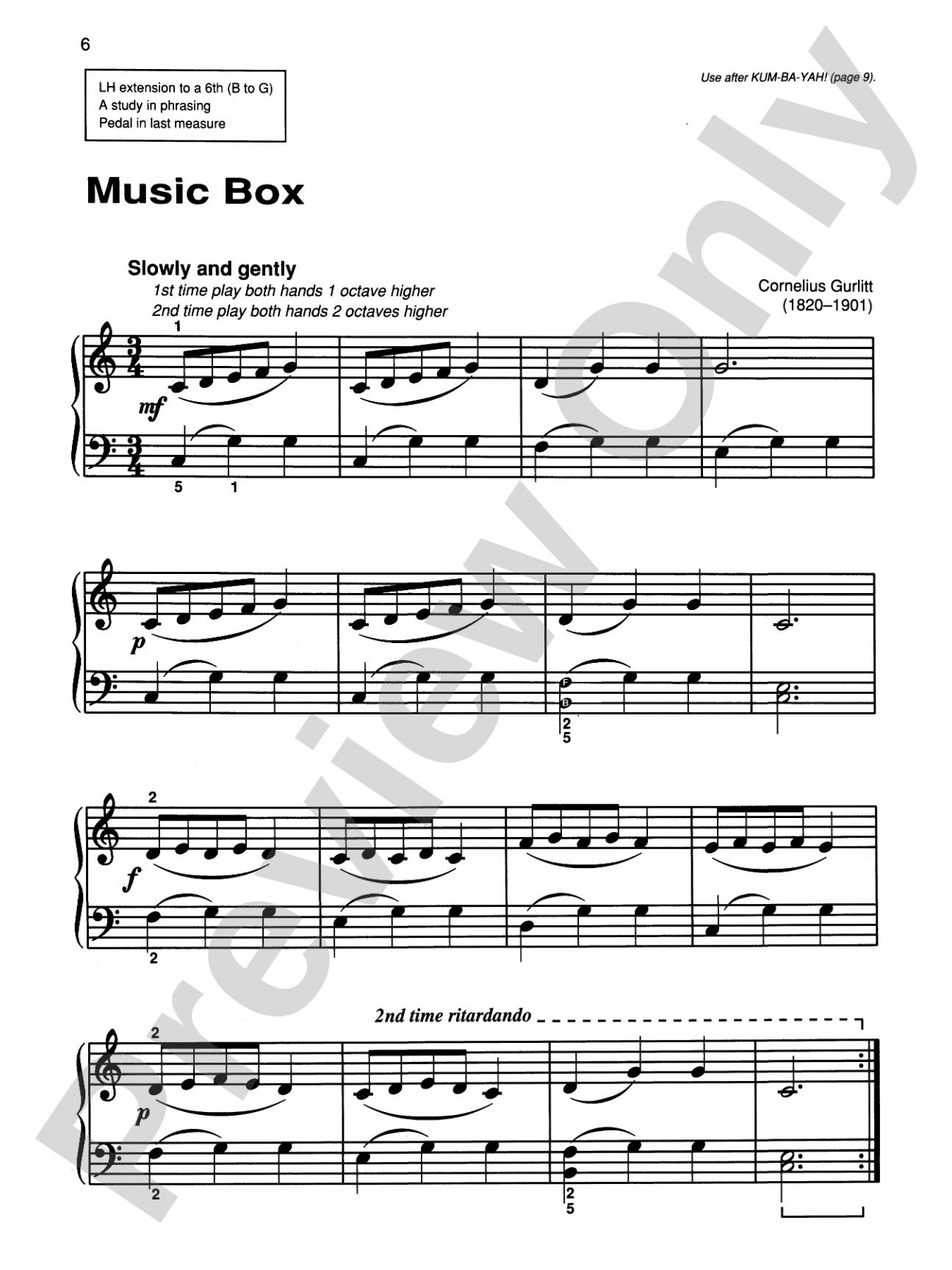
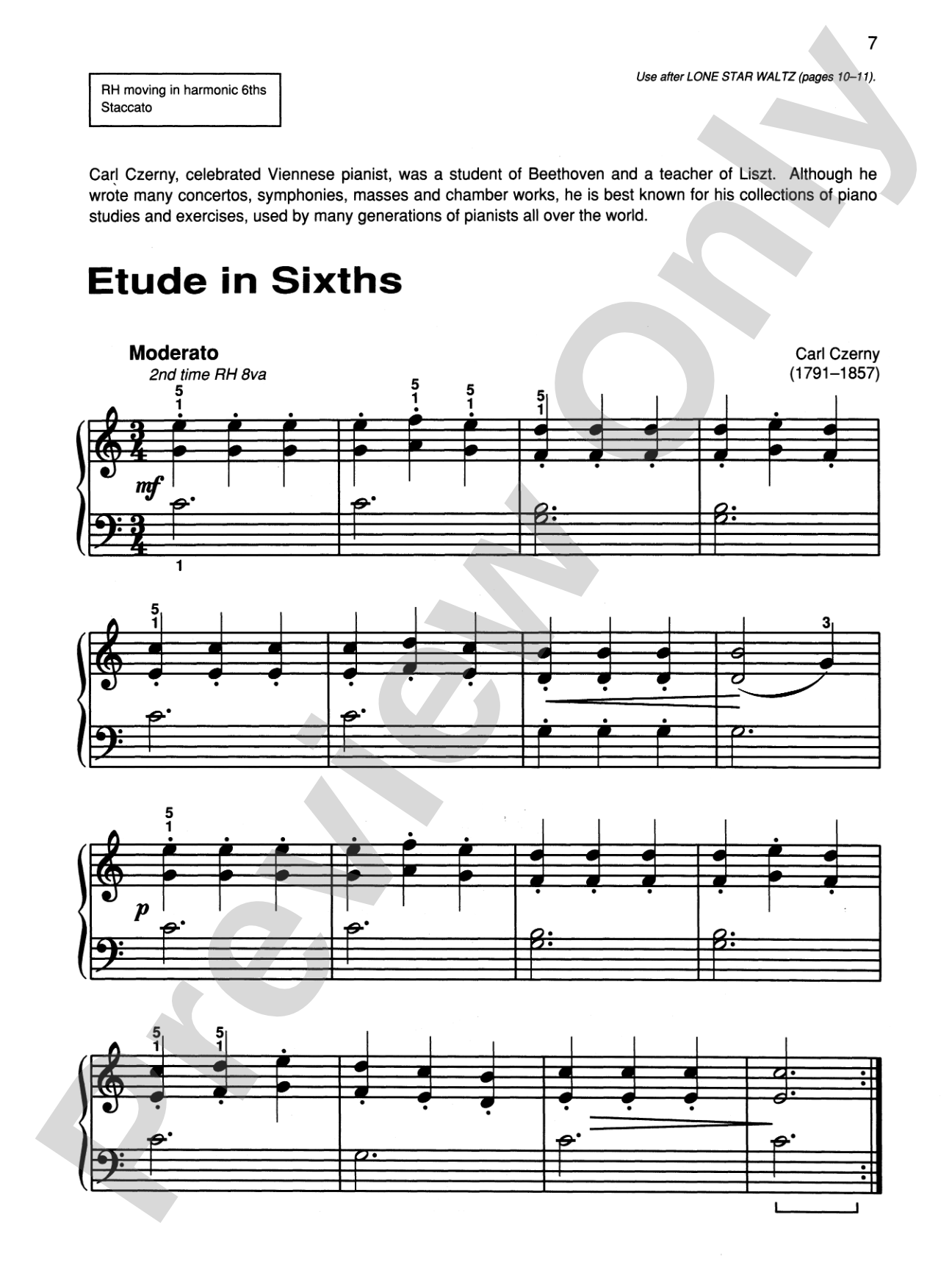
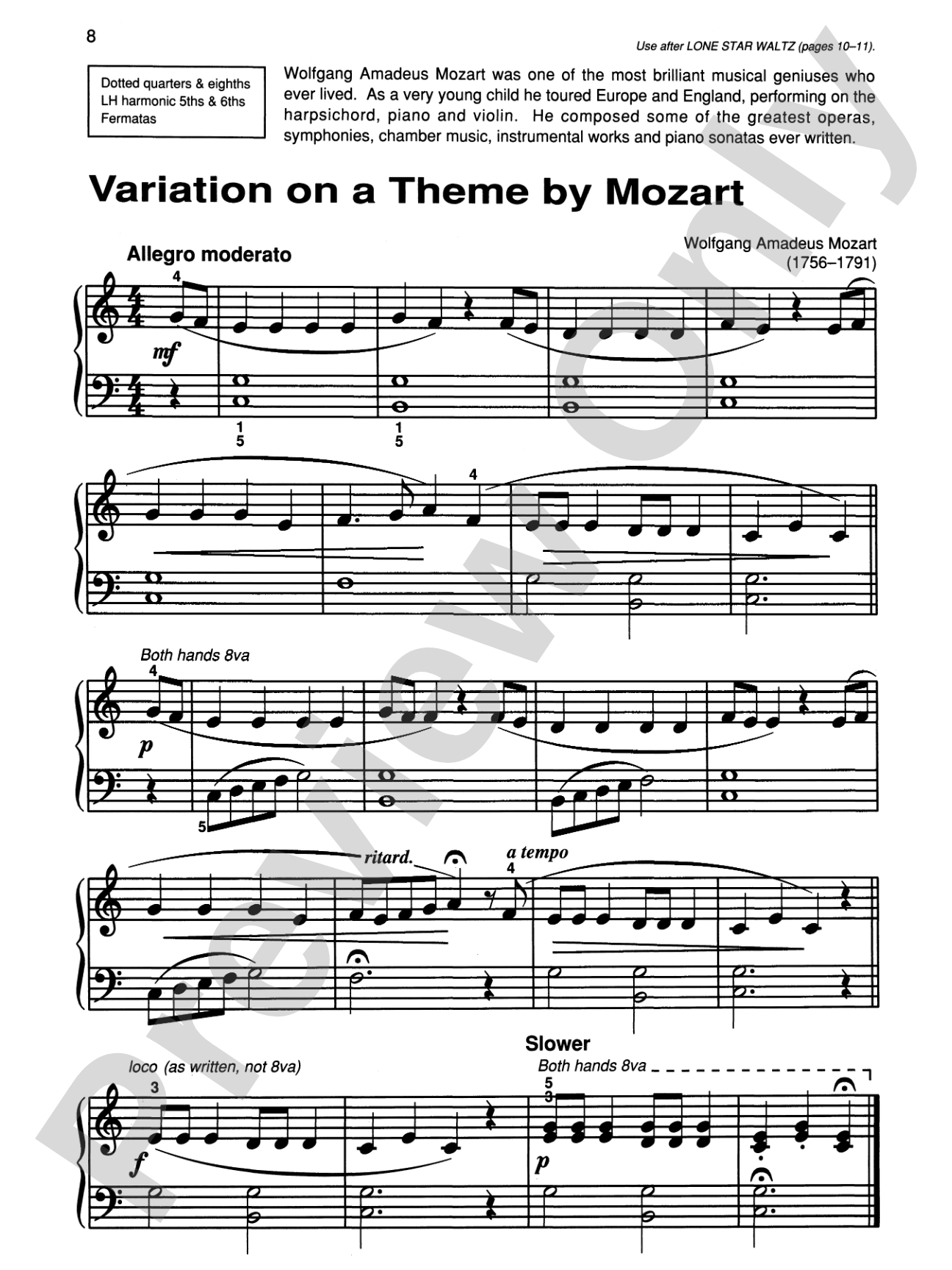
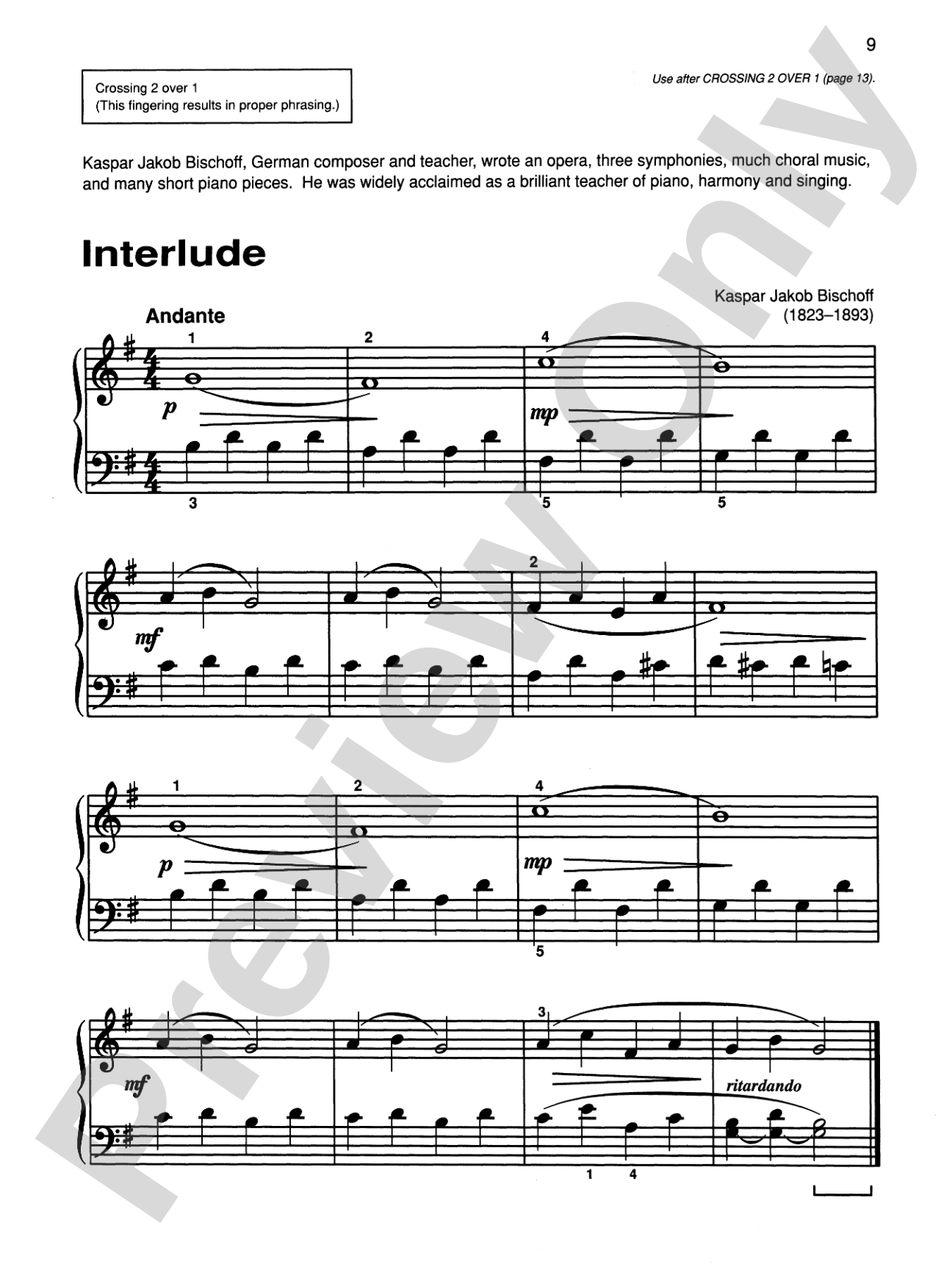
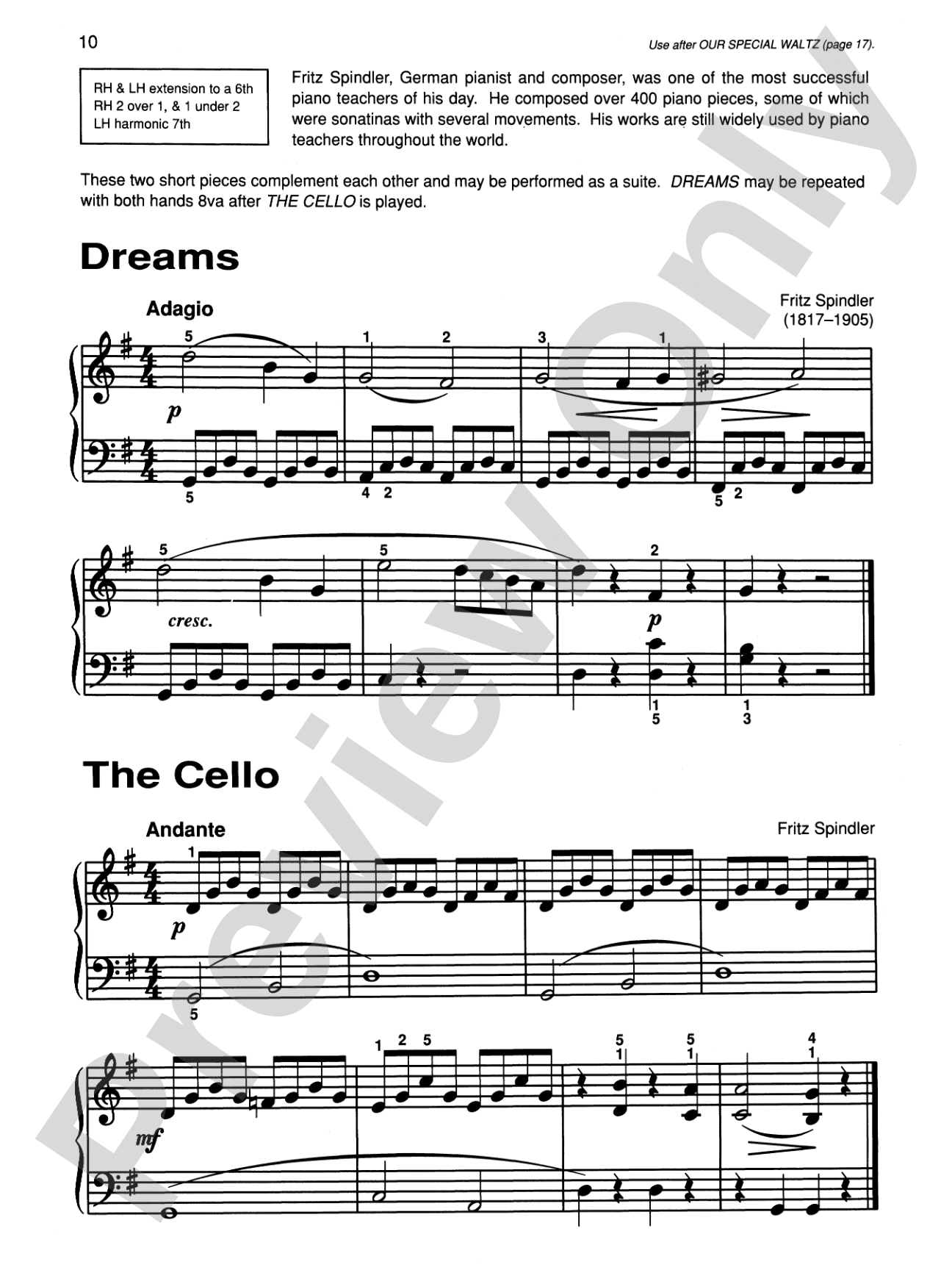
The Repertoire Books contain attractive compositions from the 17th century to the present. The pieces have been organized in progressive order and meet the requirements of many piano festivals, auditions and competitions. The books may also be used as sight reading material or a supplement to other method books. Contains: Air in D Major (Handel) * Alberti Etude (Duvernoy) * Allemande (Haydn) * Among the Leaves so Green-O (English Air) * The Beautiful Jasmine (Chinese Melody) * Blues Adagio (Amanda Vick Lethco) * Capriccio Allegro (Gossec) * The Cello (Spindler) * Distant Bells (Streabbog) * Dreams (Spindler) * Etude in A Minor (Kohler) * Etude in C (Czerny) * Etude in D Minor (Gurlitt) * Etude in Sixths (Czerny) * Folk Song (Bartok) * Follow the Leader (Gurlitt) * Friendly Conversation (Beyer) * Humming Song (Kabalevsky) * Hungarian Folk Dance (Bartok) * In Hot Pursuit (Palmer/Lethco) * Interlude (Bischoff) * March in C (Kohler) * Mechanical Toy (Godicke) * Miniature Suite No. 1 (Turk) * Miniature Suite No. 2 (Turk) * Minuet in D Major (Mozart) * Minuet in F Major (Mozart) * A Momentous Occasion (Palmer/Lethco) * Music Box (Gurlitt) * A New Irish Tune (Purcell) * Novelette (Hardy) * Prelude in G Major (Bach) * Quiet Falling Snow (Palmer/Lethco) * Russian Song (Anonymous) * A 16th Century March (Anonymous) * Song Without Words (Kohler) * Two Songs (Kabalevsky) * Variation on a Theme by Mozart (Mozart) * Waltz in A Minor (Dubois) * The Wild Rider (Schumann).


Discover MakeMusic Cloud: thousands of interactive titles your students can play along with today.
Sample Audio
No sample audio found.
Sample Video
No sample videos found.
Additional Details
Series:
Alfred's Basic Piano Library
Publisher:
Alfred Music
Page Count:
48
SKU:
00-PB-0002602
More about this title
About the Composer: Willard A. Palmer

Willard A. Palmer established himself as a formidable force in music education through prolific composition and methodical scholarship. Over his career, he created nearly 800 published works spanning accordion, piano, guitar, and choral music, many translated into German, Japanese, French, Dutch, and Spanish. His early training under Mae Vardeman developed his improvisational gifts alongside rigorous technique, setting the foundation for decades of teaching at the University of Houston and beyond.
Palmer's later scholarly pursuits transformed him into a recognized authority on Baroque ornamentation and performance practice. His meticulous research at the Riemenschneider Bach Institute informed the celebrated Alfred Masterworks series and earned him doctoral degrees in both Humanities and Music. As choir director of Memorial Lutheran Church in Houston and a member of multiple professional organizations, Palmer remained deeply connected to the working musician's world throughout his life.
Why we love this
This collection pulls from centuries of proven teaching repertoire, saving you hours of sifting through unfamiliar material. The pieces progress logically within the levels, so students encounter appropriate technical challenges in the exact sequence they're ready for them. You'll recognize names like Bartok, Mozart, and Schumann alongside lesser-known but equally valuable writers like Czerny and Gurlitt, giving your students authentic exposure to the composers who actually shaped piano pedagogy.
What to expect
Stepping through this collection feels like a guided tour through the piano repertoire that actually matters. You encounter the elegant symmetry of Mozart alongside the rhythmic energy of Bartok, the delicate impressionism of Gurlitt, and the charming miniatures that make students feel like real musicians. Each piece respects the student's developing skill without insulting their intelligence.
Who it's for
Piano students in their second and third year of study who benefit from diverse repertoire beyond a single method book. Teachers preparing students for festivals, competitions, or auditions will find pieces that meet standard requirements across multiple organizations. This book also serves sight readers who need steady exposure to varied styles and compositional periods.
How to get the most out of it
- Listen to the melodic character in pieces like Minuet in D Major and A New Irish Tune before assigning them; phrasing matters more than technical accuracy at this stage.
- Use the etudes strategically as daily technique work rather than waiting until they're fully memorized for performance.
- Pair contemporary pieces (Blues Adagio, In Hot Pursuit) with Baroque selections to show students how musical language evolved.
- Ask students to identify the form in shorter works like Friendly Conversation and Interlude before they begin memorizing.
How to use it
Assign pieces from this book as sight-reading material in weekly lessons to deepen score literacy without requiring memorization overhead. Draw from different style periods for a spring recital that demonstrates range, or select individually appropriate pieces for festival prep rather than assigning the same repertoire to your entire class. The 48-page format makes it accessible as supplementary material throughout the year whenever a student needs fresh repertoire to explore.
Skills your students will build
- Reading and performing works across Baroque, Classical, Romantic, and contemporary periods
- Interpreting ornamentation in 17th and 18th century compositions
- Technical facility through strategically ordered etudes (Czerny, Kohler, Gurlitt, Duvernoy)
- Sight-reading fluency across varied key signatures and time signatures
- Musical phrasing and expression in short-form works with clear melodic intent
- Understanding stylistic differences between composers within the same era