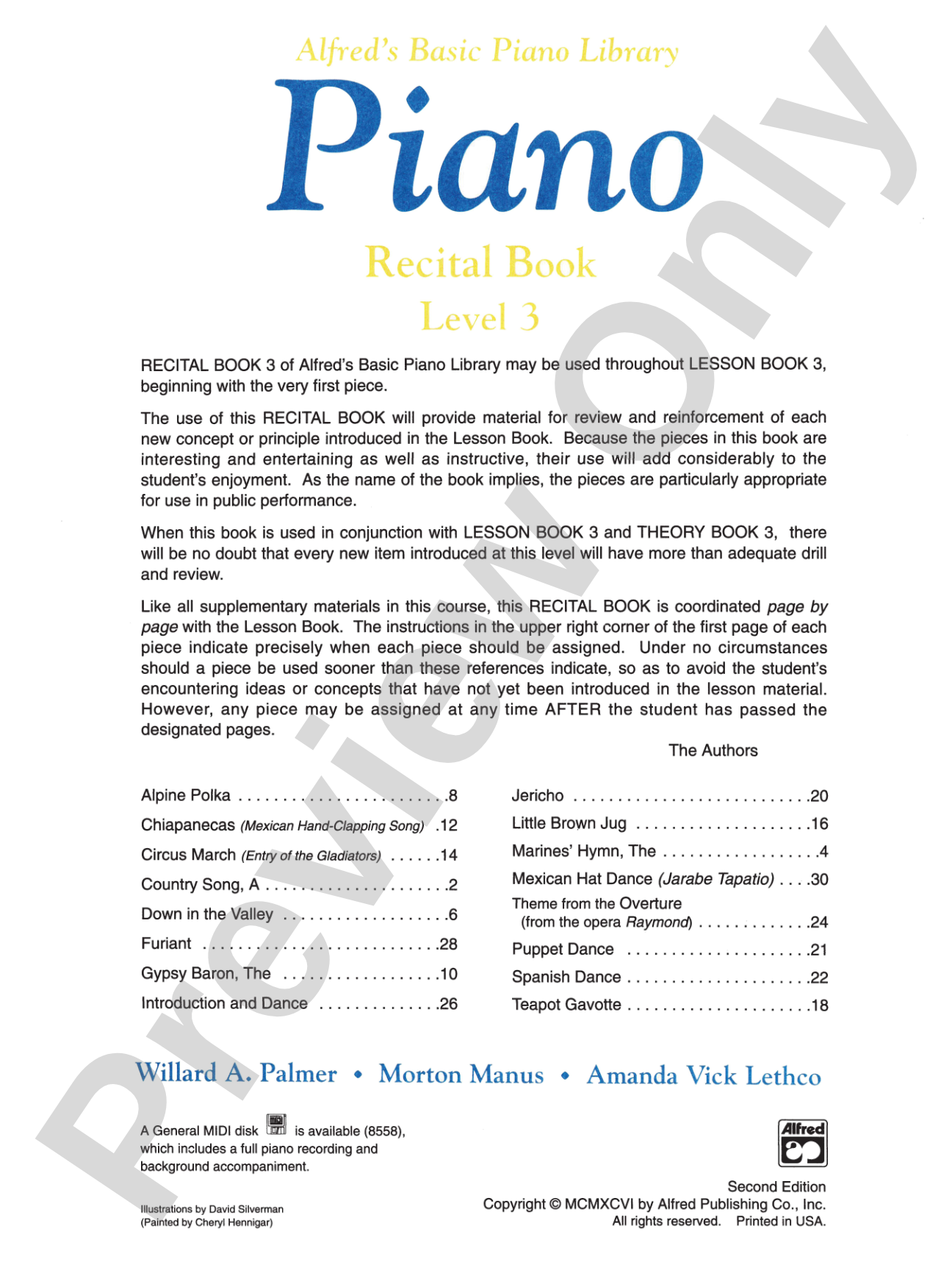
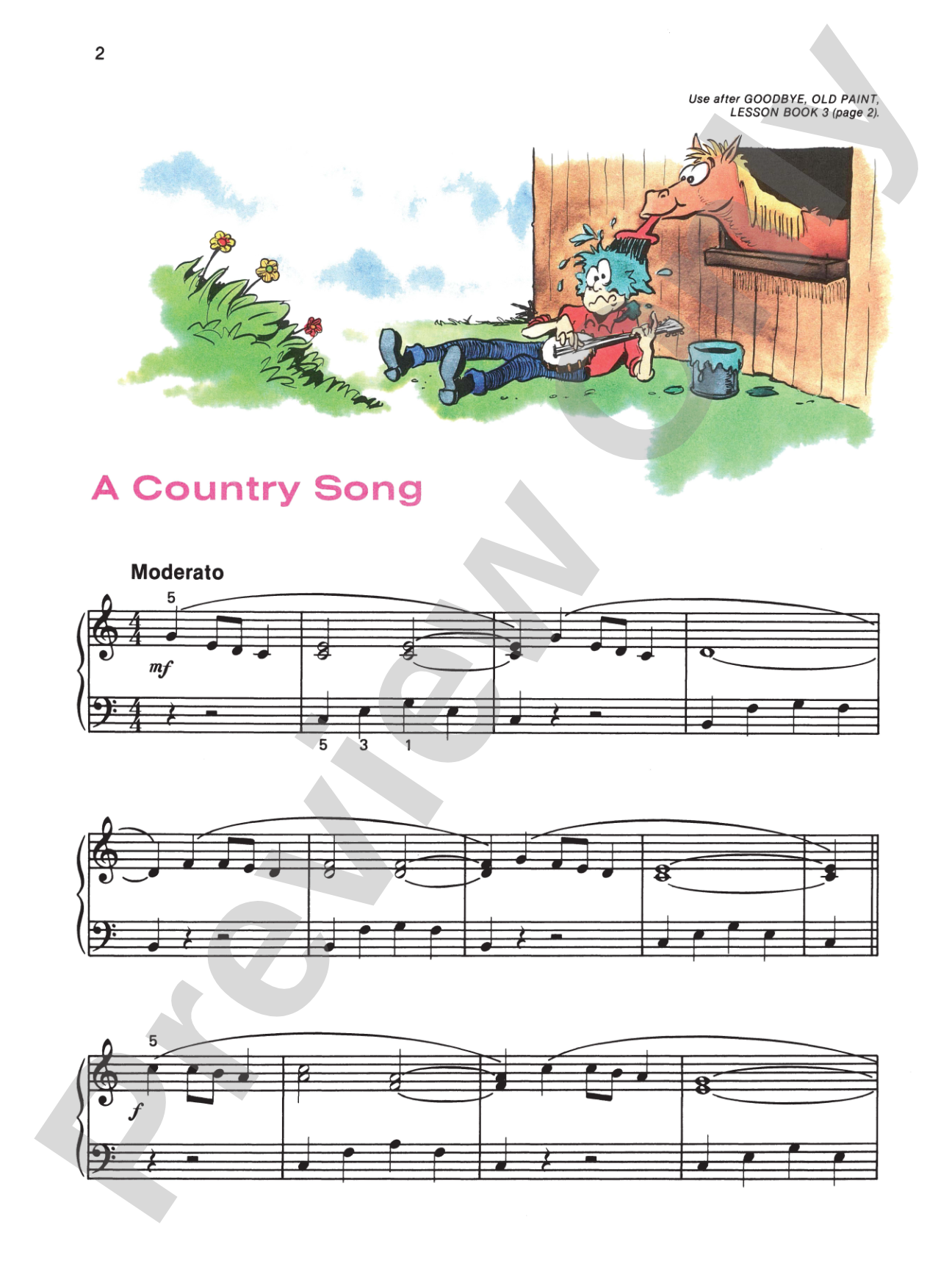
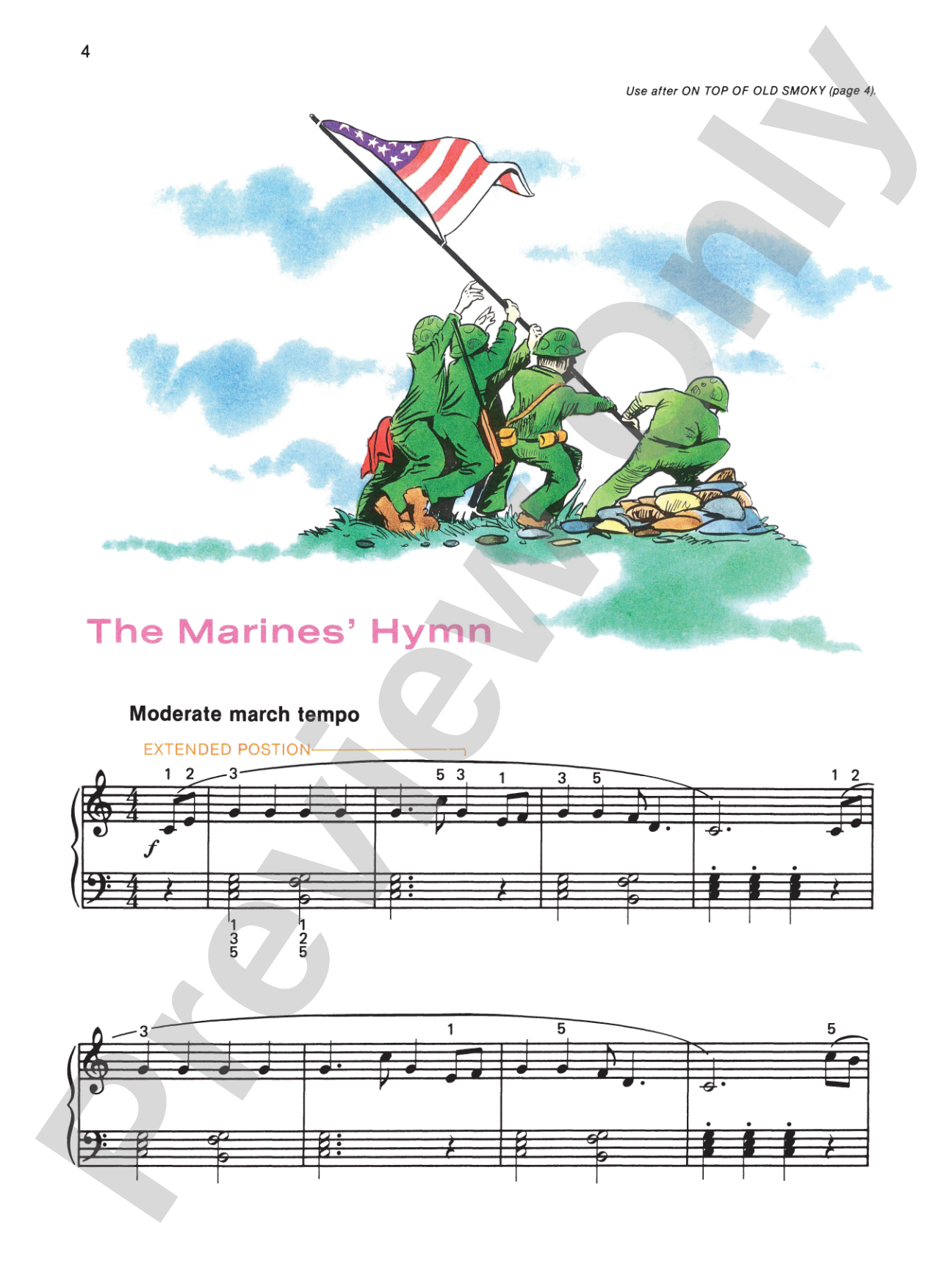
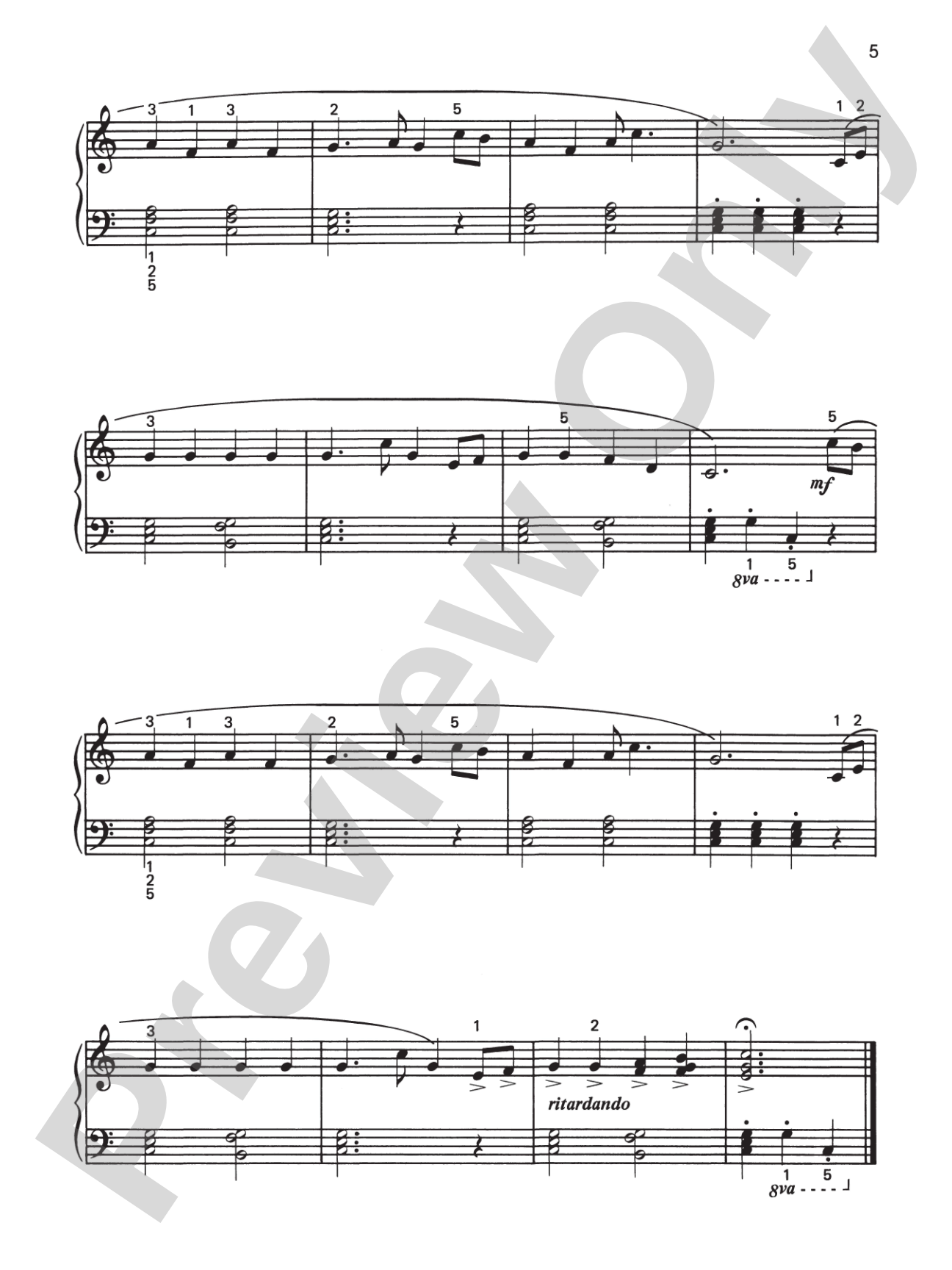
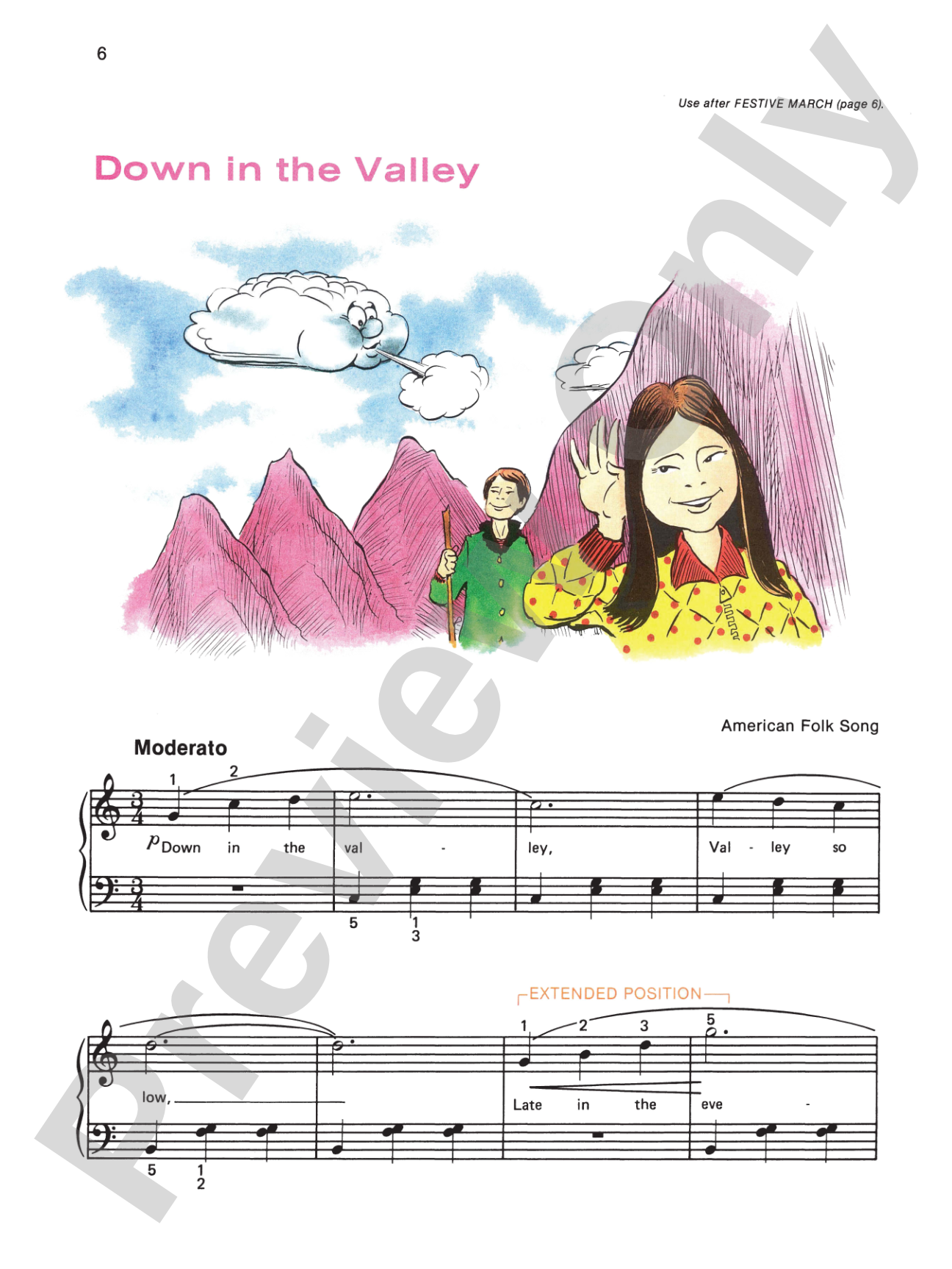
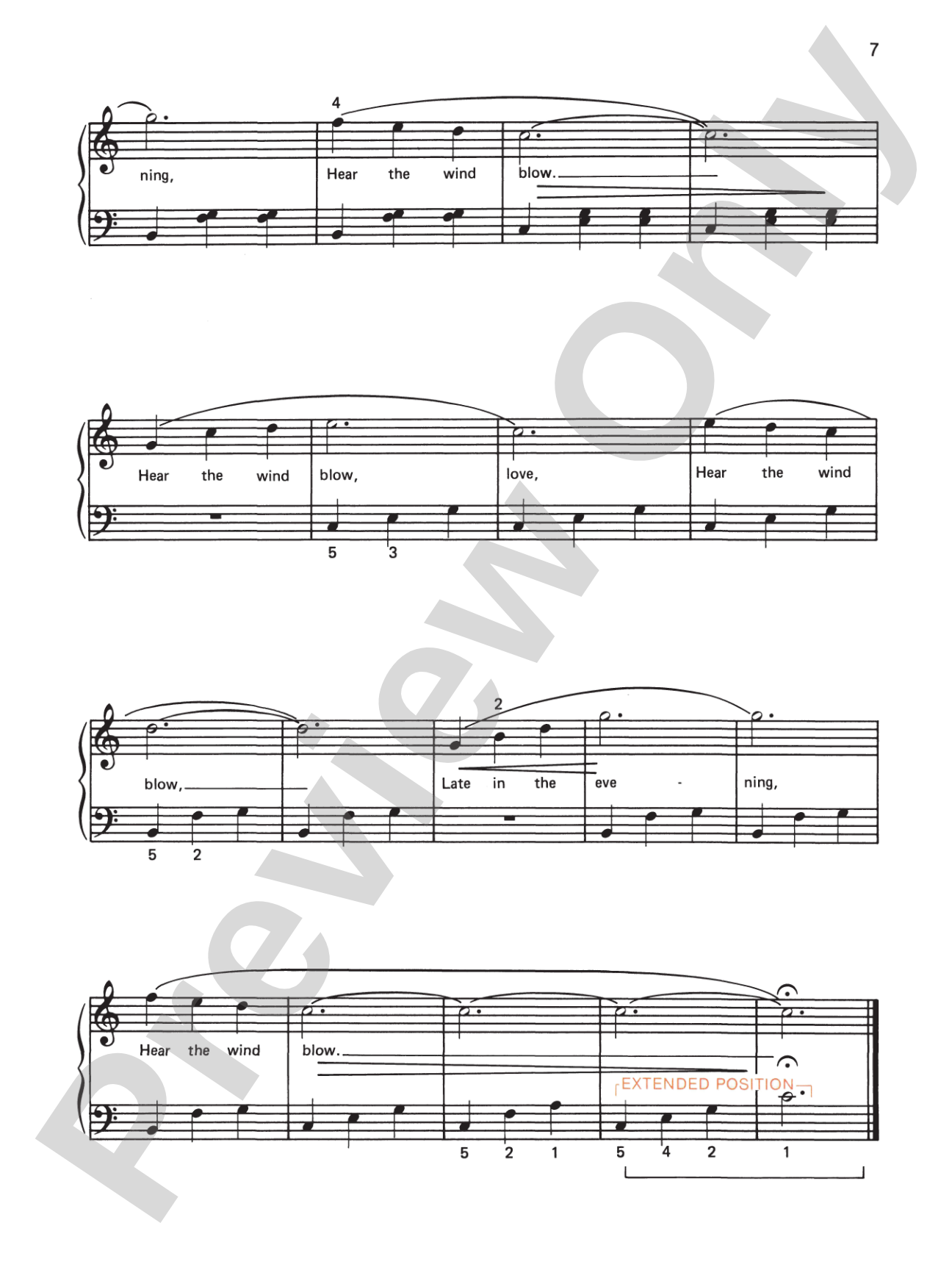
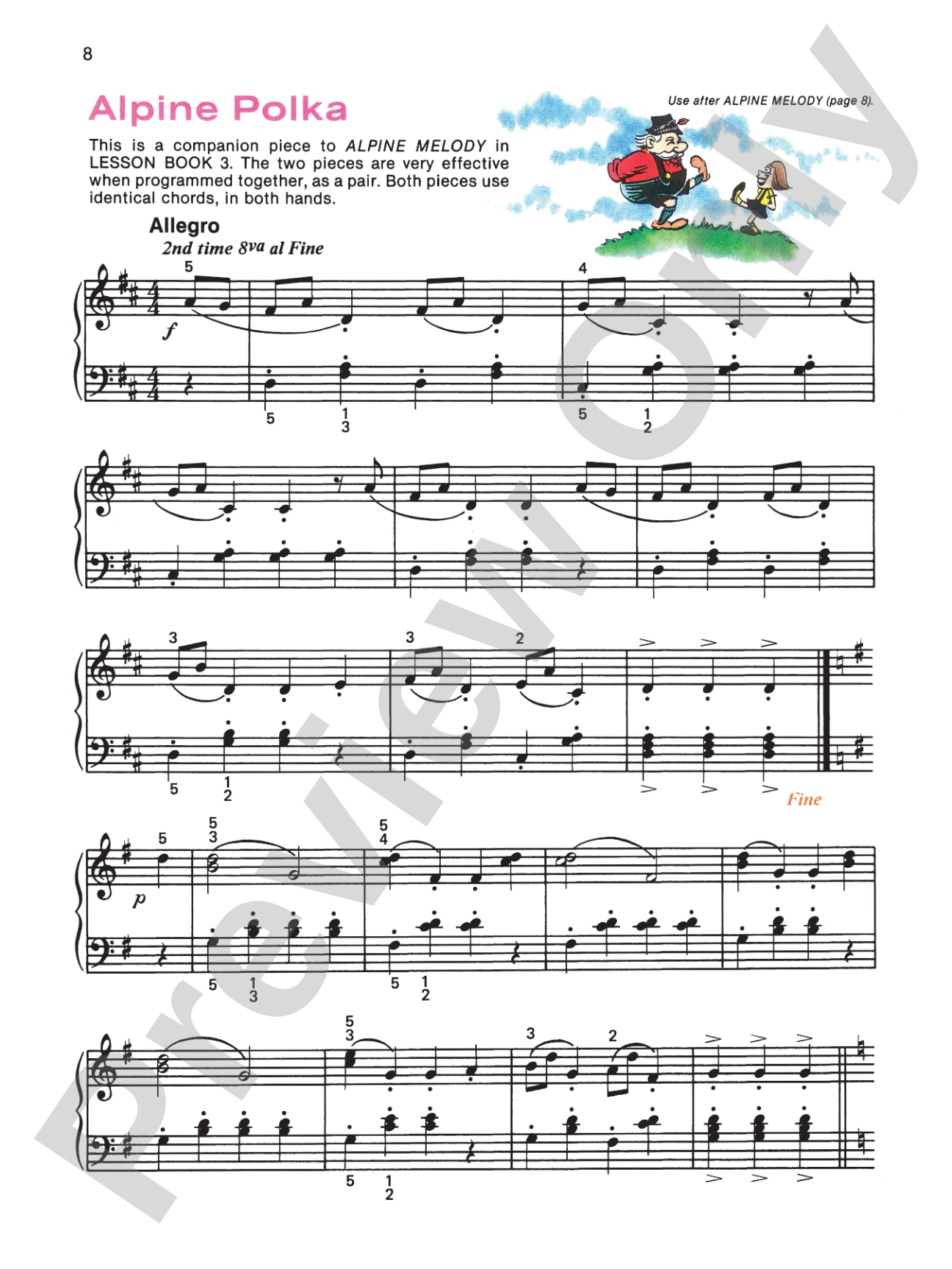
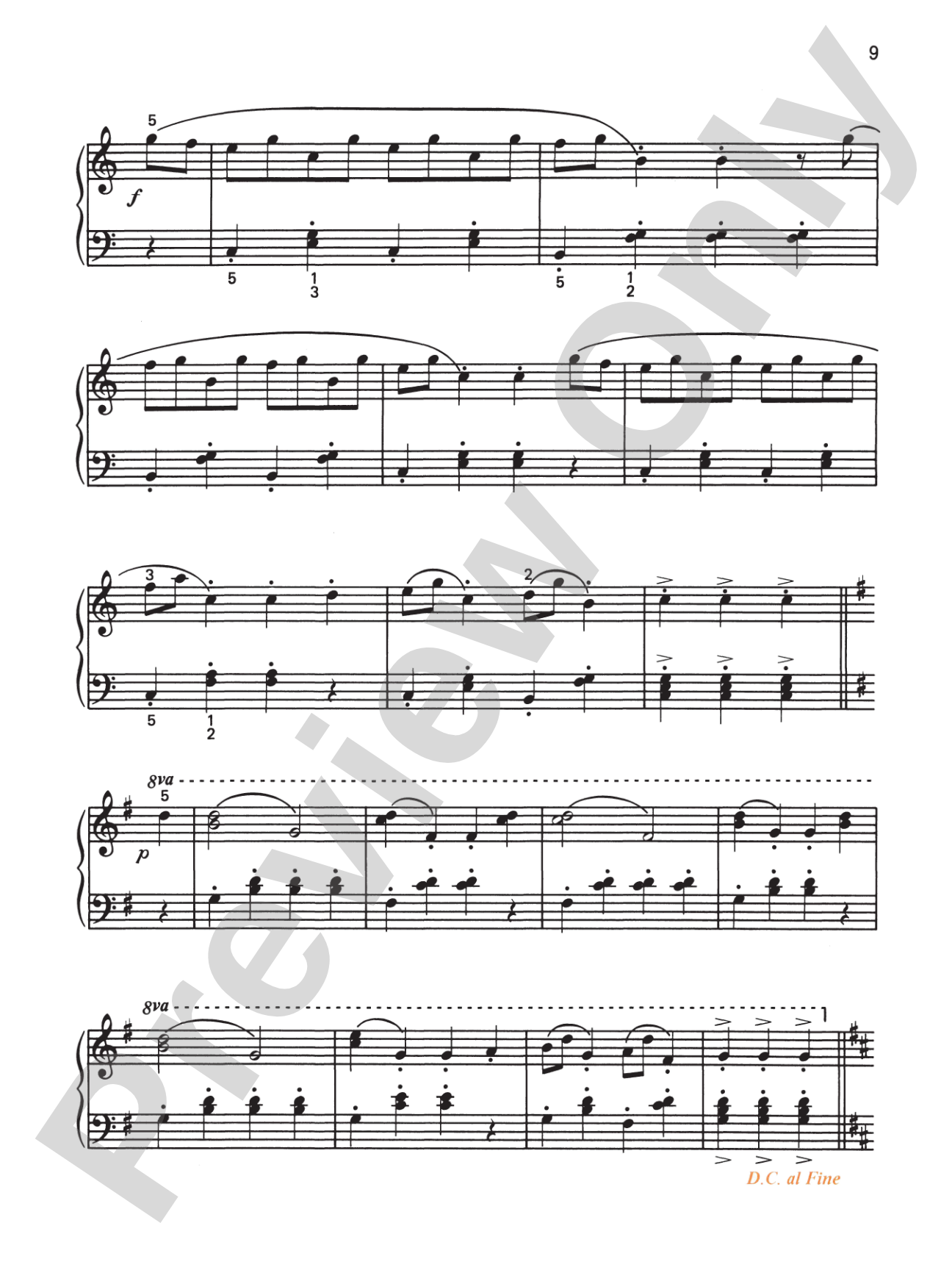
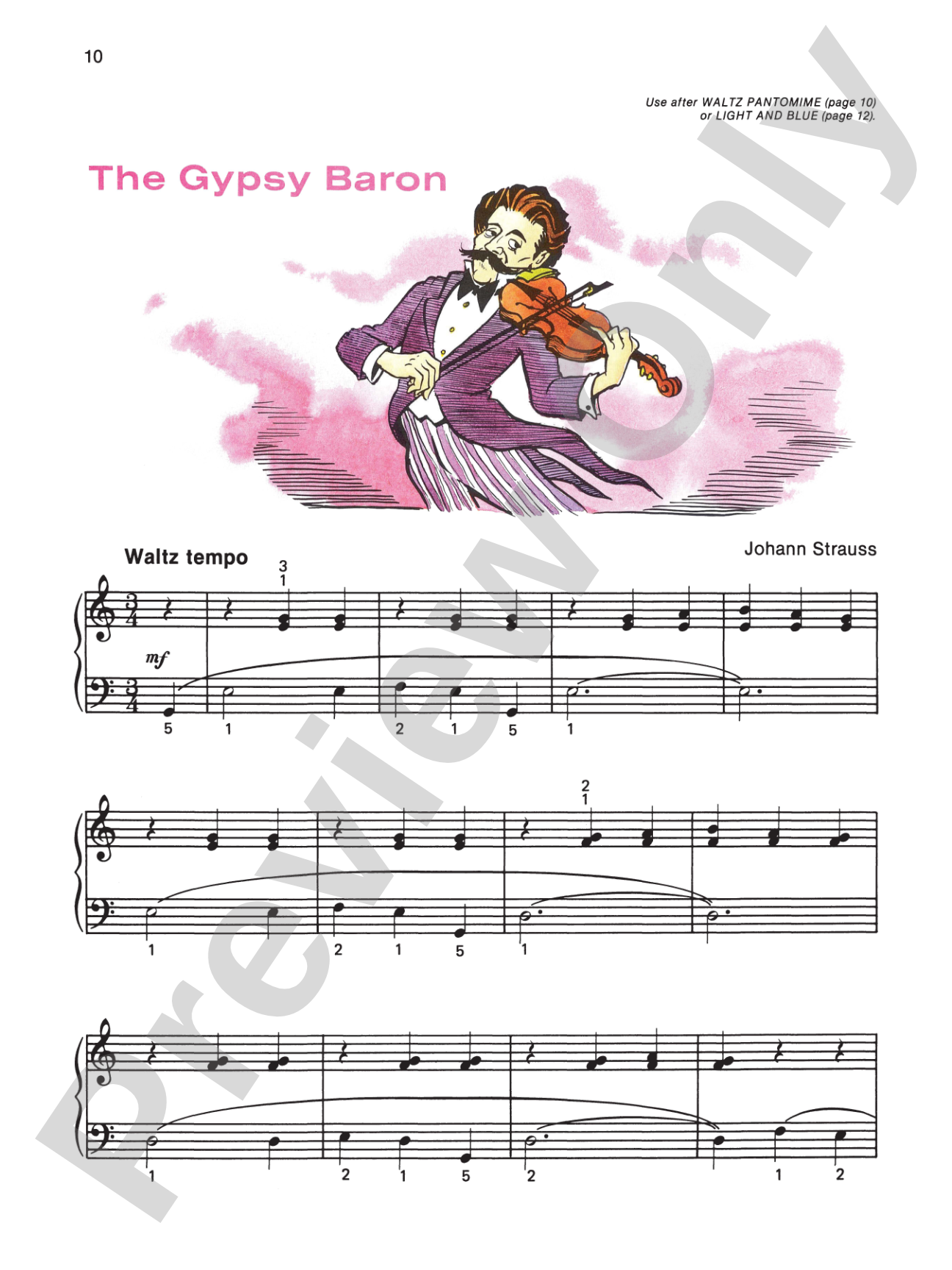
The Recital Books congratulate students for a job well done by providing correlated repertoire to their Lesson Books that are based on concepts they've already learned. As a result, the pieces are quickly mastered. Included are traditional favorites such as "The Marines' Hymn" and "Down in the Valley," and originals "A Country Song" and "The Gypsy Baron."
Discover MakeMusic Cloud: thousands of interactive titles your students can play along with today.
Willard A. Palmer stands among the most prolific pedagogical musicians of the twentieth century, with nearly 800 published compositions spanning piano, accordion, guitar, and choral literature. His early training under Mae Vardeman emphasized both technical precision and improvisational freedom, disciplines that shaped his teaching philosophy throughout a career that included nearly two decades on the University of Houston faculty, where he established accordion as a legitimate college course subject.
Palmer's later scholarly work earned him international recognition as an authority on Baroque ornamentation and music history. His research contributions, honored with a Doctor of Humanities degree (1971) and Doctor of Music degree (1983), directly informed the Alfred Masterworks series and demonstrated his conviction that rigorous musicological study should inform every level of music instruction, from beginner to advanced student.
Why we love this
This book delivers pieces that students actually want to play because they've already succeeded with the concepts embedded in them. The mix of recognizable melodies like "The Marines' Hymn" alongside original compositions gives students the confidence boost of familiar territory combined with fresh material, making the recital experience genuinely rewarding rather than anxiety-inducing.
What to expect
These pieces balance straightforward accessibility with genuine musical character. Traditional hymns and folk melodies carry the warmth of familiar songs, while Palmer's original compositions introduce stylistic variety, from pastoral charm to rhythmic vitality, all delivered within the student's secure technical grasp.
Who it's for
Level 3 piano students ready to apply familiar technique to a varied repertoire of recital pieces. This book serves students who have progressed through Alfred's Lesson Book 3 and need material that reinforces learned concepts without requiring additional technical study.
How to get the most out of it
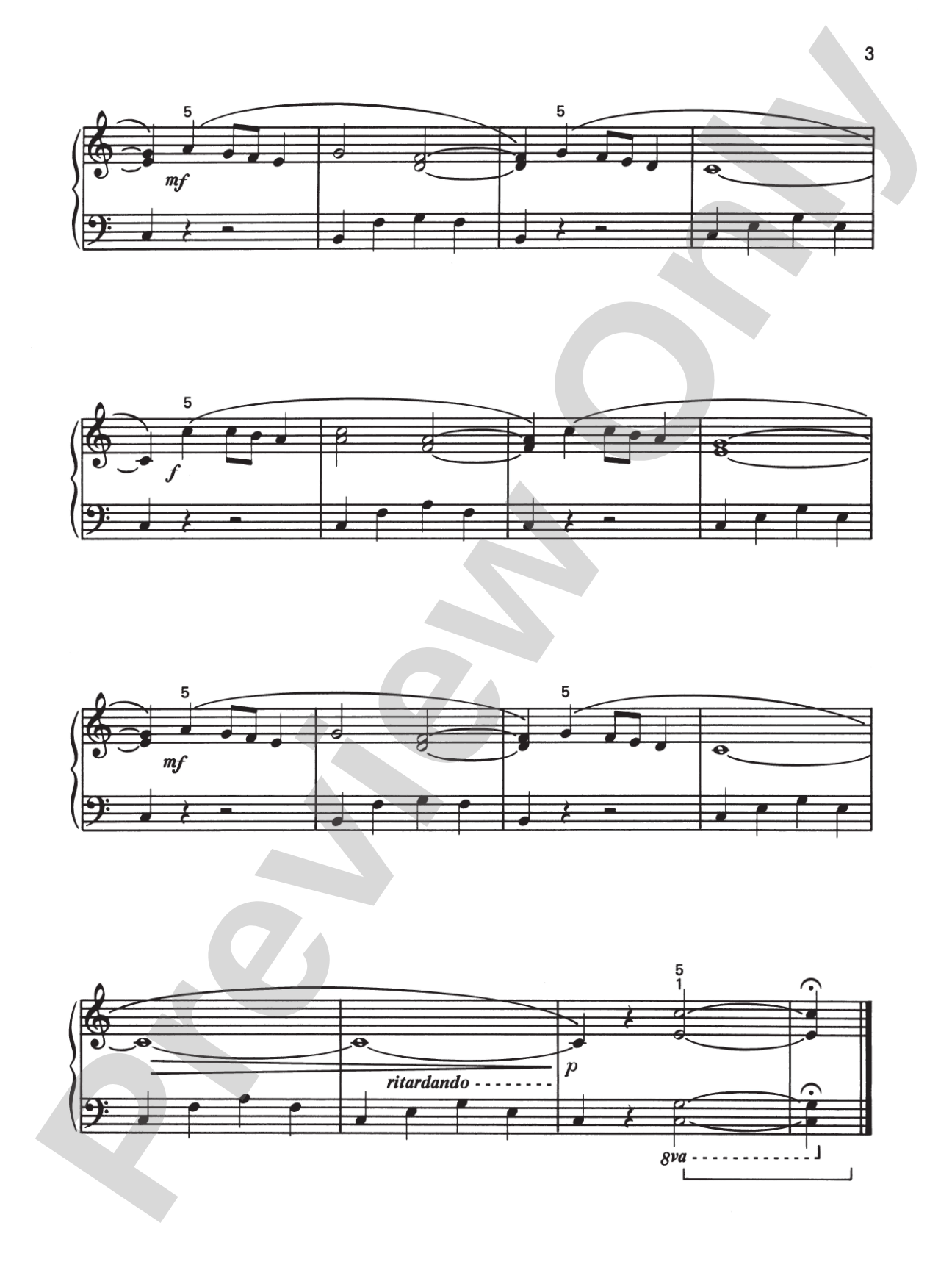
Shape the melody line with careful attention to phrase breaks; these pieces reward singers' sensibilities applied to keyboard playing, so breathe where a vocalist would pause.
Map out dynamics before you begin; the pieces may look simple, but Palmer's original compositions contain subtle expressive opportunities that emerge only after close score study.
Practice hands separately at tempo to lock in the rhythmic foundation, then combine with a focus on legato pedaling in pieces like "The Gypsy Baron."
How to use it
Use this collection to build a complete student recital program, either selecting individual pieces for a formal recital or working through the entire book as a capstone to Level 3 study. The 32 pages offer enough material for students to develop a personalized program reflecting their own musical preferences while staying within their technical level.
Skills your students will build
Applying learned technique to unfamiliar repertoire with confidence
Shaping phrases and recognizing musical structure in both traditional and contemporary styles
Reading and interpreting dynamic and expressive markings
Preparing performance-ready pieces efficiently from notation
You May Also Like
Scan to Complete Your Purchase
Use your phone's camera to scan the code below
You'll log in on your phone and the order will be added to your account