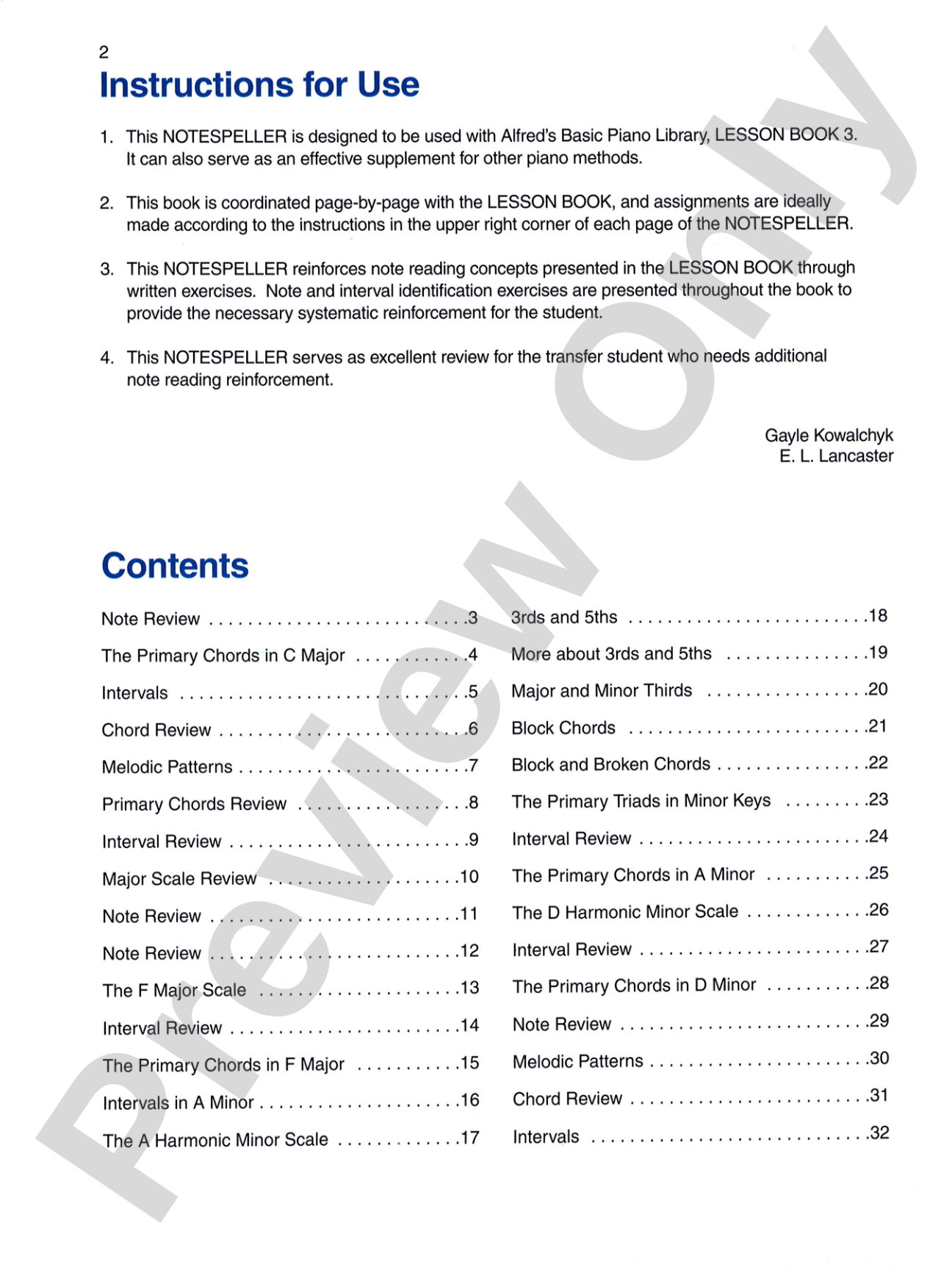
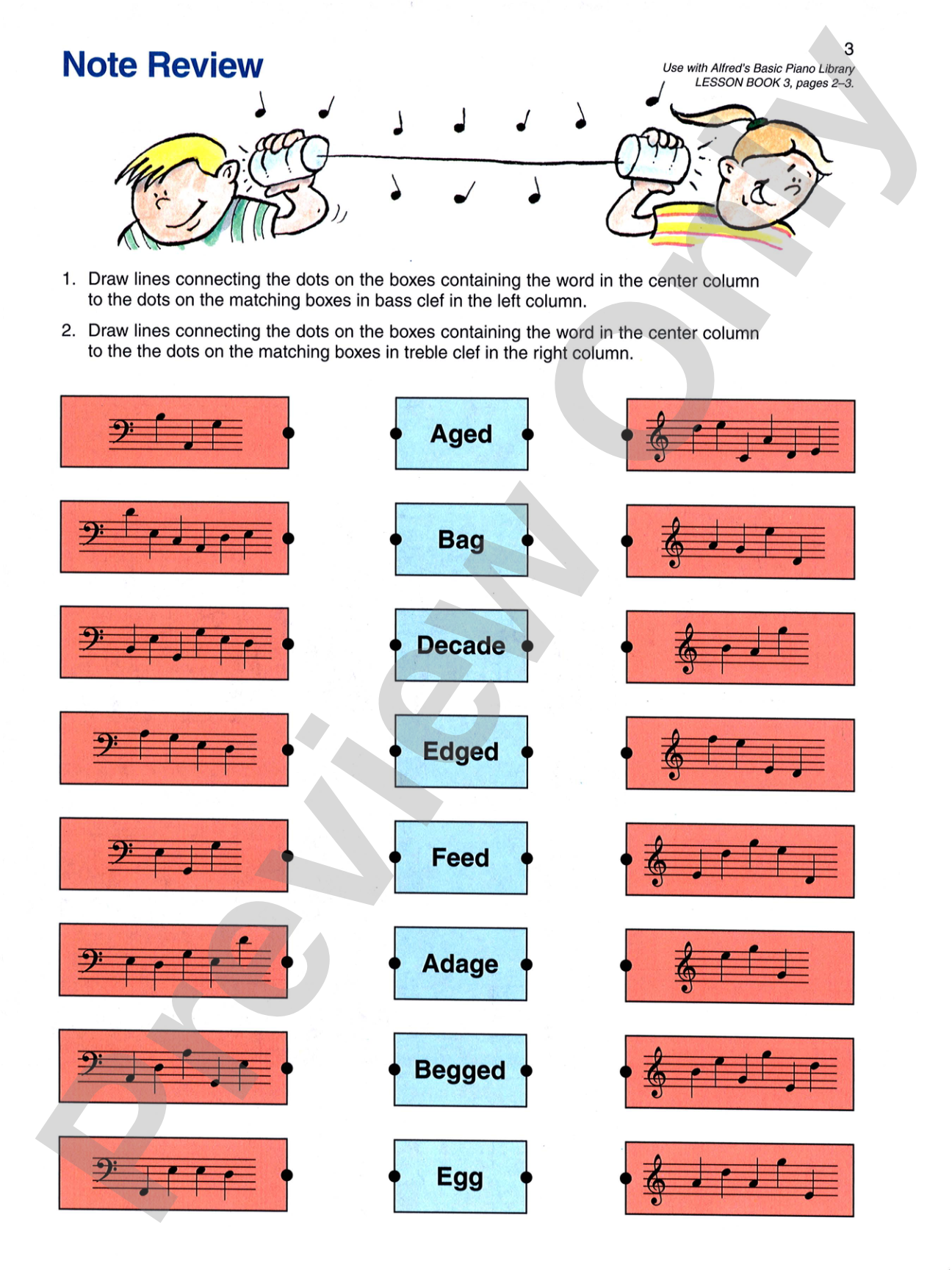
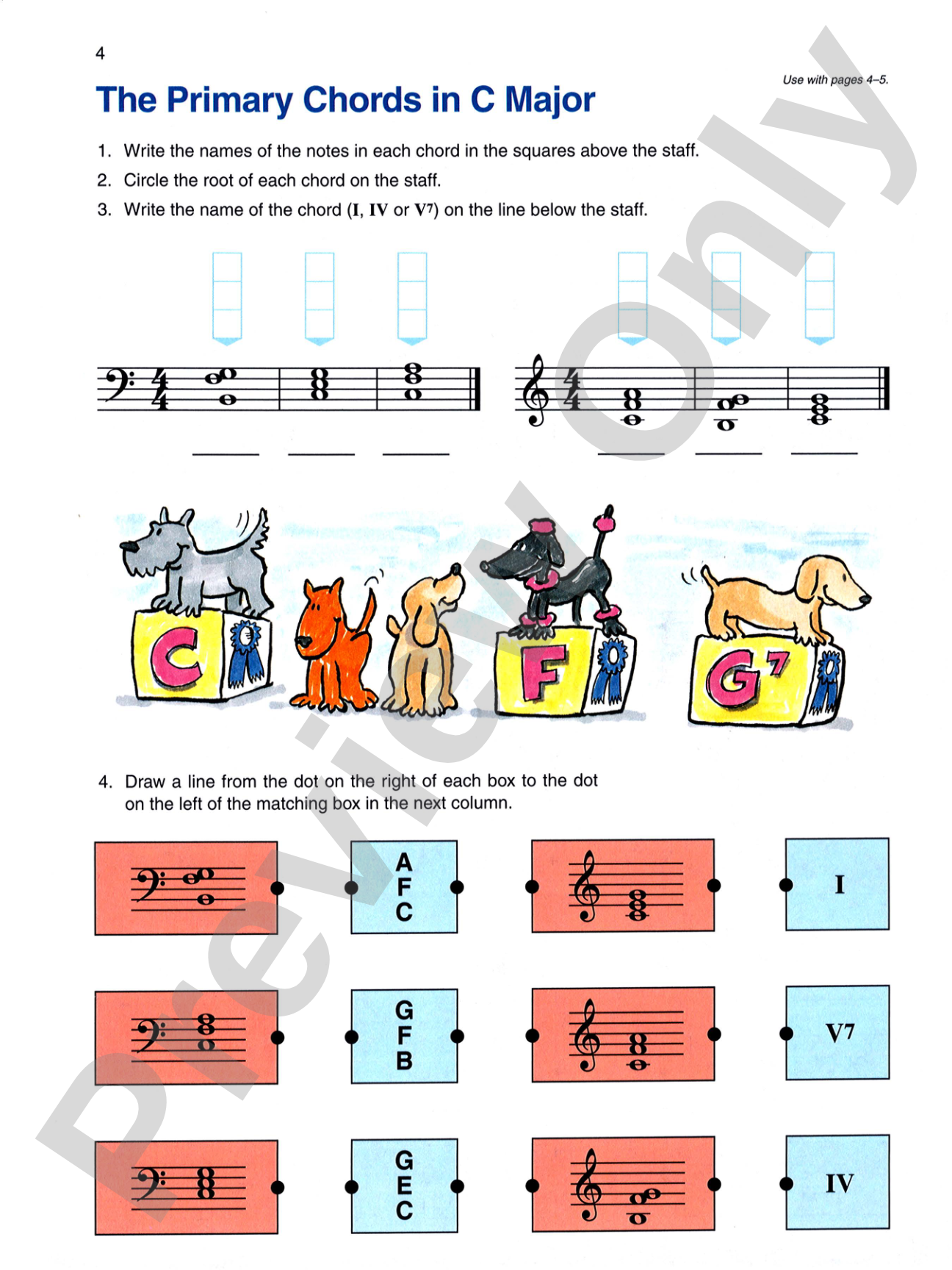
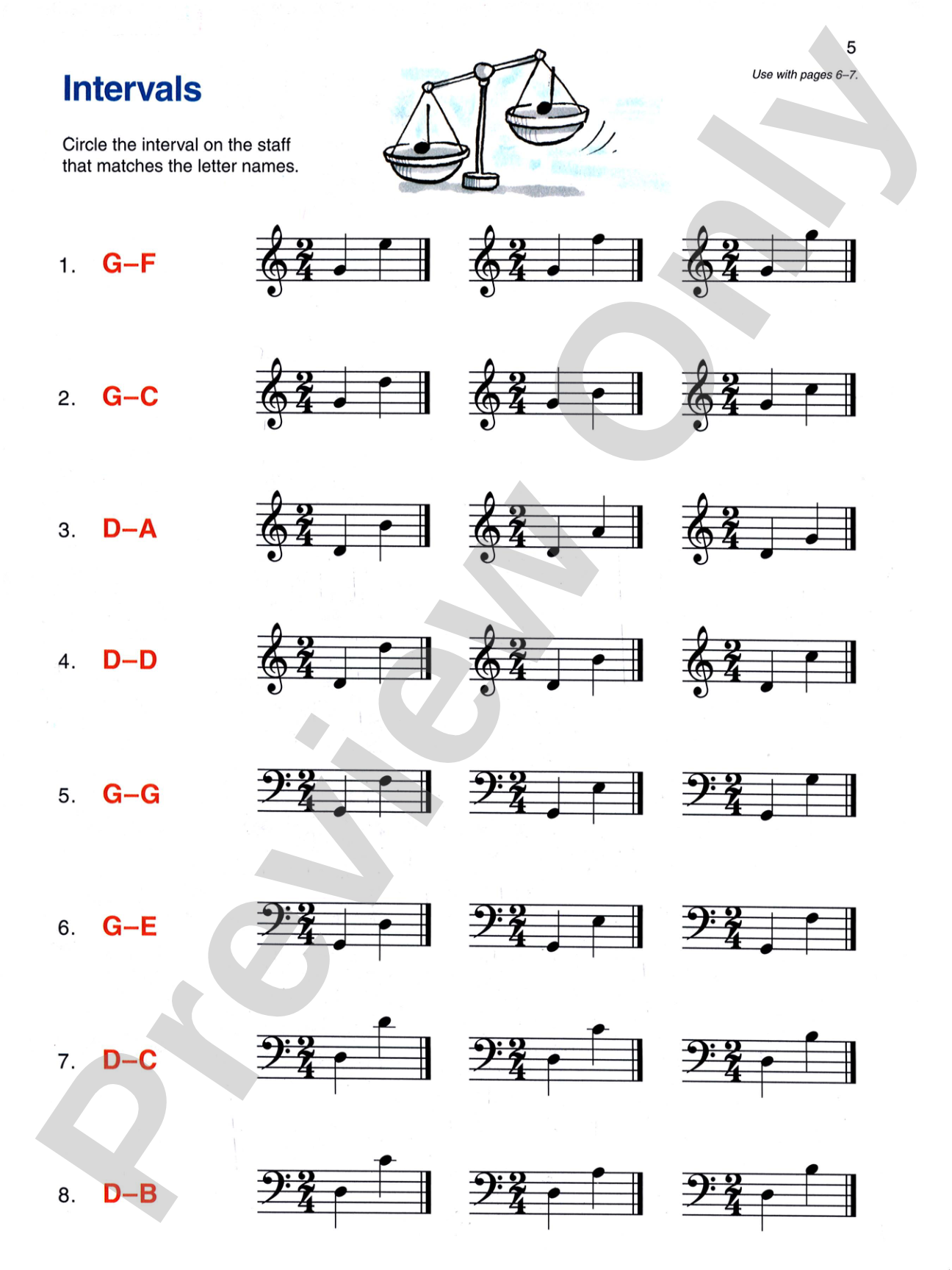
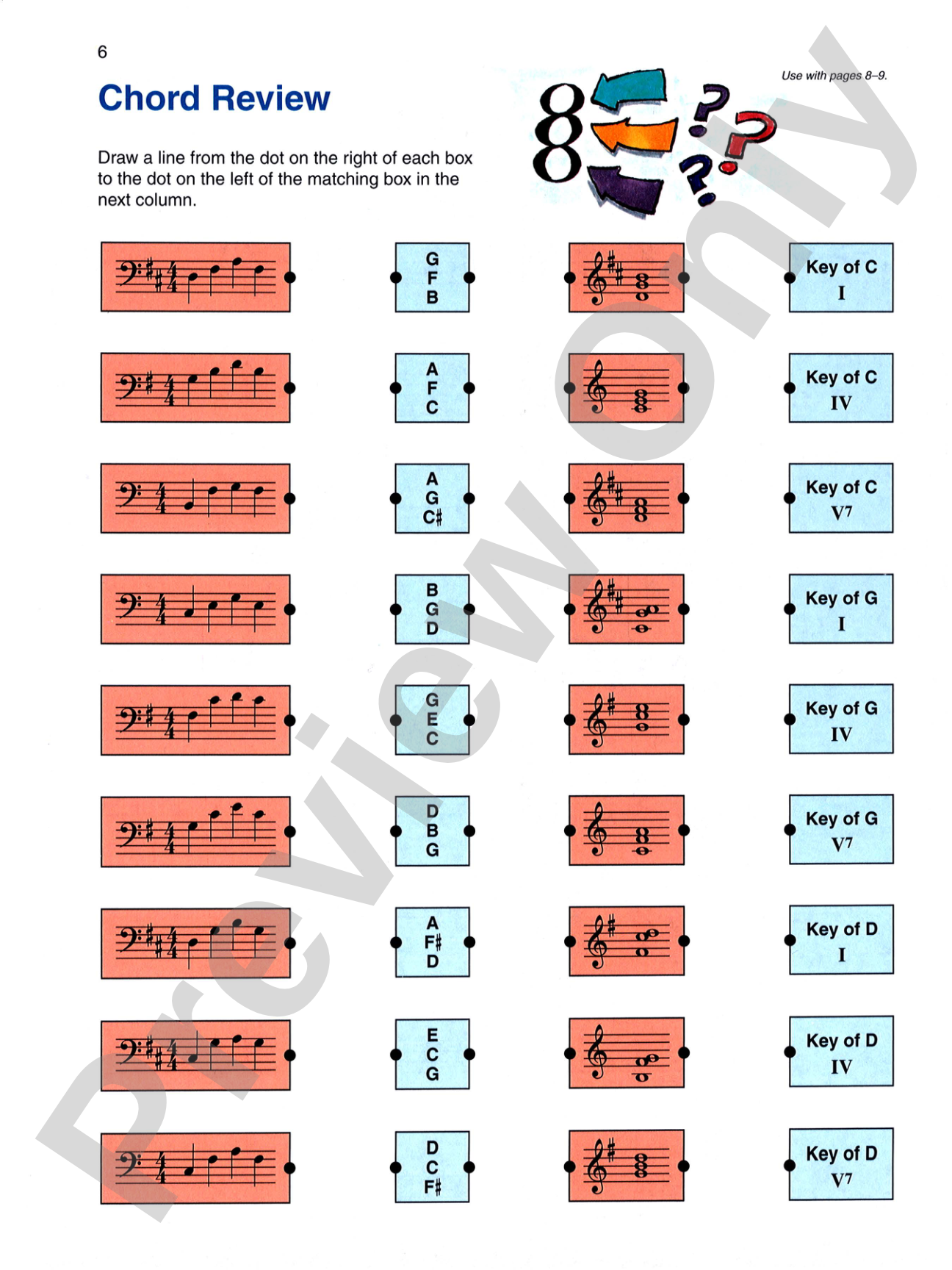
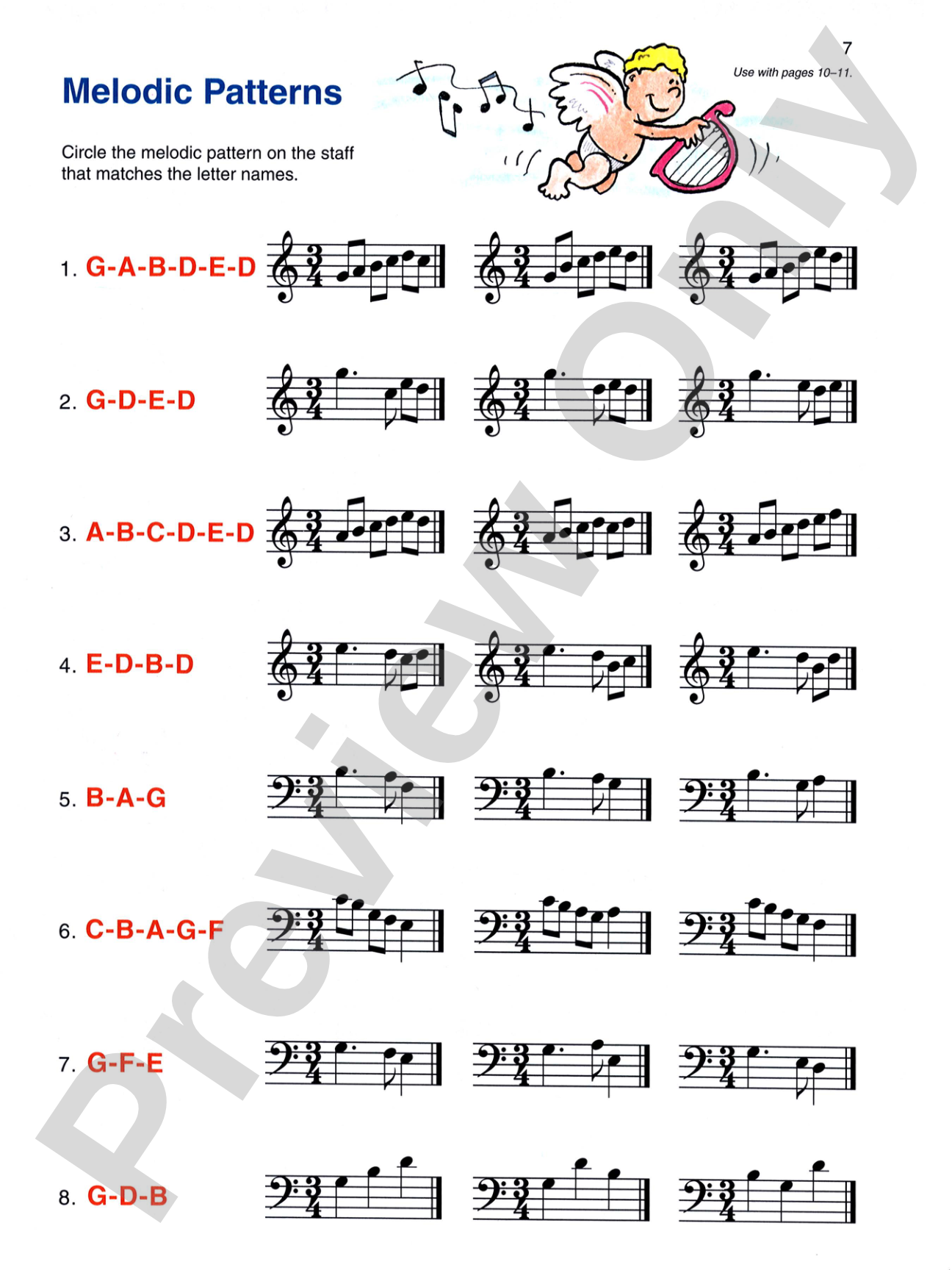
Students needing to review and improve their note-naming and interval-naming skills will benefit greatly from these well-prepared Notespeller Books. Each book provides a variety of written activities that reinforce note reading concepts presented in the Lesson Books. Correlates page-by-page with the Lesson Books, but may also serve as an effective supplement to other piano methods.
Discover MakeMusic Cloud: thousands of interactive titles your students can play along with today.
Dr. Gayle Kowalchyk brings decades of piano pedagogy expertise to her teaching at California State University, Northridge, where she leads the class piano and piano pedagogy programs. Her academic foundation spans Ohio University (piano performance), Northwestern University (piano performance and pedagogy), and an Ed.D. from Teachers College, Columbia University, where she specialized in piano pedagogy. She previously directed piano preparatory programs at Eastern Illinois University and has taught at Oklahoma Baptist University and the University of Oklahoma.
Kowalchyk's influence extends across the entire field of music education. She regularly presents at national conferences including those hosted by the Music Teachers National Association, Music Educators National Conference, and the National Conference on Piano Pedagogy. With her husband Dr. E. L. Lancaster, she has authored more than 300 educational piano publications, among them Alfred's Premier Piano Course and Music for Little Mozarts. Her clinical work with Alfred Music continues to shape piano instruction across the country.
Why we love this
This workbook cuts through the confusion that often bogs down young pianists when note reading stalls. Rather than forcing students through generic drills, Kowalchyk and Lancaster embed each activity within the exact progression they're already learning, making reinforcement feel purposeful rather than repetitive. Teachers appreciate that it works alongside their chosen method or stands alone, adapting to real classroom needs without requiring a complete curriculum overhaul.
What to expect
Straightforward and uncluttered. These are exercises designed to build competence through repetition and variety, with no distractions or unnecessary narrative. Students work through concrete activities that feel achievable rather than overwhelming.
Who it's for
Students in the early intermediate stages of piano study who need structured support to solidify note reading across both clefs and to develop confidence with interval identification. This workbook serves teachers and independent instructors alike who recognize that note reading fluency remains the foundation for all progress beyond the beginner level.
How to get the most out of it
Assign targeted pages that correspond to what students encountered in their lesson that week, rather than working through the book sequentially. This ensures practice addresses the specific concept still forming in their mind.
Have students verbalize note names aloud while writing. The dual input of saying and writing creates stronger neural pathways than writing alone.
Pair interval identification work with ear training. Ask students to play the intervals on the piano after naming them on paper, connecting visual and aural recognition.
How to use it
Use this as the primary reinforcement tool during the third level of Alfred's Basic Piano Library, assigning 2-3 pages per week alongside lesson book work. For students following other piano methods, select pages that target their current note reading challenges, giving them focused homework that addresses gaps without disrupting their existing curriculum.
Skills your students will build
Rapid note identification across treble and bass clefs
Interval recognition and naming
Ledger line reading
Spatial relationship between notes on the staff
Written note labeling with automaticity
You May Also Like
Scan to Complete Your Purchase
Use your phone's camera to scan the code below
You'll log in on your phone and the order will be added to your account