
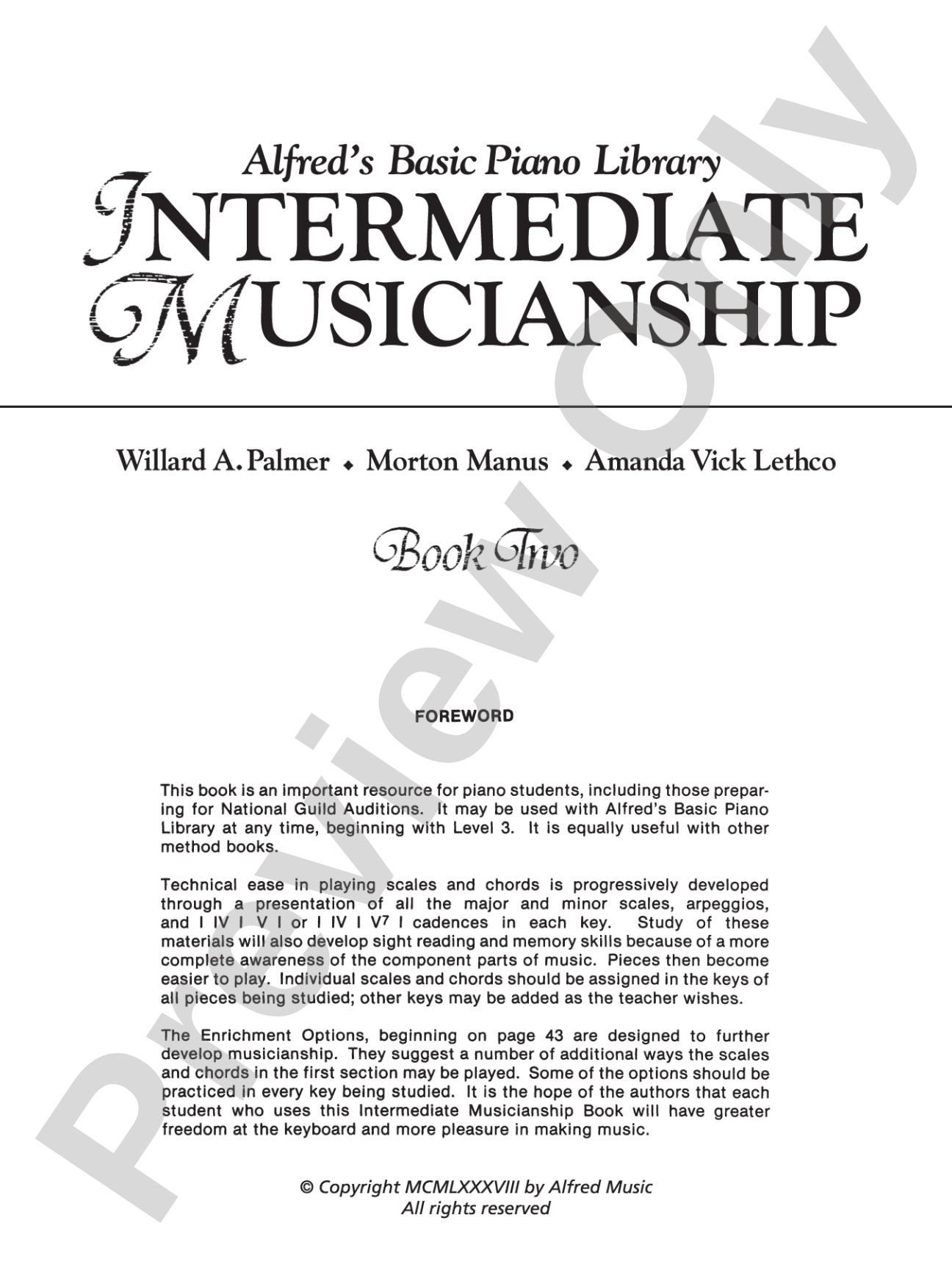

Alfred's Basic Piano Library Musicianship Book Two: Intermediate Musicianship: All the Scales, Chords, Arpeggios, and Cadences Generally Required for Student Auditions... Plus Additional Enrichment Options: Piano
All the Scales, Chords, Arpeggios, and Cadences Generally Required for Student Auditions... Plus Additional Enrichment Options
By Willard A. Palmer, Morton Manus, and Amanda Vick Lethco
Level: Intermediate
Item: 00-PB-0001101
$7.95
Pickup currently not available
Related Items
Alfred's Basic Piano Library Musicianship Book Two: Intermediate Musicianship: Piano Book |
$7.95
|
View |
Description
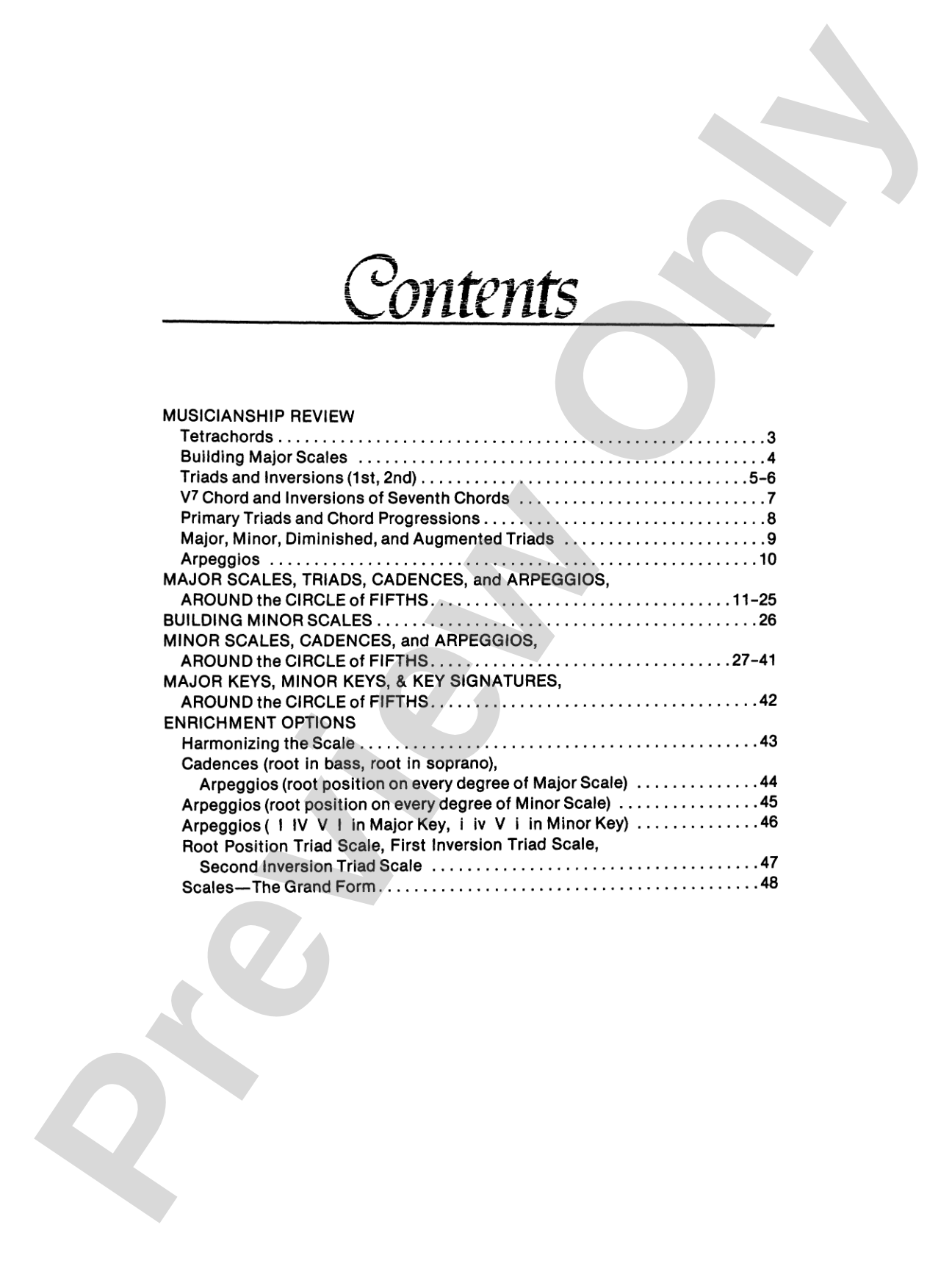
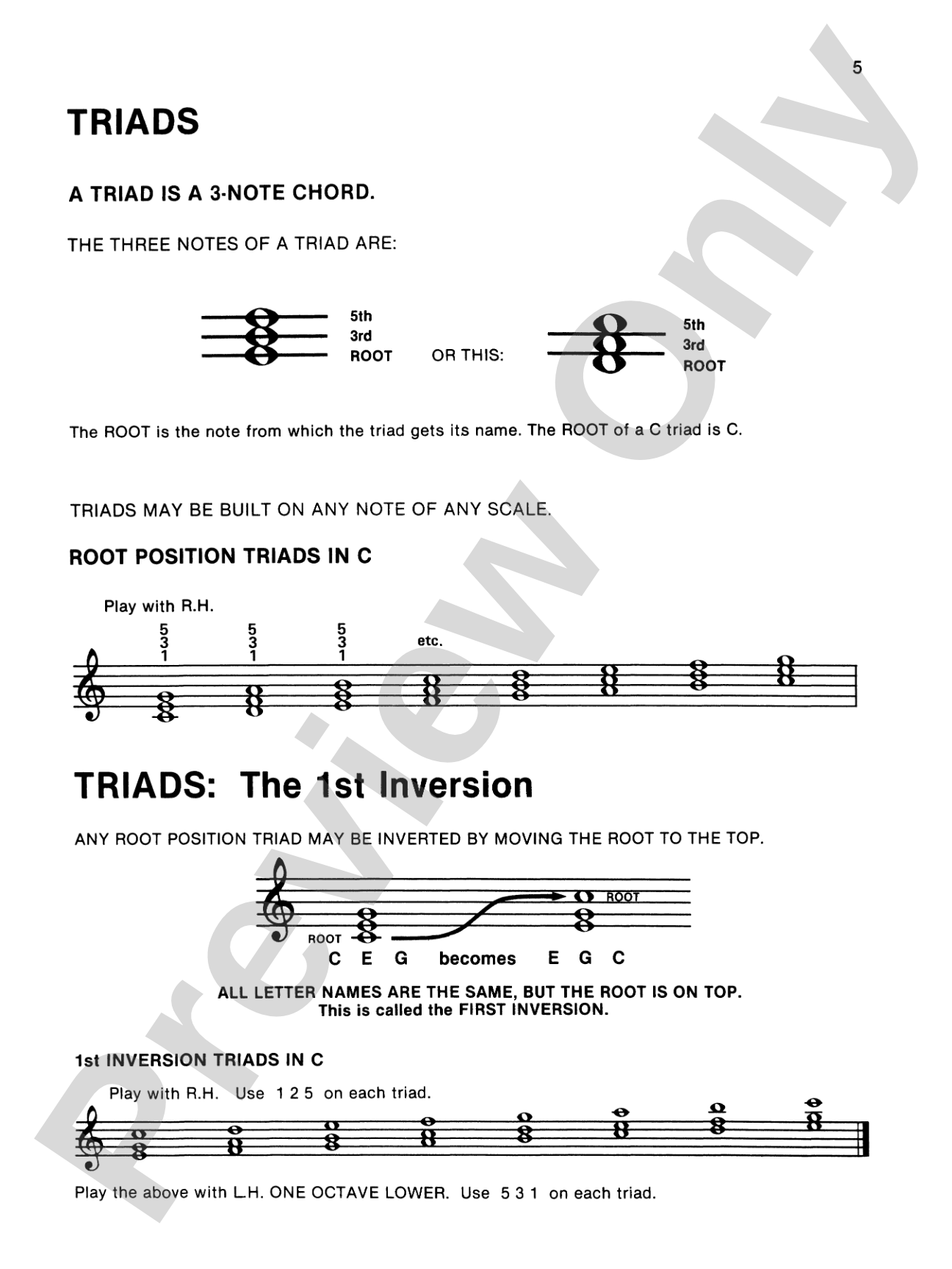
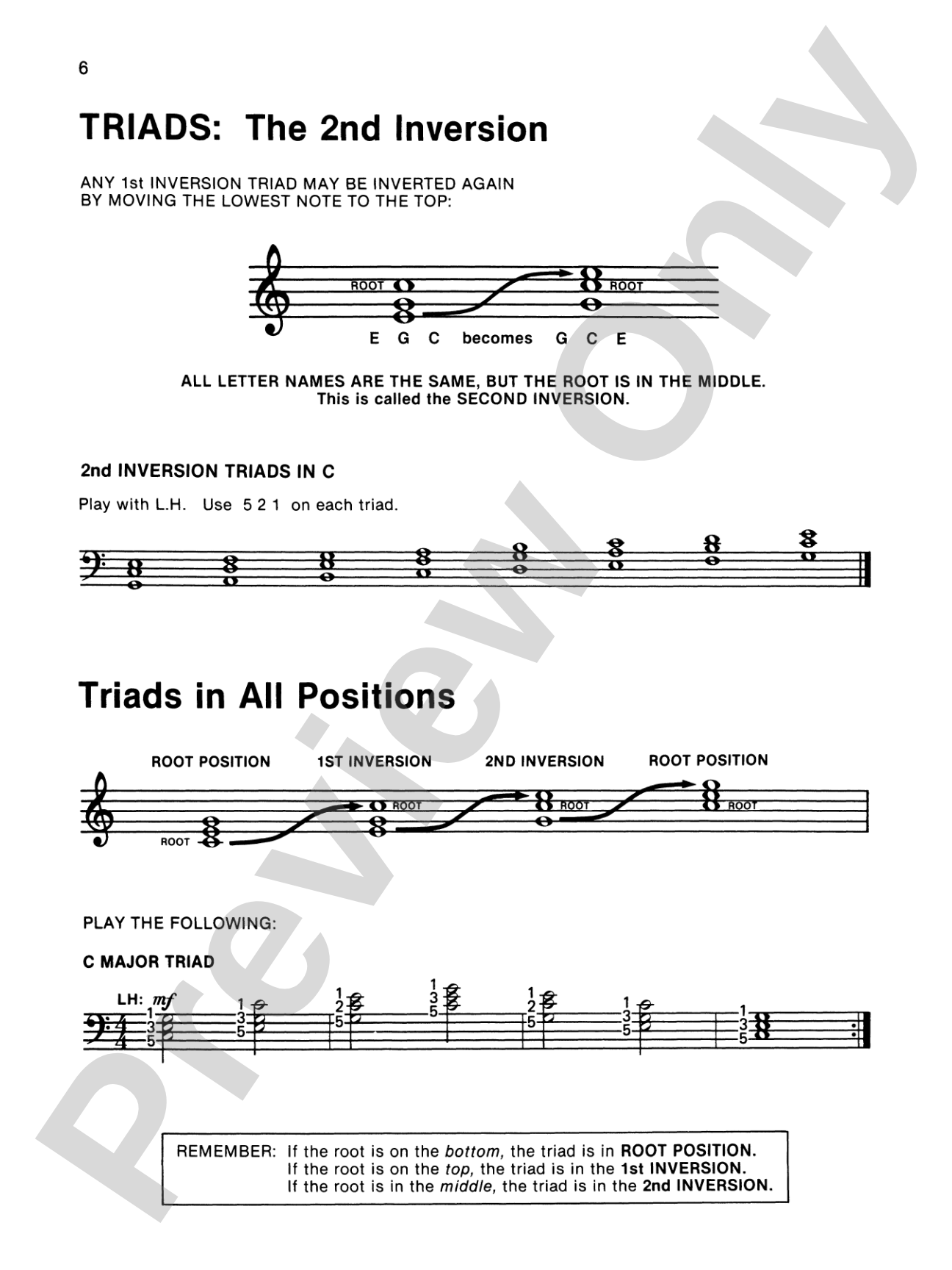
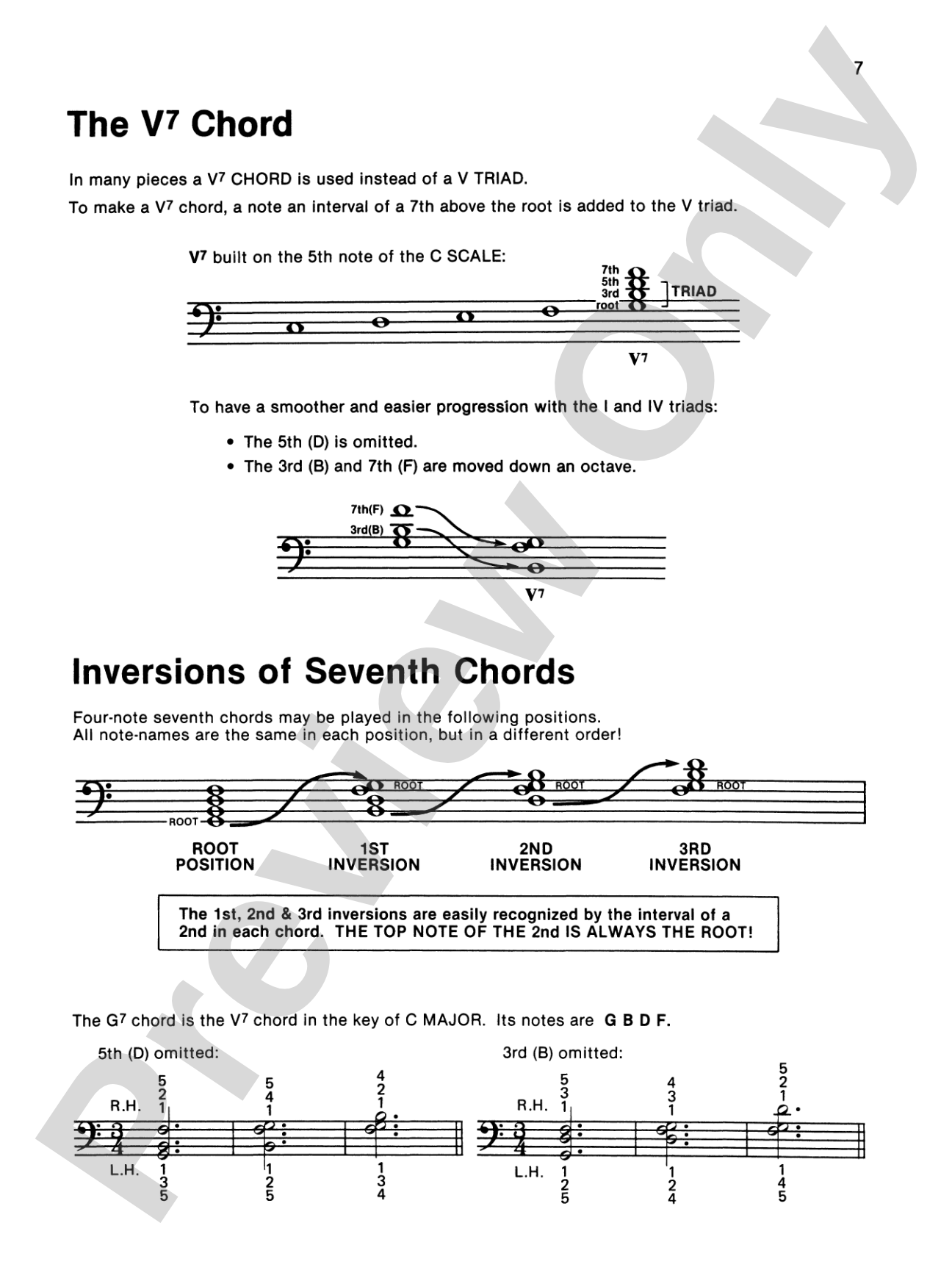
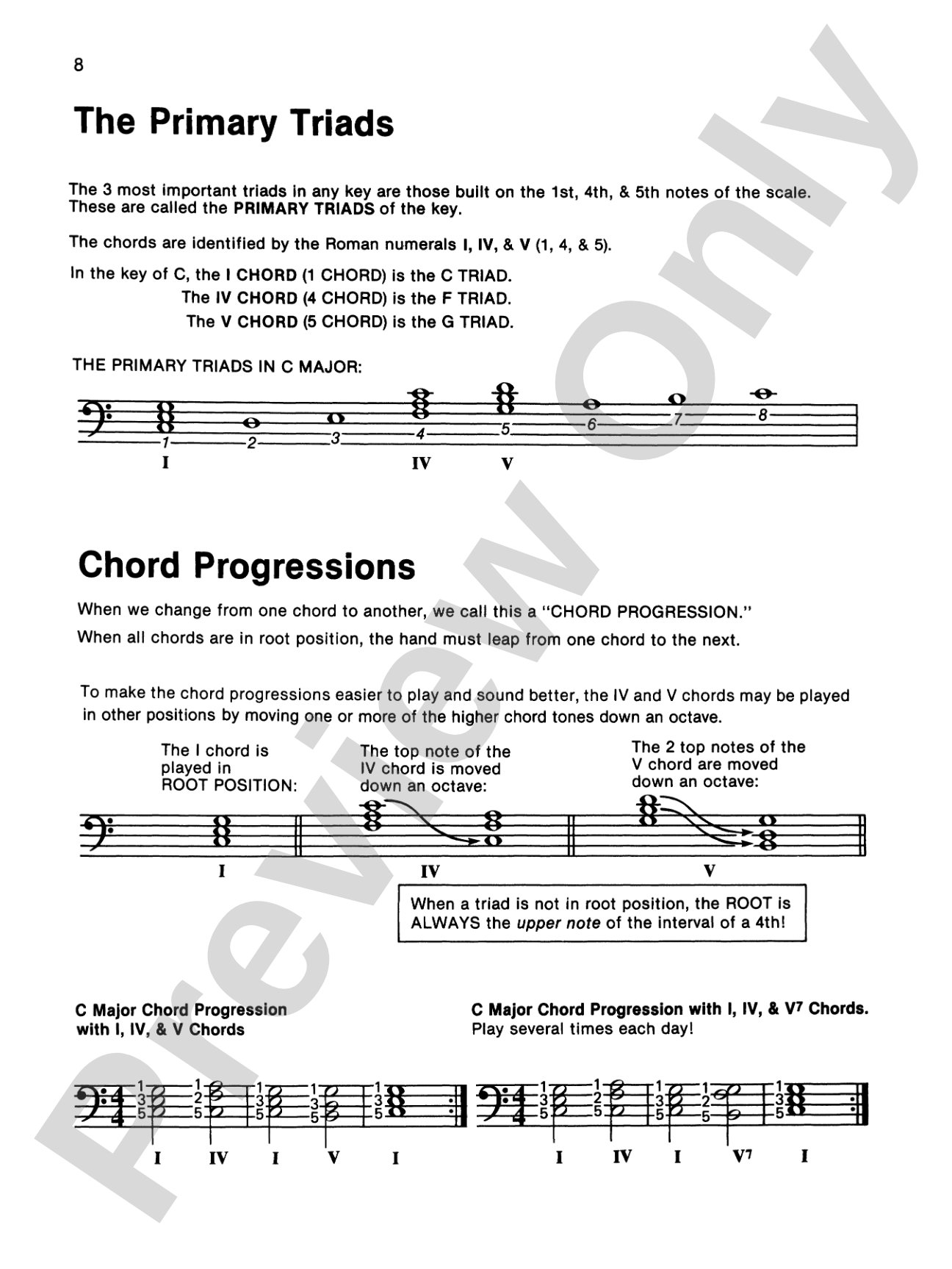
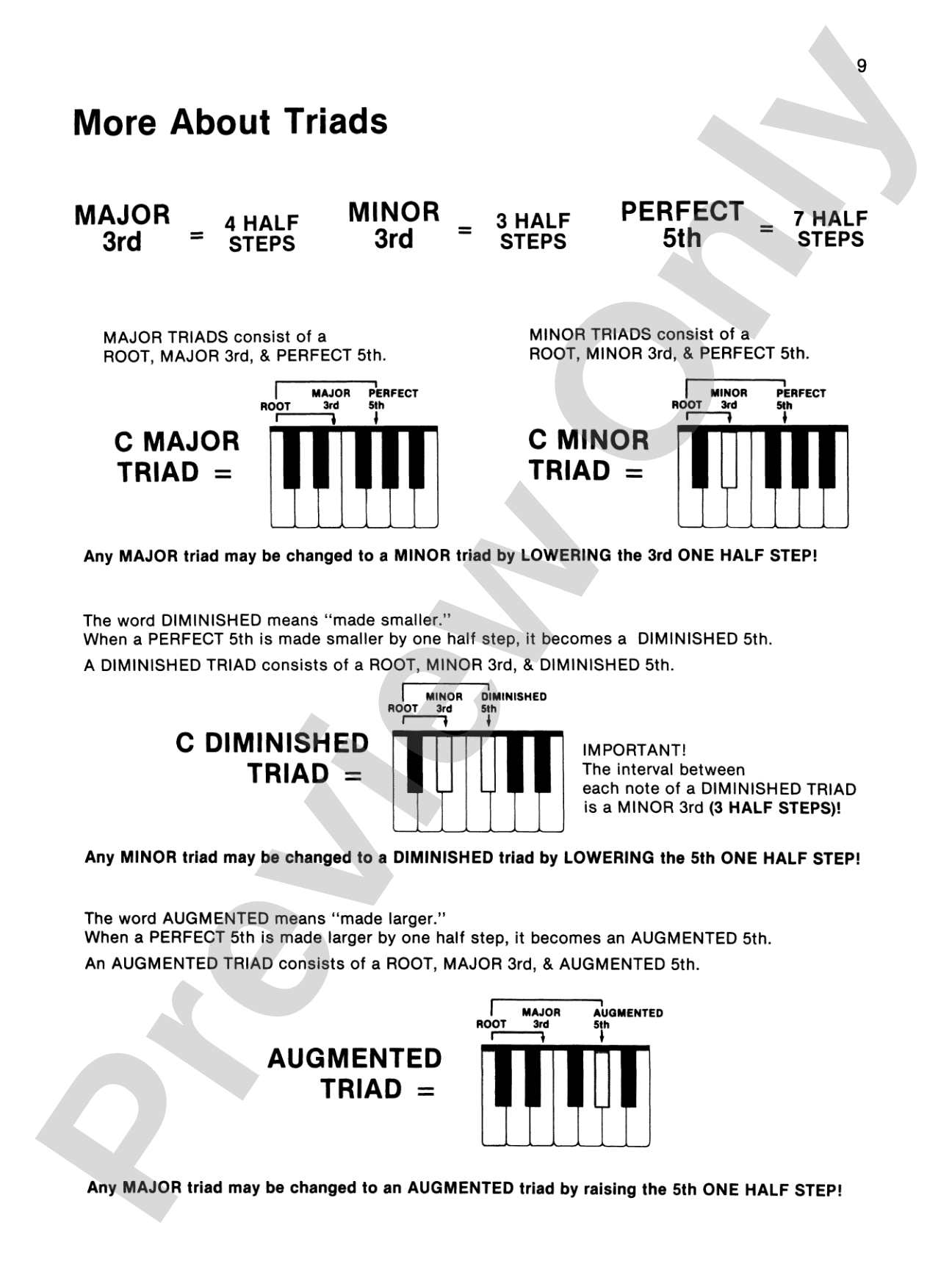
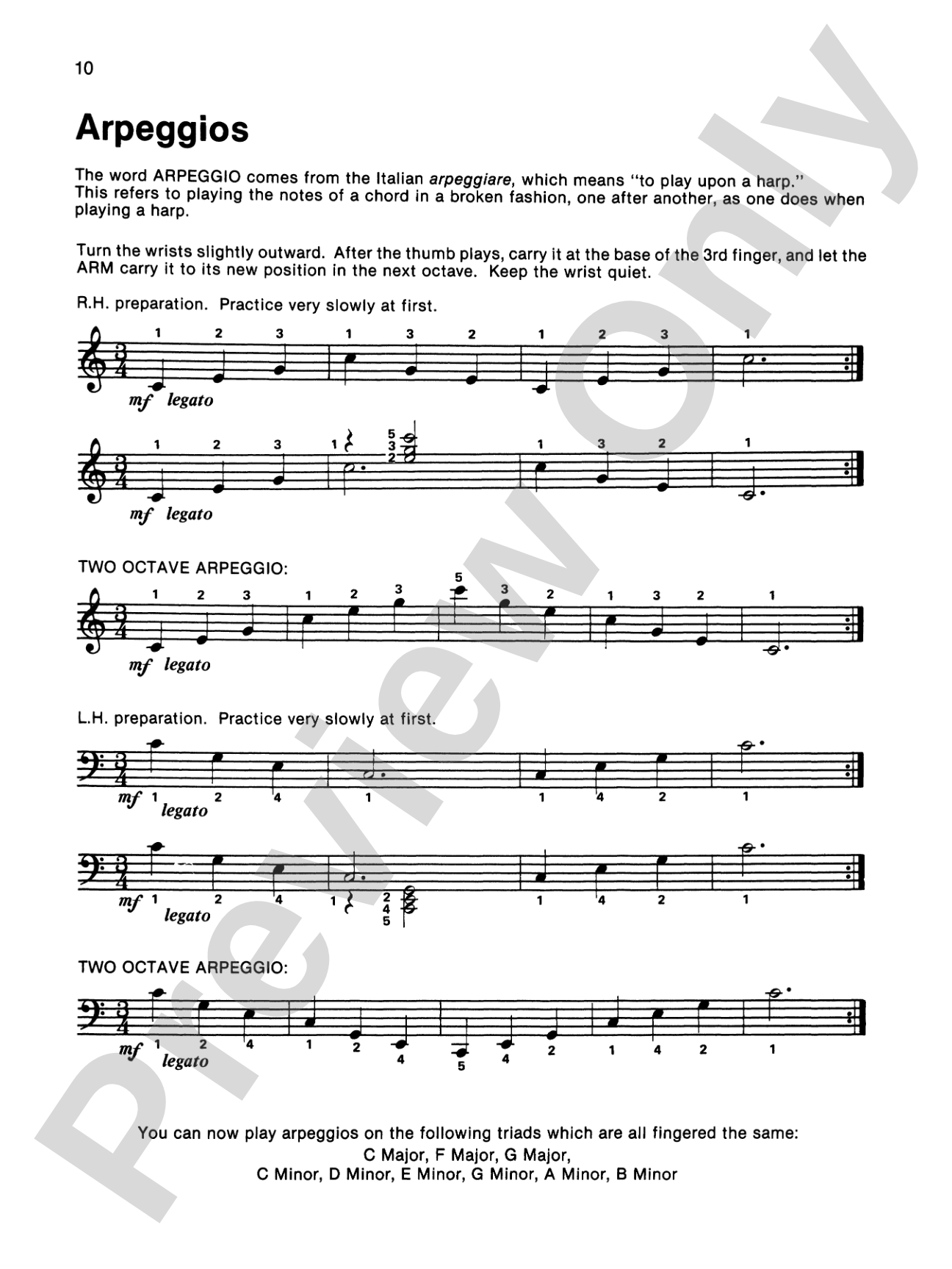
These books are an important resource for piano students, including those preparing for National Guild Auditions. Technical ease in playing scales and chords is logically developed through a presentation of all the major and minor scales, arpeggios, I V I, and I V7 I in each key. (May be used with Level 3 and above.)


Alfred's Basic Piano Library Musicianship Book Two: Intermediate Musicianship: All the Scales, Chords, Arpeggios, and Cadences Generally Required for Student Auditions... Plus Additional Enrichment Options: Piano isn't in MakeMusic Cloud just yet...but it could be. Let us know you'd like to see it, and you'll help shape what comes next. In the meantime, start a free trial and dive into thousands of interactive titles your students can play along with today.
Request This Title
Tell us you want it.
Start Your Free Trial
Explore everything that's ready to play right now.
Sample Audio
No sample audio found.
Sample Video
No sample videos found.
Additional Details
Series:
Alfred's Basic Piano Library
Publisher:
Alfred Music
Page Count:
48
SKU:
00-PB-0001101
More about this title
About the Composer: Willard A. Palmer

Dr. Willard A. Palmer was a prolific composer and pedagogue who authored nearly 800 published works spanning accordion, piano, guitar, organ, and choral music. His compositions and methods have been translated into German, Japanese, French, Dutch, and Spanish, establishing him as an influential figure in music education across multiple continents. Palmer studied at the Conservatory of Leipzig on scholarship and later joined the University of Houston faculty, where he taught accordion for 18 years and developed groundbreaking college-level coursework in the instrument.
Palmer's scholarly work in Baroque music ornamentation earned him international recognition and formed the foundation for the acclaimed Alfred Masterworks series. His meticulous approach to musical research and pedagogy reflected his early training under Mae Vardeman, who instilled in him both rigorous technique and the ability to improvise fluently. He held memberships in the American Federation of Musicians, the American Accordionists' Association, and ASCAP, and received honorary doctorates in Humanities (1971) and Music (1983) in recognition of his contributions to musicological scholarship and music education.
Why we love this
Palmer's Musicianship Book Two provides exactly what audition-bound students need: a systematic, logically sequenced exploration of major and minor scales, arpeggios, and cadential patterns in all keys. Rather than treating technique as separate from musicianship, this book presents scales and chords as musical material with clear pedagogical progression, making audition preparation feel purposeful rather than rote.
What to expect
Organized, purposeful, and grounded in real audition requirements. This is not filler material; every exercise exists because adjudicators listen for it. Working through the book builds quiet confidence as patterns reveal themselves and keys that seemed foreign become navigable.
Who it's for
Intermediate to advanced piano students preparing for National Guild Auditions or other formal performance assessments requiring technical fluency across multiple keys. Students at Level 3 and above will find this book essential; it bridges the gap between learning scales in isolation and performing them with musical intent and technical security.
How to get the most out of it
- Map out the key relationships before beginning each section. Understanding the relative minor and parallel minor for each major key helps students internalize the underlying structure rather than memorizing isolated patterns.
- Practice cadential patterns (I V I and I V7 I) in the order presented, then test yourself by selecting keys at random. This builds confidence and prevents pattern-dependent playing.
- Use a metronome to establish consistent tempo across different keys. Many students rush faster keys and drag slower ones; steady tempo reveals where technical security actually breaks down.
- Record yourself playing each key's scale and arpeggios in sequence. Listening back exposes evenness of touch, alignment of fingering changes, and rhythmic consistency that you cannot hear while playing.
How to use it
Assign this book during the audition season (winter through spring) as a standalone study resource, or integrate specific key groups into regular lesson planning throughout the year. For students not pursuing formal auditions, use it as a reference during repertoire study to ensure technical preparation matches the harmonic content of their current pieces.
Skills your students will build
- Major and minor scale fluency across all twelve keys
- Arpeggiation of tonic and dominant chords in major and minor contexts
- Recognition and execution of I V I and I V7 I cadential patterns
- Evenness and consistency of touch across key changes
- Reading and responding to audition requirements and evaluation criteria