

Alfred's Basic Piano Library Musicianship Book One: Elementary Musicianship: All the Scales, Chords, Arpeggios, and Cadences Generally Required for Student Auditions... Plus Additional Enrichment Options: Piano
All the Scales, Chords, Arpeggios, and Cadences Generally Required for Student Auditions... Plus Additional Enrichment Options
By Willard A. Palmer, Morton Manus, and Amanda Vick Lethco
Level: Elementary
Item: 00-PB-0001100
$7.95
Pickup currently not available
Related Items
Alfred's Basic Piano Library Musicianship Book One: Elementary Musicianship: Piano Book |
$7.95
|
View |
Description
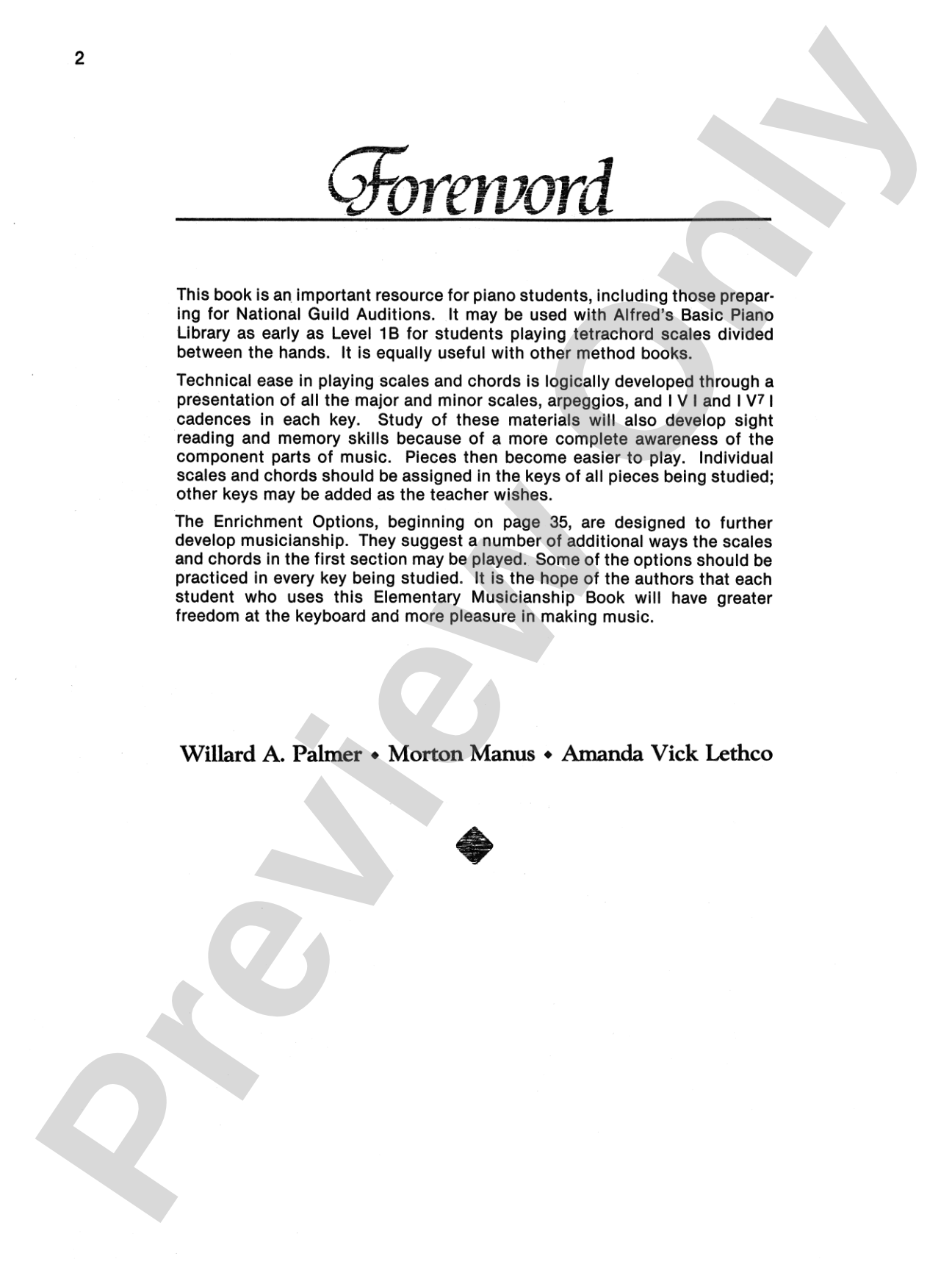
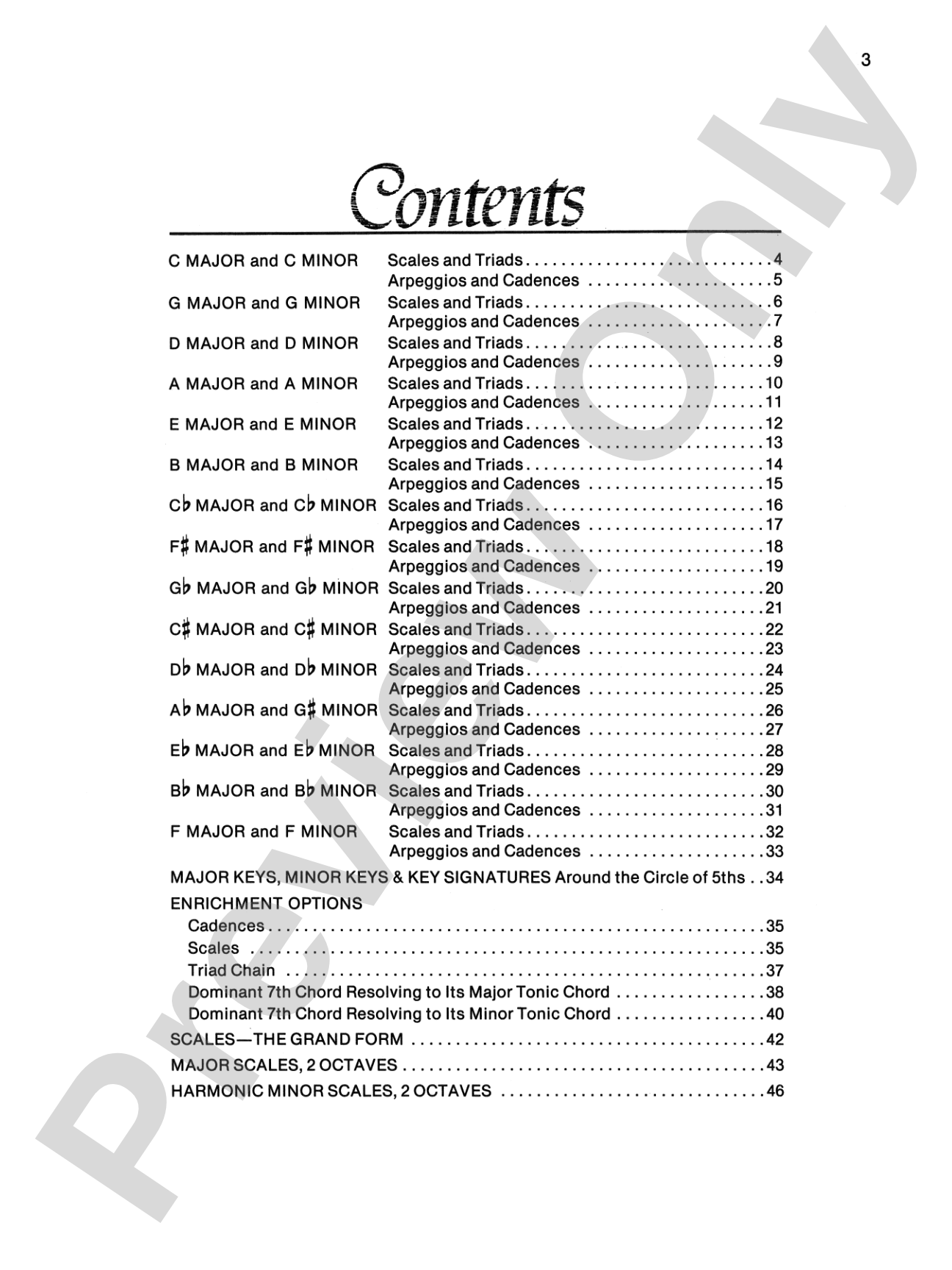
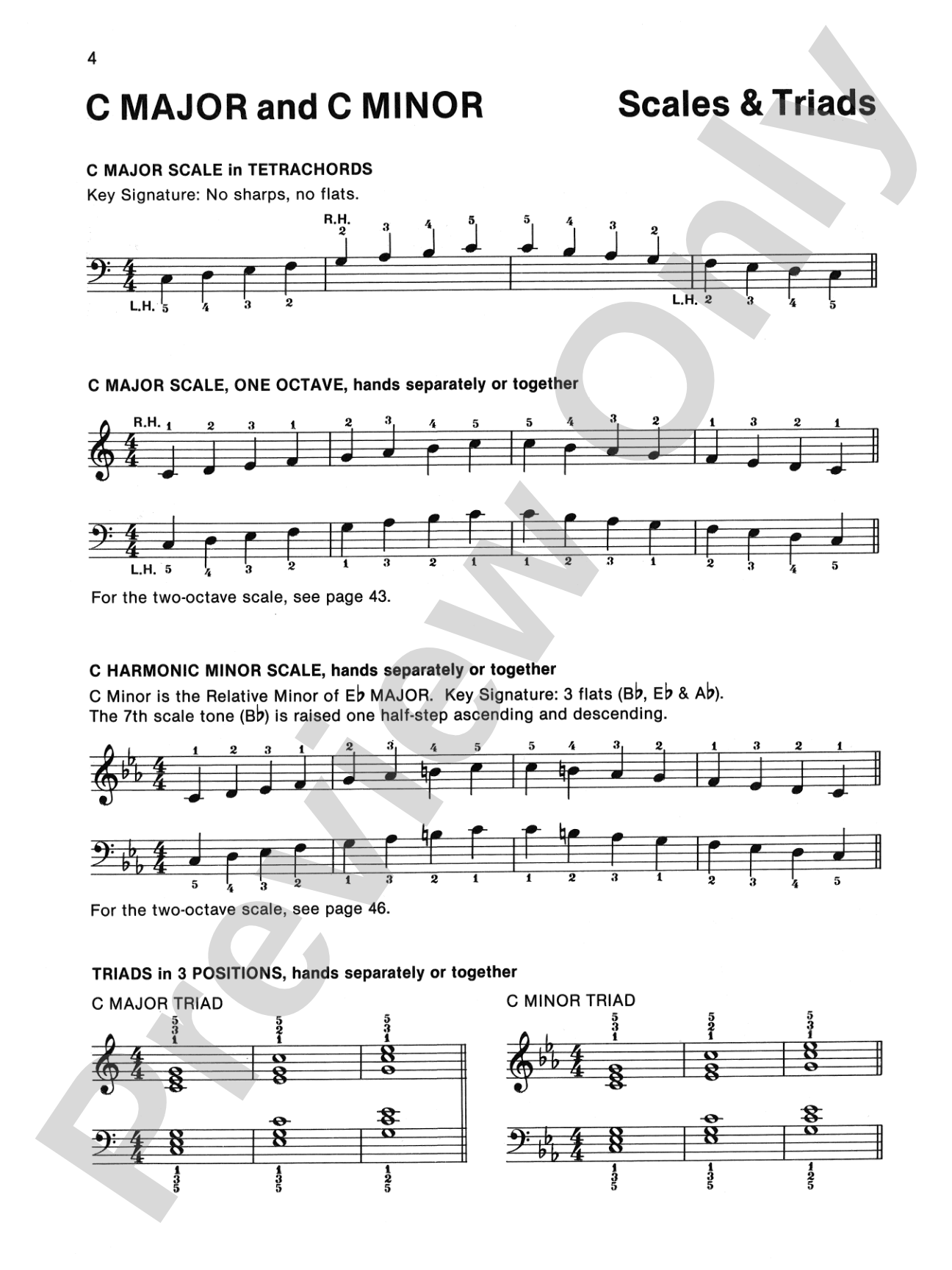
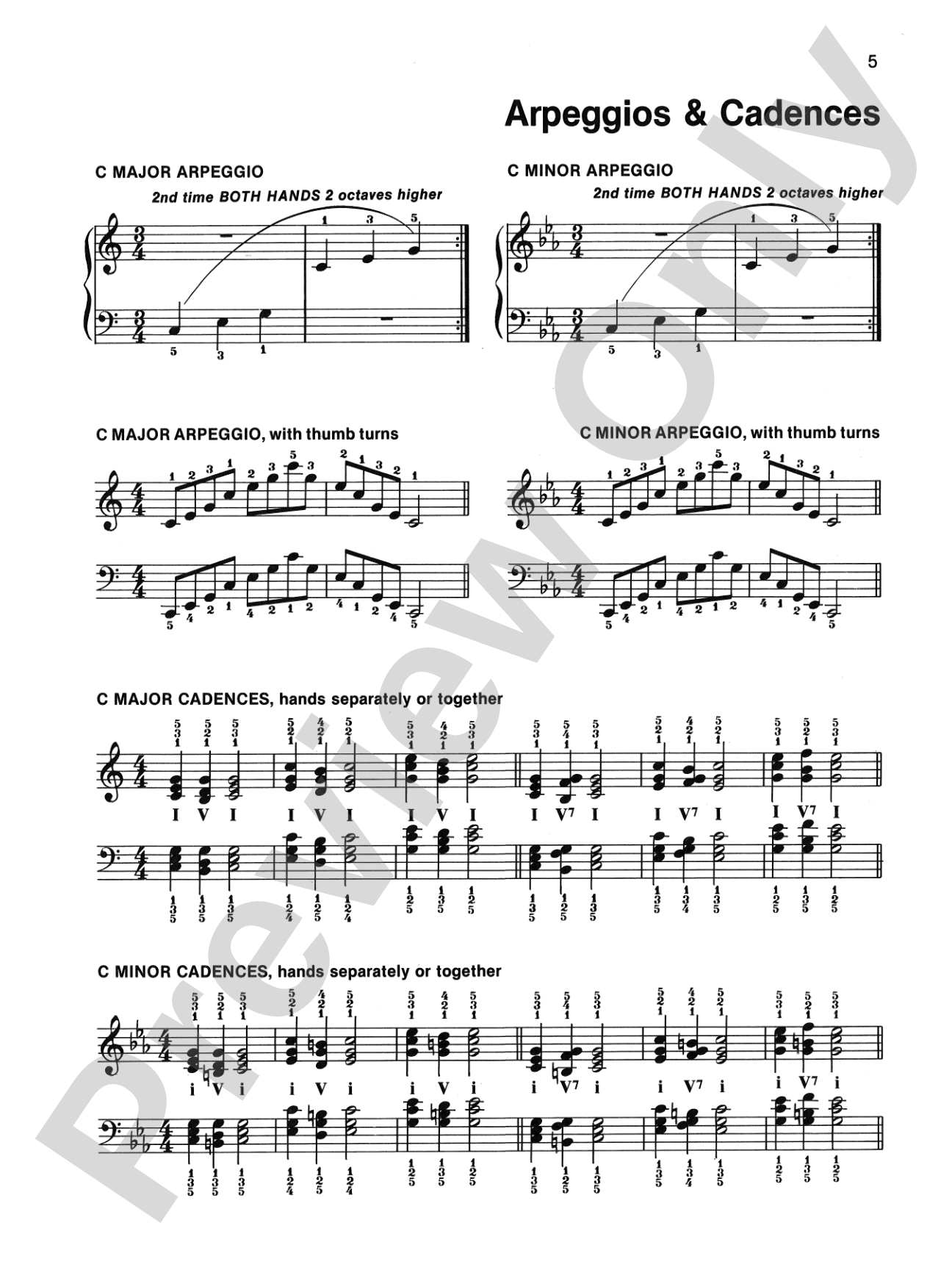
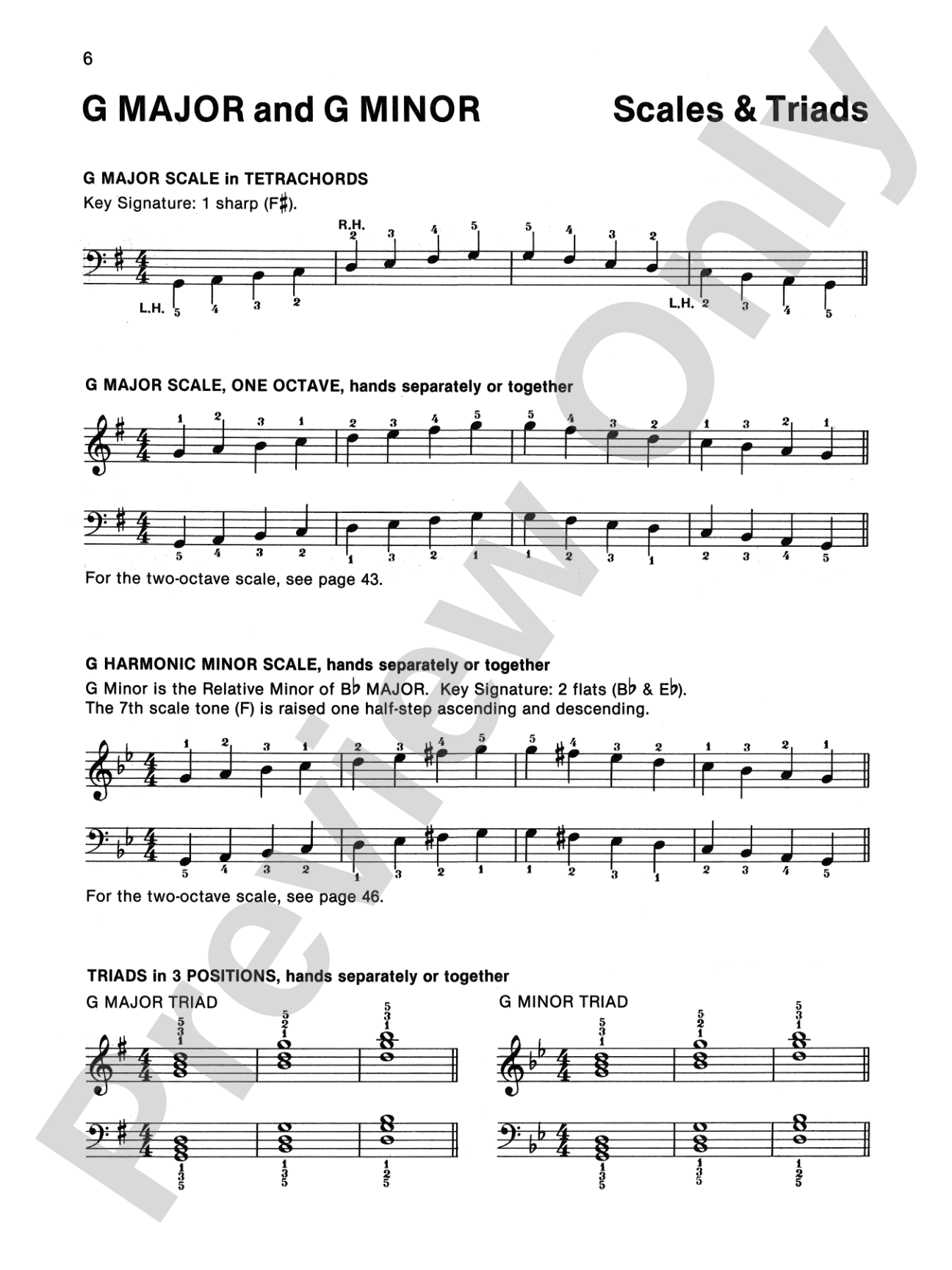
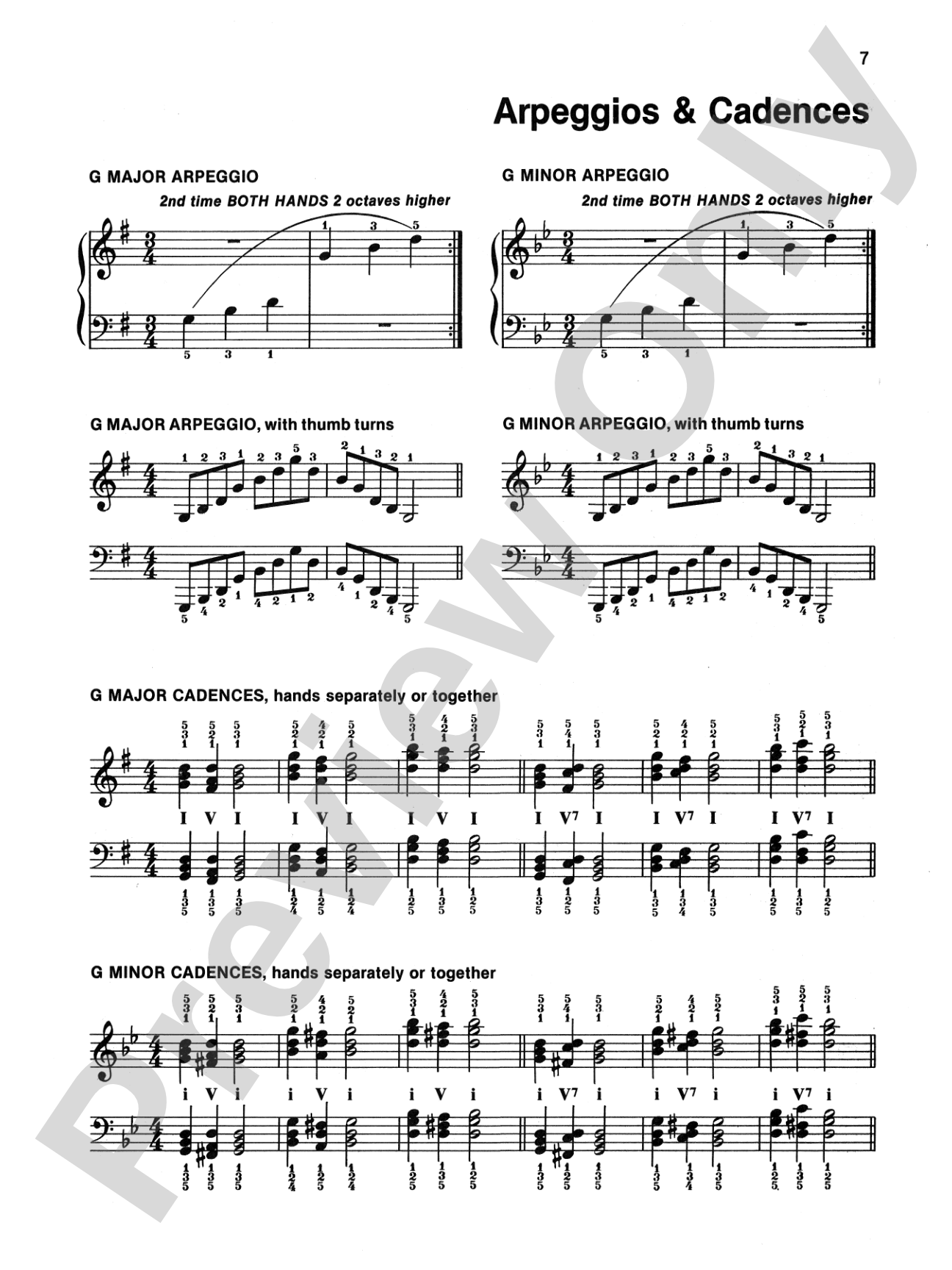
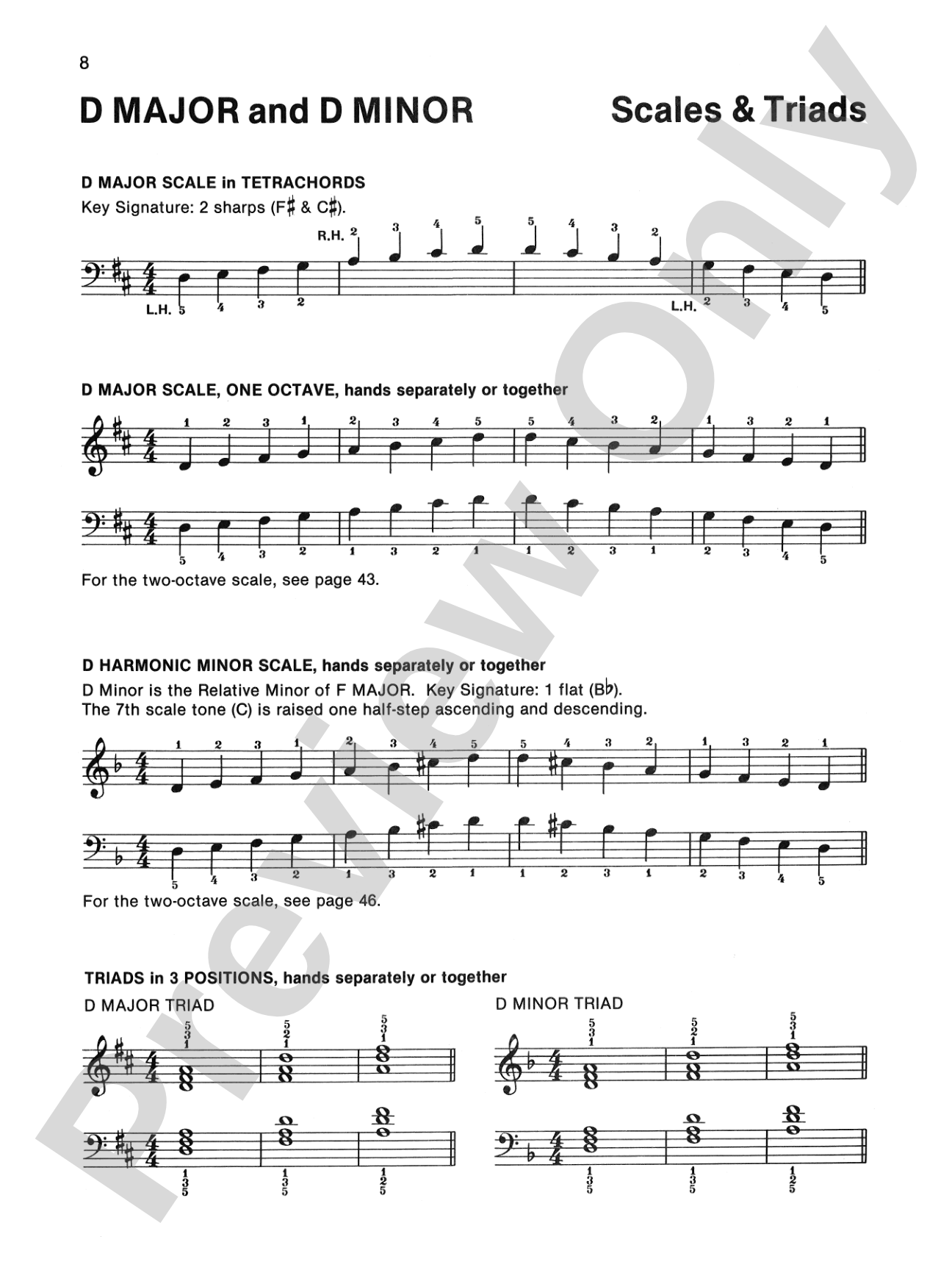
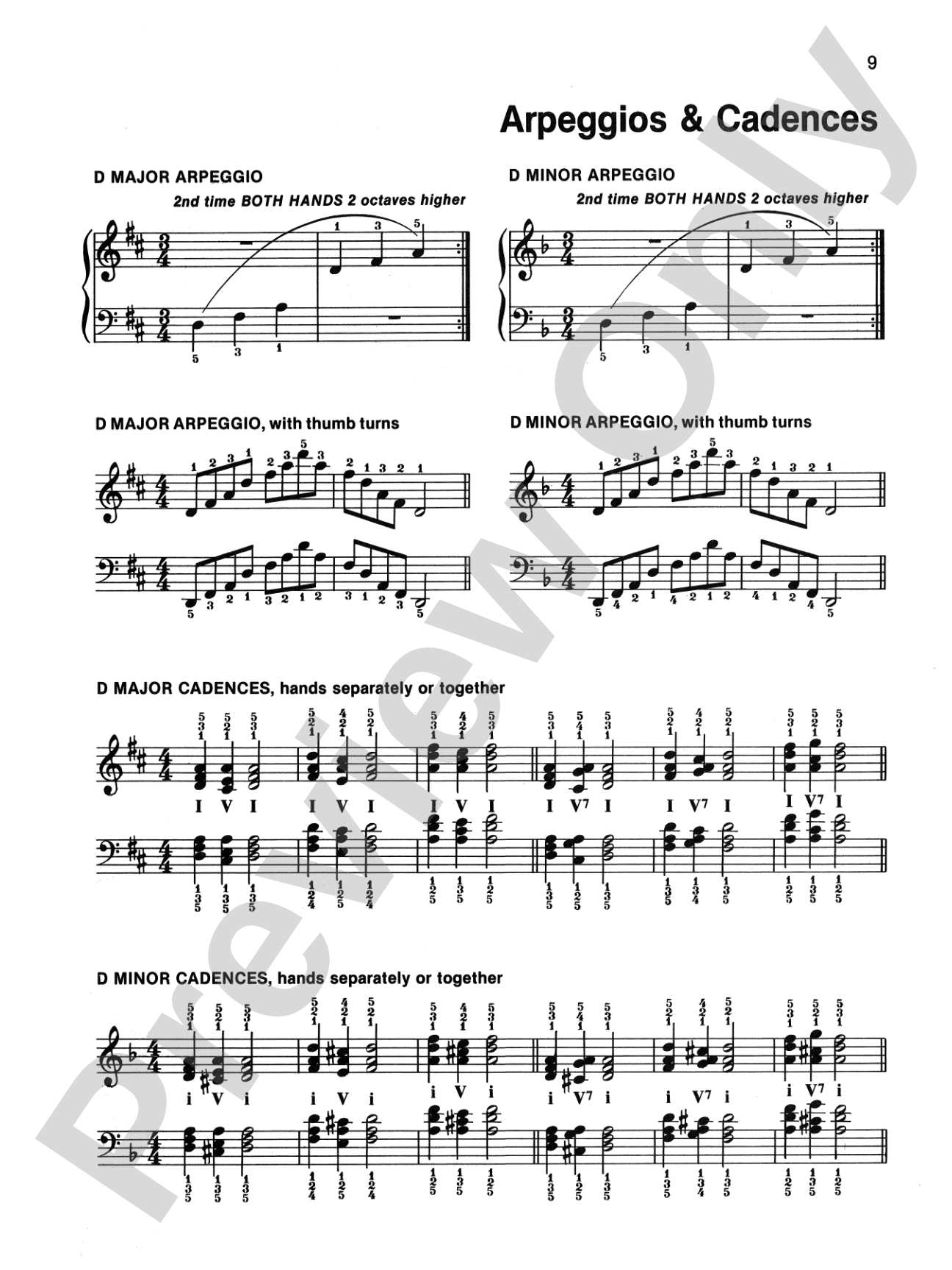
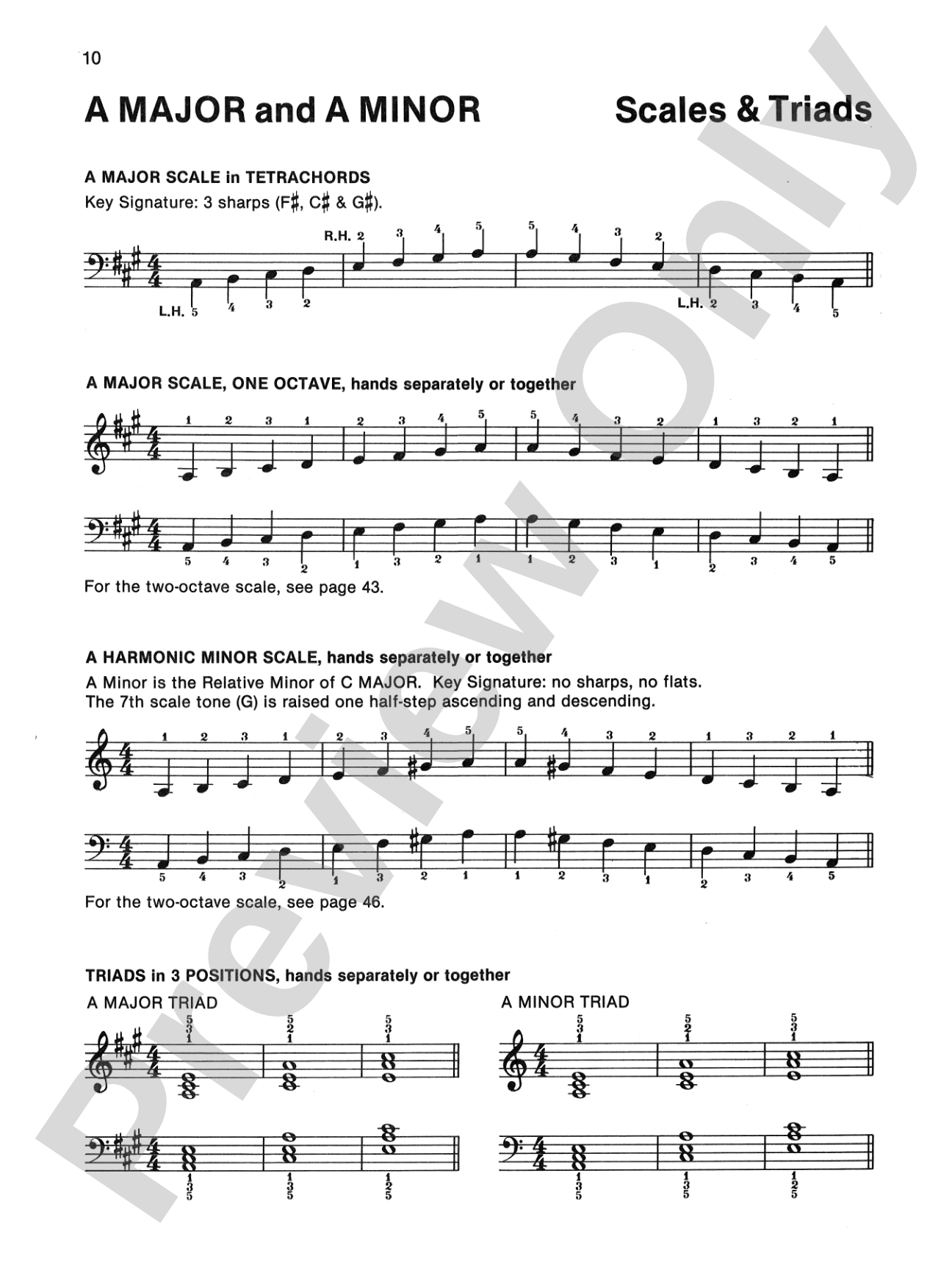
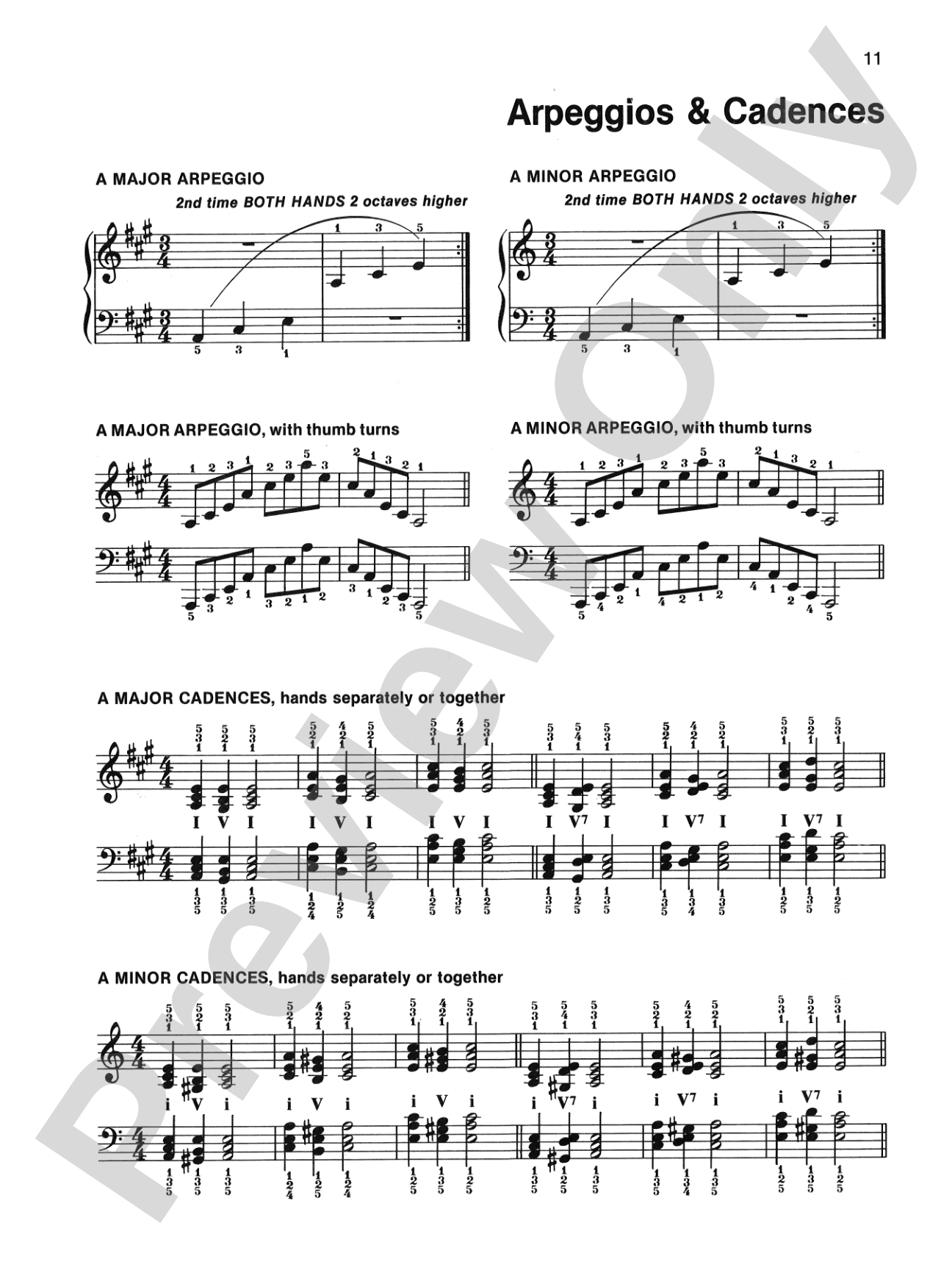
These books are an important resource for piano students, including those preparing for National Guild Auditions. Technical ease in playing scales and chords is logically developed through a presentation of all the major and minor scales, arpeggios, I V I, and I V7 I in each key. (May be used with Level 3 and above.)


Discover MakeMusic Cloud: thousands of interactive titles your students can play along with today.
Sample Audio
No sample audio found.
Sample Video
No sample videos found.
Additional Details
Series:
Alfred's Basic Piano Library
Publisher:
Alfred Music
Page Count:
48
SKU:
00-PB-0001100
More about this title
About the Composer: Willard A. Palmer

Willard A. Palmer established himself as a prolific composer and pedagogue whose catalog spans nearly 800 published works across piano, accordion, guitar, and choral music. His early training as a child prodigy and radio performer evolved into deep scholarly expertise, particularly in Baroque ornamentation and performance practice. Palmer studied at the Conservatory of Leipzig on scholarship and later joined the University of Houston faculty, where he taught accordion for 18 years and mentored generations of musicians.
Recognized internationally for his musicological contributions, Palmer devoted his later career to research and refined teaching materials grounded in historical understanding. His work as director of the Riemenschneider Bach Institute and his dual doctorates in Humanities and Music underscore his commitment to elevating both scholarship and pedagogy. The Alfred Masterworks series and his collaborative work with Morton Manus and Amanda Vick Lethco represent the culmination of his philosophy that technical foundations must be built with intelligence and historical awareness.
Why we love this
This book cuts through the clutter of random scale and chord exercises by presenting every major and minor scale with their corresponding arpeggios and cadences in a logically sequenced system. Students see exactly how harmonic material connects across all keys, which builds genuine understanding rather than mechanical repetition. For teachers preparing students for auditions, this is the resource that eliminates the need to hunt through multiple sources.
What to expect
Working through this book is like having a master class in order. Each scale flows into its relative minor, each key reveals the same harmonic logic, and your fingers gradually recognize the patterns that unlock fluency across the keyboard. The progression builds confidence; by the end, what seemed overwhelming becomes second nature.
Who it's for
Elementary-level piano students (Level 3 and above) who are preparing for National Guild Auditions or building a strong foundation in technical fundamentals. Teachers who need a comprehensive, organized reference for scales, arpeggios, and harmonic progressions across all keys will find this an invaluable classroom tool.
How to get the most out of it
- Work through keys in the order presented rather than jumping around; the sequence builds muscle memory and pattern recognition systematically.
- Practice each major scale with its relative minor in the same session to deepen the relationship between parallel key centers.
- Record yourself playing the cadences (I V I and I V7 I) at various tempos; hearing the harmonic progression reinforces the ear-hand connection essential for audition performance.
- Slow down arpeggios enough that each note lands with clarity; speed follows naturally once hand position and finger independence are secure.
How to use it
Use this as a daily warm-up routine throughout the school year, assigning one key per week so students accumulate mastery gradually rather than cramming scales before auditions. The 48 pages also serve as a reference guide students keep accessible during private lessons and practice sessions, building independence as they learn to self-assess technical readiness.
Skills your students will build
- Playing all major scales with proper fingering patterns and consistent tempo
- Playing relative minor scales and harmonic/melodic minor variations
- Executing arpeggios across all keys with hand position and finger articulation
- Understanding and performing I-V-I and I-V7-I cadences in all major and minor keys
- Transposing scale and chord patterns to develop key center awareness
- Building finger independence and evenness across extended passages
- Preparing technically for audition requirements and standardized assessments