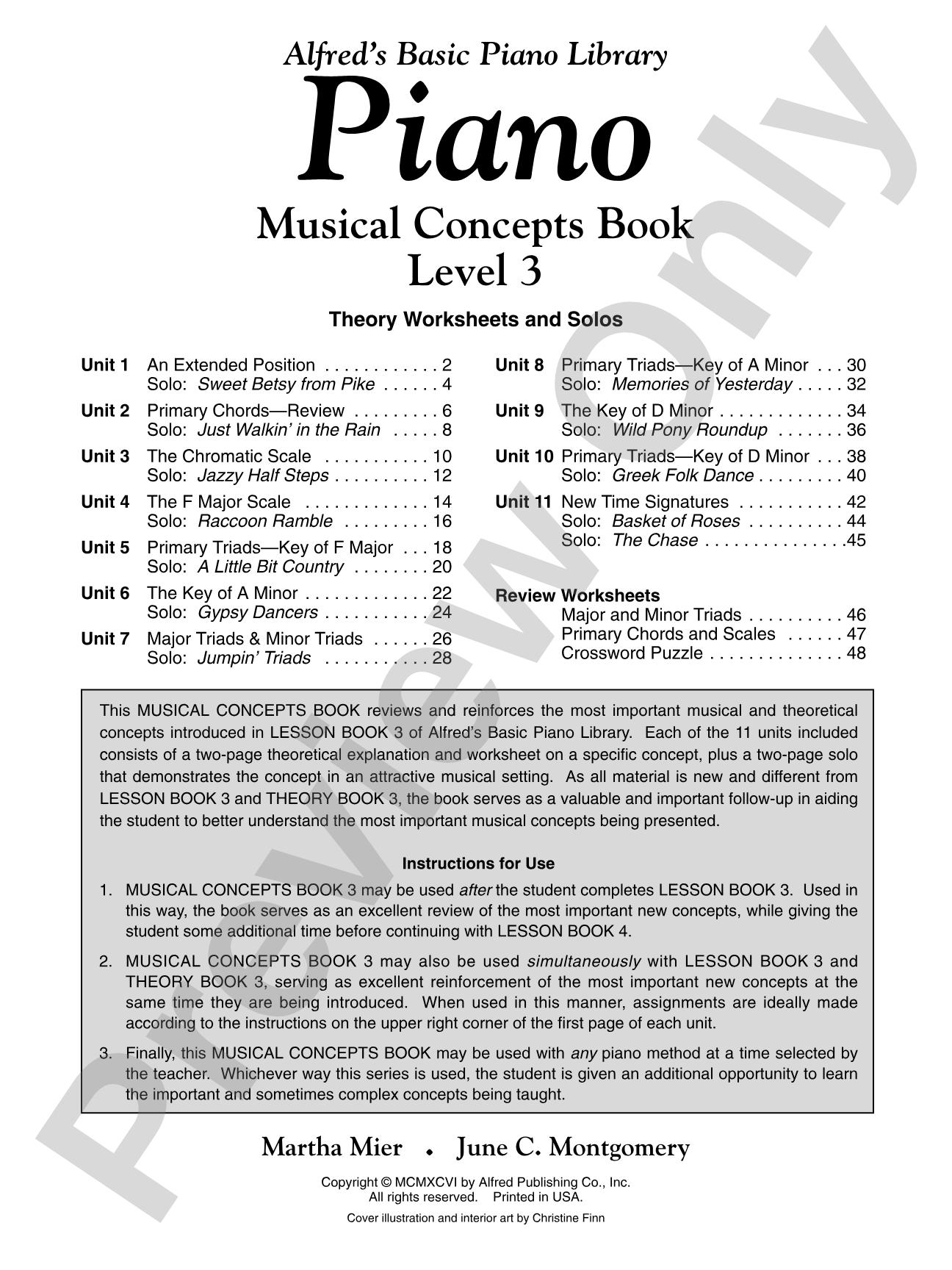
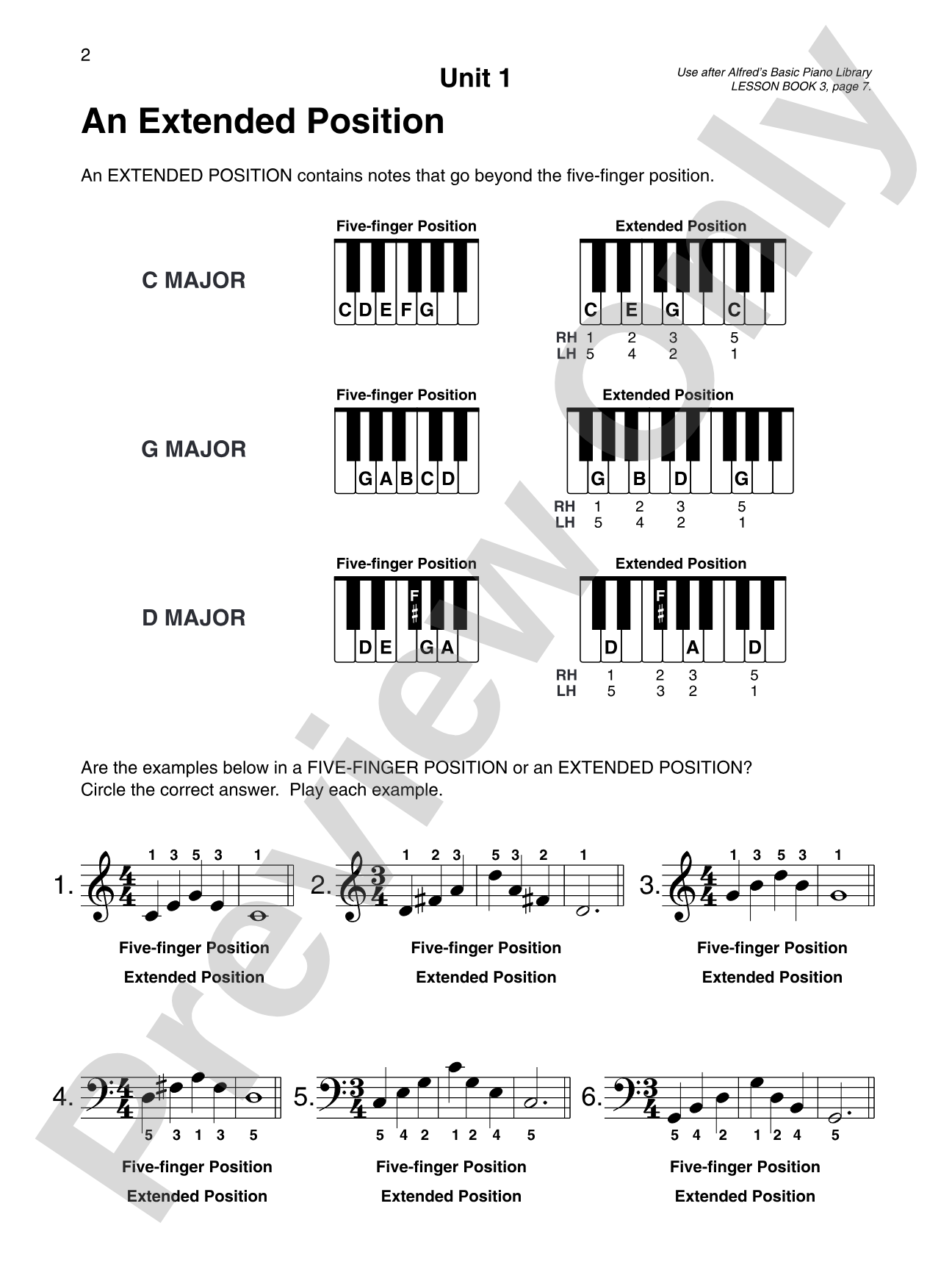
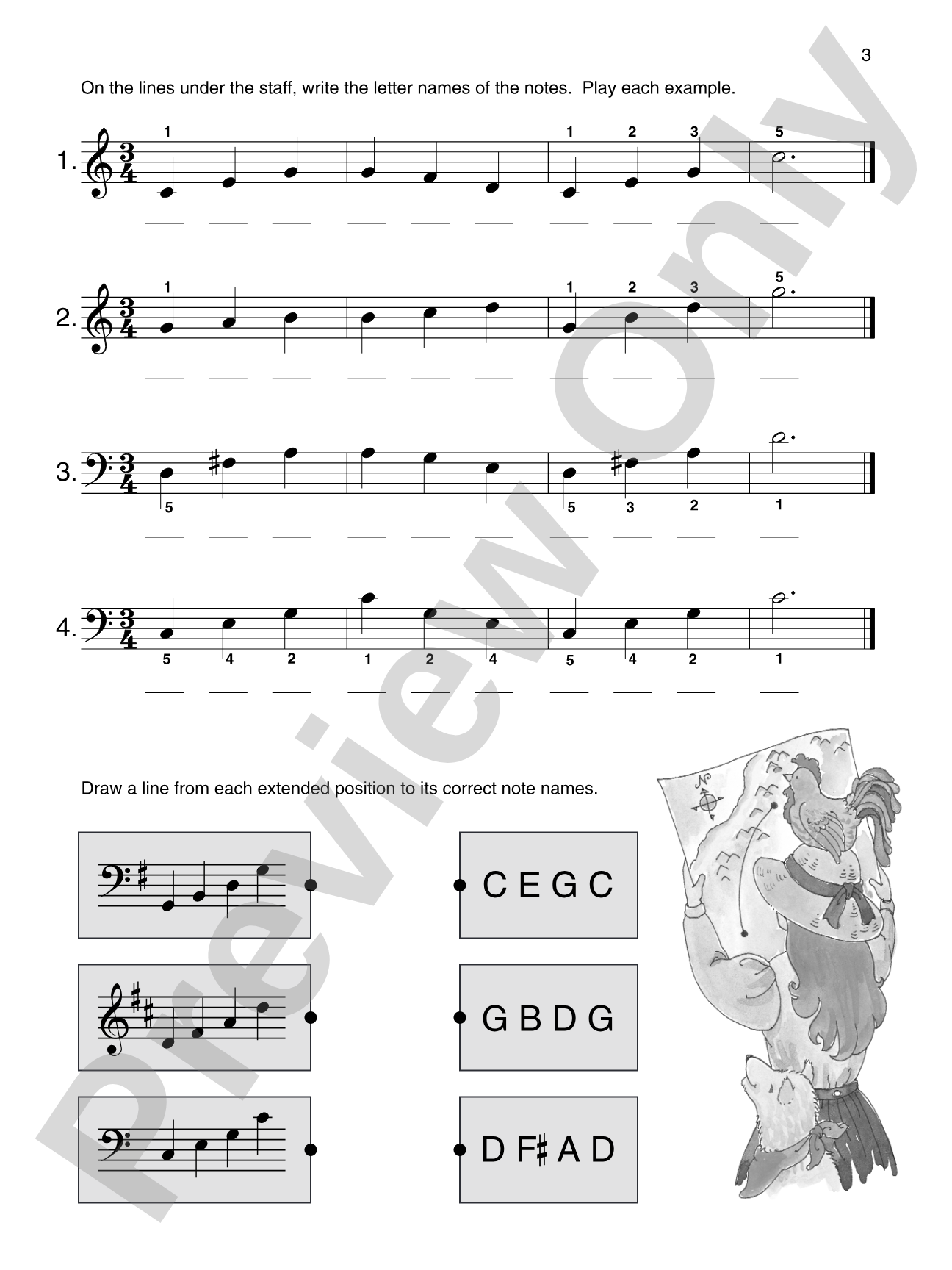
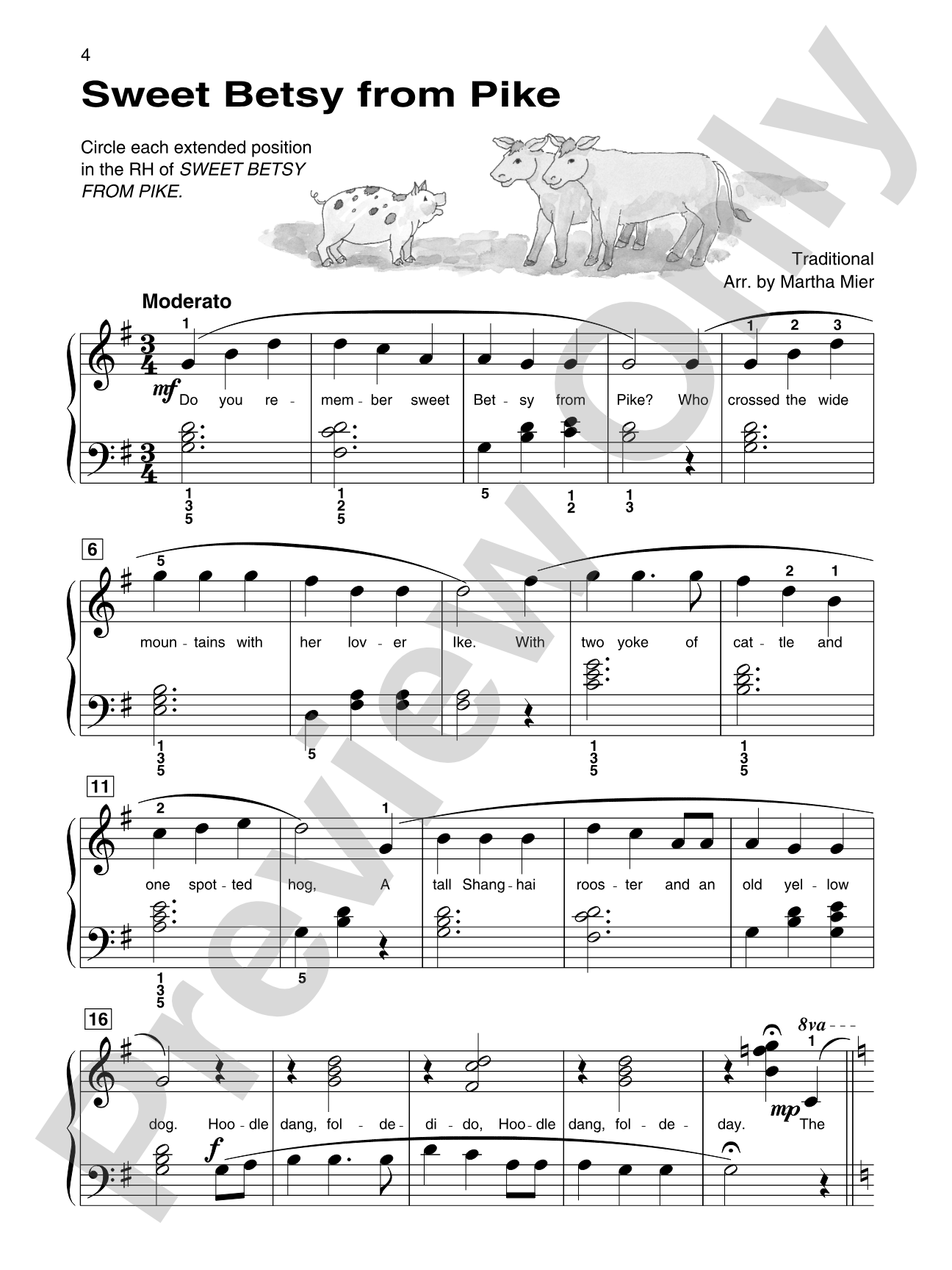
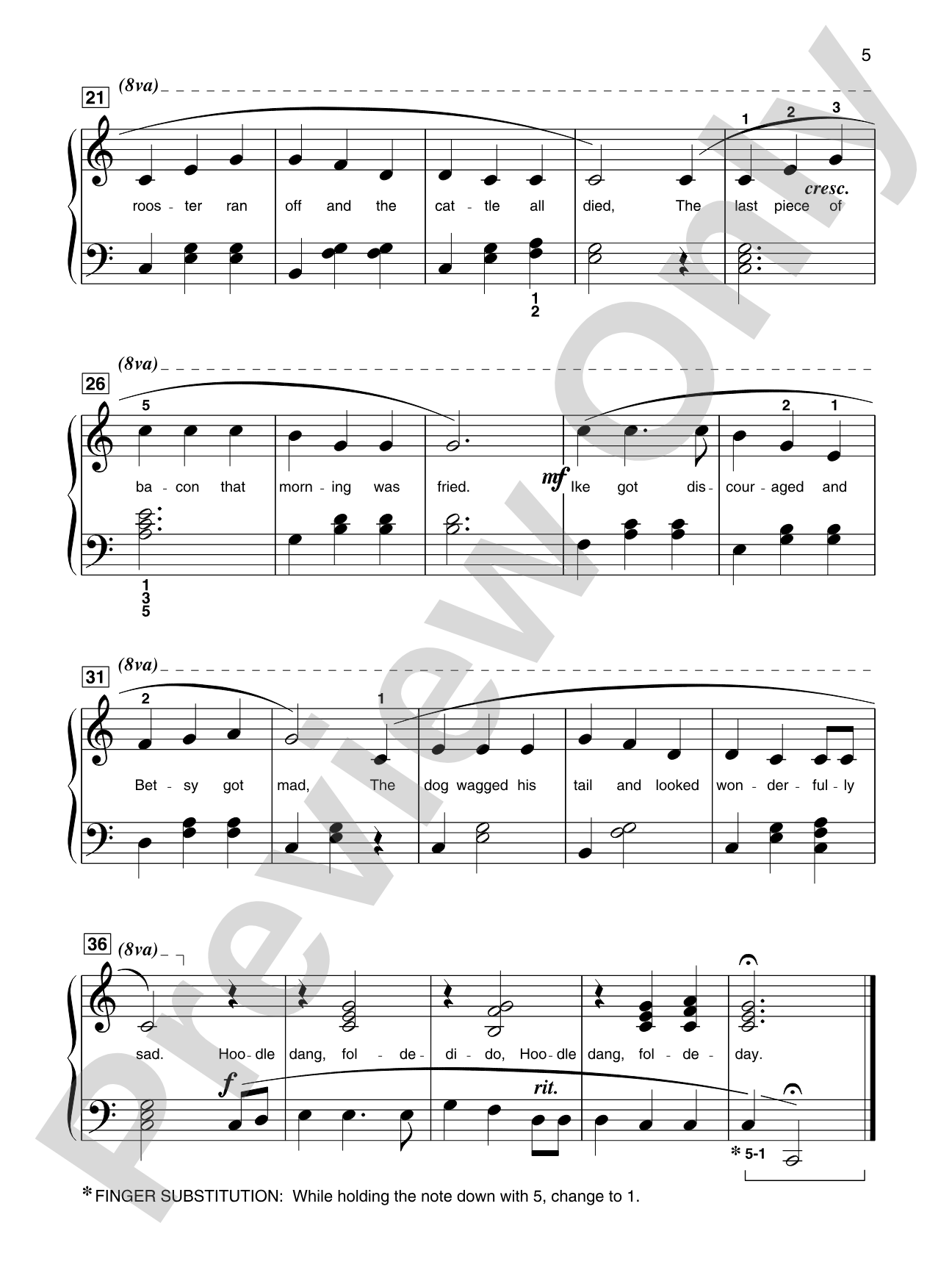
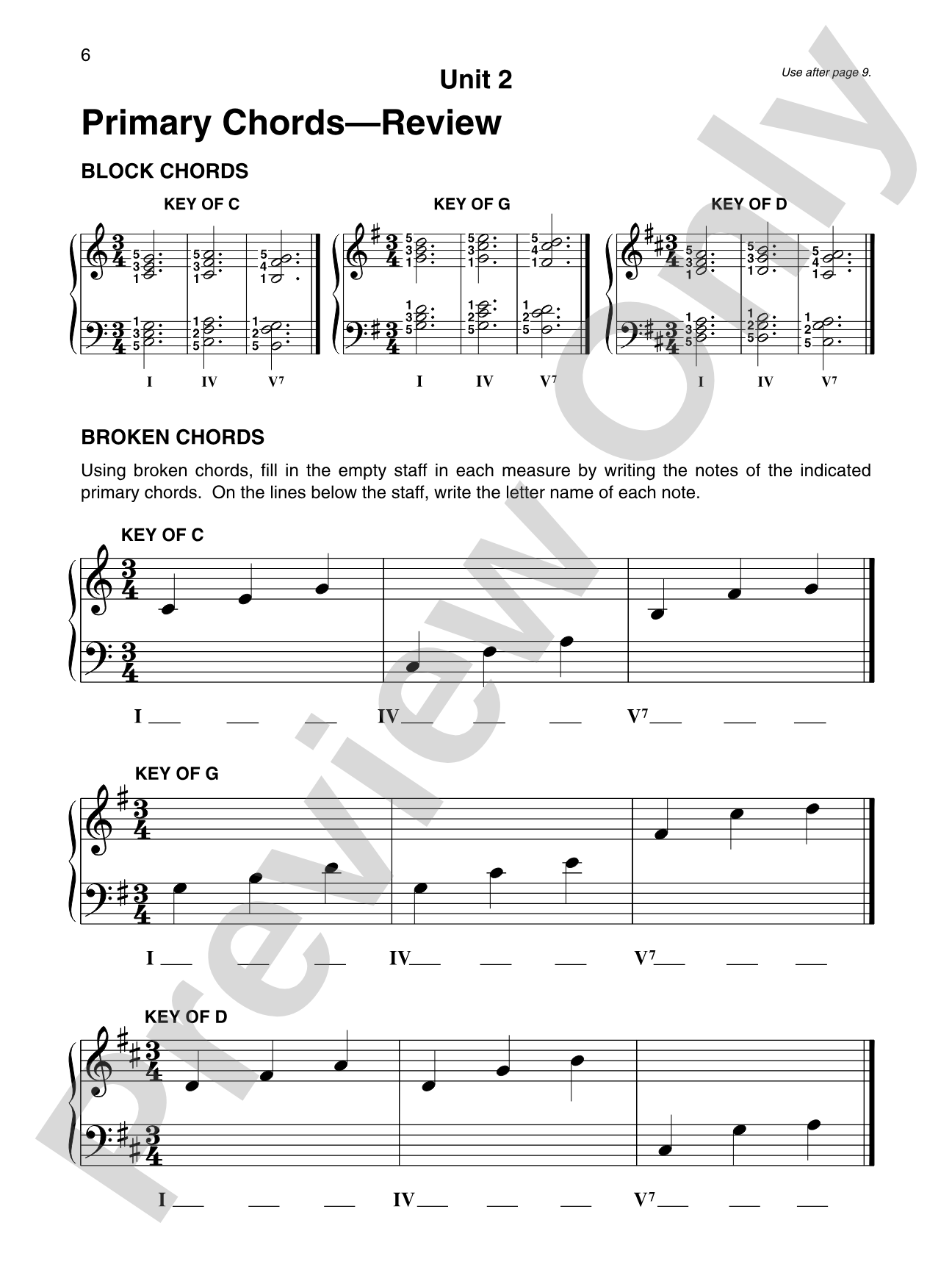
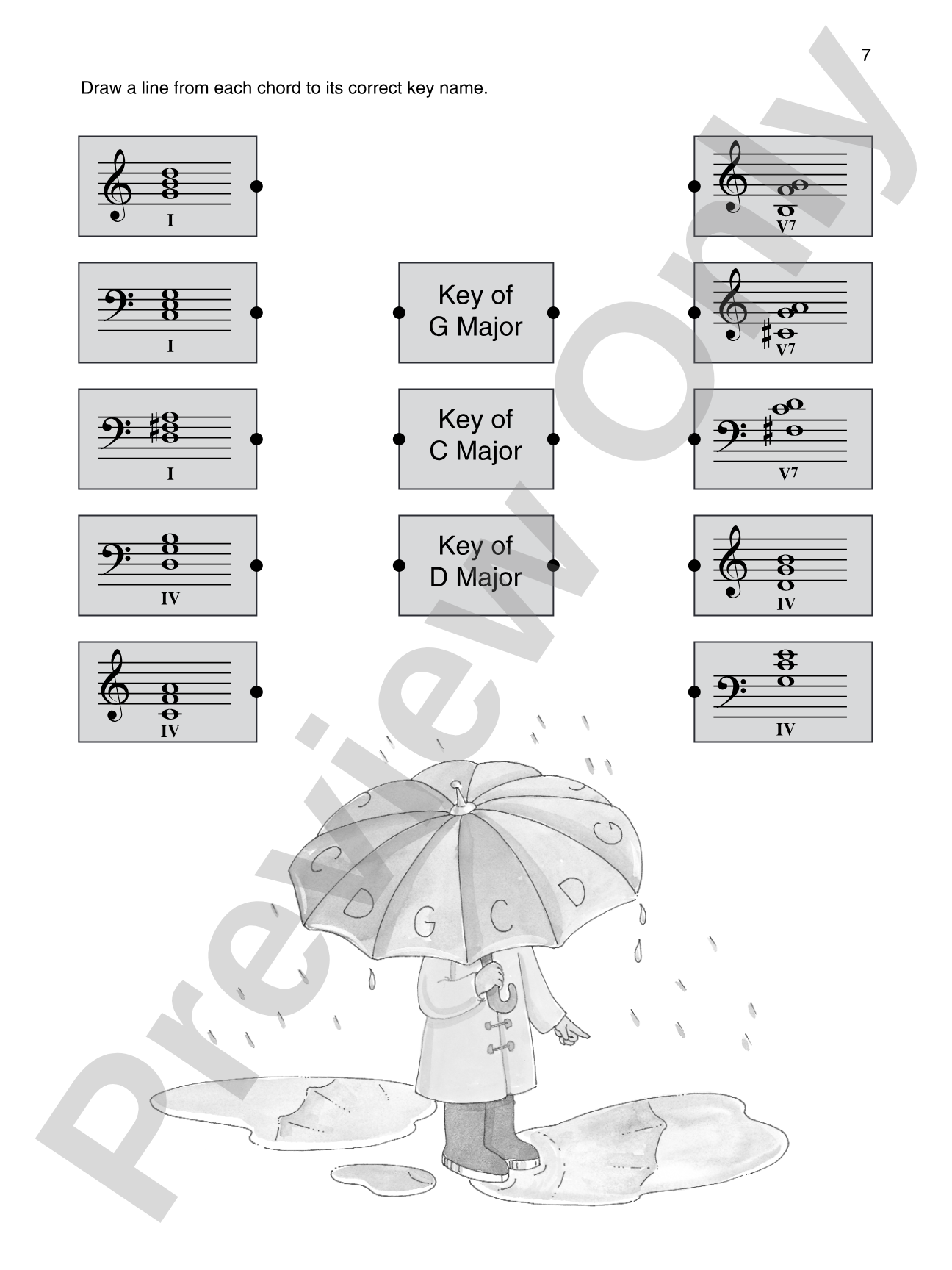
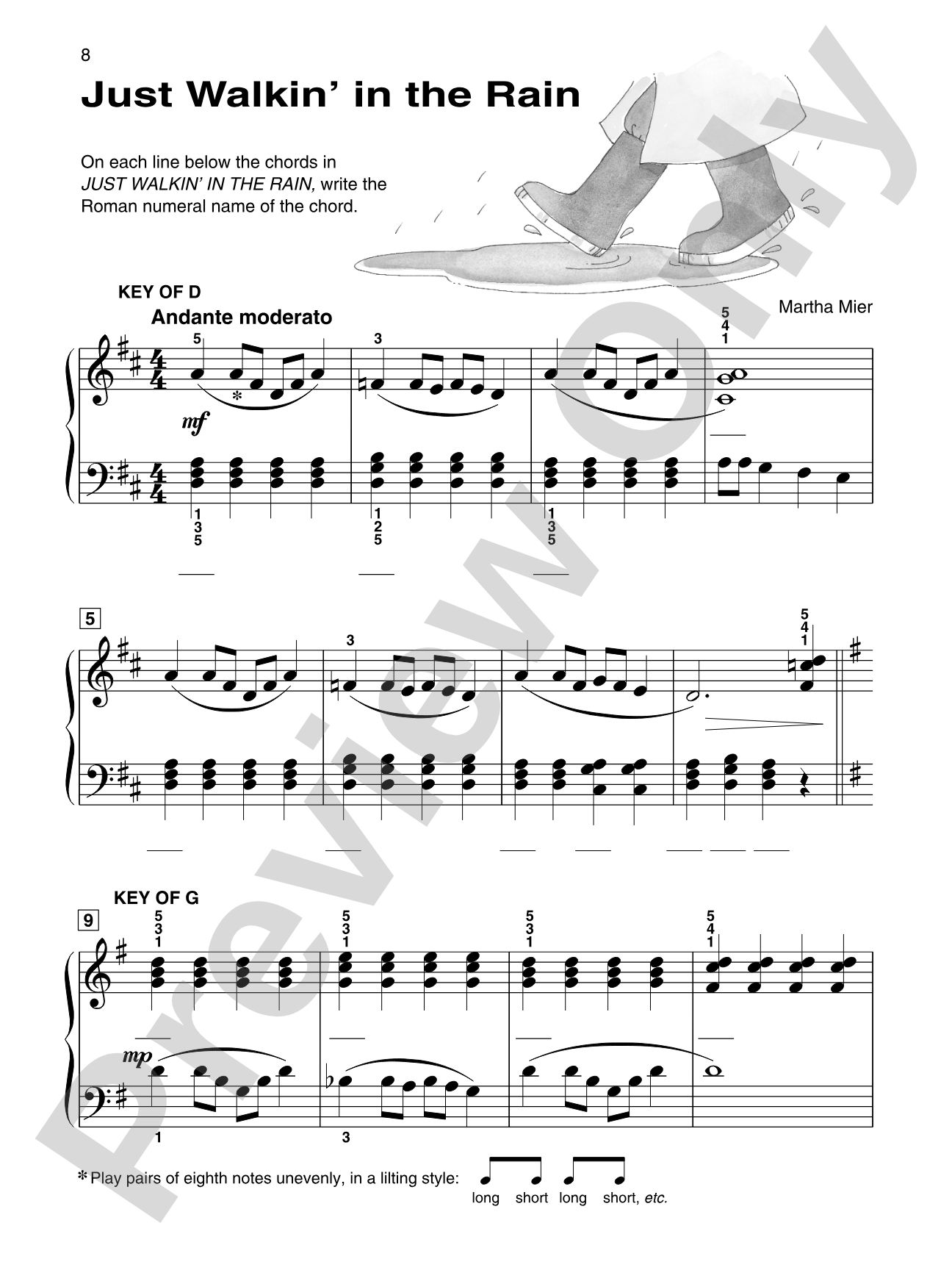
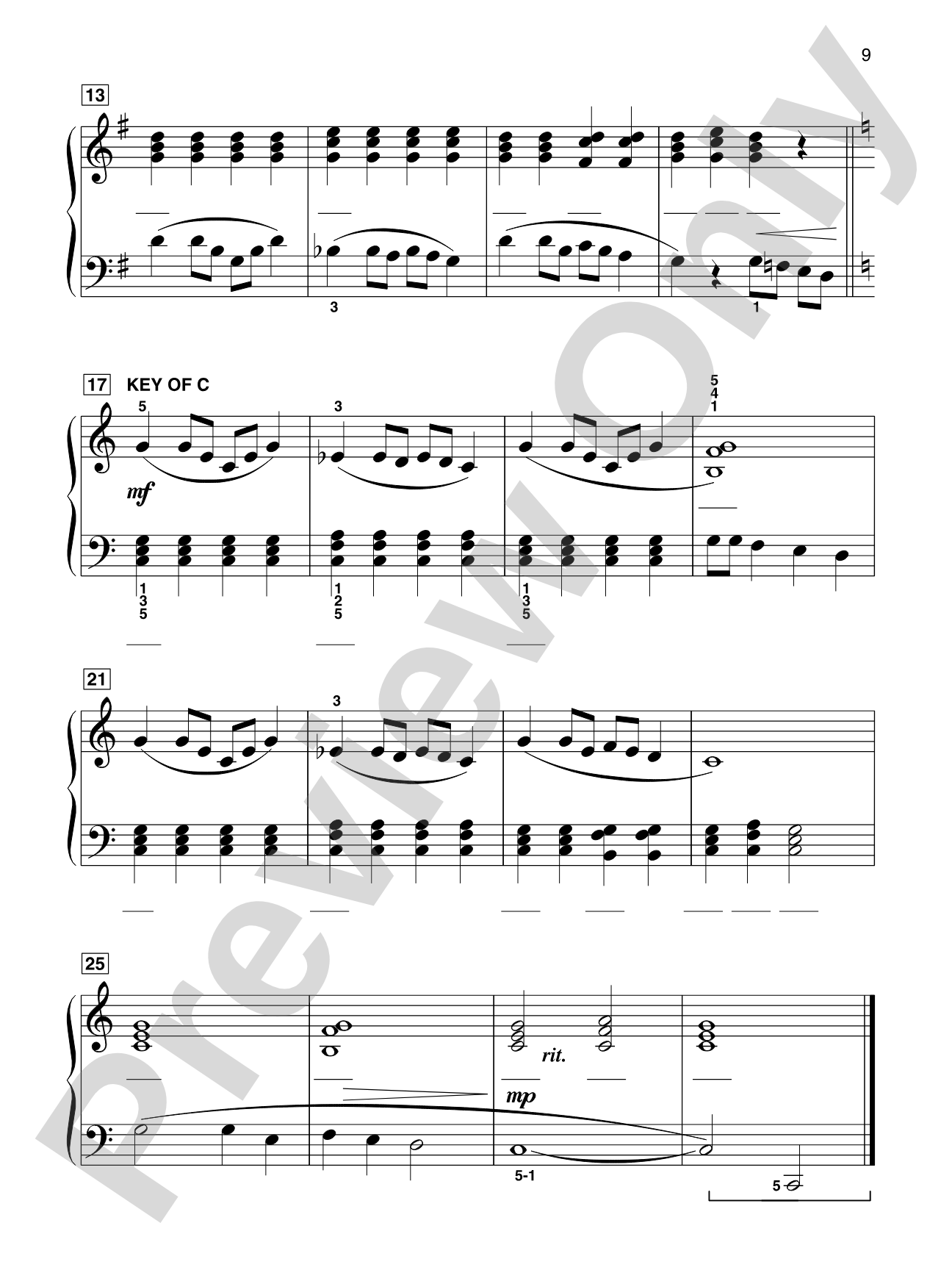
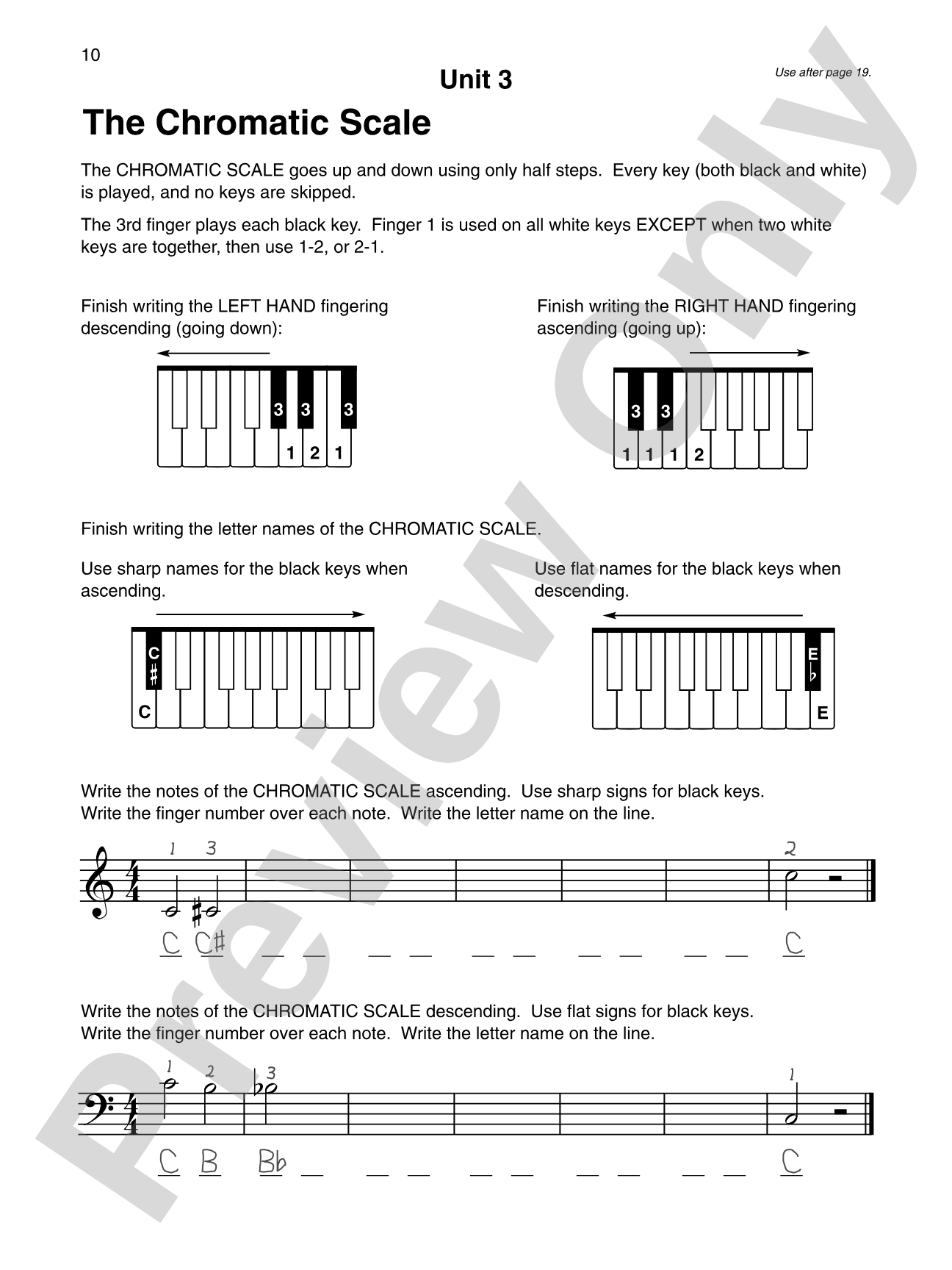
The Musical Concepts Book may be used after the student completes the Lesson Book to serve as an excellent review of important new concepts. Each of the 11 units consists of a two-page theoretical explanation and worksheet on a specific concept followed by an enjoyable solo to demonstrate and reinforce each new concept. A valuable and important follow-up to better understand the most important concepts. Solos: Sweet Betsy from Pike * Just Walkin' in the Rain * Jazzy Half Steps * Raccoon Ramble * A Little Bit Country * Gypsy Dances * Jumpin' Triads * Memories of Yesterday * Wild Pony Roundup * Greek Folk Dance * Basket of Roses * The Chase.
Discover MakeMusic Cloud: thousands of interactive titles your students can play along with today.
Martha Mier has shaped piano pedagogy for over three decades through her prolific output of educational compositions. A Florida State University graduate and certified piano teacher through multiple professional organizations, Mier spent years running her own studio while building a reputation as both a clinician and adjudicator; her workshops have reached teachers across Australia, New Zealand, and throughout the United States at conferences including the Music Teachers National Association and World Piano Pedagogy Conference.
Her catalog of more than 200 publications reflects deep understanding of student development across all levels. Works like the Jazz, Rags & Blues series and Romantic Impressions have found their way into studios worldwide, while numerous solos earned selection for the National Federation of Music Clubs Junior Festival Bulletin. Mier's role as co-author of Alfred's Premier Piano Course alongside her active involvement in church music and professional accompaniment work demonstrates her commitment to connecting theory with real musical experience.
Why we love this
Mier structures concept review around the actual music students want to play rather than isolated exercises. Each unit pairs focused theory work with an immediately rewarding solo that applies the concept in context, keeping motivation high while cementing understanding through performance.
What to expect
A collection that moves between familiar Americana melodies and more expressive character pieces, with enough rhythmic variety and harmonic color to hold student interest. The music sparkles without demanding technical showmanship, letting students focus on understanding the concepts themselves rather than wrestling with complex fingerings.
Who it's for
Intermediate piano students completing Level 3 lesson work who benefit from reinforcement through guided discovery. Teachers seeking a cohesive theory program that doesn't treat concepts as separate from musicianship will find this book maintains engagement where workbook-only approaches falter.
How to get the most out of it
Tackle the theory worksheet before attempting the solo so students grasp what they're listening and looking for during practice.
Choose 2-3 solos across the book for recital programming rather than working through all 12 sequentially; this lets students experience the satisfaction of performing refined work while maintaining momentum on other materials.
Encourage students to experiment with tempo and character interpretations in pieces like Jumpin' Triads and Raccoon Ramble; the harmonic content supports expressive rubato once the notes are secure.
Record student performances of contrasting solos (perhaps a waltz and a jazz piece) to build listening skills and reinforce how the same technical concepts function across different styles.
How to use it
Integrate one unit per week alongside lesson book material during the Level 3 year to deepen conceptual understanding without adding workload. The strong solos merit inclusion in spring recitals, offering accessible but substantial performance options that demonstrate student growth.
Skills your students will build
Understanding harmonic function through triadic construction and application
Recognition and performance of half steps and their melodic use
Rhythmic independence between hands in varied time signatures
Stylistic awareness across folk traditions, jazz, and contemporary idioms
Self-directed concept review through structured worksheet completion
You May Also Like
Scan to Complete Your Purchase
Use your phone's camera to scan the code below
You'll log in on your phone and the order will be added to your account