

Alfred's Basic Piano Library: Musical Concepts Book 2: Piano Book
$8.95 USD
Sale price
$8.95 USD
Regular price
Skip to product information


Alfred's Basic Piano Library: Musical Concepts Book 2: Piano Book
Theory Worksheets and Solos
By Martha Mier and June C. Montgomery
Level: 2
Item: 00-14521
$8.95
One moment…
Description
The Musical Concepts Book may be used after the student completes the Lesson Book to serve as an excellent review of important new concepts. Each of the 11 units consists of a two-page theoretical explanation and worksheet on a specific concept followed by an enjoyable solo to demonstrate and reinforce each new concept. A valuable and important follow-up to better understand the most important concepts.
Solos: Hot Chili Peppers * Down Woodpecker Lane * Hound Dog Blues * Allemande in C * Computer Chatter * White Water Rafting * Canoeing Down River * Old Folks at Home * Jazz-a-ma-tazz * The Royal Procession * Red Barn Jamboree.


Solos: Hot Chili Peppers * Down Woodpecker Lane * Hound Dog Blues * Allemande in C * Computer Chatter * White Water Rafting * Canoeing Down River * Old Folks at Home * Jazz-a-ma-tazz * The Royal Procession * Red Barn Jamboree.
Discover MakeMusic Cloud: thousands of interactive titles your students can play along with today.
Sample Audio
No sample audio found.
Sample Video
No sample videos found.
Additional Details
More about this title
About the Authors
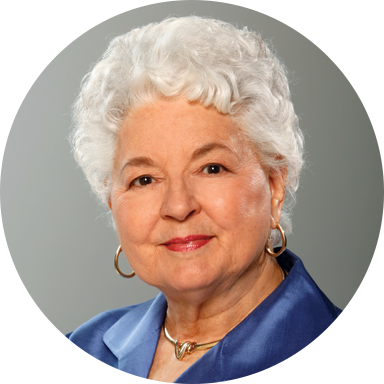
Martha Mier is an internationally recognized composer and clinician at Alfred Music Publishing, where she has worked since 1989. Her educational piano compositions for students at all levels have established her as one of the most sought-after composers in music education today. Her works, including the Jazz, Rags & Blues series and the Romantic Impressions series, are performed by students around the globe.
A graduate of Florida State University and member of Sigma Alpha Iota, Mier holds state and national certification as a piano teacher through the Music Teachers National Association, the Florida State Music Teachers Association, and the National Guild of Piano Teachers. Her solos and collections have been featured in the National Federation of Music Clubs Junior Festival Bulletin. She is co-author of Alfred's Premier Piano Course and has created more than 200 educational piano publications.
Mier operated a private piano studio in Lake City, Florida for many years while remaining active in church music and professional accompanying. As a clinician and adjudicator, she has conducted workshops for educators in Australia, New Zealand, and throughout the United States at venues including the Music Teachers National Association Conference, the National Piano Teachers Institute, and the World Piano Pedagogy Conference.
A graduate of Florida State University and member of Sigma Alpha Iota, Mier holds state and national certification as a piano teacher through the Music Teachers National Association, the Florida State Music Teachers Association, and the National Guild of Piano Teachers. Her solos and collections have been featured in the National Federation of Music Clubs Junior Festival Bulletin. She is co-author of Alfred's Premier Piano Course and has created more than 200 educational piano publications.
Mier operated a private piano studio in Lake City, Florida for many years while remaining active in church music and professional accompanying. As a clinician and adjudicator, she has conducted workshops for educators in Australia, New Zealand, and throughout the United States at venues including the Music Teachers National Association Conference, the National Piano Teachers Institute, and the World Piano Pedagogy Conference.
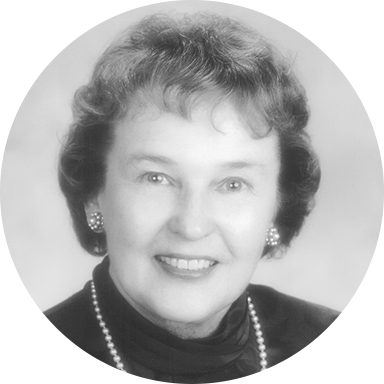
June C. Montgomery is an honor graduate of Florida State University with extensive experience in music education. She has taught private piano lessons for over 20 years and spent six years teaching elementary school music, during which she earned recognition as an Outstanding Elementary Teacher of America and served as a member of Delta Kappa Gamma.
Montgomery has established herself as a prolific composer and author for Alfred Publishing Company. Her published works include the FUNdamental Musicianship Skills series, the Piano Camp series, and Theory Through the Year for Alfred's Basic Piano Library. She collaborated with Maurice Hinson on the Meet the Great Composers books and with Martha Mier on the Musical Concepts series, in addition to composing numerous piano solos.
Her contributions to music education extend beyond publishing. Montgomery has served as a clinician at district and state conventions throughout Florida, presented at the Glover International Workshop in Virginia, and participated in Music Teachers National Association conventions. She remains active in her church as both a pianist and director of children's choirs, and serves as the carillonneur at the Stephen Foster Memorial.
Montgomery has established herself as a prolific composer and author for Alfred Publishing Company. Her published works include the FUNdamental Musicianship Skills series, the Piano Camp series, and Theory Through the Year for Alfred's Basic Piano Library. She collaborated with Maurice Hinson on the Meet the Great Composers books and with Martha Mier on the Musical Concepts series, in addition to composing numerous piano solos.
Her contributions to music education extend beyond publishing. Montgomery has served as a clinician at district and state conventions throughout Florida, presented at the Glover International Workshop in Virginia, and participated in Music Teachers National Association conventions. She remains active in her church as both a pianist and director of children's choirs, and serves as the carillonneur at the Stephen Foster Memorial.