

Alfred's Basic Piano Library: Merry Christmas! Ensemble, Complete Book 2 & 3: For the Later Beginner: Piano
For the Later Beginner
By Gayle Kowalchyk and E. L. Lancaster
Level: 2 & 3
Item: 00-PB-0000948
$9.99
Pickup currently not available
Related Items
Alfred's Basic Piano Library: Merry Christmas! Ensemble, Complete Book 2 & 3: Piano Book |
$9.99
|
View |
Description
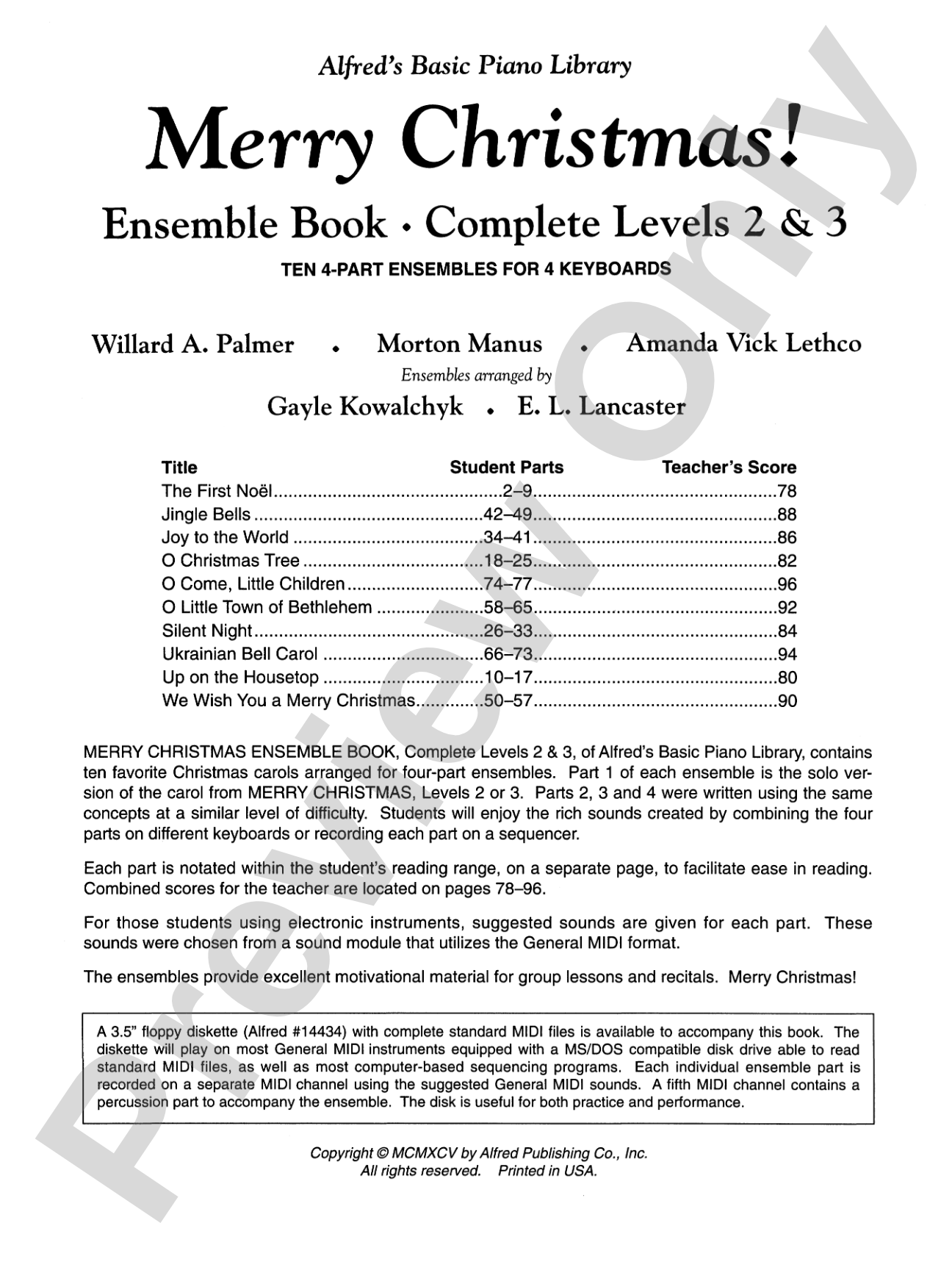
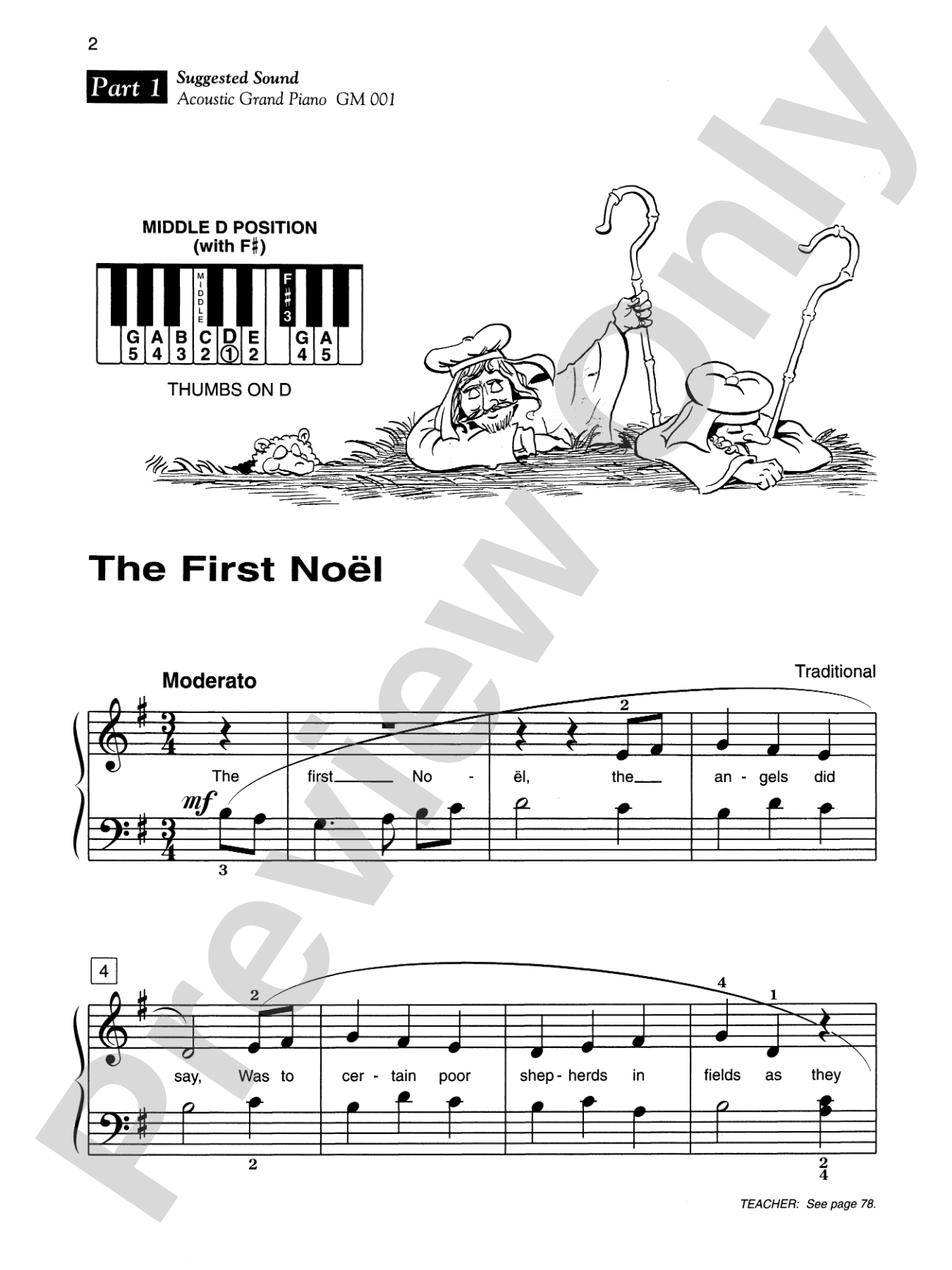
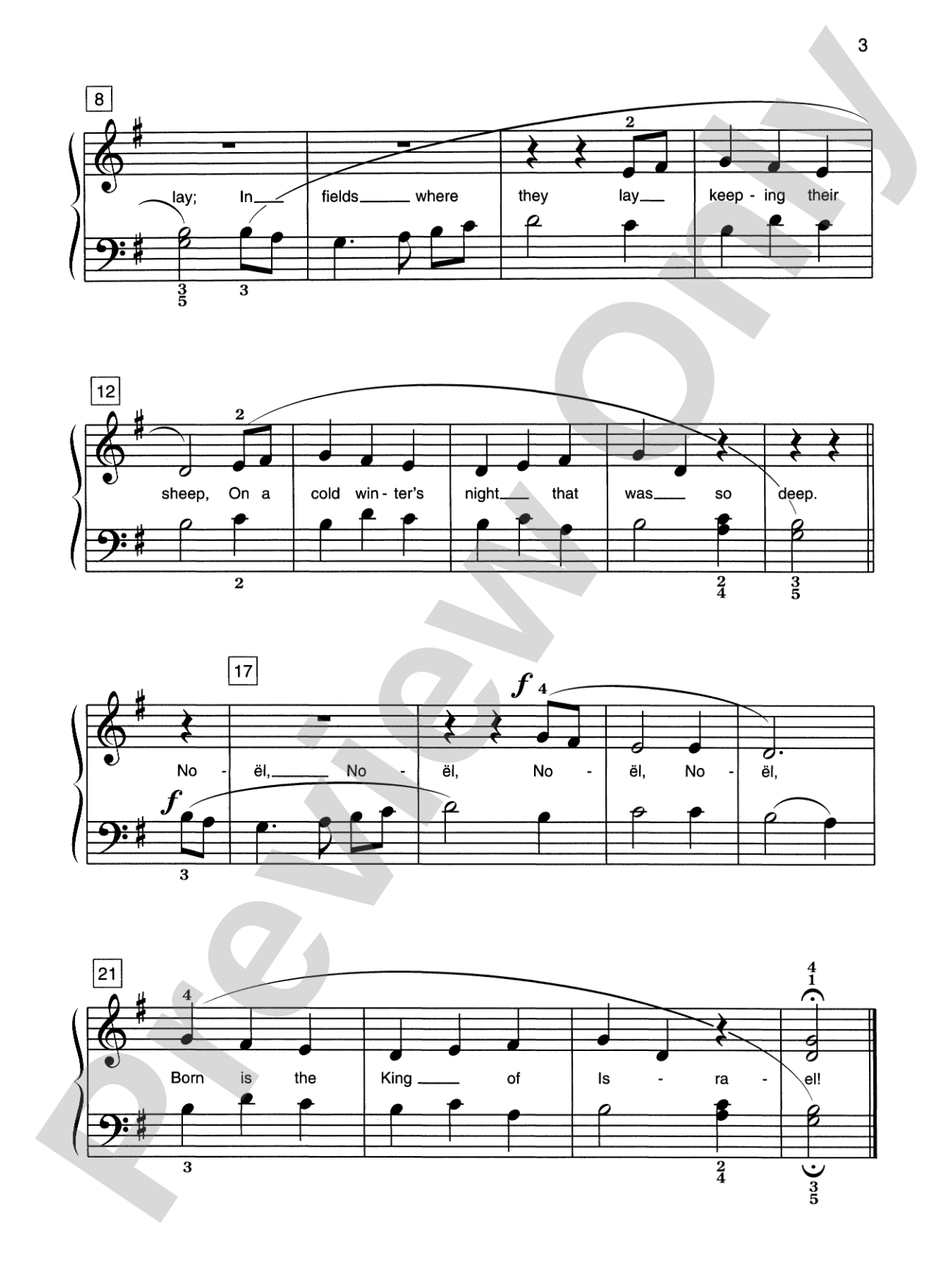
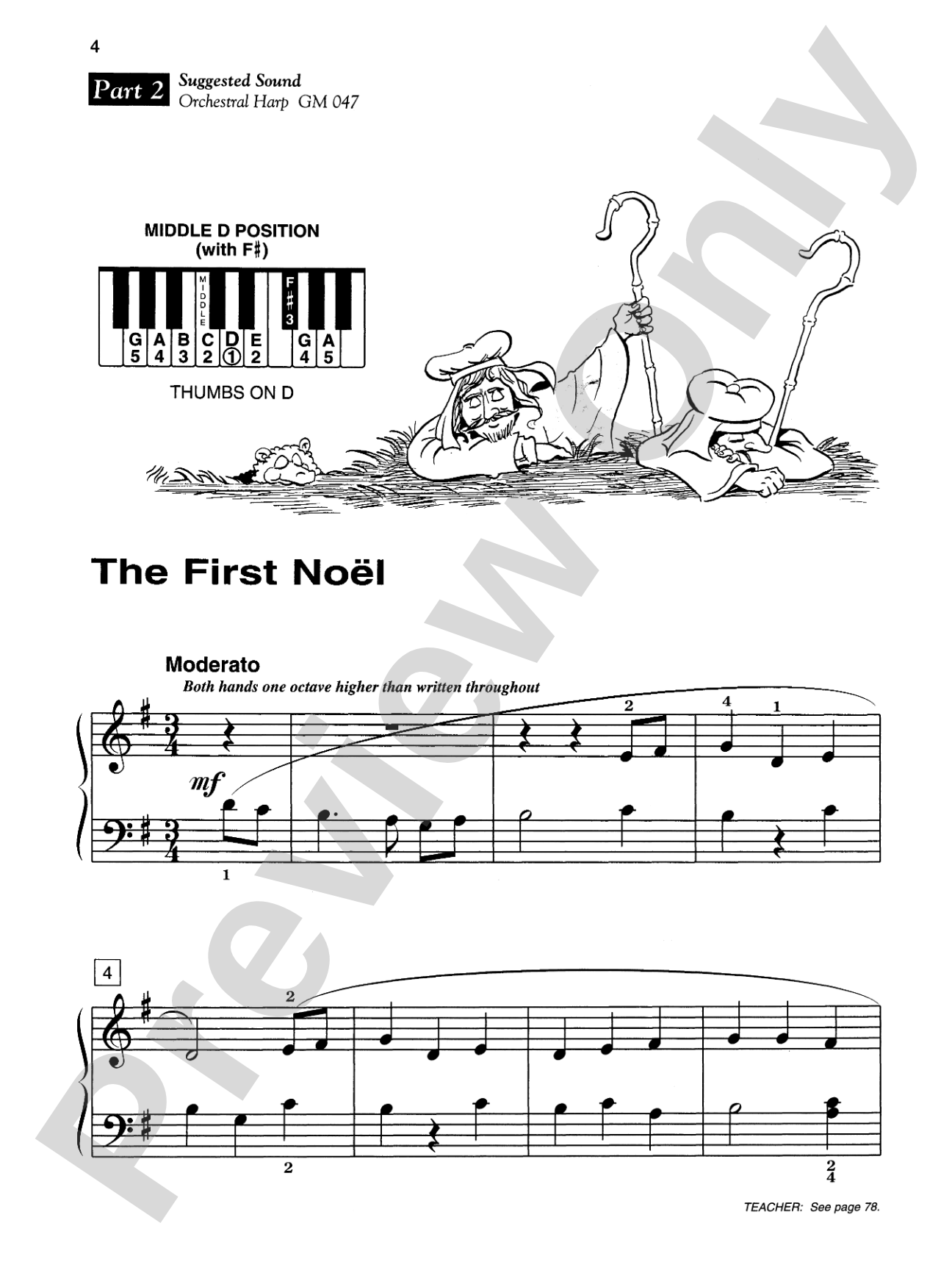
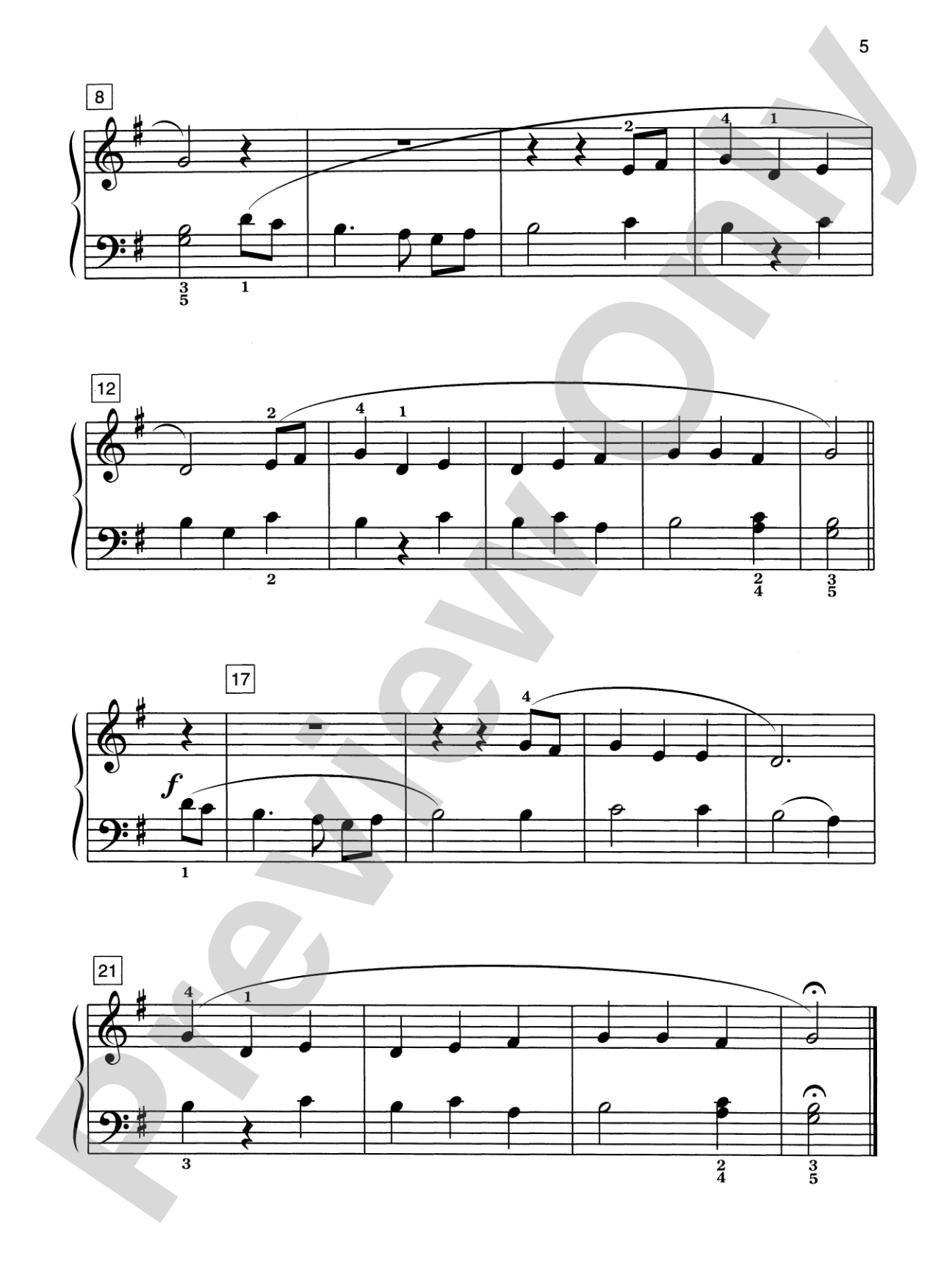
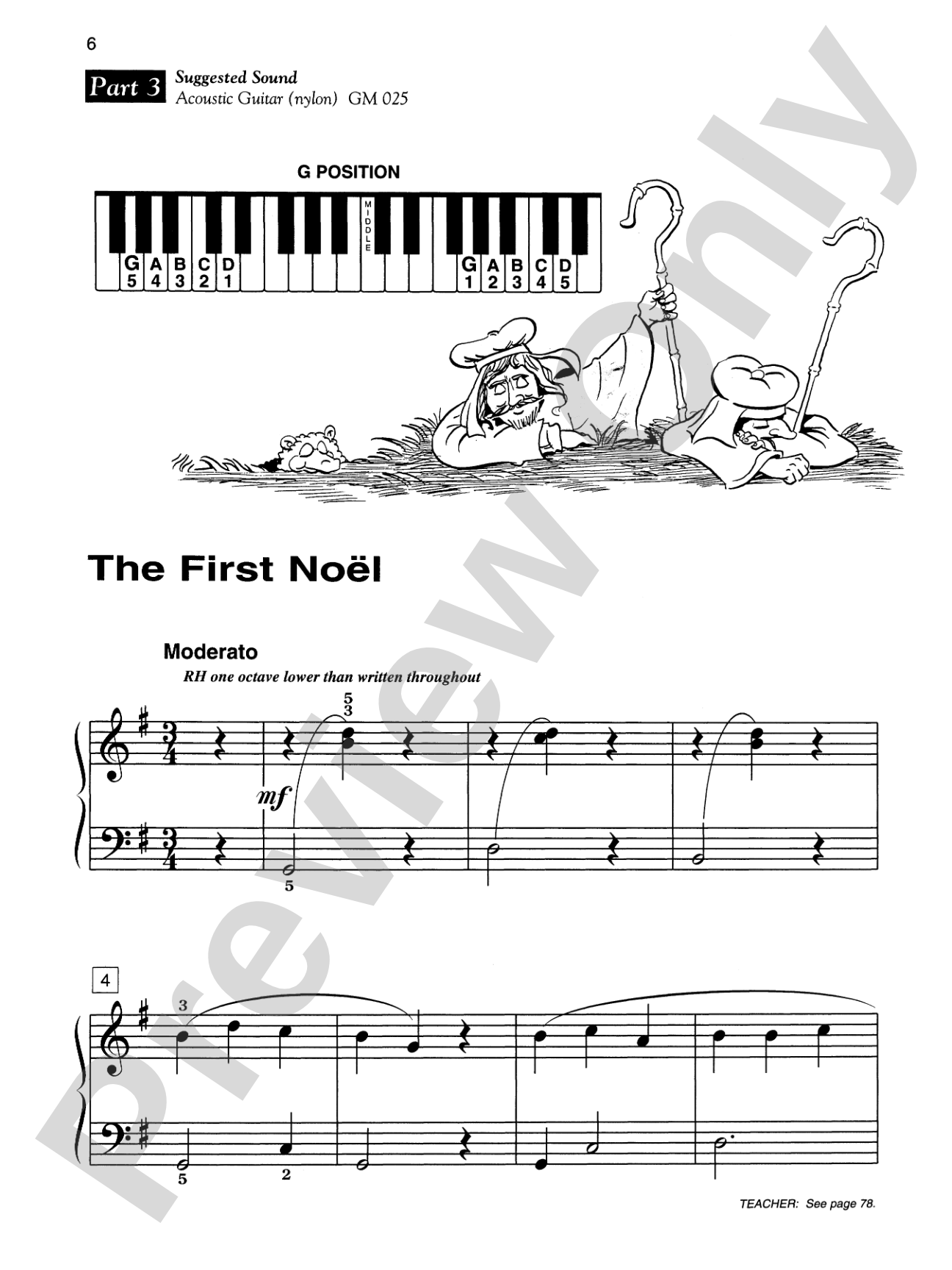
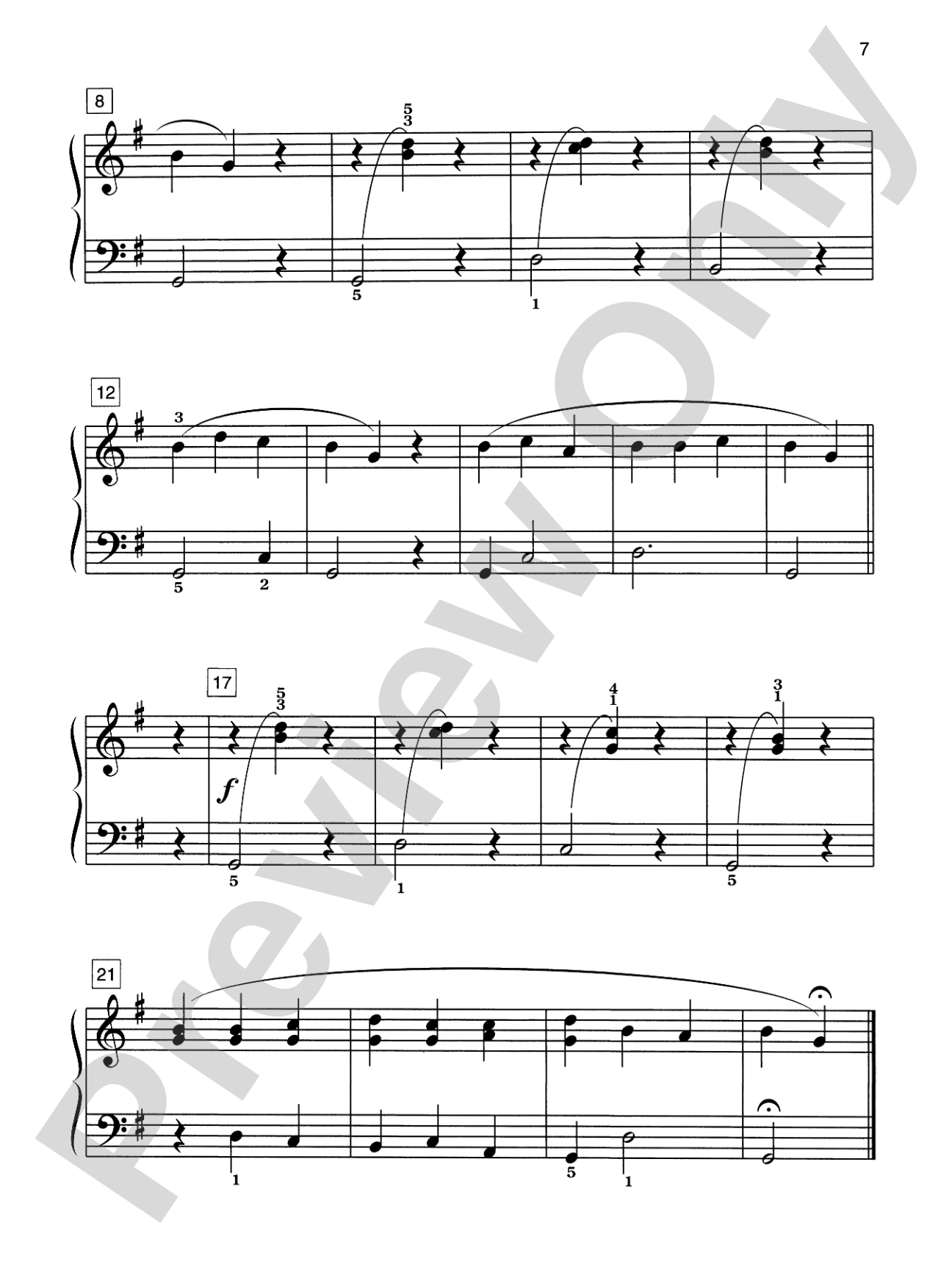
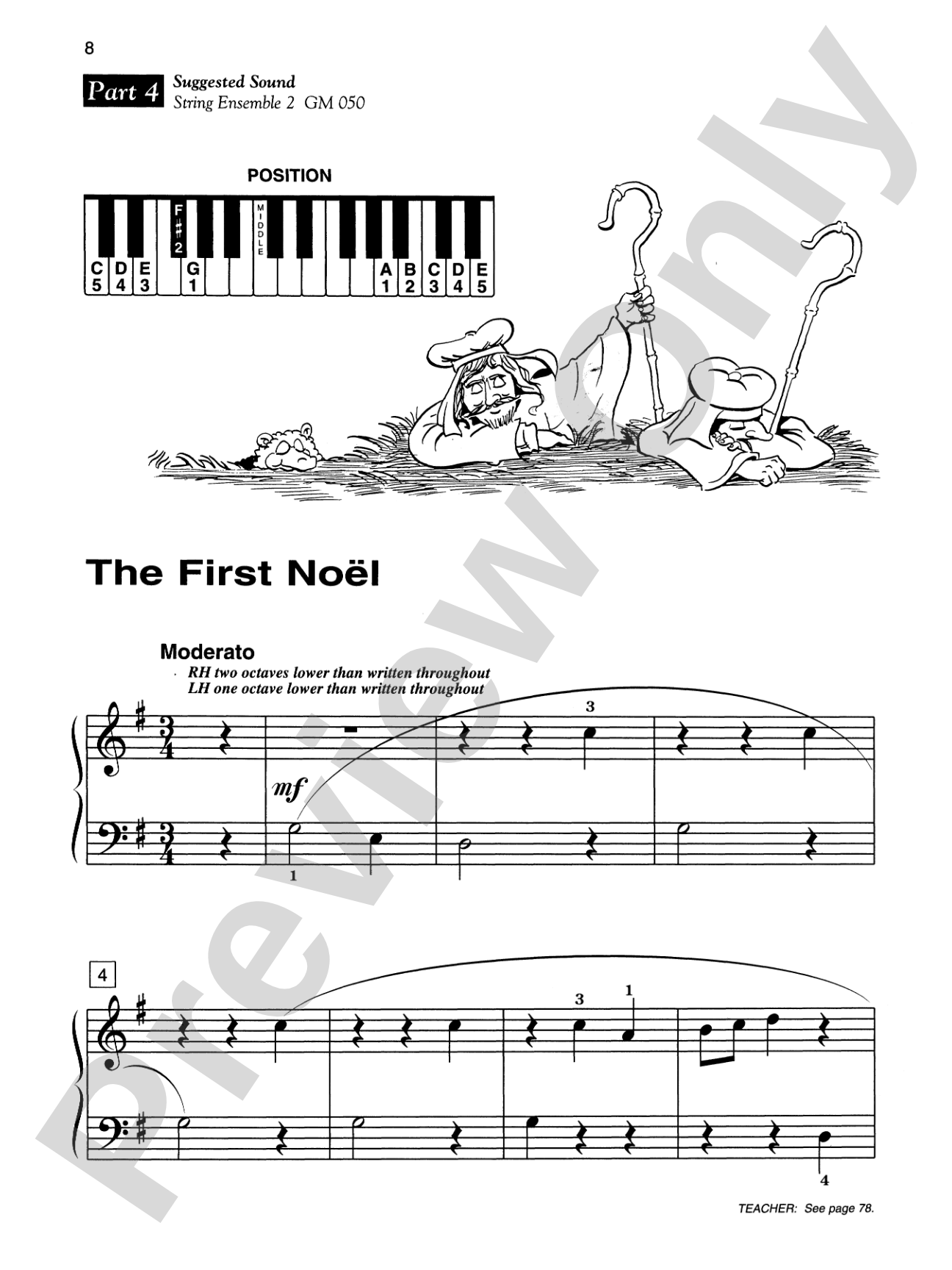
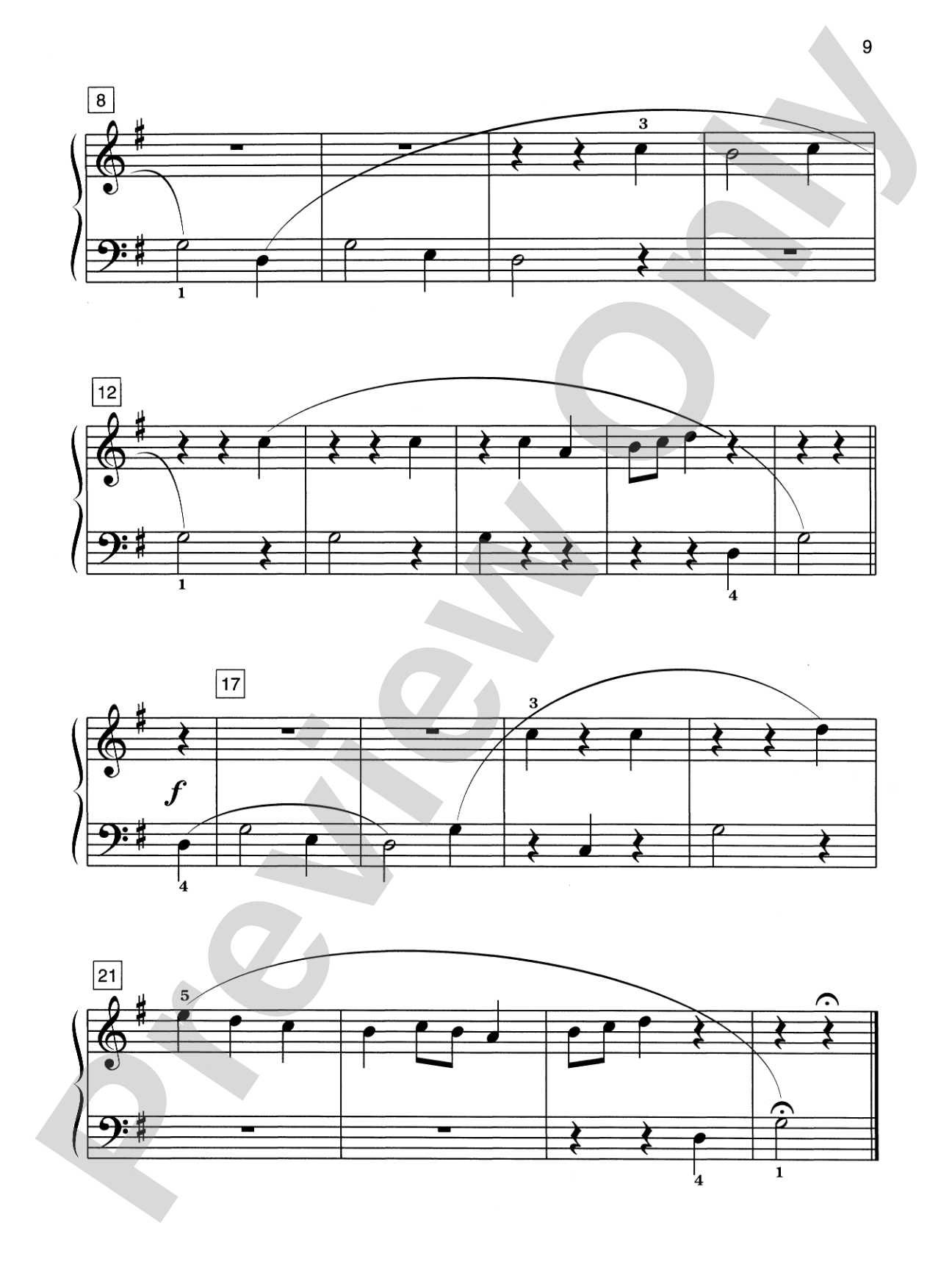
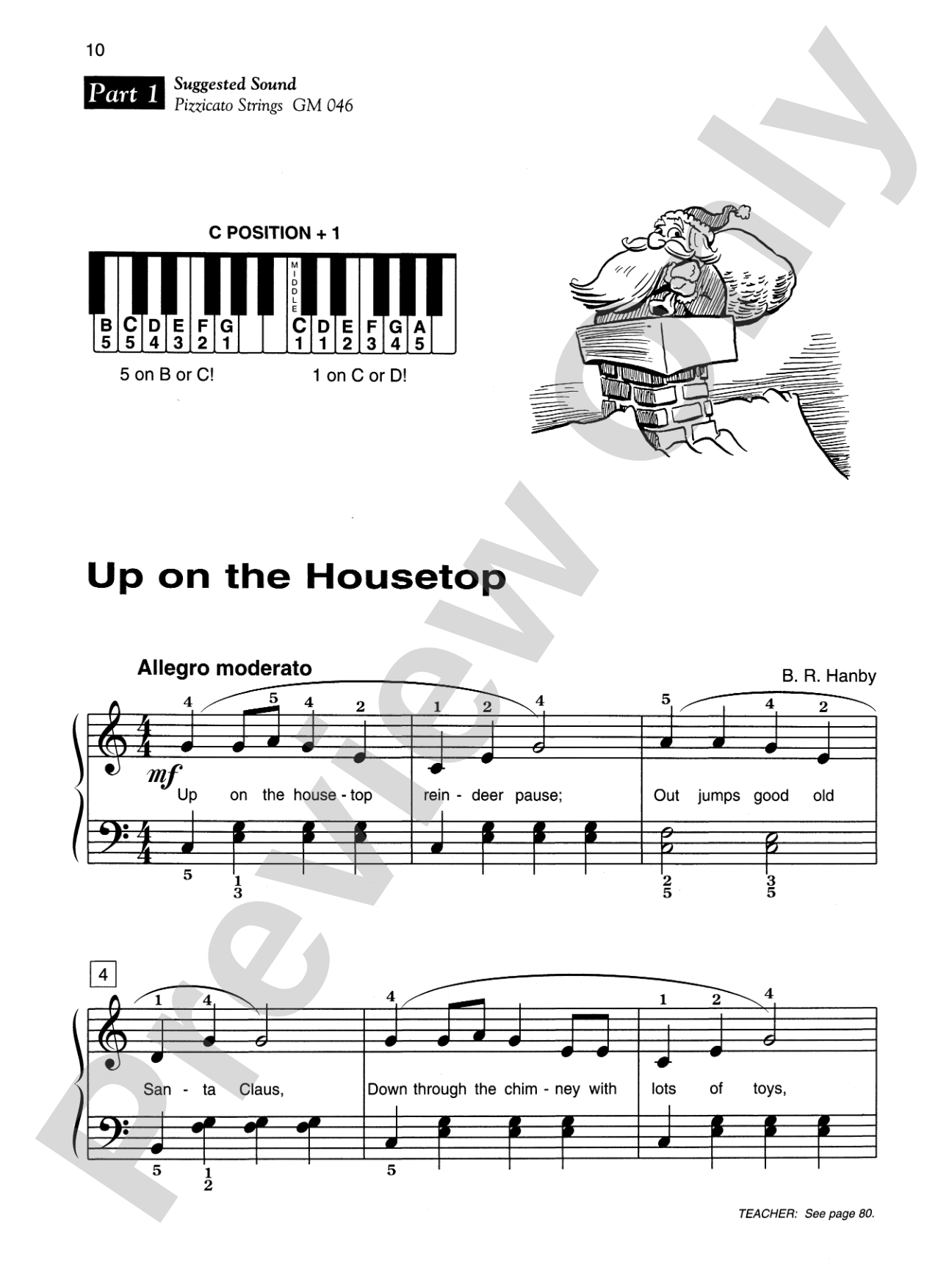
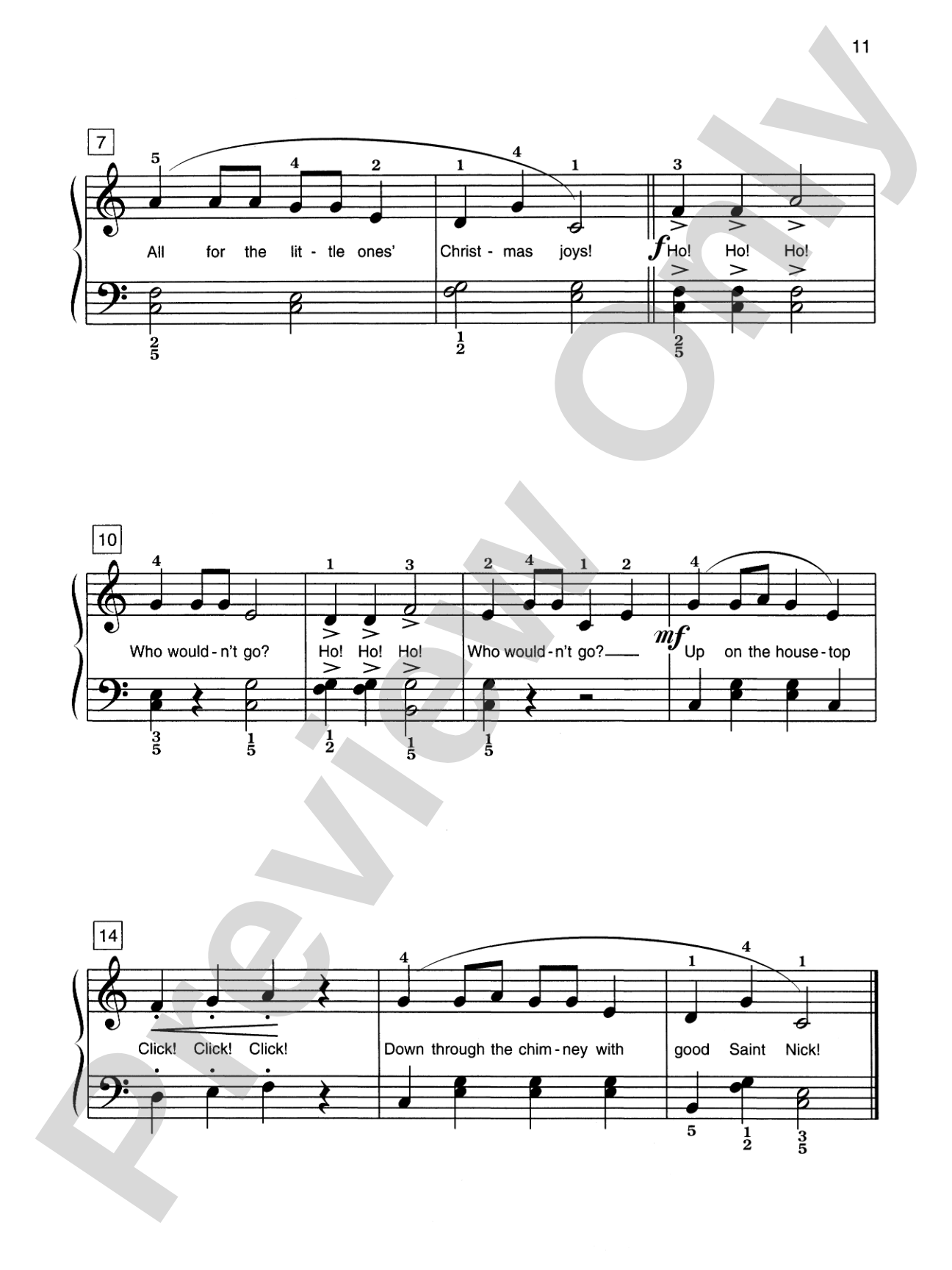
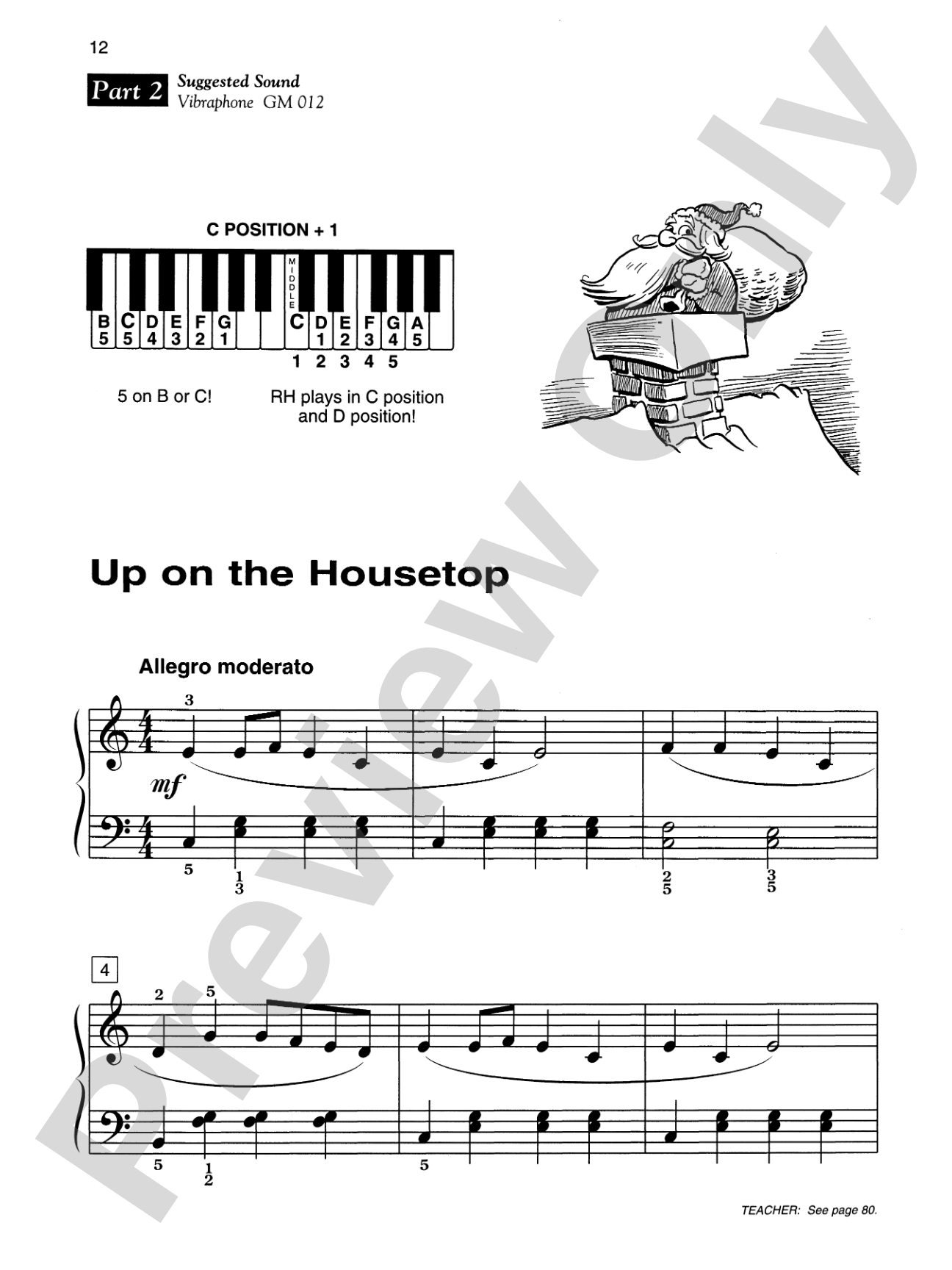
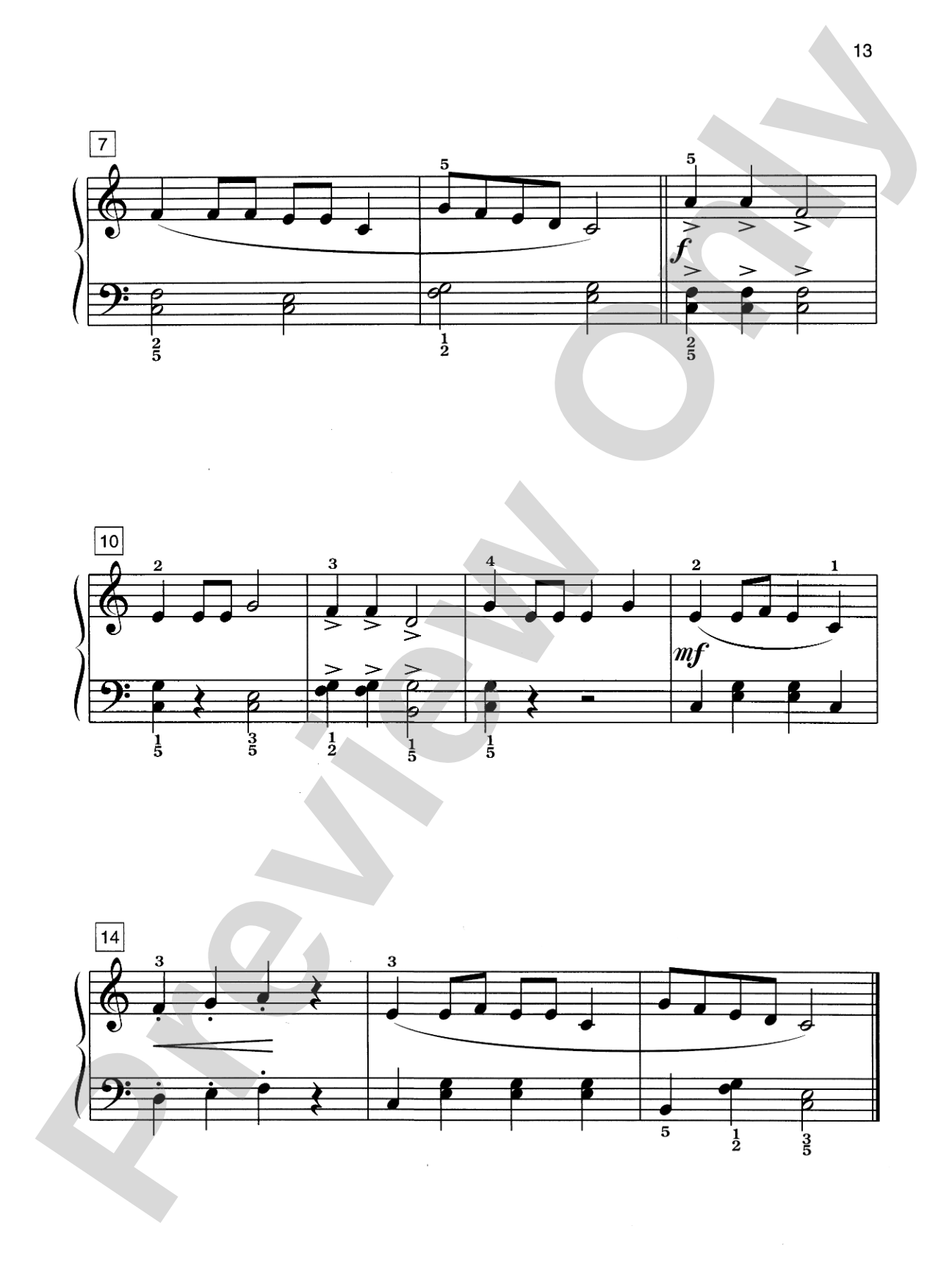
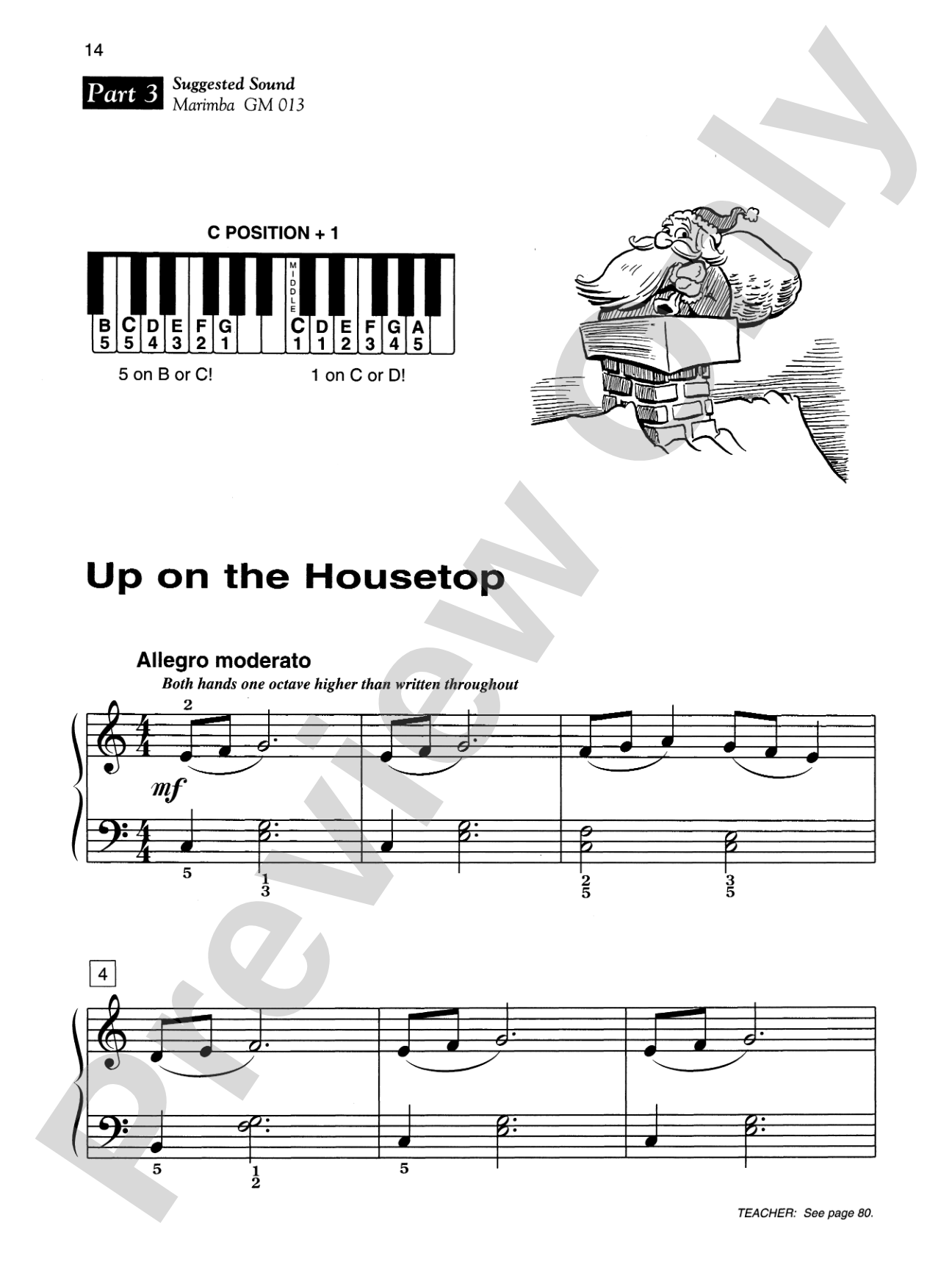
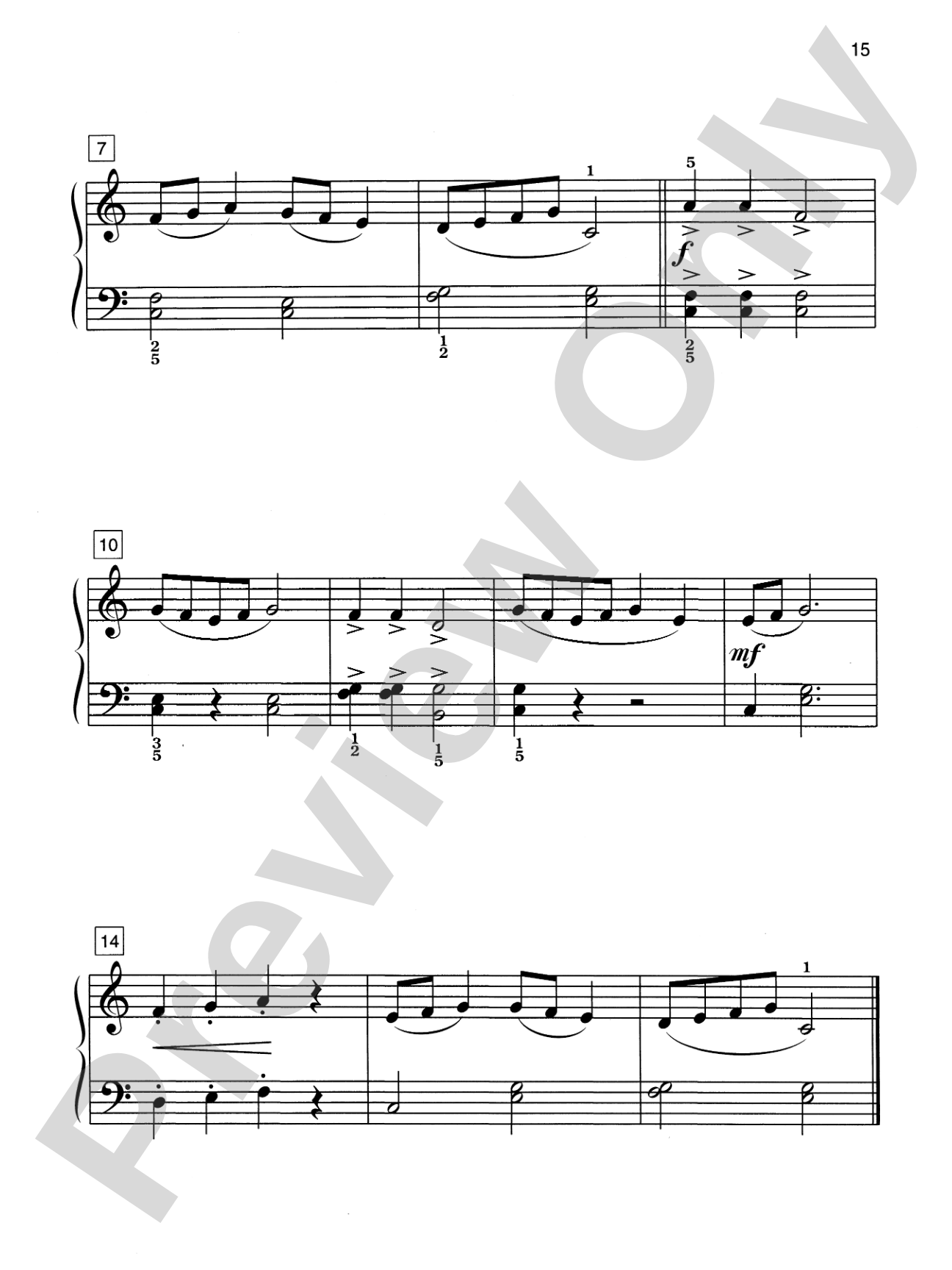
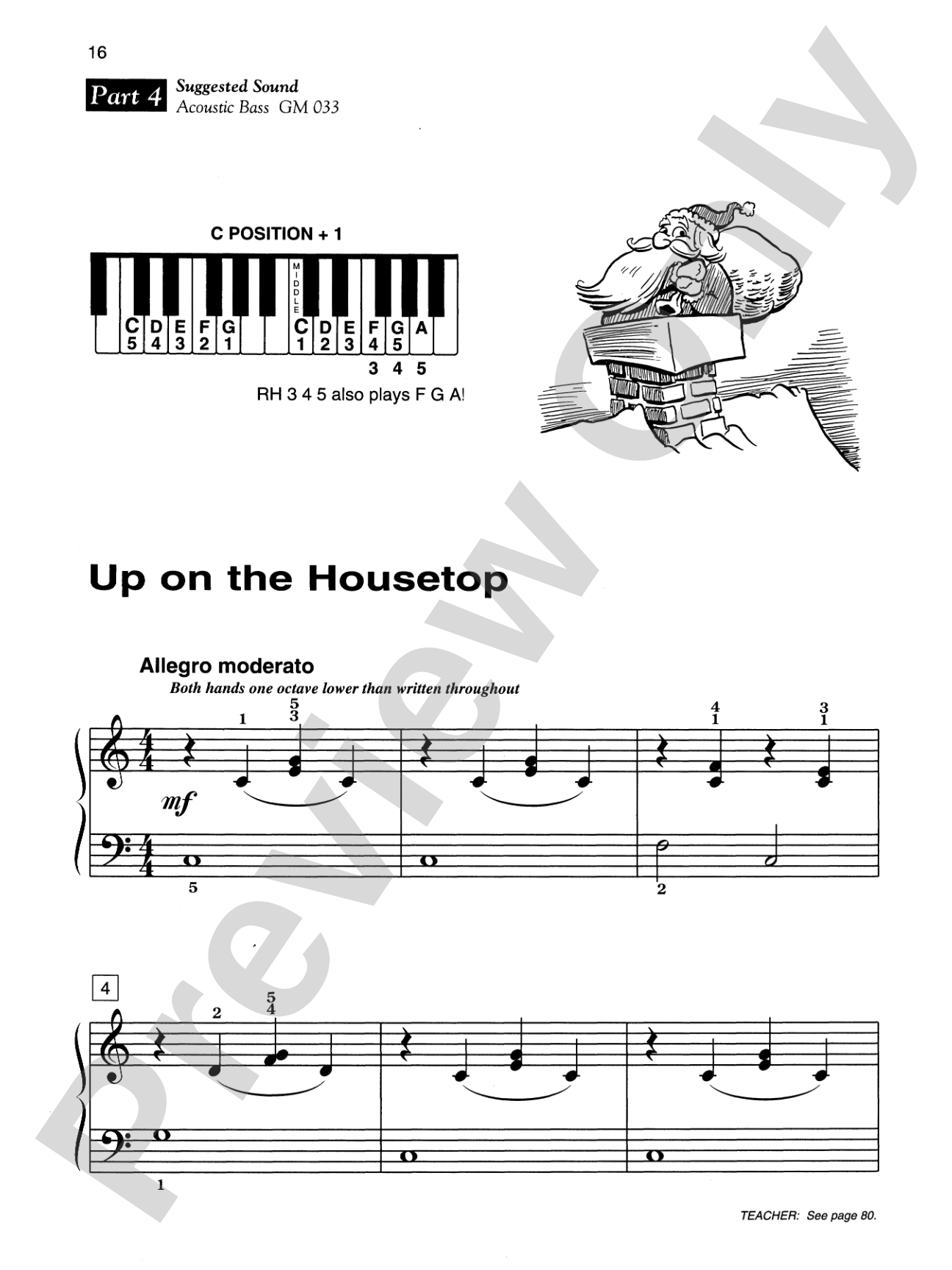
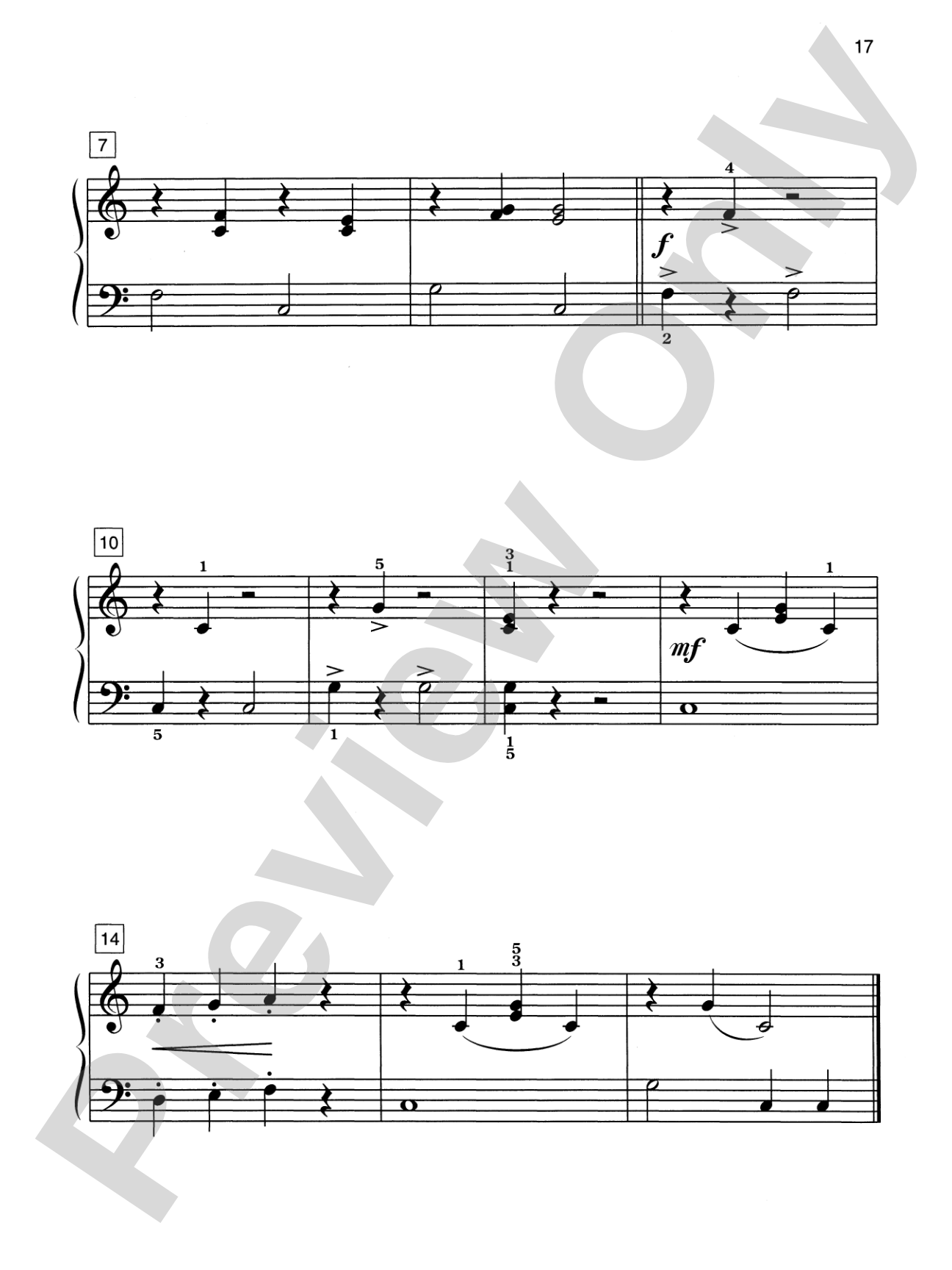
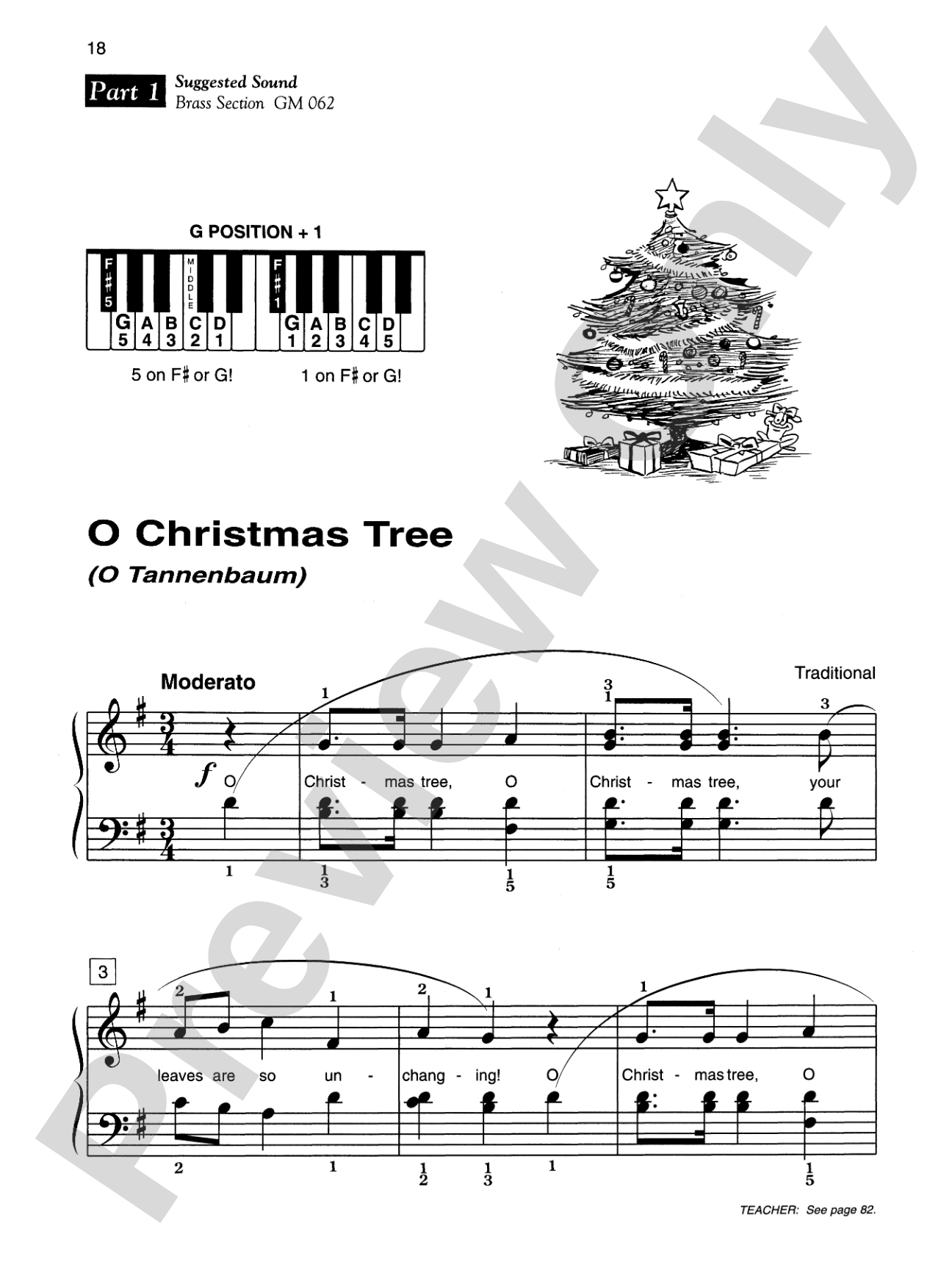
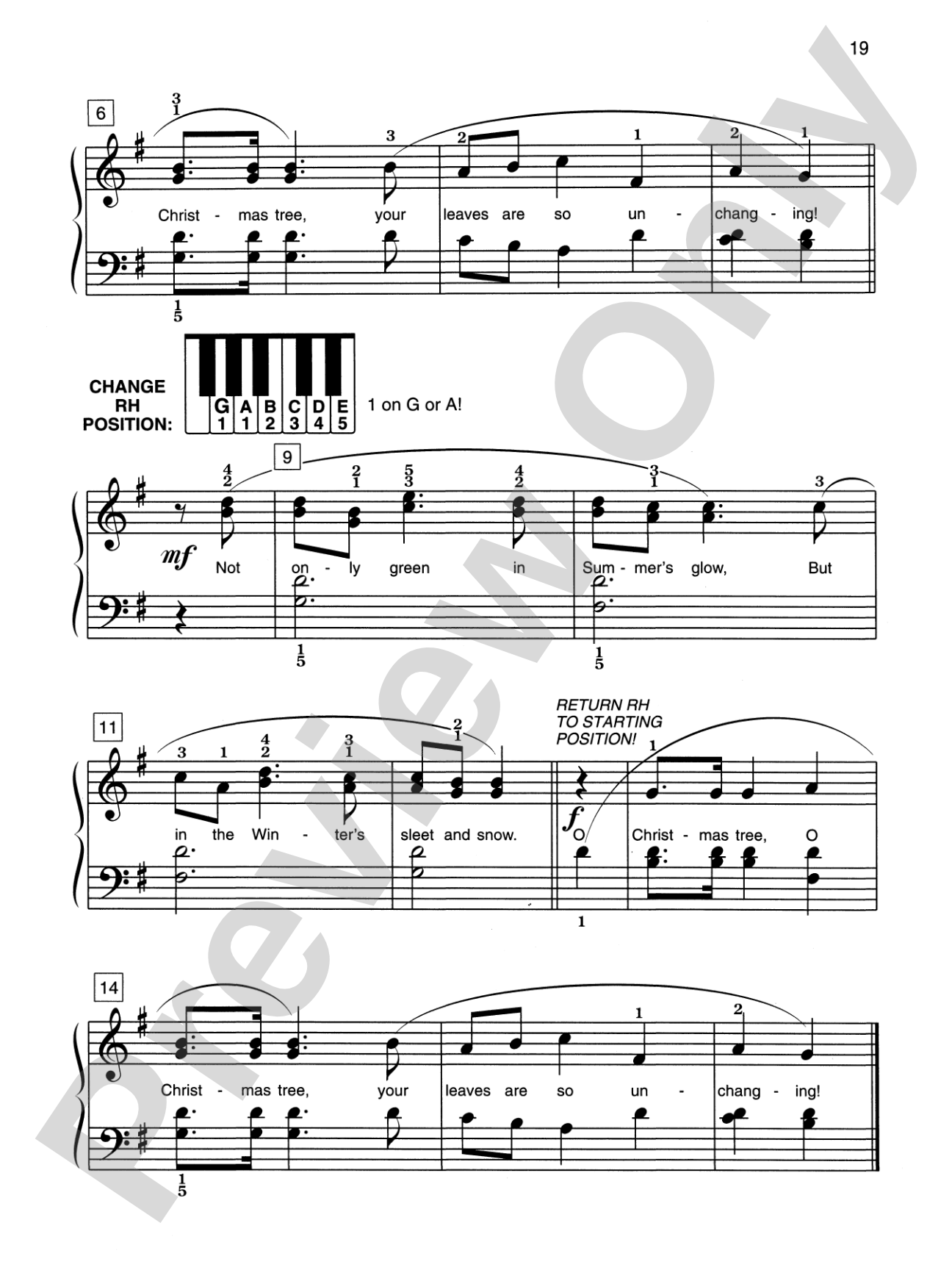
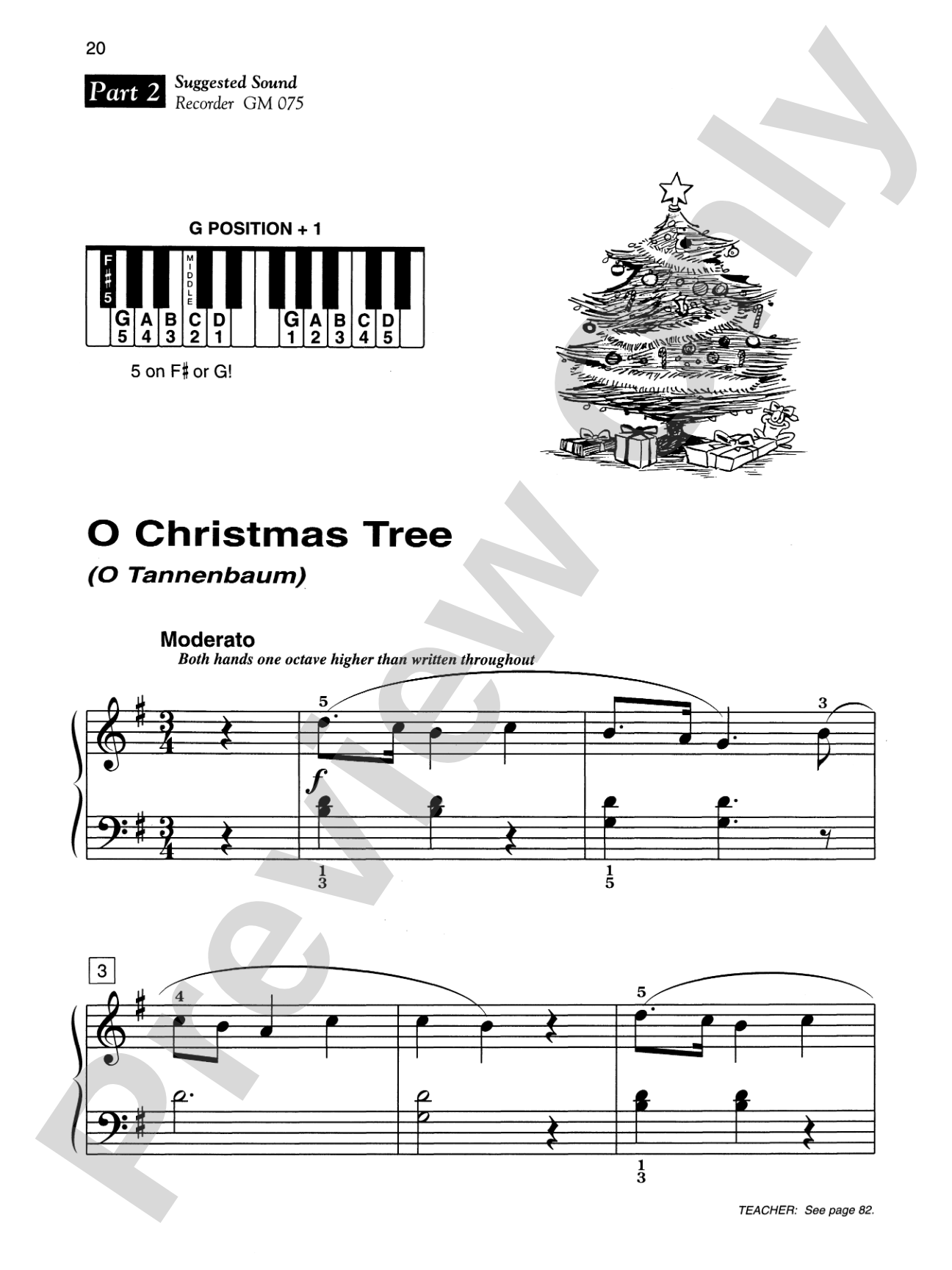
Each book in this series contains six favorite Christmas carols arranged for four part ensembles. Part 1 is the solo version of the carol from Merry Christmas! with parts 2, 3 and 4 written using the same concepts and hand positions at the same level of difficulty. Also includes suggested sounds for electronic keyboards. General MIDI compatible. Titles: The First Noel * Jingle Bells * Joy to the World * O Christmas Tree * O Come, Little Children * O Little Town of Bethlehem * Silent Night * Ukrainian Bell Carol * Up on the Housetop * We Wish You a Merry Christmas.


Discover MakeMusic Cloud: thousands of interactive titles your students can play along with today.
Sample Audio
No sample audio found.
Sample Video
No sample videos found.
Additional Details
Series:
Alfred's Basic Piano Library
Publisher:
Alfred Music
Page Count:
96
SKU:
00-PB-0000948
More about this title
About the Composer: Gayle Kowalchyk
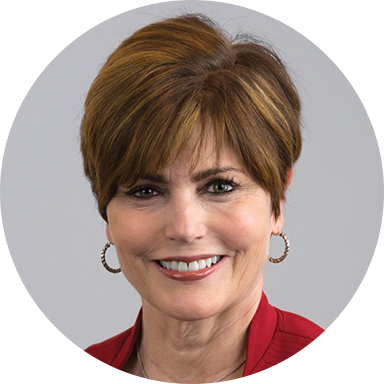
Dr. Gayle Kowalchyk brings decades of piano pedagogy expertise to her work at California State University, Northridge, where she teaches class piano, private piano, and piano pedagogy. She earned her piano performance degree from Ohio University, completed advanced studies in performance and pedagogy at Northwestern University, and holds an Ed.D. in piano pedagogy from Teachers College, Columbia University. Her teaching career has spanned multiple institutions, including Eastern Illinois University where she coordinated the class piano program and directed the piano preparatory program, as well as faculty positions at Oklahoma Baptist University and the University of Oklahoma.
With her husband Dr. E. L. Lancaster, Kowalchyk has authored over 300 educational piano publications, establishing herself as a major voice in piano curriculum design. Her work includes the widely adopted Alfred's Premier Piano Course and Music for Little Mozarts series. She regularly presents at national conferences including those hosted by the Music Teachers National Association, the Music Educators National Conference, and the National Conference on Piano Pedagogy. Beyond her academic work, she serves as a clinician for Alfred Music and maintains an active presence in piano education advocacy.
Why we love this
Kowalchyk and Lancaster understood that ensemble playing deepens young pianists' musicianship in ways solo repertoire cannot. By arranging these beloved carols with all four parts written at the same level, they removed the guesswork from finding compatible ensemble material for early-intermediate students. The flexibility to assign different parts based on student readiness means every pianist in the room plays a version that engages them without frustration.
What to expect
Familiar carols bloom with new vitality when heard in four-part harmony. Each arrangement respects the melody students know while adding gentle harmonic depth and rhythmic support that makes even modest-paced performances sound polished and warm. There's joy in hearing a carol transformed through ensemble collaboration.
Who it's for
This collection works for piano teachers managing mixed-ability studio groups or classroom piano settings where students progressing through Alfred's Basic Piano Library need ensemble repertoire at their exact level. It's ideal for holiday recitals, school winter concerts, or community performances where you need attractive, learnable material that feels complete without the logistics of recruiting outside musicians.
How to get the most out of it
- Start rehearsals by having each part play their melody separately so students hear how their line contributes to the whole arrangement. This builds ownership and confidence before layering parts.
- Assign parts strategically based on individual student progress rather than strictly by grade level. A strong Level 2 student can handle a Part 3 line while a Level 3 student who needs reinforcement might play Part 2 in a different carol.
- Experiment with the suggested electronic keyboard sounds to shape the character of each carol. Fuller orchestral textures can mask ensemble balance issues during rehearsal, but chamber-like sounds force students to listen and adjust.
- Record a quick run-through of all four parts separately, then play back the full ensemble version so students hear the sonic payoff of their individual preparation.
How to use it
These arrangements fit naturally into December recitals, whether as opening numbers that showcase ensemble collaboration or as crowd-pleasing closer. They also work well in November as students prepare for winter programs, offering repertoire that advances technical skills while celebrating a season-specific goal.
Skills your students will build
- Playing melodic lines and harmonic parts with secure rhythm and note reading at Level 2-3
- Listening to and balancing with three other pianists while maintaining independent part accuracy
- Hand position stability and technique transfer across multiple pieces sharing similar technical concepts
- Sight-reading four-part arrangements and managing keyboard navigation with multiple performers
- Ensemble awareness including tempo consistency, dynamic shaping, and collective phrasing