

Alfred's Basic Piano Library: Merry Christmas! Ensemble, Book 1B: Piano
By Gayle Kowalchyk and E. L. Lancaster
Level: 1B
Item: 00-PB-0002341
$9.99
Pickup currently not available
Related Items
Alfred's Basic Piano Library: Merry Christmas! Ensemble, Book 1B: Piano Book |
$9.99
|
View |
Description
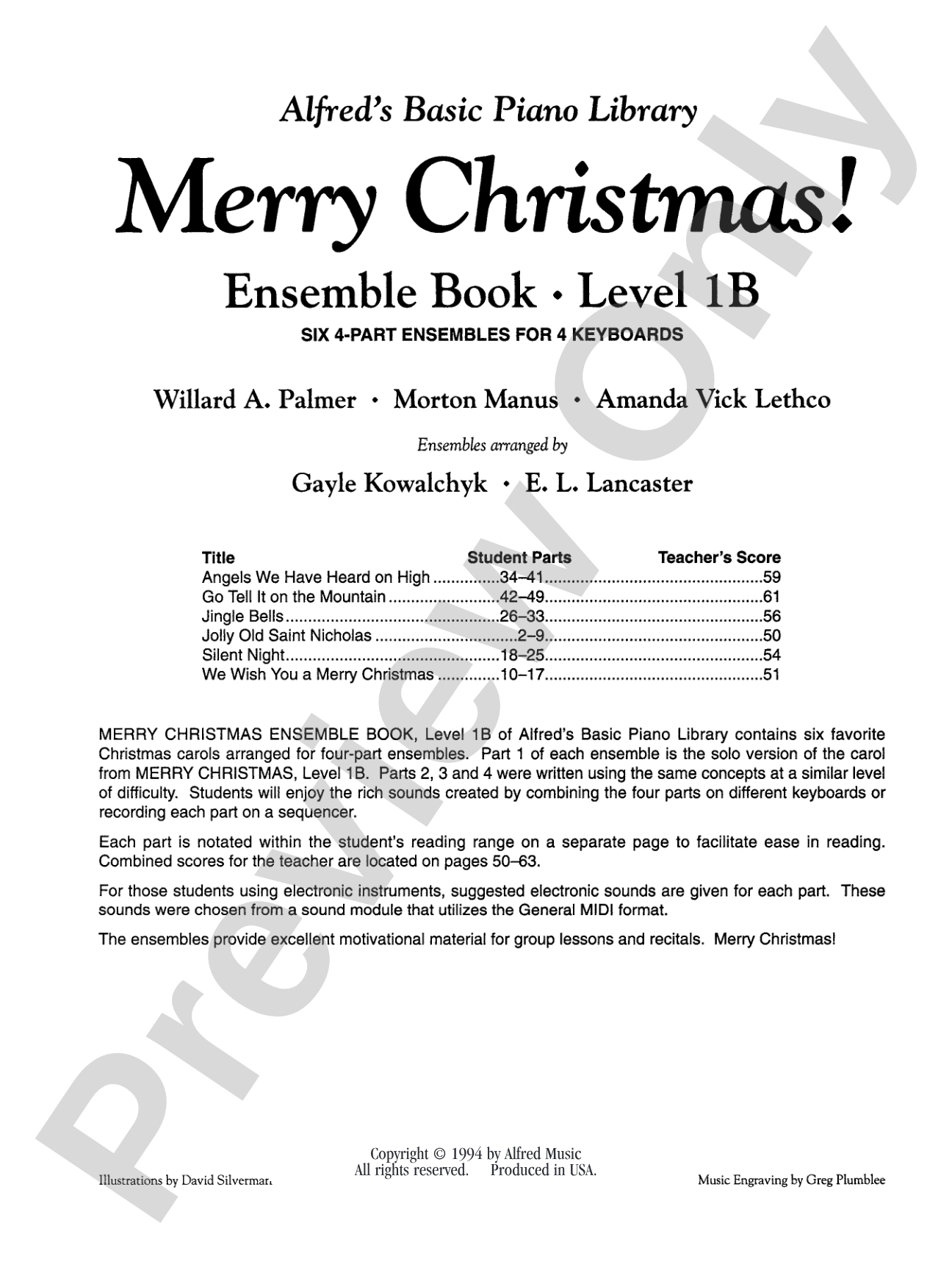
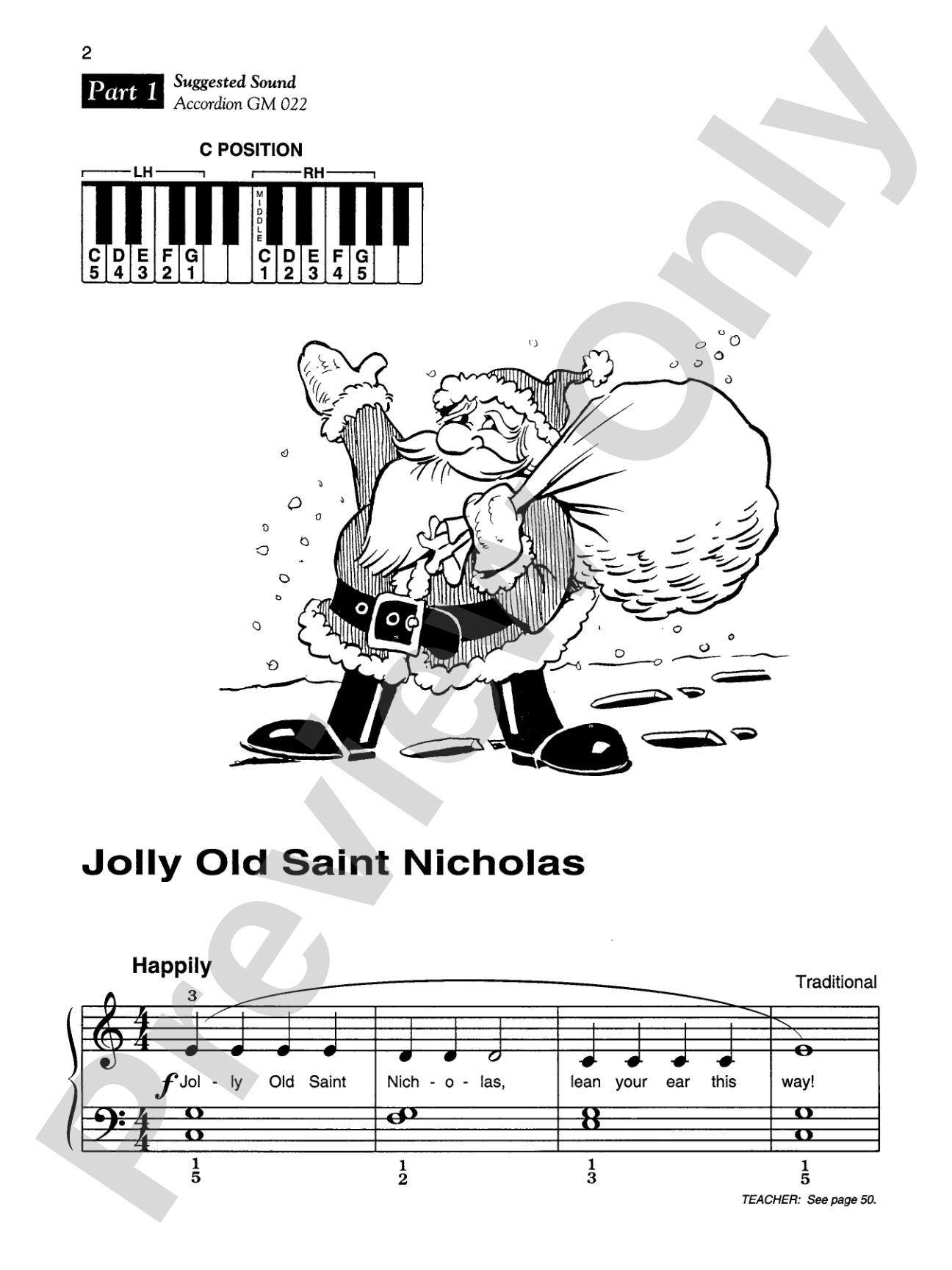
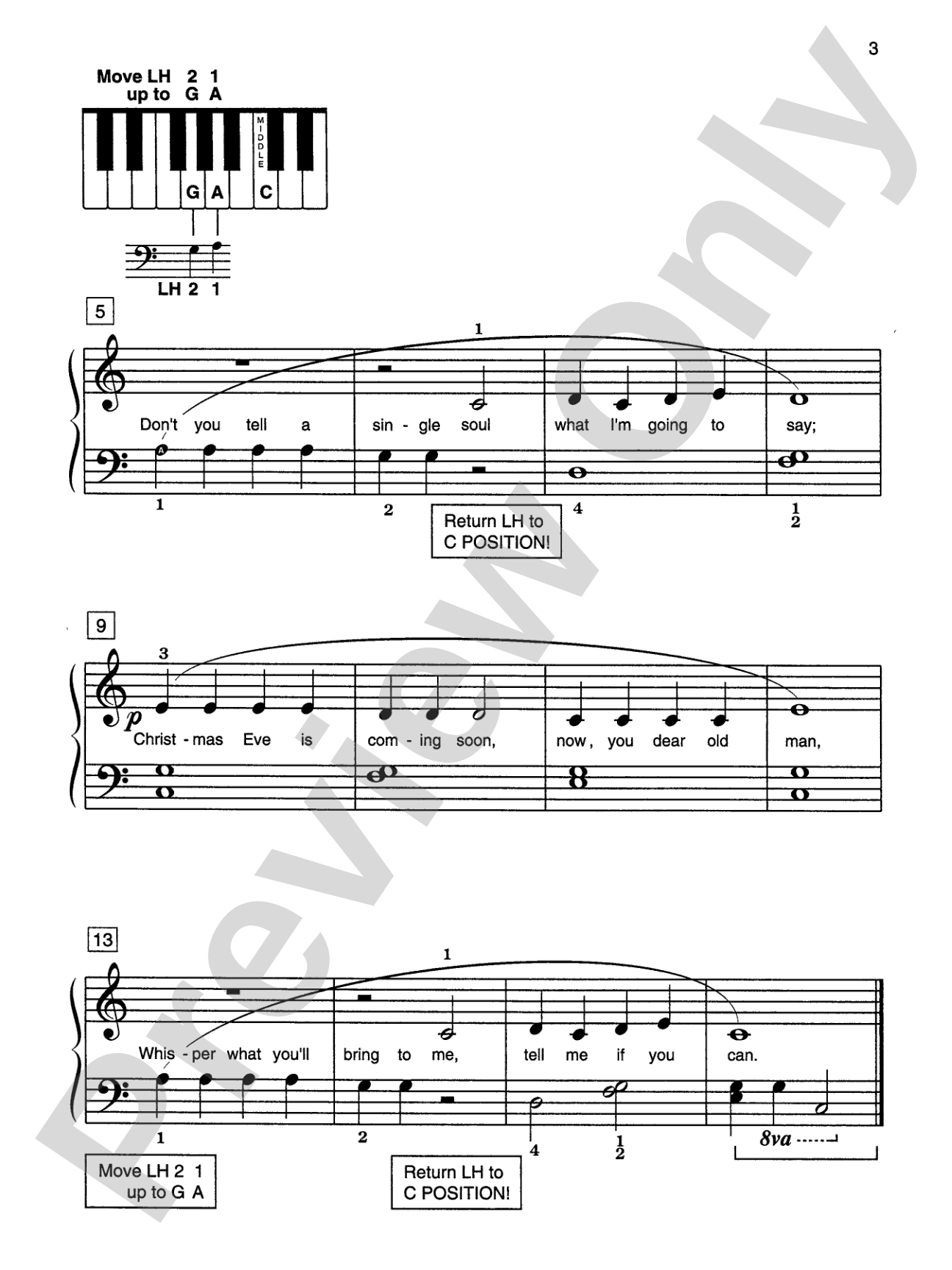
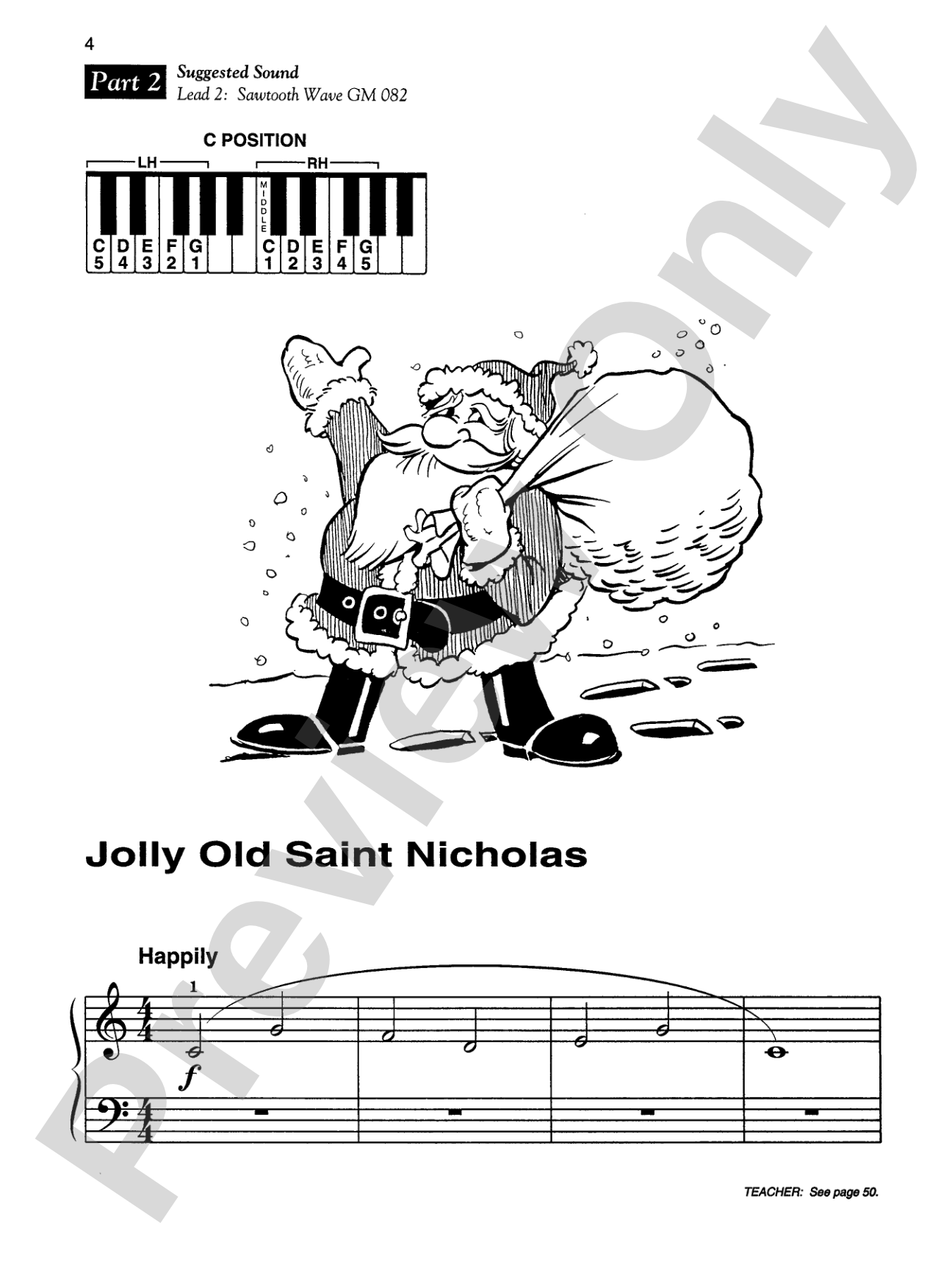
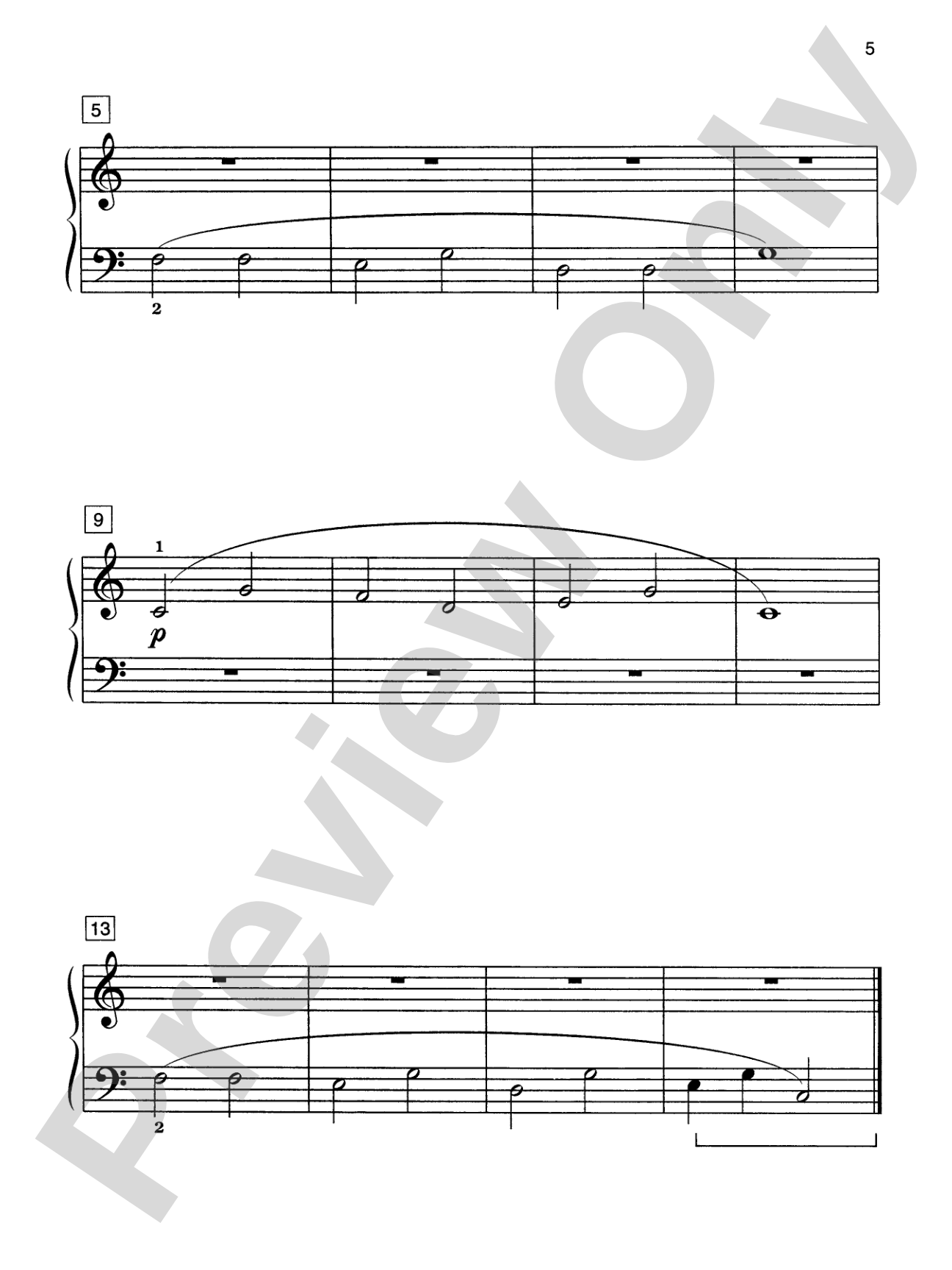
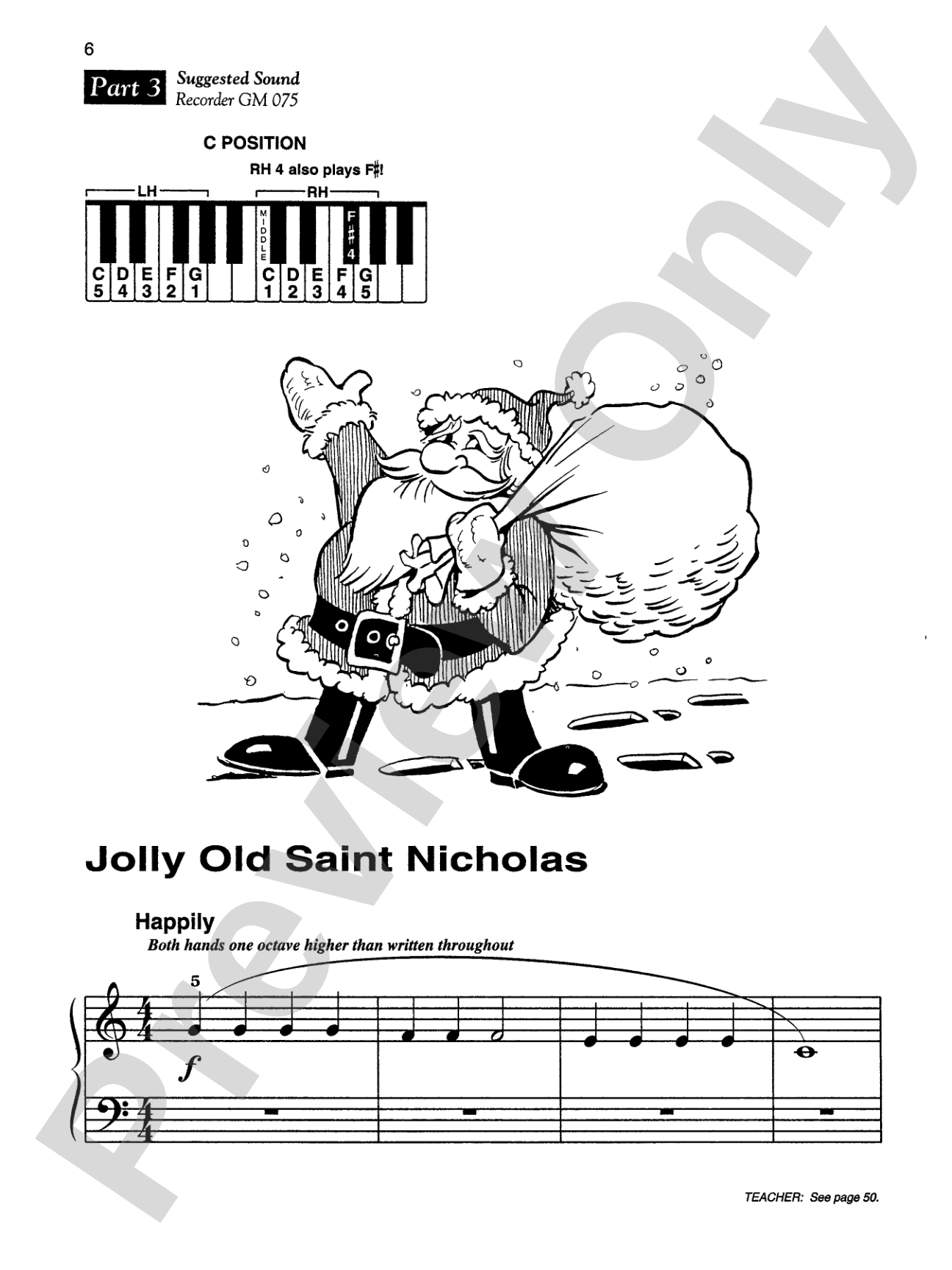
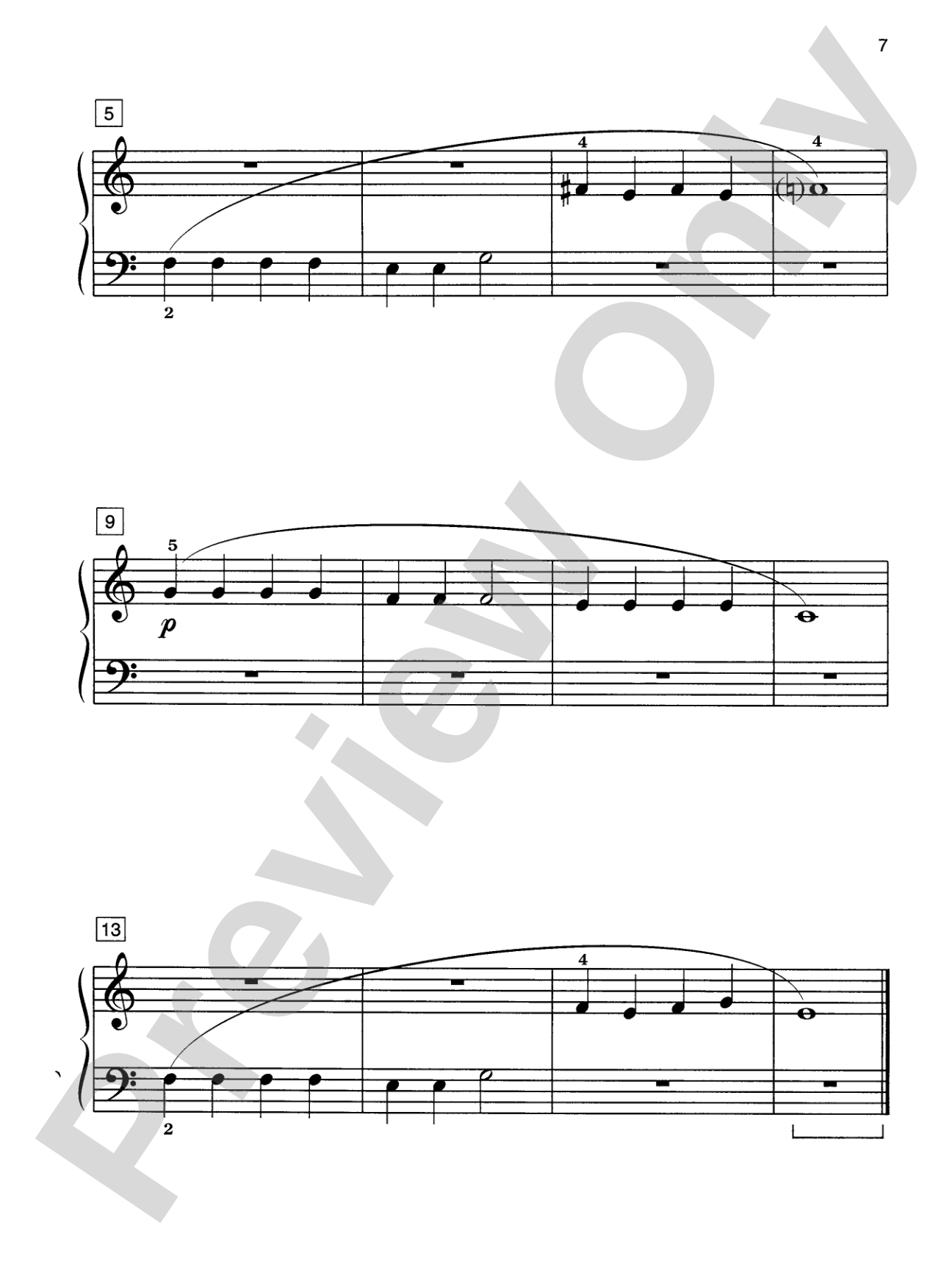
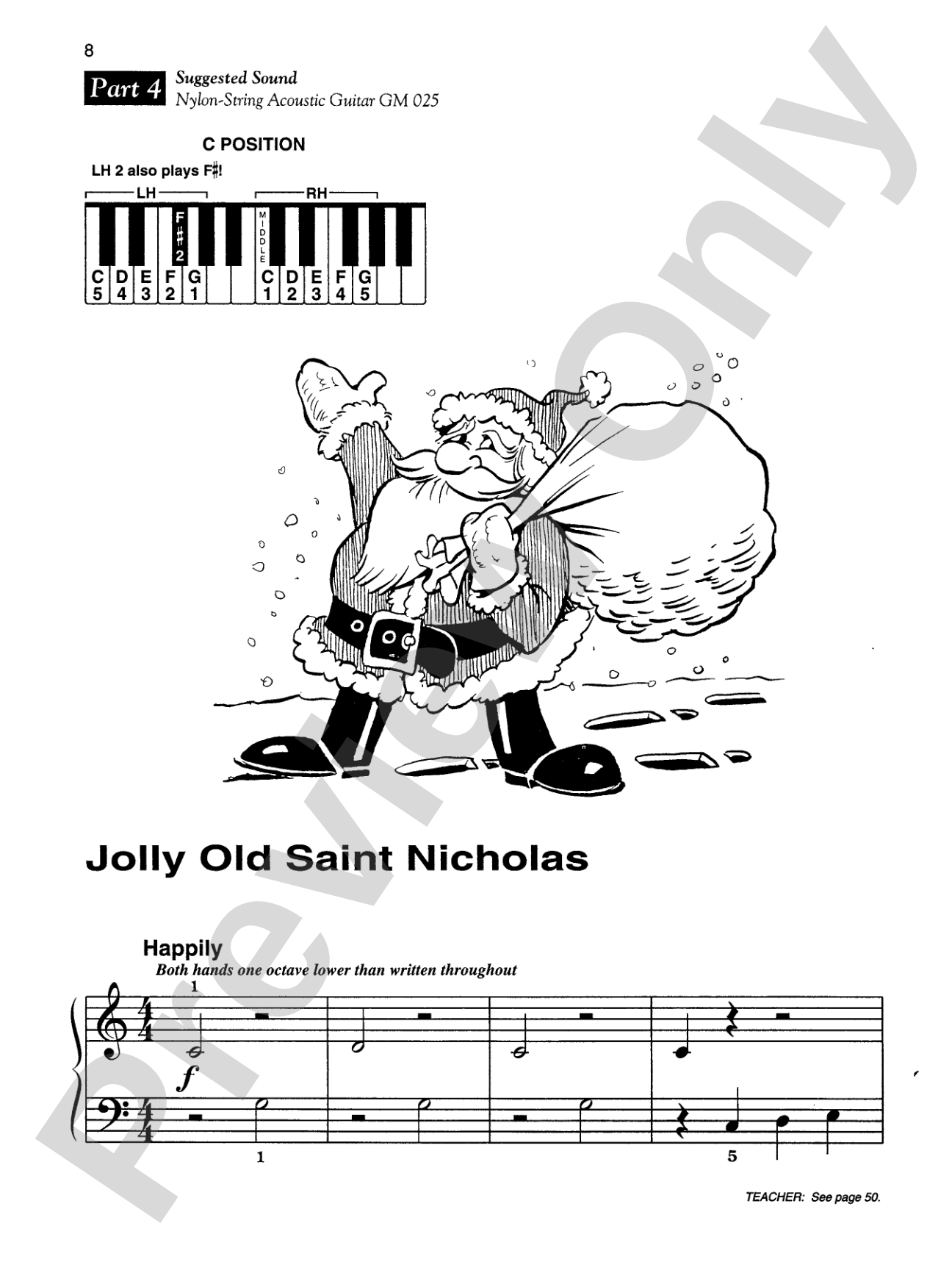
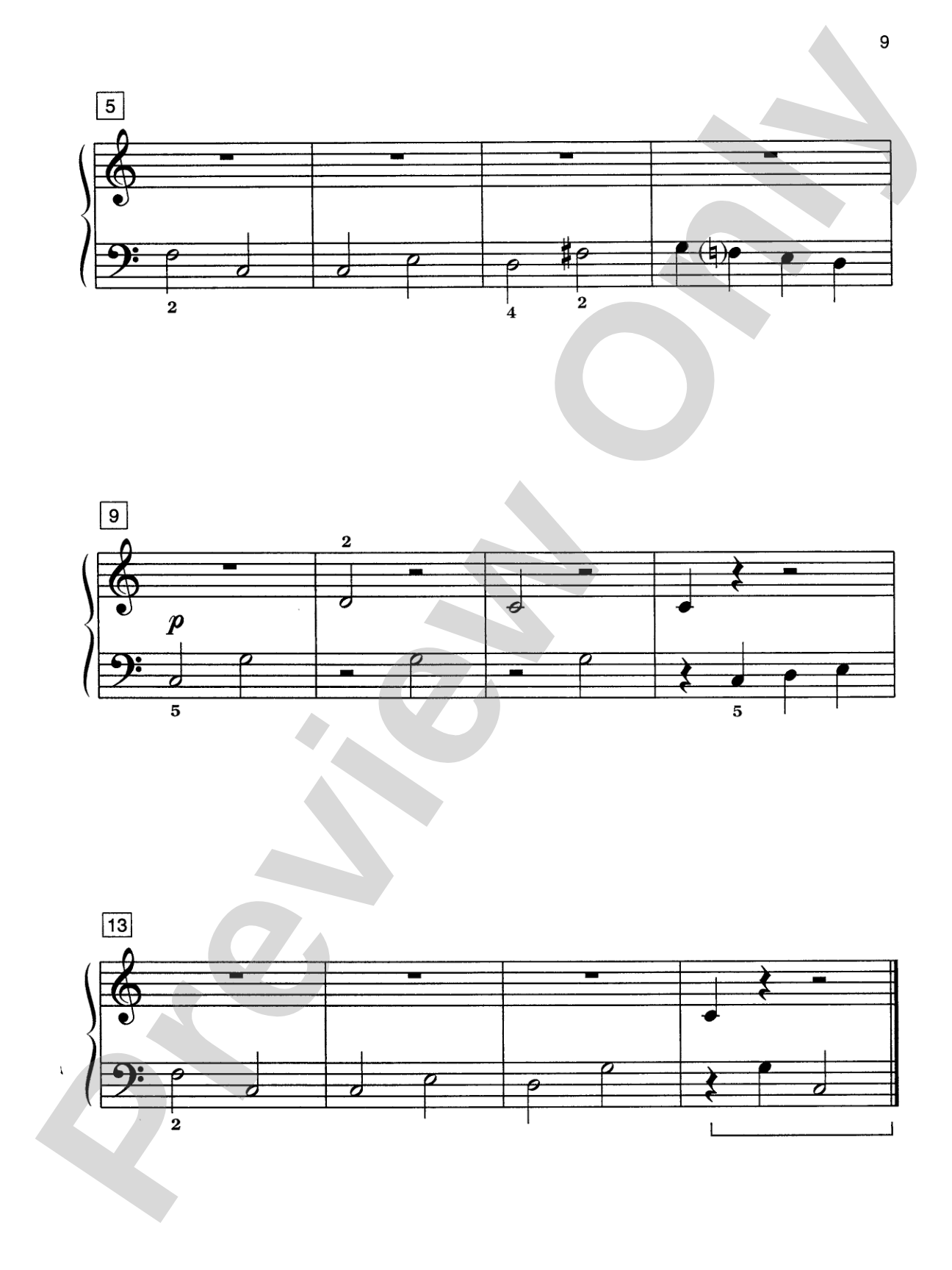
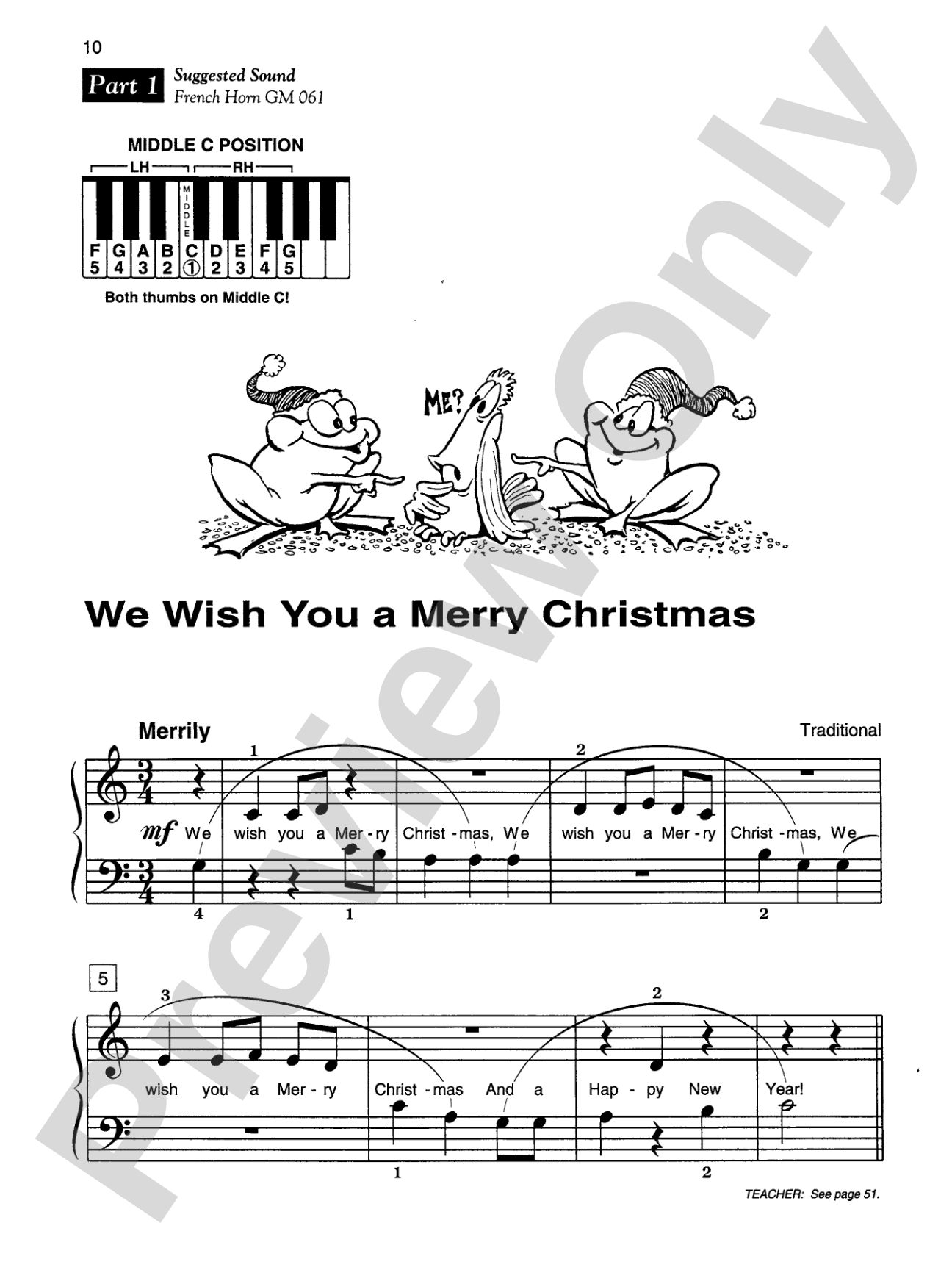
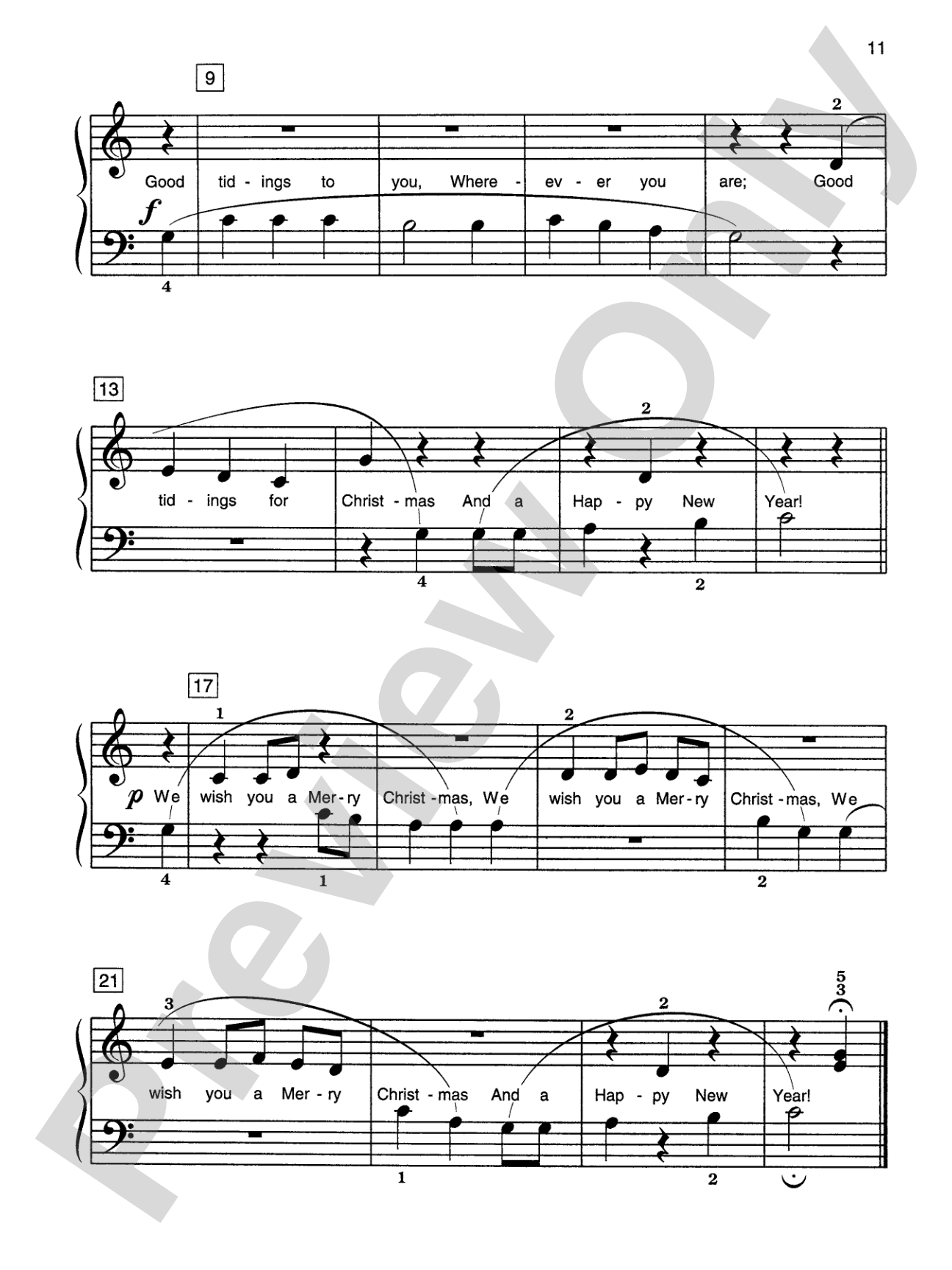
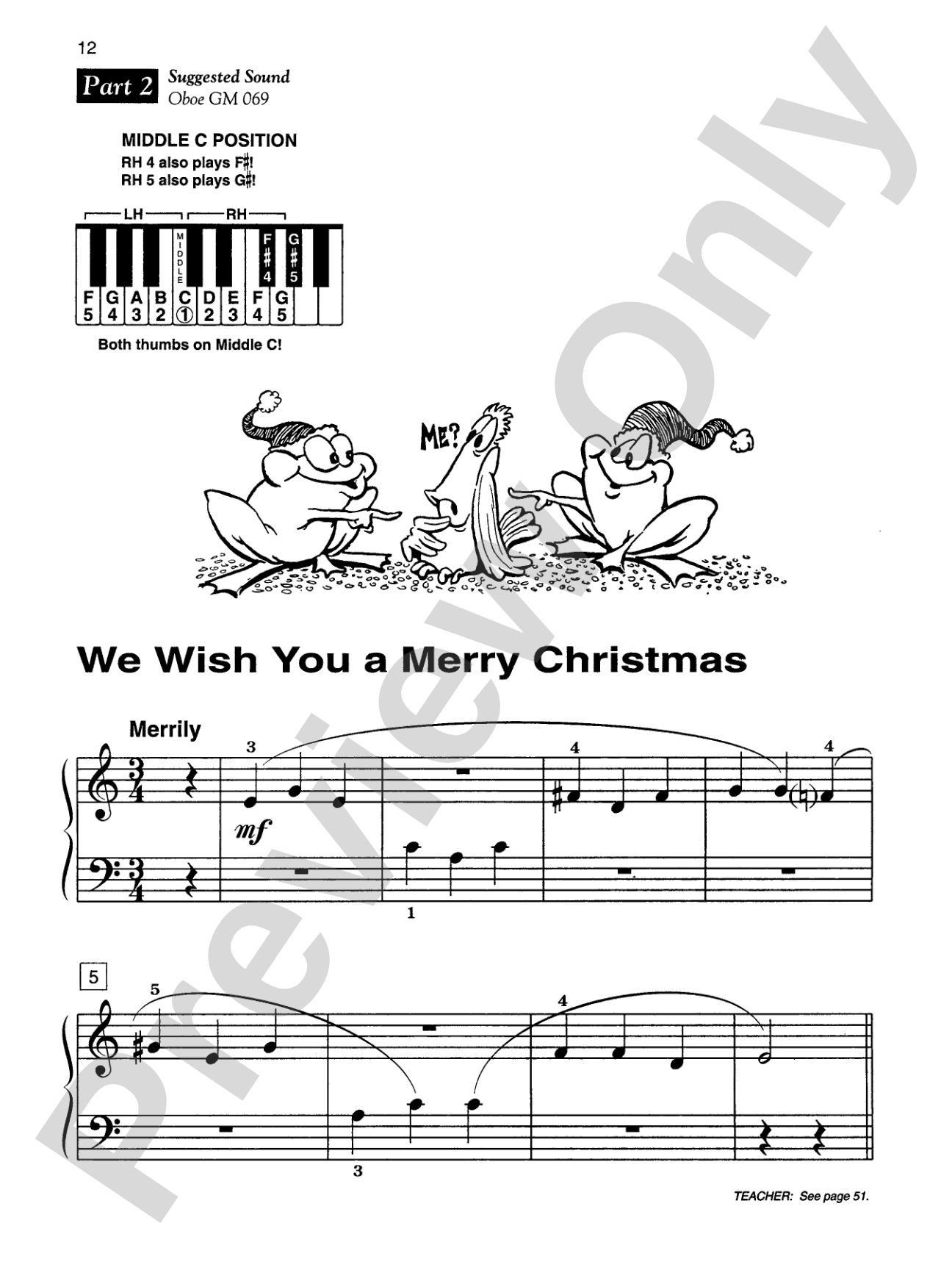
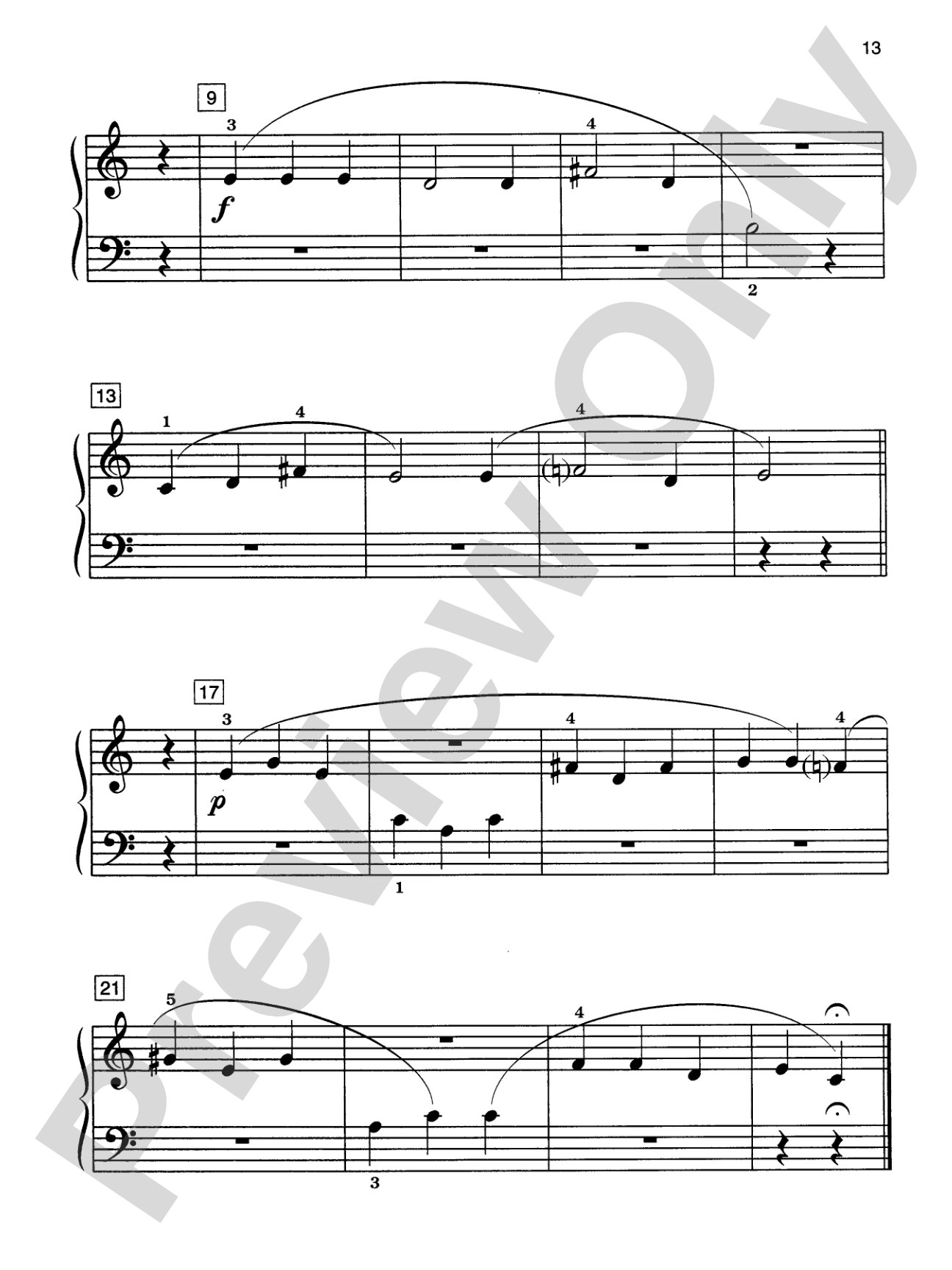
Each book in this series contains six favorite Christmas carols arranged for four part ensembles. Part 1 is the solo version of the carol from Merry Christmas! with parts 2, 3 and 4 written using the same concepts and hand positions at the same level of difficulty. Also includes suggested sounds for electronic keyboards. General MIDI compatible. Titles: Angels We Have Heard on High * Go, Tell It on the Mountain * Jingle Bells * Jolly Old Saint Nicholas * Silent Night * We Wish You a Merry Christmas.


Discover MakeMusic Cloud: thousands of interactive titles your students can play along with today.
Sample Audio
No sample audio found.
Sample Video
No sample videos found.
Additional Details
Series:
Alfred's Basic Piano Library
Publisher:
Alfred Music
Page Count:
64
SKU:
00-PB-0002341
More about this title
About the Composer: Gayle Kowalchyk

Dr. Gayle Kowalchyk brings decades of classroom piano experience to her compositions and pedagogical work. She holds degrees in piano performance from Ohio University and Northwestern University, and earned her Ed.D. in piano pedagogy from Teachers College at Columbia University. Currently, she teaches class piano, applied piano, and piano pedagogy at California State University, Northridge, while maintaining an active presence as a clinician and adjudicator at national music education conferences.
Throughout her career, Kowalchyk has shaped piano instruction at multiple universities, including Eastern Illinois University where she directed the piano preparatory program, and Oklahoma Baptist University. With her husband E. L. Lancaster, she has authored more than 300 educational piano publications, including the widely adopted Alfred's Premier Piano Course and Music for Little Mozarts. Her work consistently reflects a deep understanding of how students learn and progress through sequential, carefully scaffolded materials.
Why we love this
The four-part ensemble arrangement keeps all students playing at the same technical level, so no one waits for faster learners to catch up. Part 1 gives you the solo version from the main Merry Christmas book, making it simple to integrate into your existing curriculum while adding genuine ensemble texture when students play together. These six carols are repertoire your students actually want to learn, which means they'll practice and come prepared to rehearsals.
What to expect
These arrangements carry the warmth and familiarity of beloved Christmas music, but they feel fresh when students hear themselves as part of a four-voice texture. The hand positions and concepts remain grounded in what early 1B students already know, so nothing feels rushed or overwhelming, even as they balance their part against three others.
Who it's for
This book works best for piano students in the early beginner stage who are ready to experience ensemble playing without stepping up in technical difficulty. Class piano settings, group lessons, and piano lab instruction all benefit from the four-part arrangements, since students can stay with repertoire they know while adding the social and musical richness of playing together.
How to get the most out of it
- Balance the four parts equally at first by assigning one student per voice. This reveals which part carries melody and helps students hear how their line contributes to the whole sound.
- Assign multiple students to each part once everyone feels secure with their own line. The reinforcement helps weaker readers gain confidence while allowing stronger players to focus on musicality and ensemble blend.
- Lean into the keyboard sound options listed in the book. Electronic keyboards with holiday voices add color and excitement that acoustic pianos cannot replicate, especially for student performances.
- Record a rehearsal where all four parts play together, then have each student listen back and identify their own part against the others. This ear training transfers directly to their sight-reading skills.
How to use it
Schedule ensemble rehearsals in early December so students can perform these carols at winter concerts, open houses, or community holiday events. The pieces work equally well in a December recital where students perform a solo carol from the main Merry Christmas book followed by the same carol played as an ensemble arrangement. Since all six carols are included, you can rotate different arrangements into rehearsals across multiple weeks without exhausting the material.
Skills your students will build
- Reading and maintaining an independent part while hearing other voices
- Tracking pulse and tempo in an ensemble context
- Balancing dynamic levels across four different keyboard parts
- Recognizing how individual melodic lines combine into harmonic texture
- Performing familiar repertoire at a new technical and social level