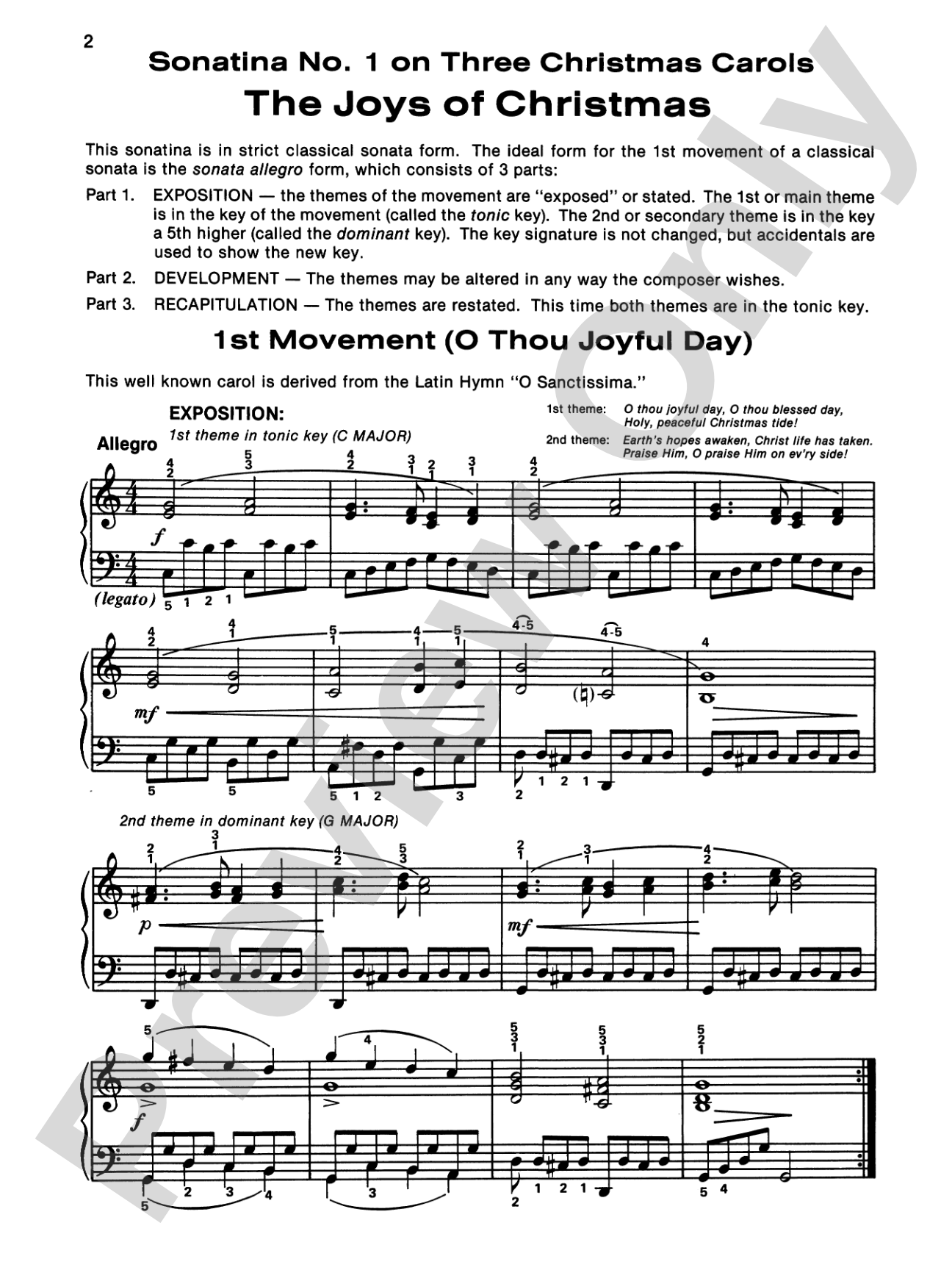
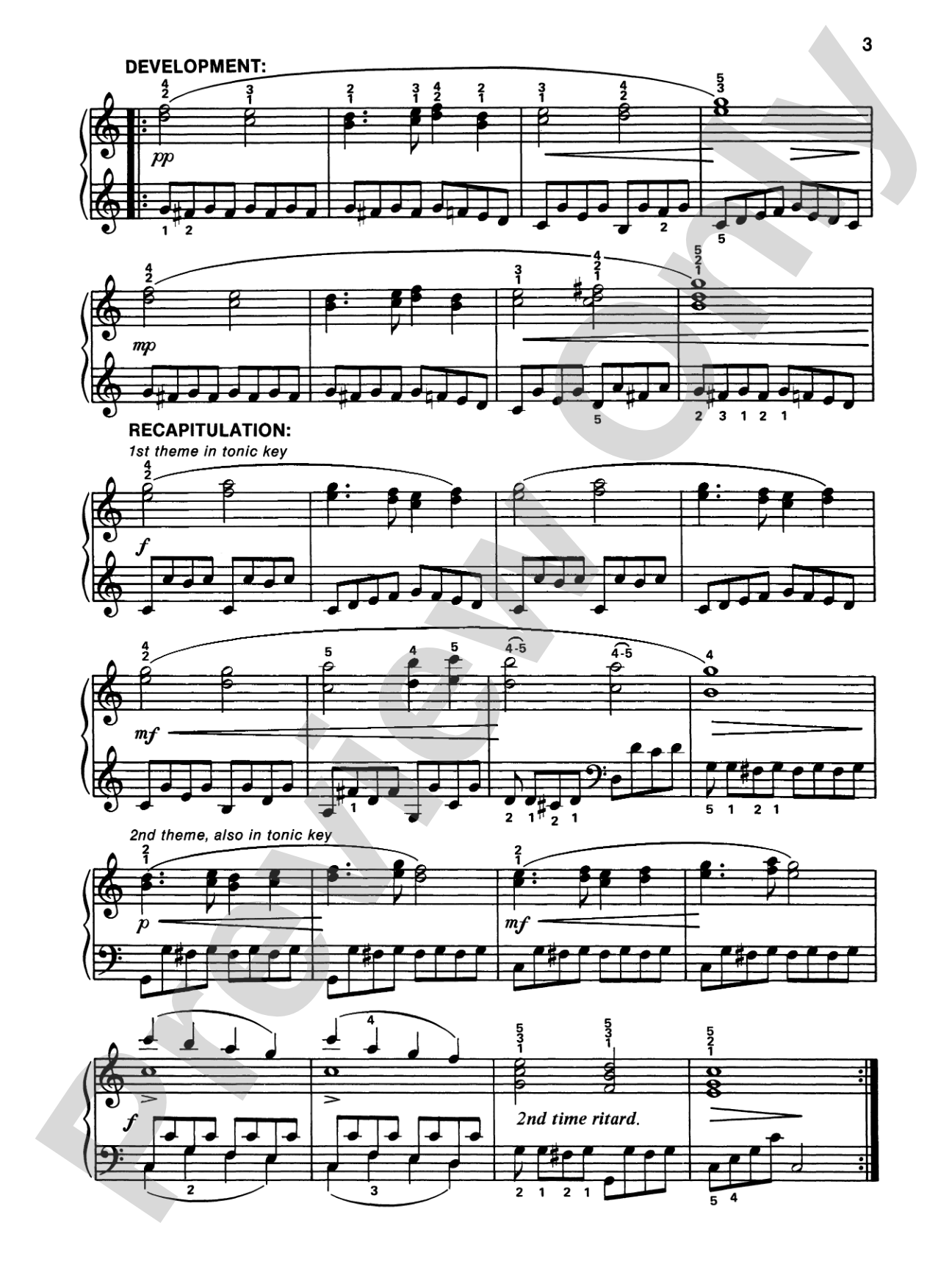
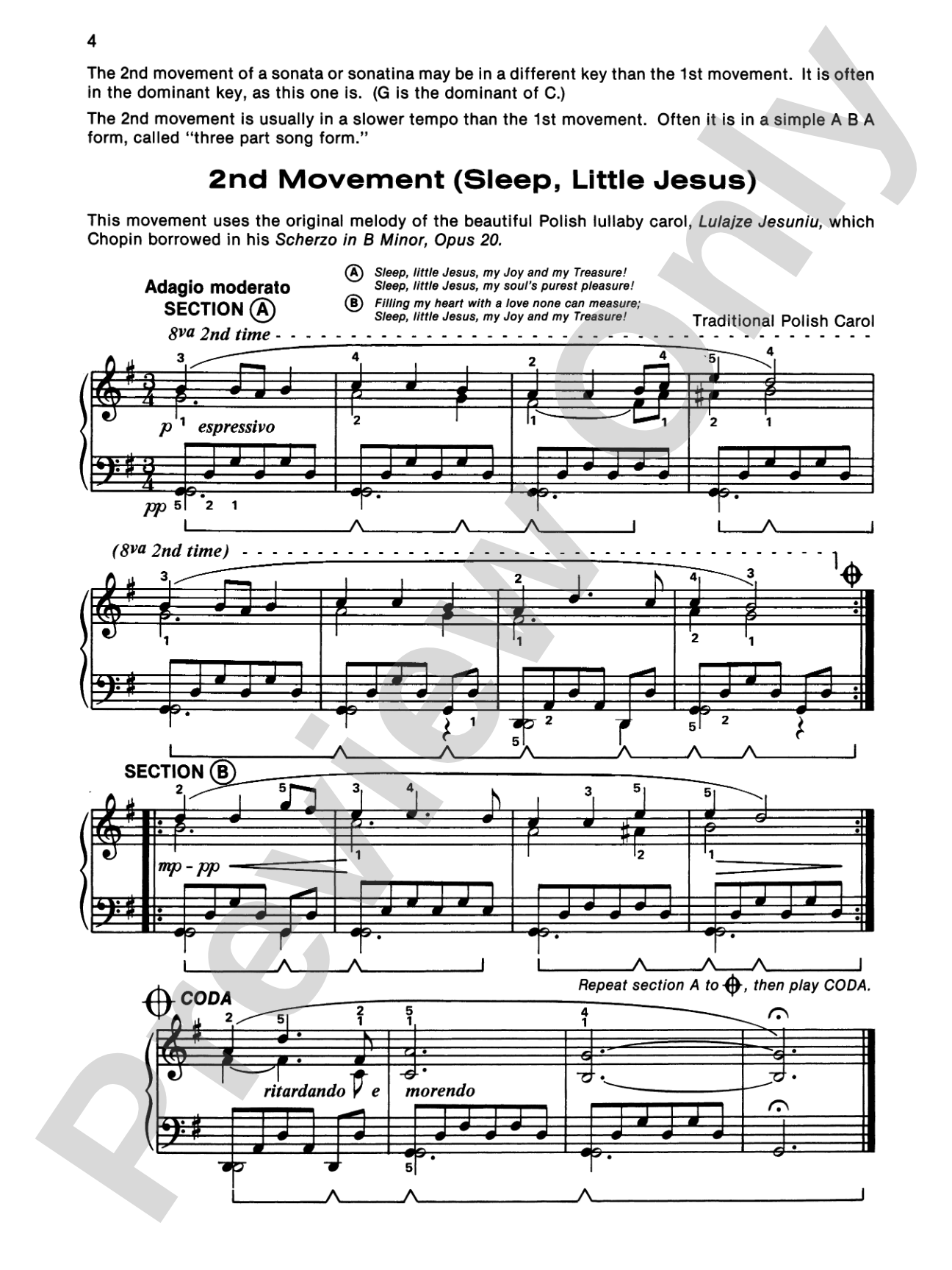
Carefully graded carols arranged in sonata allegro form. Titles: O Thou Joyful Day * Sleep, Little Jesus * We Are Going to the Stable * There's a Song in the Air * It Came Upon the Midnight Clear * Angels We Have Heard on High * Carol of the Bagpipers.
Discover MakeMusic Cloud: thousands of interactive titles your students can play along with today.
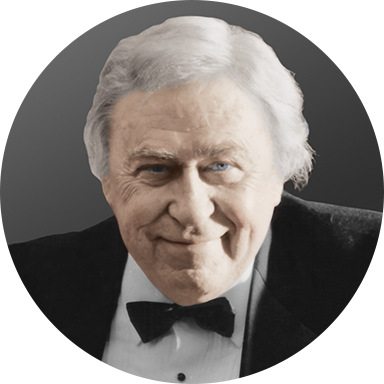
Dr. Willard A. Palmer authored nearly 800 published compositions spanning piano methods, accordion repertoire, guitar instruction, and choral works that have circulated internationally in German, Japanese, French, Dutch, and Spanish translations. His foundation in keyboard mastery came early: a child prodigy who broadcast piano on radio at thirteen, he studied under Mae Vardeman, whose emphasis on improvisation technique shaped his later pedagogical approach. His academic path took him from Mississippi colleges through the Conservatory of Leipzig on scholarship, eventually to the University of Houston faculty where he pioneered the first college accordion courses and taught for eighteen years.
Palmer's scholarly reputation rests on his exhaustive research into Classical and Baroque performance practice, particularly ornamentation and historical style. This expertise underwrote the Alfred Masterworks series and earned him international standing as a Baroque music authority. His roles included directorship of the Riemenschneider Bach Institute and membership in the American Federation of Musicians, the American Accordionists' Association, and ASCAP. Honors for his musicological contributions included a Doctor of Humanities degree in 1971 and a Doctor of Music degree in 1983.
Why we love this
These arrangements prove that sonata form needn't wait for intermediate theory classes; Palmer demonstrates how a traditional structural framework can energize familiar carols and give advanced beginners real compositional architecture to navigate. The writing respects both the melodic identity of each carol and the developing pianist's hand position and independence between parts, making this book feel less like holiday decoration and more like legitimate musical study with seasonal repertoire as the vehicle.
What to expect
These carols emerge through a lens of classical restraint and architectural clarity; they maintain the warmth and familiarity of the melodies while clothing them in the elegant proportions of sonata allegro form. The result feels both festive and intellectually grounded, offering students the satisfaction of playing recognizable material within a form that demands real musical thinking.
Who it's for
Students advancing through Level 5 of the Alfred's Basic Piano Library who are ready for longer forms and more sophisticated harmonic language while remaining within their technical grasp. Teachers seeking seasonal repertoire that builds structural literacy rather than settling for simplified carol arrangements.
How to get the most out of it
Balance the Allegro movement's first and second subject areas by giving the second theme room to breathe; resist rushing transitions between key areas.
Shape phrase endings with slight tempo flexibility rather than dramatic ritardandos; the sonata structure benefits from forward momentum.
Listen closely to how the recapitulation reorders or reharmonizes familiar material compared to the exposition; this is where the form becomes audible to listeners.
Layer in dynamic contrast between development and recapitulation sections to help audiences track the large-scale journey.
How to use it
Slot this collection into a winter recital program where you want to bridge repertoire levels; students performing these sonatinas occupy a perceptible step beyond simpler holiday fare while remaining distinct from the advanced classical repertoire. The seven pieces allow flexible programming, whether you feature all of them in a thematic set or distribute them across multiple performances to build familiarity with the sonata form.
Skills your students will build
Identifying exposition, development, and recapitulation sections within a longer form
Recognizing and executing first and second theme areas with distinct character and dynamic shaping
Managing hand independence and voice leading across both staves for extended passages
Navigating key relationships and modulations between related tonal centers
Maintaining structural awareness and long-line phrasing across multi-section movements
Interpreting stylistic direction within a classical framework applied to familiar melodies
You May Also Like
Scan to Complete Your Purchase
Use your phone's camera to scan the code below
You'll log in on your phone and the order will be added to your account