Alfred's Basic Piano Library: Lesson Book 3 Cover Image

Alfred's Basic Piano Library: Lesson Book 3: Digital Audio Download

$0.00 USD
Sale price  $0.00 USD Regular price 
Skip to product information
Alfred's Basic Piano Library: Lesson Book 3 Cover Image

Alfred's Basic Piano Library: Lesson Book 3: Digital Audio Download

By Willard A. Palmer, Morton Manus, and Amanda Vick Lethco

Level: 3

Item: 00-AA-0000198

$0.00
Digital Download
Description

Alfred's Basic Piano Library: Lesson Book 3: Digital Audio Download isn't in MakeMusic Cloud just yet...but it could be. Let us know you'd like to see it, and you'll help shape what comes next. In the meantime, start a free trial and dive into thousands of interactive titles your students can play along with today.

Sample Pages

No sample pages found.

Sample Audio
1 01 Tuning Note A 440 --:--
2 02 Goodbye Old Paint --:--
3 03 On Top of Old Smokey --:--

01 Tuning Note A 440

0:00
0:00
Sample Video
Additional Details
Series: Alfred's Basic Piano Library
Publisher: Alfred Music
UPC: 038081571768
SKU: 00-AA-0000198

More about this title

About the Composer: Willard A. Palmer
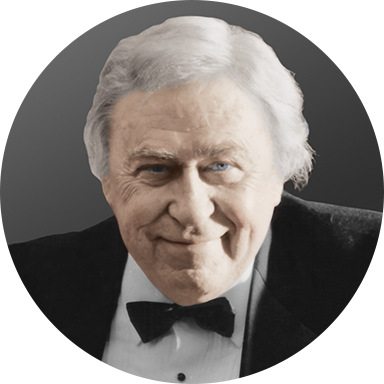
Willard A. Palmer

Willard A. Palmer stands among the most prolific and influential music educators of the twentieth century, with nearly 800 published compositions spanning piano, accordion, guitar, choral music, and keyboard methods. His early mastery as a child prodigy on piano and accordion set the foundation for a career devoted equally to composition and pedagogy. He studied at conservatories in Leipzig and Houston, where he later taught accordion at the university level for eighteen years while maintaining an active role as church musician and composer.

Palmer's scholarly expertise in Baroque music and ornamentation became internationally recognized, earning him appointments as director of the Riemenschneider Bach Institute and authorship of the acclaimed Alfred Masterworks series. His methodical approach to music instruction, refined through decades of teaching and research, shaped generations of method books now standard in studios worldwide. He received honorary doctorates in Humanities (1971) and Music (1983) in recognition of his lasting contributions to musical scholarship and education.

Why we love this

Lesson Book 3 reflects Palmer's decades of studio teaching experience and his gift for sequencing material that builds confidence without overwhelming students. The digital audio download format paired with this foundational method gives students immediate access to high-quality accompaniments and reference recordings, removing barriers between assignment and engagement. Piano teachers trust this series because it balances musicality with technical progression, letting students play real music while developing the skills they need.

What to expect

Lesson Book 3 opens up the piano in a new way. Students encounter pieces that sound more grown-up and feel genuinely rewarding to play, even as the technical demands remain approachable. The book captures the sweet spot where students are confident enough to handle longer forms and varied styles yet still developing the fundamentals that will serve them for years to come.

Who it's for

This book serves students who have completed Book 2 and are ready to expand their technical vocabulary and musical independence. Teachers use Lesson Book 3 to introduce students to new keys, more complex rhythmic patterns, and the kind of repertoire that makes young pianists genuinely excited to practice. The included audio download especially benefits students without regular access to live accompaniment or those who benefit from hearing pieces modeled by skilled performers.

How to get the most out of it

  • Play along with the digital audio from the beginning. Hearing the accompaniment transforms individual practice into ensemble experience, even when working alone.
  • Mark fingering clearly before starting a new piece. Palmer's text typically includes suggested fingerings, but personalizing them helps students understand hand position and develop consistent technique.
  • Practice the rhythm section separately if any passage feels rhythmically uncertain. Isolate just the left hand until the pulse is secure, then add the melody.
  • Use the recording as a reference tool, not a crutch. Listen first to hear the full musical context, then work toward playing independently at the same tempo.

How to use it

Integrate this as the spine of weekly piano lessons for students in their second or third year of study. The digital audio makes it practical for flipped-classroom approaches where students can reference recordings outside of lesson time. Coordinate the pieces in Lesson Book 3 with recital planning; many selections are polished and musical enough for early student recitals while still serving their pedagogical purpose in the studio.

Skills your students will build

  • Reading ledger lines above and below the staff
  • Playing in new keys with sharps and flats
  • Executing dotted rhythms and syncopation
  • Coordinating independent melodic lines between hands
  • Understanding phrasing and dynamic shaping in longer forms
  • Playing with even tempo and consistent rhythm across sections

You May Also Like