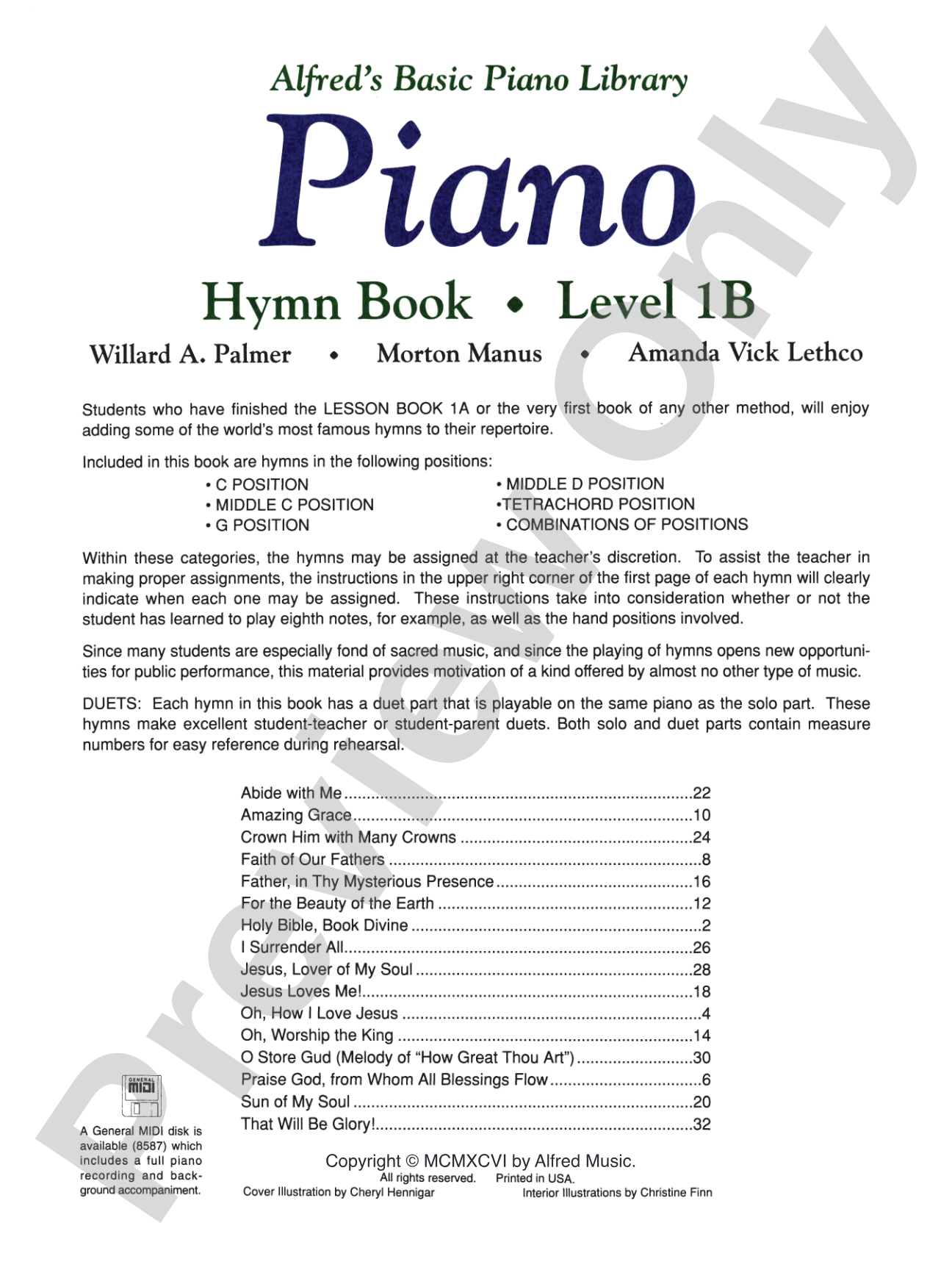
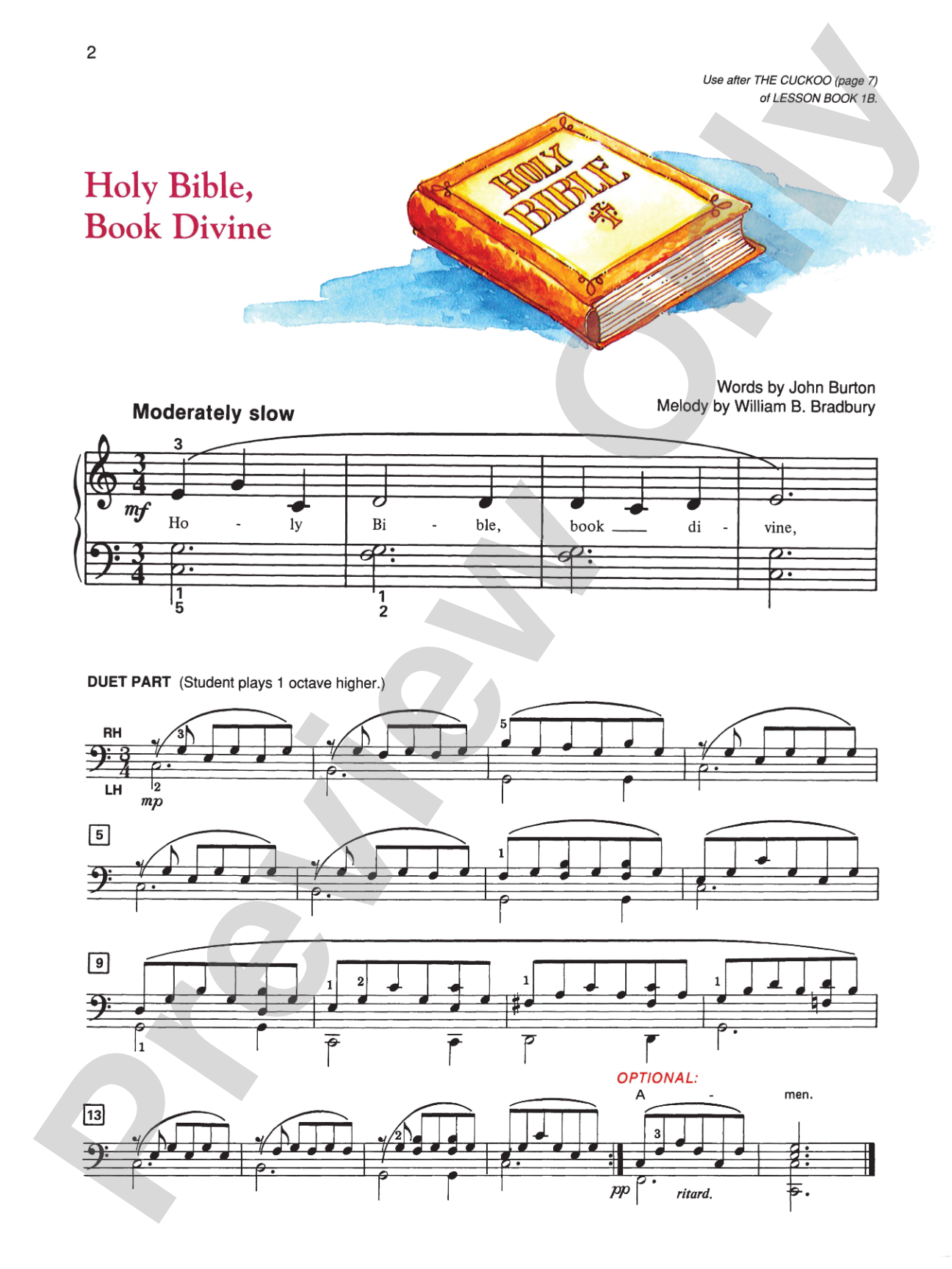
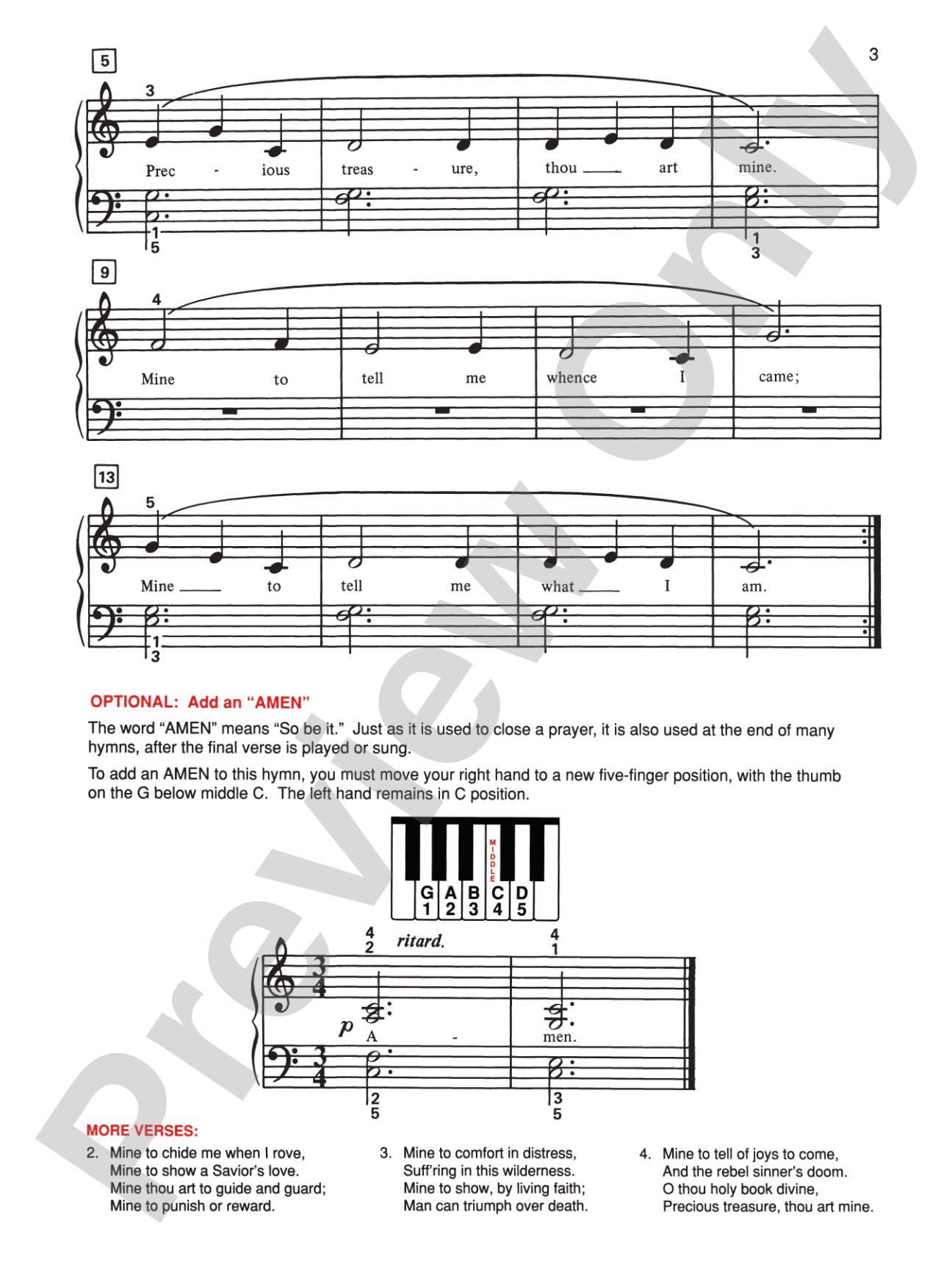
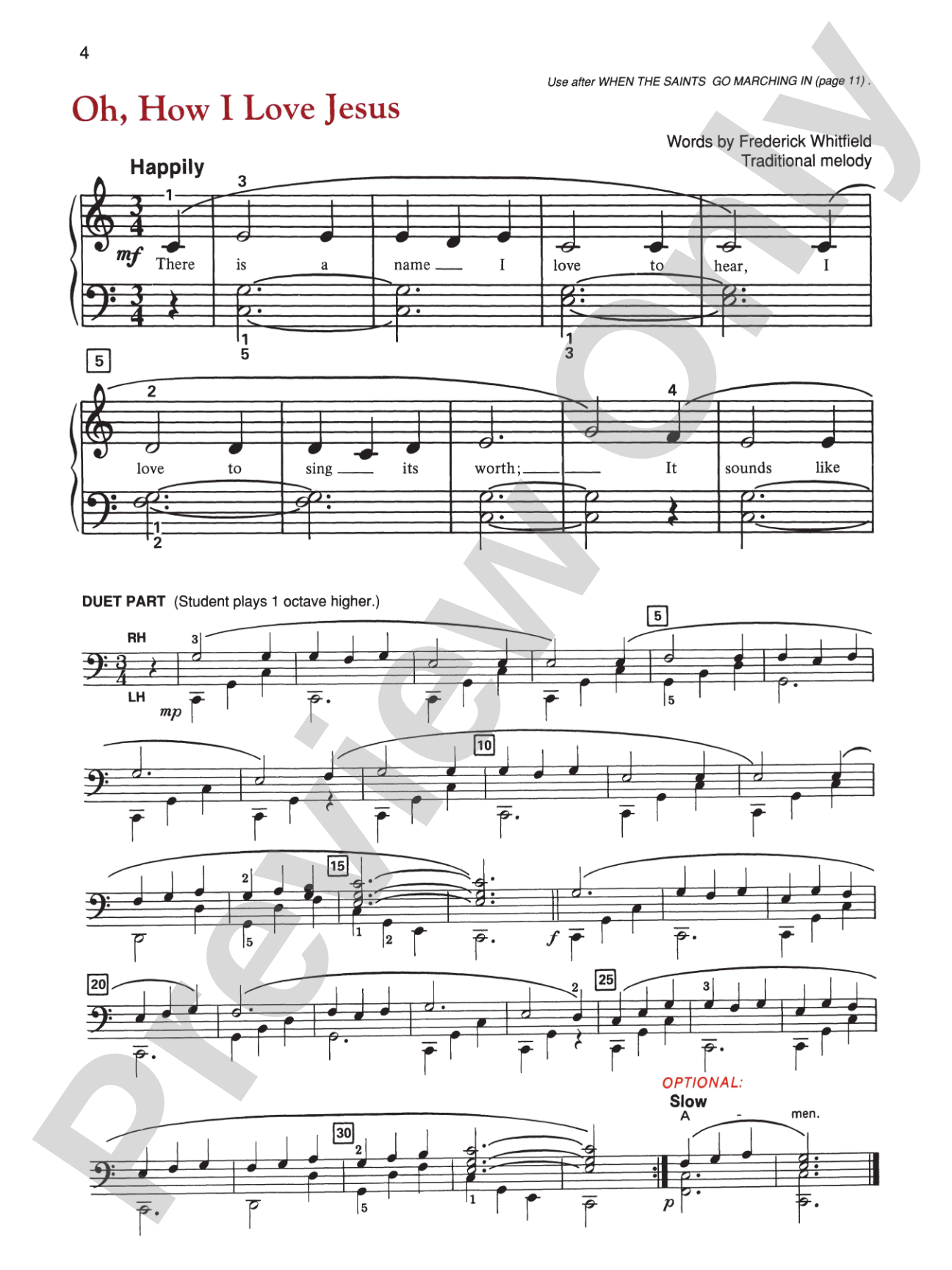
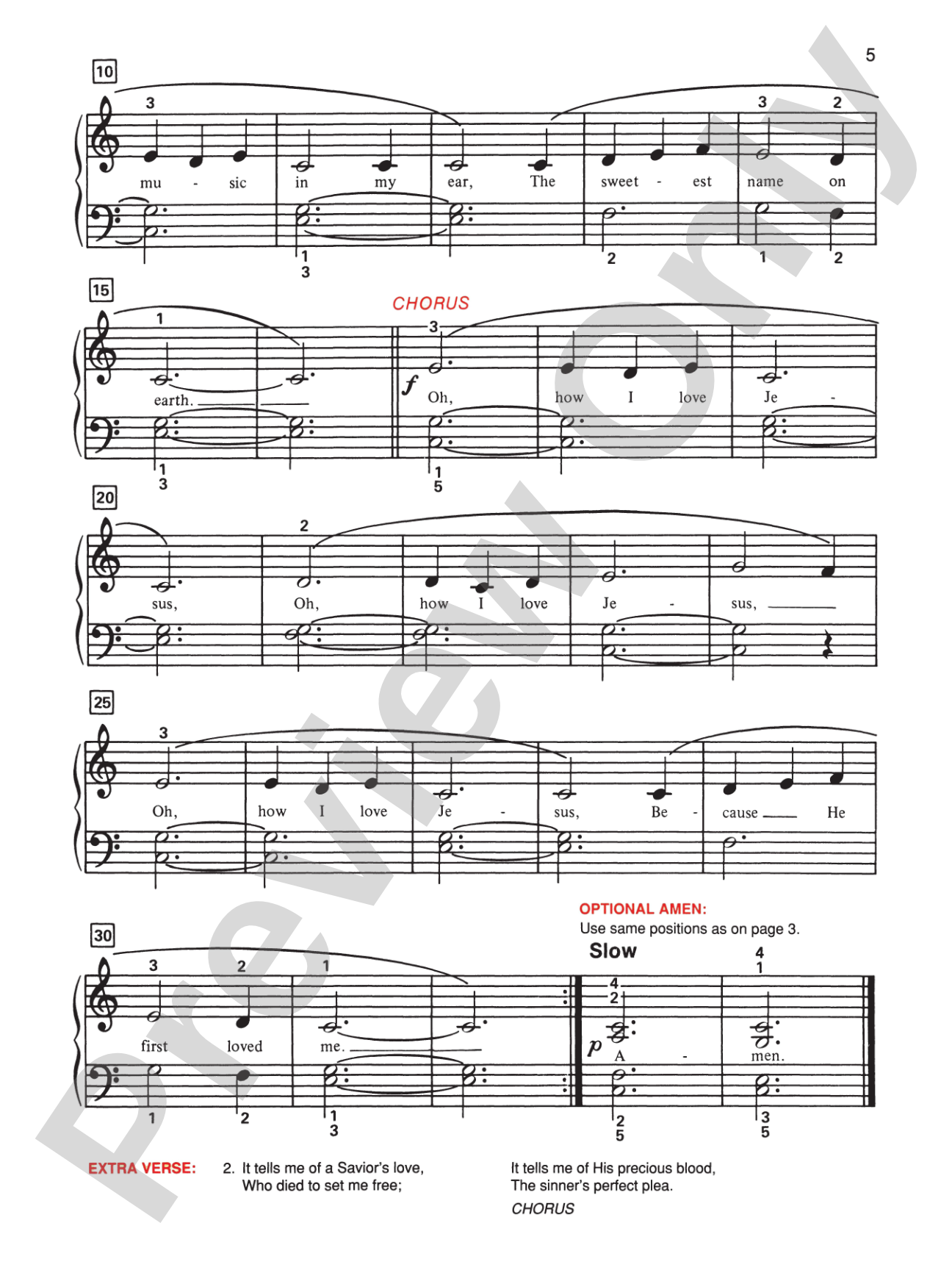
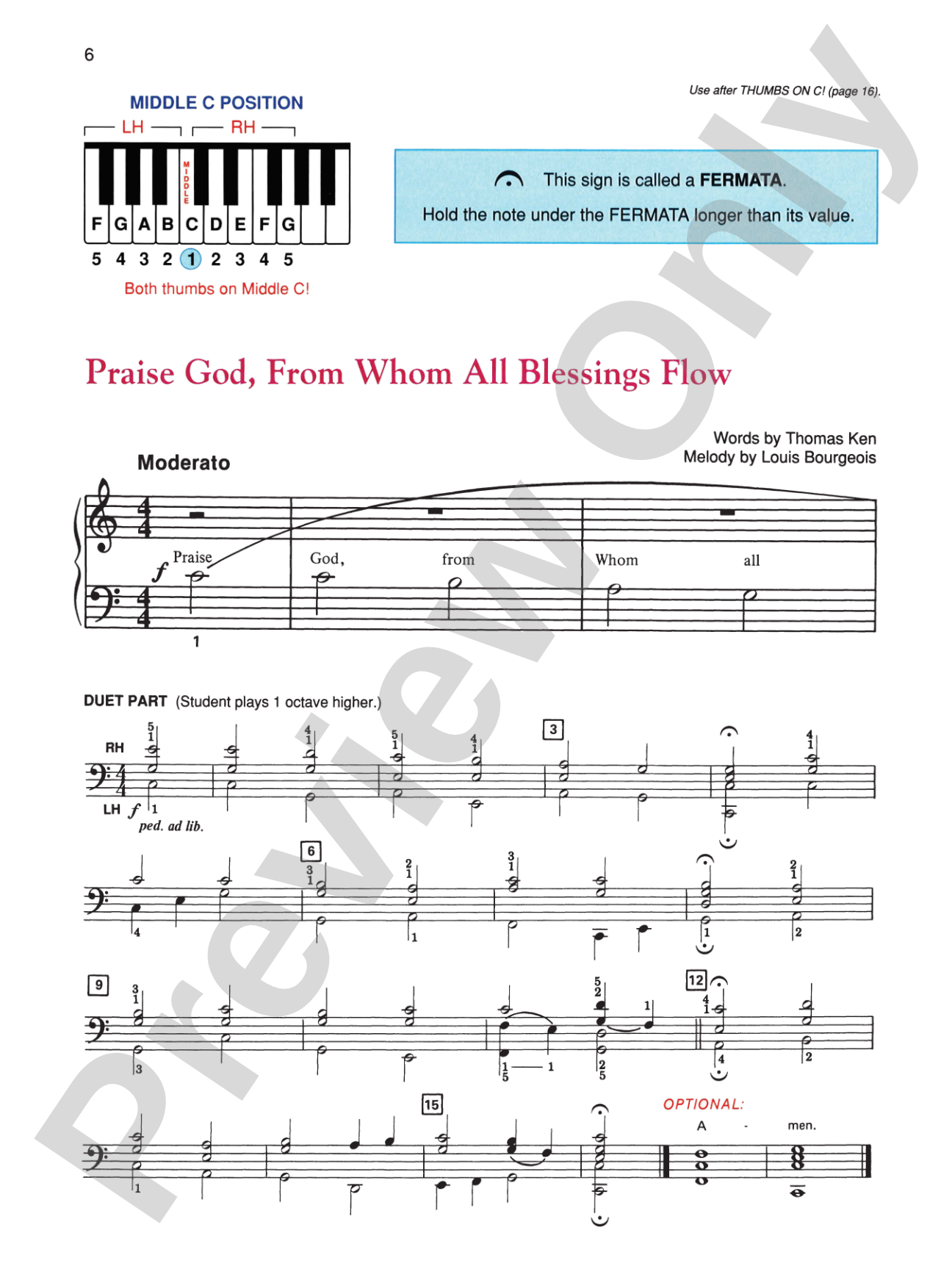
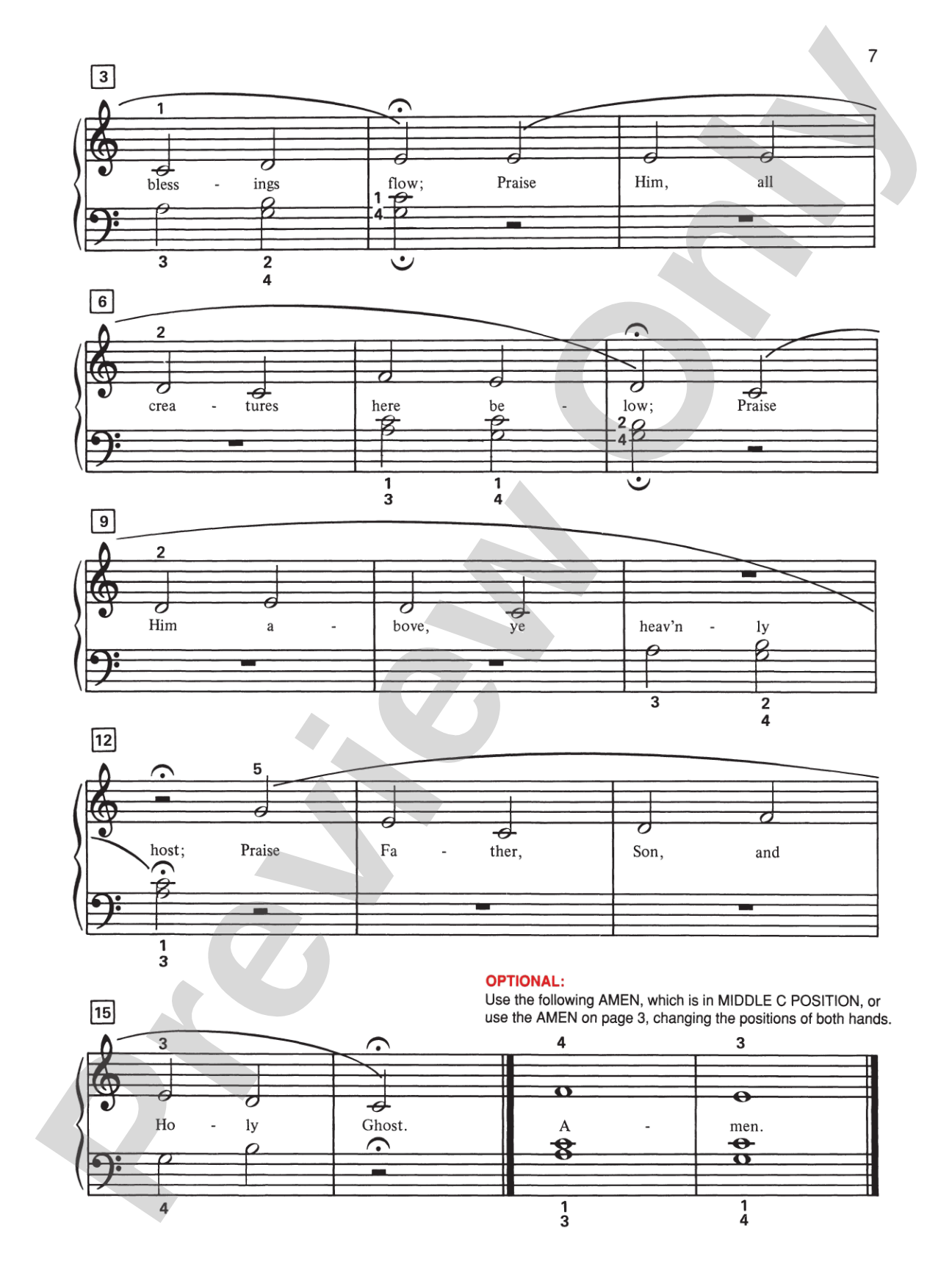
The Hymn Books contain the world's most famous hymns and are perfect for the student who enjoys playing sacred music. Duet parts are included in the first three levels. Titles: Abide with Me * Amazing Grace * Crown Him with Many Crowns * Faith of Our Fathers * Father, in Thy Mysterious Presence * For the Beauty of the Earth * Holy Bible, Book Divine * I Surrender All * Jesus, Lover of My Soul * Jesus Loves Me! * Oh, How I Love Jesus * Oh Worship the King * O Sotre Gud (Melody of "How Great Thou Art") * Praise God, from Whom All Blessings Flow * Sun of My Soul * That Will Be Glory!
Discover MakeMusic Cloud: thousands of interactive titles your students can play along with today.
Willard A. Palmer stands among the most prolific and influential music educators of the 20th century, having published 789 works spanning accordion, piano, guitar, Hammond Chord Organ, and choral literature in multiple languages. His scholarly depth ran equally deep: Palmer earned a Doctor of Humanities degree in 1971 and a Doctor of Music degree in 1983, and spent his later career as a recognized authority on Baroque music ornamentation and director of the Riemenschneider Bach Institute. His research in Classical and Baroque performance practice directly informed the highly acclaimed Alfred Masterworks series.
Palmer's journey began as a child prodigy who performed on radio at age 13, studied under pianist Mae Vardeman to develop improvisational skills alongside rigorous technique, and continued performing in college ensembles while pursuing advanced study at the Conservatory of Leipzig on scholarship. He later taught accordion and piano at the University of Houston for 18 years while serving as choir director at Memorial Lutheran Church in Houston, bringing the same pedagogical care to both his compositions and his students.
Why we love this
This collection answers the student who asks for music with meaning beyond technique exercises. Palmer's arrangements preserve the dignity and recognition of these beloved hymns while keeping the writing accessible at 1B level, and the duet parts create genuine musicianship moments where students can perform together rather than play alone.
What to expect
Playing these hymns feels like joining something larger than yourself. Each piece carries centuries of devotion and communal singing tradition, and even in simplified form, the melodies retain their emotional directness and the harmonies their quiet strength.
Who it's for
Students at the early intermediate stage who have completed Book 1A and are drawn to playing music with spiritual resonance. This works equally well in secular studios, church music programs, and schools where hymn literacy strengthens choral ensemble singing.
How to get the most out of it
Prepare the hymn melody separately before combining with any accompaniment; students need to feel secure in the tune itself, which carries the emotional weight of each piece.
Work with the duet partner on balance and tempo steadiness; hymn singing naturally pulls toward rubato, but pianists need to stay together.
Ask students what each hymn means to them before they start. Sacred music engages differently when there's a personal connection to the text.
How to use it
Integrate these pieces into spring concerts or community events where sacred music connects audiences across denominations. Church music programs can use them as preparation for students who will later accompany congregational singing, while school music teachers can program hymn arrangements on formal recitals to broaden students' repertoire beyond secular works.
Skills your students will build
Playing sustained hymn melodies with consistent tone and phrase shape
Coordinating duet parts where both hands work independently (one student plays melody, the other accompaniment, or vice versa)
Interpreting fermatas and tempo conventions found in sacred music notation
Reading and executing dynamic changes that serve text and emotional meaning rather than technical display
You May Also Like
Scan to Complete Your Purchase
Use your phone's camera to scan the code below
You'll log in on your phone and the order will be added to your account