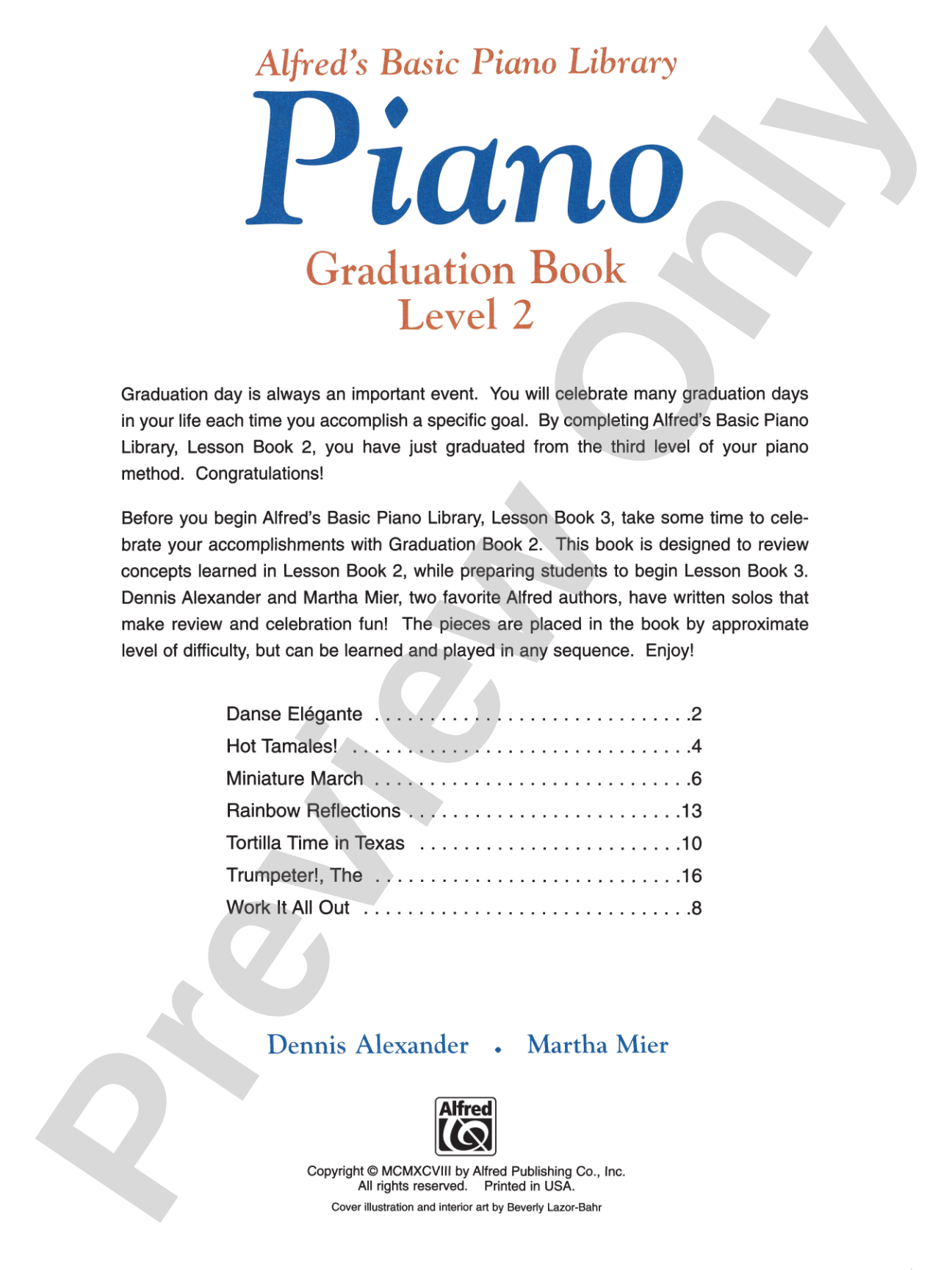
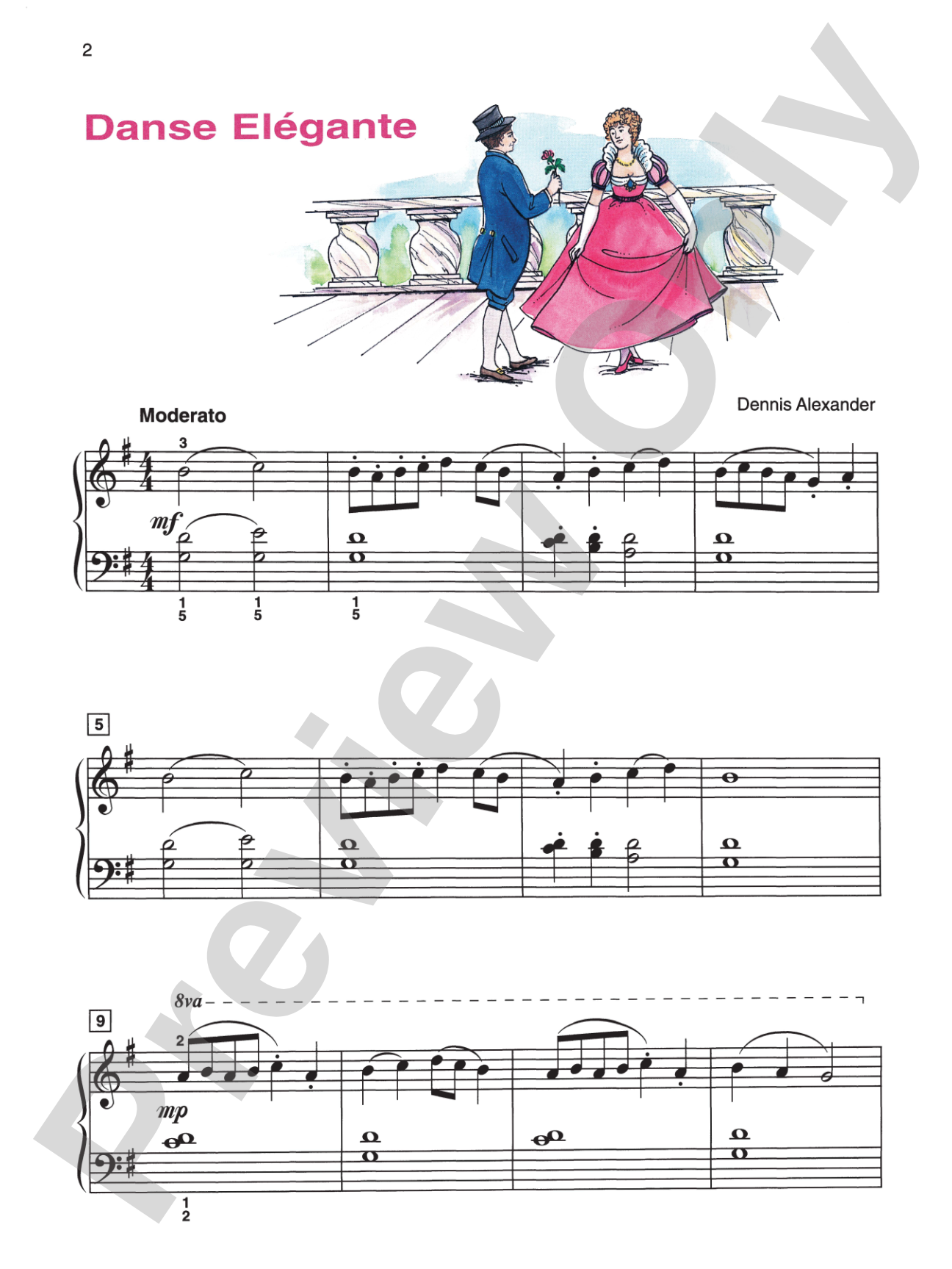
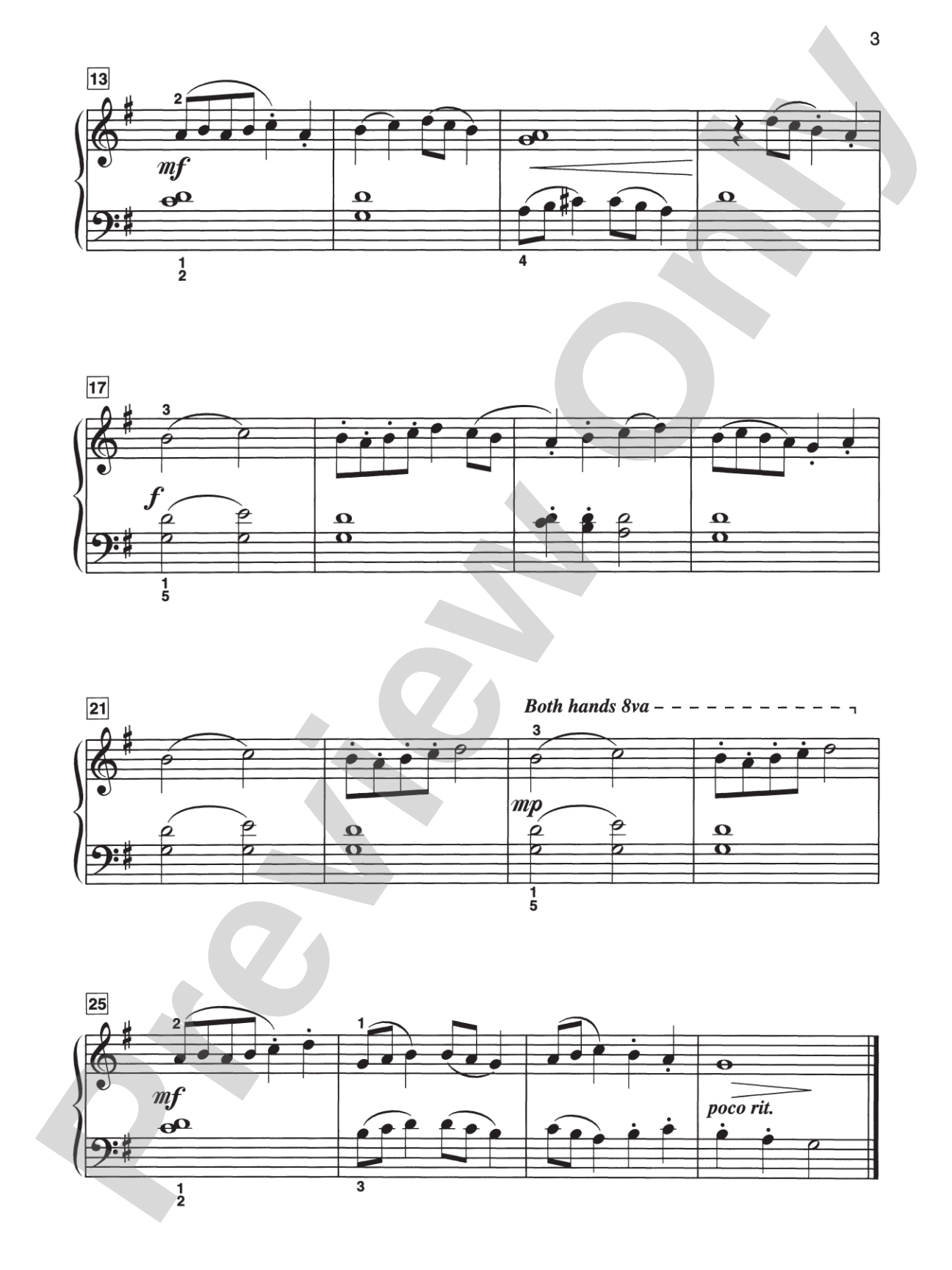
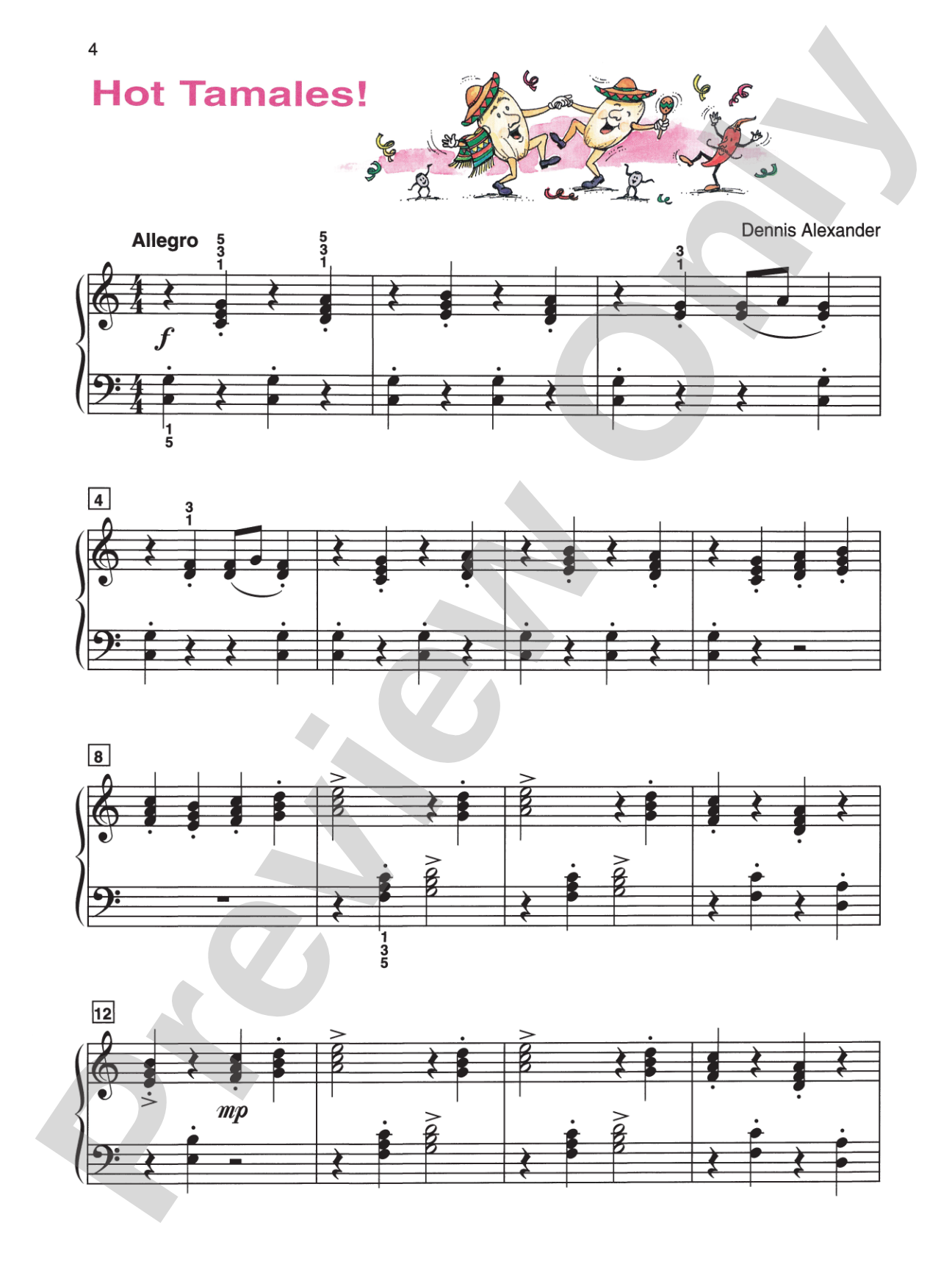
The completion of a Lesson Book and graduating to the next level is a very important step in the growth of a piano student. At times, it is beneficial to take a short break to play some new pieces that use the skills recently perfected. The Graduation Books contain captivating solos that students can perform without having to learn something new. Because the students will know everything needed to play any piece in their level, they may play them in any order they wish.
Discover MakeMusic Cloud: thousands of interactive titles your students can play along with today.
Dennis Alexander has shaped educational piano pedagogy for nearly four decades through his work with Alfred Music Publishing. Since 1986, he has composed over 400 pieces and recordings that define how students at every level learn and grow at the keyboard. His teaching career spanned 24 years at the University of Montana, where he directed the piano department and mentored emerging musicians, before moving to California to teach at Cal State Fullerton and Cal State Northridge.
Beyond the studio, Alexander maintains an active concert career as soloist, accompanist, and chamber musician, having made his Carnegie Recital Hall debut in 1987 and subsequently collaborated with internationally recognized soloists. He has clinicked extensively at state and national music teacher conventions, judged national competitions, and toured throughout Asia and Europe. His compositions have been commissioned by numerous organizations, and he continues composing and performing from his home in Albuquerque, New Mexico.
Why we love this
Alexander understands exactly what students need at the transition point between levels: pieces that feel like a reward rather than an assignment. These solos use only the skills your students have already mastered, which means they can focus entirely on interpretation and performance confidence rather than grappling with new technical demands. That combination of achievable technique and engaging musicality is what makes graduation books so effective for keeping momentum alive.
What to expect
These pieces celebrate what your students can now do without asking them to stretch beyond it. The writing balances melodic interest with rhythmic clarity, making each solo feel substantial enough to be rewarding but never overwhelming. You'll find pieces with genuine character: some playful and spirited, others more lyrical, all of them crafted to remind students why they started learning piano.
Who it's for
Students who have completed Alfred's Basic Piano Library Lesson Book 2 and are ready to consolidate their technical foundation through performance repertoire. This works equally well for students taking a brief pause before advancing to Level 3 or those who benefit from extra time at an intermediate stage.
How to get the most out of it
Start with whichever piece speaks to your student first rather than working strictly front to back; ownership matters more than sequence at this stage.
Record performances on a smartphone or tablet and have students listen back without immediate judgment; they often hear musical choices they want to refine.
Pair these solos with pieces from the corresponding lesson book to show how the same skills transfer across different musical contexts and styles.
Encourage your student to choose one piece for a studio recital or informal performance; knowing there's an audience transforms practice quality.
How to use it
Position this book as the bridge between formal lesson sequences and broader repertoire exploration. Students gain confidence performing familiar material, which translates into stronger preparation for next-level work. It's particularly valuable during recital season when you want solid, polished performances from your full studio without everyone learning entirely new material simultaneously.
Skills your students will build
Sustaining musical line through phrase structure without harmonic complexity
Applying dynamic shaping to basic major and minor key progressions
Building performance confidence through accessible solo repertoire
Transferring technical skills from lesson work into varied musical contexts
Developing interpretive choices within a defined technical framework
You May Also Like
Scan to Complete Your Purchase
Use your phone's camera to scan the code below
You'll log in on your phone and the order will be added to your account