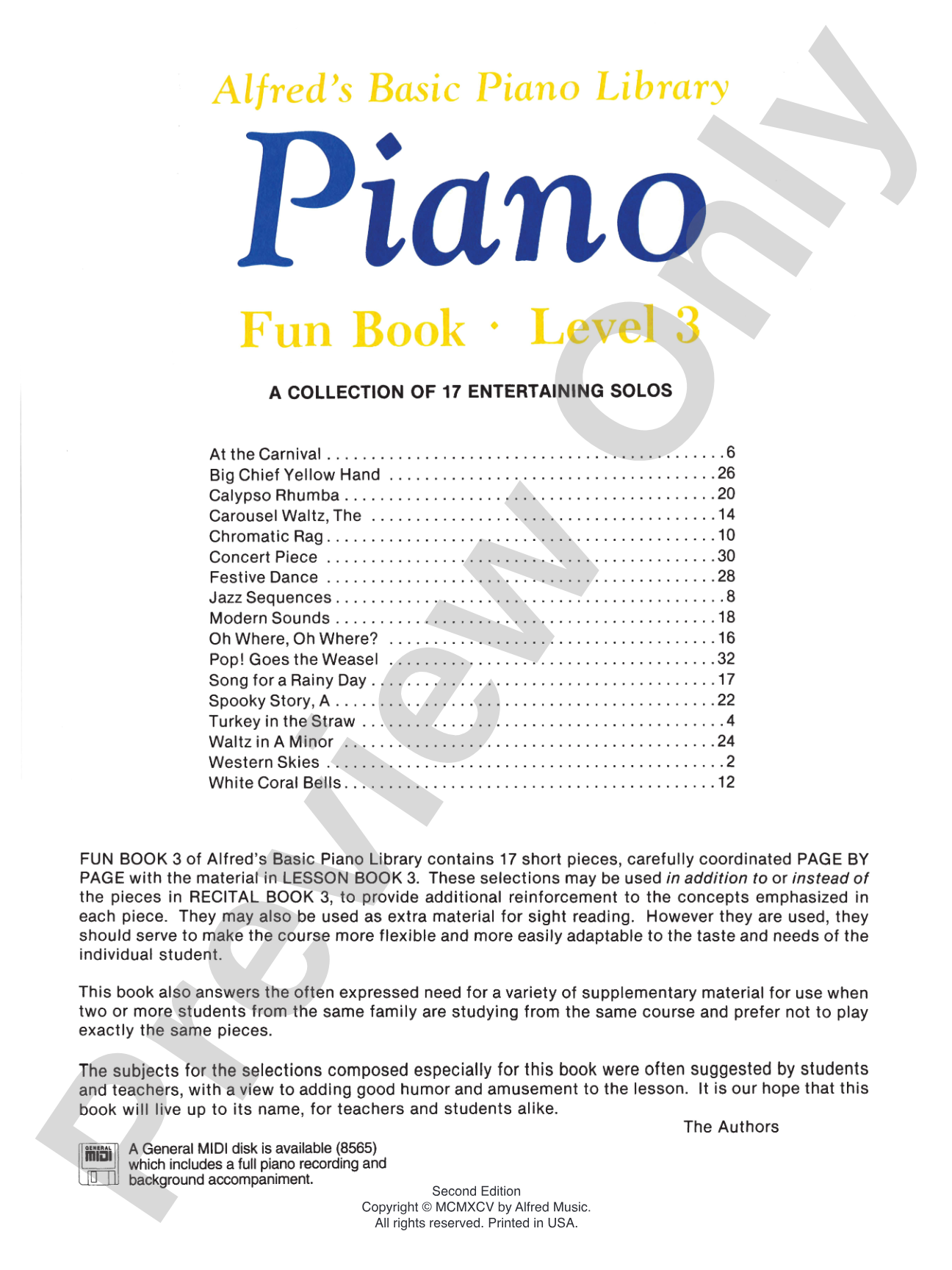
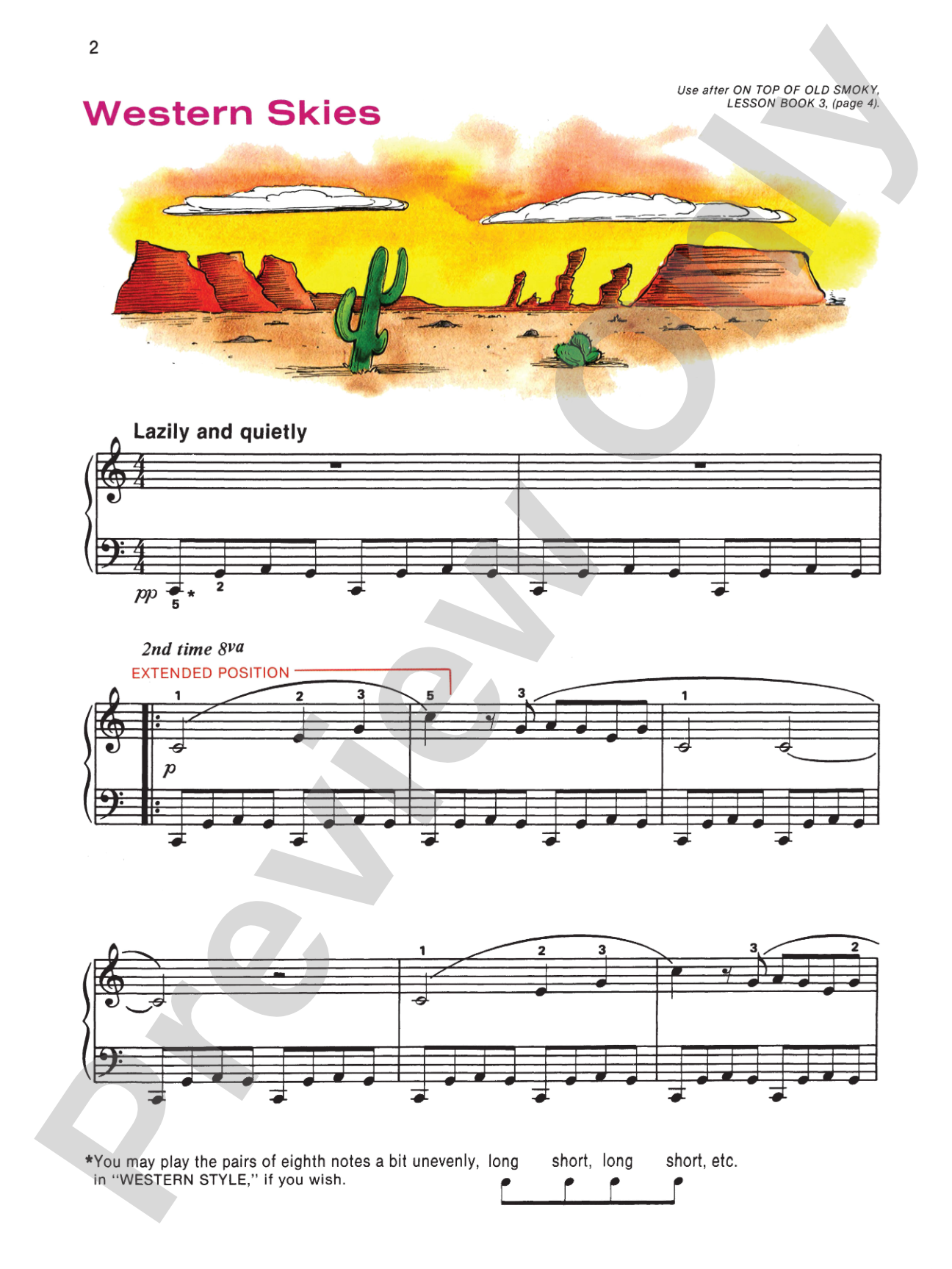
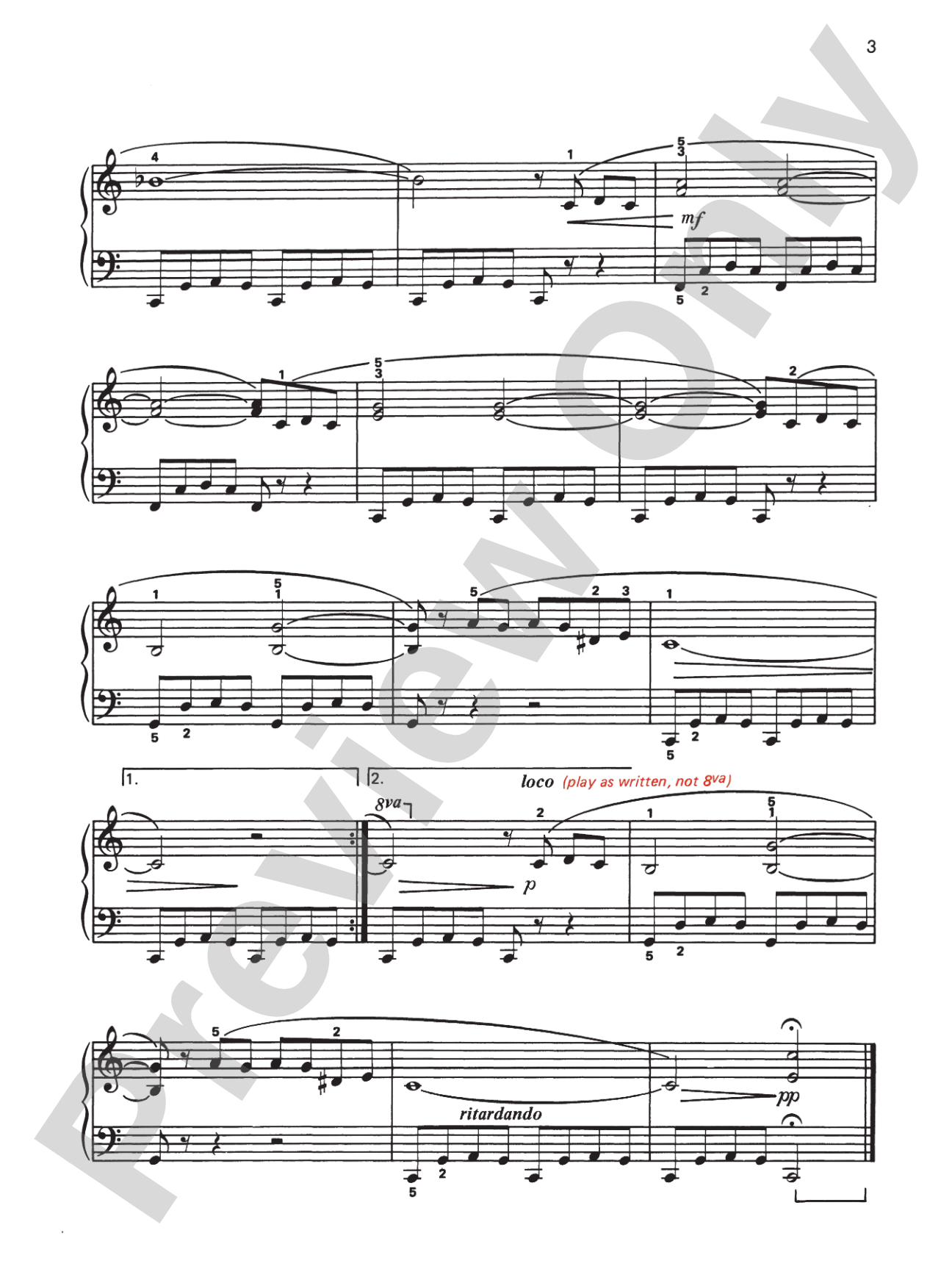
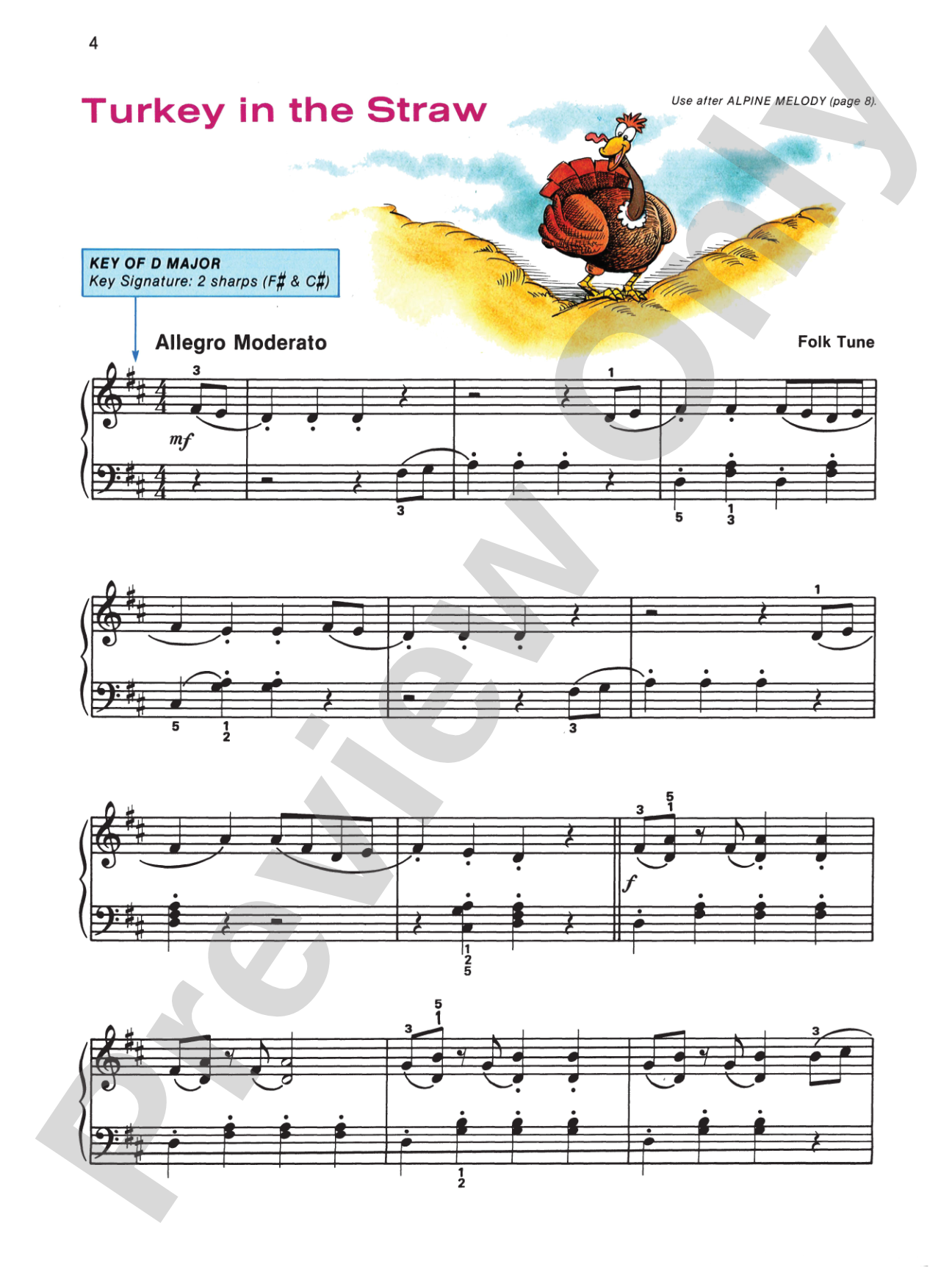
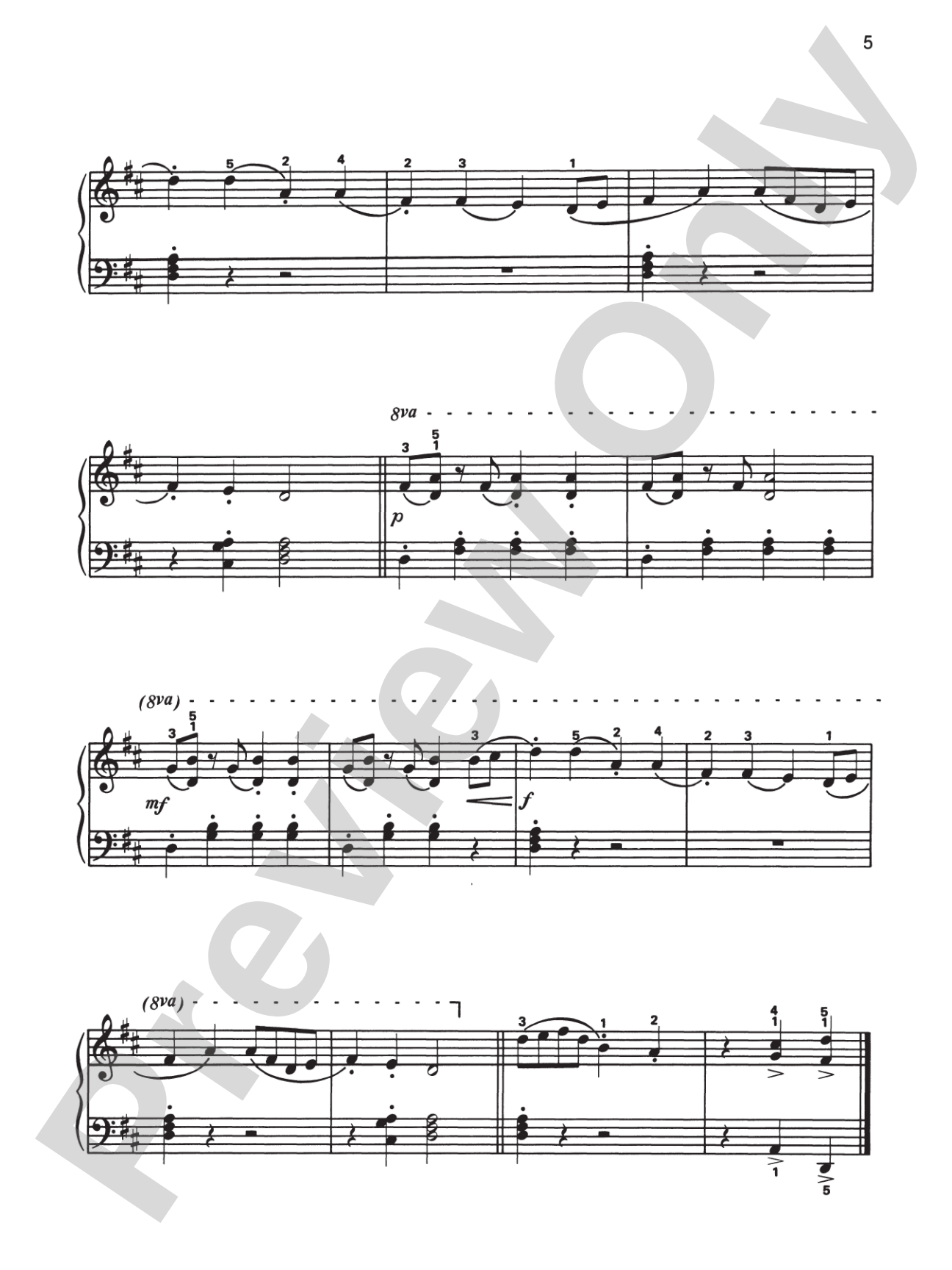
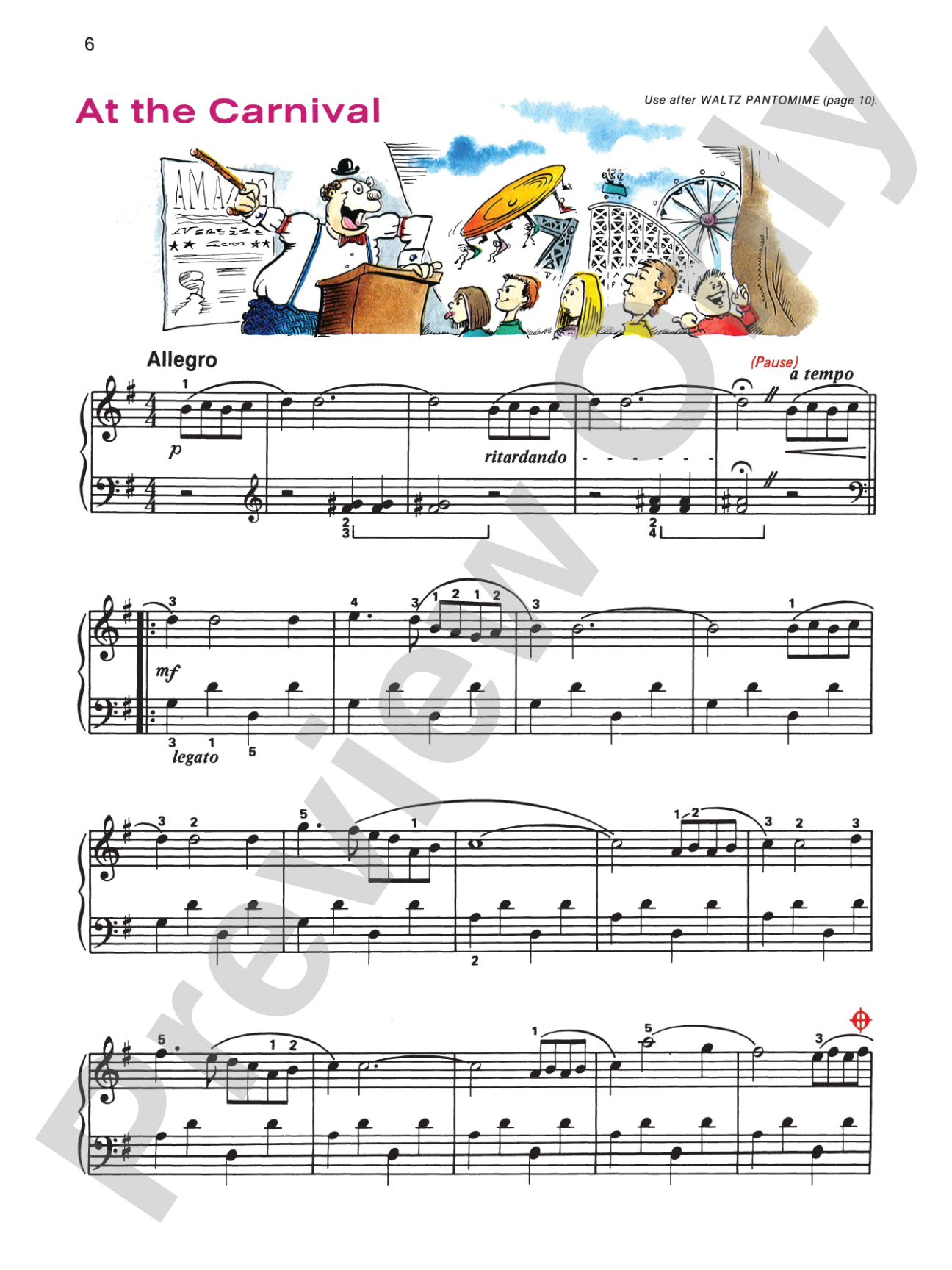
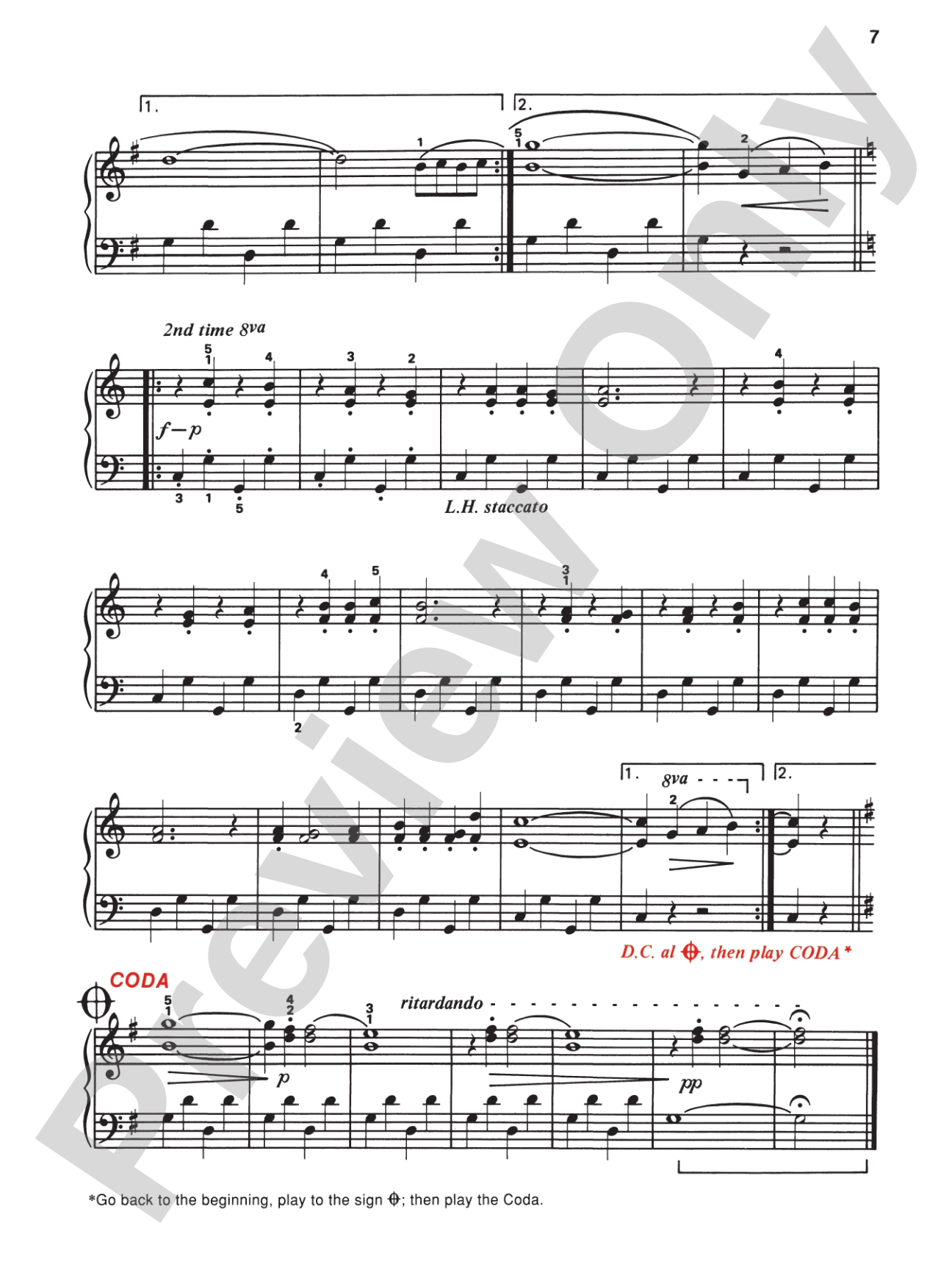
The Fun Books provide additional recital pieces designed for students who require more solo material and are particularly useful when two students are from the same family (Recital Book for one, Fun Book for the other).
Discover MakeMusic Cloud: thousands of interactive titles your students can play along with today.
Dr. Willard Palmer established himself as a prolific composer and influential music educator across multiple instruments and genres. A child prodigy who performed on radio at age 13, he went on to study at the Conservatory of Leipzig on scholarship and later joined the University of Houston faculty, where he taught accordion for 18 years. His compositional output exceeded 789 published works, translated into German, Japanese, French, Dutch, and Spanish.
Palmer's scholarly work earned him international recognition, particularly in Baroque music and ornamentation studies. This expertise shaped the acclaimed Alfred Masterworks series and informed his approach to pedagogy. He served as director of the Riemenschneider Bach Institute and held memberships in the American Federation of Musicians and the American Society of Composers, Authors and Publishers. His contributions to music education and research were honored with a Doctor of Humanities degree in 1971 and a Doctor of Music degree in 1983.
Why we love this
Palmer designed these pieces to work exactly how teachers need them: when two siblings are performing in the same recital, each student gets authentic solo material rather than duplicates or filler. The collection draws from his deep well of compositional experience and pedagogical judgment about what engages early intermediate pianists.
What to expect
A refreshing mix of entertaining character pieces and recognizable melodic ideas that appeal to young performers. Each solo has enough personality to keep students engaged during practice while remaining manageable within their technical range.
Who it's for
Piano students at Level 3 who are ready for additional recital repertoire beyond their method book. This collection is especially valuable for studios where multiple students from the same family perform on the same program and need distinct solo material.
How to get the most out of it
Balance accompaniment texture with melodic clarity so the piece doesn't feel overloaded at this developmental stage.
Treat tempo markings as guides rather than fixed speeds; let each piece breathe according to its character.
Identify the harmonic rhythm in each solo and use it to shape phrasing naturally.
Practice hands separately, then slowly together, before addressing any rhythmic or technical passages.
How to use it
Schedule these solos throughout the year as students complete method book units, ensuring a steady pipeline of performance-ready material for recitals. Pair complementary pieces from the collection when programming siblings or classmates, creating variety across the concert.
Skills your students will build
Reading and executing basic dynamic markings and articulations
Sustaining musical phrasing across 8 to 16-bar sections
Balancing independence between hands in simple accompaniment textures
Building confidence in solo performance contexts
Interpreting stylistic cues from title and character indications
You May Also Like
Scan to Complete Your Purchase
Use your phone's camera to scan the code below
You'll log in on your phone and the order will be added to your account