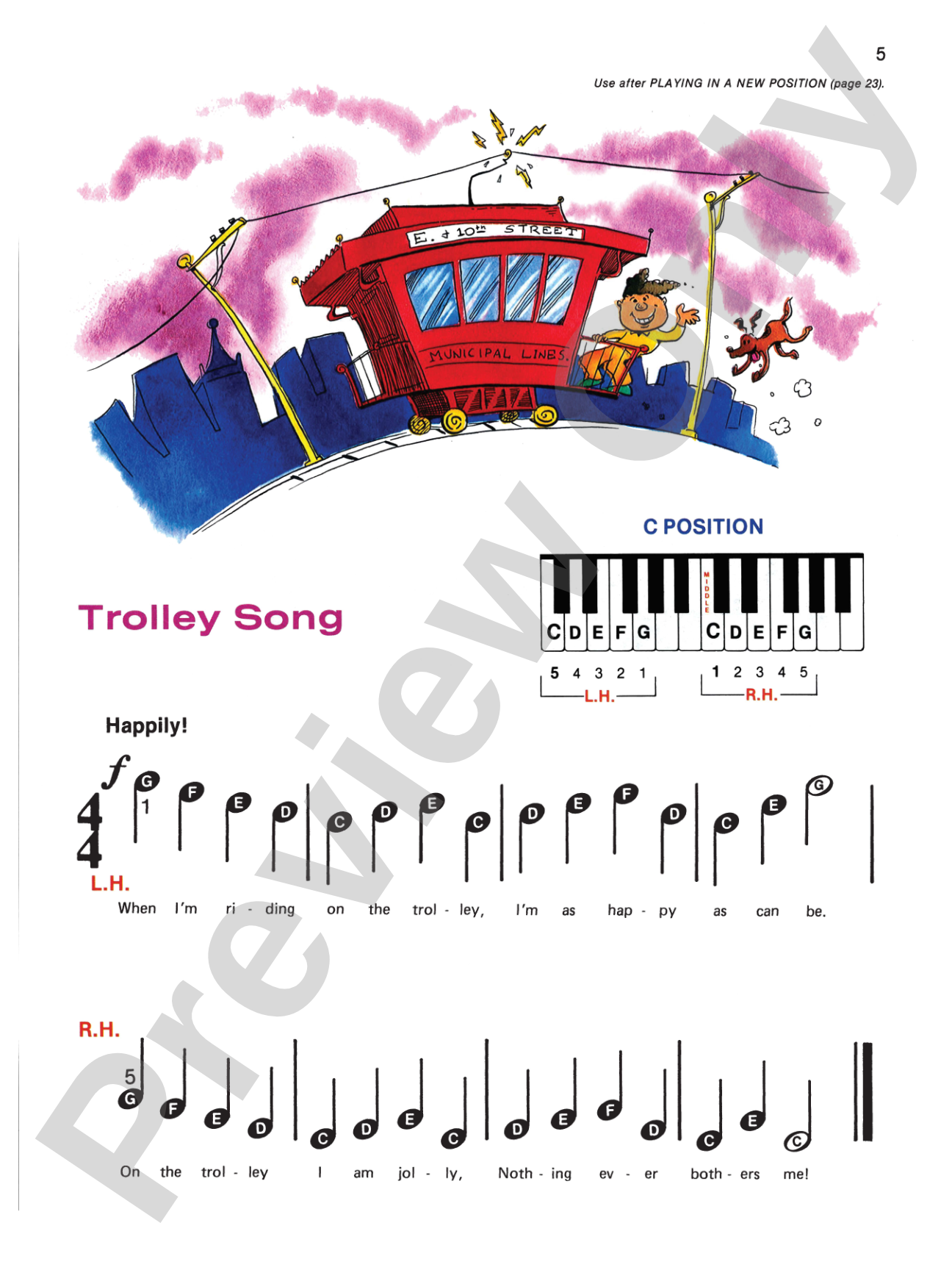
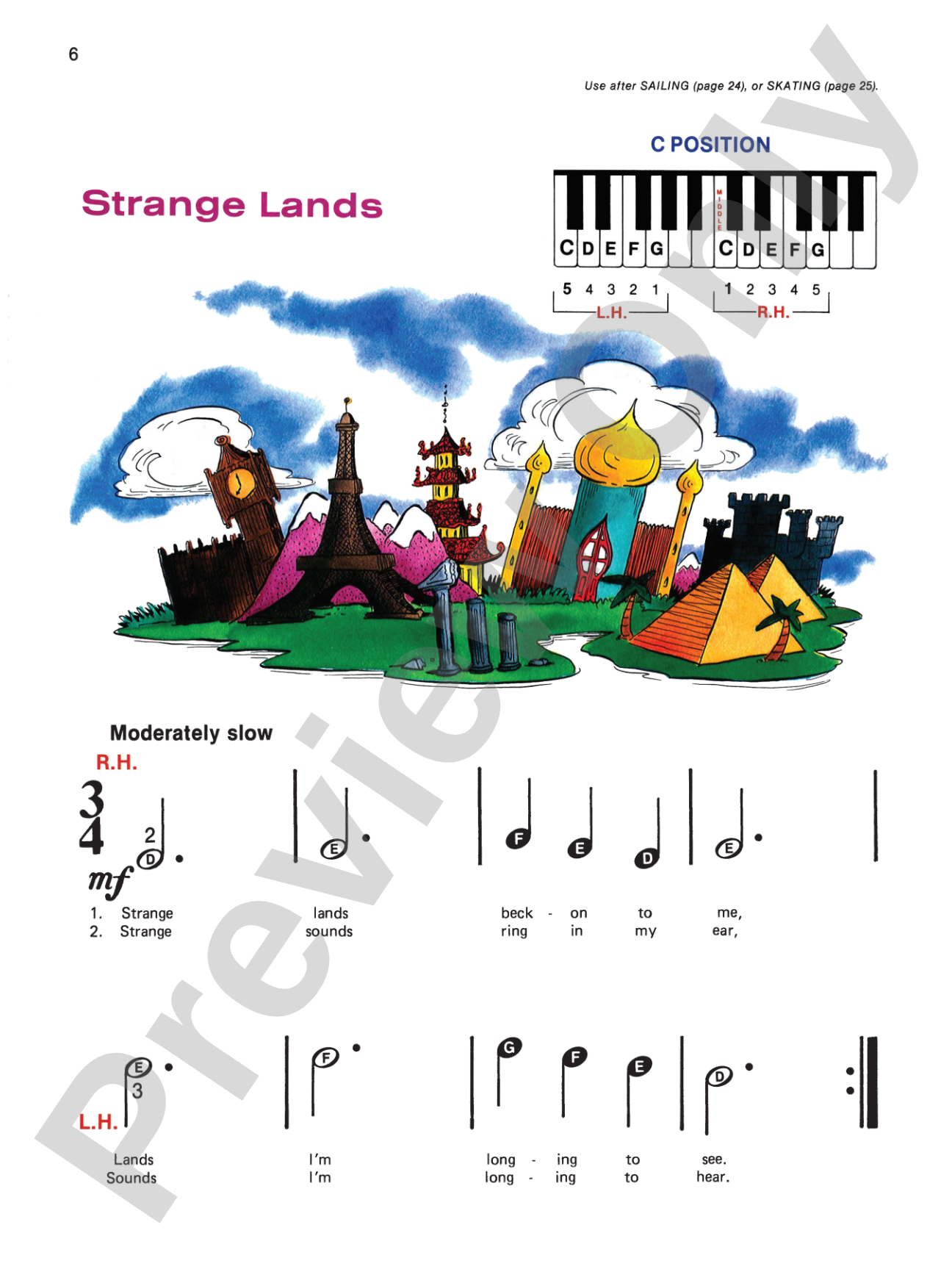
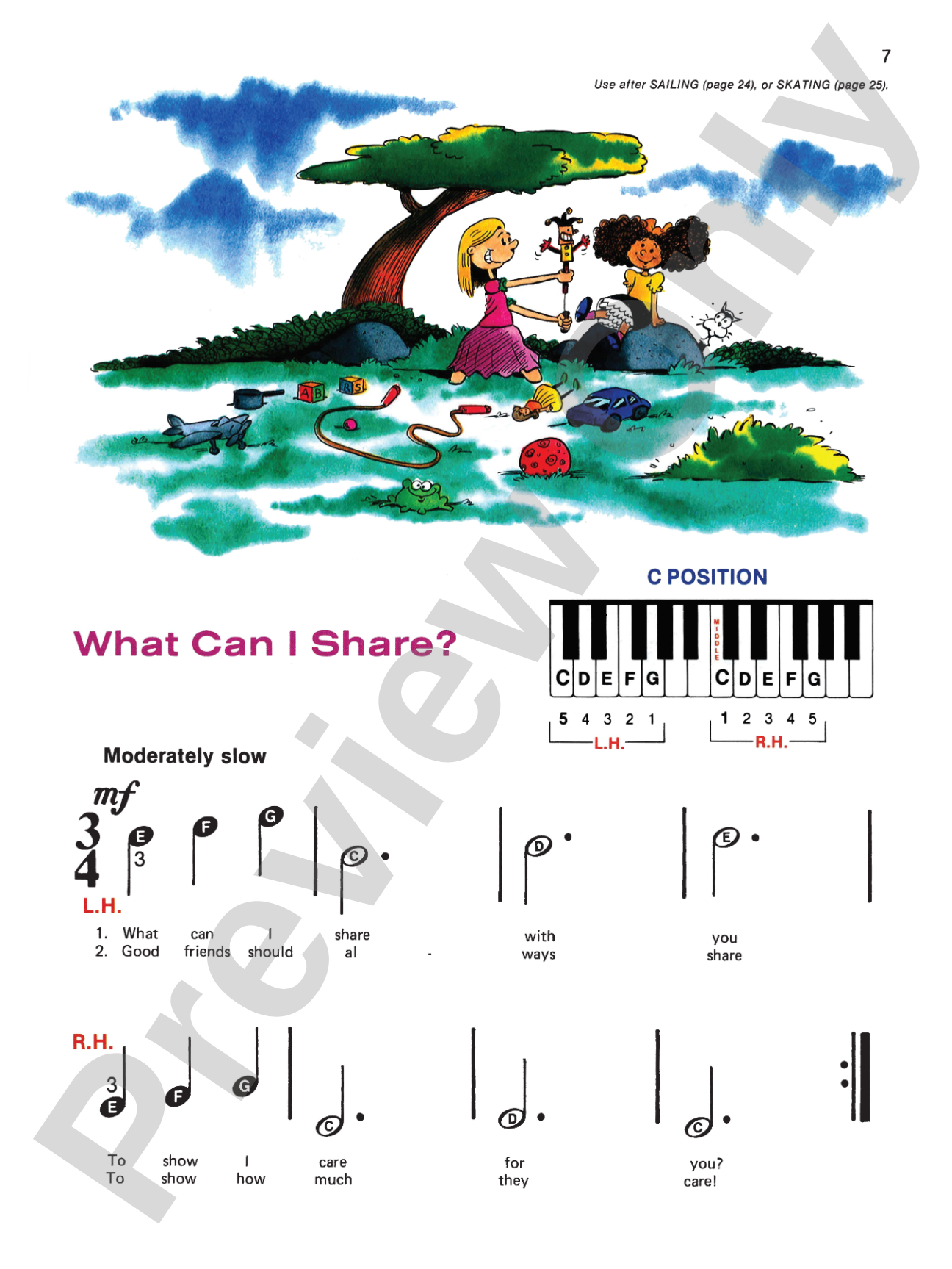
Alfred's Basic Piano Library: Fun Book 1A: A Collection of 31 Entertaining Solos Sheet Music Preview

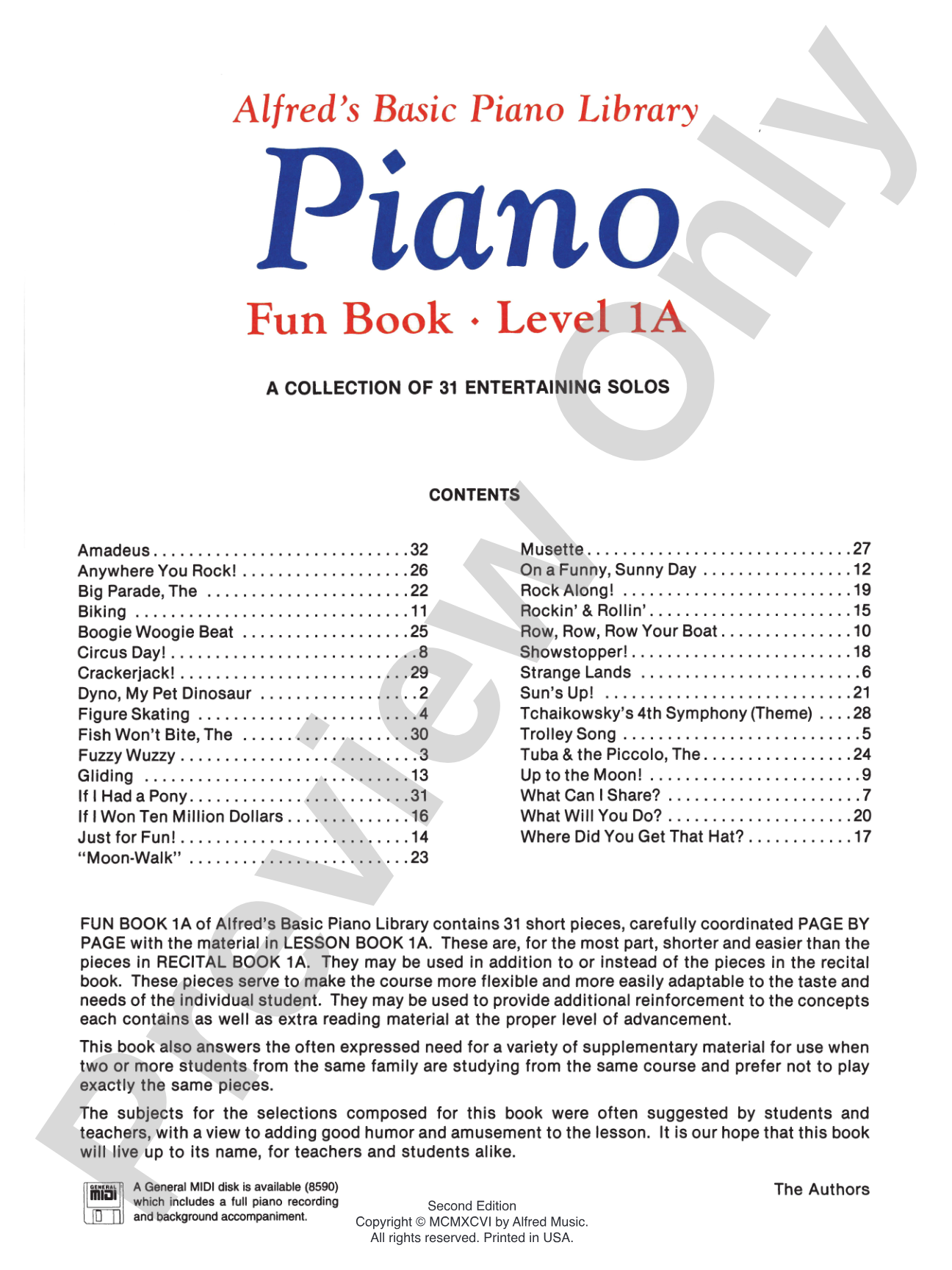
Alfred's Basic Piano Library: Fun Book 1A: A Collection of 31 Entertaining Solos: Piano

A Collection of 31 Entertaining Solos

By Willard A. Palmer, Morton Manus, and Amanda Vick Lethco

Level: 1A

Item: 00-PS-0017749

Digital Download
$9.99
Description
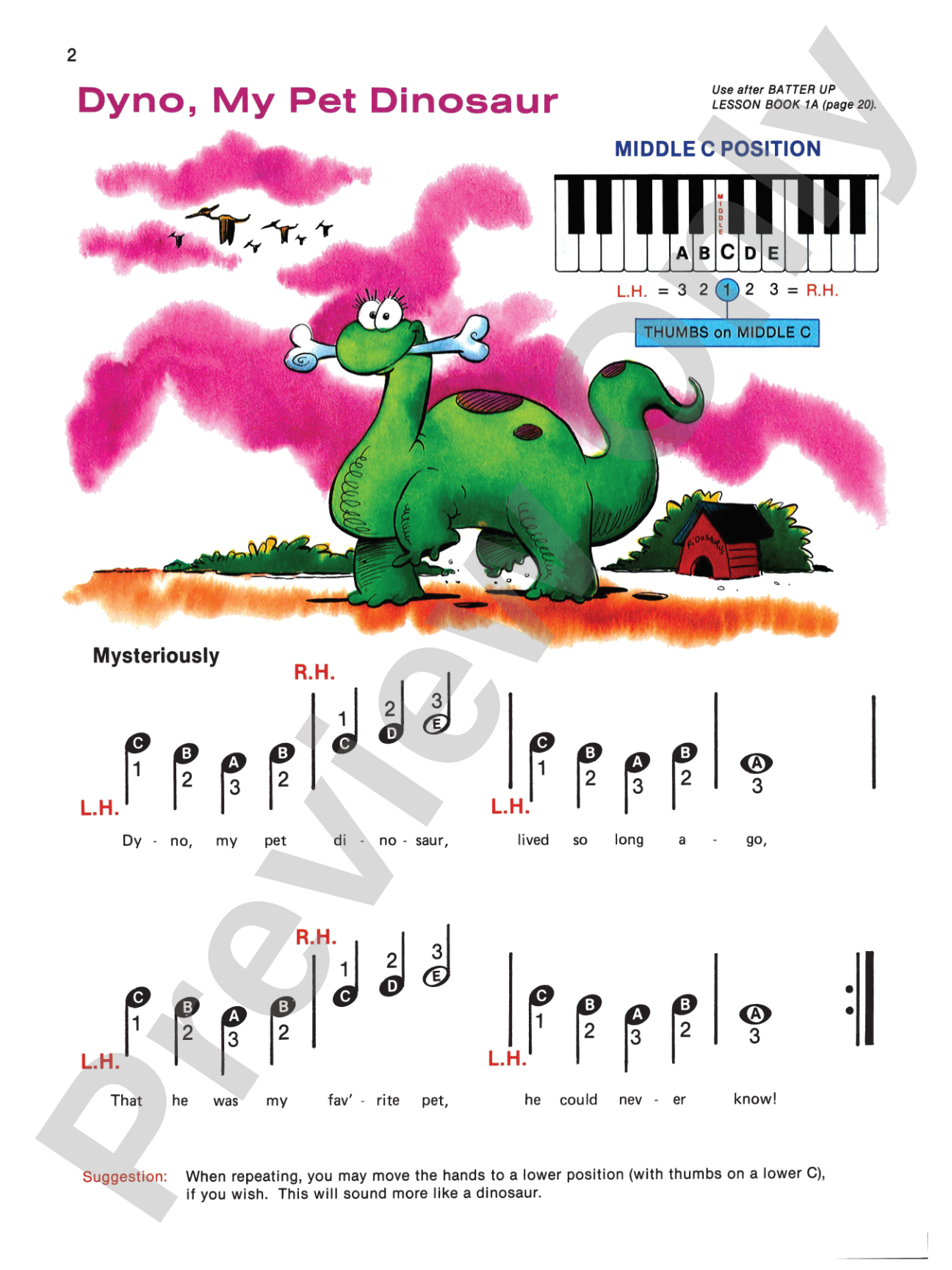
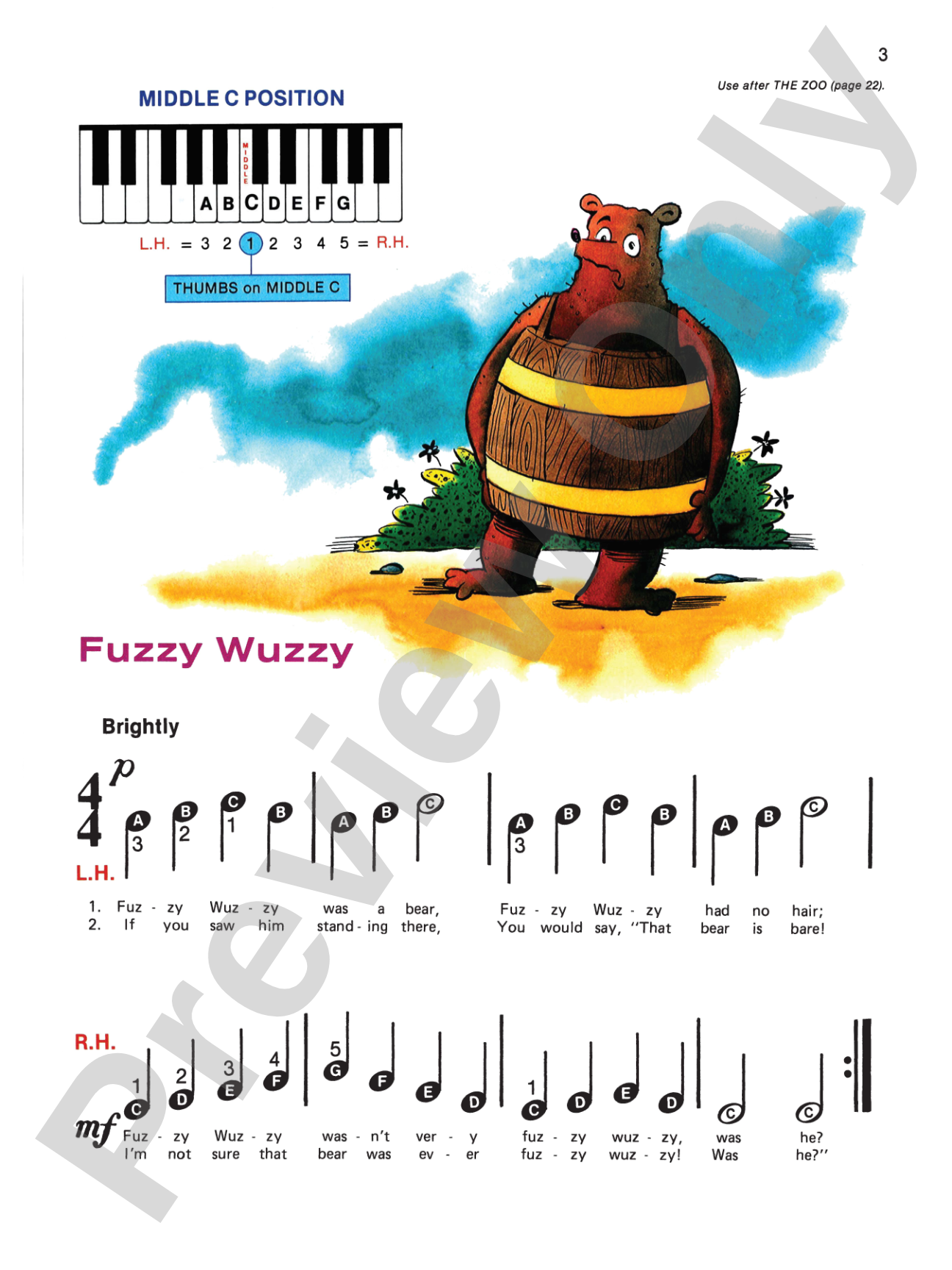
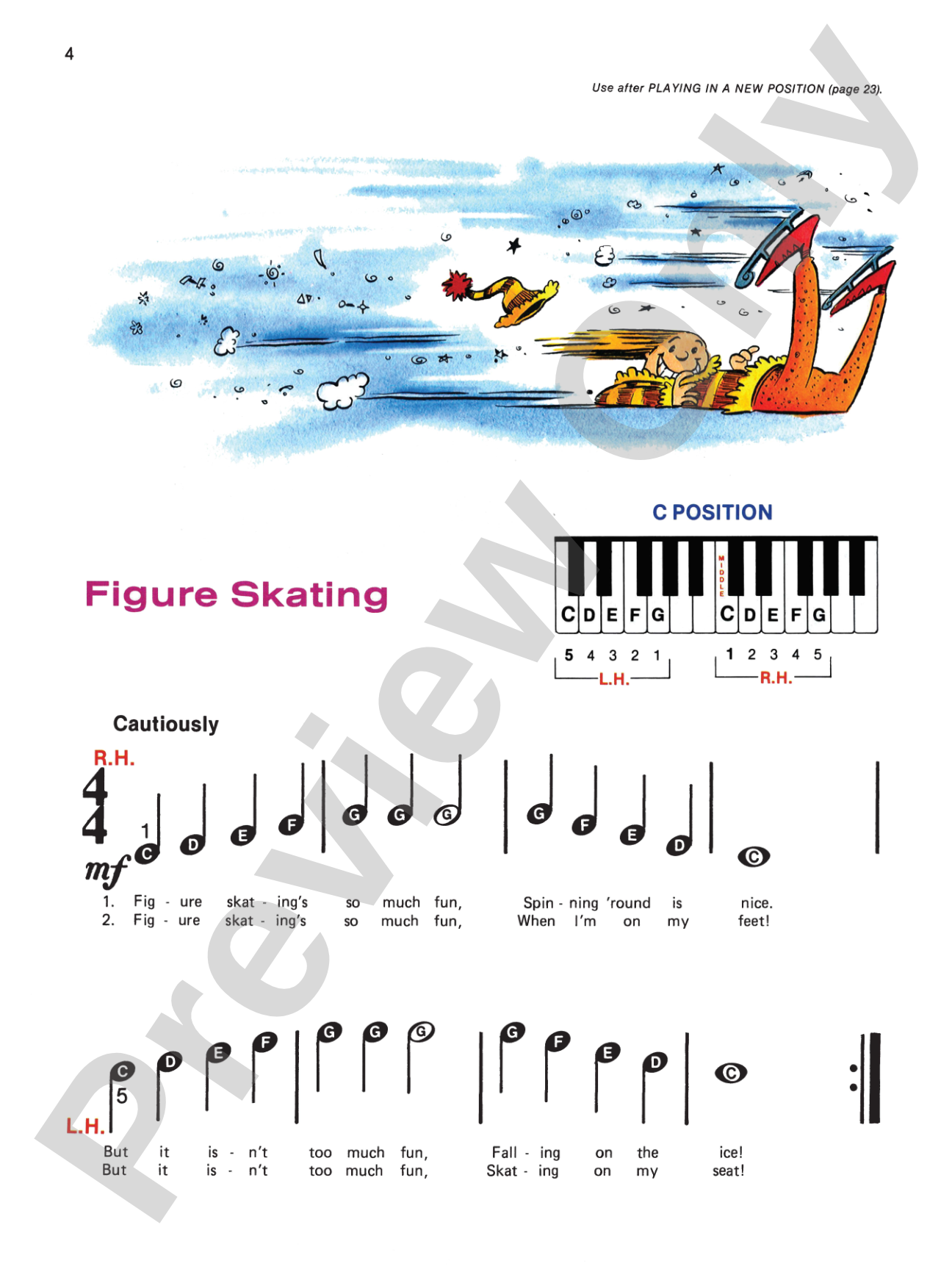
The Fun Books provide additional recital pieces designed for students who require more solo material and are particularly useful when two students are from the same family (Recital Book for one, Fun Book for the other).

Alfred's Basic Piano Library: Fun Book 1A: A Collection of 31 Entertaining Solos: Piano isn't in MakeMusic Cloud just yet...but it could be. Let us know you'd like to see it, and you'll help shape what comes next. In the meantime, start a free trial and dive into thousands of interactive titles your students can play along with today.

Sample Audio
No sample audio found.
Sample Video
Additional Details
Series: Alfred's Basic Piano Library
Publisher: Alfred Music
Page Count: 32
SKU: 00-PS-0017749

More about this title

About the Composer: Willard A. Palmer

Willard A. Palmer

Willard A. Palmer stands among the most prolific pedagogical composers of the 20th century, having published nearly 800 works across multiple instruments and genres. His early years as a child prodigy pianist and accordionist on radio programs informed a lifetime of writing music designed to engage students at every level. Palmer studied at the Conservatory of Leipzig on scholarship and later joined the University of Houston music faculty, where he taught accordion for 18 years and developed some of the first college courses in the instrument.

Beyond his work as a composer and teacher, Palmer earned international recognition as a scholar of Baroque music and ornamentation, expertise that shaped the widely respected Alfred Masterworks series. His research and pedagogical innovations earned him a Doctor of Humanities degree in 1971 and a Doctor of Music degree in 1983. A member of the American Accordionists' Association and ASCAP, Palmer dedicated his later career to deepening music education through both careful scholarly work and accessible, well-crafted student repertoire.

Why we love this

Level 1A students need variety in their solo material, and this collection delivers exactly that without requiring you to hunt through multiple sources. The pieces are genuinely entertaining rather than merely functional, which means students actually want to perform them and retain them longer in their hands.

What to expect

These solos combine accessible melodies with straightforward rhythms and manageable hand positions, creating pieces that feel approachable without being babyish. Students discover that elementary-level repertoire can be genuinely musical and worth performing.

Who it's for

This collection is designed for early-stage piano students working through Level 1A material who need fresh solo options for recitals or festivals. It works particularly well when two students from the same family study with you and both need performance material at the same level.

How to get the most out of it

  • Encourage students to observe the dynamics carefully; even simple pieces come alive when students shape the musical phrase rather than playing everything at the same volume.
  • Have students practice hands separately before combining them, which strengthens confidence and independence at this early stage.
  • Use the pieces as opportunities to discuss articulation; staccato and legato markings appear frequently and give students concrete language for musical expression.

How to use it

Pair this with the Recital Book to ensure every student has a fresh solo ready for each performance opportunity throughout the year. The variety of pieces also works well when you're building a short recital program and want students to have choices in what they perform.

Skills your students will build

  • Reading and performing in 2/4, 3/4, and 4/4 time signatures
  • Sustaining legato and controlling staccato articulation
  • Recognizing and executing simple dynamic contrasts
  • Coordinating independent hand lines
  • Maintaining steady tempo and pulse throughout a complete piece

You May Also Like