

Alfred's Basic Piano Library: Ensemble Book Complete 2 & 3: Piano
By Gayle Kowalchyk and E. L. Lancaster
Level: 2 & 3
Item: 00-PB-0000925
$9.99
Pickup currently not available
Related Items
Alfred's Basic Piano Library: Ensemble Book Complete 2 & 3: Piano Book |
$9.99
|
View |
Description
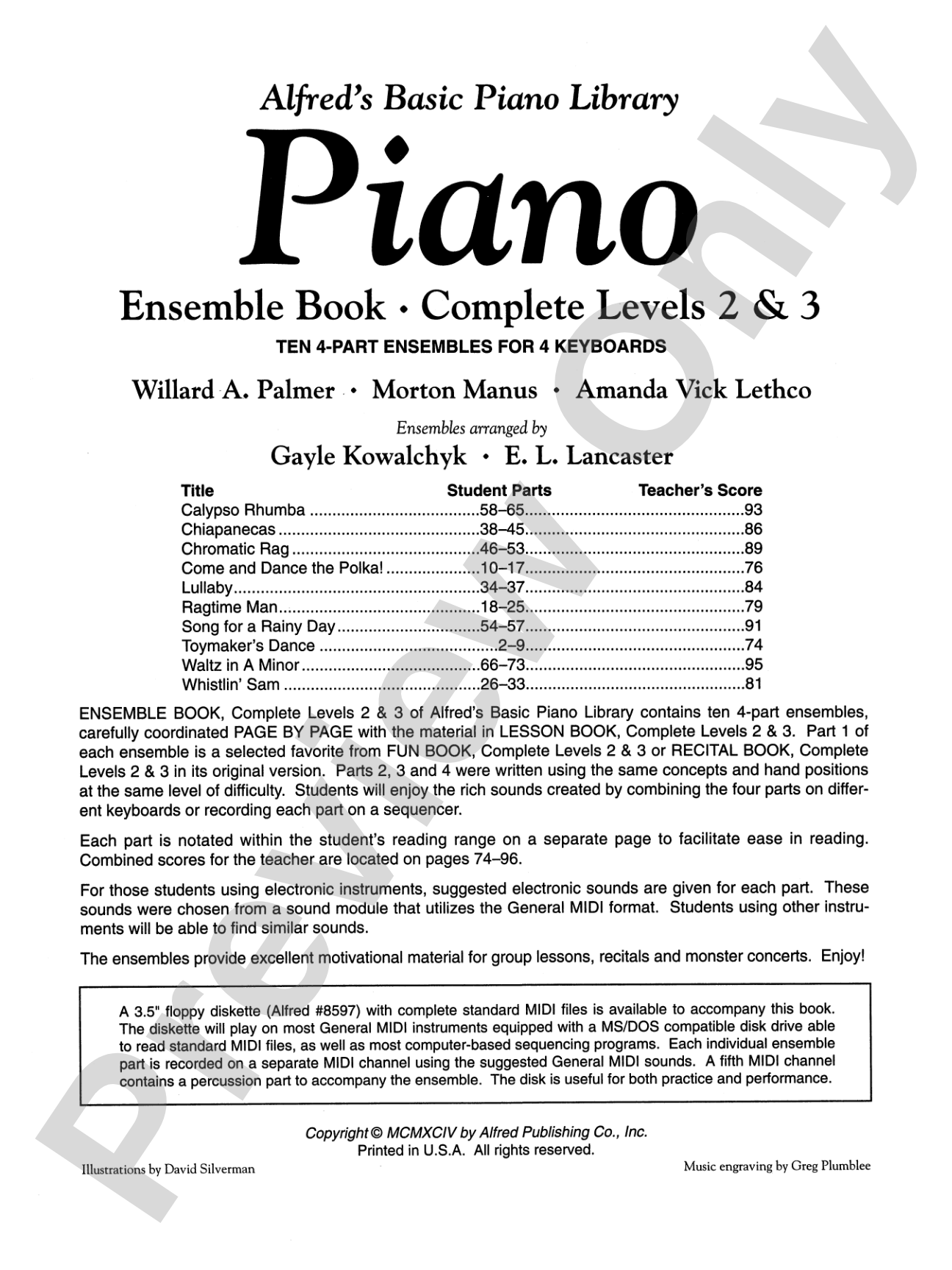
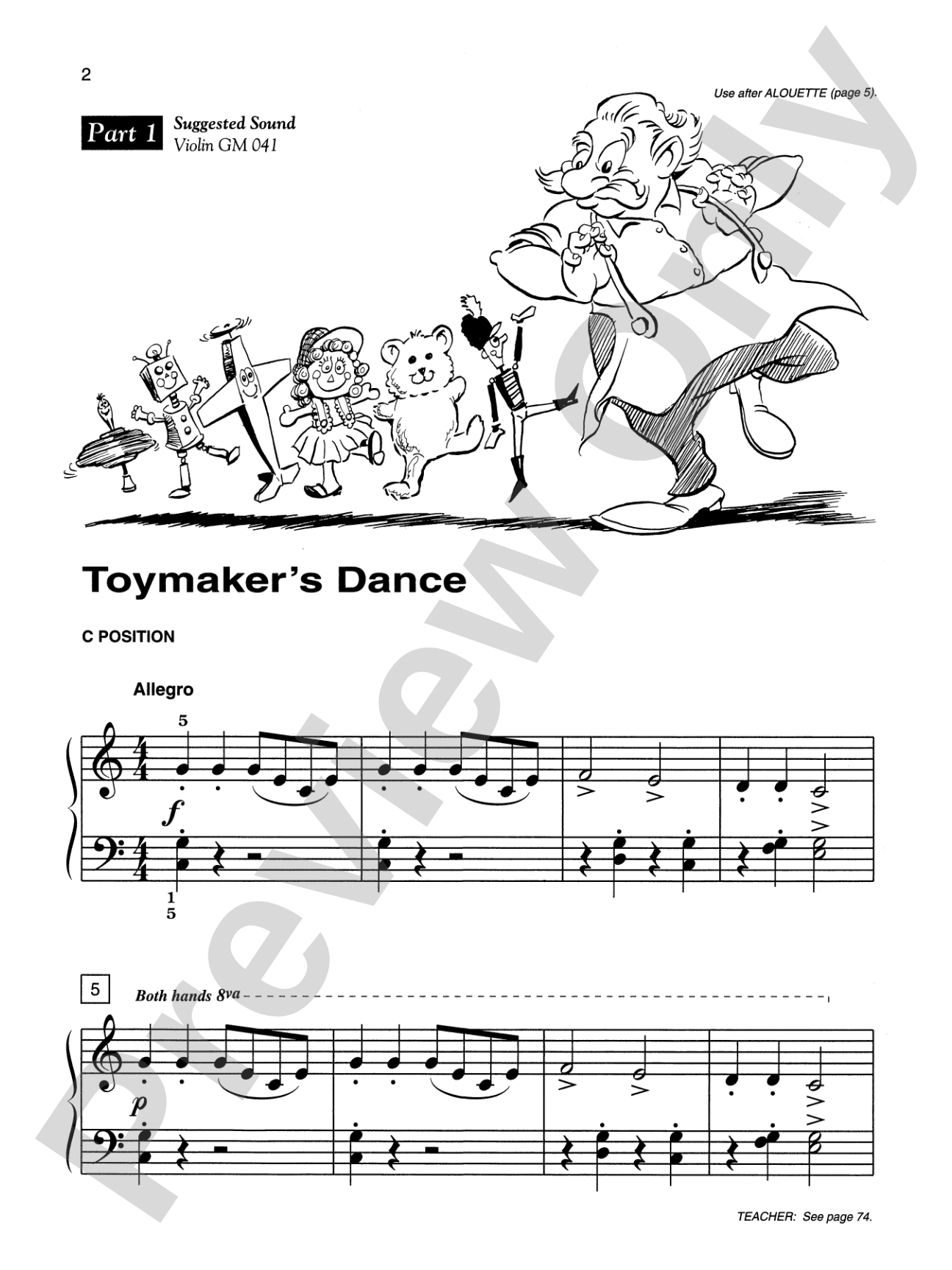
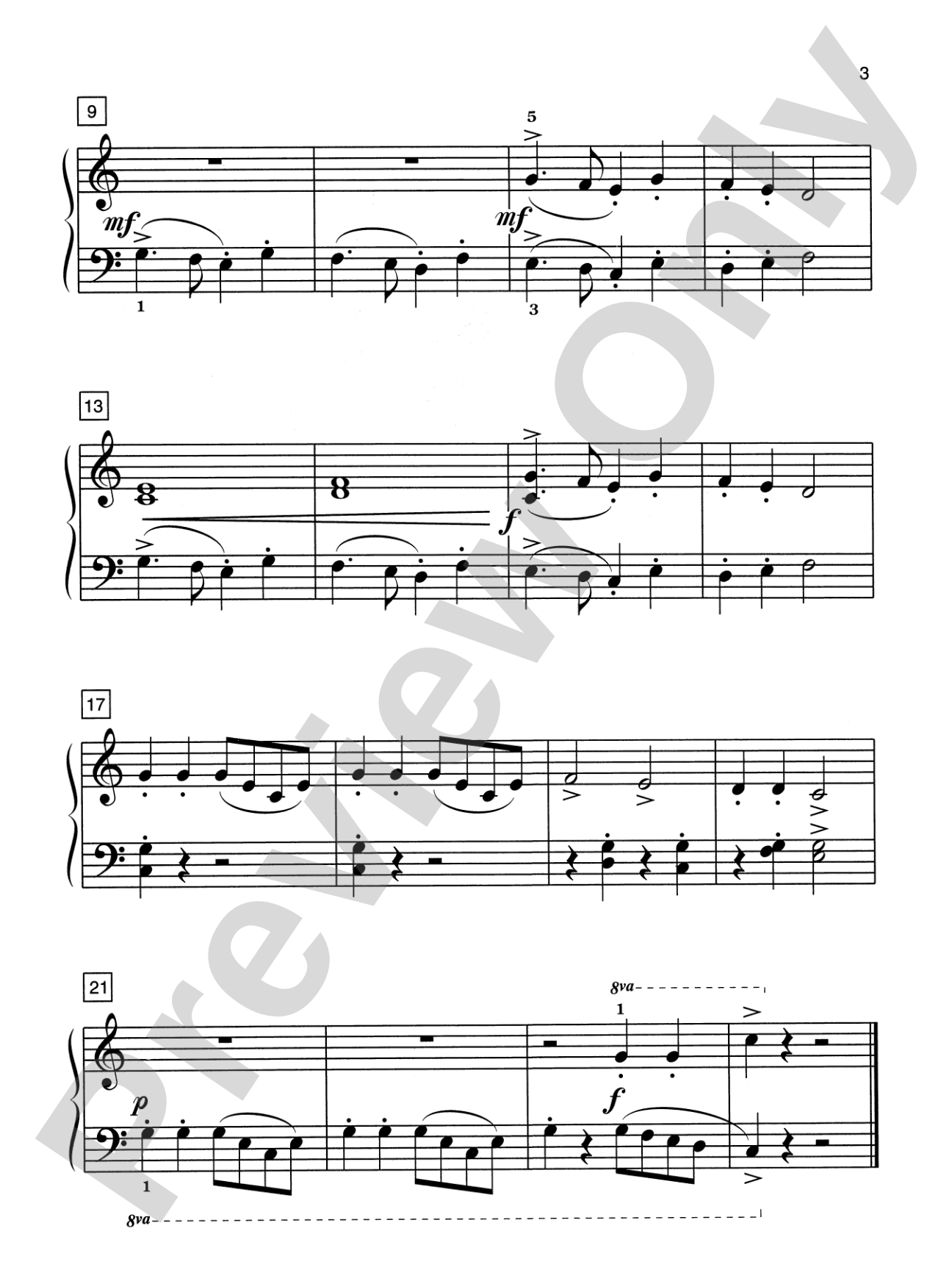
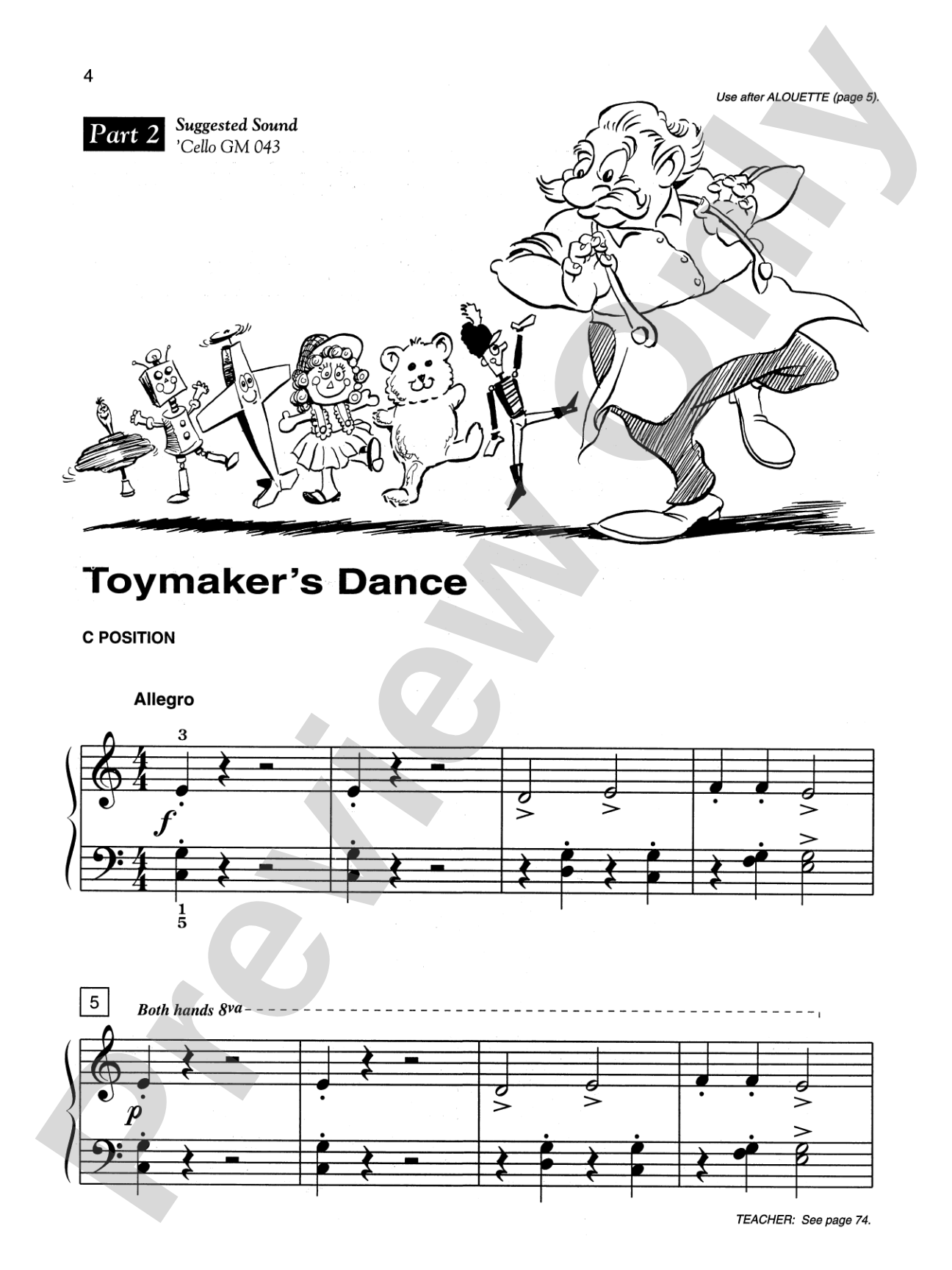
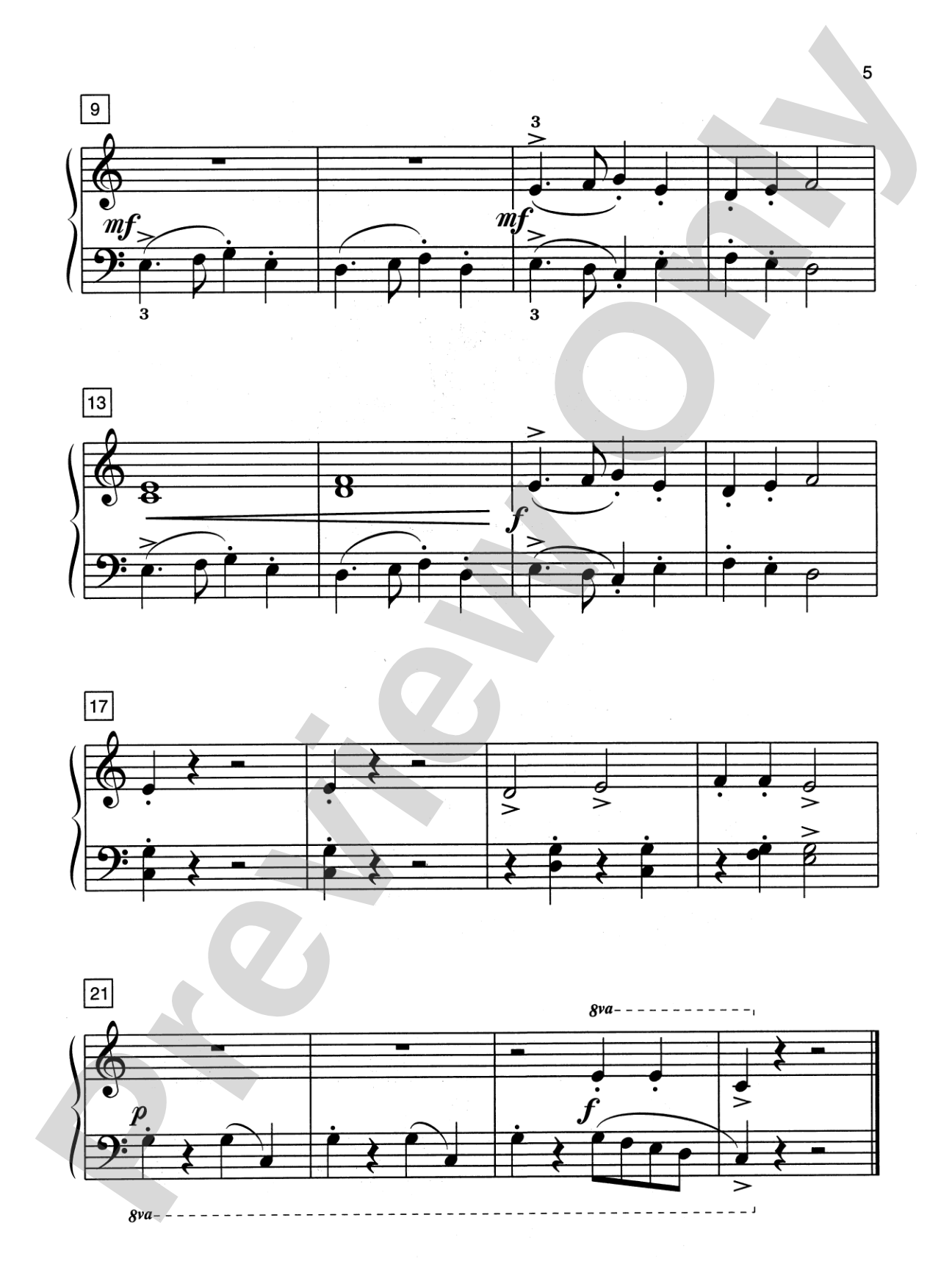
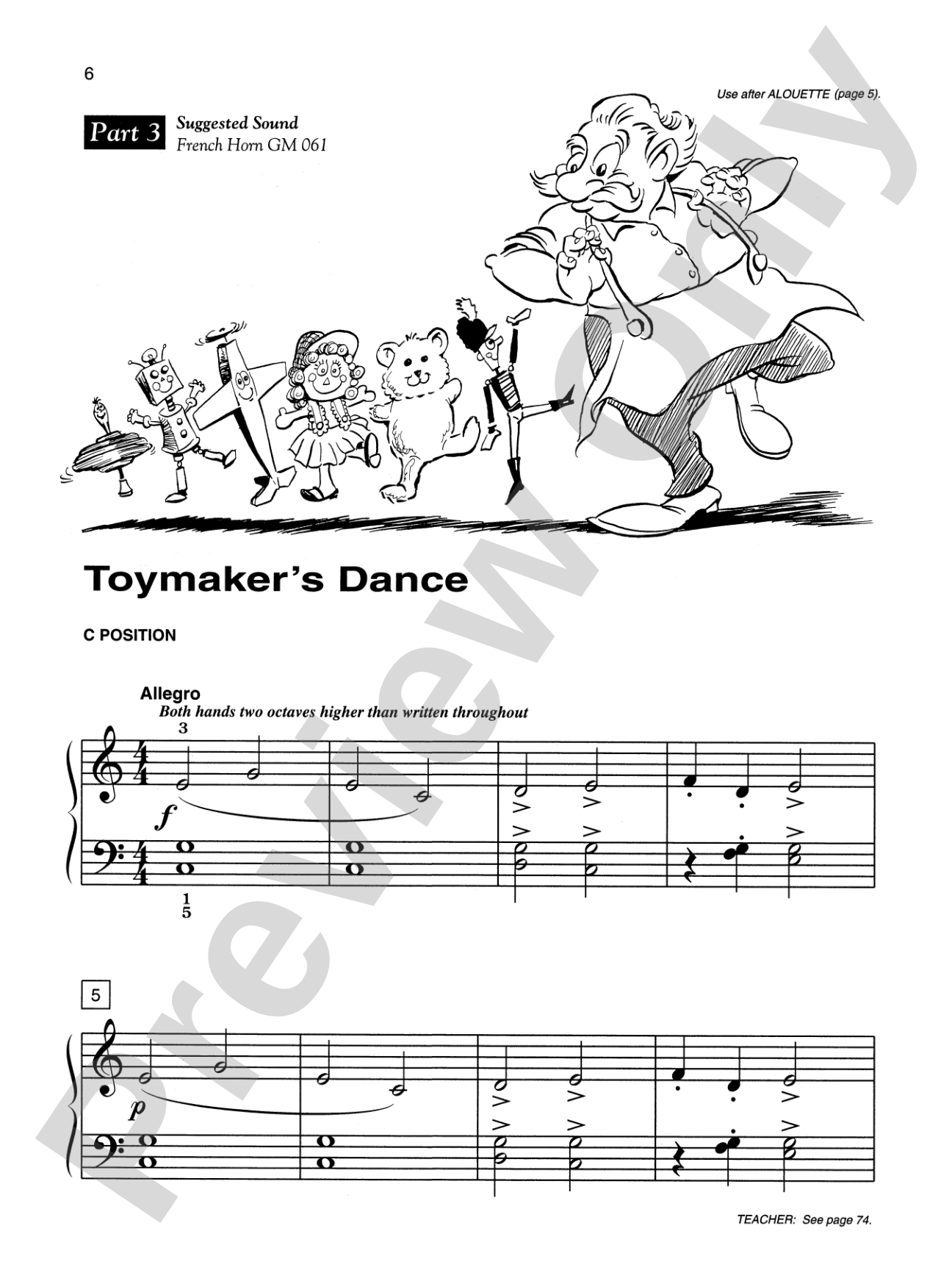
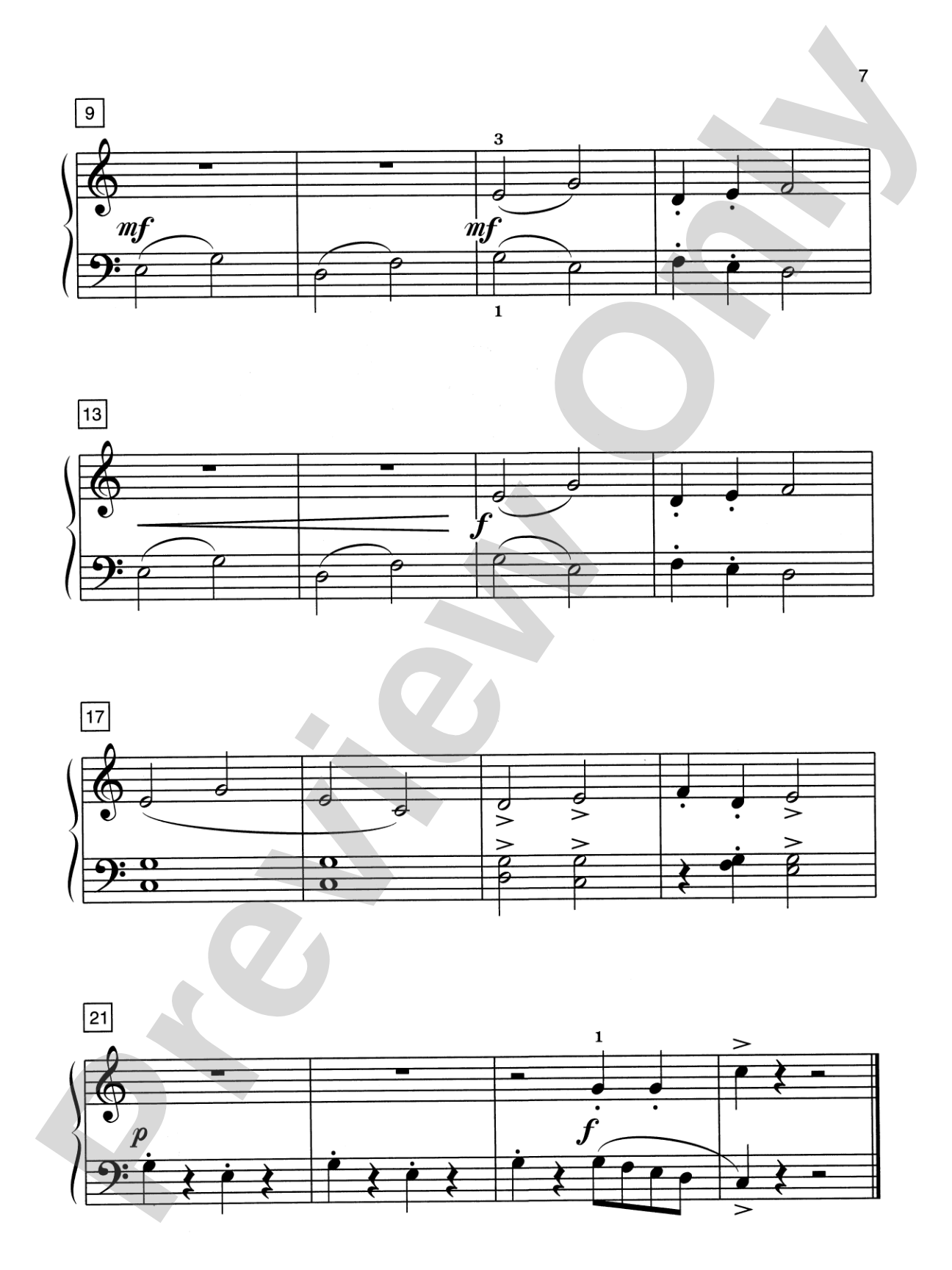
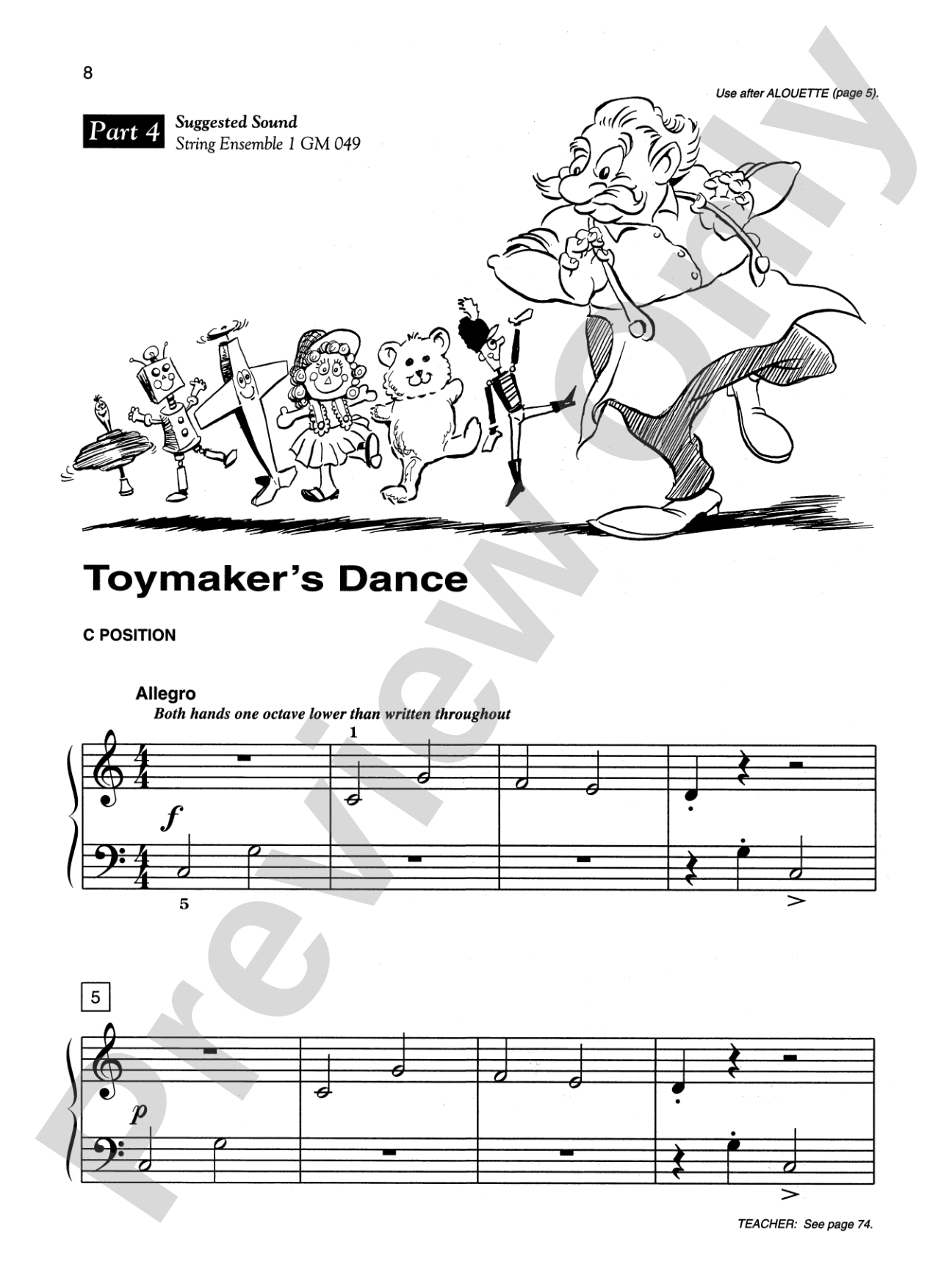
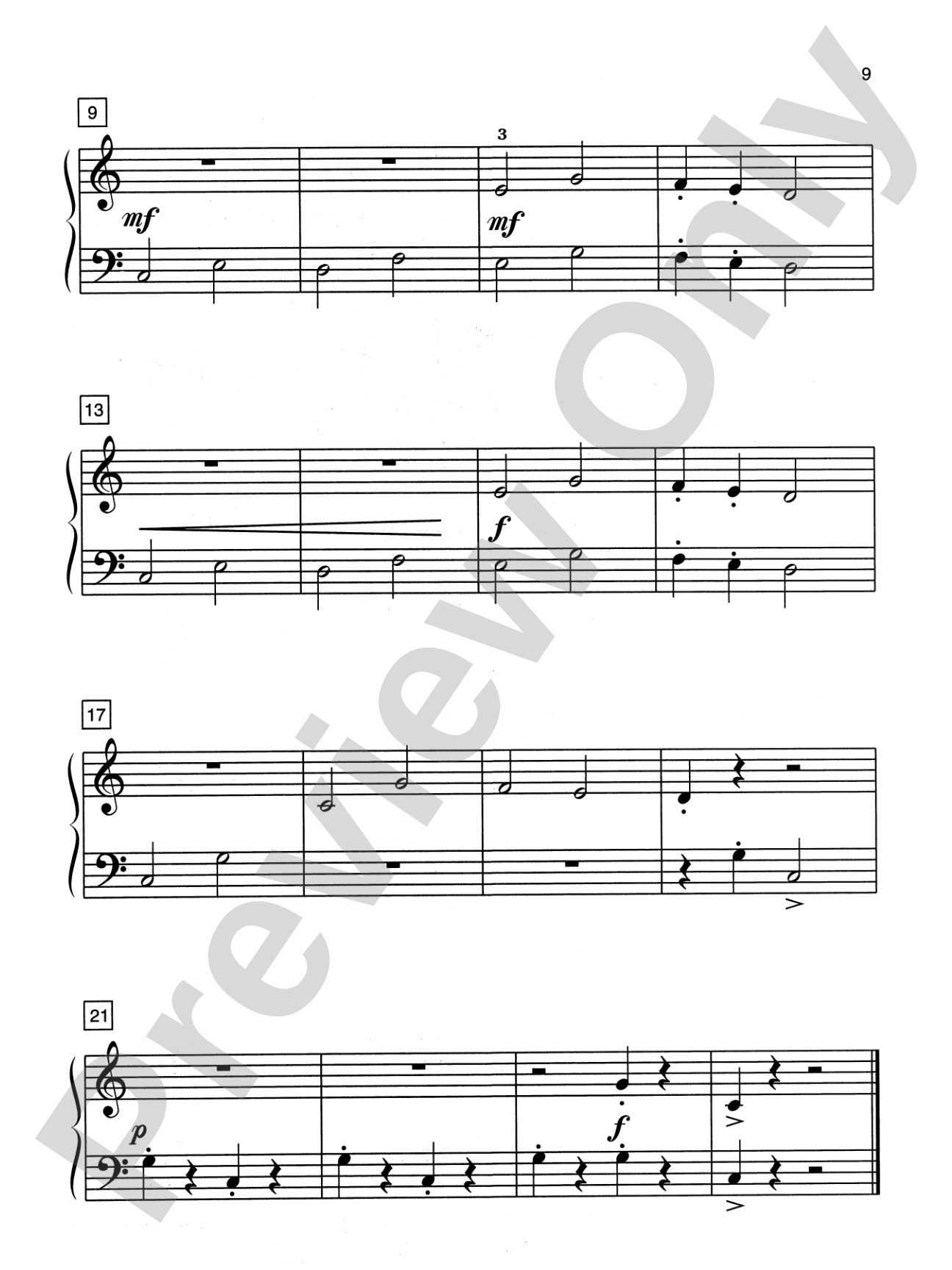
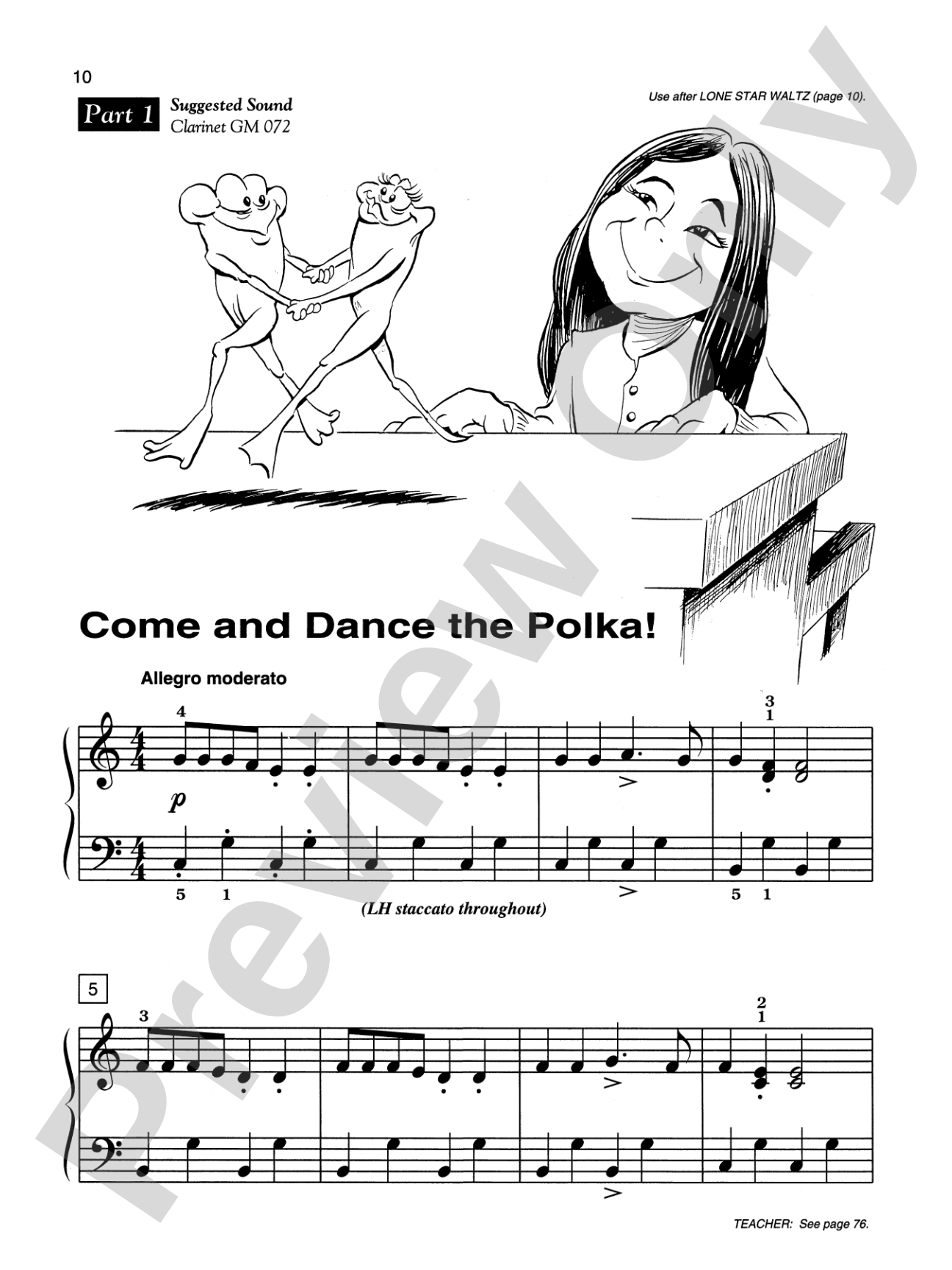
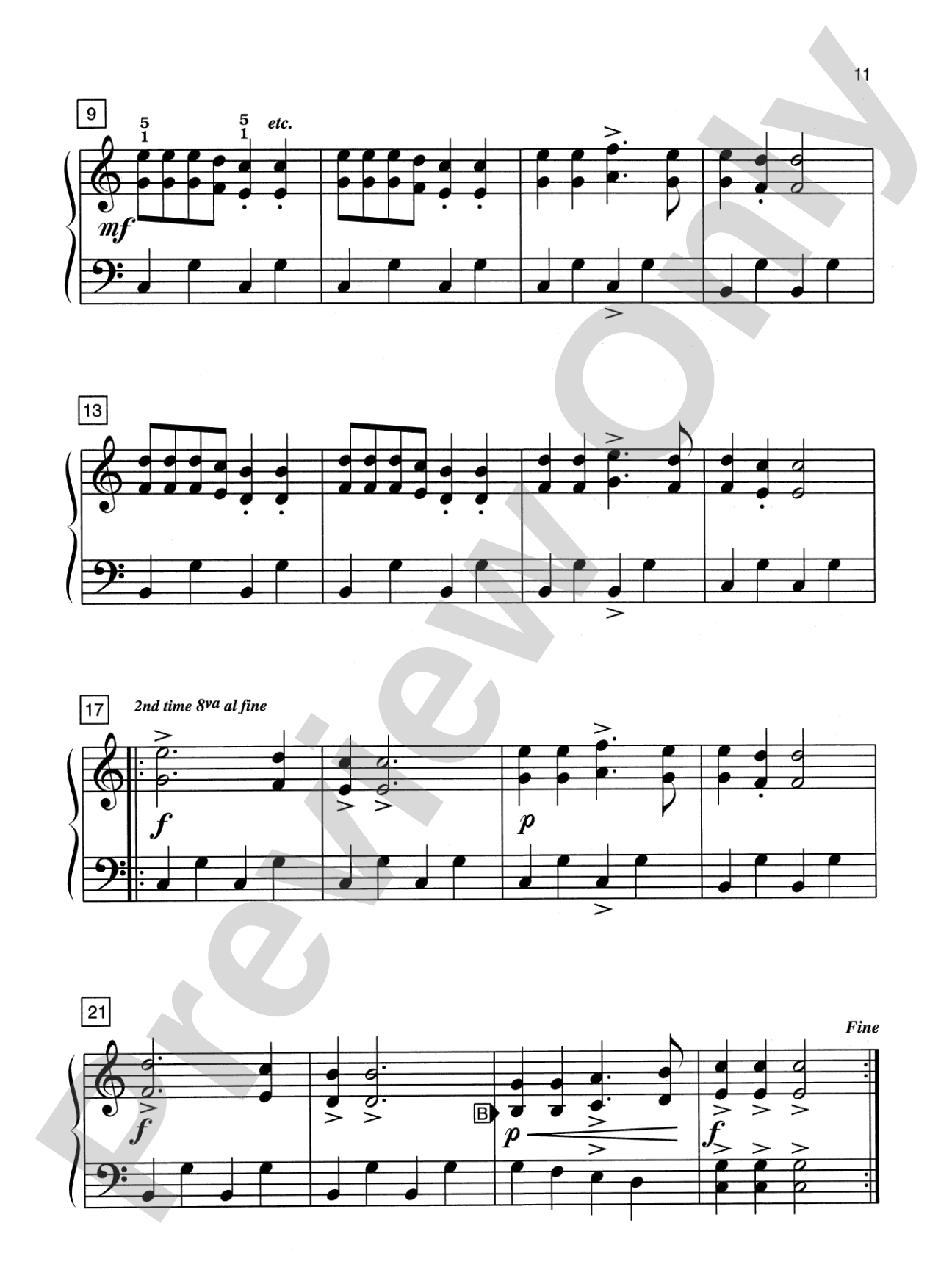
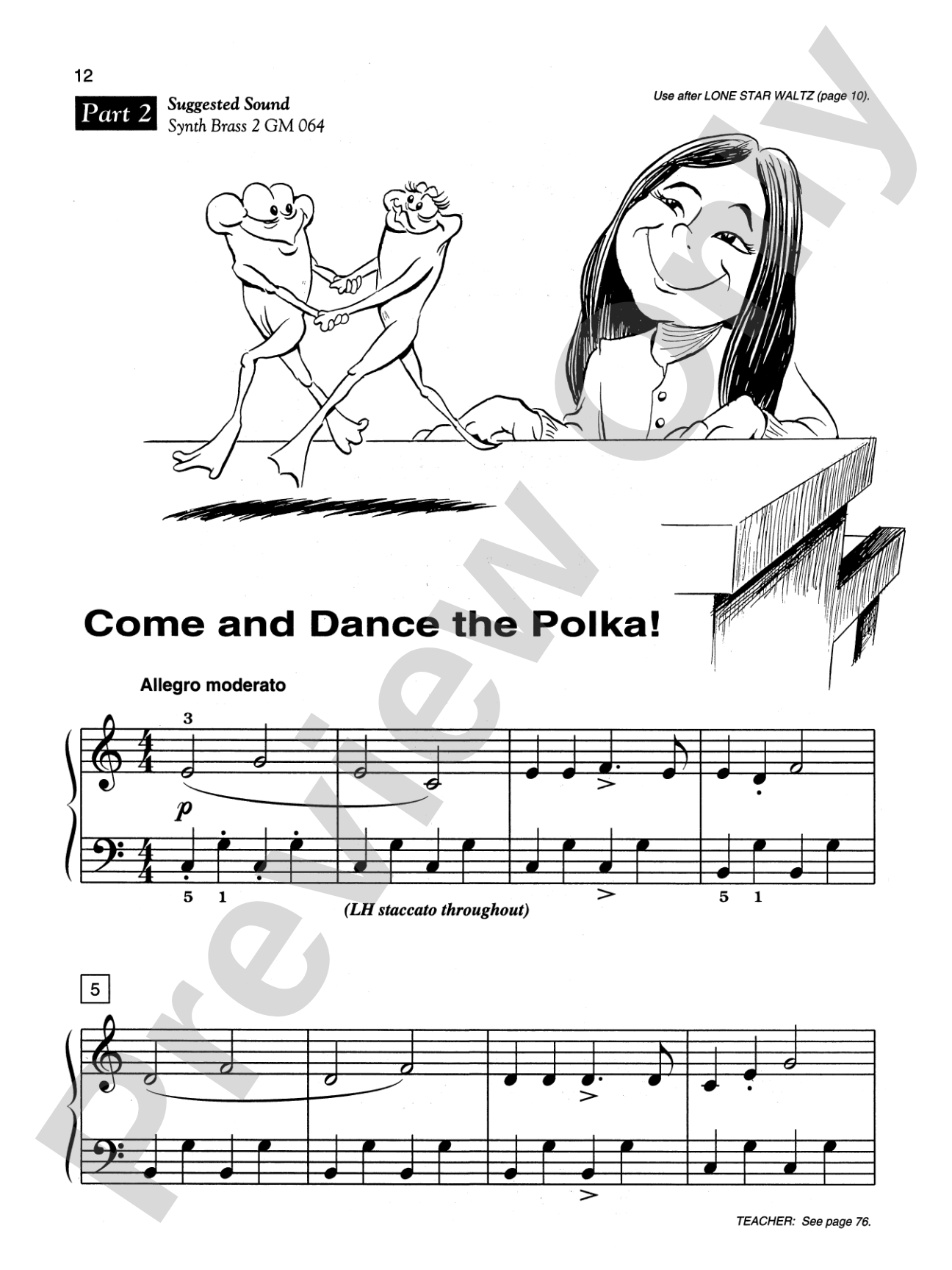
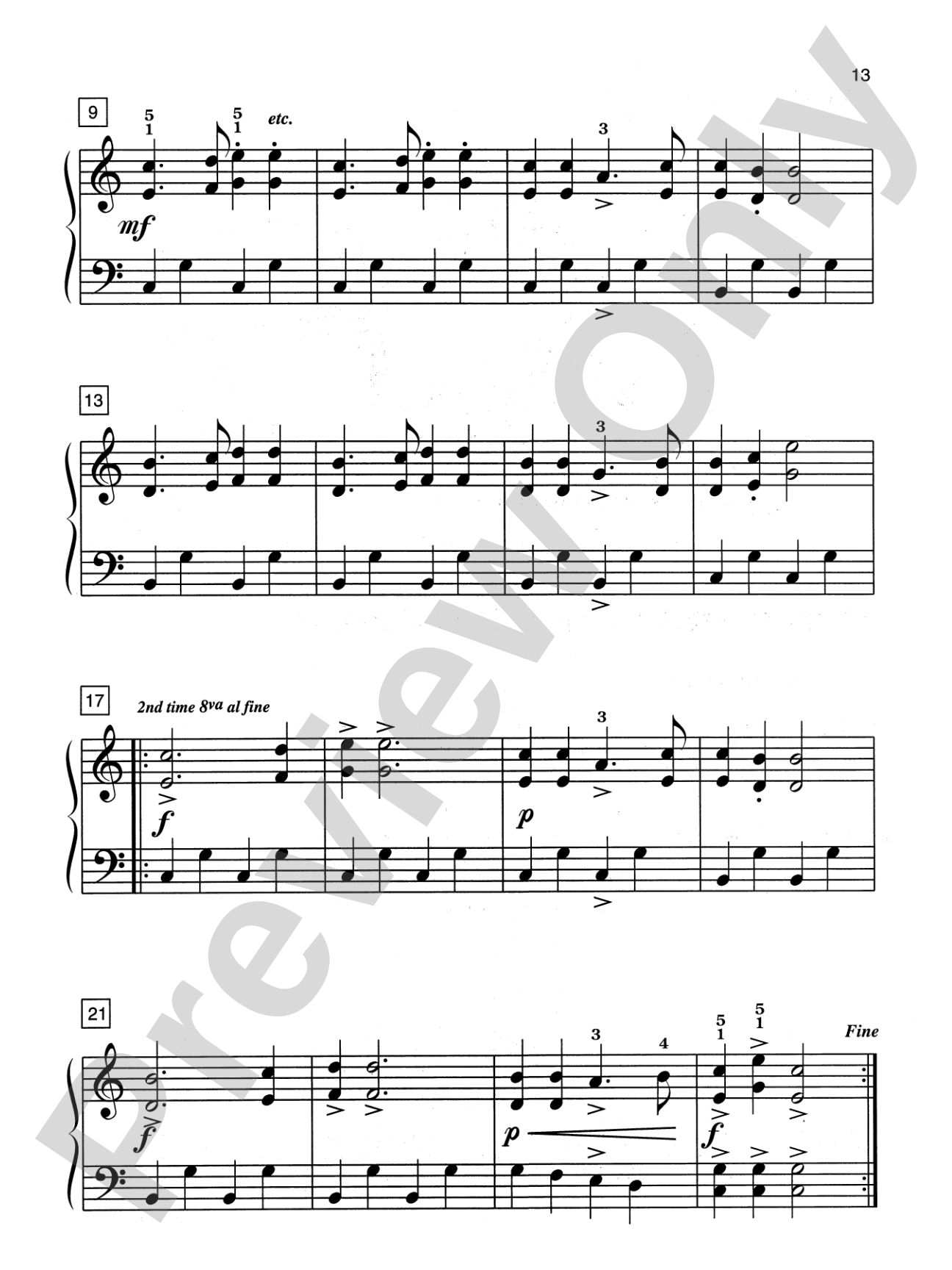
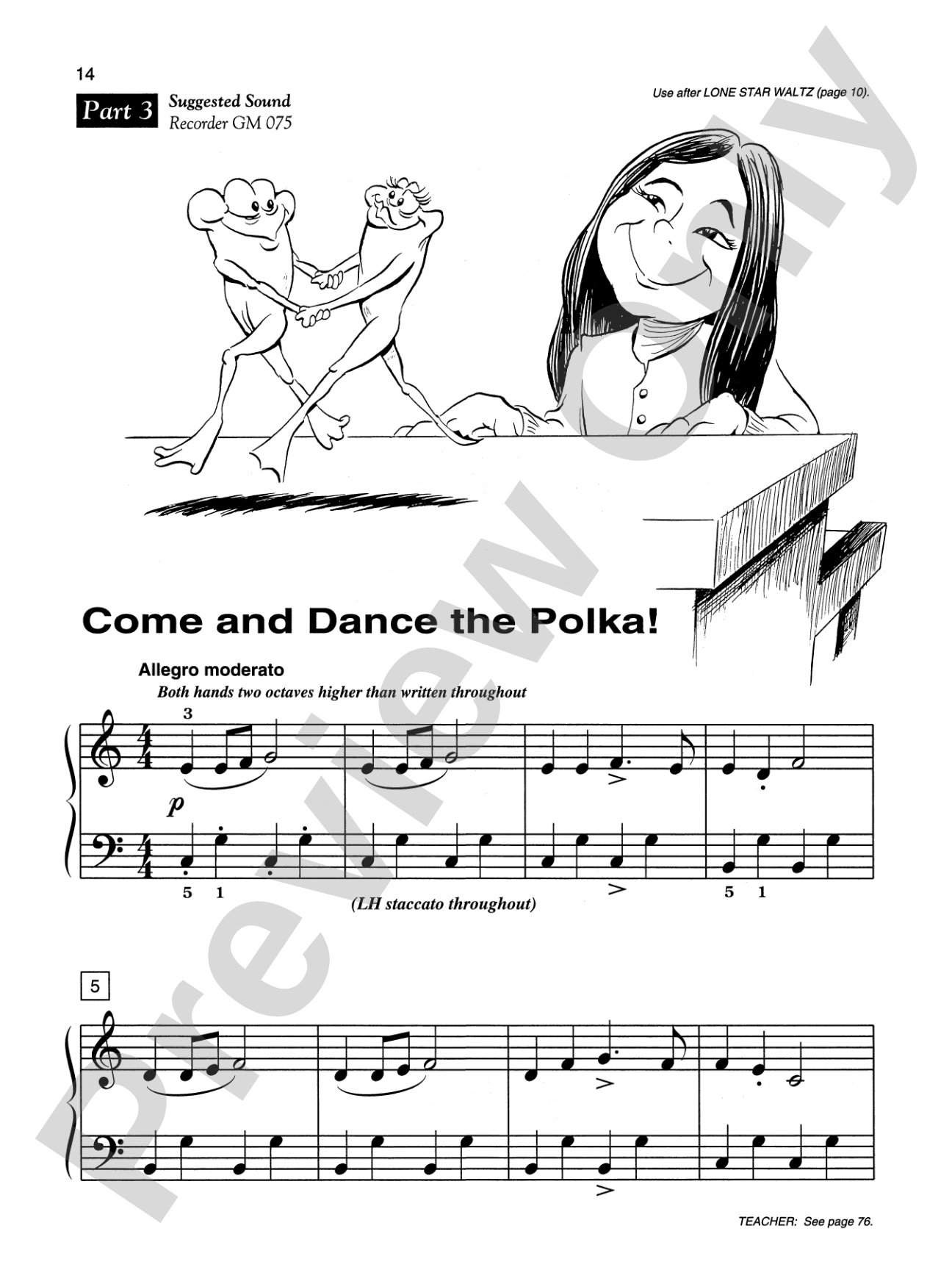
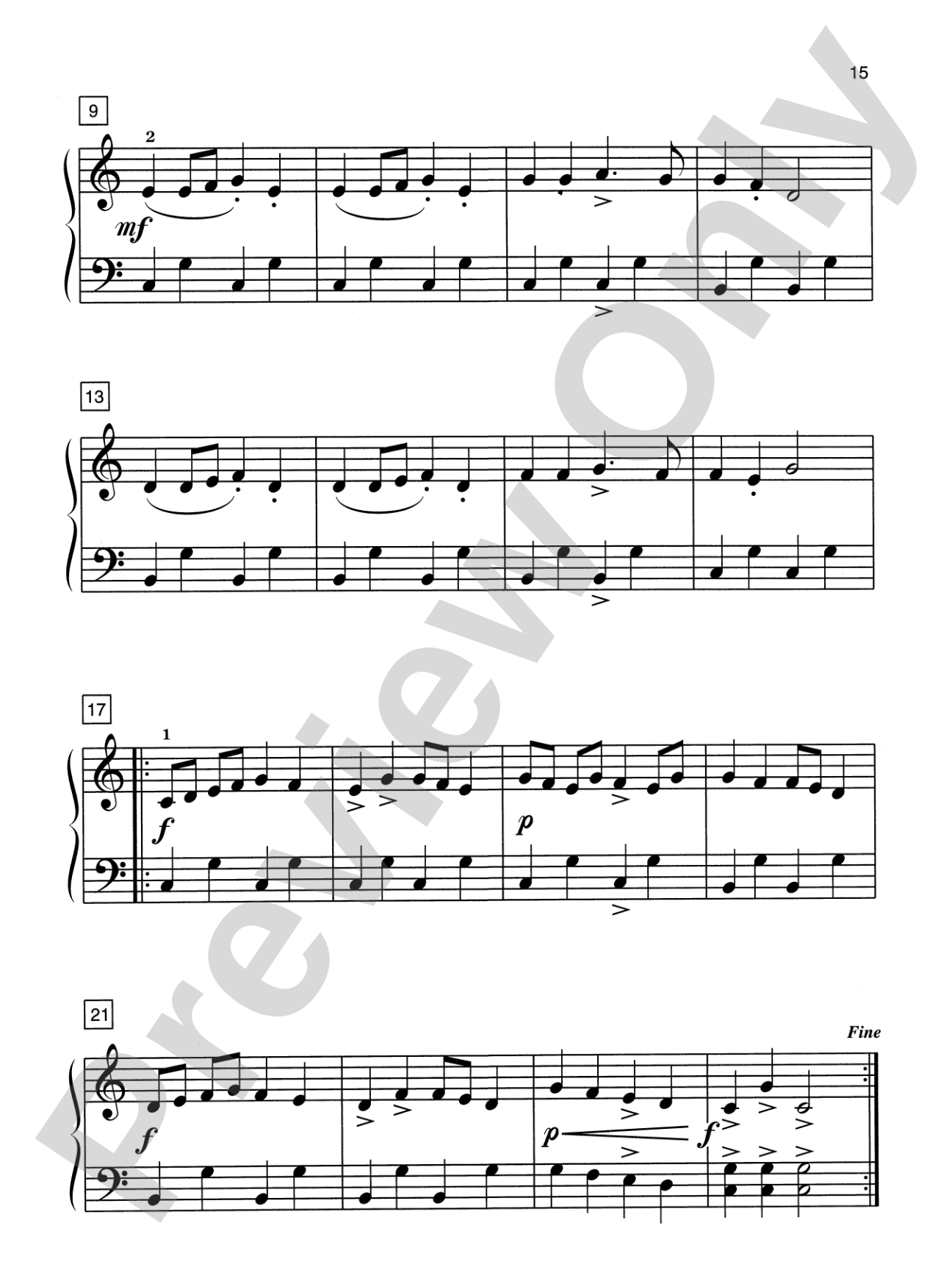
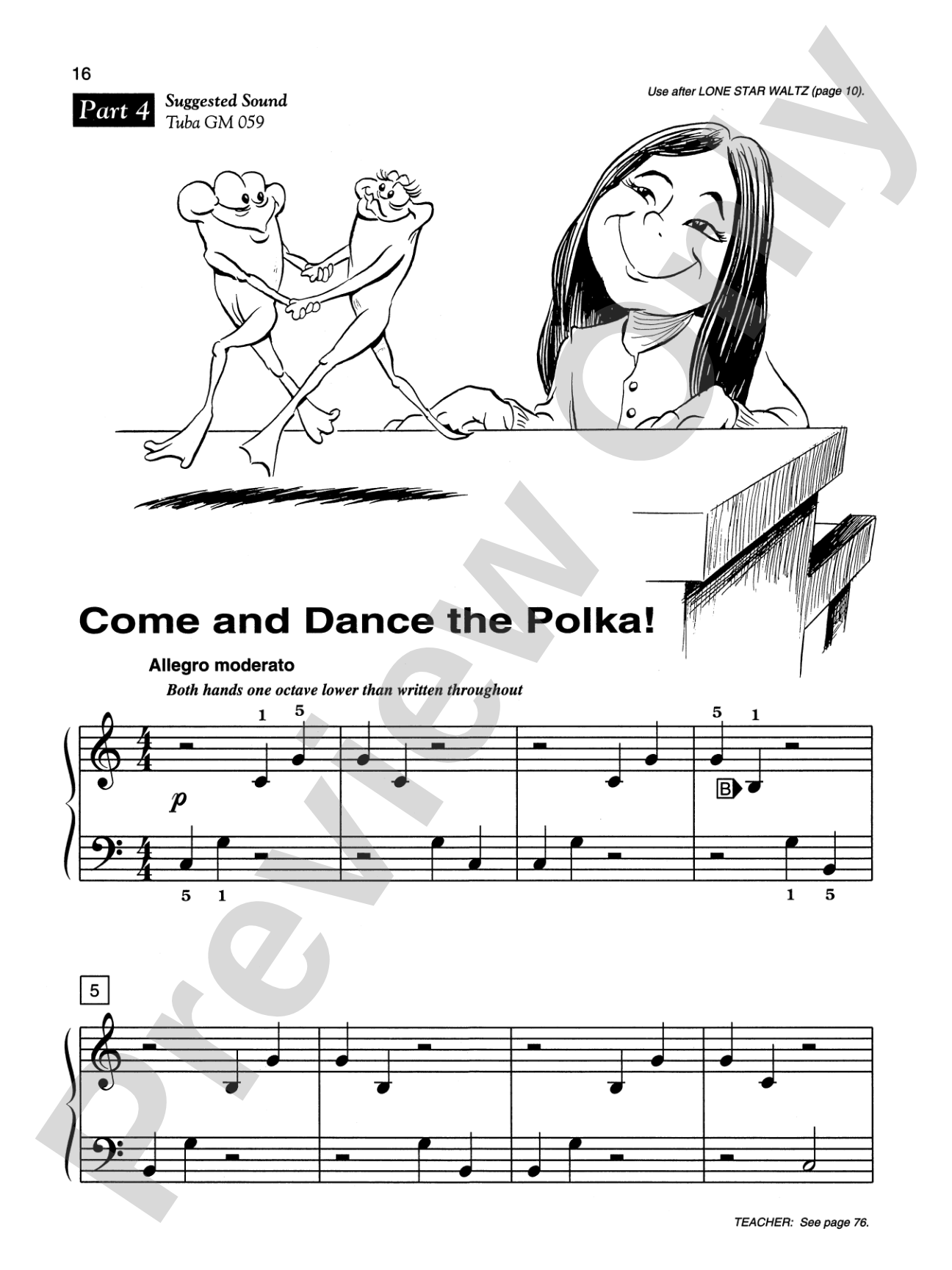
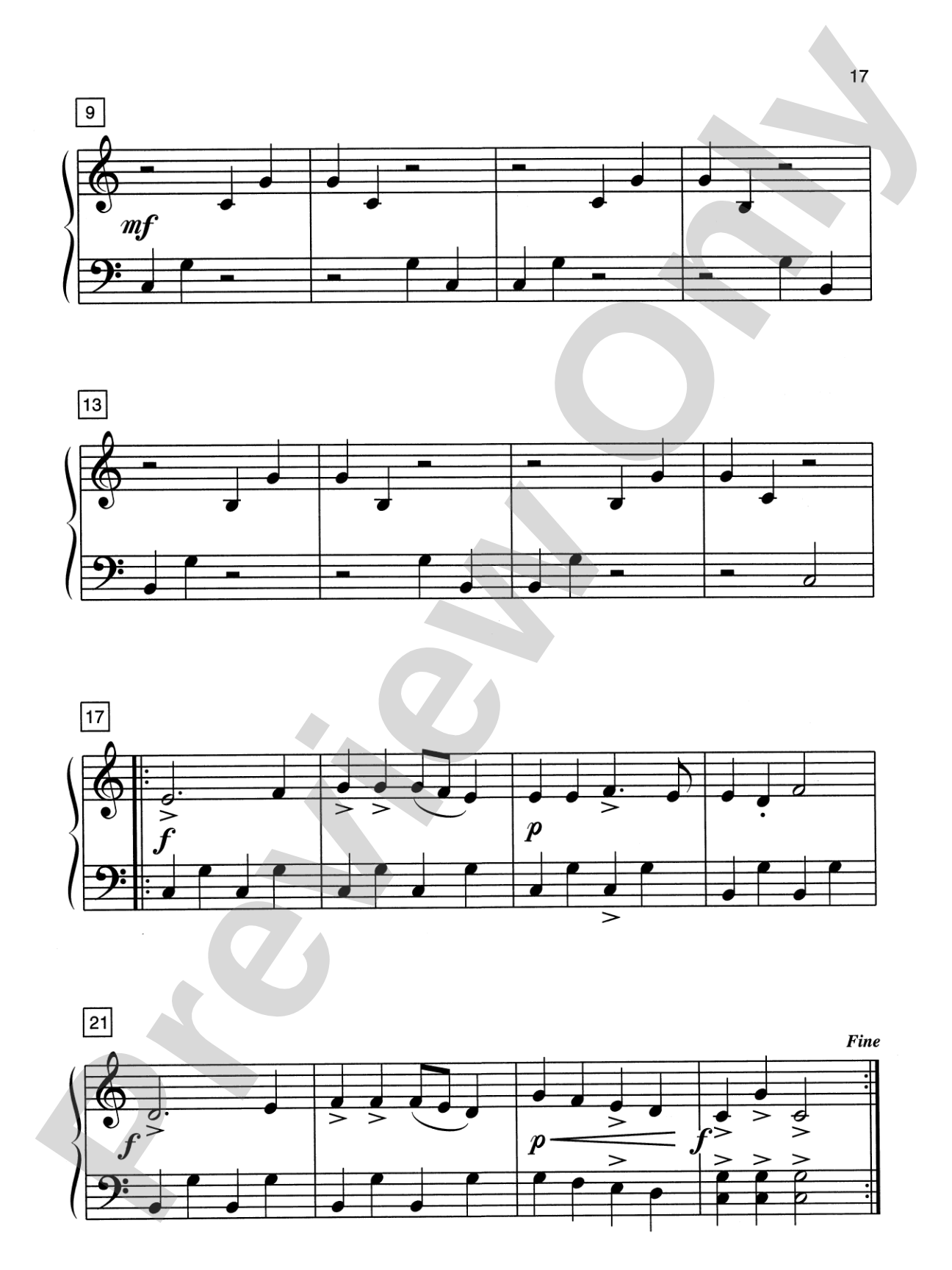
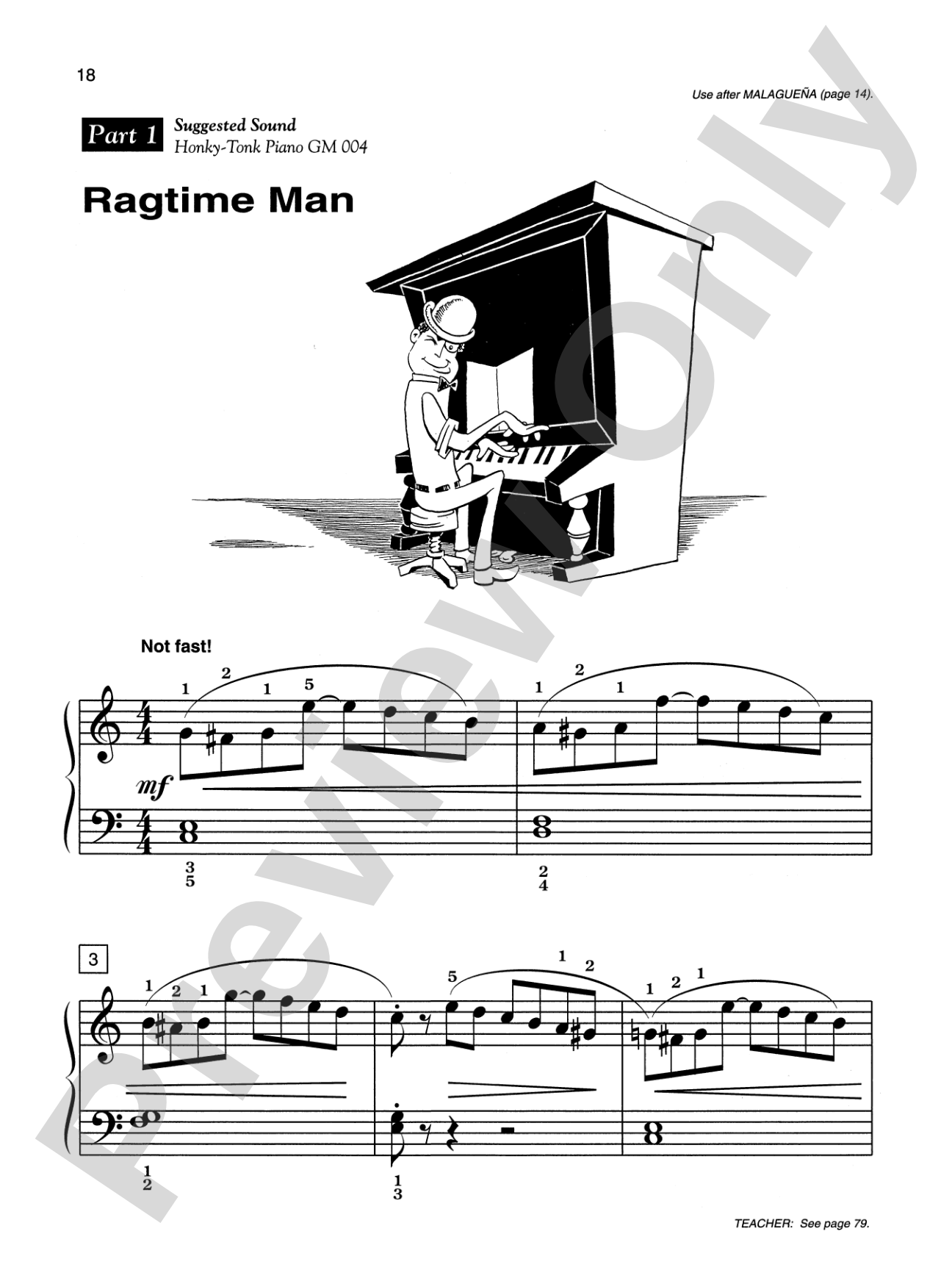
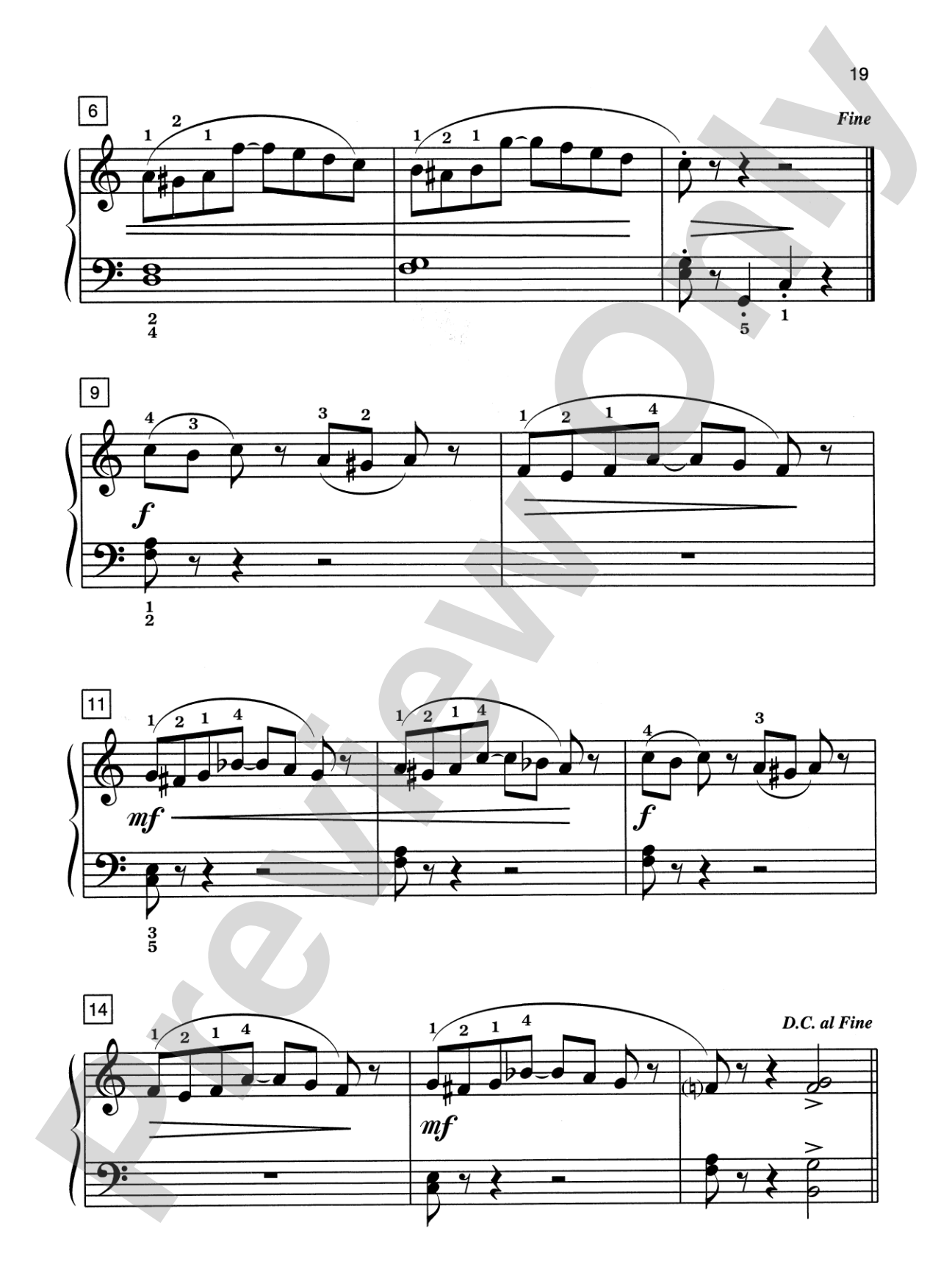
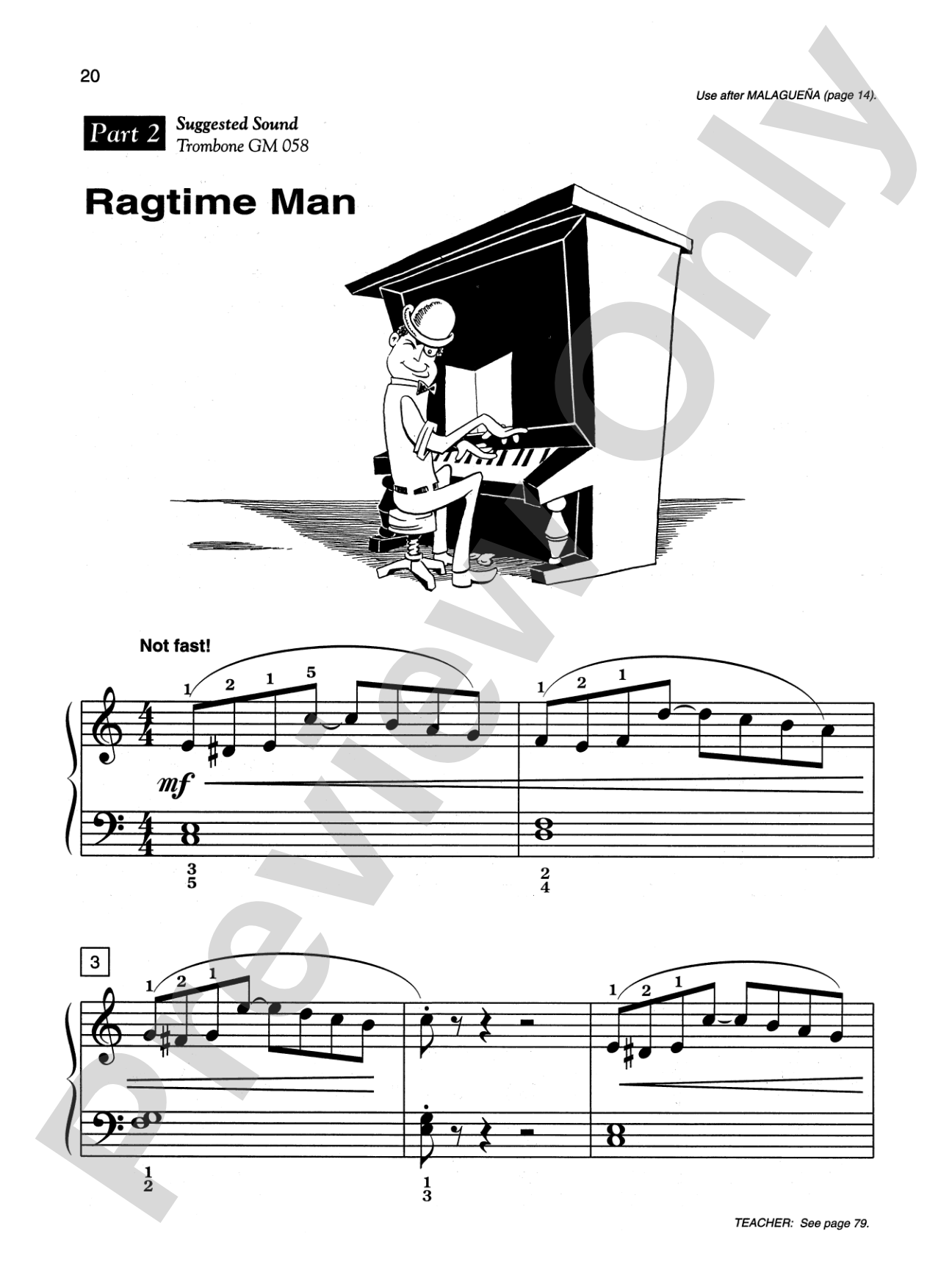
The Ensemble Books contain eight 4-part ensembles, carefully coordinated with material in the Lesson Books. Part 1 is a selected favorite from the Fun Book or the Recital Book. Parts 2, 3 and 4 use the same concepts and hand positions at the same level of difficulty. Includes suggested electronic sounds for those ensembles using electronic instruments.


Discover MakeMusic Cloud: thousands of interactive titles your students can play along with today.
Sample Audio
No sample audio found.
Sample Video
No sample videos found.
Additional Details
Series:
Alfred's Basic Piano Library
Publisher:
Alfred Music
Page Count:
96
SKU:
00-PB-0000925
More about this title
About the Composer: Gayle Kowalchyk

Dr. Gayle Kowalchyk has shaped piano pedagogy across multiple institutions, holding faculty positions at California State University, Northridge, Eastern Illinois University, Oklahoma Baptist University, and the University of Oklahoma. Her credentials span performance (Ohio University, 1977; Northwestern University, 1979) and doctoral work in piano pedagogy at Teachers College, Columbia University (1989). She has presented research and teaching strategies at major conferences including the Music Teachers National Association, Music Educators National Conference, and the World Piano Pedagogy Conference.
With her husband, Dr. E. L. Lancaster, Kowalchyk has authored more than 300 educational piano publications, establishing Alfred's Premier Piano Course and Music for Little Mozarts as foundational curricula for young pianists. Her work as a clinician for Alfred Music reflects decades of classroom experience, from the National Music Camp at Interlochen to her independent studio in Norman, Oklahoma.
Why we love this
These ensembles solve a real logistics problem: finding arrangements where every student can participate meaningfully without having to simplify beyond recognition. Each part is genuinely playable at its level, so your strongest pianists aren't bored while your developing ones aren't drowning. The coordination with the Lesson Books means preparation time vanishes because students already know the material.
What to expect
Accessible yet satisfying, with the warmth of four voices supporting each other. Students discover that their simple part contributes something real to a complete musical texture, building confidence and ensemble instinct.
Who it's for
Piano teachers managing group lessons or preparatory programs where students work through Alfred's Basic Lesson Books at varying paces. These ensembles give intermediate pianists (Levels 2 and 3) their first experience playing in a coordinated group without requiring separate advanced repertoire.
How to get the most out of it
- Assign parts based on current hand position work rather than pure technique level. A student comfortable with C position can handle Part 1 even if their overall playing is lighter than a Part 4 performer.
- Record a full run-through with all four parts so students can hear how their line fits into the texture. This transforms practice from isolated note-reading into ensemble awareness.
- Start rehearsals with just two parts to establish balance, then layer in the remaining voices. This prevents the faster parts from rushing to follow the melody.
How to use it
Designate one ensemble per month as a group lesson finale, giving students a concrete goal alongside their individual work. Alternatively, schedule two or three ensembles as a mini-recital program where the same group performs all pieces, showcasing growth and collaboration without requiring large casts.
Skills your students will build
- Reading and maintaining independent musical lines while hearing other parts
- Counting and tempo consistency in a coordinated context
- Understanding harmonic function through ensemble voicing
- Left-hand independence and confidence at hand positions studied in the Lesson Books
- Listening across the keyboard to match volume and phrasing with other pianists