
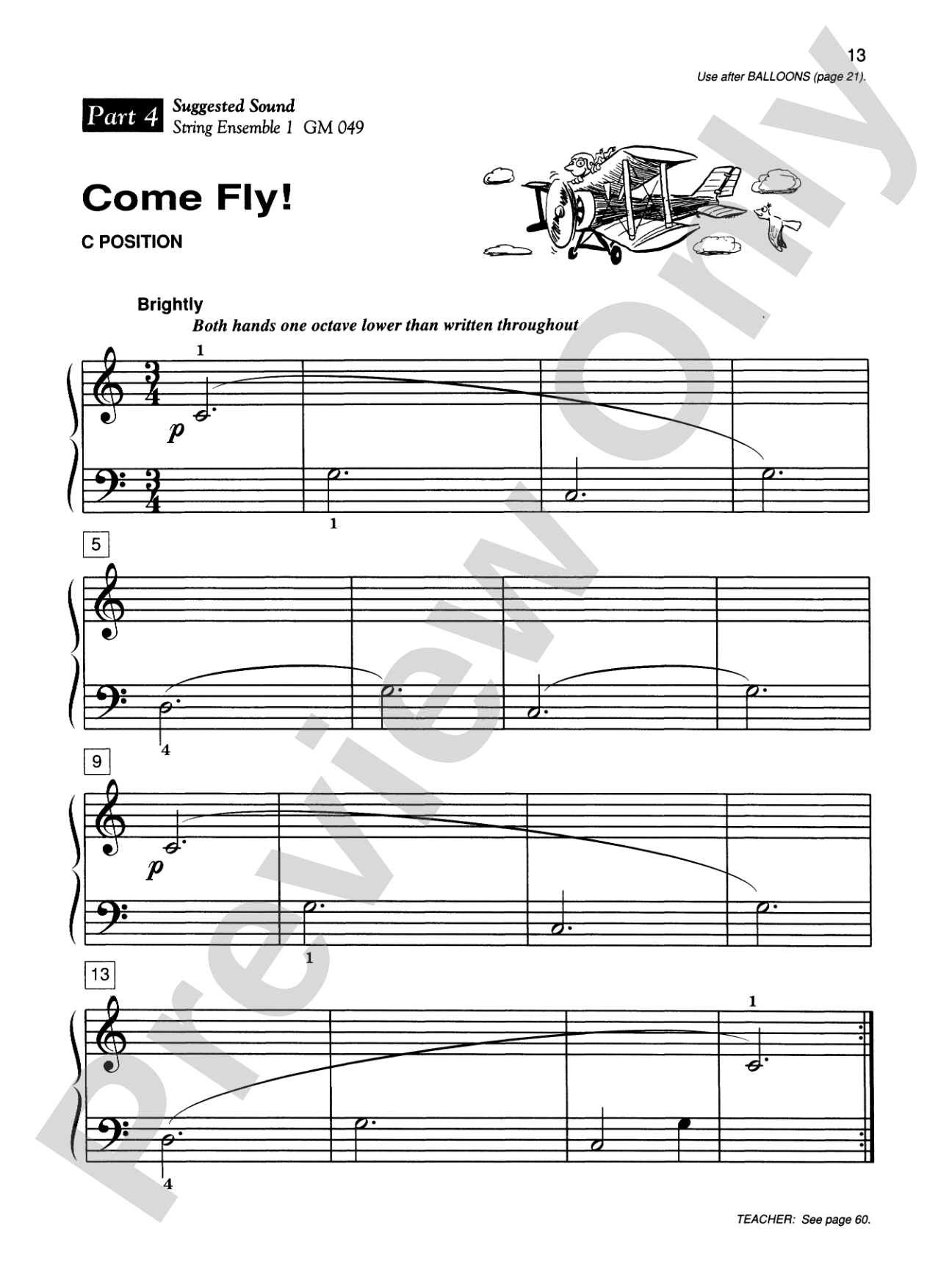
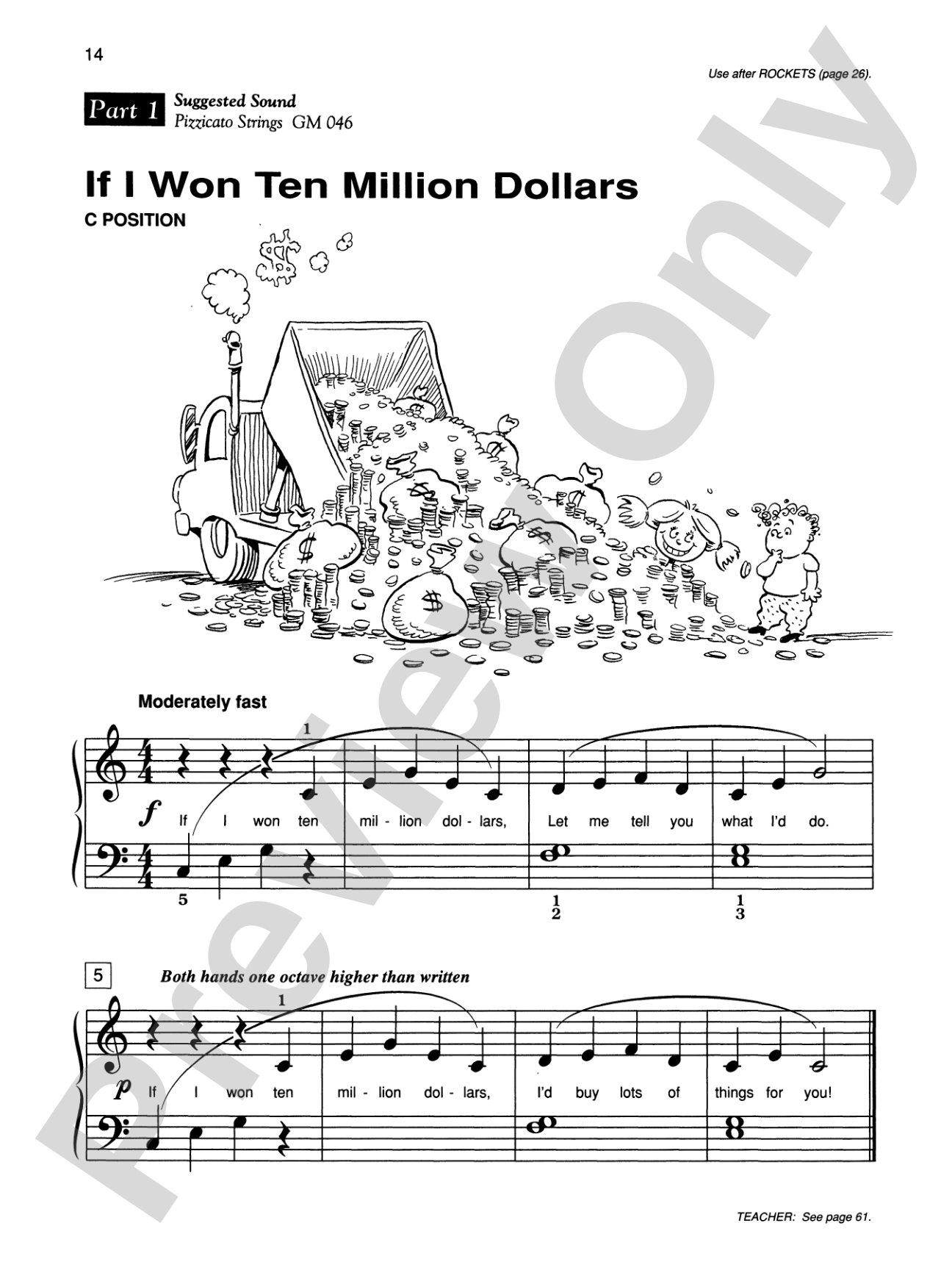
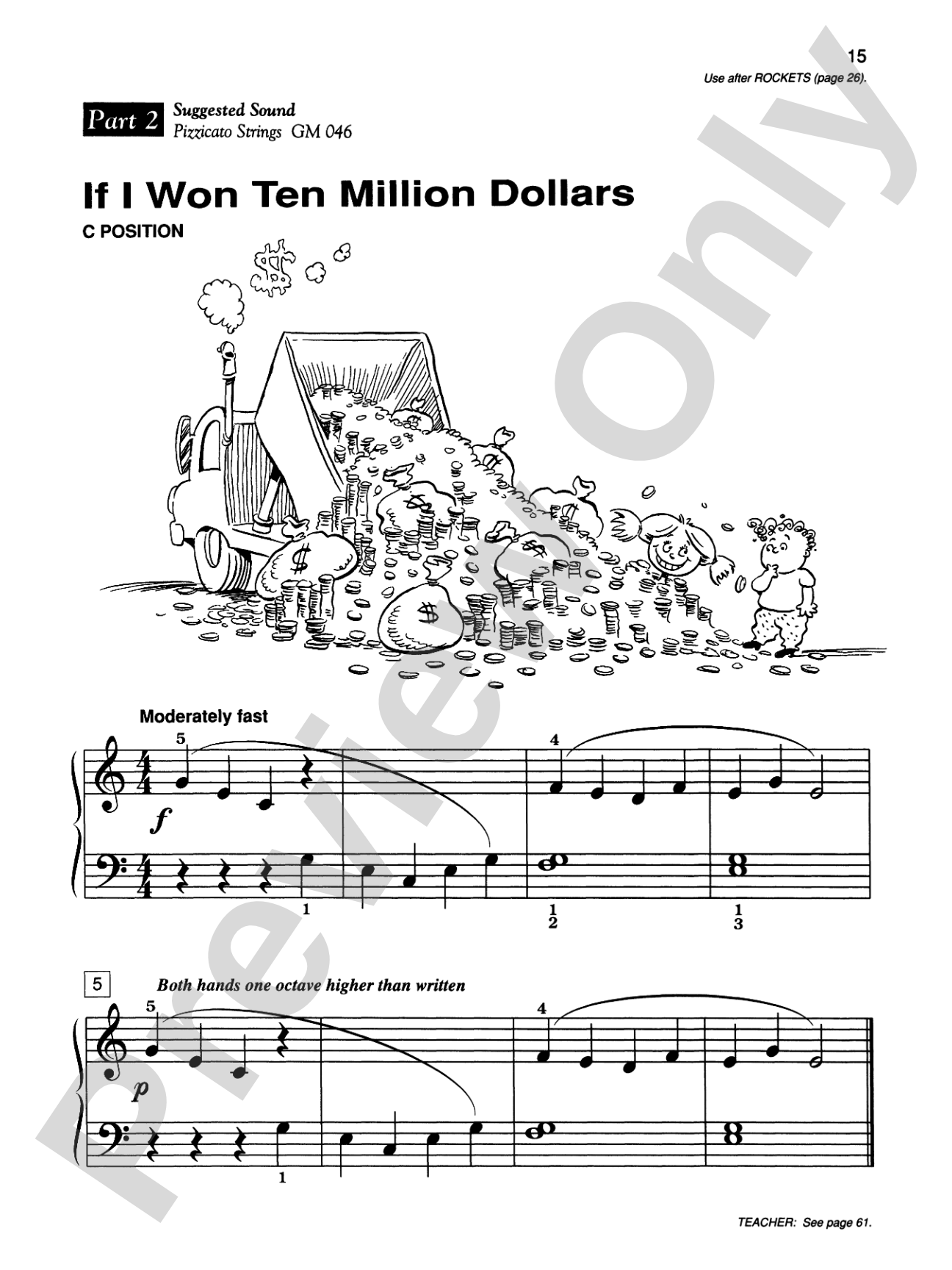

Alfred's Basic Piano Library: Ensemble Book Complete 1 (1A/1B): For the Later Beginner: Piano
For the Later Beginner
By Gayle Kowalchyk and E. L. Lancaster
Level: 1A & 1B
Item: 00-PB-0000928
$8.99
Pickup currently not available
Related Items
Alfred's Basic Piano Library: Ensemble Book Complete 1 (1A/1B): Piano Book |
$8.99
|
View |
Description
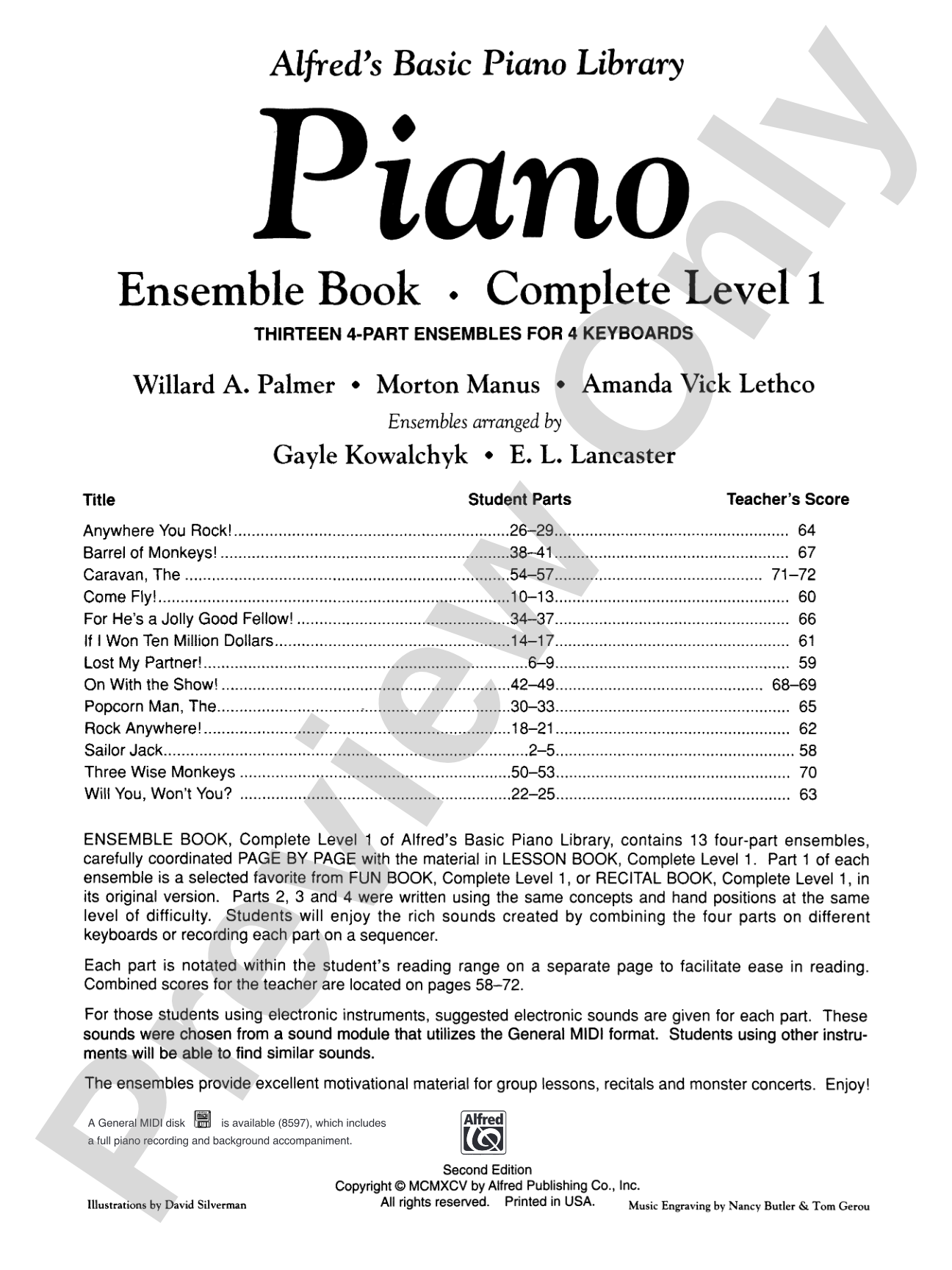
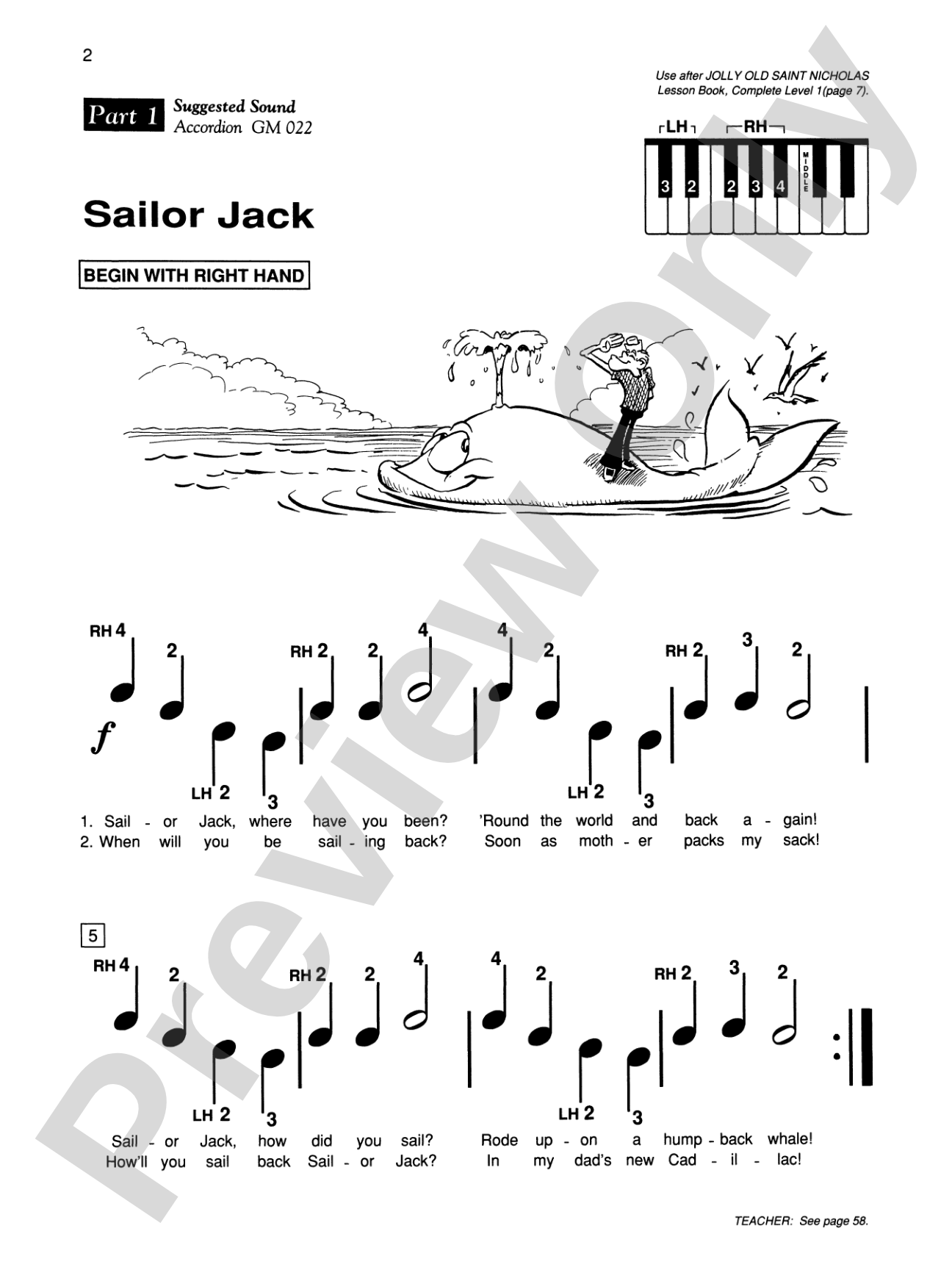
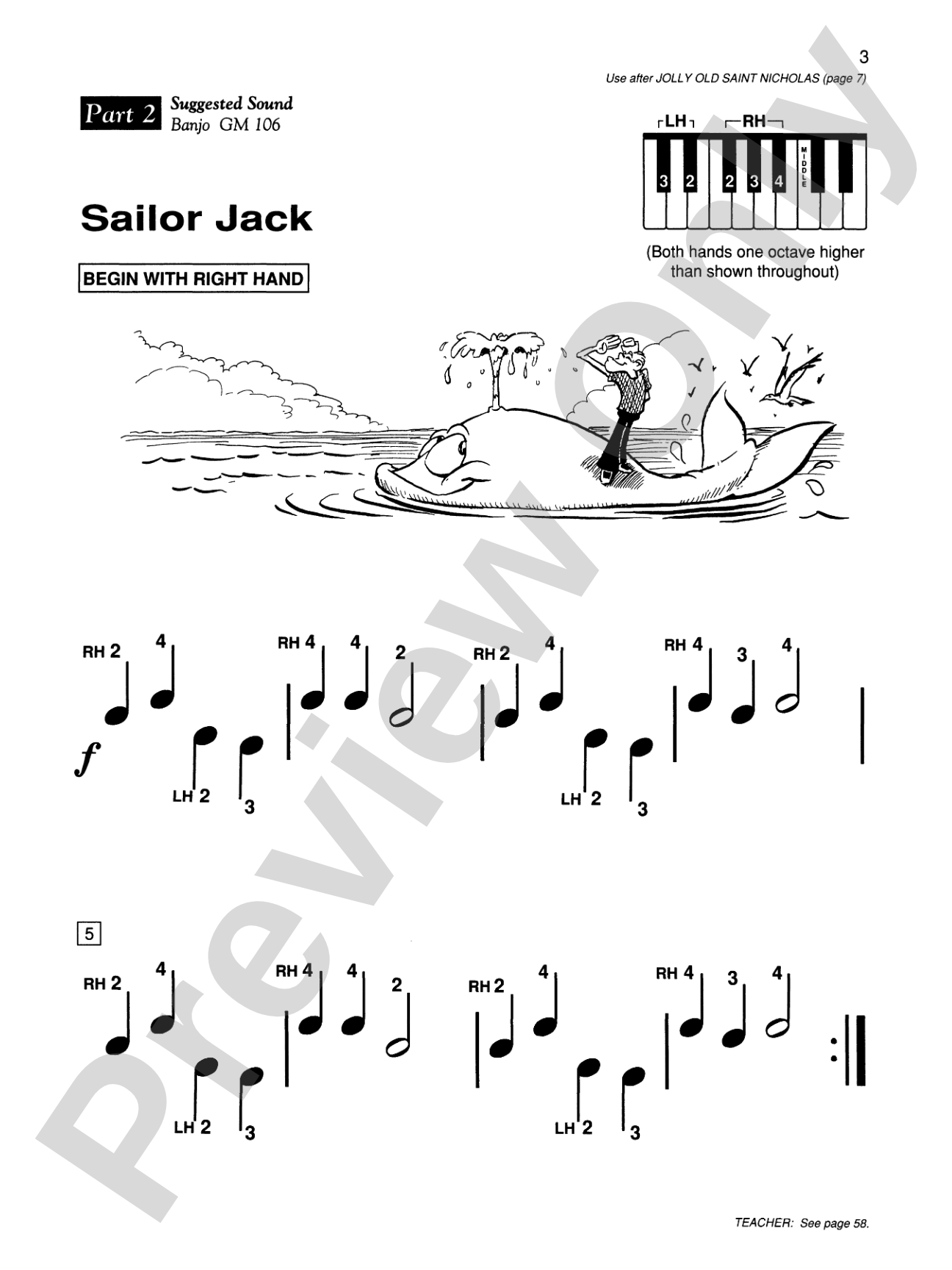
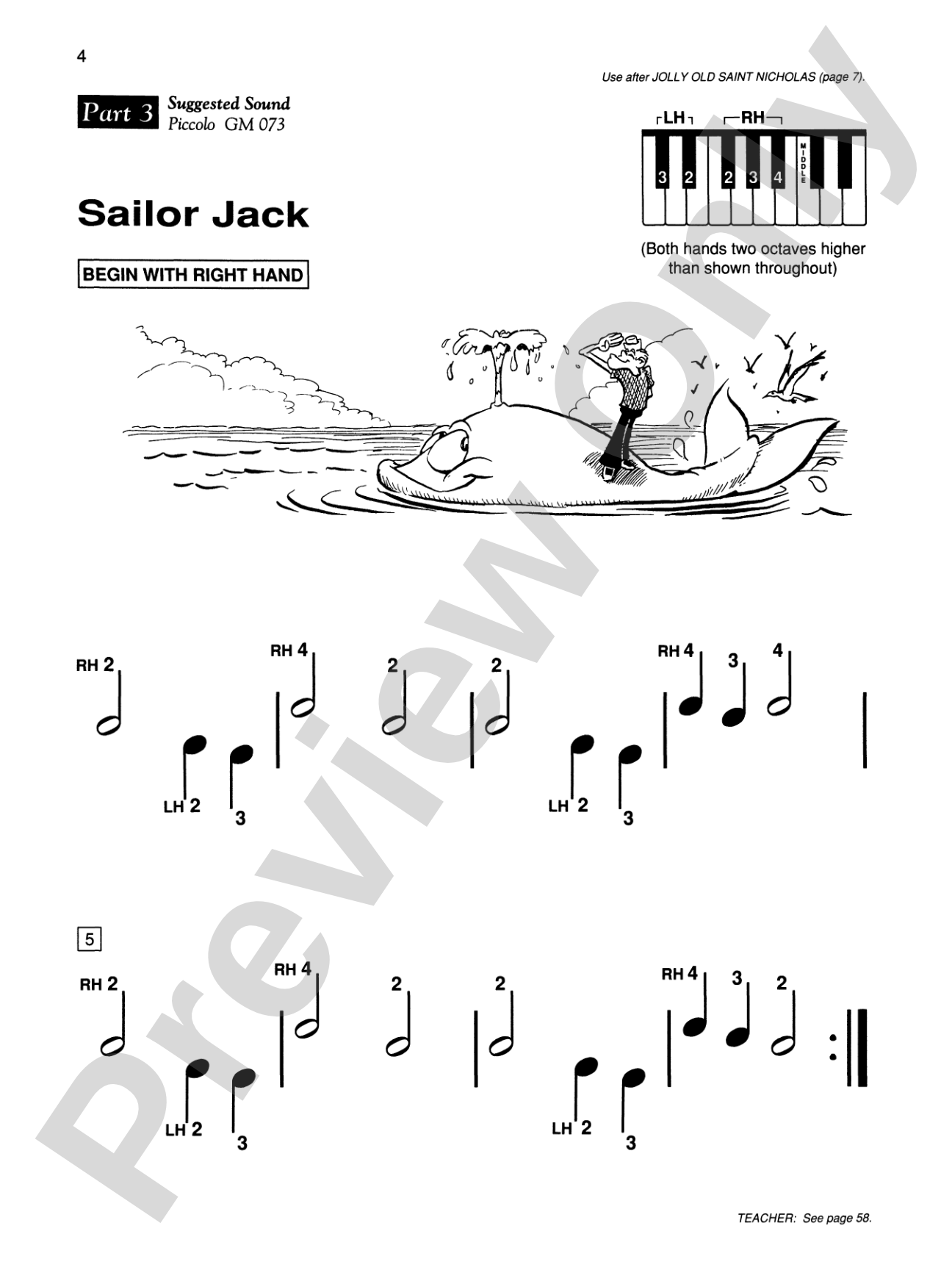
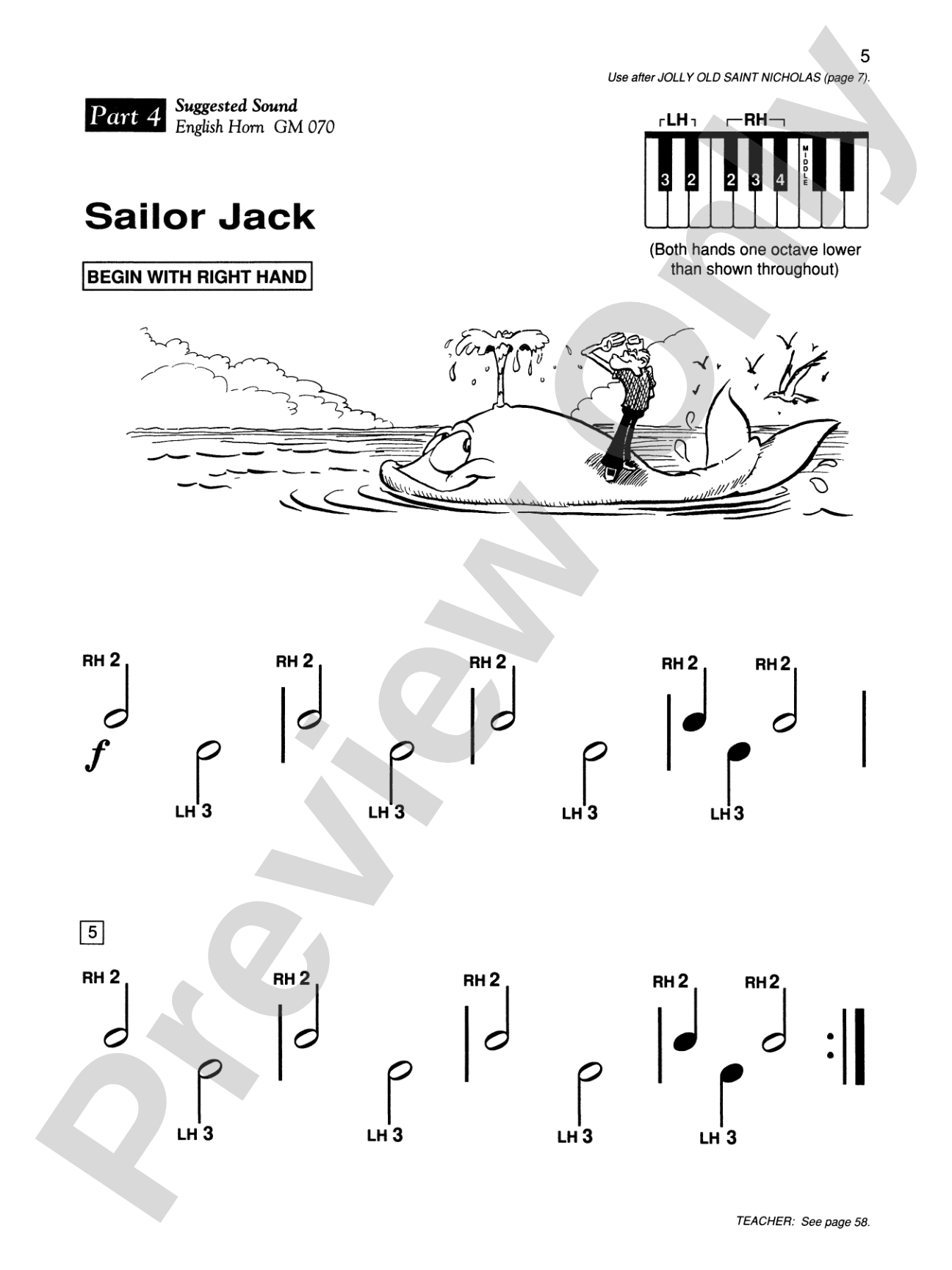
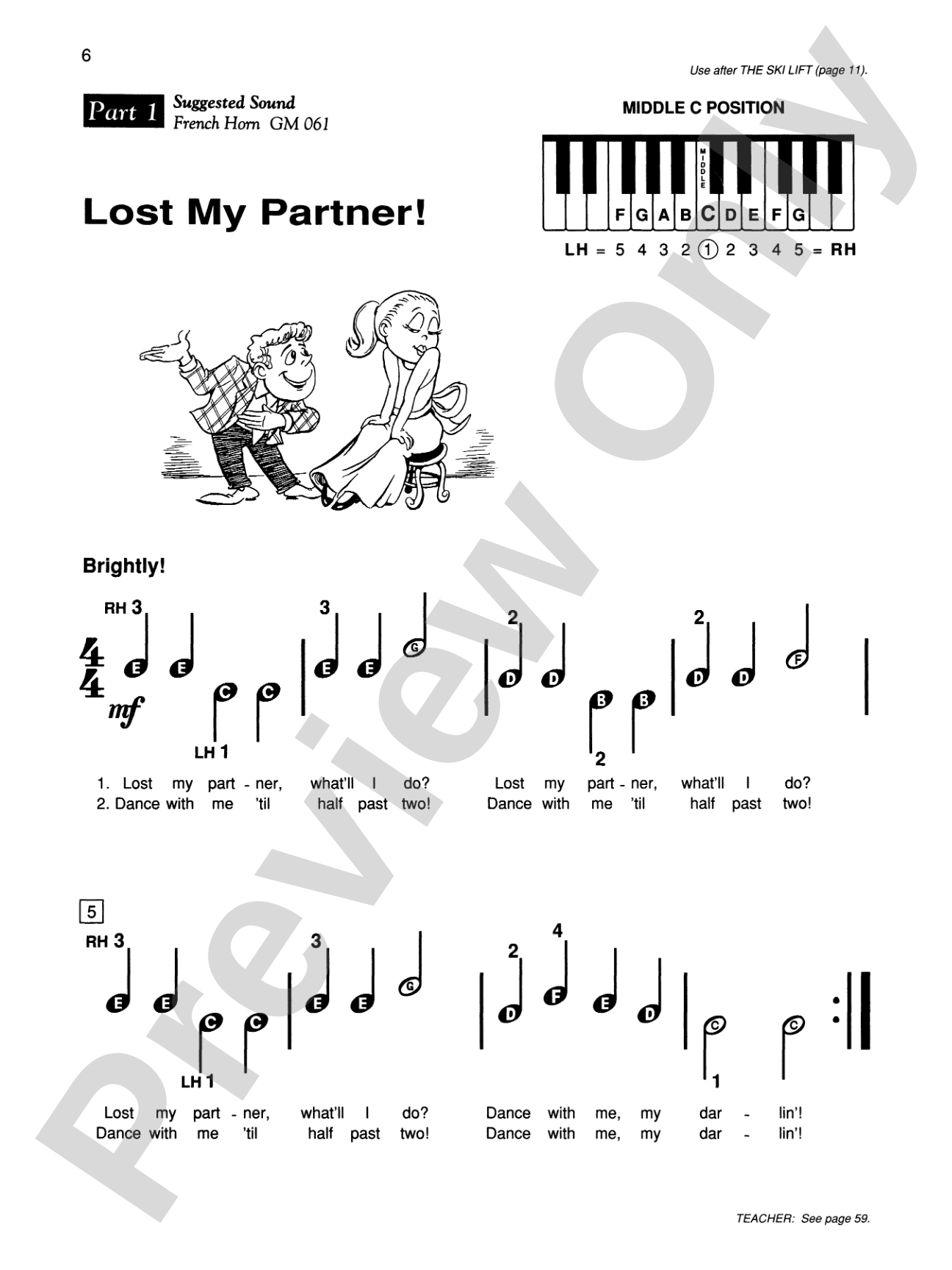
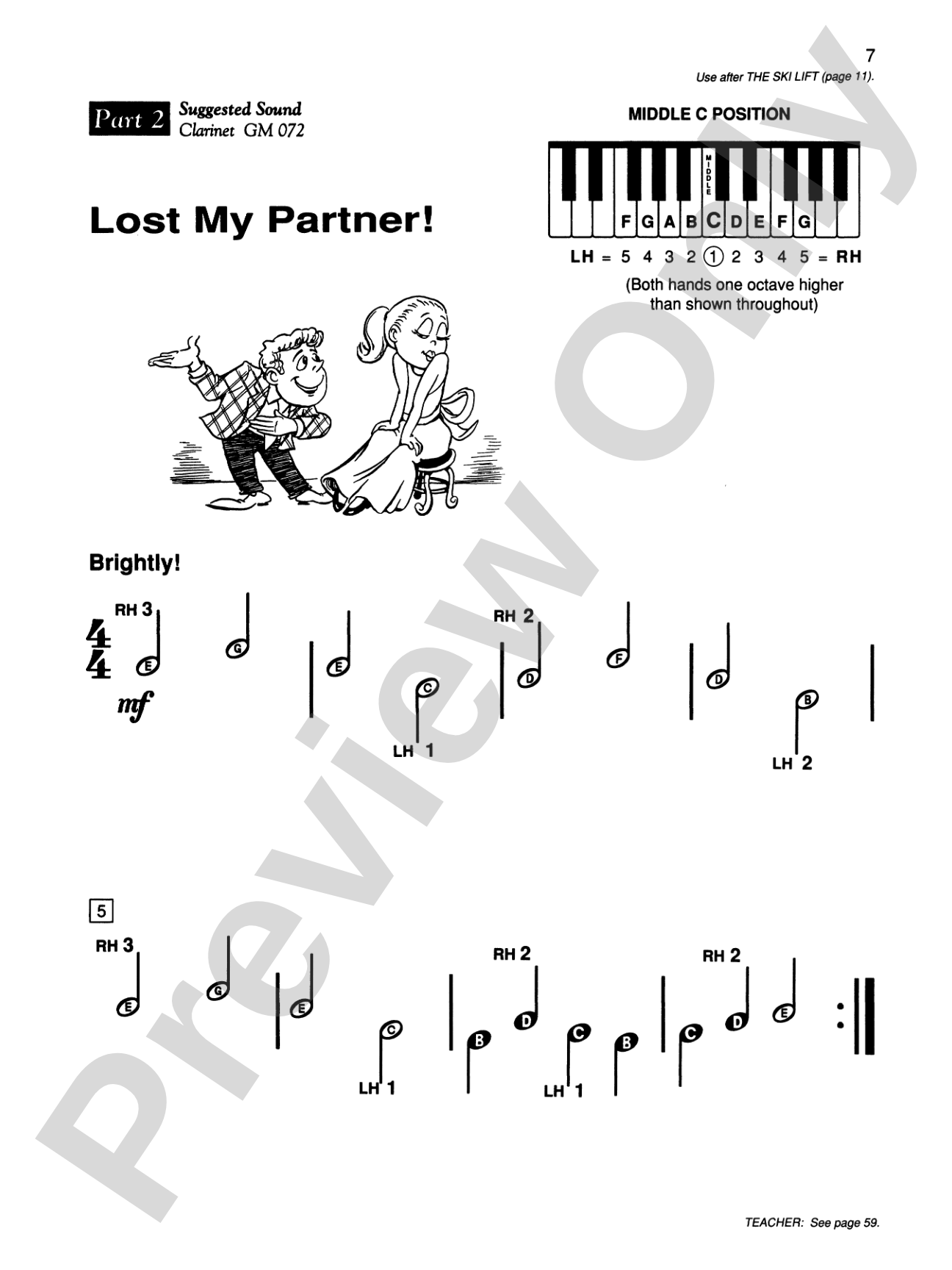
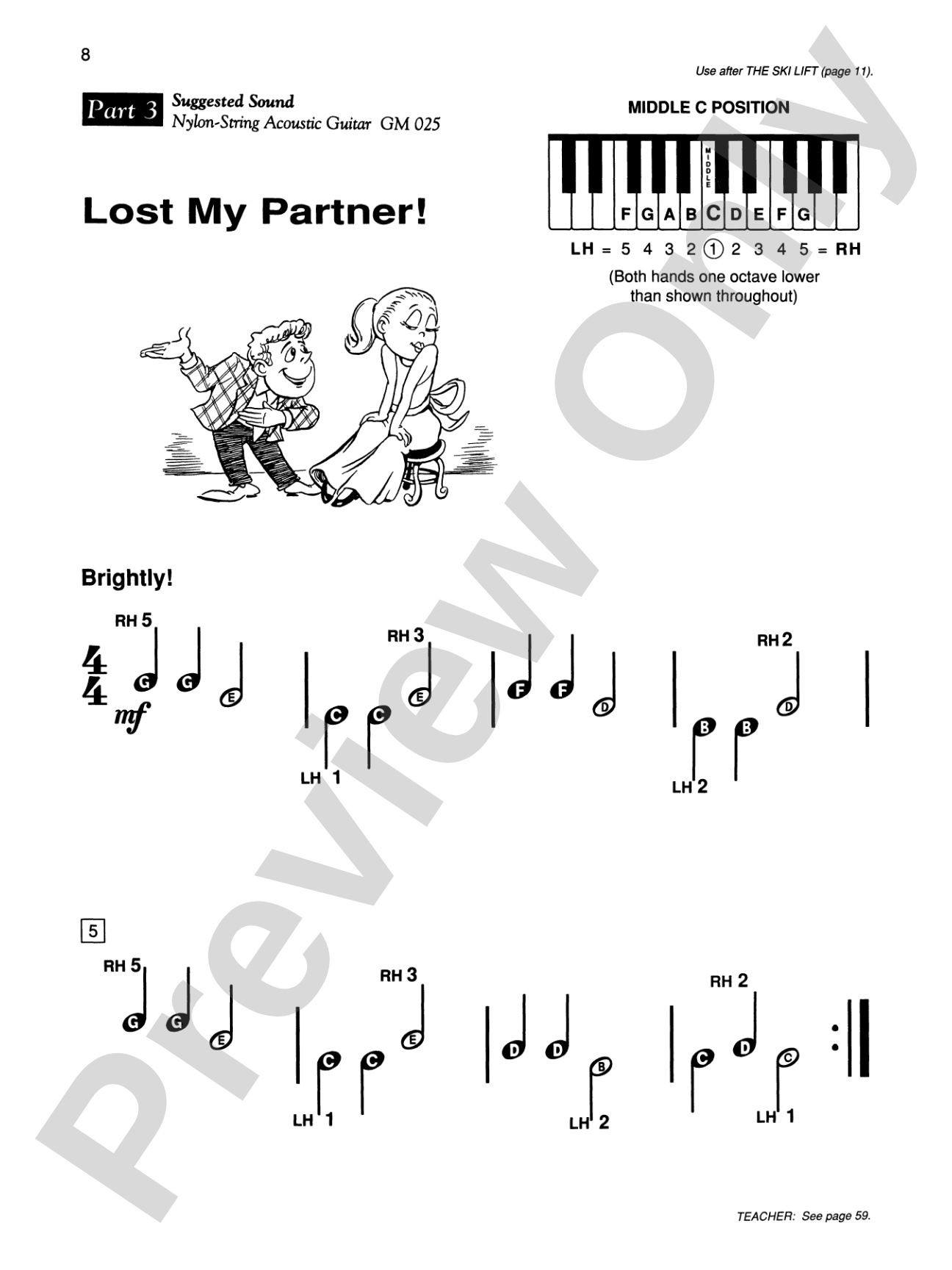
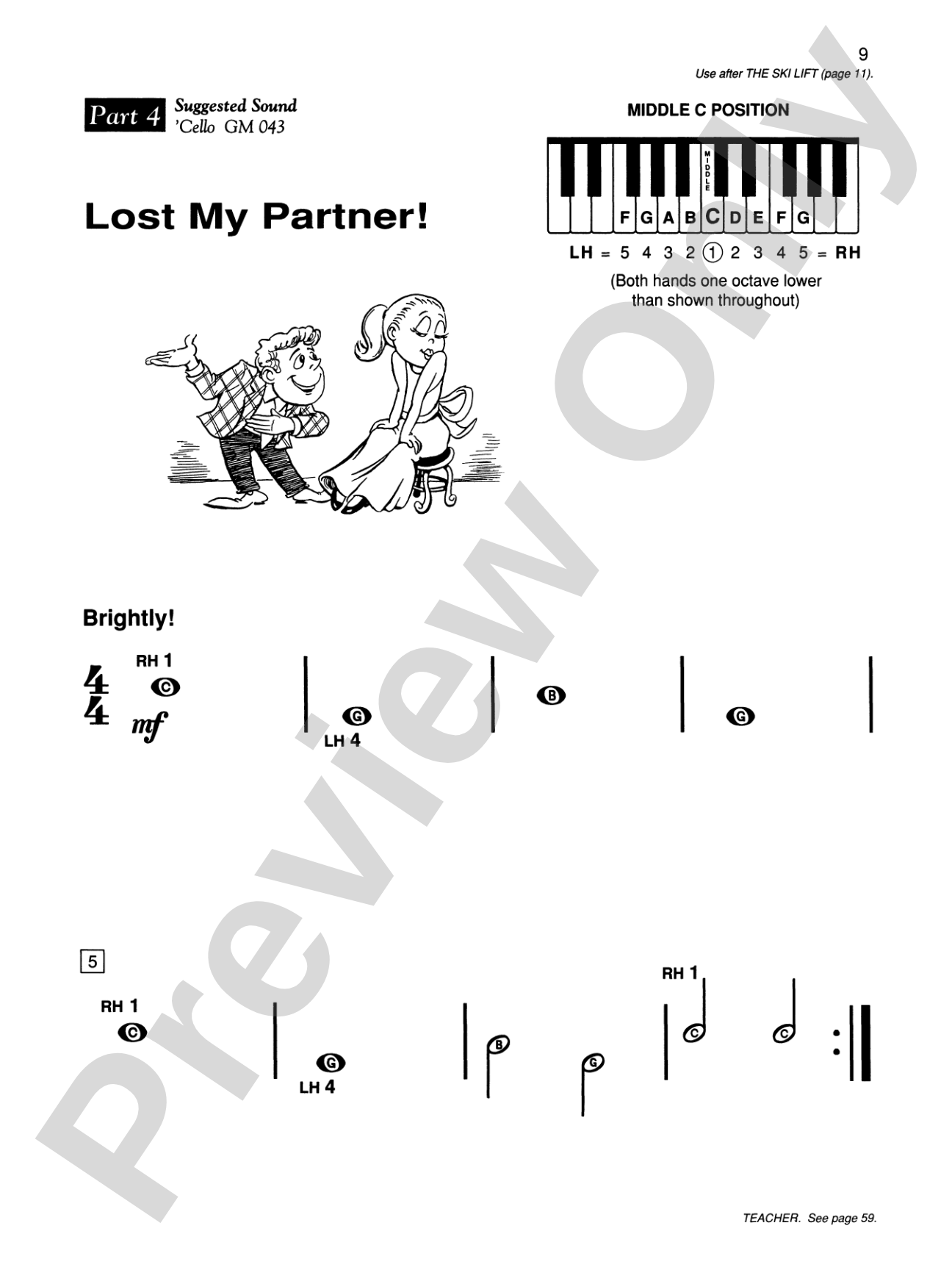
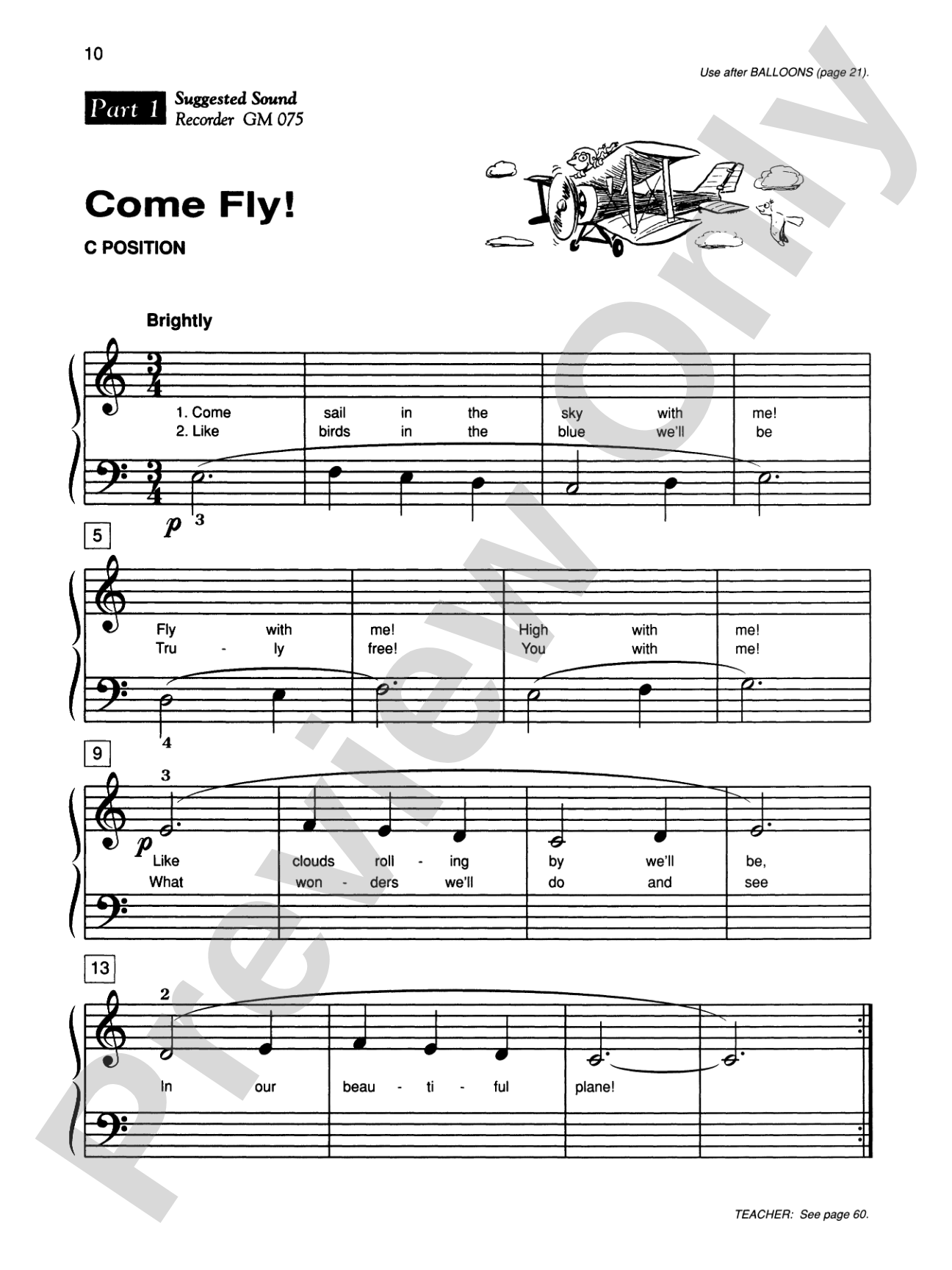
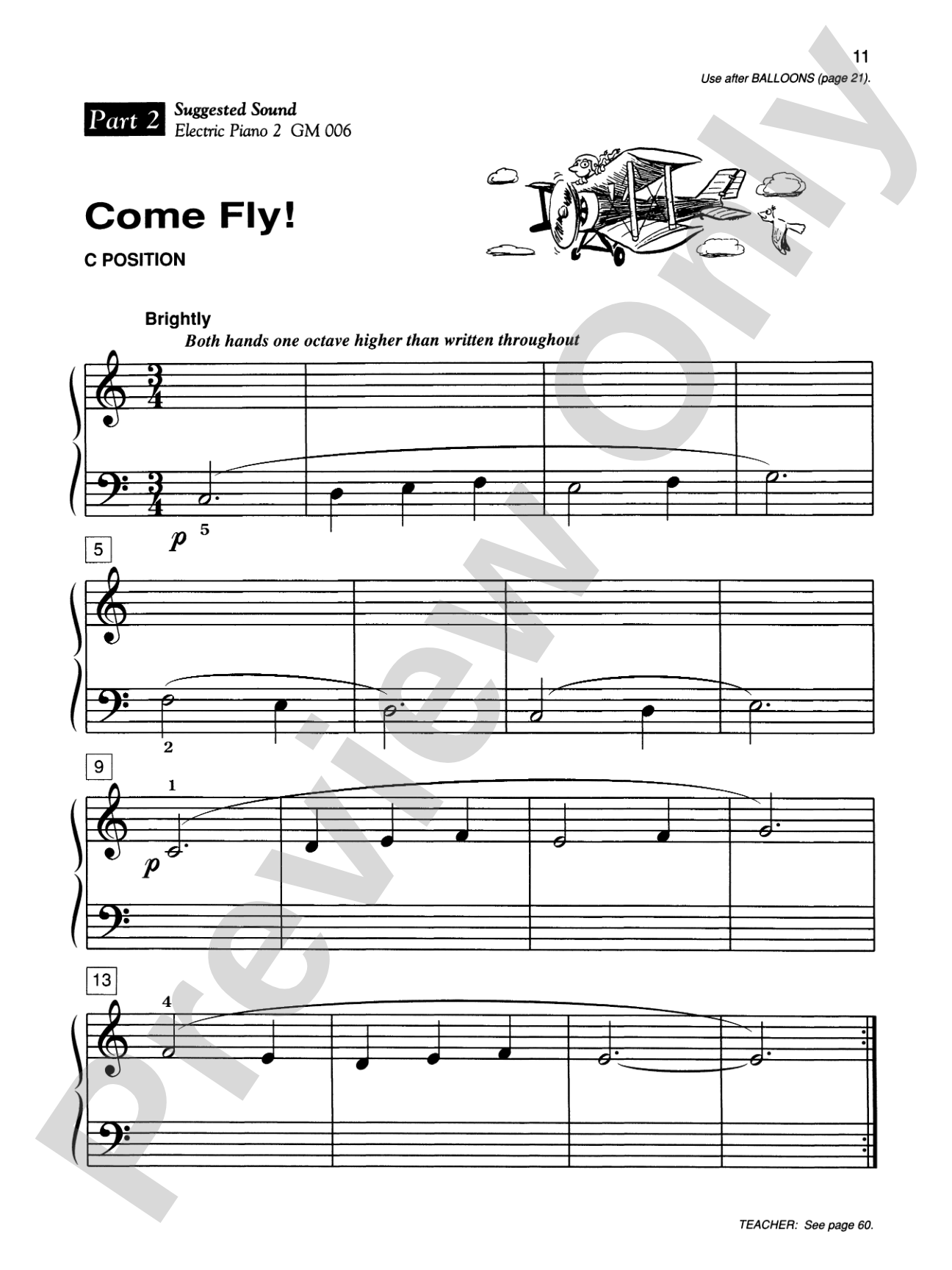
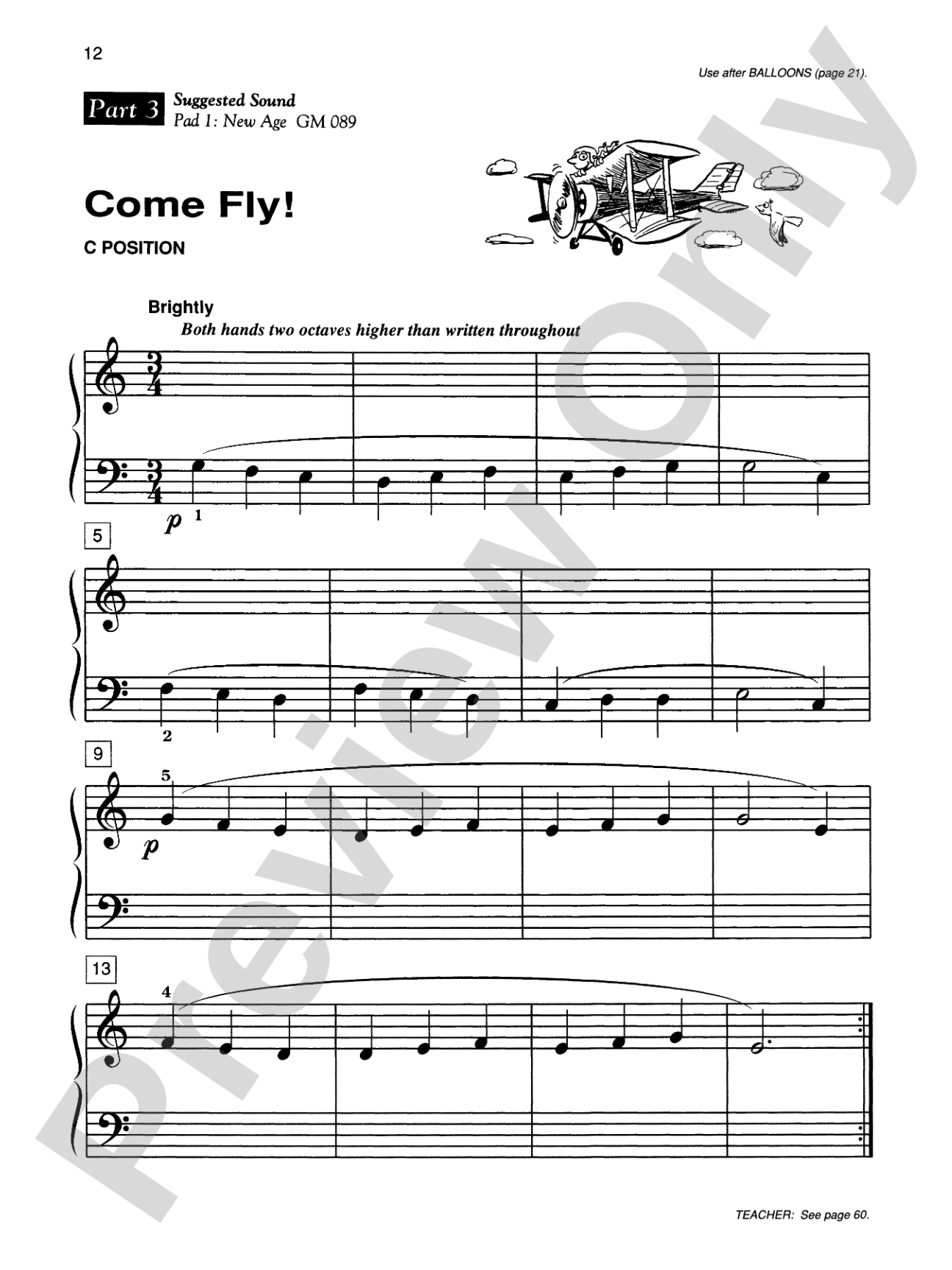
The Ensemble Books contain eight 4-part ensembles, carefully coordinated with material in the Lesson Books. Part 1 is a selected favorite from the Fun Book or the Recital Book. Parts 2, 3 and 4 use the same concepts and hand positions at the same level of difficulty. Includes suggested electronic sounds for those ensembles using electronic instruments.


Discover MakeMusic Cloud: thousands of interactive titles your students can play along with today.
Sample Audio
No sample audio found.
Sample Video
No sample videos found.
Additional Details
Series:
Alfred's Basic Piano Library
Publisher:
Alfred Music
Page Count:
72
SKU:
00-PB-0000928
More about this title
About the Composer: Gayle Kowalchyk
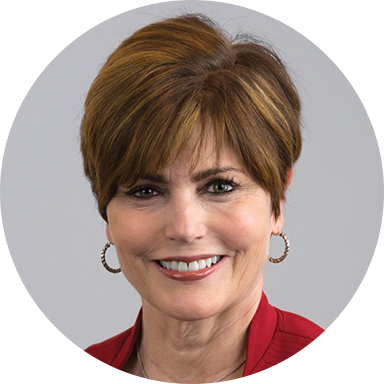
Dr. Gayle Kowalchyk holds degrees in piano performance from Ohio University and Northwestern University, along with an Ed.D. in piano pedagogy from Teachers College, Columbia University. She has taught class piano, piano pedagogy, and piano ensemble across multiple universities, including California State University Northridge, Eastern Illinois University, Oklahoma Baptist University, and the University of Oklahoma. A recognized clinician and presenter at national conferences including MTNA, MENC, and the World Piano Pedagogy Conference, she brings decades of experience in teacher training and curriculum development.
With her husband Dr. E. L. Lancaster, Kowalchyk has authored more than 300 educational piano publications, including Alfred's Premier Piano Course and Music for Little Mozarts. Her work centers on creating pedagogically sound materials that align carefully with student development. She currently serves as a clinician for Alfred Music while maintaining her teaching responsibilities in the Los Angeles area.
Why we love this
These ensembles solve the real challenge of getting early-level pianists to play together meaningfully. Rather than forcing unison or simple octaves, Kowalchyk and Lancaster designed four independent parts that respect each player's technical level while creating genuine harmonic interest. Teachers will appreciate how closely these pieces coordinate with the Lesson Books, eliminating the hunt for supplementary material that actually fits.
What to expect
Each piece carries a sense of accomplishment without overwhelming young players. The textures are lean and clear, allowing each student to hear their contribution distinctly while enjoying the lift that comes from playing with others. Though technically accessible, the writing avoids sounding overly simplified; students recognize these as real ensemble experiences.
Who it's for
Teachers using Alfred's Basic Piano Library with students at the 1A/1B level who are ready to experience ensemble playing without jumping to significantly harder material. These arrangements work equally well for group piano classes, private studio settings where multiple students need ensemble repertoire, or informal recital moments. Later beginners often struggle to find meaningful duet and ensemble options at their level; this book provides eight ready-to-use solutions.
How to get the most out of it
- Have students identify their part's relationship to Part 1 before rehearsing. Understanding which hand position and concept they're reinforcing builds ownership and reduces ensemble anxiety.
- Start by having all students learn Part 1 as a group, then gradually introduce the additional parts one at a time. This scaffolds success and helps later-beginner students feel secure in a group setting.
- Use the suggested electronic sounds to bring freshness to repeated rehearsals; changing the timbre often renews student engagement without adding technical demands.
- Separate the ensemble into parts and have each group play their line independently at tempo first, then combine. This lets every student experience accuracy in their own part before managing the ensemble texture.
How to use it
Use one ensemble at the end of each month of lessons to mark progress and refresh student motivation. These pieces work beautifully as opening or closing numbers for studio recitals, or as engaging filler between solo performances by older students. Many teachers assign one ensemble piece each semester as a duo or group performance requirement, turning practice into a collaborative event that reinforces concepts from the Lesson Books.
Skills your students will build
- Part independence and listening to other pianists while maintaining their own line
- Hand position stability across multiple pieces at 1A/1B level
- Ensemble rhythm and tempo control
- Reading and executing the same concepts in different keys and contexts
- Confidence in group musical settings without advancing technical difficulty