

Alfred's Basic Piano Library: Ensemble Book 3: Piano
By Gayle Kowalchyk and E. L. Lancaster
Level: 3
Item: 00-PB-0002589
$8.99
Pickup currently not available
Related Items
Alfred's Basic Piano Library: Ensemble Book 3: Piano Book |
$8.99
|
View |
Description
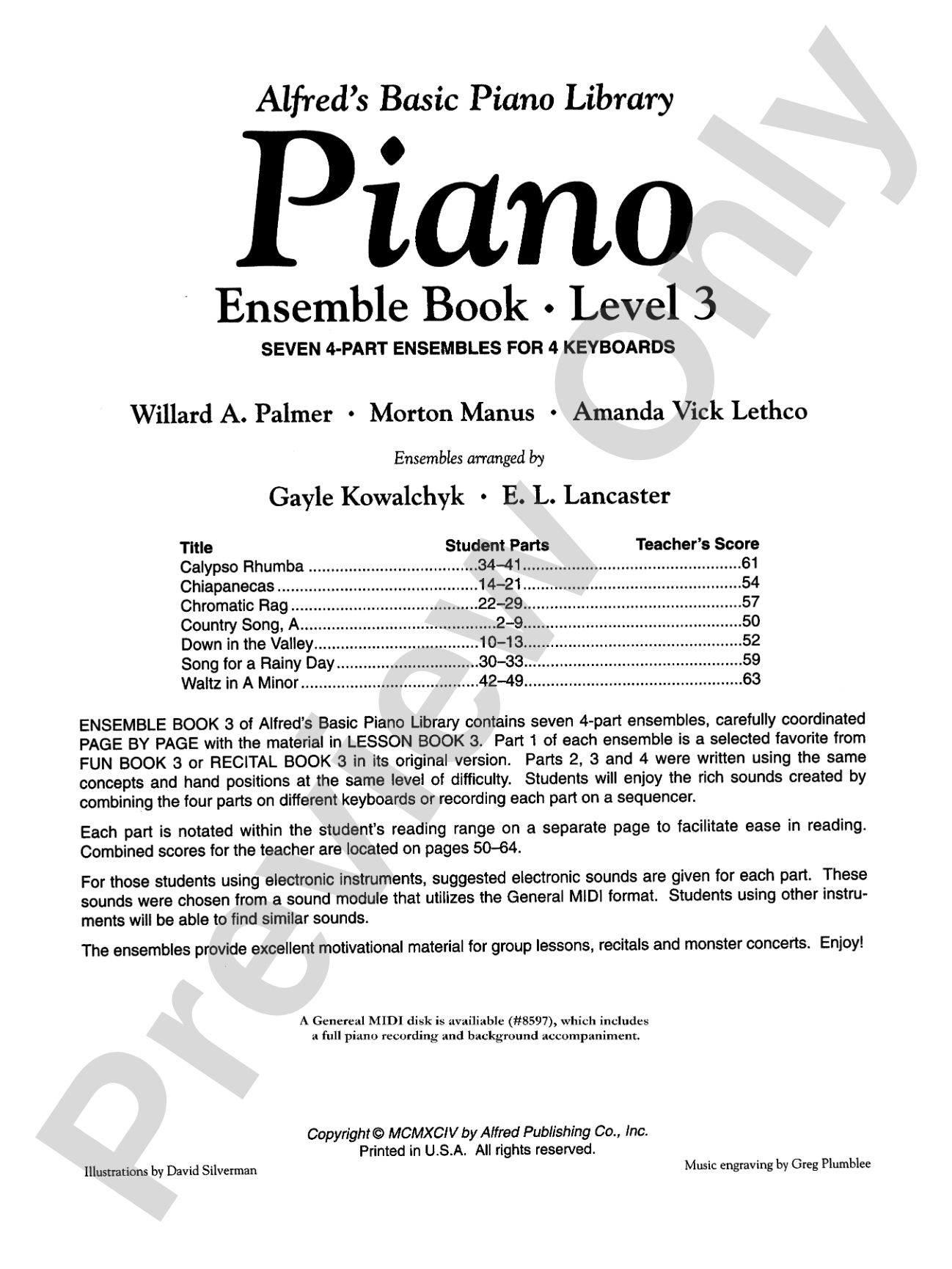
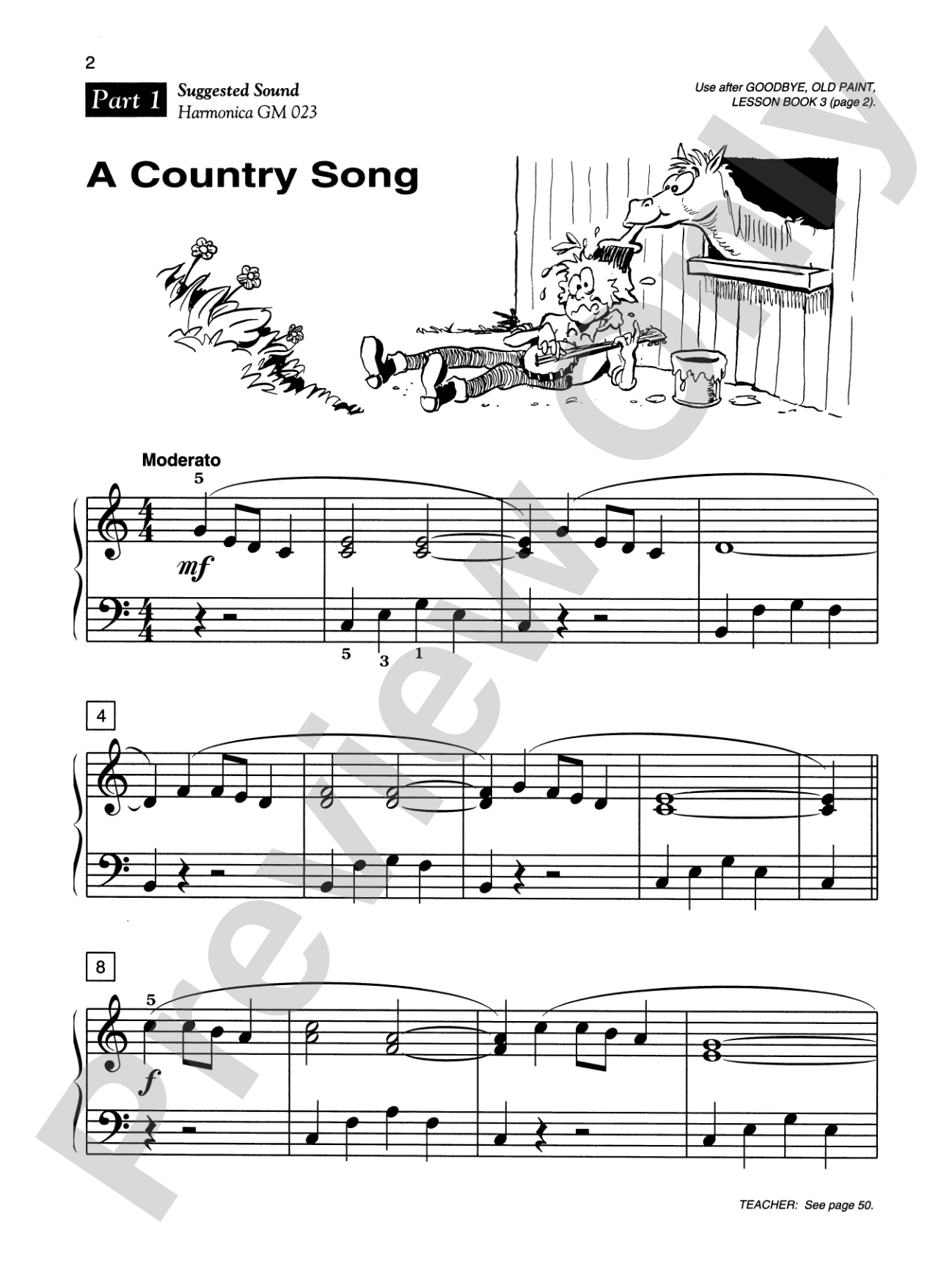
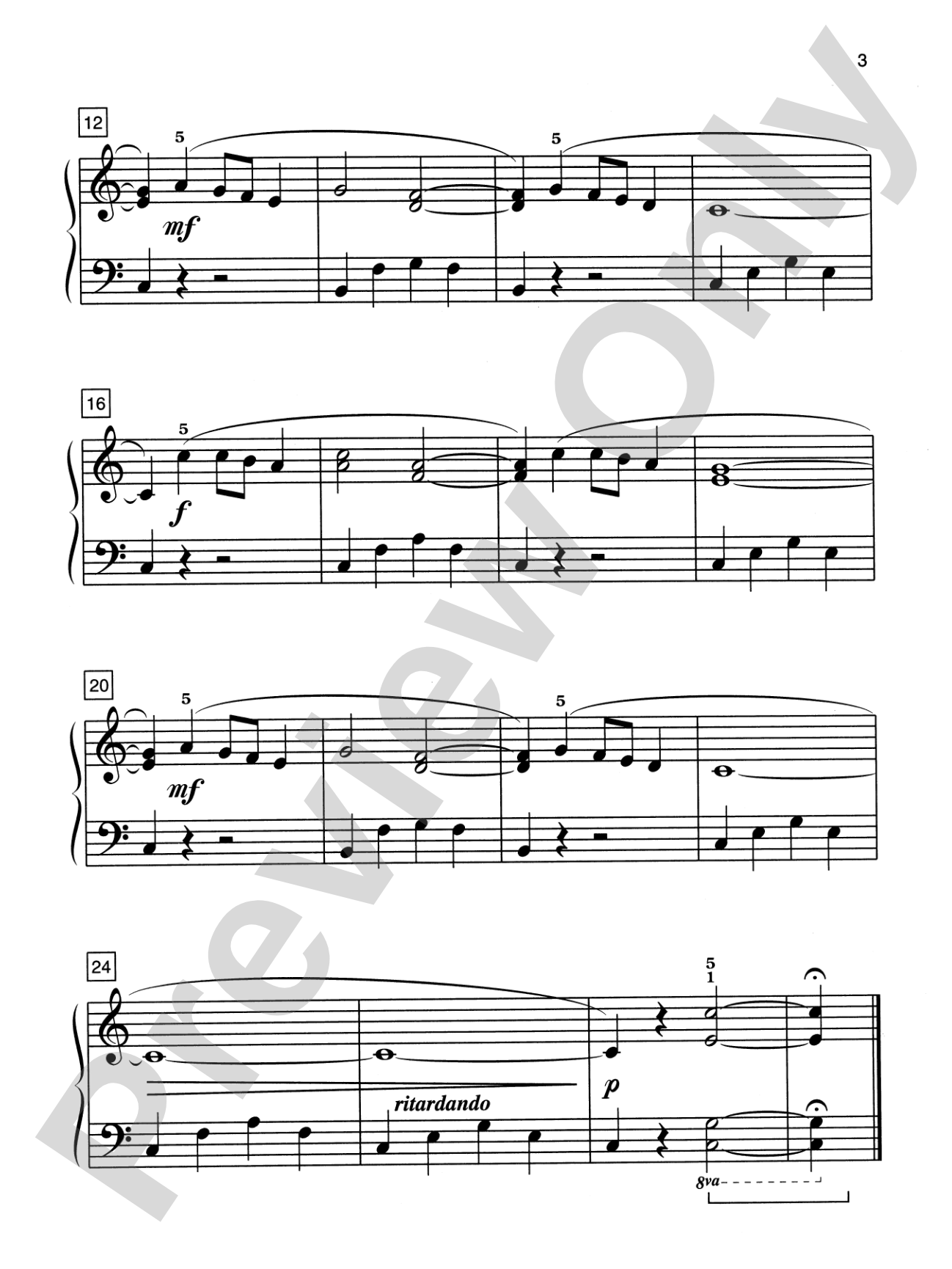
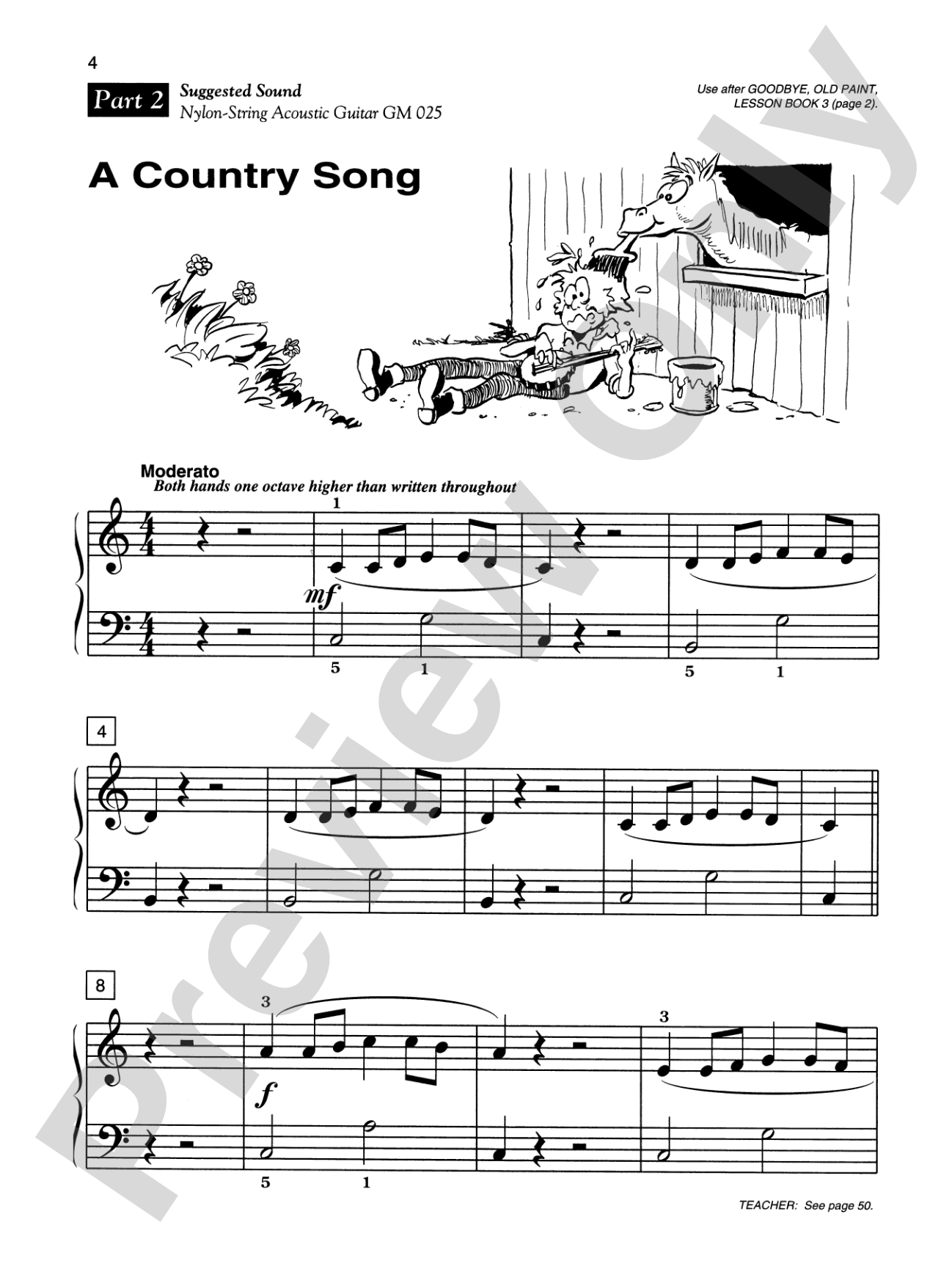
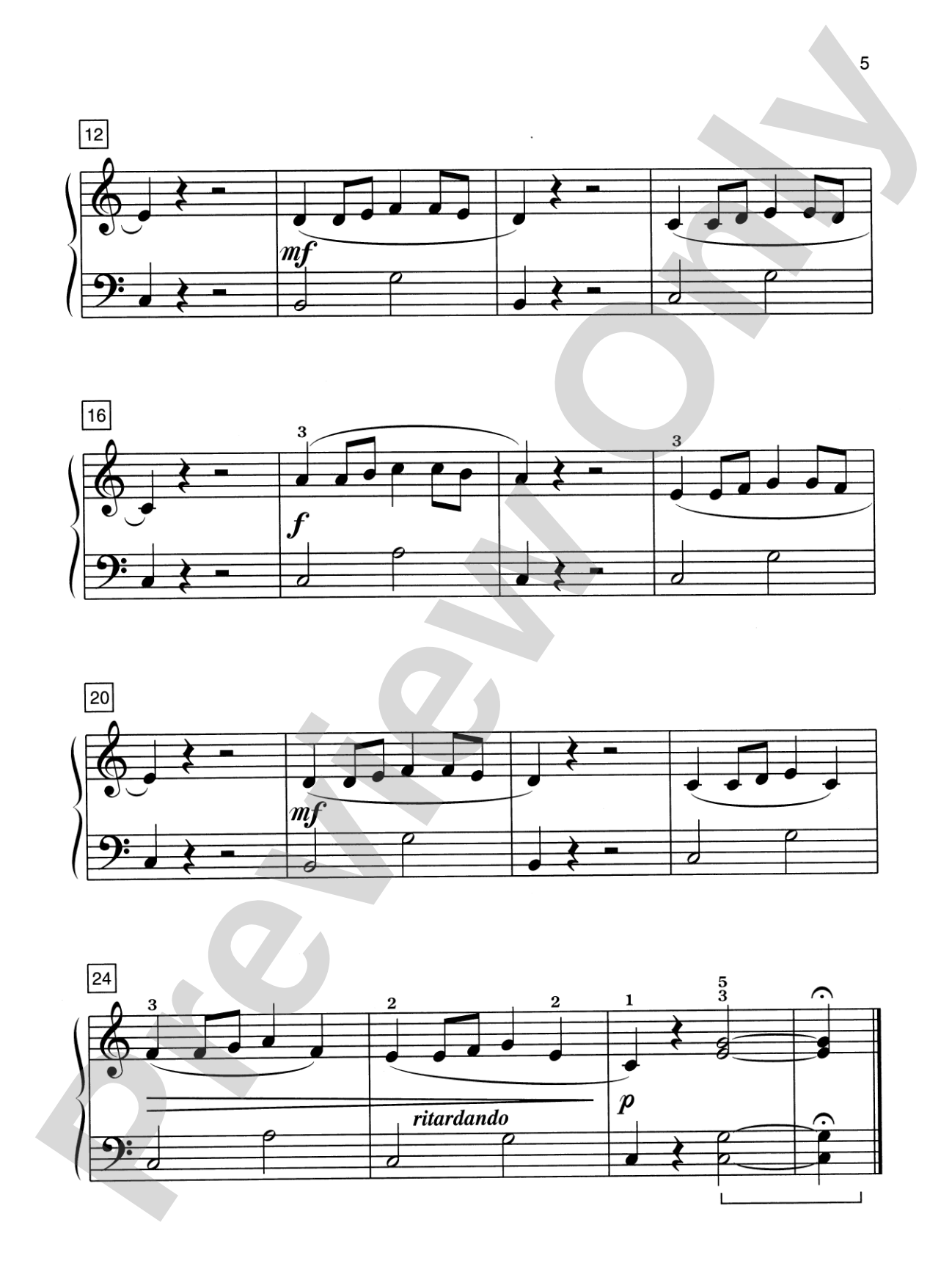
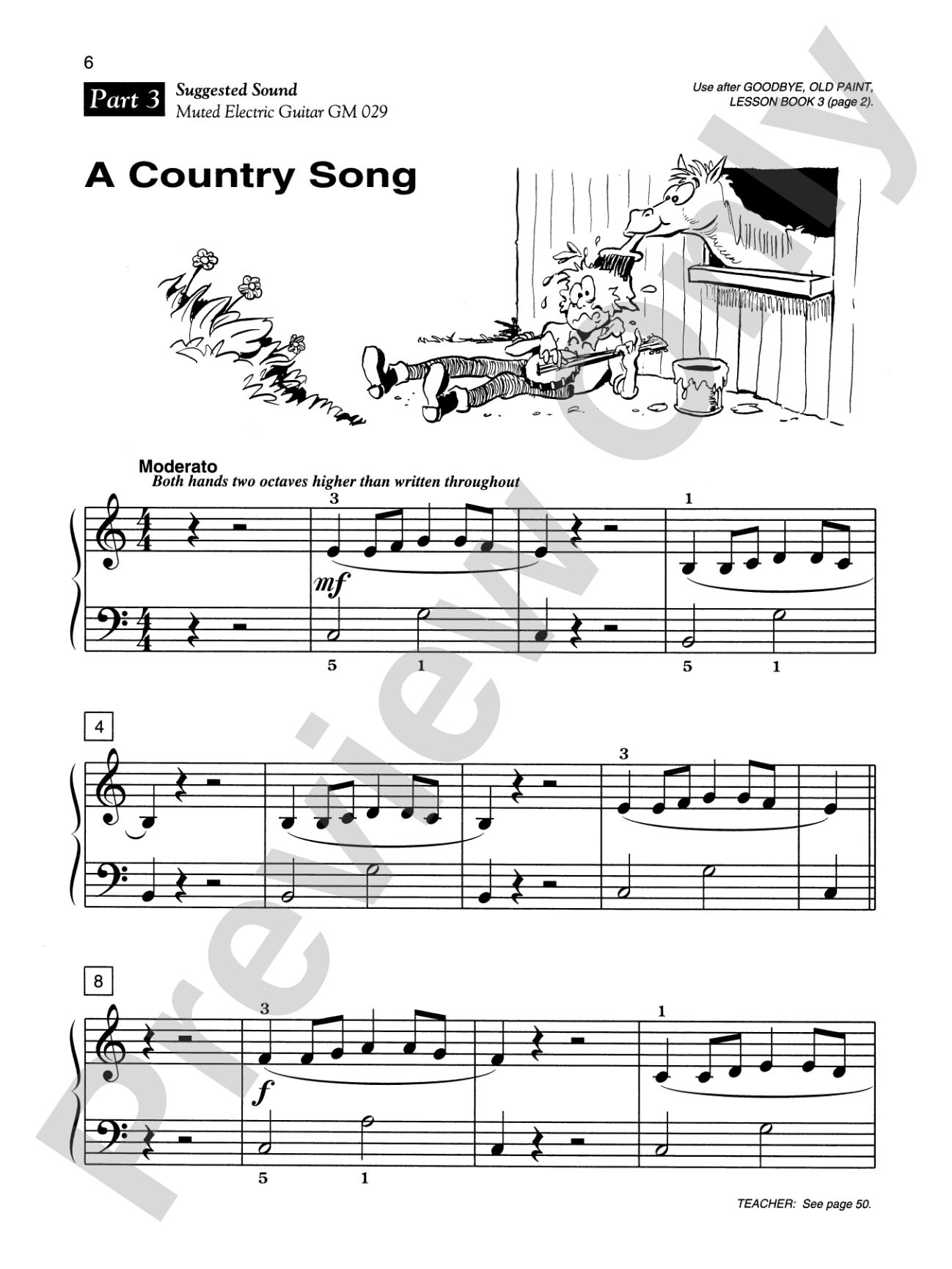
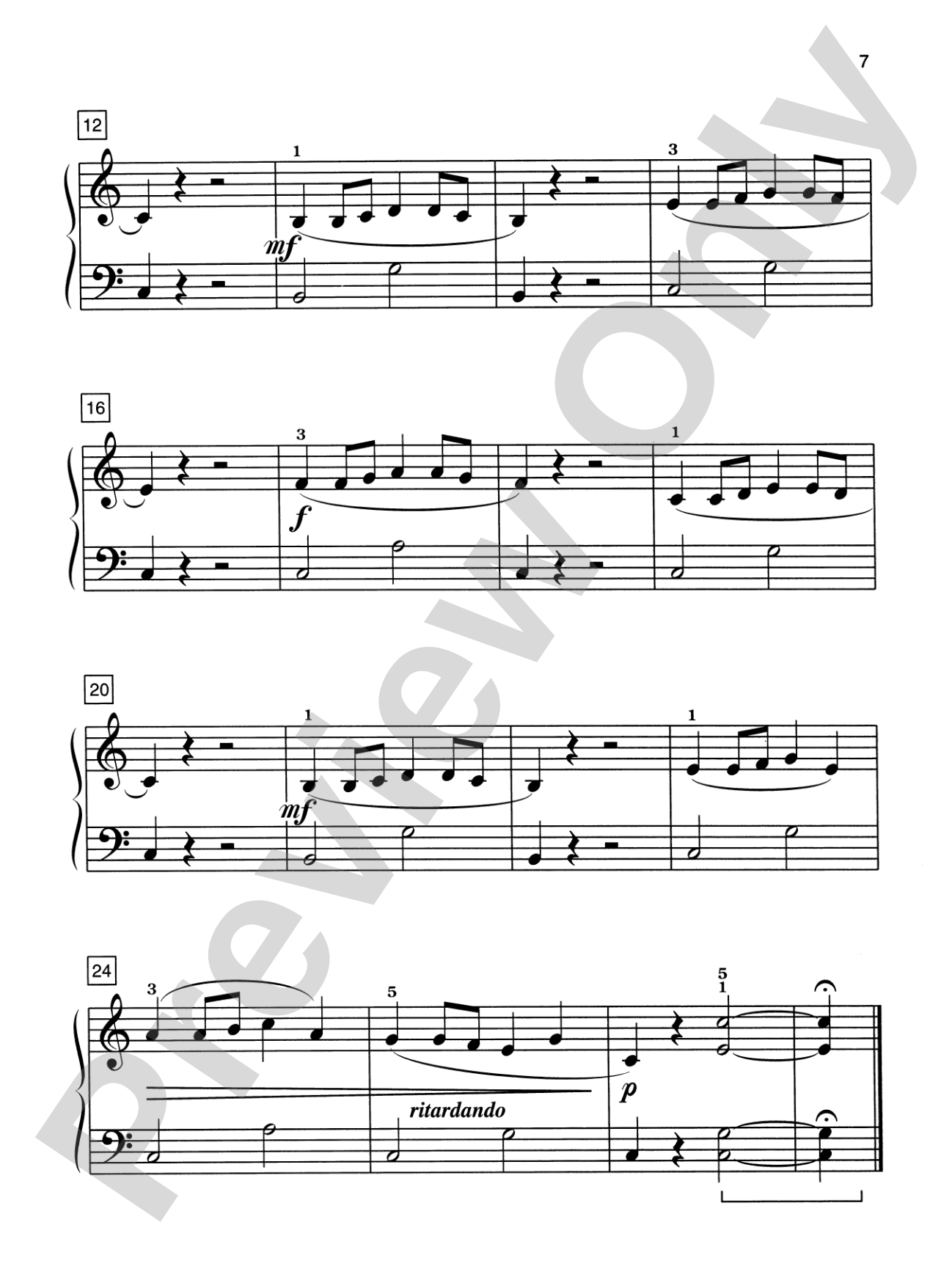
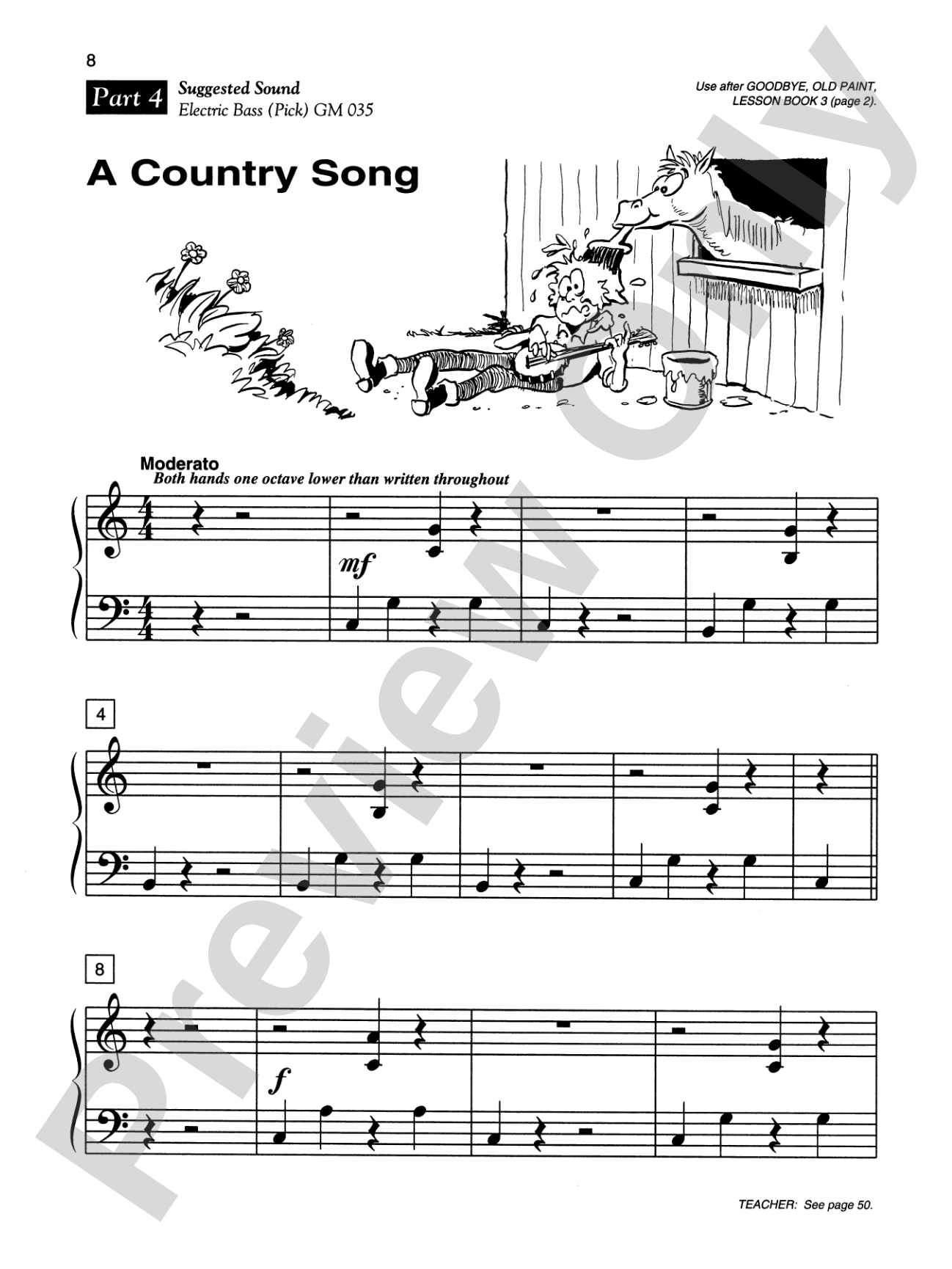
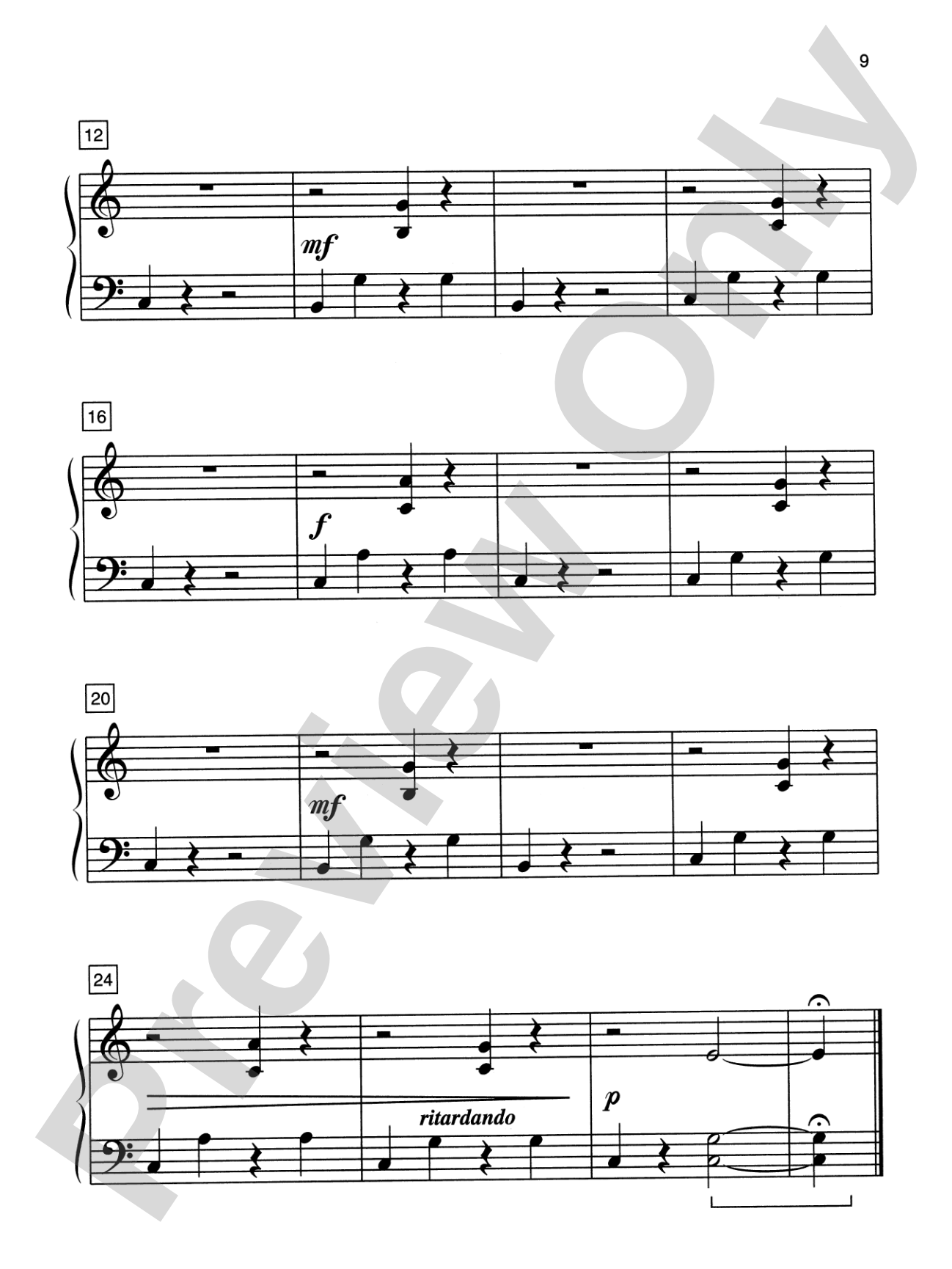
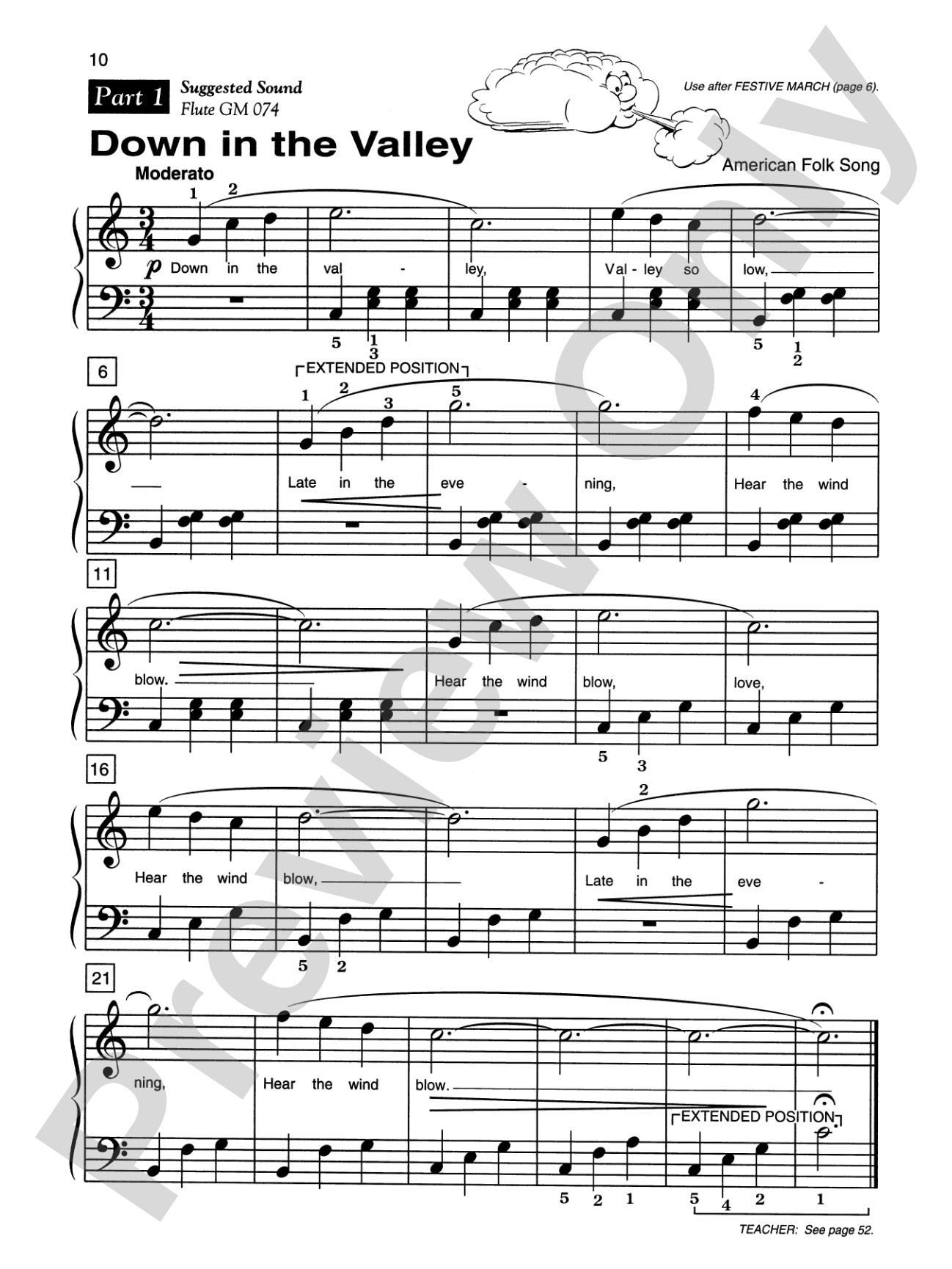
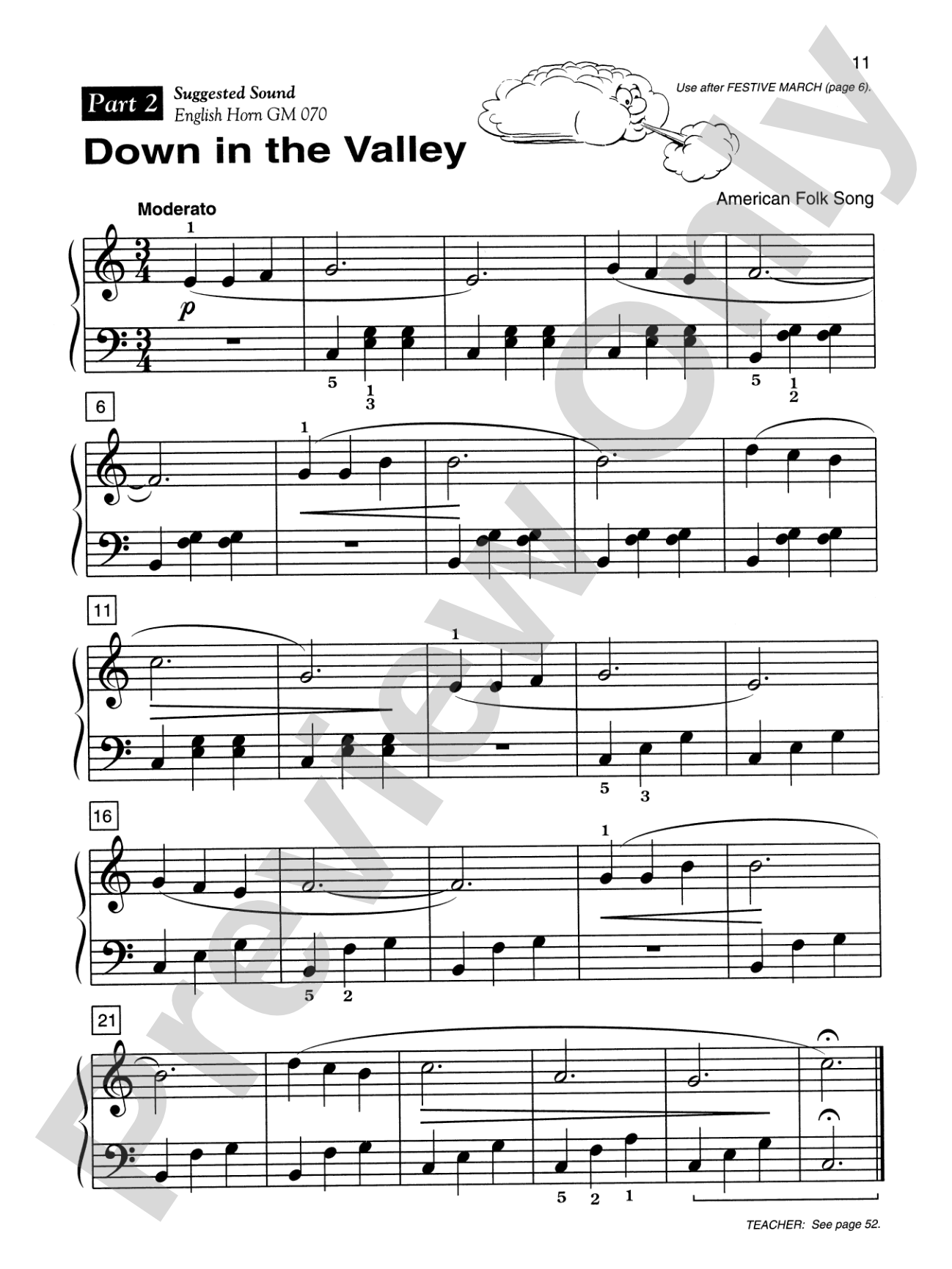
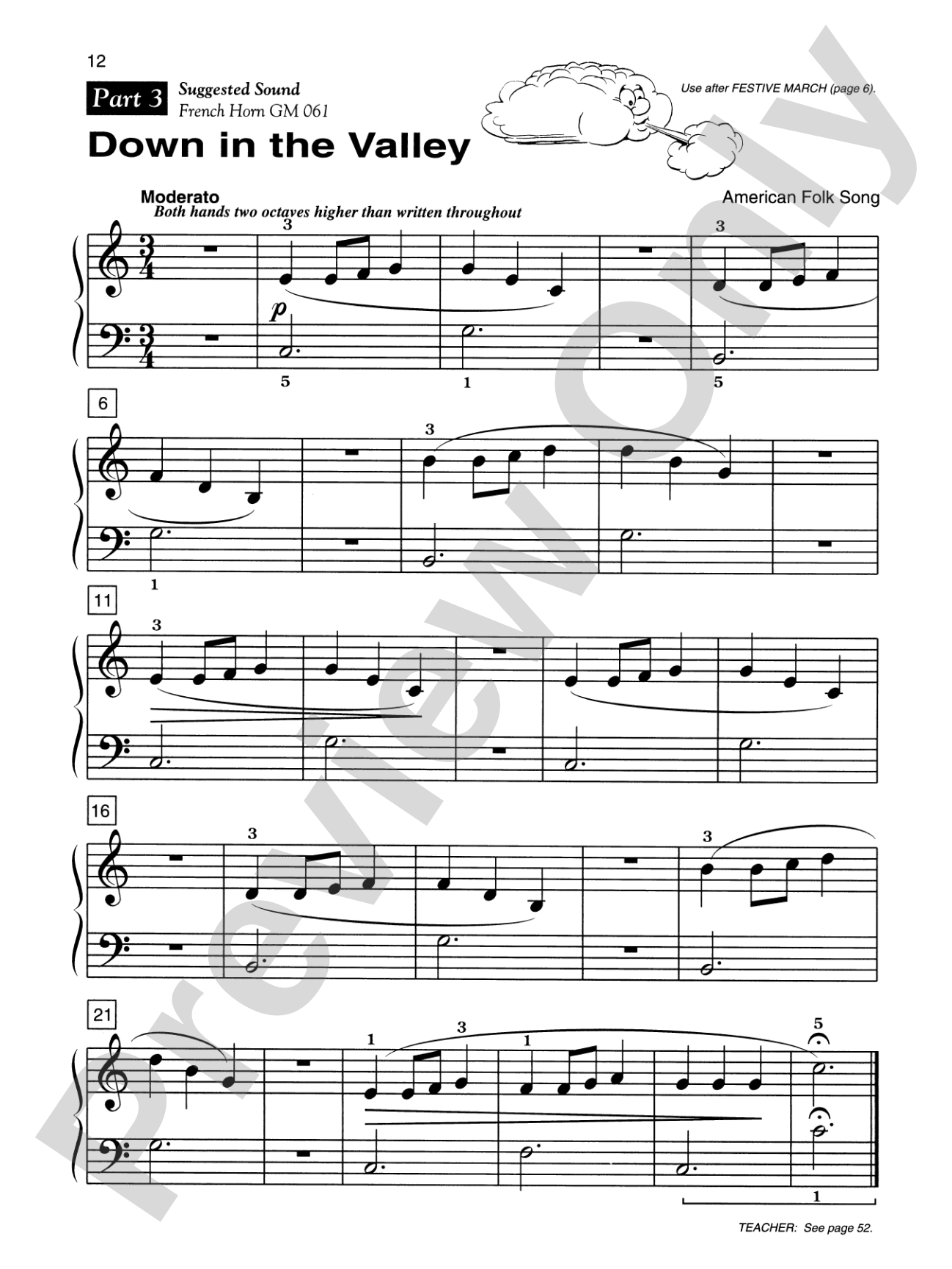
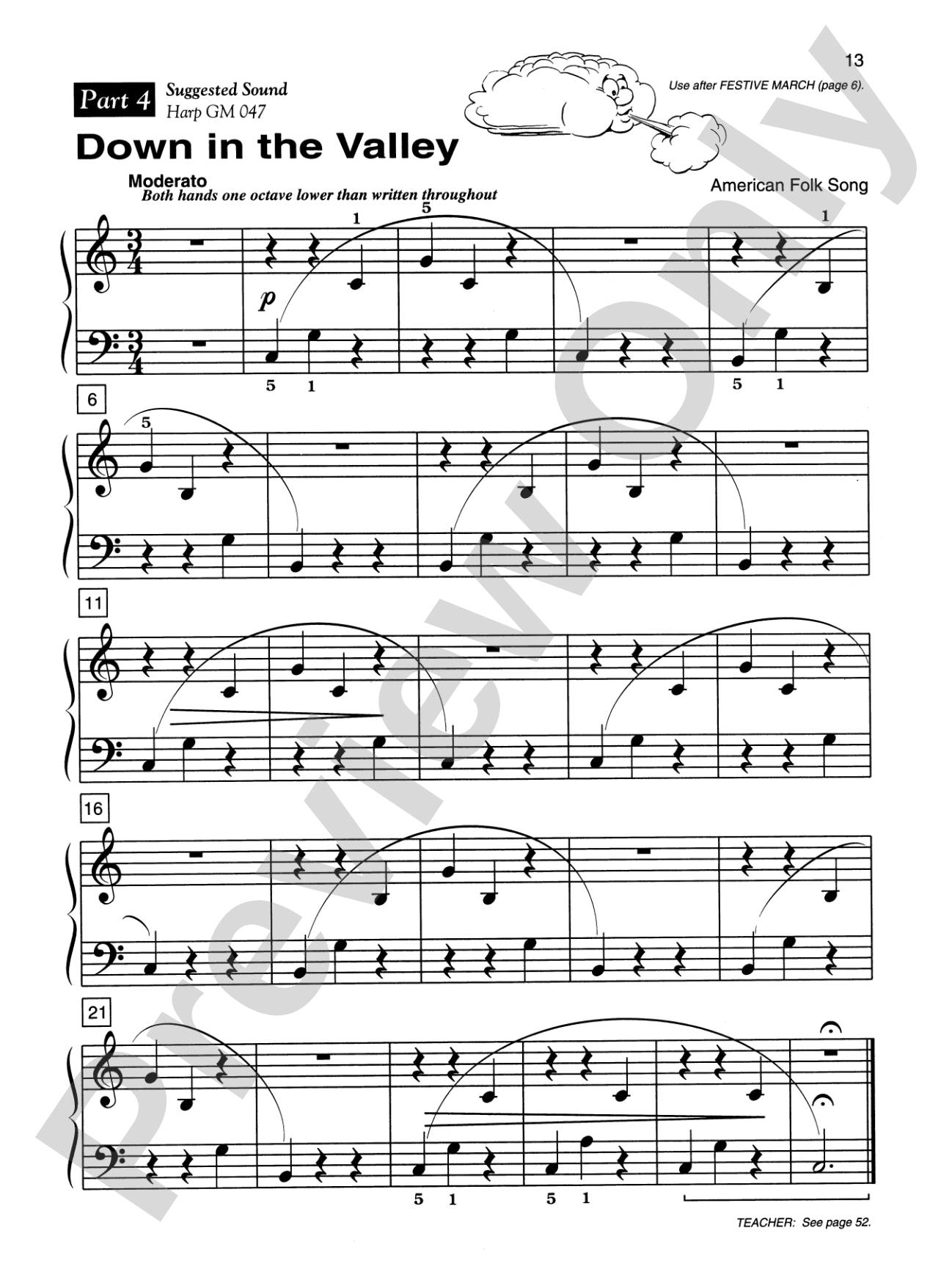
This Ensemble Book contains seven 4-part ensembles, carefully coordinated with material in the Lesson Books. Part 1 is a selected favorite from the Fun Book or the Recital Book. Parts 2, 3 and 4 use the same concepts and hand positions at the same level of difficulty. Includes suggested electronic sounds for those ensembles using electronic instruments.


Discover MakeMusic Cloud: thousands of interactive titles your students can play along with today.
Sample Audio
No sample audio found.
Sample Video
No sample videos found.
Additional Details
Series:
Alfred's Basic Piano Library
Publisher:
Alfred Music
Page Count:
64
SKU:
00-PB-0002589
More about this title
About the Composer: Gayle Kowalchyk

Dr. Gayle Kowalchyk is a pianist and pedagogue on the faculty at California State University, Northridge, where she teaches class piano, private piano, and piano pedagogy. Her formal training spans performance degrees from Ohio University and Northwestern University, plus an Ed.D. in piano pedagogy from Teachers College, Columbia University. She has held teaching positions at multiple universities, including Eastern Illinois University where she directed the piano preparatory program, and spent summers teaching ensemble and class piano at the National Music Camp in Interlochen.
Kowalchyk's career centers on group piano instruction and teacher training. She regularly presents at national conferences including the Music Teachers National Association, Music Educators National Conference, and the World Piano Pedagogy Conference. With her husband E. L. Lancaster, she has authored more than 300 educational piano publications, among them Alfred's Premier Piano Course and Music for Little Mozarts. Her work reflects decades of experience in both independent studio teaching and university-level instruction.
Why we love this
The coordination between ensemble parts and the Lesson Books creates genuine pedagogical efficiency. Students reinforce concepts they are actively learning rather than sight-reading unfamiliar material, which deepens retention and builds confidence. The inclusion of electronic sound suggestions opens doors for creative performance contexts without requiring specialized equipment.
What to expect
Ensemble playing at this level typically balances accessibility with genuine musicality. These pieces let young pianists discover what happens when individual practice translates into collaborative sound, offering the encouragement that comes from making music with peers rather than alone at the keyboard.
Who it's for
Studio teachers managing group lessons or ensemble classes will find these pieces especially valuable, as the coordinated difficulty levels allow mixed-ability groups to perform together meaningfully. Pianists working through Alfred's Level 3 materials gain immediate ensemble experience without waiting for advanced repertoire.
How to get the most out of it
- Balance the melodic line in Part 1 so ensemble listeners hear the primary voice, even when all four parts play simultaneously. The supporting parts should sit slightly back in the mix.
- Begin rehearsals by having students clap or count their rhythm patterns separately before combining. This prevents ensemble members from becoming dependent on listening to others.
- Experiment with the suggested electronic sounds at different tempos. A piece that feels draggy on acoustic piano often springs to life with the right synthesizer patch and a slightly faster tempo.
- Assign rotating parts across rehearsals so pianists develop facility with different rhythmic and harmonic roles. A student who always plays Part 1 benefits from the challenge of maintaining steady accompaniment figures.
How to use it
Schedule ensemble rehearsals during studio group lessons or as part of a recital workshop series, pairing them with solo repertoire from the same Lesson Book level for a cohesive program. The seven pieces allow you to rotate different ensembles throughout the season without reusing material, keeping student motivation high across spring and fall recitals.
Skills your students will build
- Reading four-part scores and tracking their own line within a texture
- Maintaining steady pulse and alignment with ensemble partners
- Applying hand positions and technical concepts learned in corresponding lesson materials
- Listening and responding to harmonic function while playing non-melodic parts
- Coordinating pedal use in ensemble settings without muddying blend