

Alfred's Basic Piano Library: Ensemble Book 2: Piano
By Gayle Kowalchyk and E. L. Lancaster
Level: 2
Item: 00-PB-0002588
$8.99
Pickup currently not available
Related Items
Alfred's Basic Piano Library: Ensemble Book 2: Piano Book |
$8.99
|
View |
Description
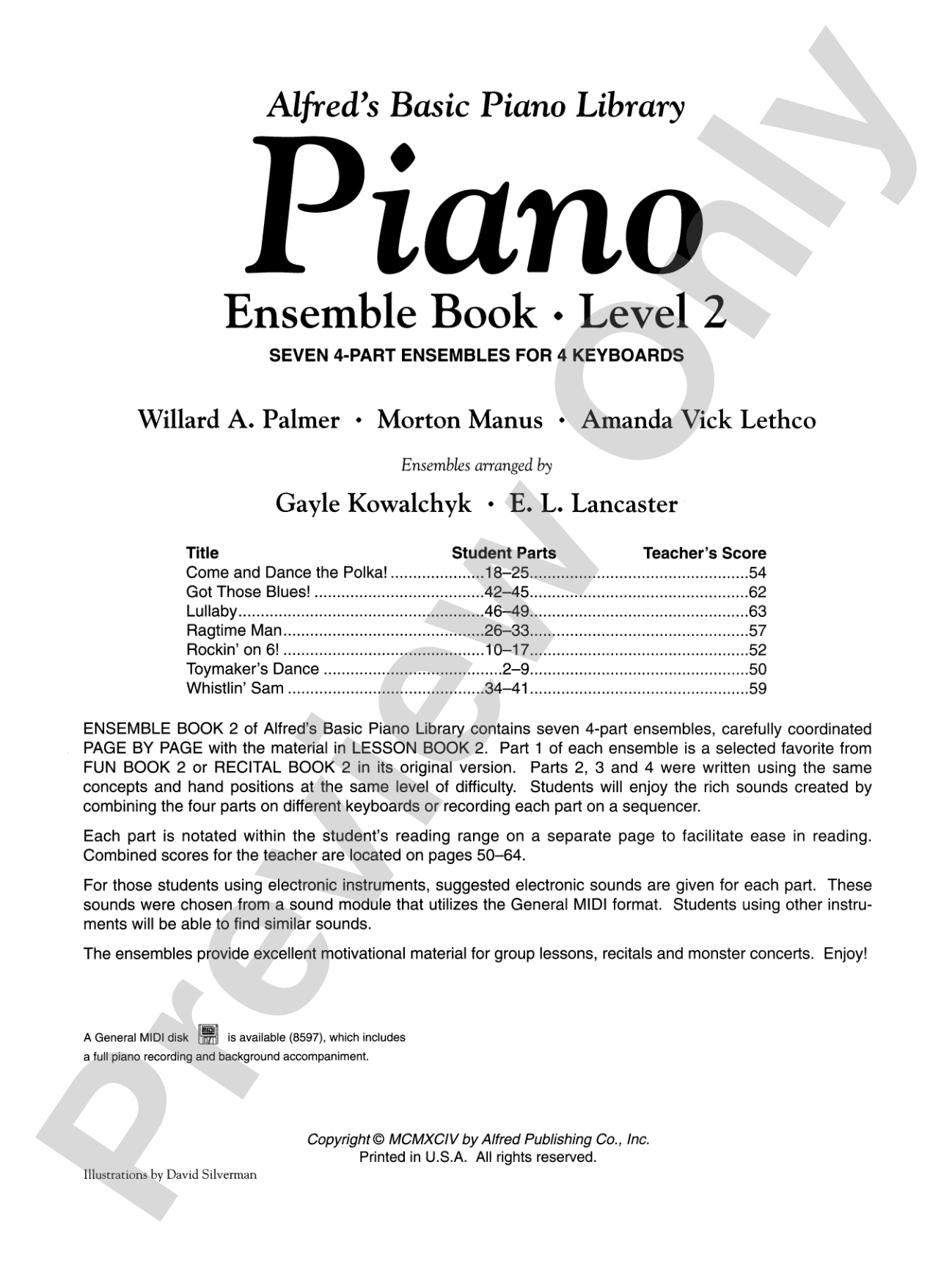
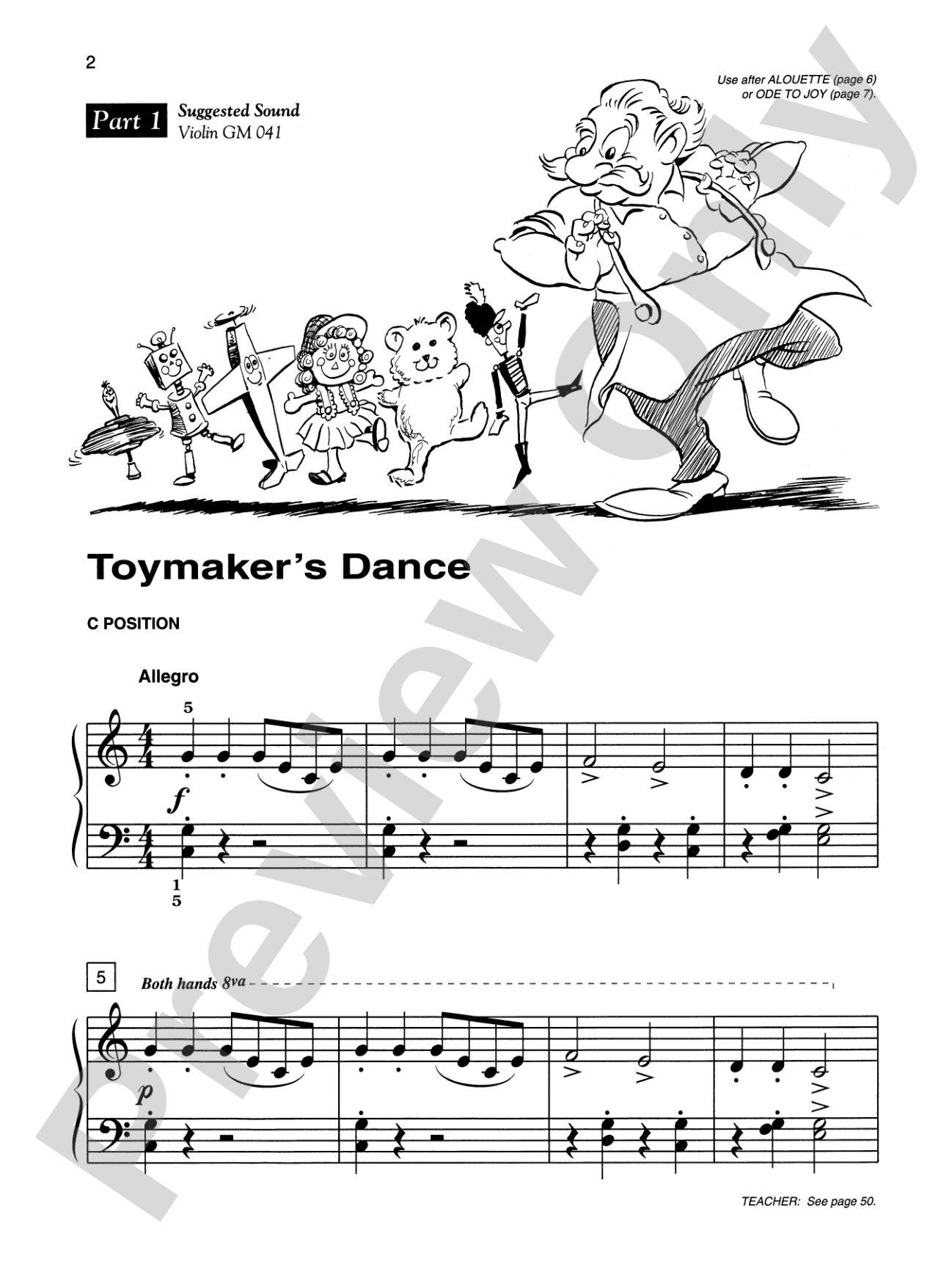
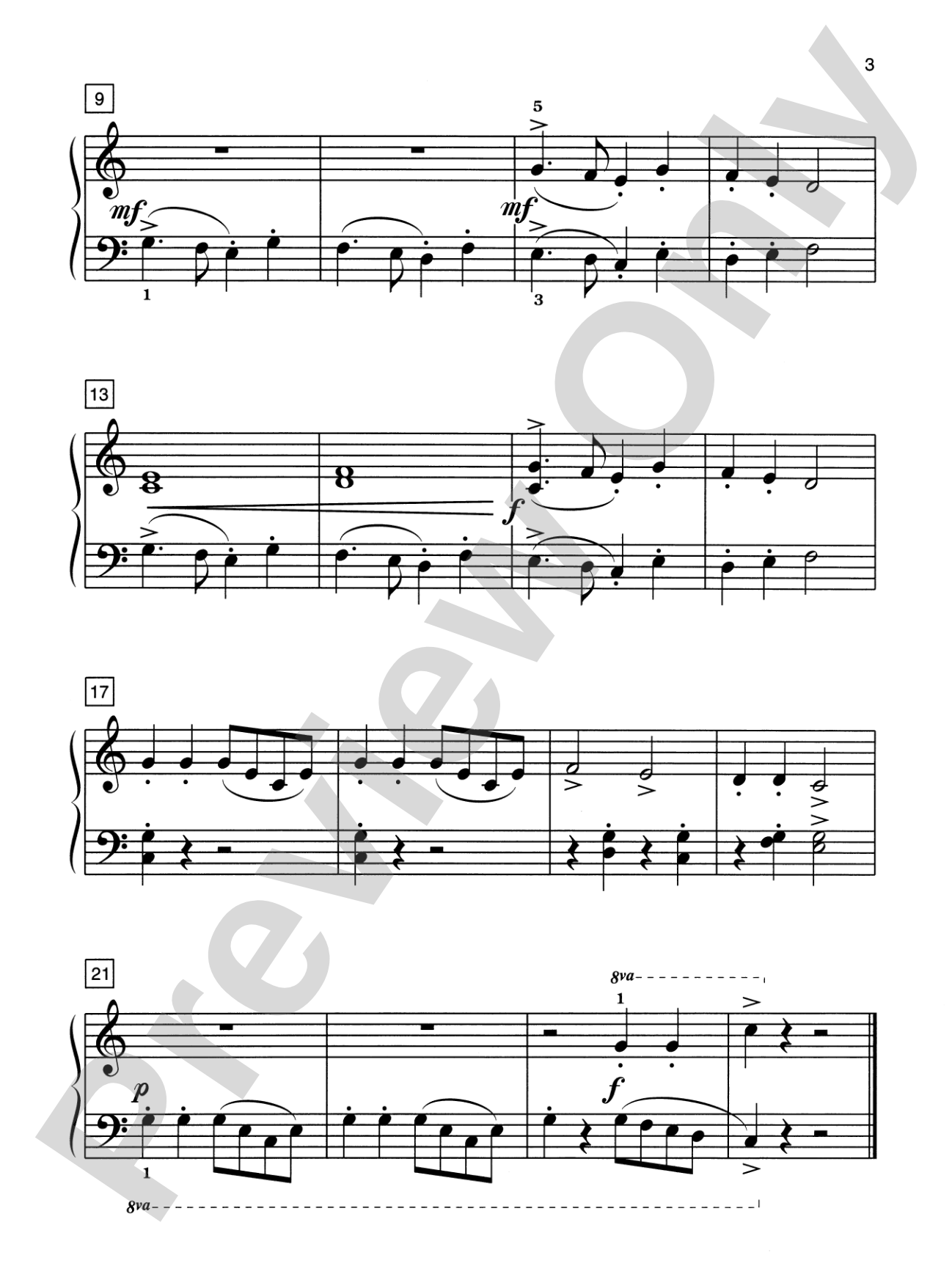
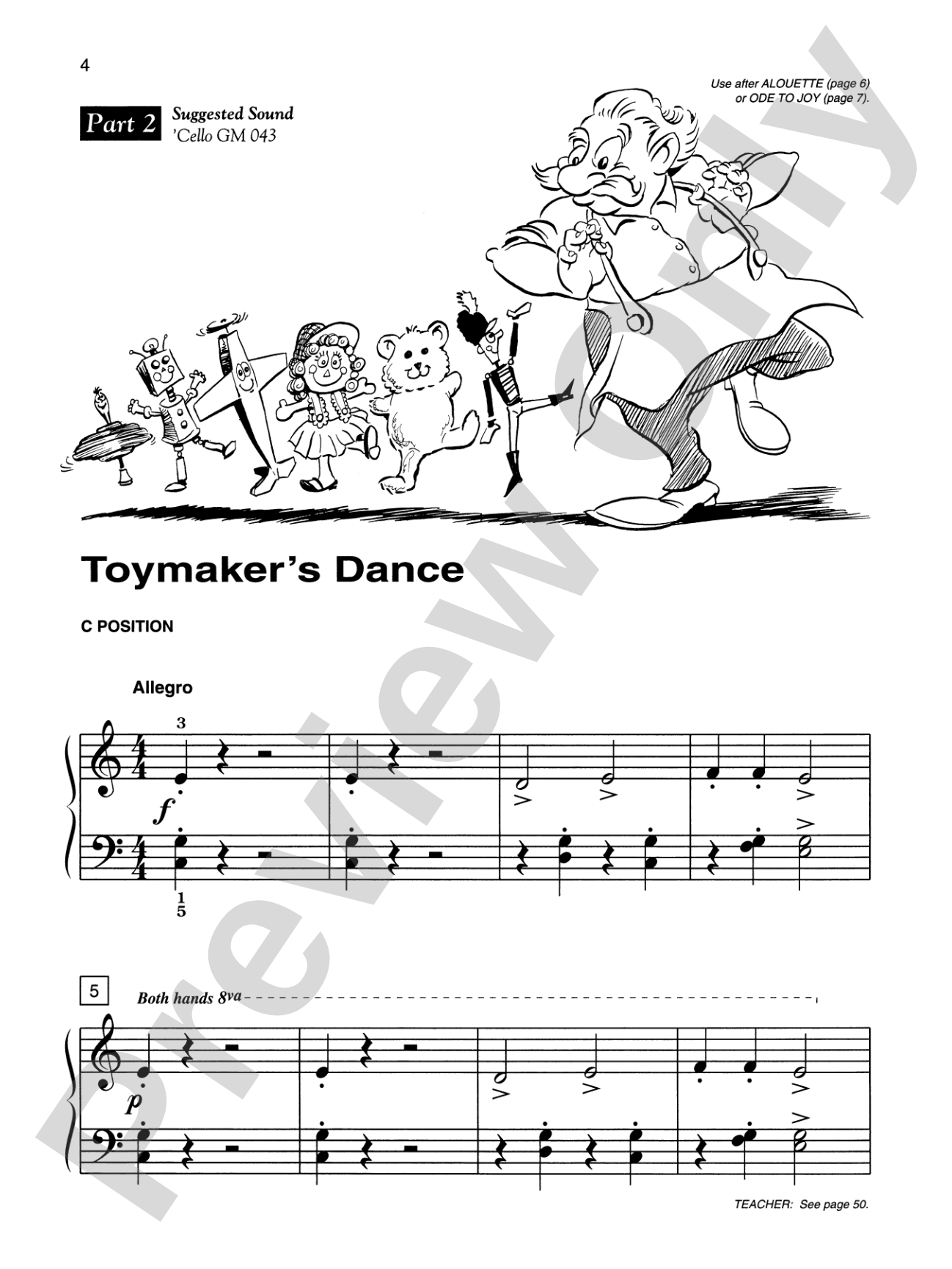
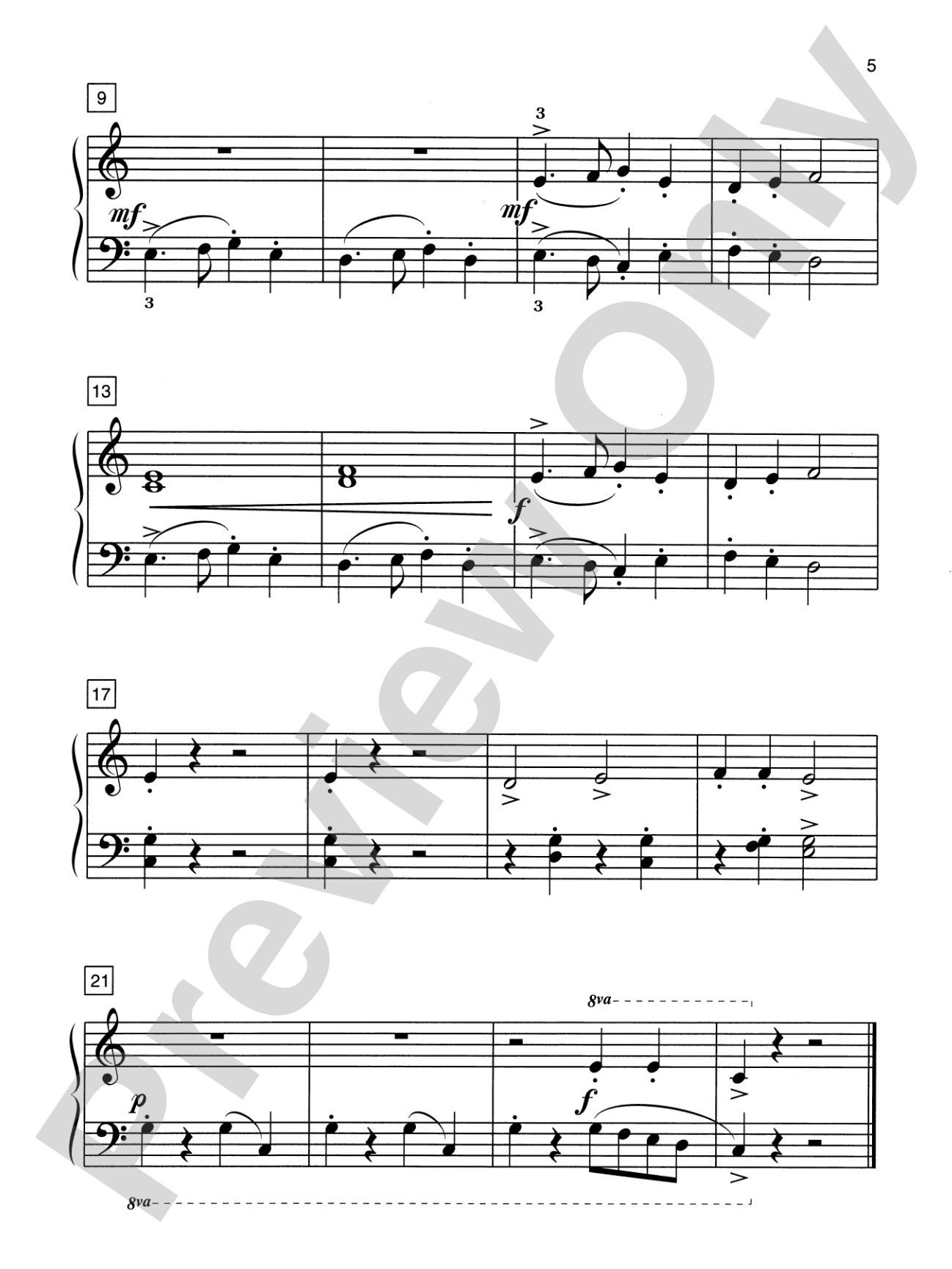
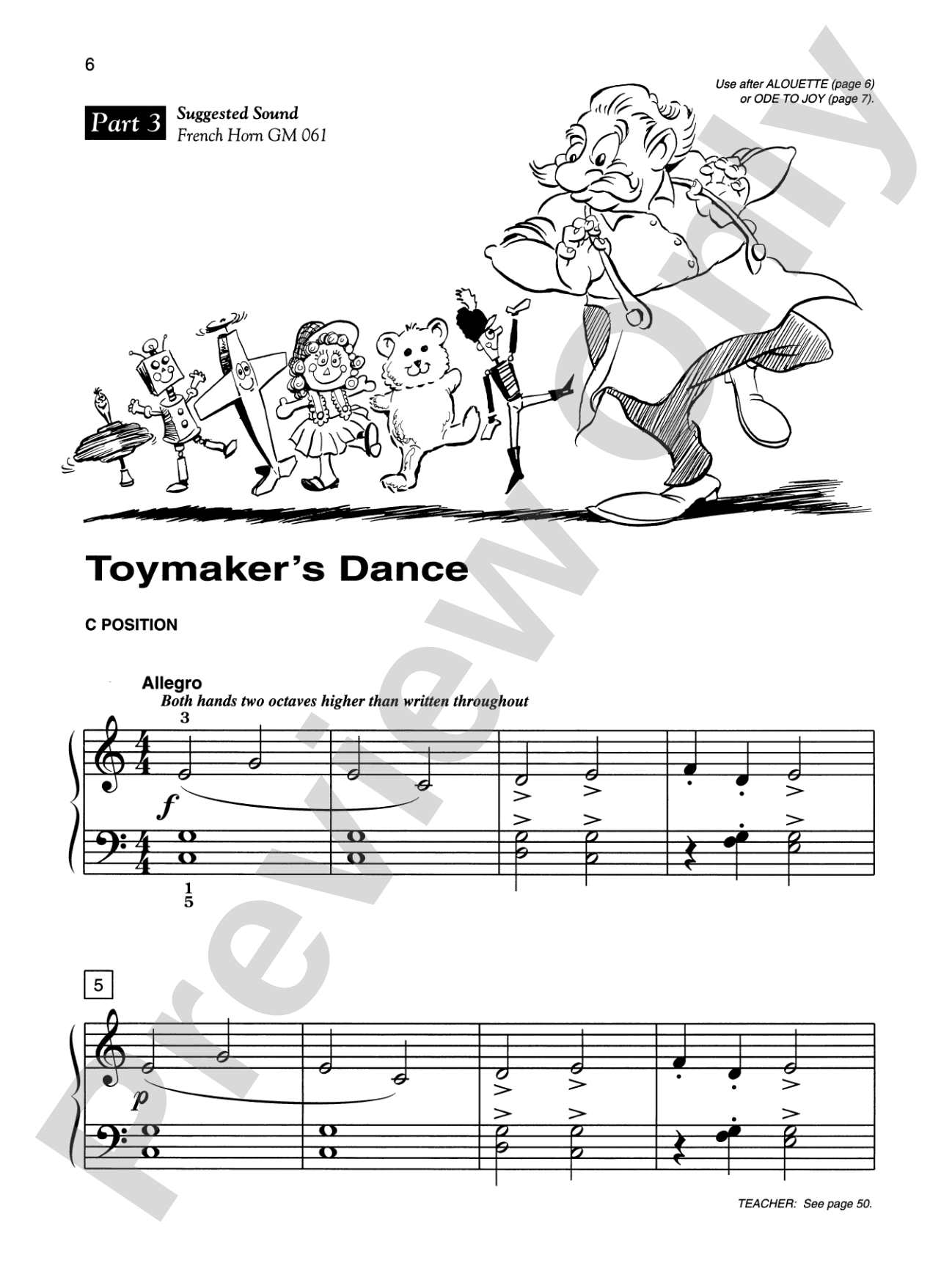
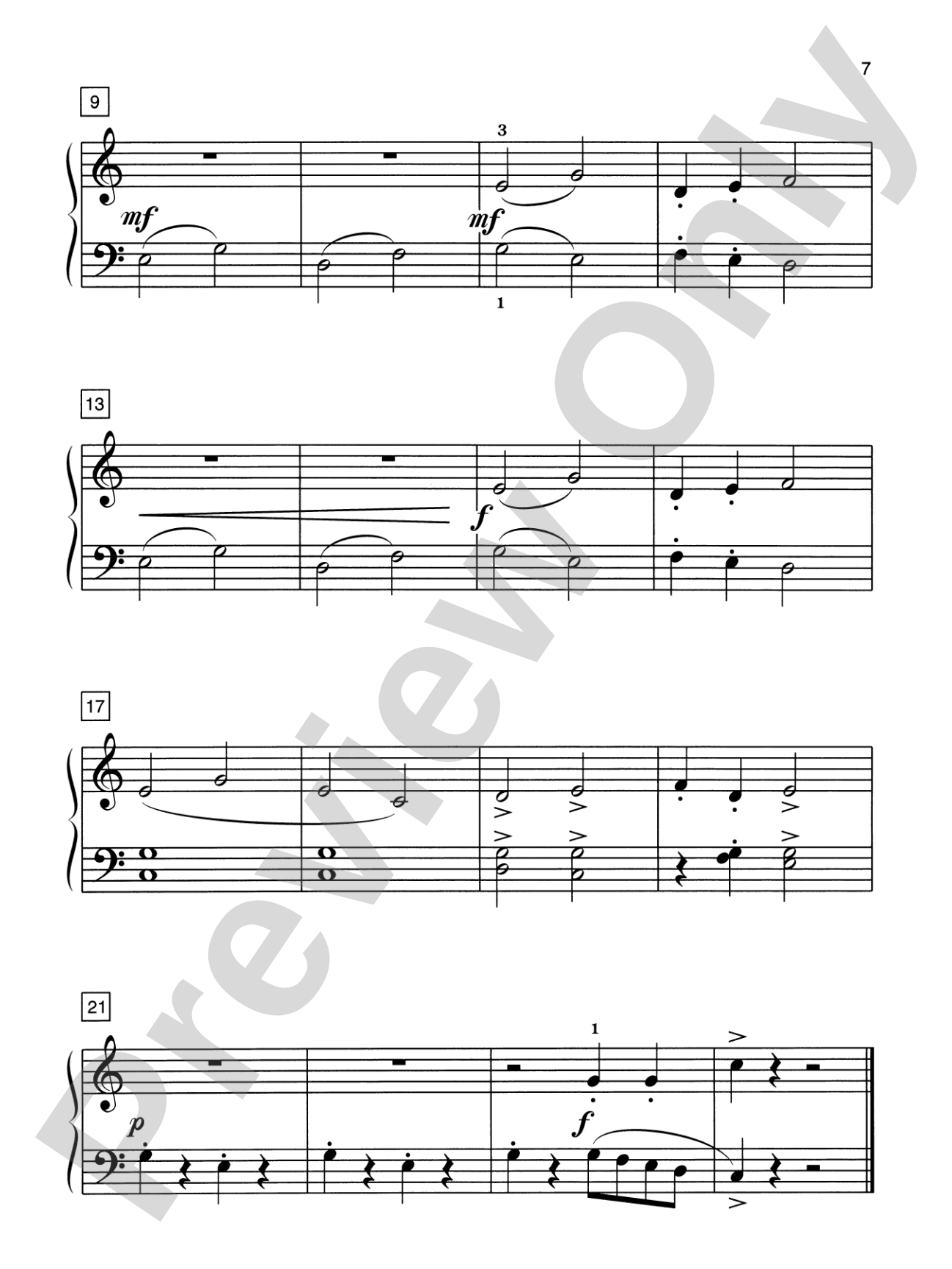
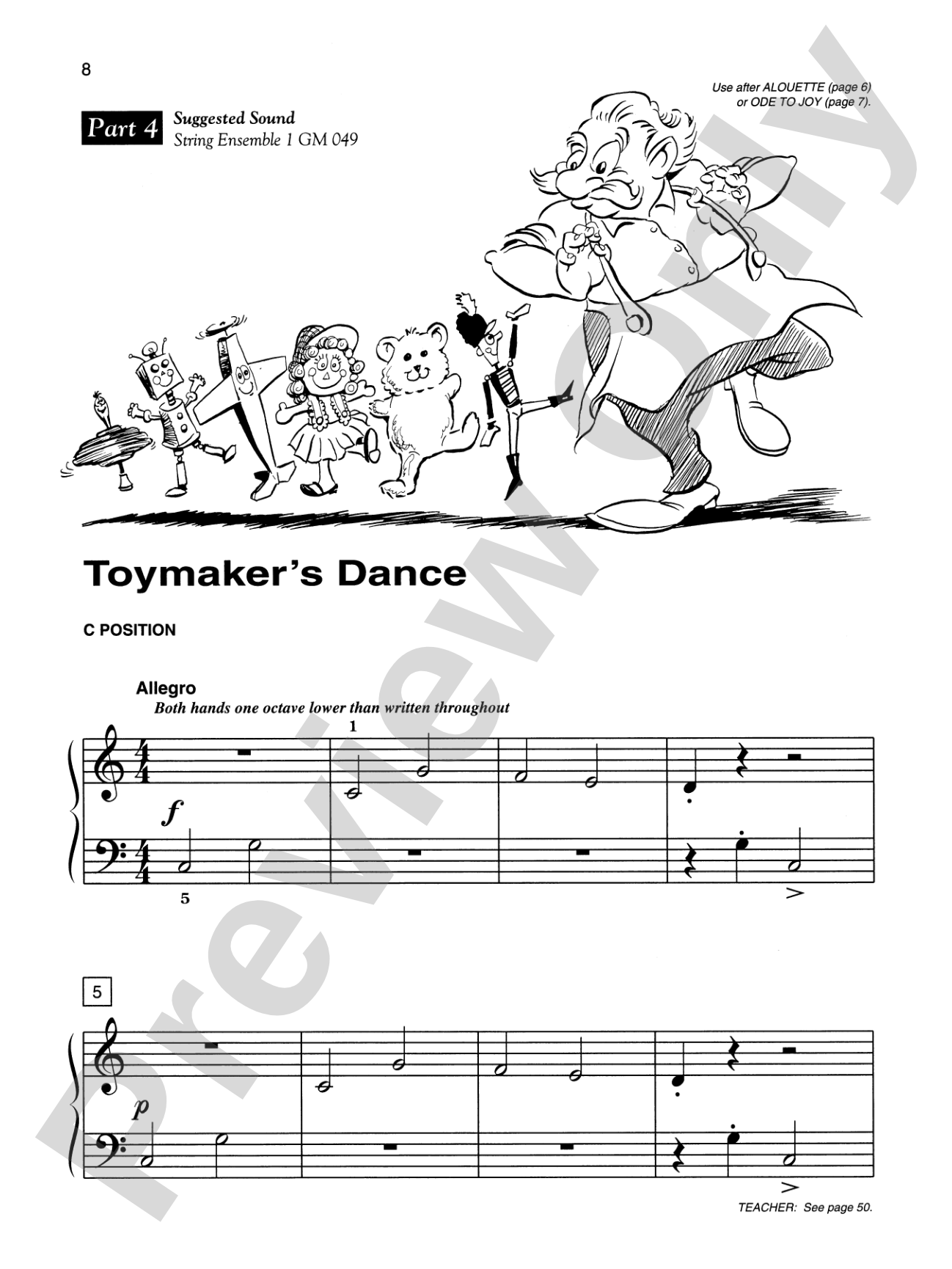
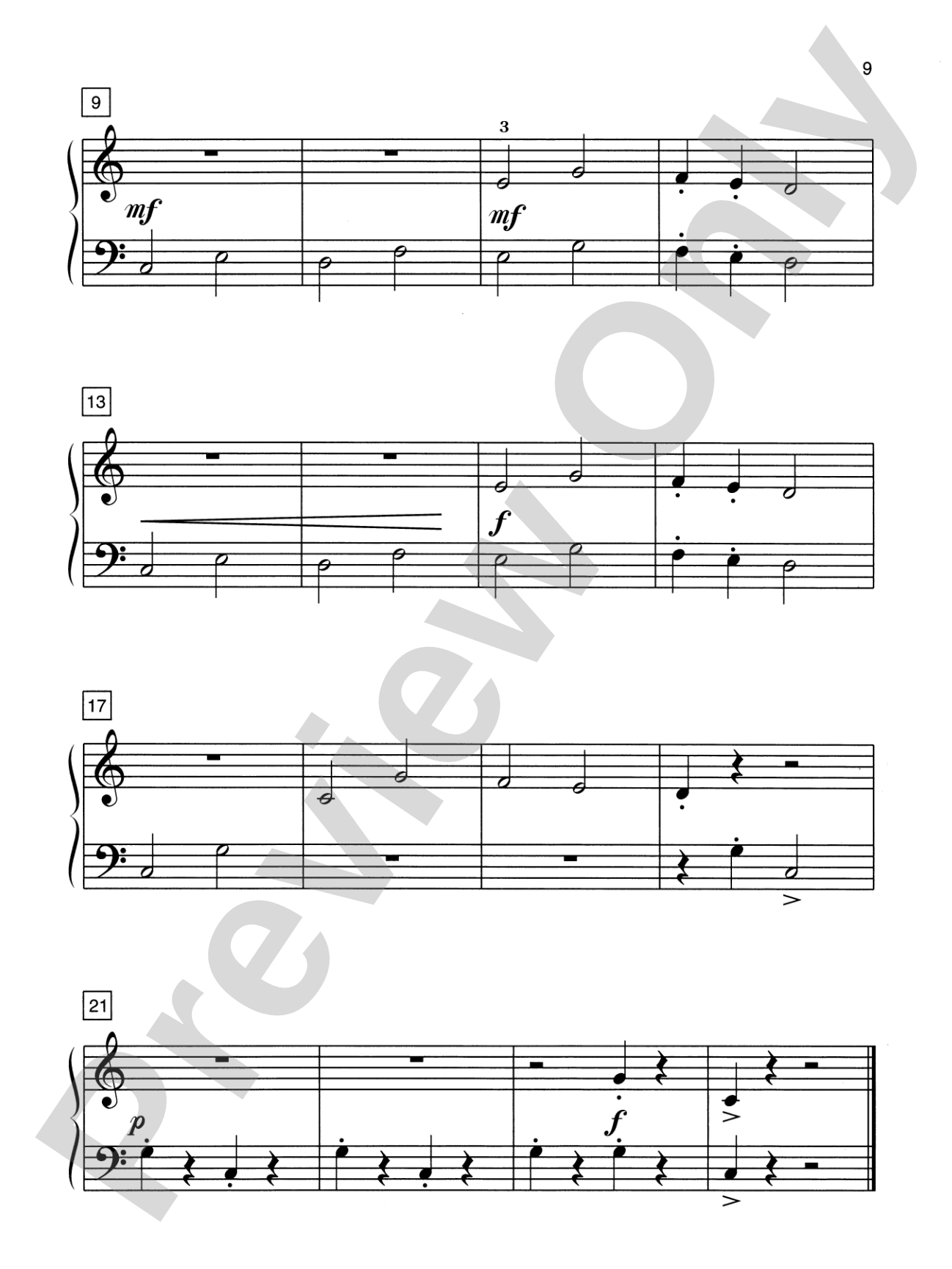
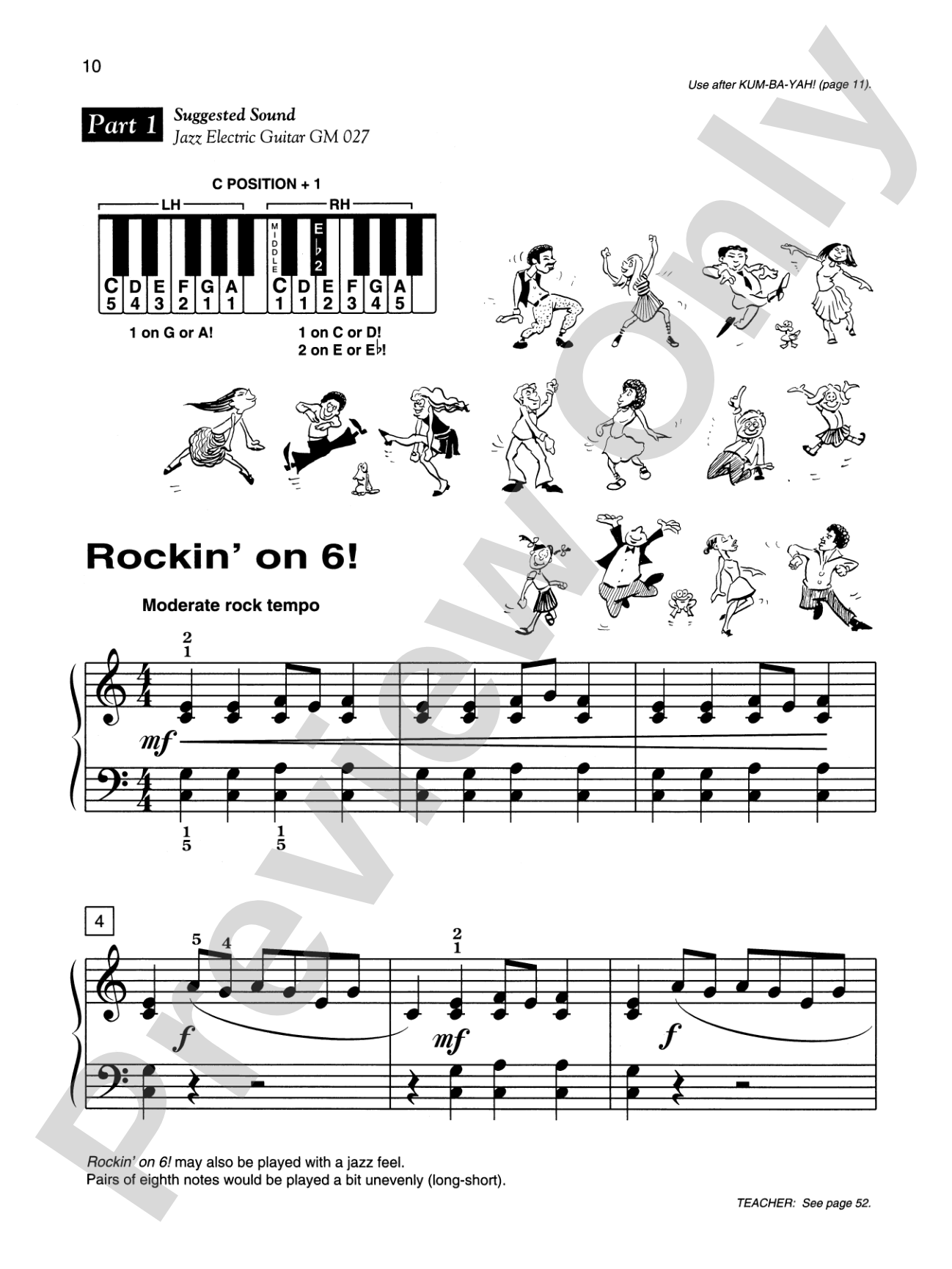
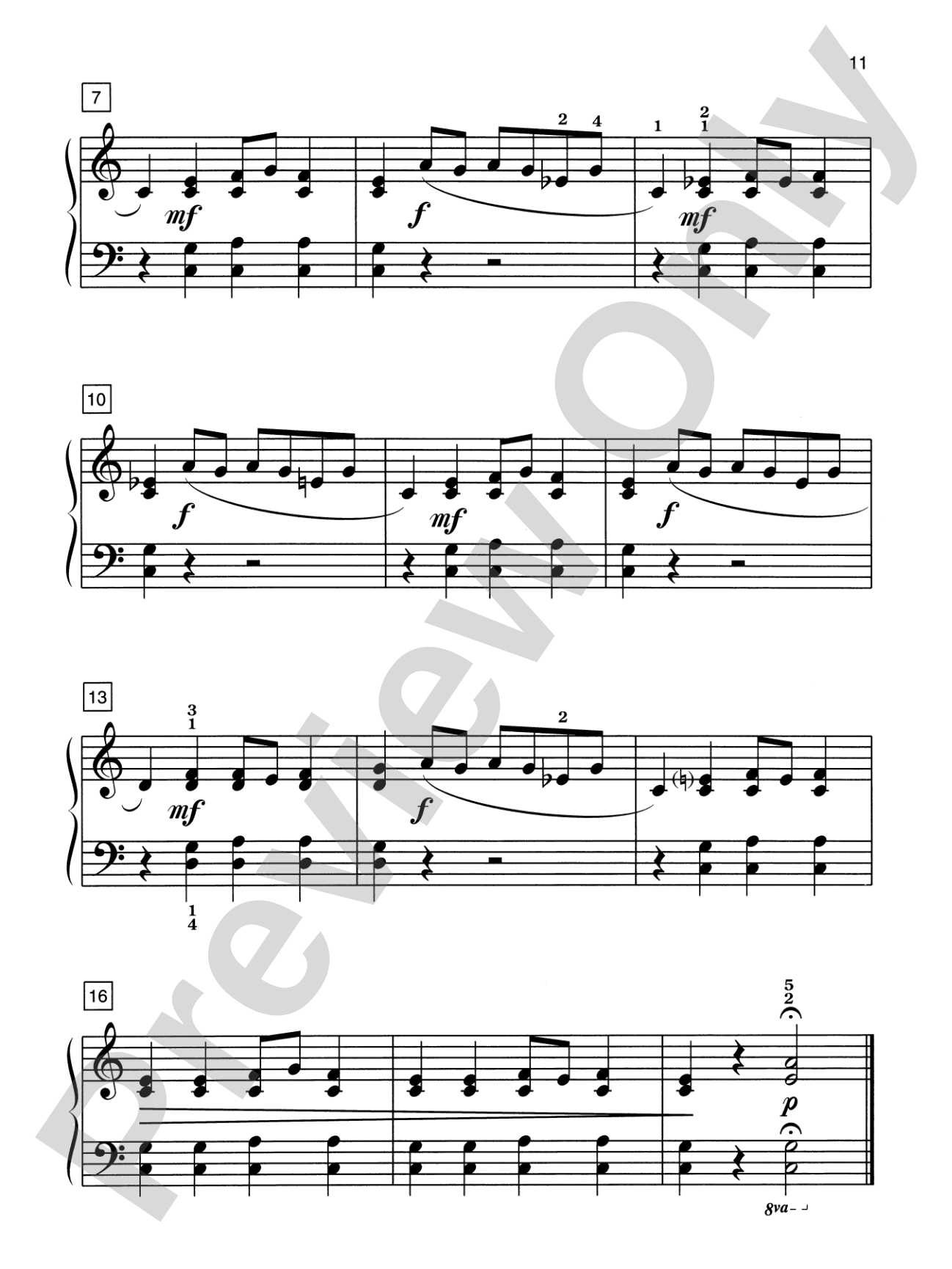
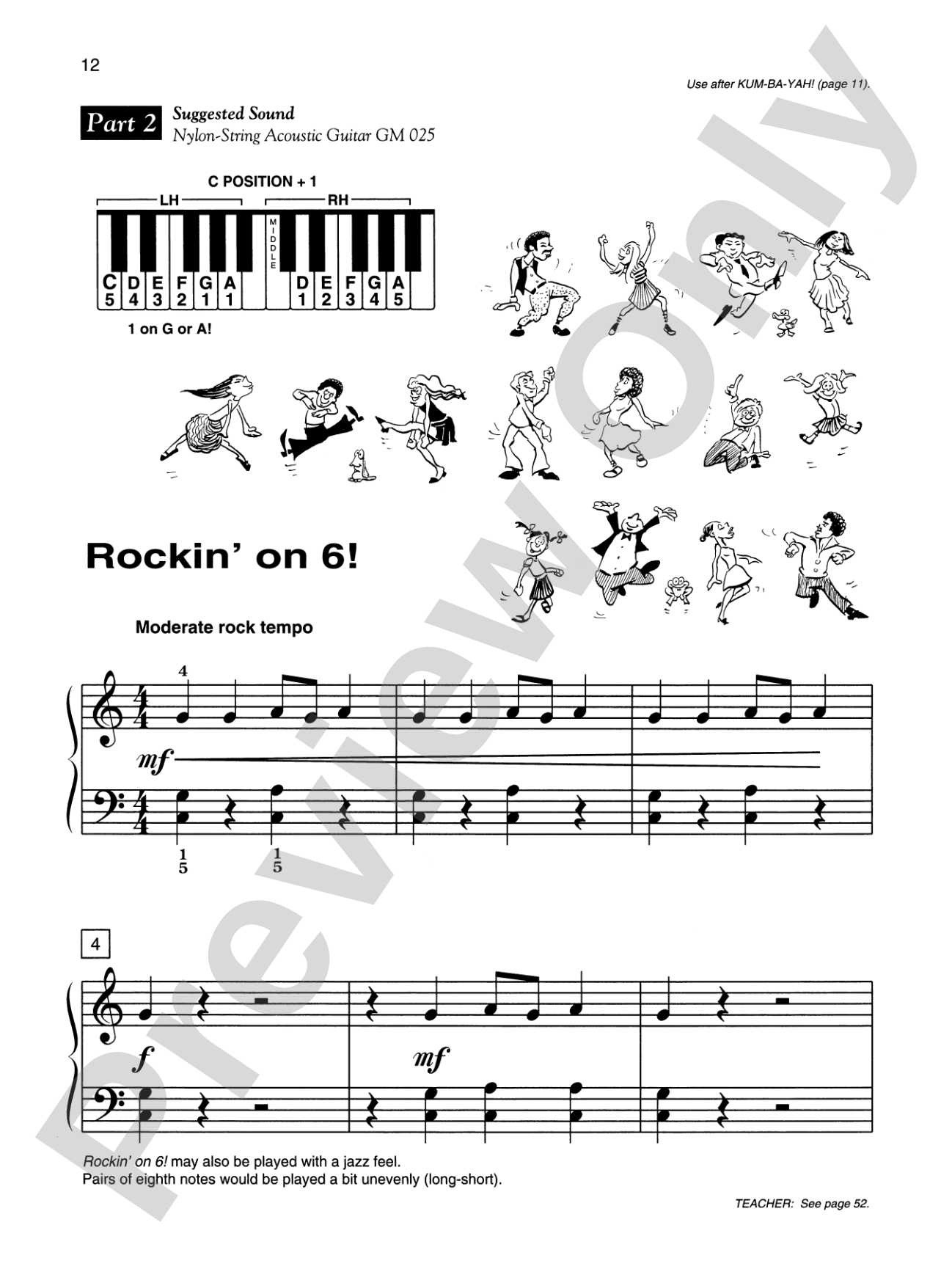
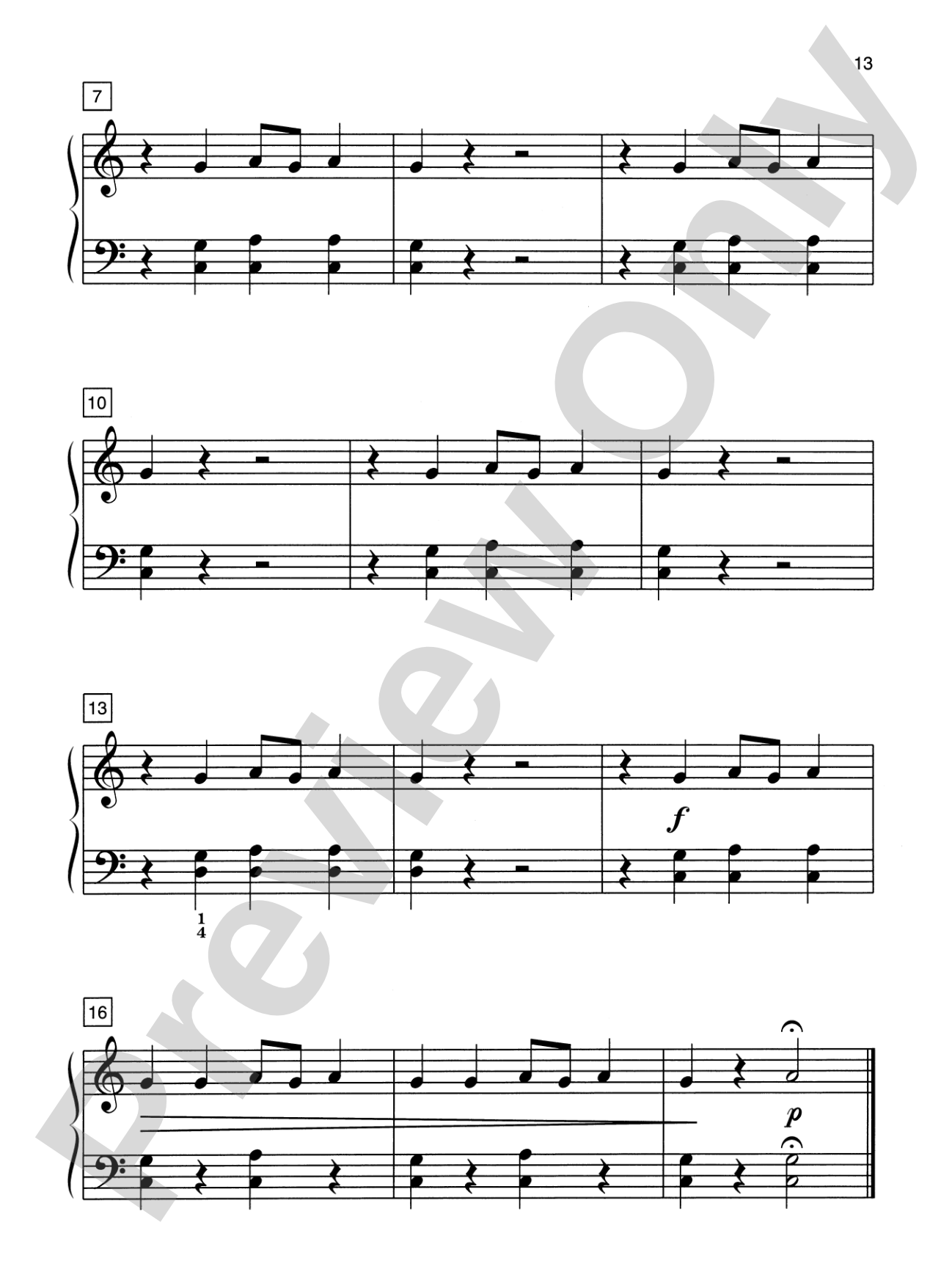
The Ensemble Books contain eight 4-part ensembles, carefully coordinated with material in the Lesson Books. Part 1 is a selected favorite from the Fun Book or the Recital Book. Parts 2, 3 and 4 use the same concepts and hand positions at the same level of difficulty. Includes suggested electronic sounds for those ensembles using electronic instruments.


Discover MakeMusic Cloud: thousands of interactive titles your students can play along with today.
Sample Audio
No sample audio found.
Sample Video
No sample videos found.
Additional Details
Series:
Alfred's Basic Piano Library
Publisher:
Alfred Music
Page Count:
64
SKU:
00-PB-0002588
More about this title
About the Composer: Gayle Kowalchyk

Dr. Gayle Kowalchyk brings decades of piano pedagogy expertise to every page she writes. On faculty at California State University, Northridge, where she teaches class piano and piano pedagogy, she earned her Ed.D. in piano pedagogy from Teachers College, Columbia University, along with performance degrees from Ohio University and Northwestern University. Her career has spanned university teaching posts at Eastern Illinois University, Oklahoma Baptist University, and the University of Oklahoma, as well as summers directing piano ensemble at the National Music Camp in Interlochen.
With her husband, Dr. E. L. Lancaster, Kowalchyk has authored over 300 educational piano publications, including the Alfred's Premier Piano Course and Music for Little Mozarts series. A sought-after clinician and adjudicator for the Music Teachers National Association, Music Educators National Conference, and multiple national pedagogy conferences, she combines deep classroom experience with an understanding of how students actually learn.
Why we love this
The beauty of this ensemble collection is how precisely it mirrors what students are learning in their individual lesson books. Rather than forcing students into pieces that don't fit their hand positions or concept mastery, each part scaffolds at the exact same difficulty level, which means your entire class moves together without anyone feeling left behind or bored. The option for electronic instrument sounds opens up sonic possibilities that keep ensemble playing fresh and engaging.
What to expect
These arrangements capture the playfulness and accessibility of early piano study. The pieces feel approachable yet satisfying, giving students a sense of collaborative musicmaking without requiring virtuosic demands. Hearing four independent parts weave together builds confidence and reminds young pianists why ensemble playing matters.
Who it's for
Class piano programs and group piano students working through Level 2 of the Alfred's Basic Piano Library will find these eight ensembles ideally suited to their current skill level. Teachers coordinating lesson material across multiple students benefit from having pre-arranged pieces that require no transposition or adjustment. Solo piano teachers with ensemble-curious students also gain ready-made repertoire for group playing experiences.
How to get the most out of it
- Balance the melody with the supporting parts by having Part 1 play with confidence while Parts 2, 3, and 4 provide supportive, lighter accompaniment textures.
- If using electronic sounds, rehearse with the sounds on early so students adjust their touch and phrasing to the different sonic character.
- Coordinate hand position shifts across all four parts simultaneously; pausing to check that everyone is in the correct hand position before continuing prevents confusion later.
- Experiment with different electronic instrument pairings for variety, such as pairing piano with bells for a brighter texture or adding strings for warmth.
How to use it
Schedule these ensembles as the social highlight of your class piano sessions, giving students regular opportunities to hear themselves play in combination with peers. Assign one ensemble every few weeks to coincide with the correlated lesson book pages, reinforcing concepts in a collaborative context. Consider featuring a different ensemble at each studio class or recital, letting students experience public performance with the safety net of group playing.
Skills your students will build
- Reading and maintaining independent parts while listening to others
- Hand position consistency across multiple pieces
- Ensemble balance and blend
- Following a steady tempo with multiple performers
- Confidence playing music coordinated with lesson book concepts
- Coordination of electronic instrument sounds (if applicable)