

Alfred's Basic Piano Library: Ensemble Book 1B: Piano
By Gayle Kowalchyk and E. L. Lancaster
Level: 1B
Item: 00-PB-0002601
$7.99
Pickup currently not available
Related Items
Alfred's Basic Piano Library: Ensemble Book 1B: Piano Book |
$7.99
|
View |
Description
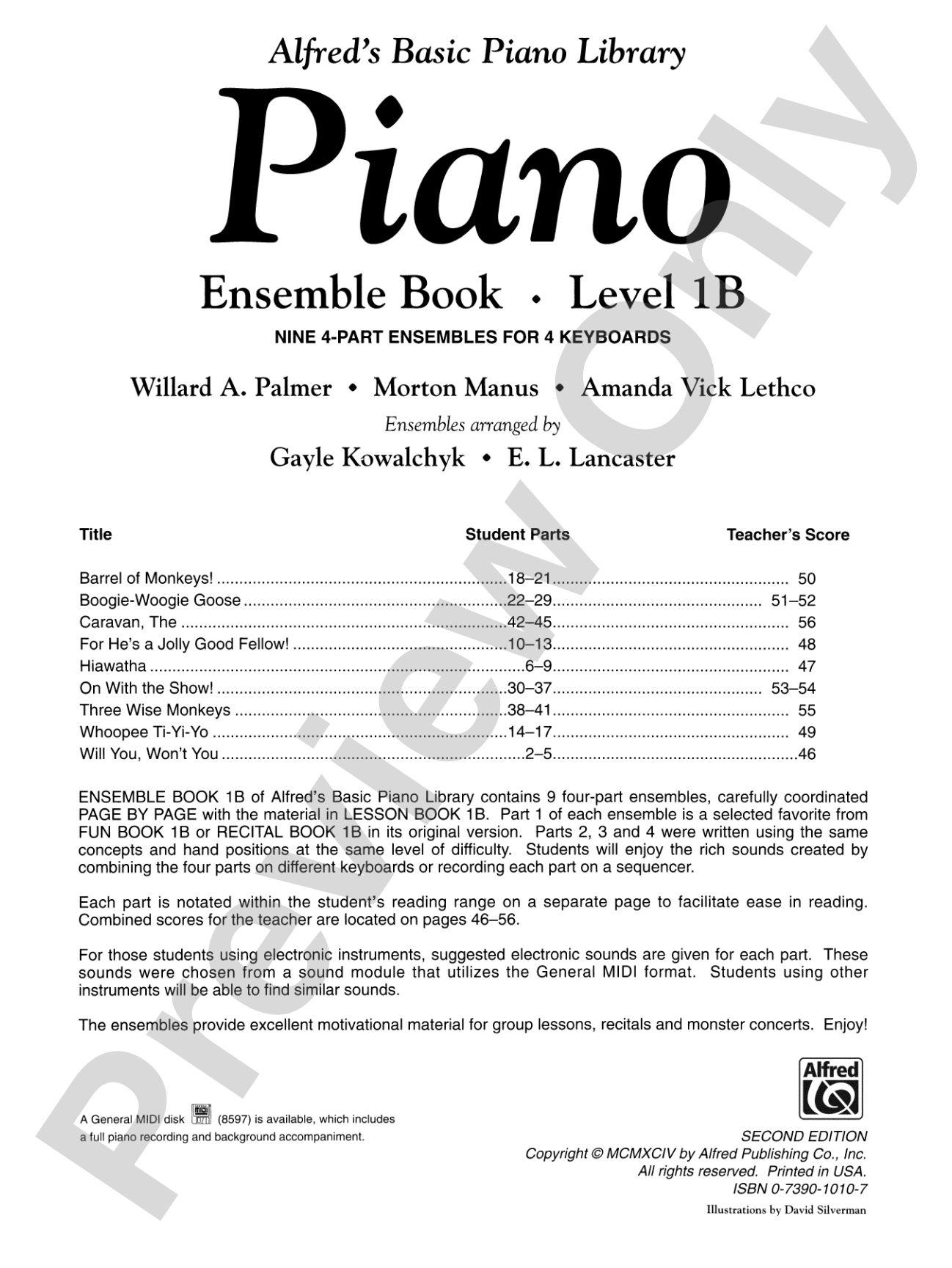
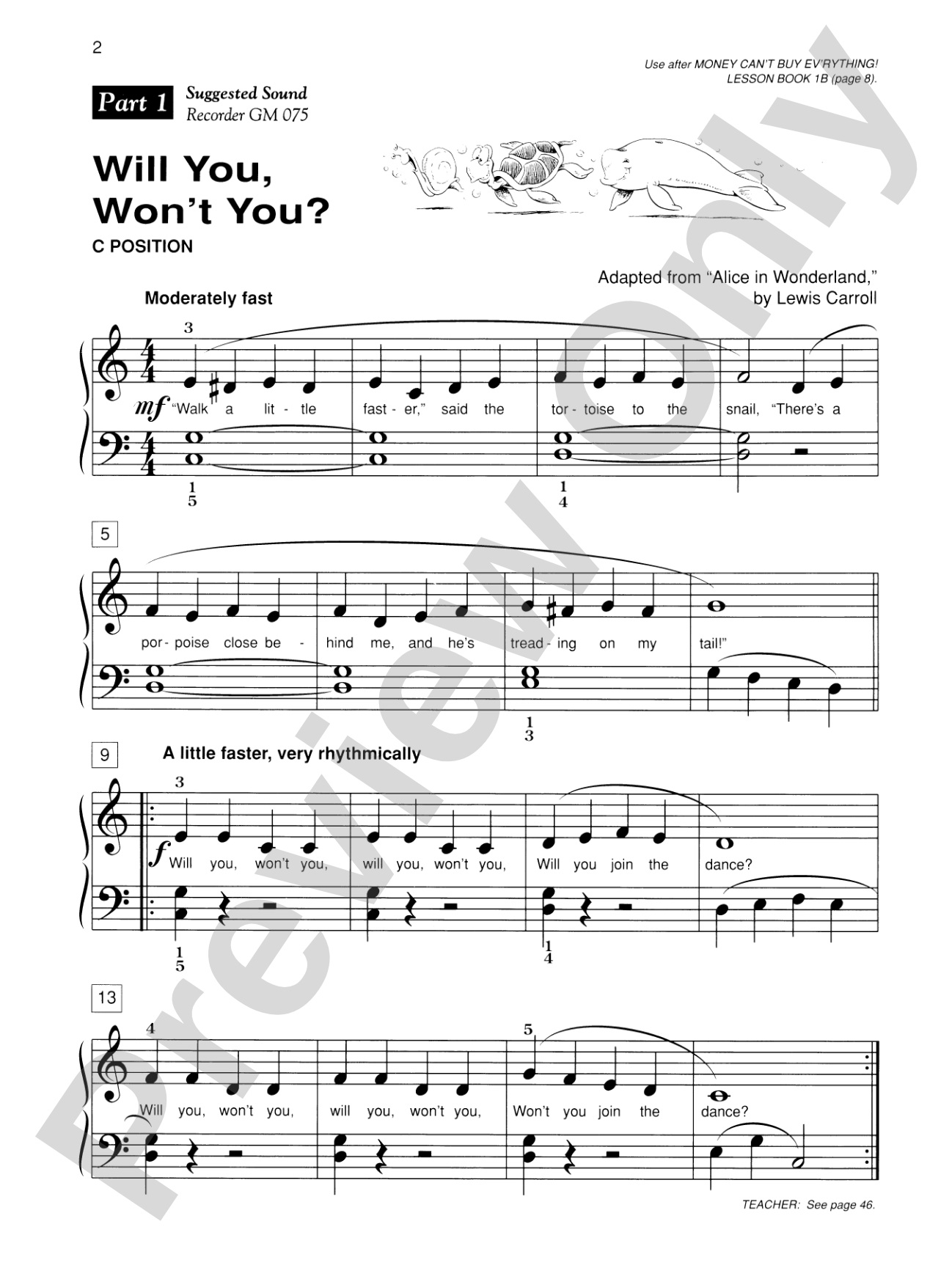
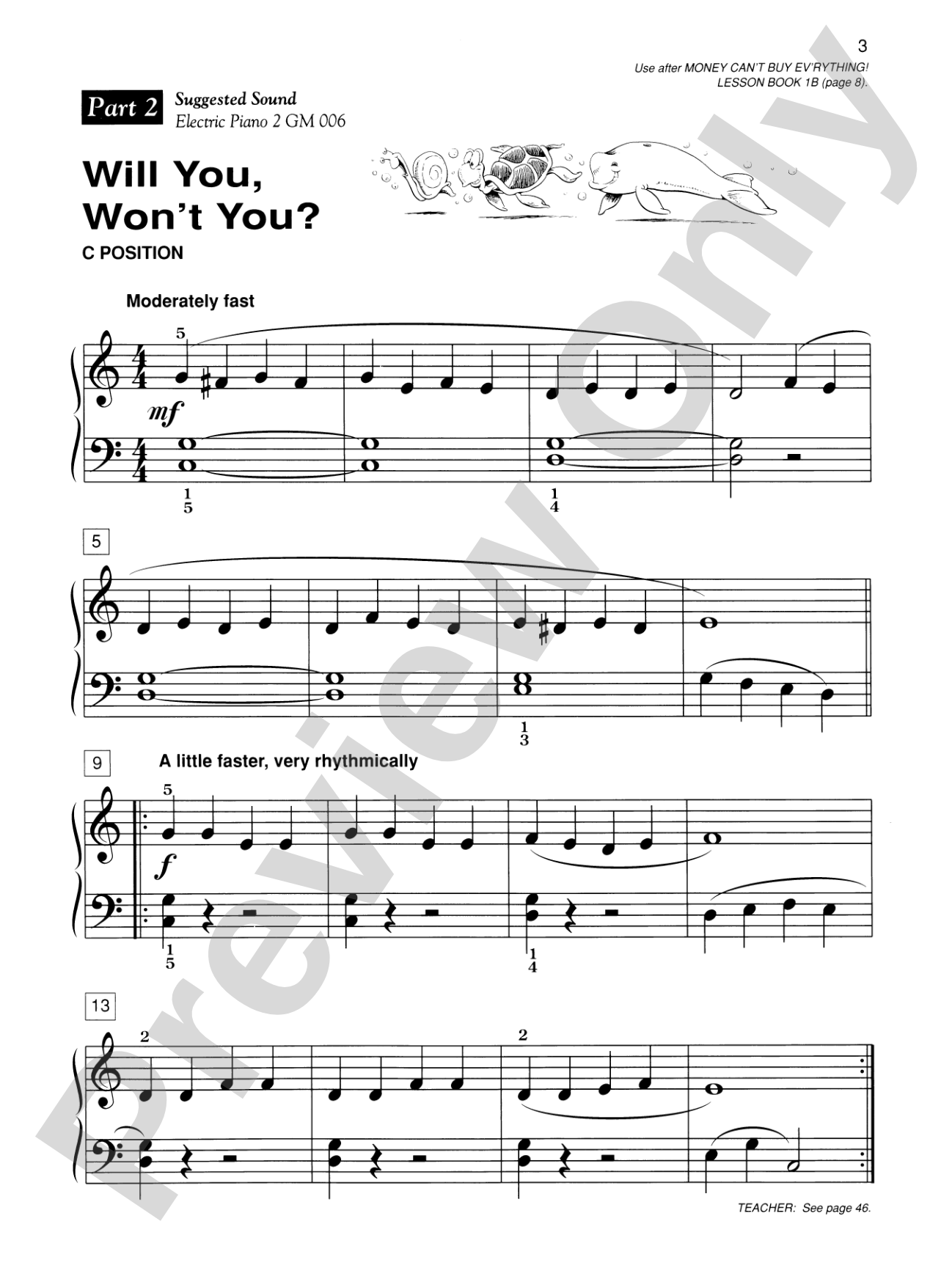
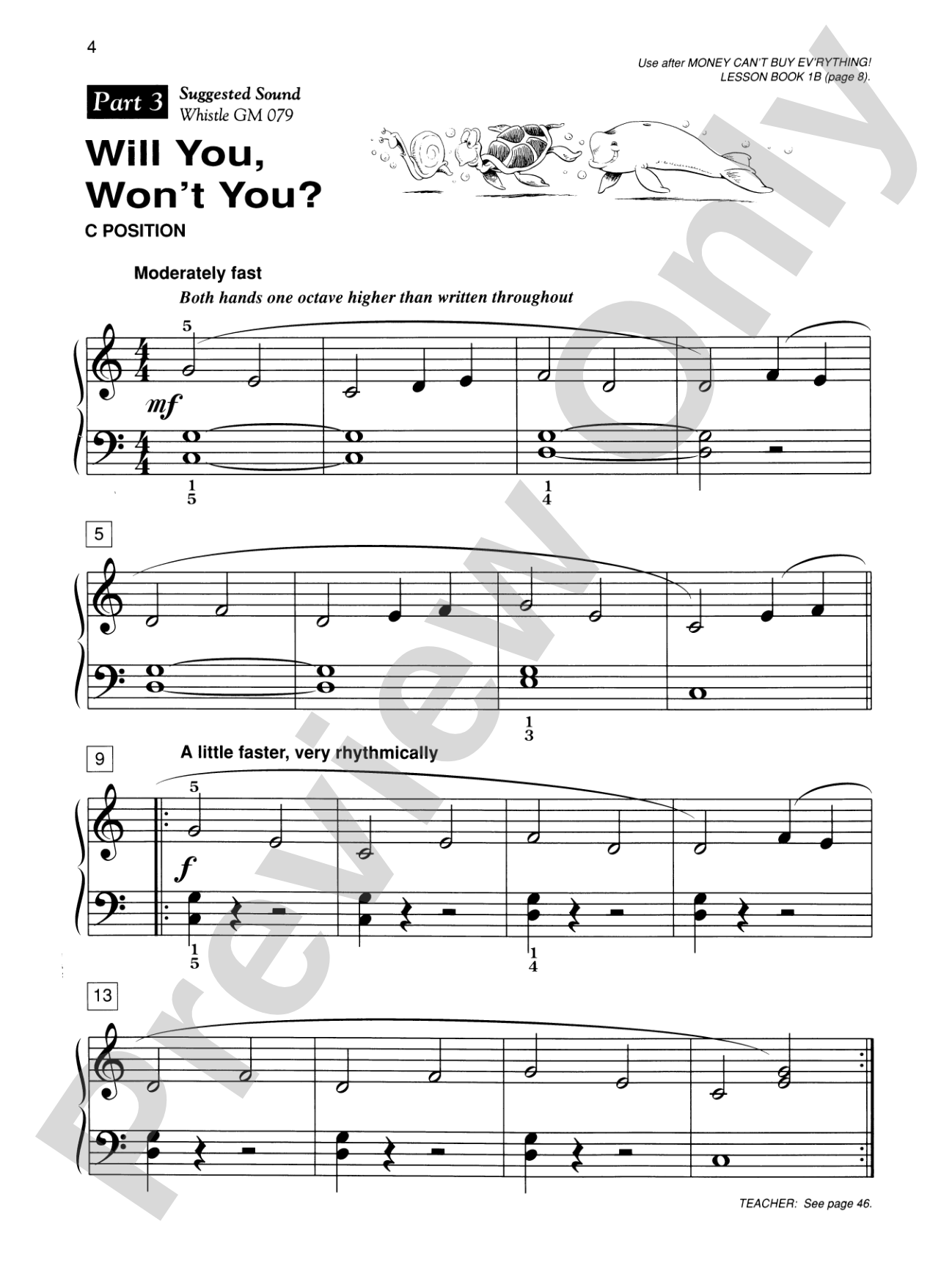
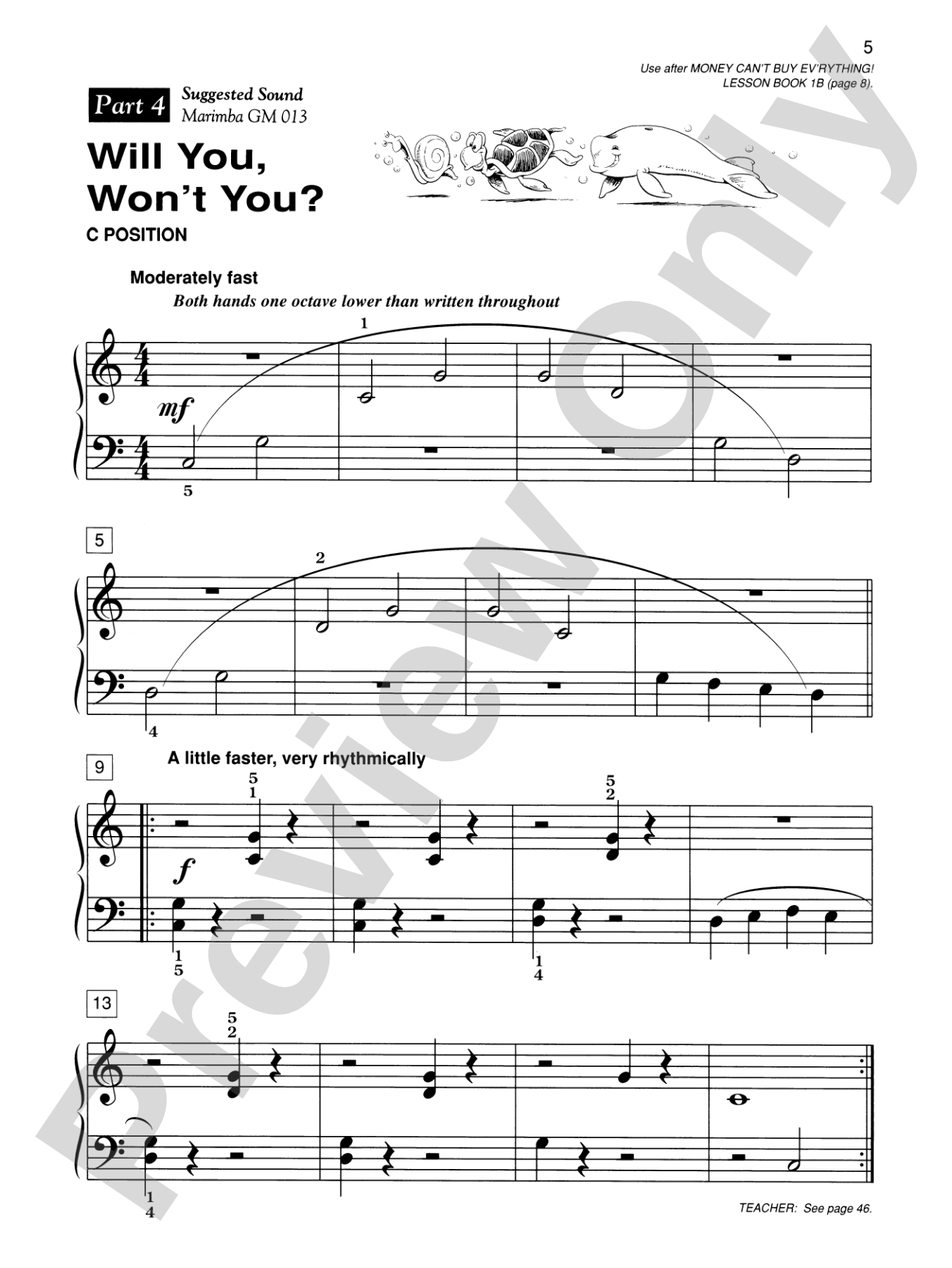
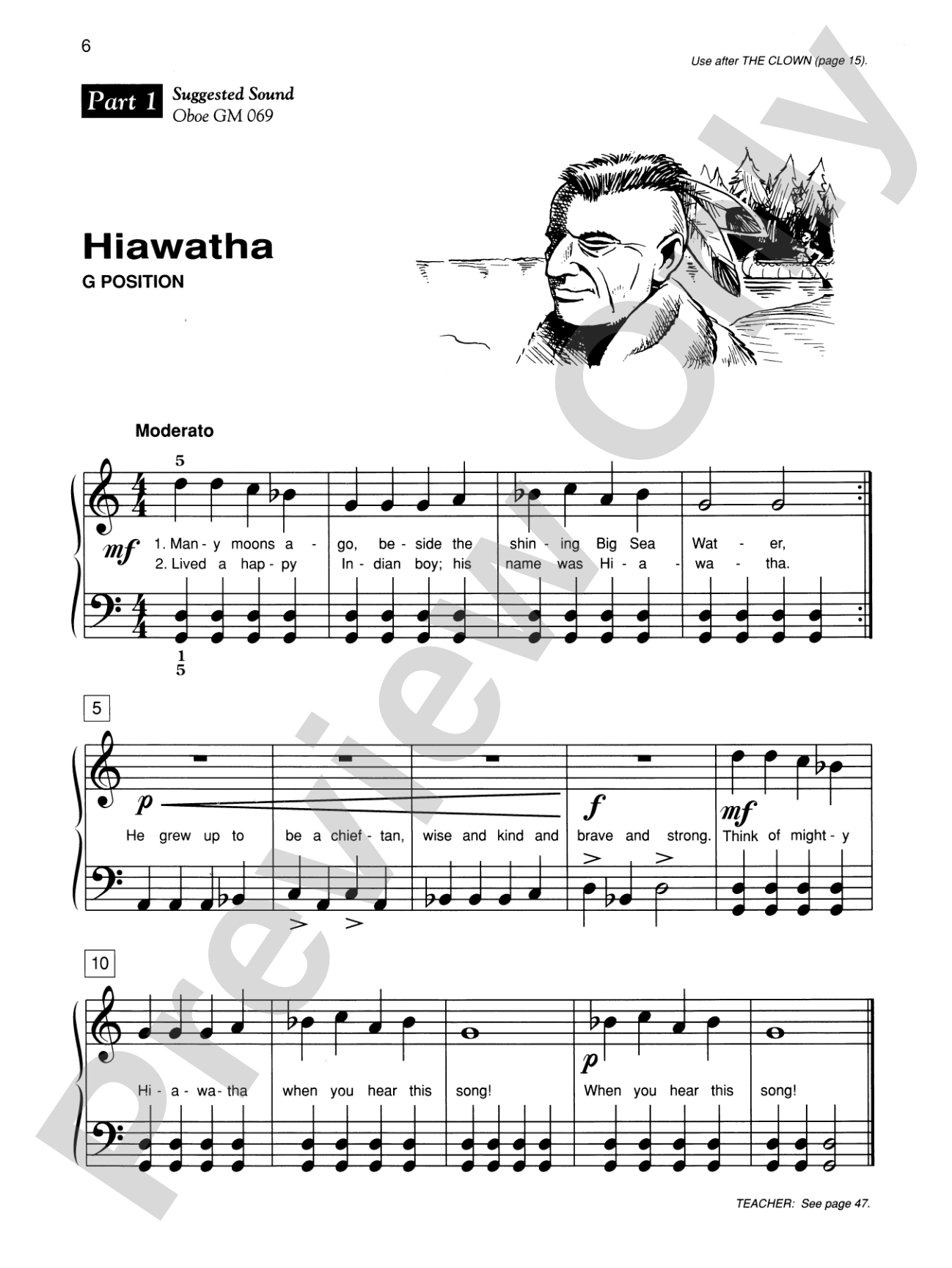
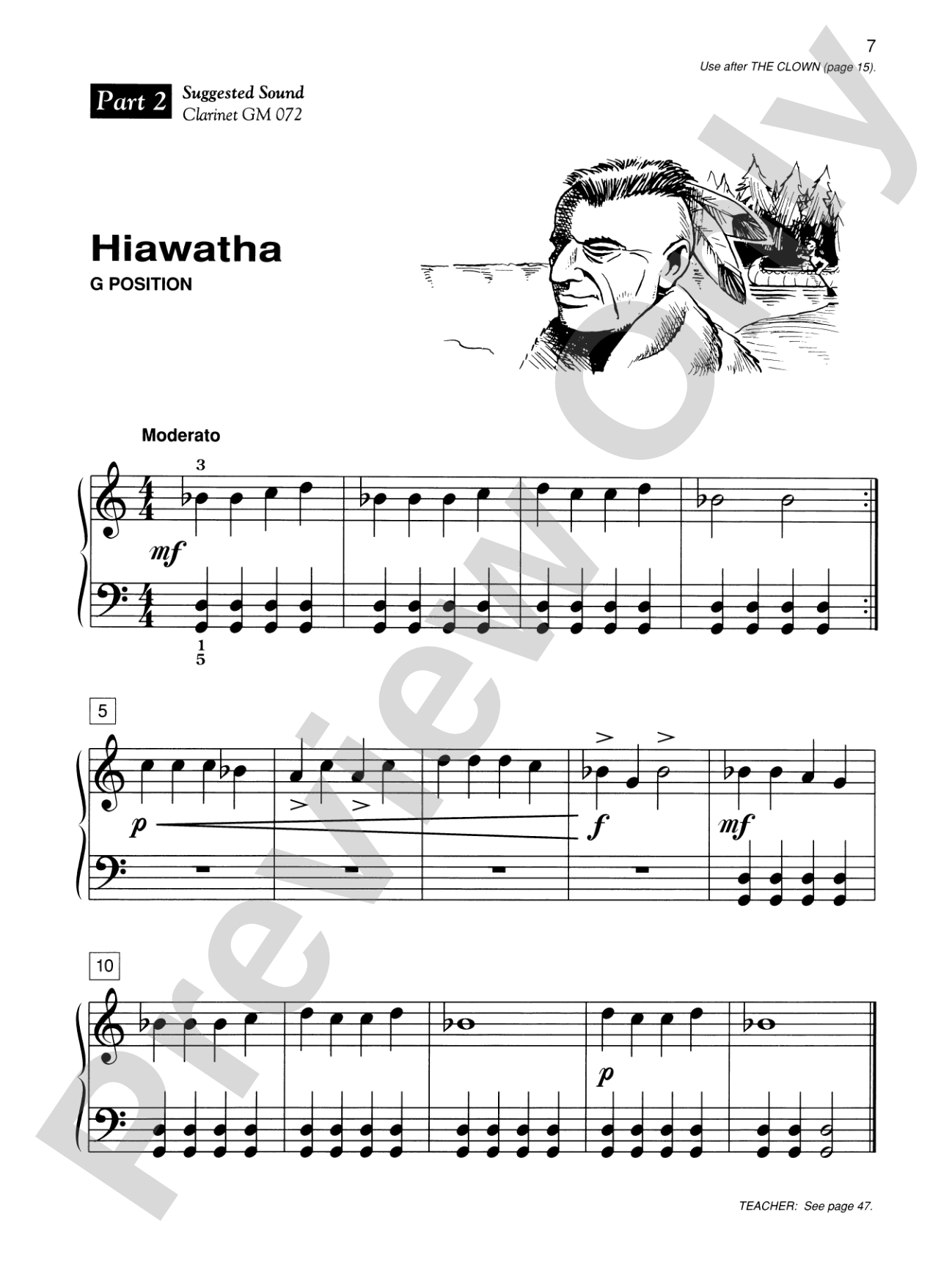
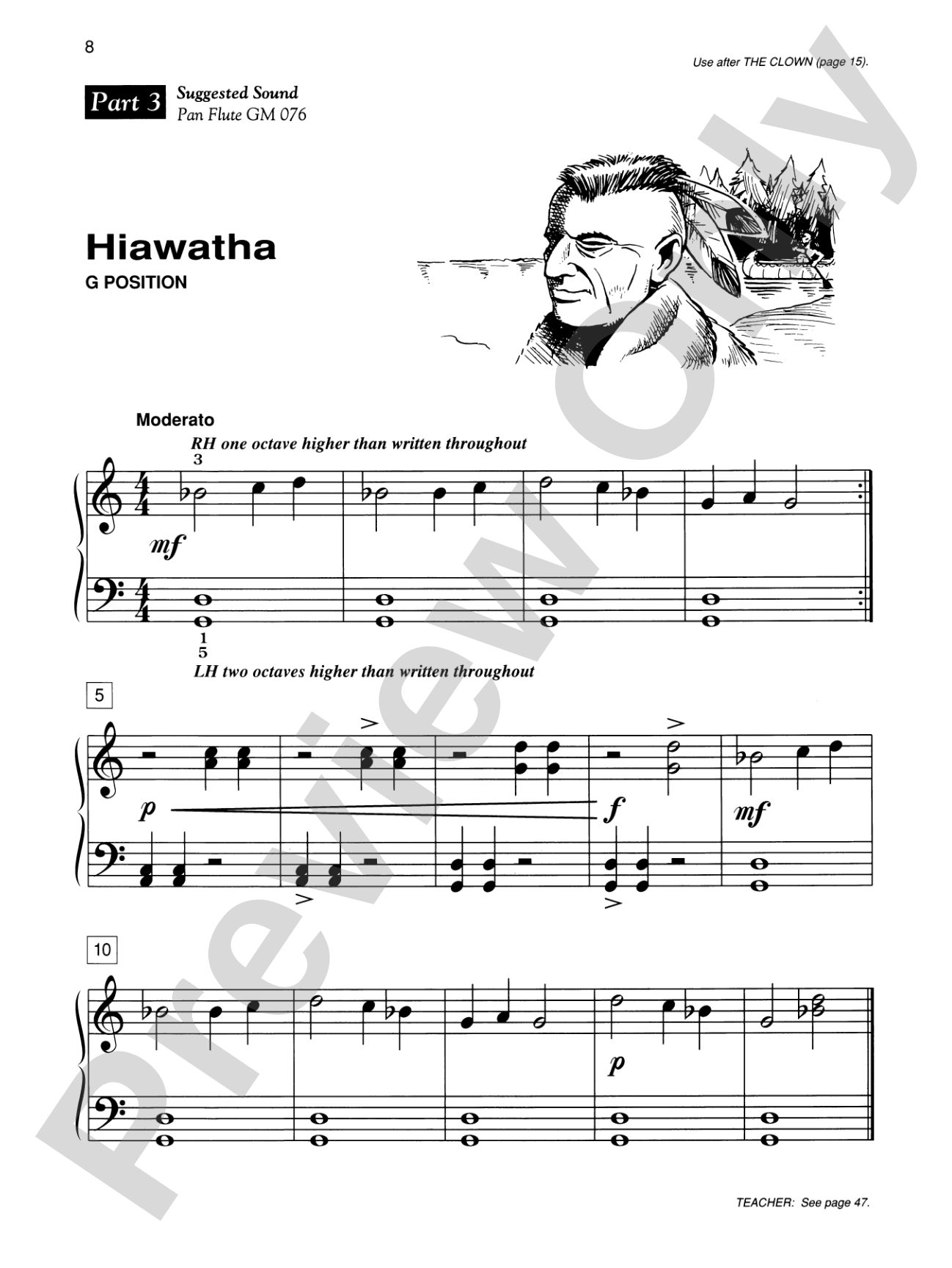
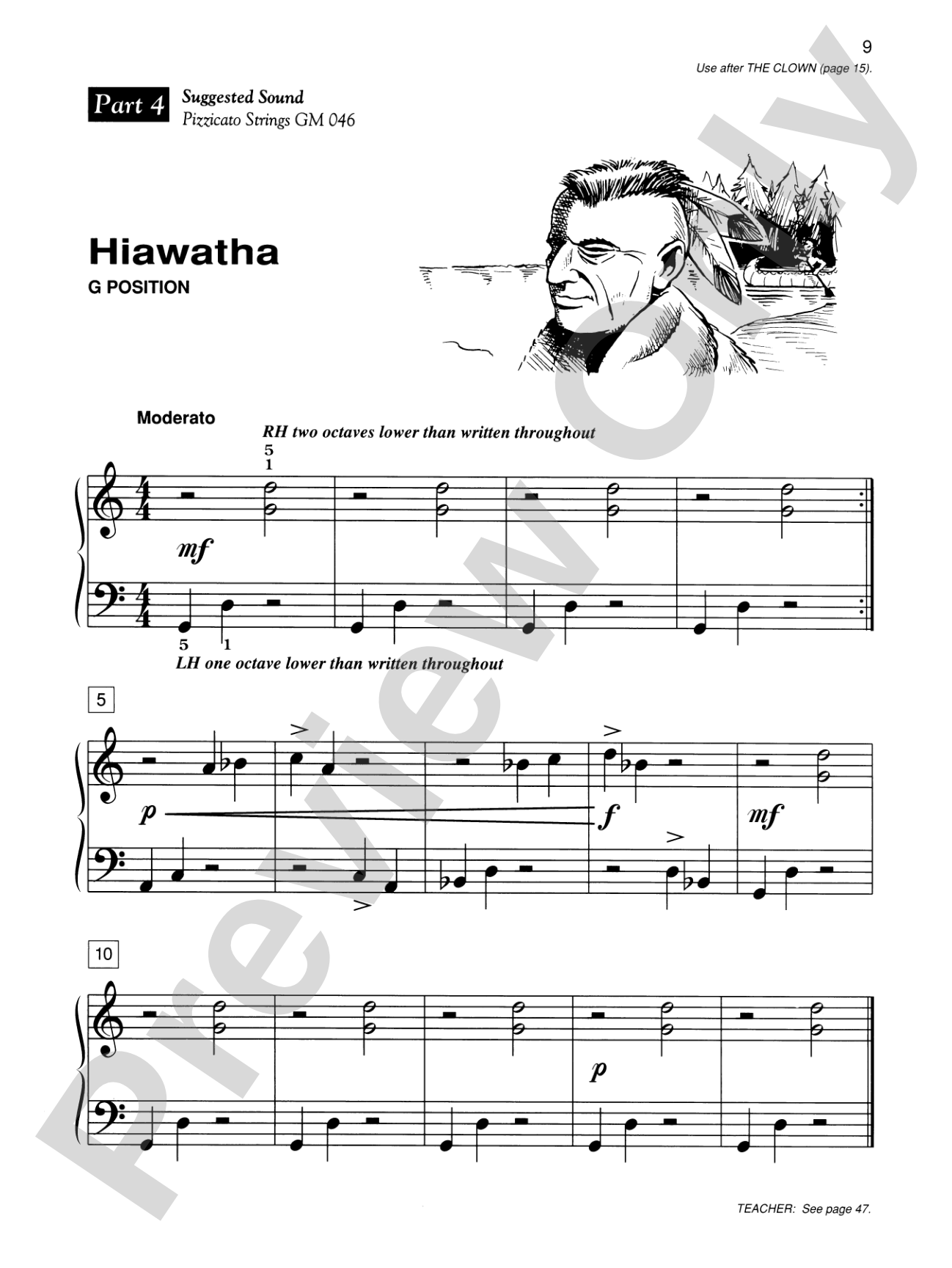
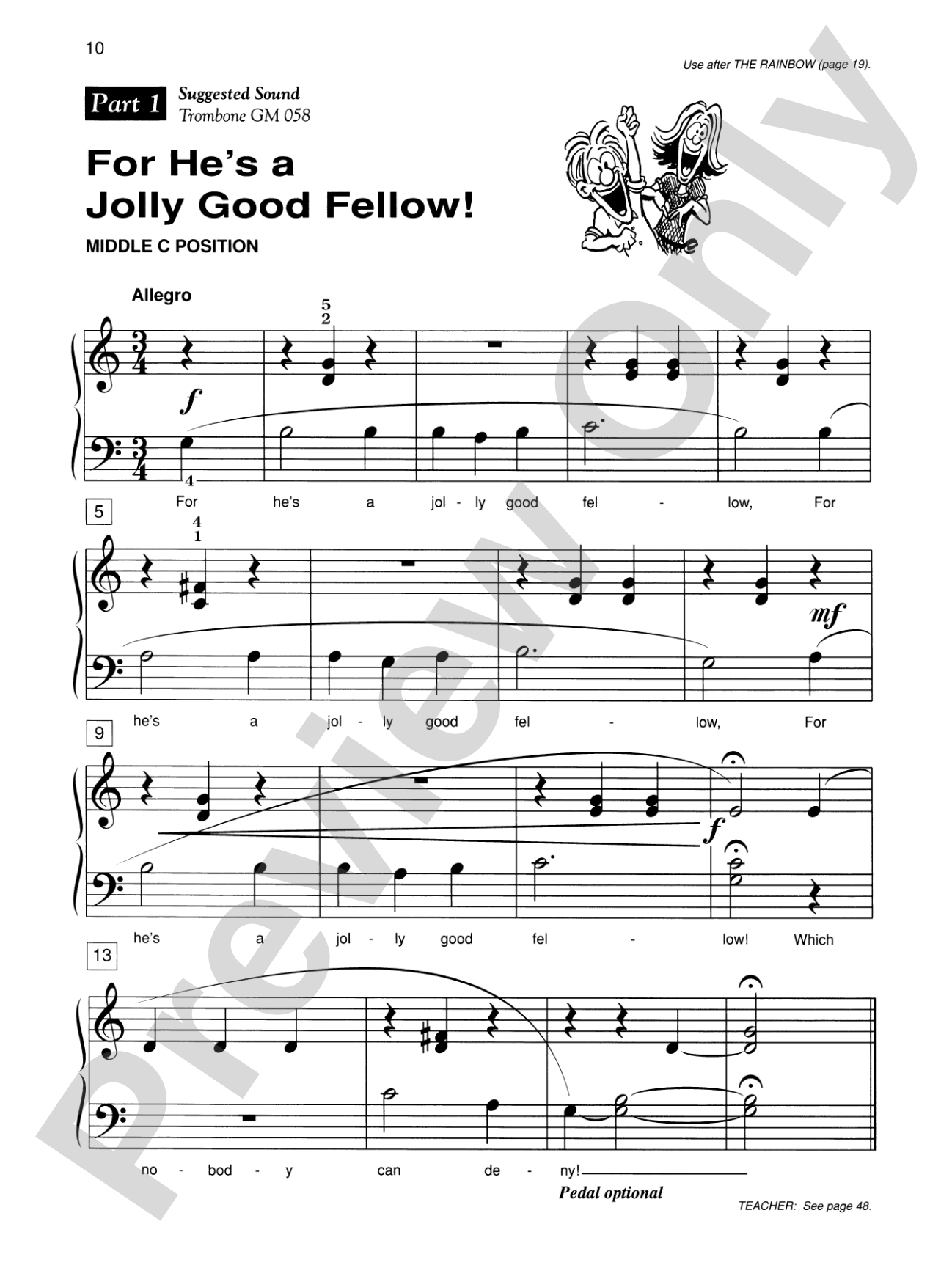
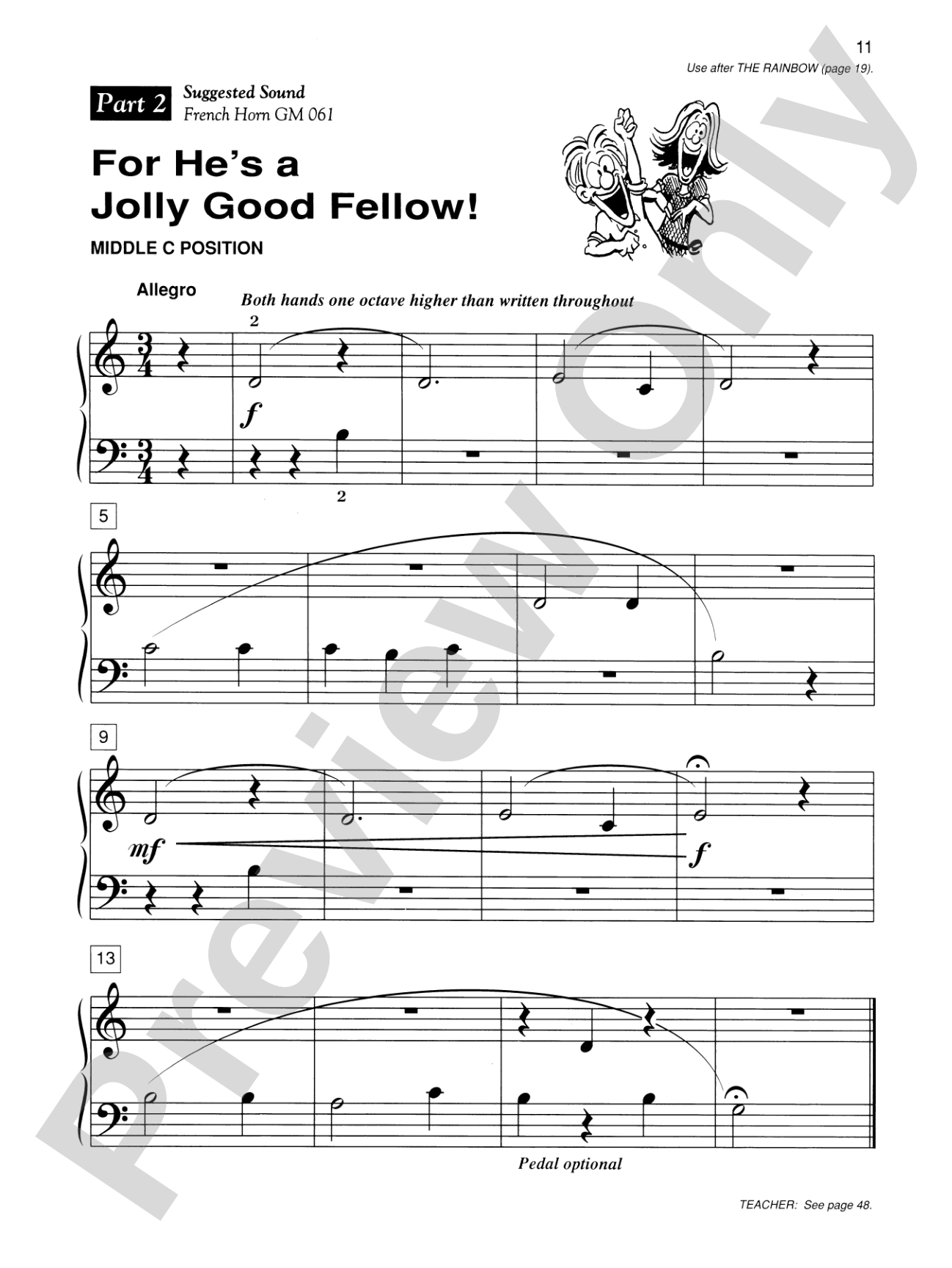
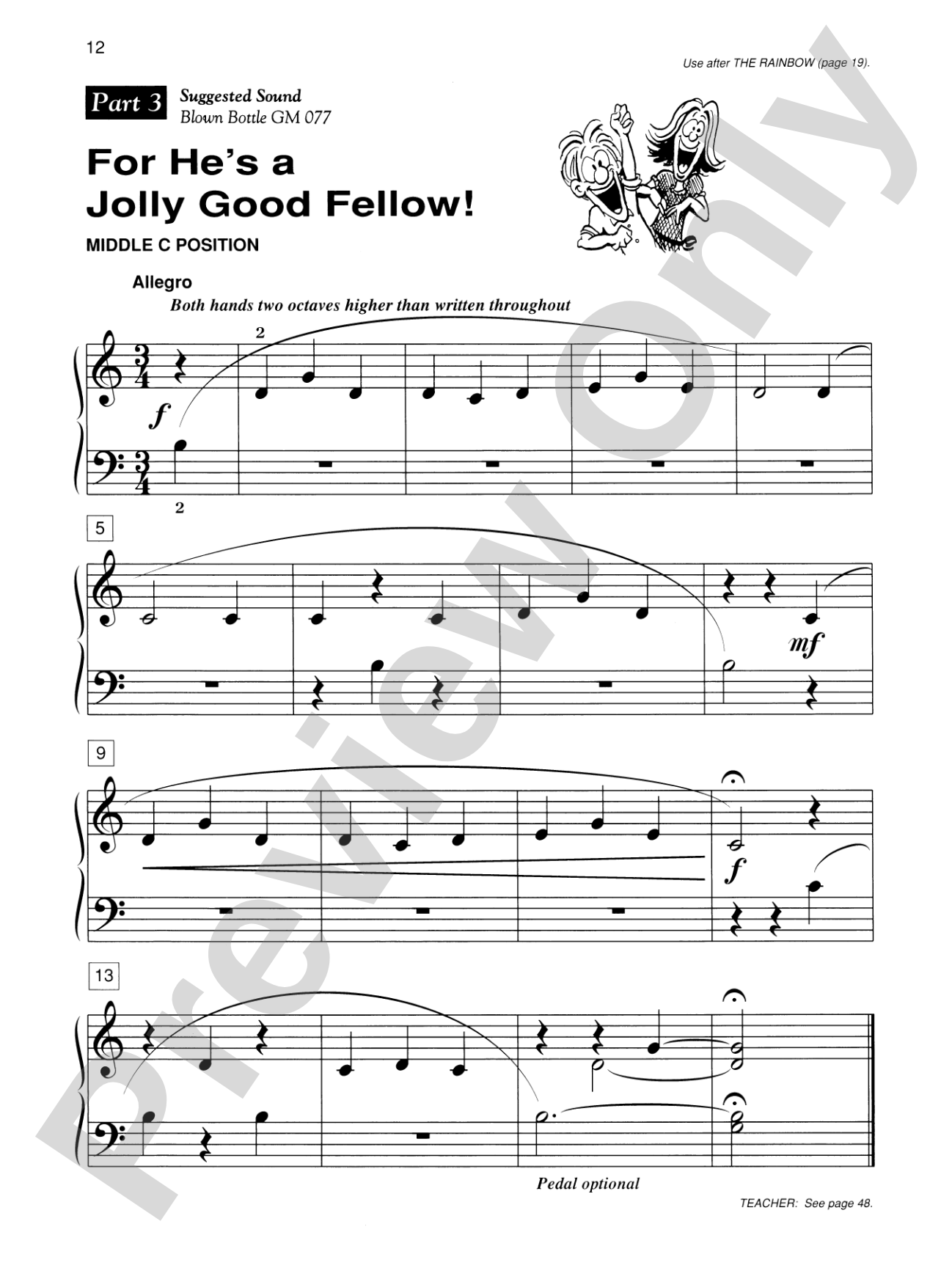
The Ensemble Books contain eight 4-part ensembles, carefully coordinated with material in the Lesson Books. Part 1 is a selected favorite from the Fun Book or the Recital Book. Parts 2, 3 and 4 use the same concepts and hand positions at the same level of difficulty. Includes suggested electronic sounds for those ensembles using electronic instruments. "Whoopee Ti-Yi-Yo" is a Federation Festivals 2016-2020 selection.


Discover MakeMusic Cloud: thousands of interactive titles your students can play along with today.
Sample Audio
No sample audio found.
Sample Video
No sample videos found.
Additional Details
Series:
Alfred's Basic Piano Library
Publisher:
Alfred Music
Page Count:
56
SKU:
00-PB-0002601
More about this title
About the Composer: Gayle Kowalchyk

Dr. Gayle Kowalchyk brings decades of pedagogical expertise to piano education at California State University, Northridge, where she teaches class piano, private lessons, and piano pedagogy. Her academic training spans performance degrees from Ohio University and Northwestern University, culminating in an Ed.D. in piano pedagogy from Teachers College, Columbia University. Before her current position, she directed piano preparatory programs and coordinated class piano instruction at Eastern Illinois University, and has taught at Oklahoma Baptist University and the University of Oklahoma.
Beyond the classroom, Dr. Kowalchyk serves as a clinician and adjudicator for national music organizations, presenting at conventions of MTNA, MENC, and multiple piano pedagogy conferences worldwide. She and her husband, Dr. E. L. Lancaster, have co-authored over 300 educational piano publications, including the widely adopted Alfred's Premier Piano Course and Music for Little Mozarts. Her work continues to shape how young pianists develop fundamental skills and musical confidence.
Why we love this
These eight carefully sequenced four-part ensembles arrive at exactly the right pedagogical moment. Each piece uses the same hand positions and technical concepts students are mastering in the corresponding Lesson Book, so ensemble playing reinforces rather than disrupts what they're learning individually. The inclusion of suggested electronic sounds opens doors for creative arrangement and keeps young pianists engaged with contemporary sonorities.
What to expect
Accessible without feeling simplistic. These pieces invite young pianists to listen to something larger than their own part, discovering how individual voices weave together into something complete. The writing respects what beginning pianists can manage while offering genuine musical satisfaction.
Who it's for
Piano teachers using Alfred's Basic Piano Library with early elementary students who are ready for ensemble experience. This book works particularly well for group piano classes where multiple students are advancing through the same lesson sequence and benefit from collaborative playing.
How to get the most out of it
- Balance Part 1 as the melodic leader while ensuring Parts 2, 3, and 4 maintain even rhythmic support. Ensemble cohesion matters more than perfect voicing at this level.
- Rehearse the rhythm section (typically Parts 3 and 4) together first before layering in the melody and countermelody. This anchors the ensemble's pulse.
- When using electronic sounds, have students practice with their assigned sound before the first full ensemble rehearsal. Familiarity with different timbres prevents surprises during performance.
- Work through "Whoopee Ti-Yi-Yo" in smaller groupings initially. Since it's a Federation Festivals selection, building confidence in pairs or trios strengthens the larger ensemble sound.
How to use it
Feature these ensembles in studio recitals or group lessons as confidence builders before students tackle more complex multi-part literature. The coordinated difficulty across all four parts makes them ideal for demonstrating ensemble playing to parents who wonder when their child is ready to collaborate musically. "Whoopee Ti-Yi-Yo" in particular has festival potential and offers a performance goal that excites young players.
Skills your students will build
- Reading and playing four-part harmony while maintaining individual rhythmic accuracy
- Listening to and balancing multiple melodic lines simultaneously
- Following ensemble cues and maintaining consistent tempo within a group
- Adapting hand position and technique across different harmonic roles
- Translating electronic instrument specifications and sounds into expressive playing