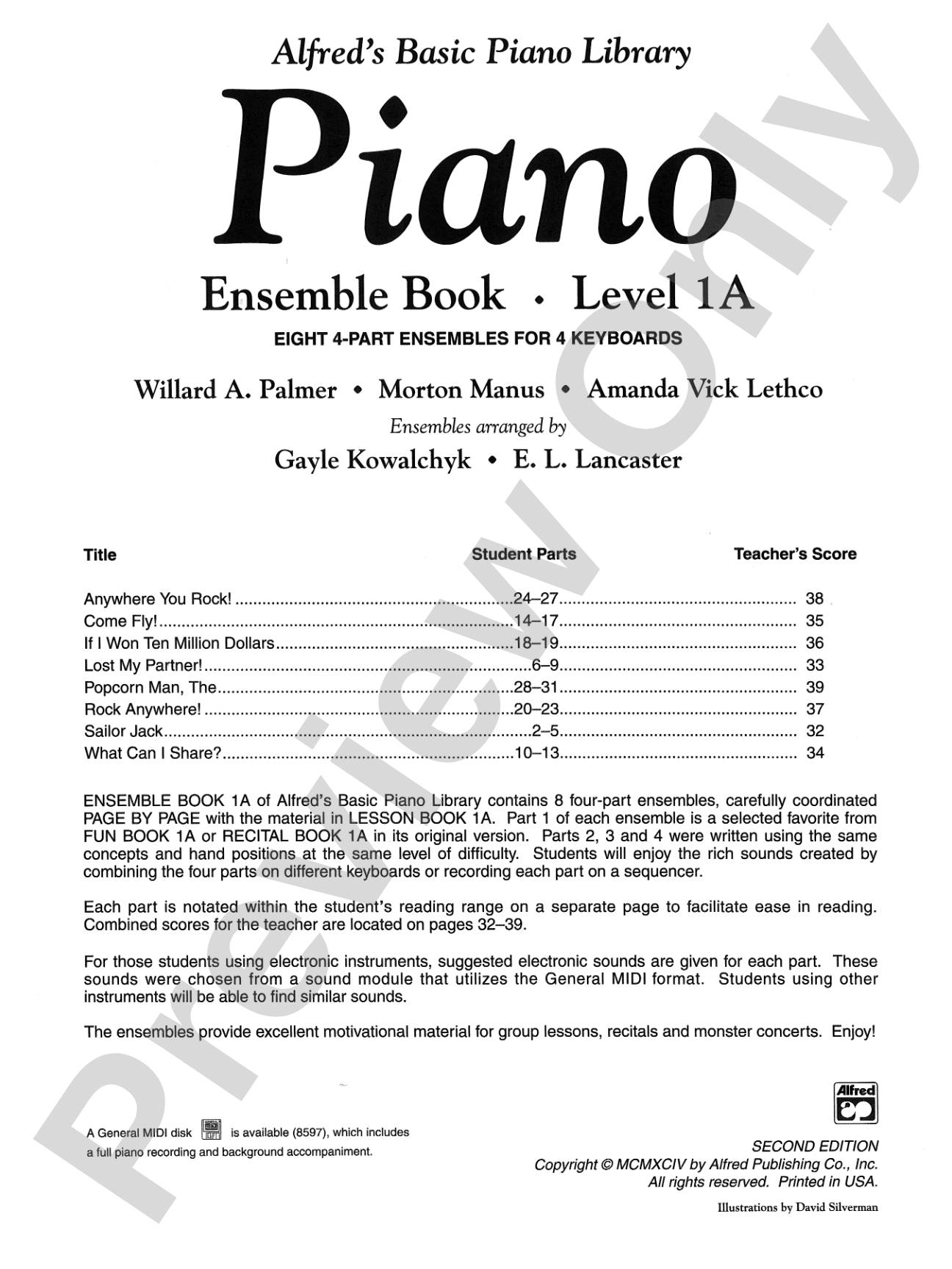
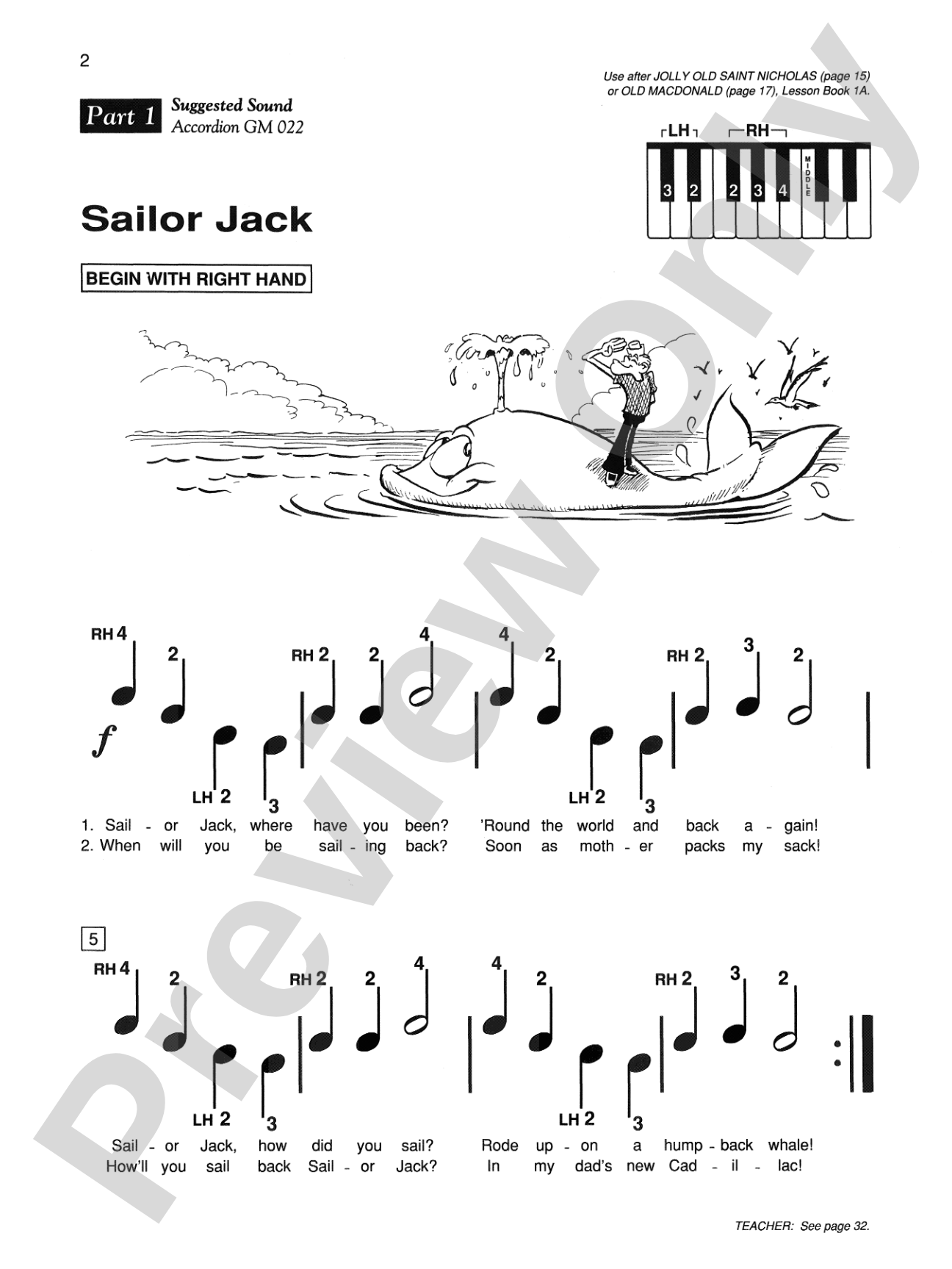
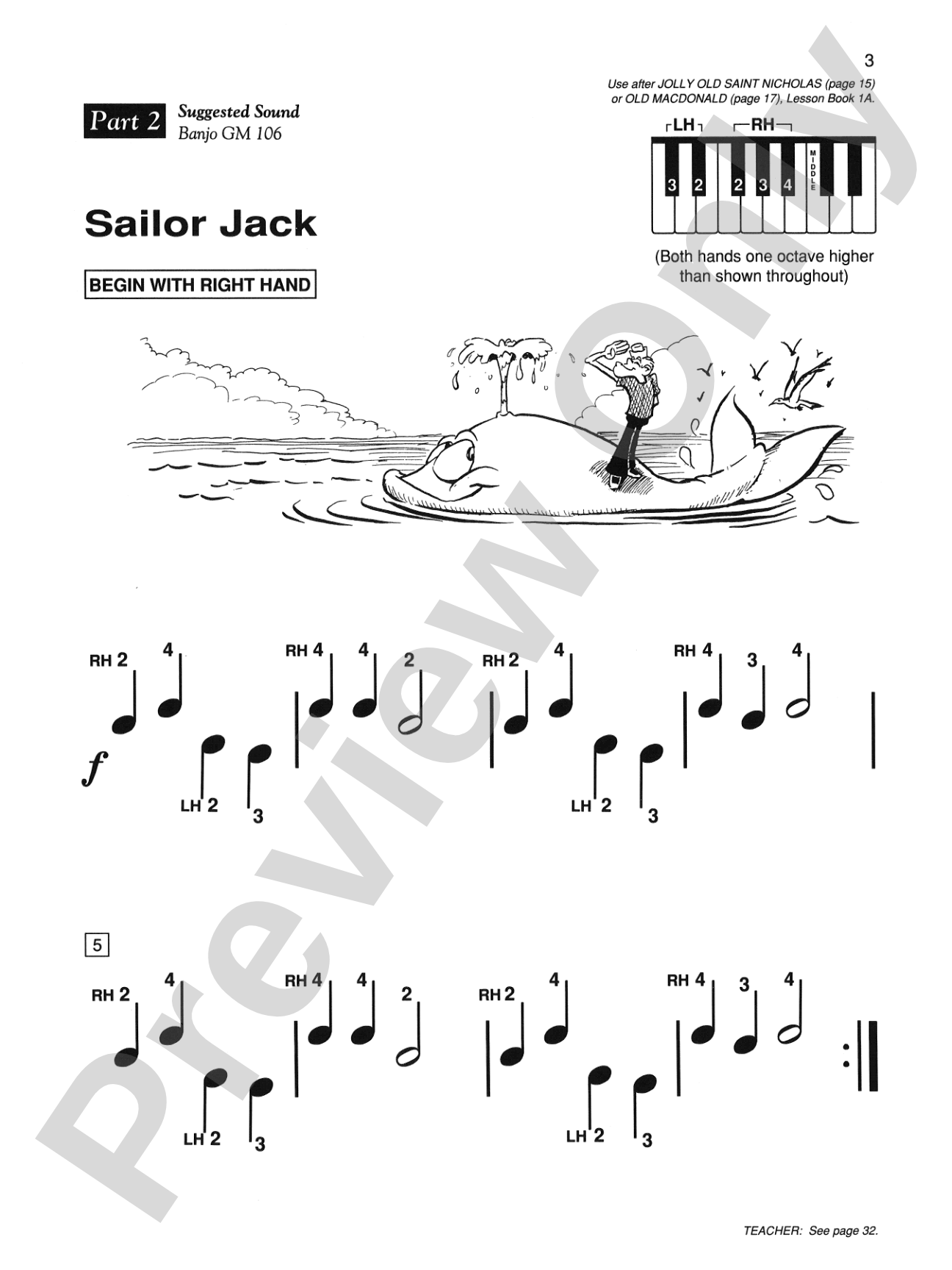
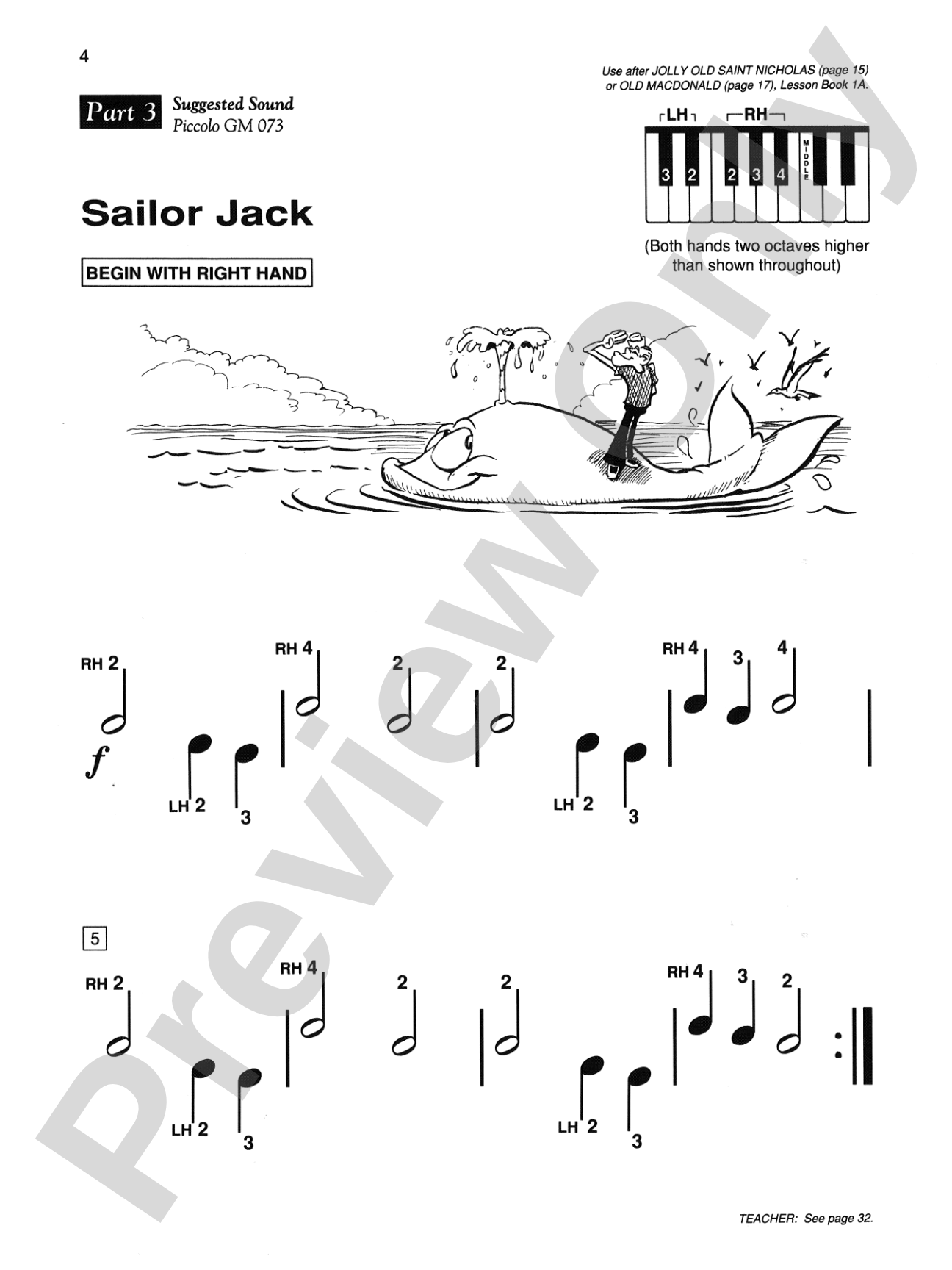
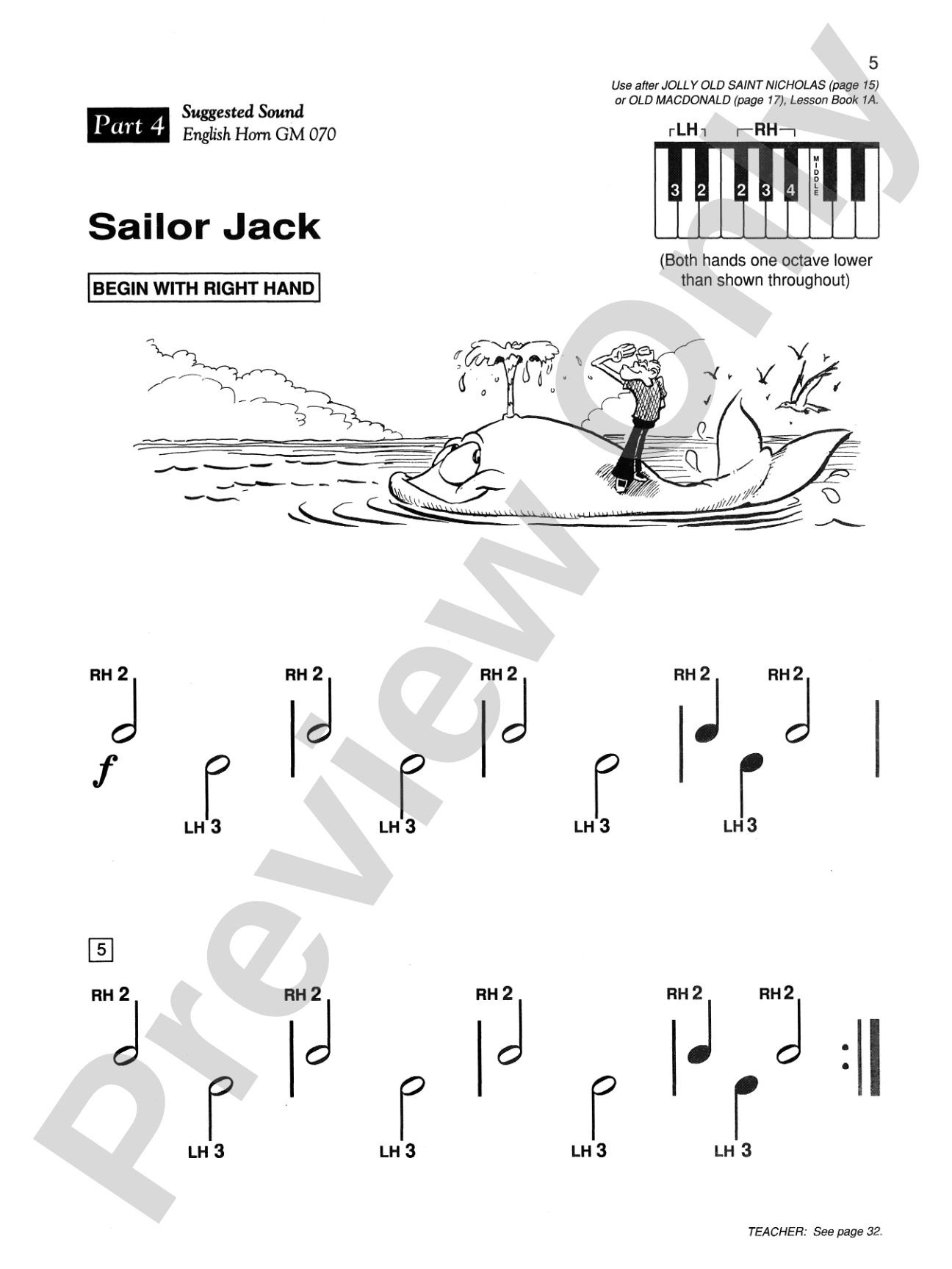
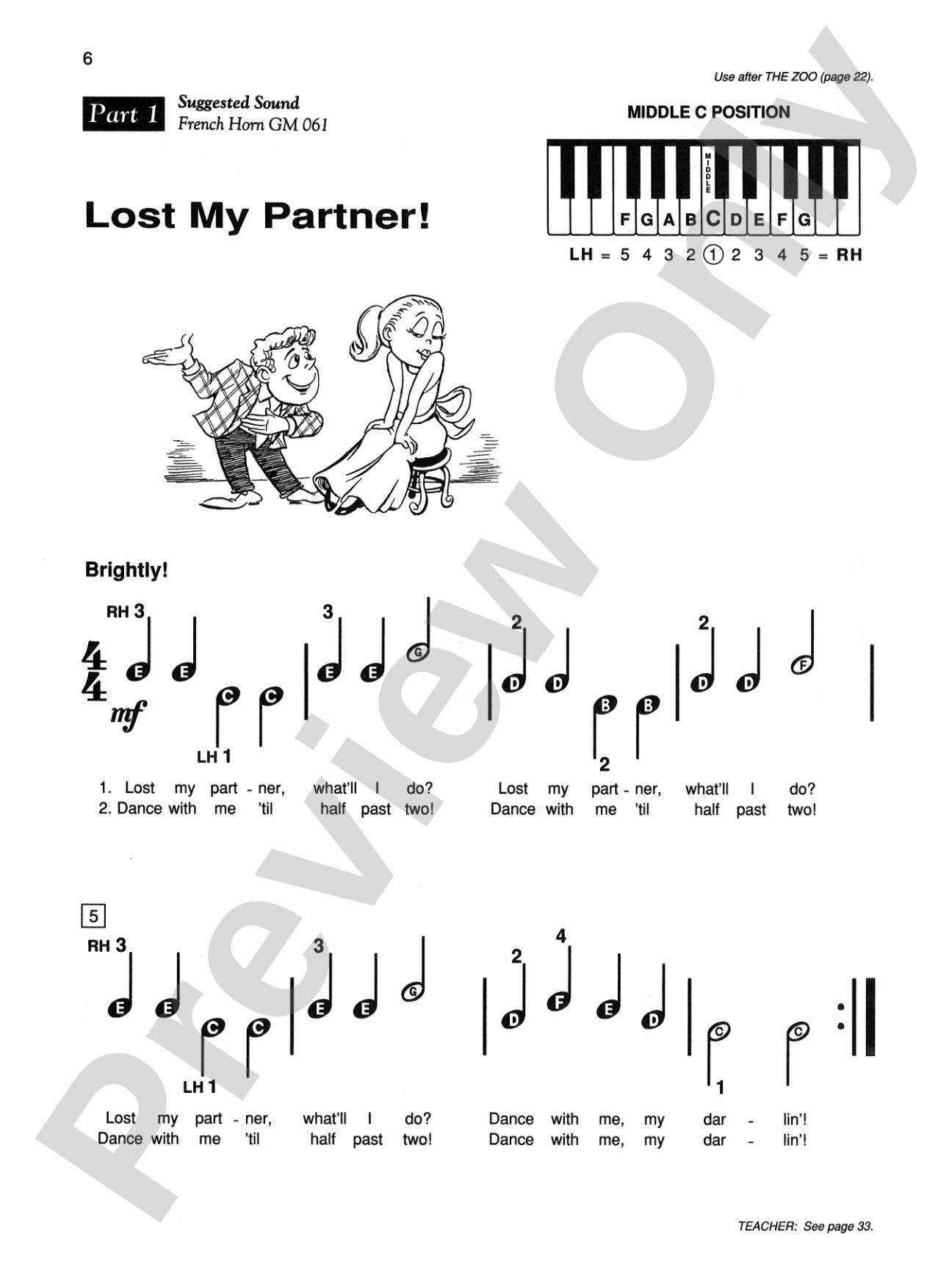
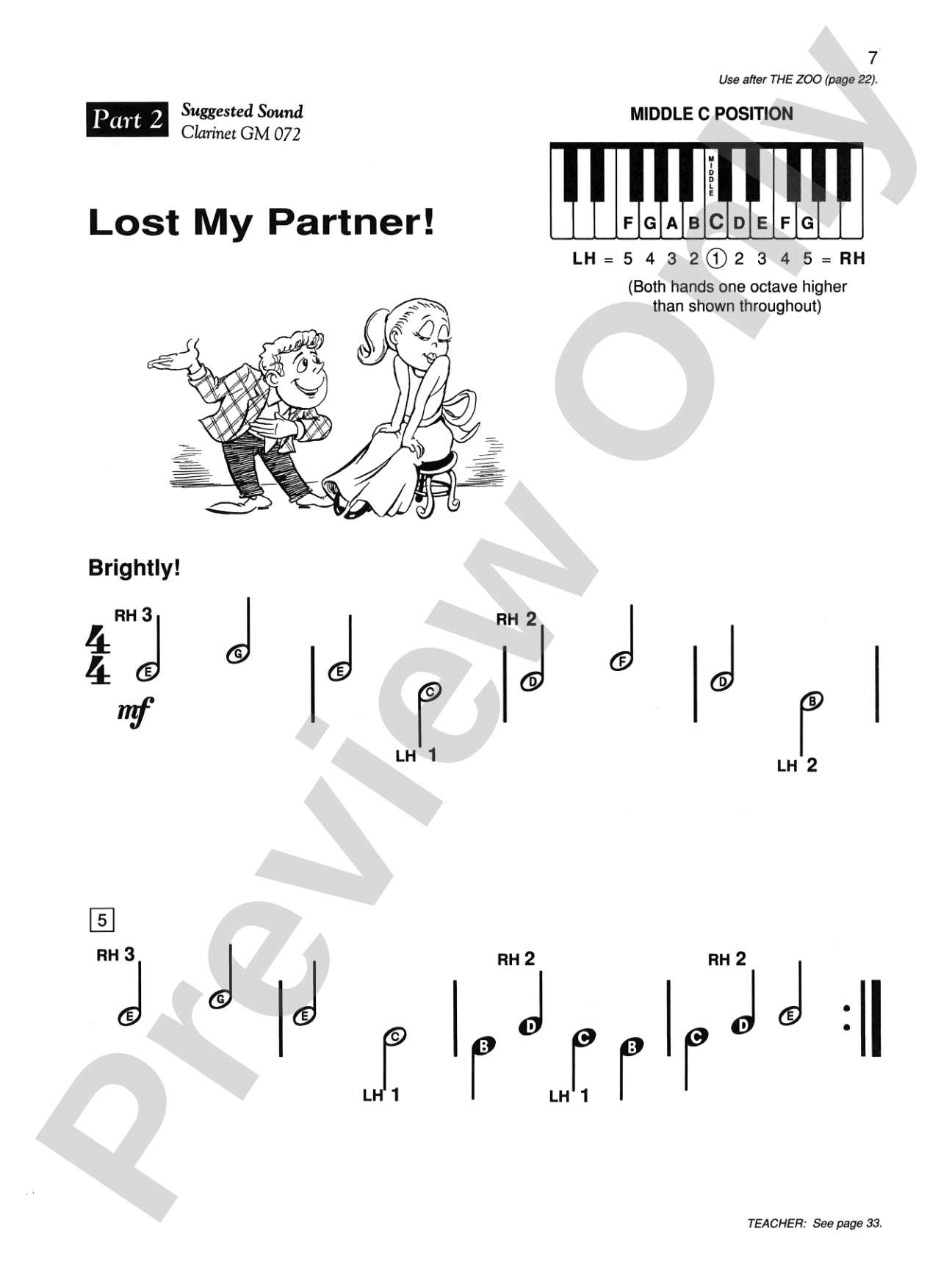
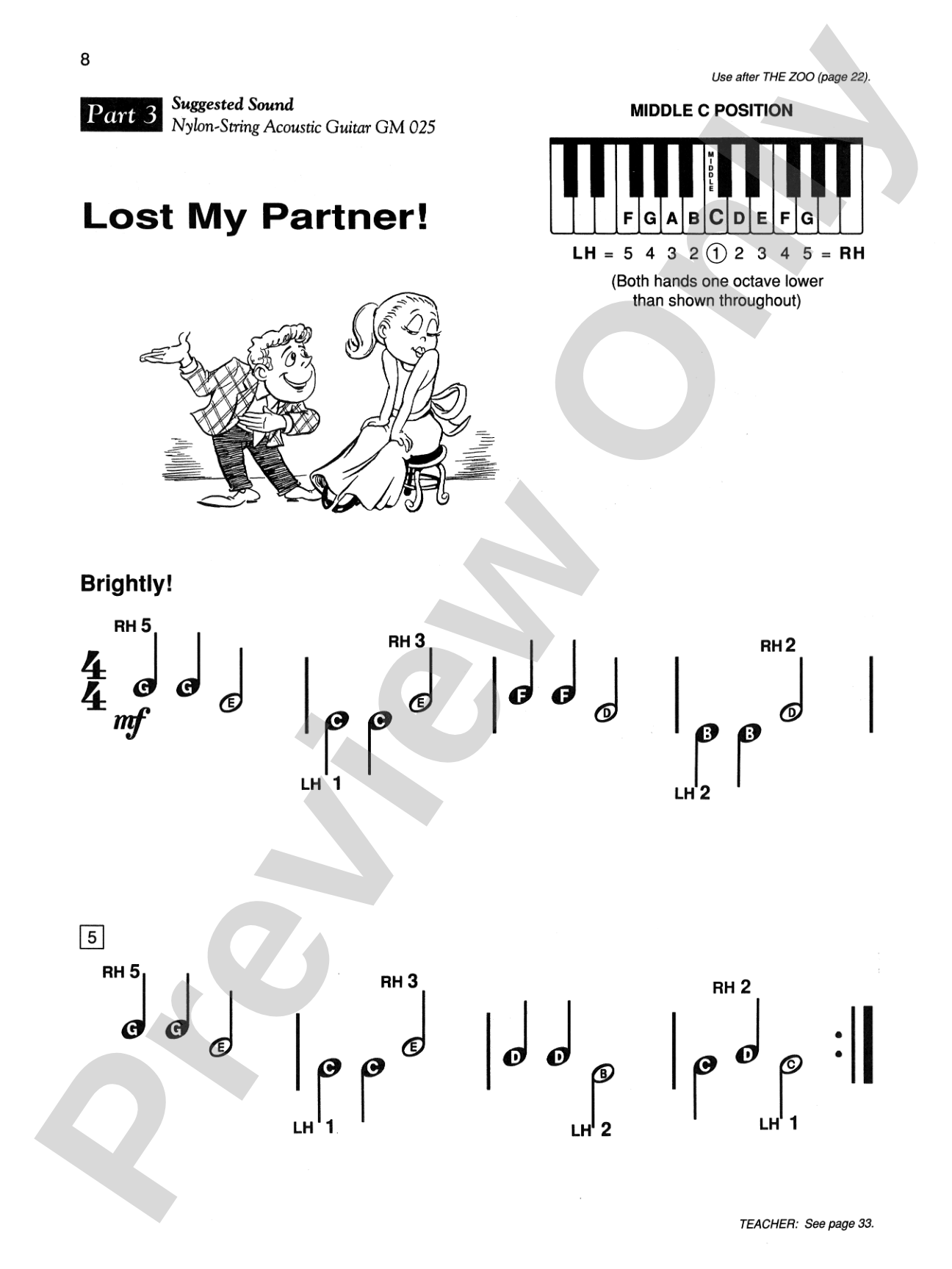
The Ensemble Books contain eight 4-part ensembles, carefully coordinated with material in the Lesson Books. Part 1 is a selected favorite from the Fun Book or the Recital Book. Parts 2, 3 and 4 use the same concepts and hand positions at the same level of difficulty. Includes suggested electronic sounds for those ensembles using electronic instruments. "Come Fly," "The Popcorn Man," and "Rock Anywhere!" are Federation Festivals 2016-2020 selections.
Discover MakeMusic Cloud: thousands of interactive titles your students can play along with today.
Dr. Gayle Kowalchyk serves as a piano pedagogy instructor and class piano teacher at California State University, Northridge, bringing decades of experience in music education to her work. Her academic path includes degrees in piano performance from Ohio University and Northwestern University, along with an Ed.D. in piano pedagogy from Teachers College at Columbia University. She previously directed piano preparatory programs and coordinated class piano curricula at Eastern Illinois University, and has taught at Oklahoma Baptist University and the University of Oklahoma.
Over the course of her career, Kowalchyk has presented at major conferences including those hosted by the Music Teachers National Association, Music Educators National Conference, and the World Piano Pedagogy Conference. Working in collaboration with her husband, Dr. E. L. Lancaster, she has authored more than 300 educational piano publications, among them Alfred's Premier Piano Course and Music for Little Mozarts. Her summers spent teaching ensemble and class piano at the National Music Camp in Interlochen shaped her understanding of how young pianists learn together.
Why we love this
The strength here lies in how meticulously each part is scaffolded. All four voices stay within the same conceptual and technical boundaries, which means your less confident readers don't feel left behind when playing Part 3 or 4. Several selections earned recognition as Federation Festivals selections, so you're building repertoire that meets adjudication standards alongside actual musicianship.
What to expect
These eight arrangements capture the energy and approachability of early piano study. Titles like "Rock Anywhere" and "The Popcorn Man" signal music that invites playfulness, yet the four-part writing creates genuine harmonic texture. Students discover that they can make real music together almost immediately, without needing advanced technique.
Who it's for
Beginning piano students working through level 1A instruction who are ready to experience ensemble playing without technical overwhelm. This collection works beautifully in group piano classes, piano studios with multiple students at similar levels, or preparatory programs where ensemble experience accelerates musicality development.
How to get the most out of it
Balance the ensemble by having Part 1 lead melodically while Parts 2 and 3 provide harmonic foundation; Part 4 anchors the bass line. Rehearse with each voice on its own first, then layer systematically.
If you're using electronic sounds, experiment during rehearsal rather than assuming preset combinations will work. Let students hear how different timbral choices affect blend and clarity.
Lock in rhythm section awareness early. Even at this level, students benefit from feeling Part 4 as a steady pulse guide rather than treating it as an afterthought.
How to use it
Weave these ensembles into your curriculum at natural intervals throughout the year as students master corresponding Lesson Book material, rather than reserving them for a single showcase performance. Their Federation Festivals credentials make them particularly valuable when students are preparing for adjudicated events or recitals where varied genre representation strengthens a program.
Skills your students will build
Reading and maintaining an independent part within a four-voice texture
Listening skills across multiple melodic and harmonic lines simultaneously
Hand position consistency across Parts 1-4 at introductory level
Tempo stability and ensemble synchronization
Understanding how supporting parts (harmony and bass) contribute to musical structure
You May Also Like
Scan to Complete Your Purchase
Use your phone's camera to scan the code below
You'll log in on your phone and the order will be added to your account