

Alfred's Basic Piano Library: Ear Training Book Complete 2 & 3: Piano Book
$8.99 USD
Sale price
$8.99 USD
Regular price
Skip to product information


Alfred's Basic Piano Library: Ear Training Book Complete 2 & 3: Piano Book
For the Later Beginner
By Gayle Kowalchyk and E. L. Lancaster
Level: 2 & 3
Item: 00-6482
$8.99
One moment…
Description
The Ear Training Books reinforce each concept presented in the Lesson Books and specifically focus on the training and development of the ear. Rhythmic, melodic and intervallic concepts are drilled throughout each book and each page is designed to be completed using approximately five minutes of the lesson time.


Discover MakeMusic Cloud: thousands of interactive titles your students can play along with today.
Sample Audio
No sample audio found.
Sample Video
No sample videos found.
Additional Details
More about this title
About the Authors
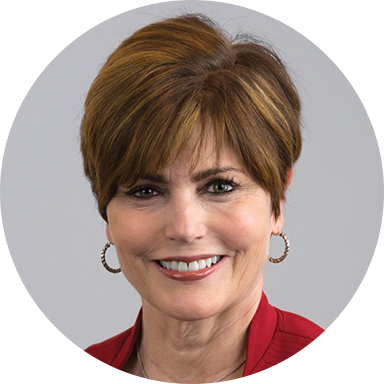
Dr. Gayle Kowalchyk is a piano instructor and pedagogy specialist at California State University, Northridge, where she teaches class piano, individual piano, and piano pedagogy courses. She earned her bachelor's degree in piano performance from Ohio University, her master's degree in piano performance and pedagogy from Northwestern University, and her doctorate in piano pedagogy from Teachers College at Columbia University.
Her professional accomplishments include extensive publishing work as co-author of more than 300 educational piano books alongside her husband, Dr. E. L. Lancaster, with titles such as Alfred's Premier Piano Course and Music for Little Mozarts. Dr. Kowalchyk has presented clinics and led sessions at major national and international conferences, including those sponsored by the Music Teachers National Association, Music Educators National Conference, National Group Piano Symposium, National Piano Teachers Institute, and World Piano Pedagogy Conference.
Before her current position, Dr. Kowalchyk served on the faculty at Eastern Illinois University, where she coordinated the class piano program and directed the piano preparatory program. She also taught at Oklahoma Baptist University and the University of Oklahoma, and spent summers from 1979 to 1982 teaching at the National Music Camp in Interlochen, Michigan. Currently based in the Los Angeles area, she works as a clinician for Alfred Music in addition to her teaching responsibilities.
Her professional accomplishments include extensive publishing work as co-author of more than 300 educational piano books alongside her husband, Dr. E. L. Lancaster, with titles such as Alfred's Premier Piano Course and Music for Little Mozarts. Dr. Kowalchyk has presented clinics and led sessions at major national and international conferences, including those sponsored by the Music Teachers National Association, Music Educators National Conference, National Group Piano Symposium, National Piano Teachers Institute, and World Piano Pedagogy Conference.
Before her current position, Dr. Kowalchyk served on the faculty at Eastern Illinois University, where she coordinated the class piano program and directed the piano preparatory program. She also taught at Oklahoma Baptist University and the University of Oklahoma, and spent summers from 1979 to 1982 teaching at the National Music Camp in Interlochen, Michigan. Currently based in the Los Angeles area, she works as a clinician for Alfred Music in addition to her teaching responsibilities.
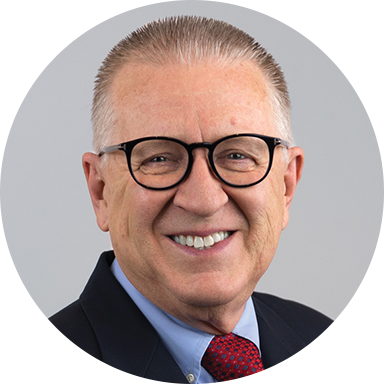
Dr. E. L. Lancaster served as Executive Editor for Piano at Alfred Music and currently teaches piano as adjunct faculty at California State University, Northridge. He earned degrees from Murray State University and the University of Illinois, culminating in a Ph.D. from Northwestern University.
From 1979 to 1998, Lancaster was a Professor of Music at the University of Oklahoma, Norman, where he established the master's and doctoral programs in piano pedagogy. He mentored more than 50 doctoral candidates in this field while teaching piano pedagogy courses and directing the group piano program. His work extended to pre-college students through the Piano Pedagogy Laboratory Program, which integrated group and private instruction. Between 1981 and 1996, he and his wife, Dr. Gayle Kowalchyk, operated a substantial independent piano studio in Norman.
Lancaster's leadership roles have included National Chairman of Group Piano and National Chairman of Student Chapters for MTNA, as well as serving as 2020 National Conference Chair. He held significant positions with the National Conference on Piano Pedagogy, including Chair of the Administration/Pedagogy Liaison Committee. His teaching excellence earned him the Regents Award for Superior Teaching (1984), the Associated Distinguished Lectureship (1987), and the Provost's Outstanding Academic Advising Award (1996). In 1991, he received the David Ross Boyd Professorship, recognizing faculty who excel in teaching and student mentorship. The National Music Fraternity Phi Mu Alpha Sinfonia honored him as a Signature Sinfonian in 2013, and Murray State University presented him with its 2014 Distinguished Alumnus Award.
From 1979 to 1998, Lancaster was a Professor of Music at the University of Oklahoma, Norman, where he established the master's and doctoral programs in piano pedagogy. He mentored more than 50 doctoral candidates in this field while teaching piano pedagogy courses and directing the group piano program. His work extended to pre-college students through the Piano Pedagogy Laboratory Program, which integrated group and private instruction. Between 1981 and 1996, he and his wife, Dr. Gayle Kowalchyk, operated a substantial independent piano studio in Norman.
Lancaster's leadership roles have included National Chairman of Group Piano and National Chairman of Student Chapters for MTNA, as well as serving as 2020 National Conference Chair. He held significant positions with the National Conference on Piano Pedagogy, including Chair of the Administration/Pedagogy Liaison Committee. His teaching excellence earned him the Regents Award for Superior Teaching (1984), the Associated Distinguished Lectureship (1987), and the Provost's Outstanding Academic Advising Award (1996). In 1991, he received the David Ross Boyd Professorship, recognizing faculty who excel in teaching and student mentorship. The National Music Fraternity Phi Mu Alpha Sinfonia honored him as a Signature Sinfonian in 2013, and Murray State University presented him with its 2014 Distinguished Alumnus Award.