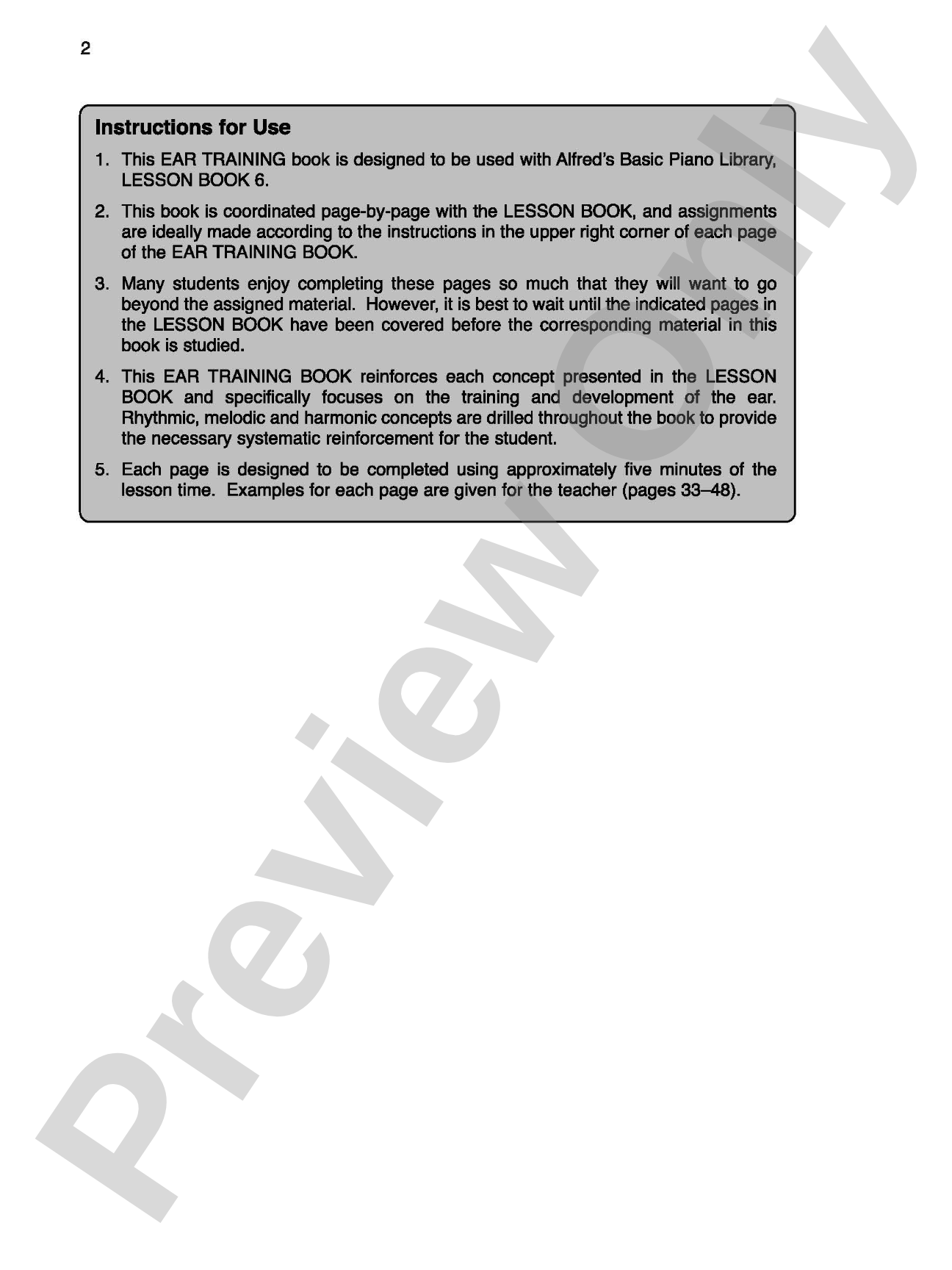
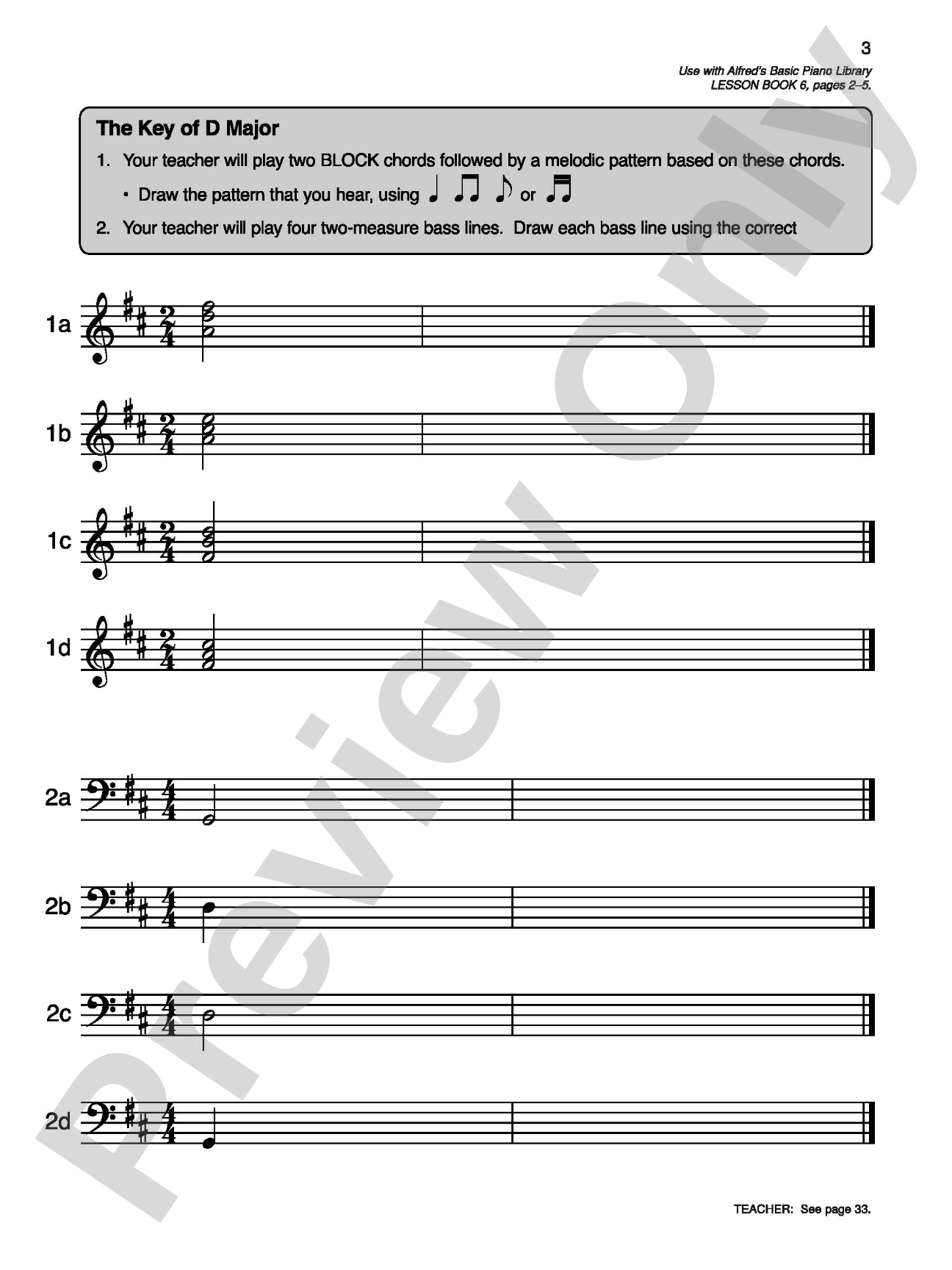
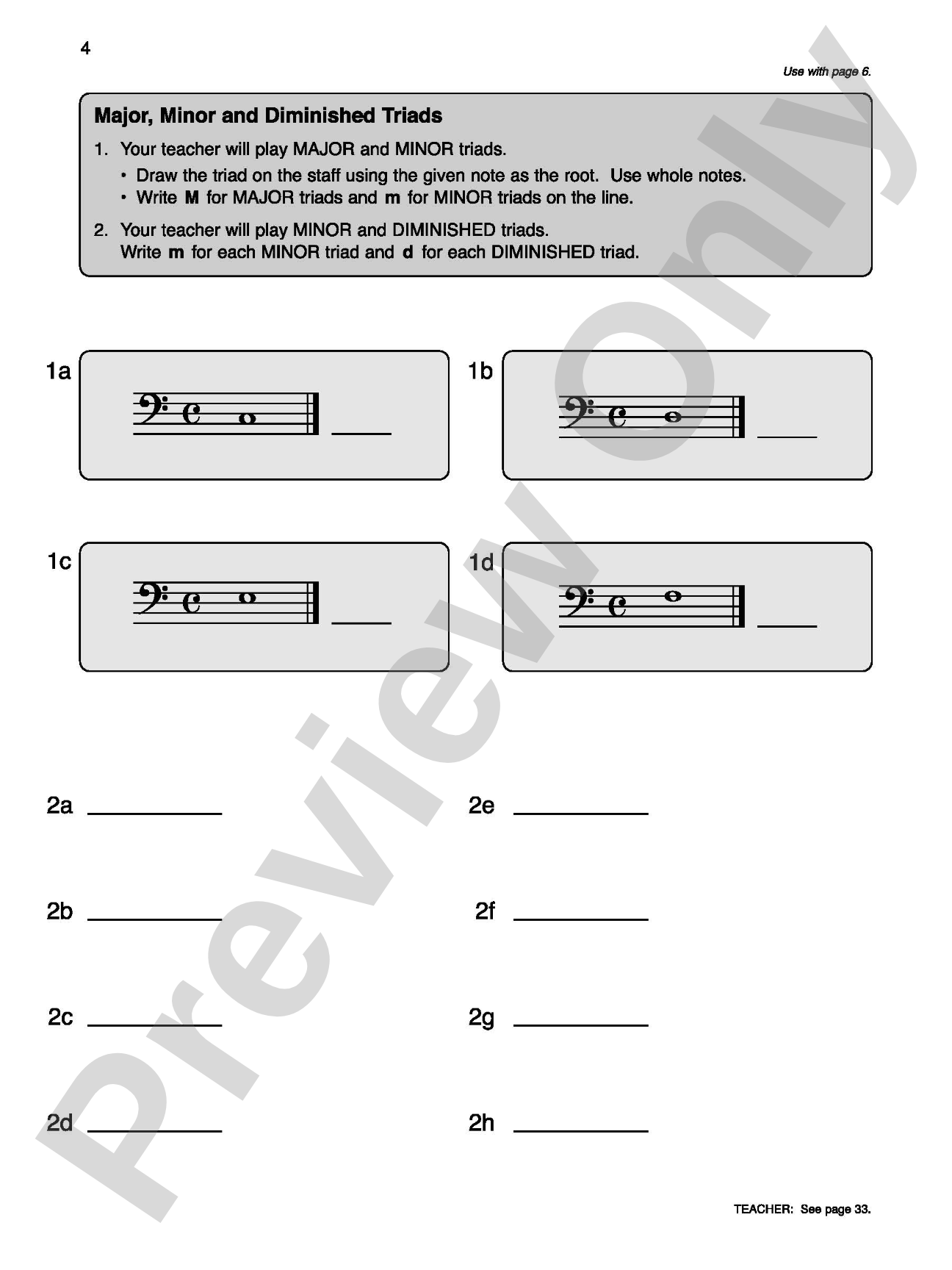
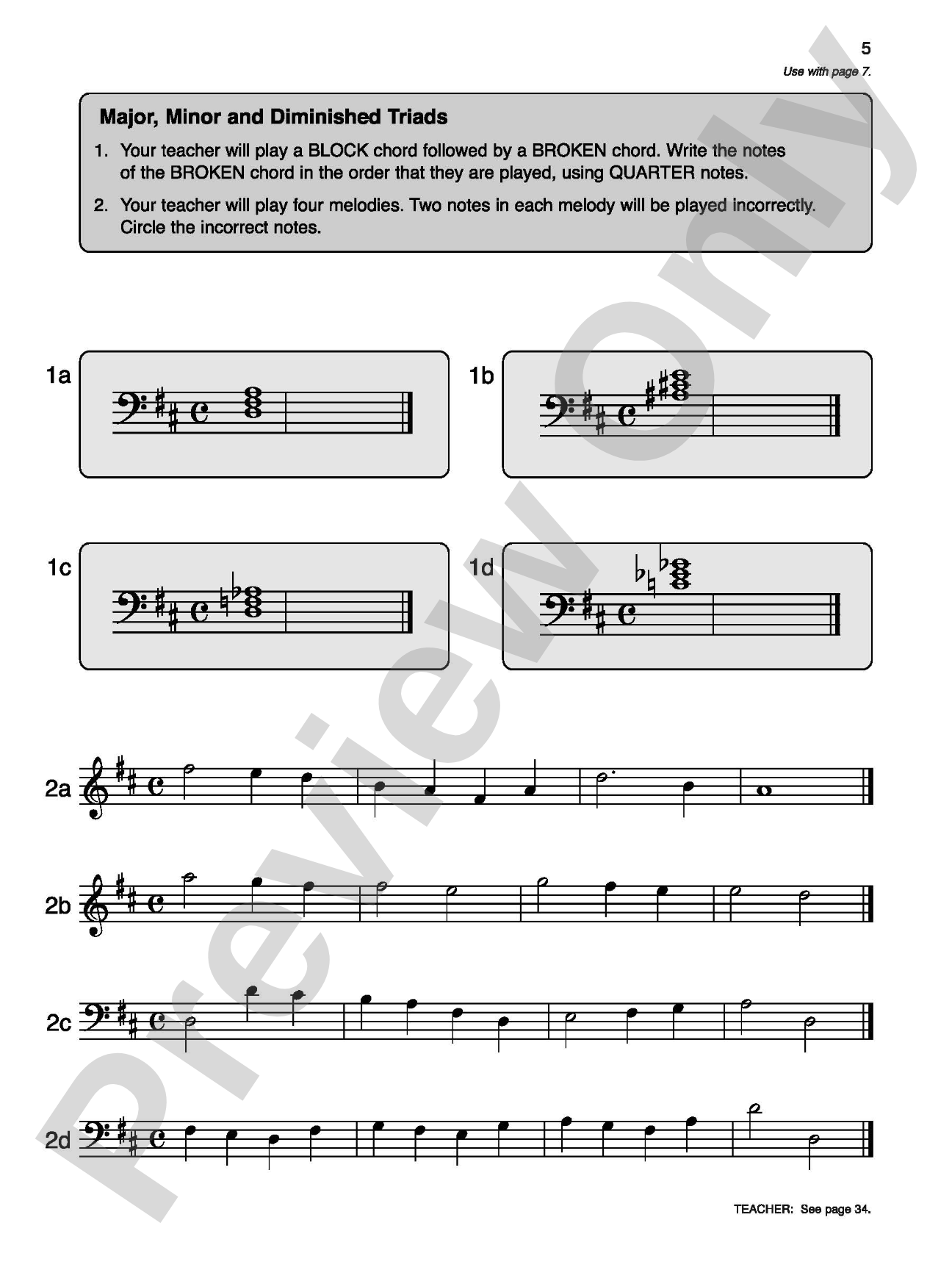
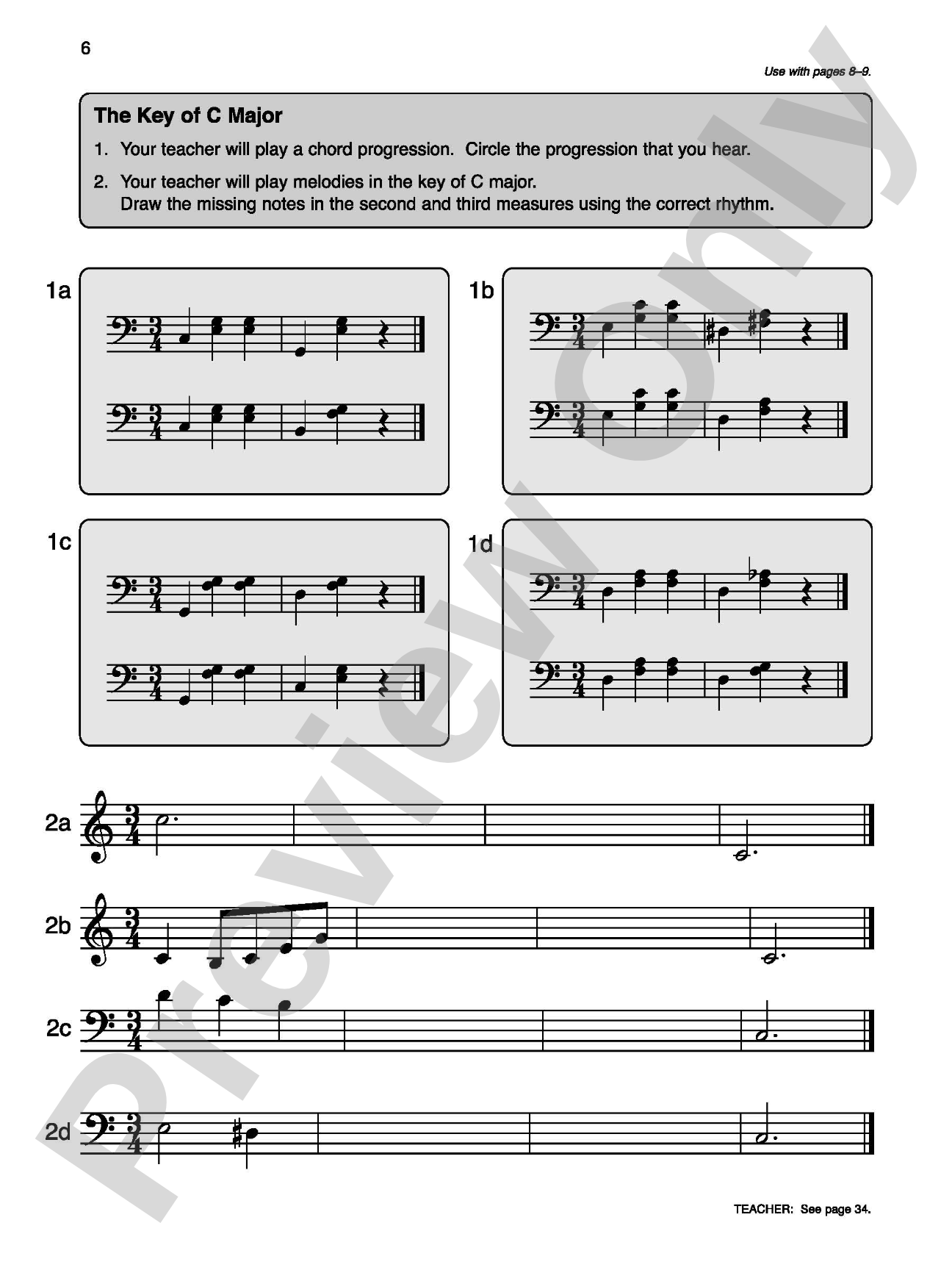
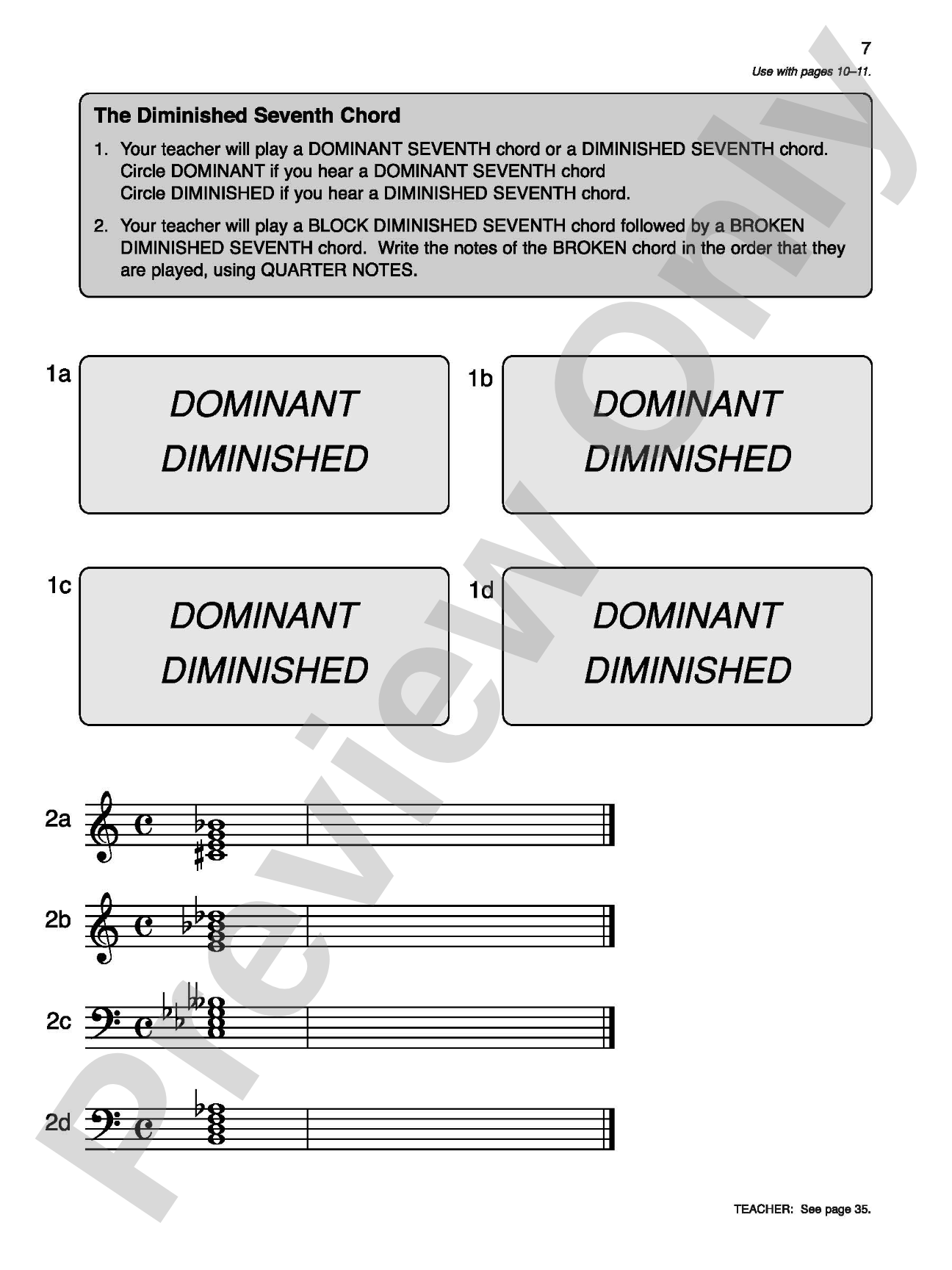
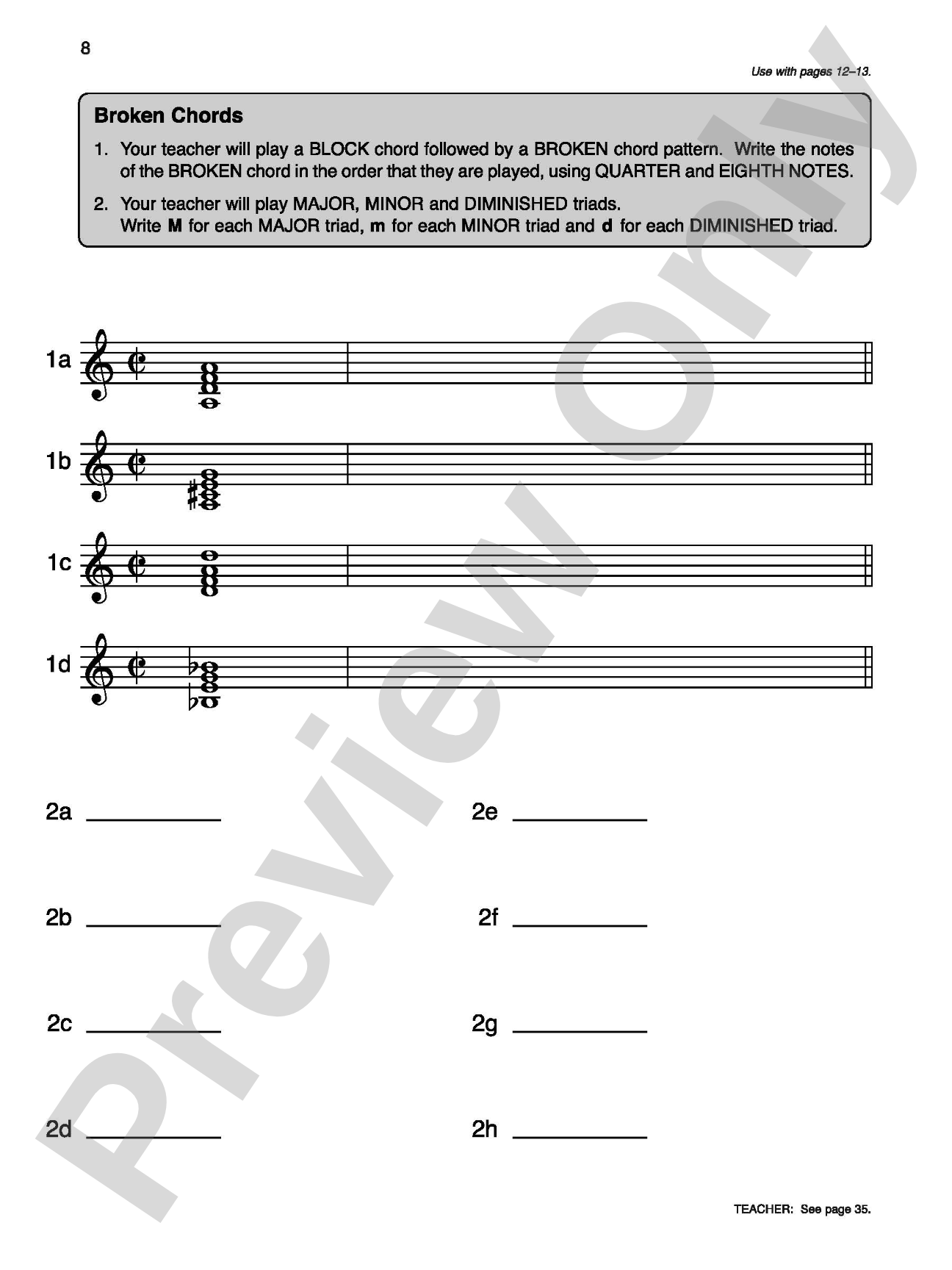
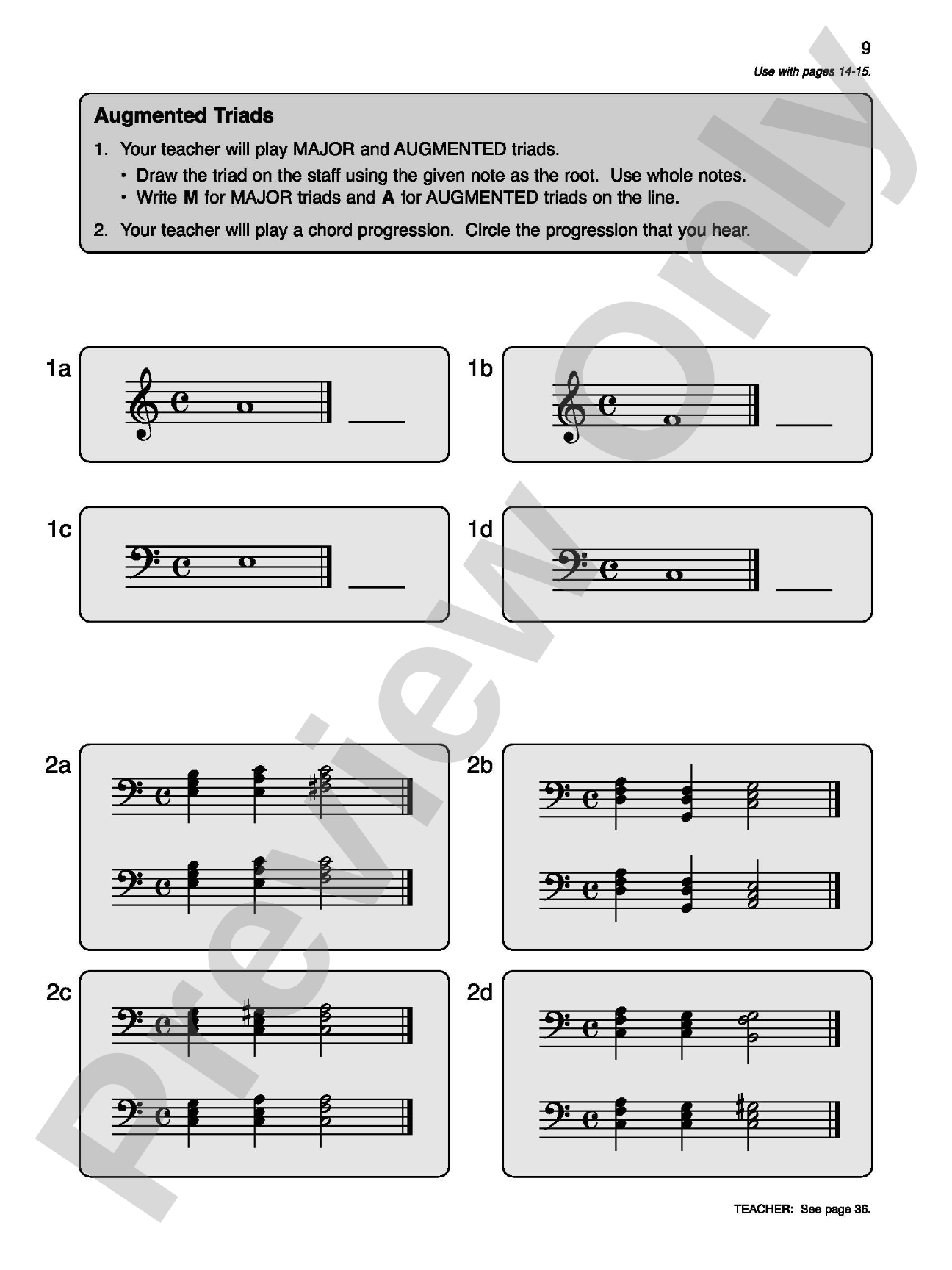
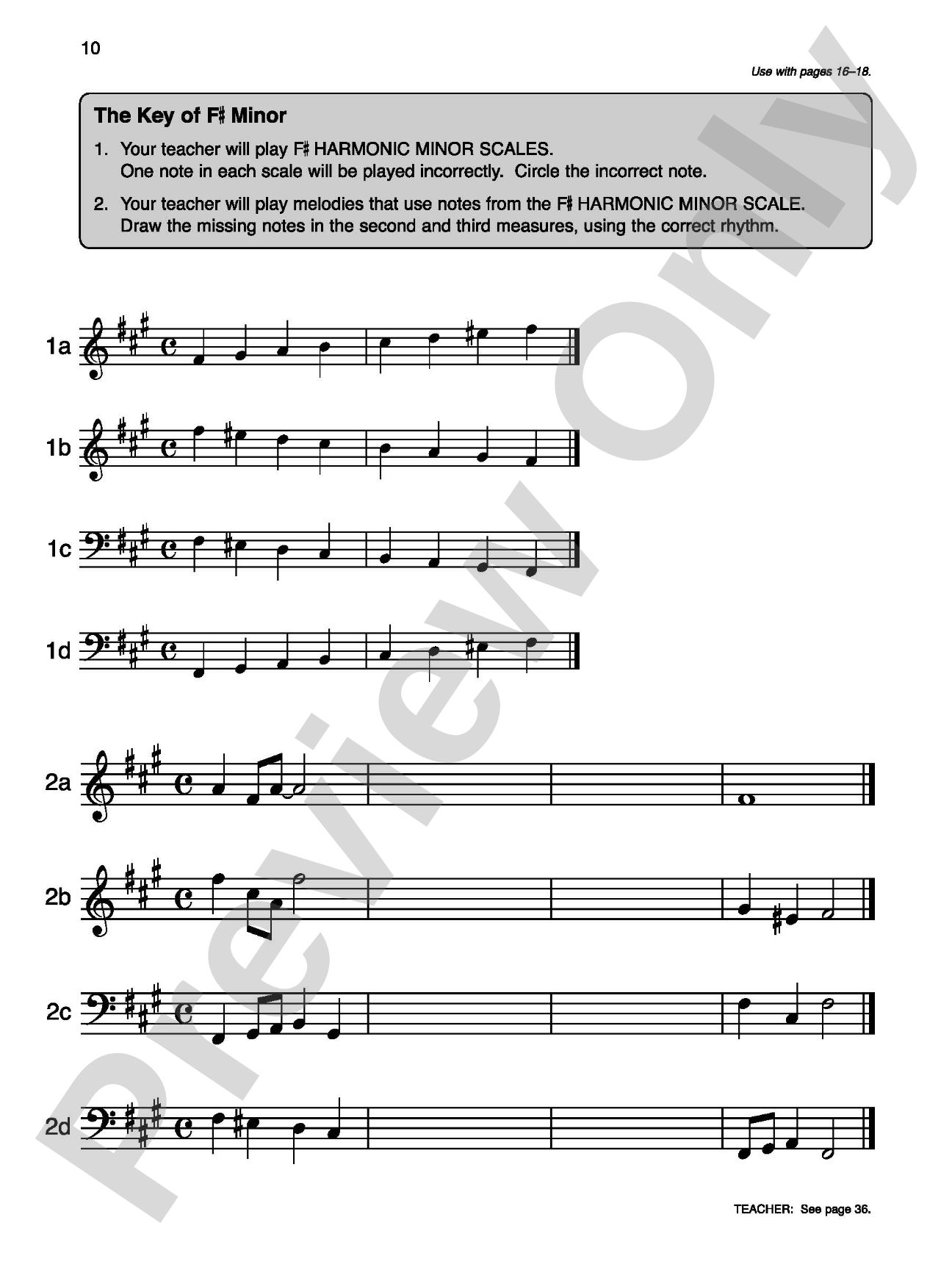
The Ear Training Books reinforce each concept presented in the Lesson Books and specifically focus on the training and development of the ear. Rhythmic, melodic and intervallic concepts are drilled throughout each book and each page is designed to be completed using approximately five minutes of the lesson time.
Discover MakeMusic Cloud: thousands of interactive titles your students can play along with today.
Dr. Gayle Kowalchyk has shaped piano pedagogy across three decades through teaching, research, and curriculum development. She earned degrees in piano performance from Ohio University and Northwestern University, then completed her Ed.D. in piano pedagogy at Teachers College, Columbia University. Her academic career includes faculty positions at Eastern Illinois University (where she coordinated the class piano program and directed the preparatory program), Oklahoma Baptist University, the University of Oklahoma, and California State University, Northridge, where she teaches class piano, applied piano, and piano pedagogy.
With her husband Dr. E. L. Lancaster, Kowalchyk has authored over 300 educational piano publications, including Alfred's Premier Piano Course and Music for Little Mozarts. She is a frequent clinician and presenter at national conferences including the Music Teachers National Association, Music Educators National Conference, National Group Piano Symposium, and World Piano Pedagogy Conference. Her work reflects a deep commitment to making piano study accessible, sequential, and engaging for learners at every level.
Why we love this
This workbook proves that ear training at Level 6 doesn't have to feel like a chore. Each five-minute page targets exactly what students are learning in their Lesson Books, so the drilling feels purposeful rather than repetitive. The scope (rhythmic, melodic, and intervallic concepts) means students develop genuine listening skills that transfer directly to their reading and performance.
What to expect
Structured and purposeful. Each page feels like solving a musical puzzle rather than busywork. Students develop real confidence as they recognize patterns and train their ears to catch subtle differences in pitch and rhythm.
Who it's for
This book serves piano students at Level 6 who need focused, systematic work on ear recognition. It works equally well for private studio teachers building listening skills into weekly lessons and group piano instructors who want structured material to deepen their students' aural perception.
How to get the most out of it
Work through one page per lesson, completing it during the final five minutes of your class time rather than assigning it as homework. This ensures you can provide immediate feedback and keep students accountable.
Have students sing or play back the melodic examples aloud before writing answers. Kinesthetic response anchors the ear training in their muscle memory.
Pause between each exercise to discuss why a particular interval or rhythm pattern matters. Context transforms mechanical drilling into genuine musicianship.
How to use it
Integrate one page per lesson as a warm-up or cool-down activity. Because each page takes about five minutes, it fits naturally into a standard 30 or 60-minute lesson without disrupting your flow. Use it consistently; the reinforcement of concepts from the Lesson Books strengthens retention and builds confidence in sight-reading.
Skills your students will build
Rhythmic dictation and recognition across multiple meters
Melodic interval identification and aural discrimination
Harmonic listening and chord recognition at the Level 6 curriculum level
Connection between visual notation and heard sound
You May Also Like
Scan to Complete Your Purchase
Use your phone's camera to scan the code below
You'll log in on your phone and the order will be added to your account