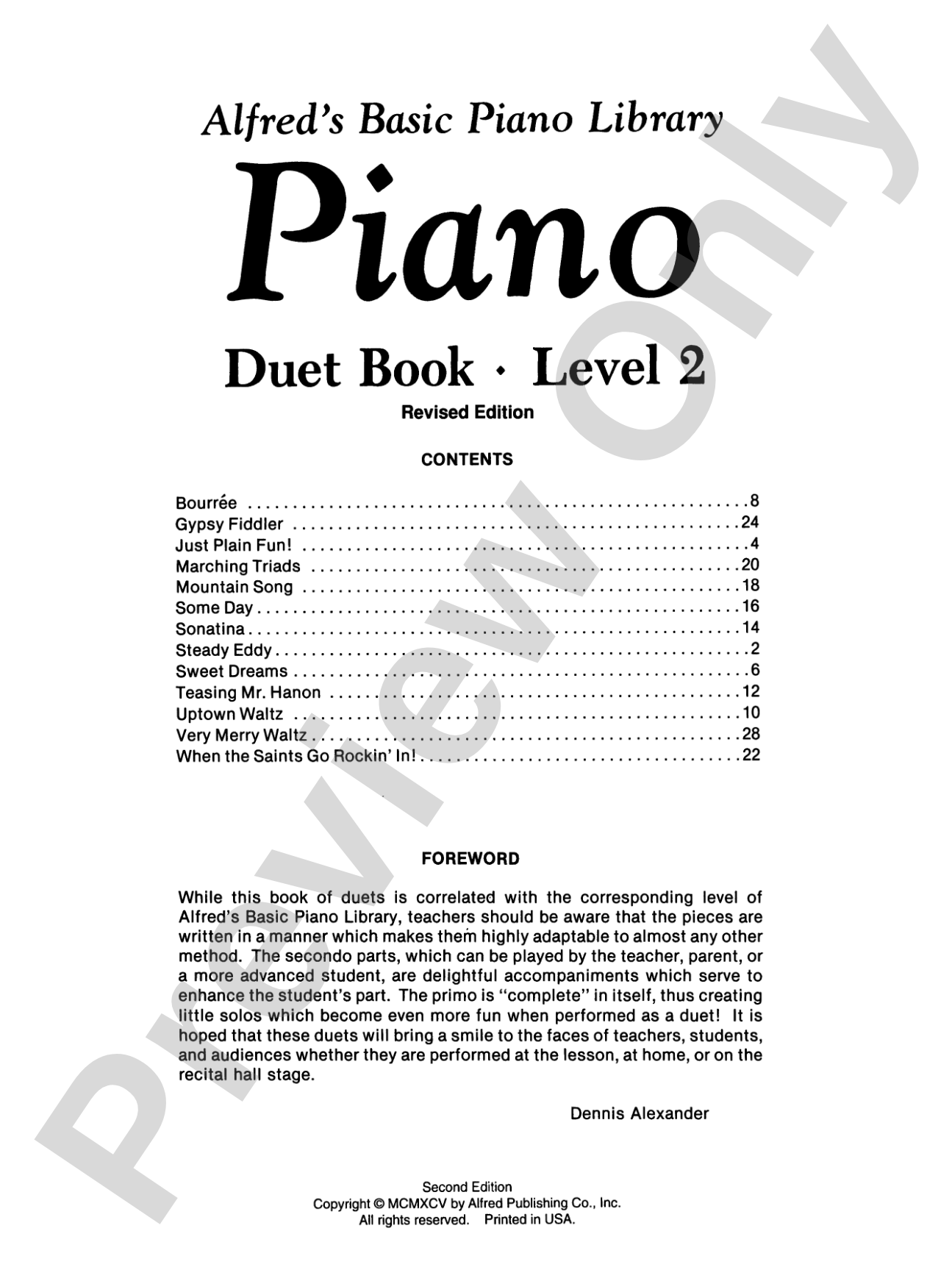
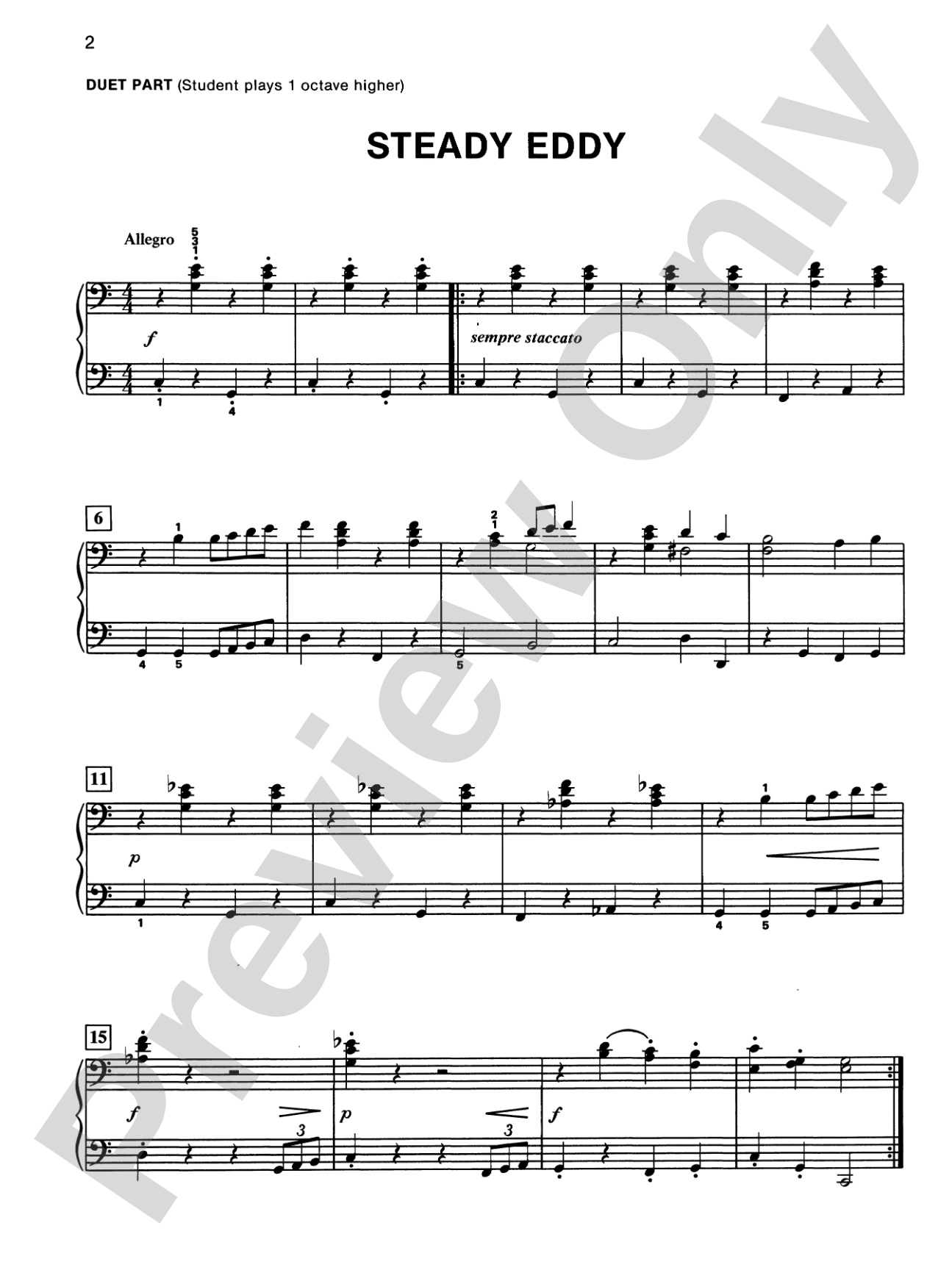
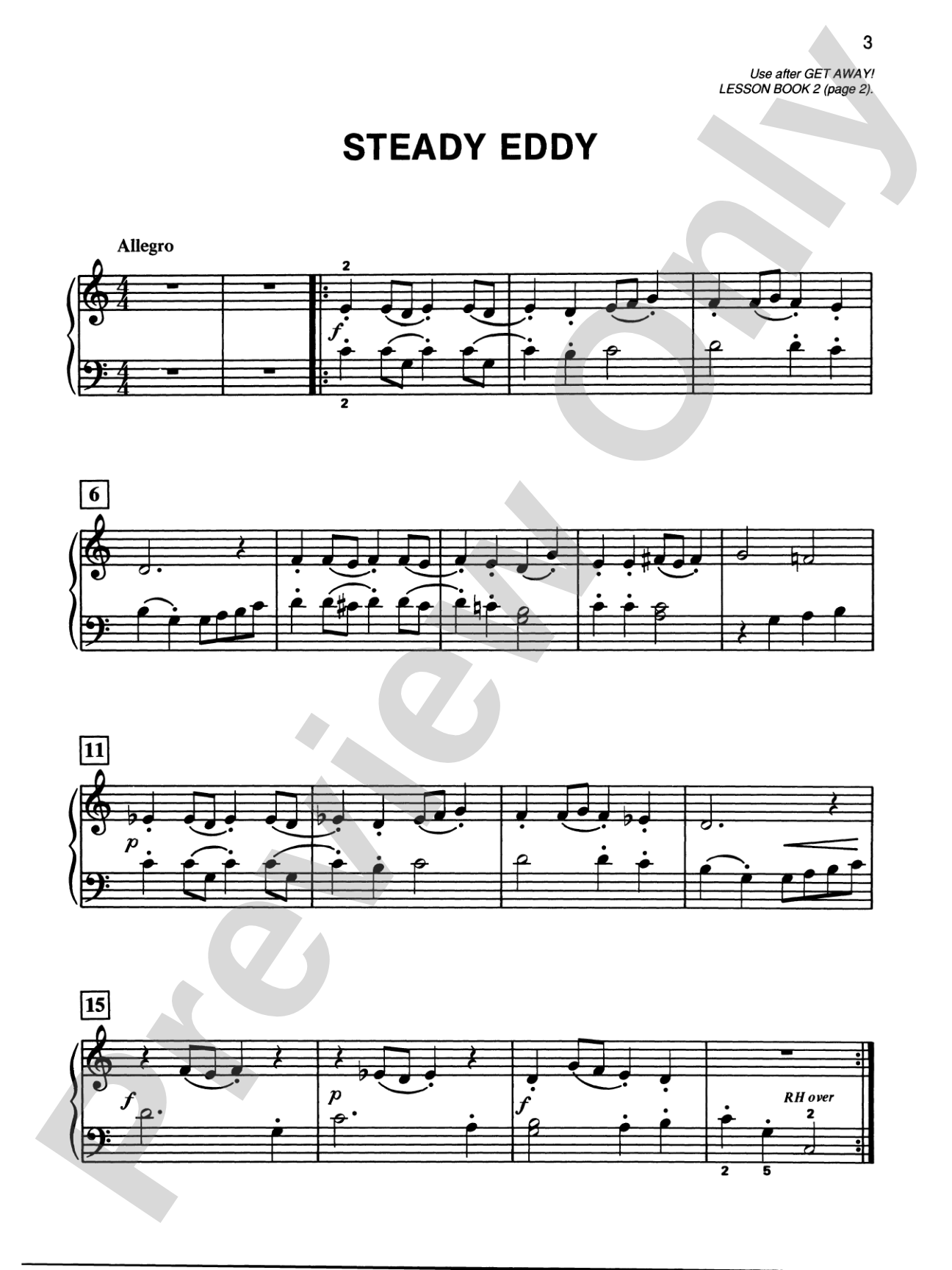
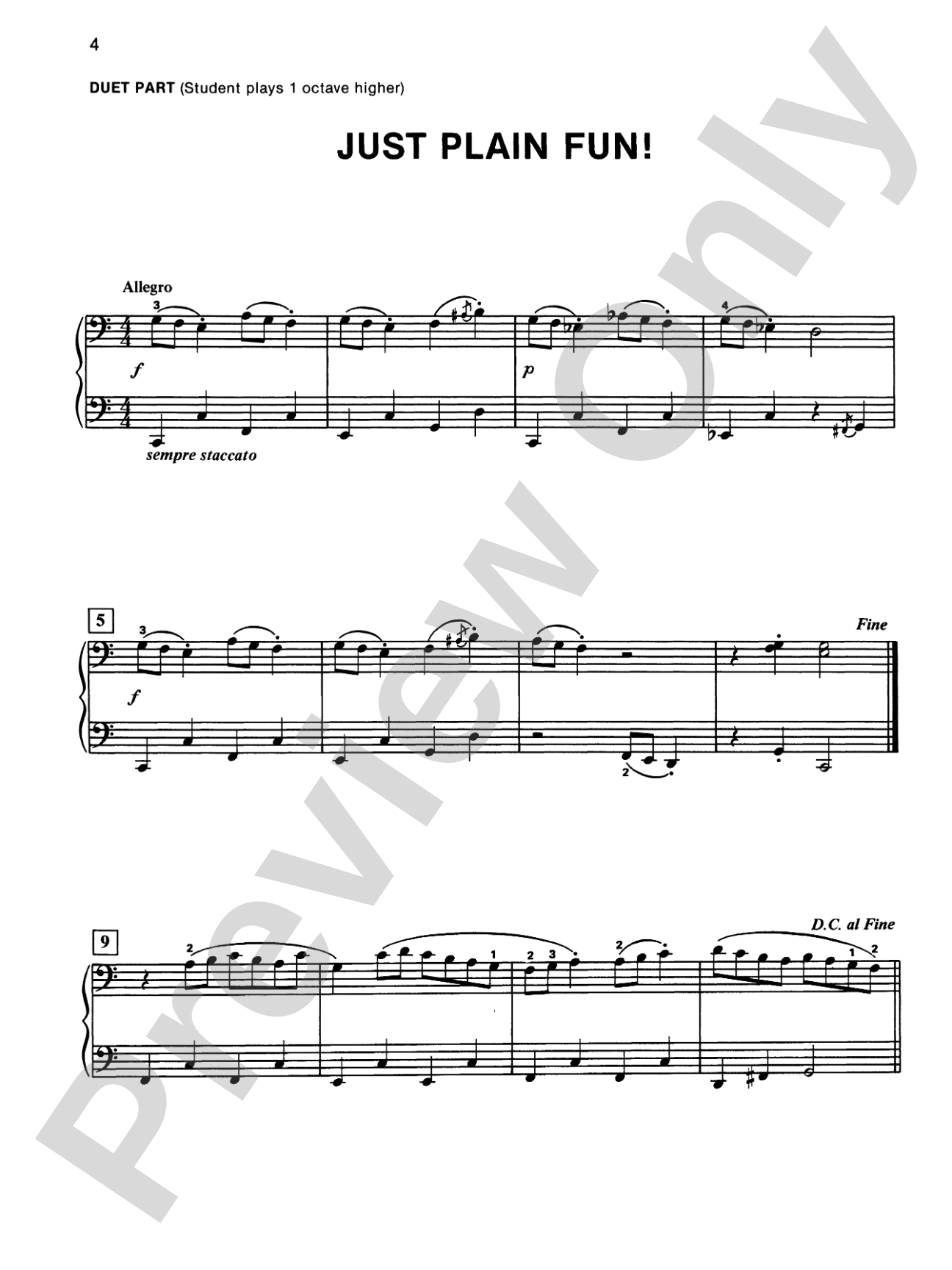
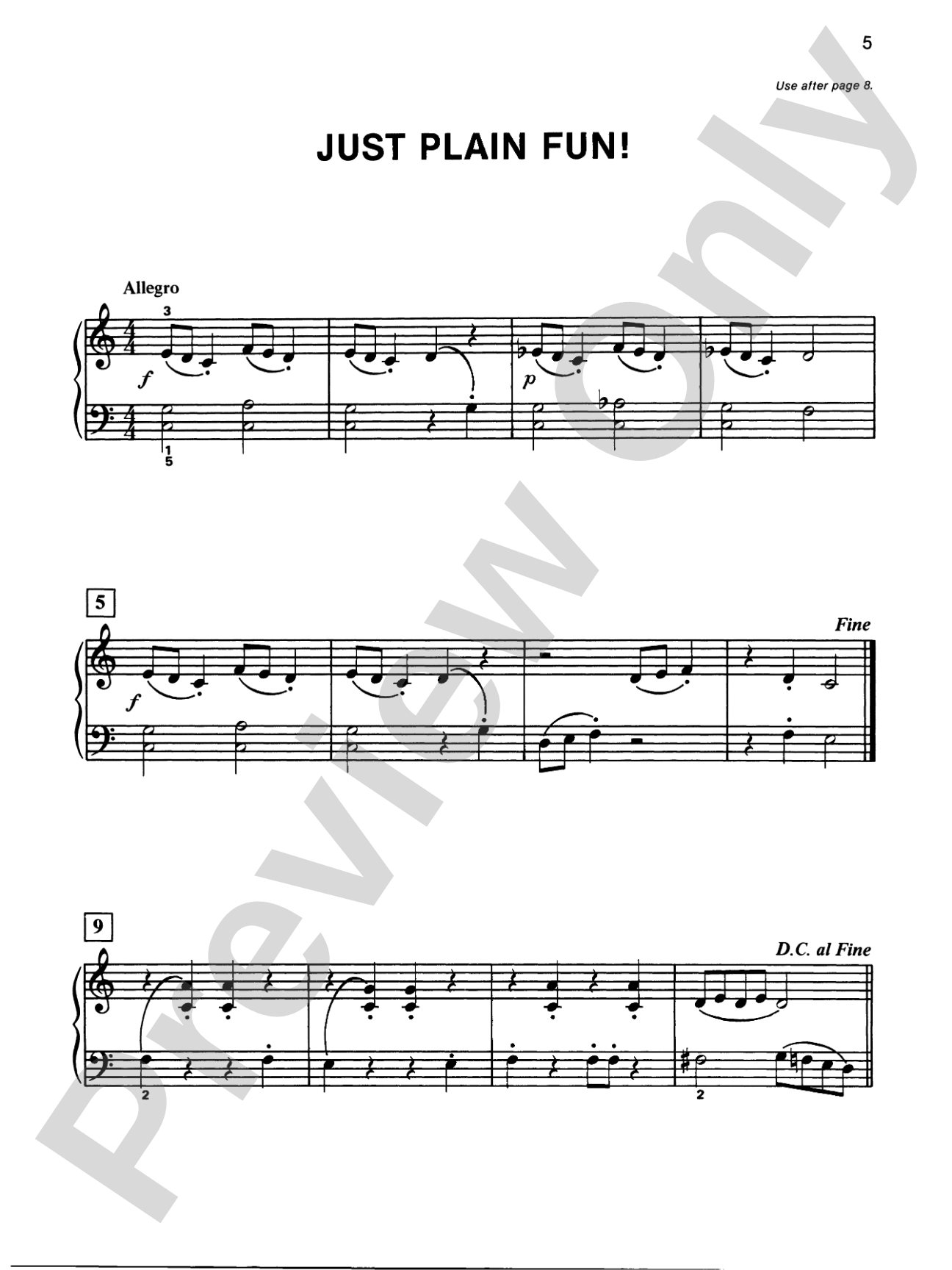
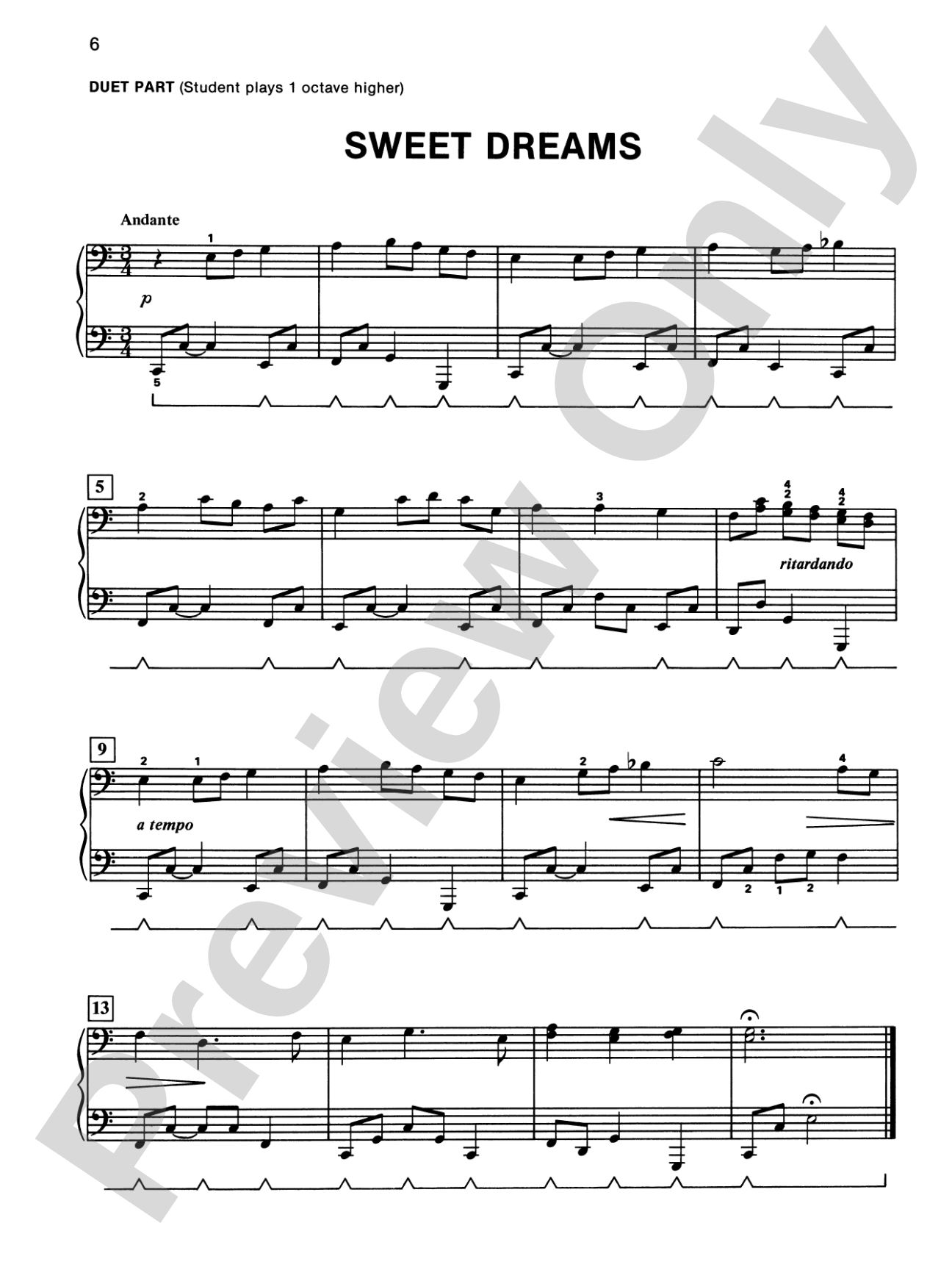
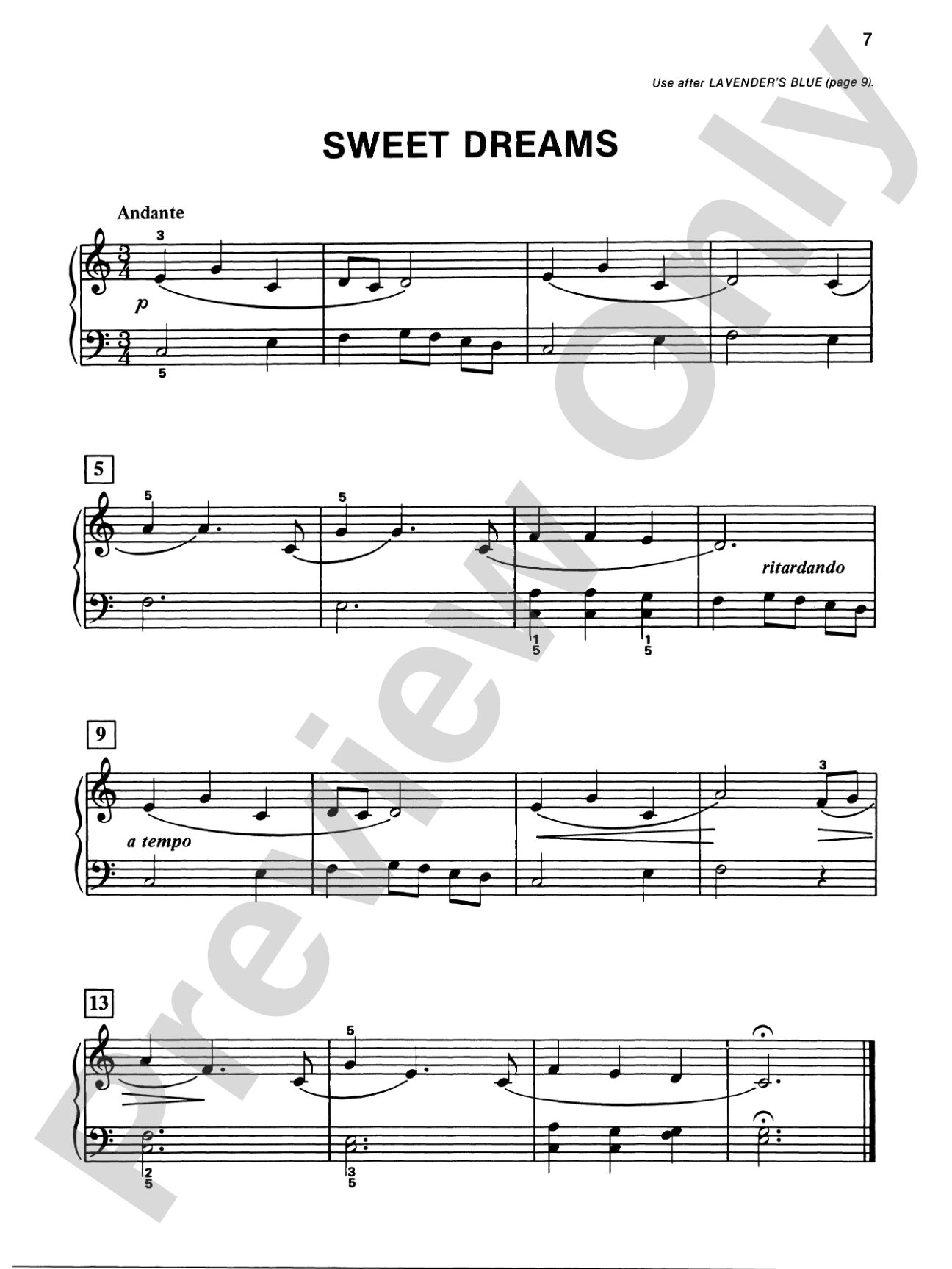
Each duet is arranged for student-teacher (parent or older student) performance. These charming Duet Books increase motivation and add fun to practice time and lessons. "Sonatina" is on the ABRSM 2025-2026 Piano Syllabus.
Discover MakeMusic Cloud: thousands of interactive titles your students can play along with today.
Dennis Alexander has shaped educational piano repertoire for nearly four decades through his work with Alfred Music Publishing, generating over 400 compositions that span every student level. His career began in earnest at the University of Montana, where he spent 24 years developing the piano pedagogy program and serving as department chair before relocating to California and eventually settling in Albuquerque, New Mexico.
Beyond the page, Alexander maintains an active presence as performer and clinician, having made his Carnegie Recital Hall debut in 1987 and continuing to present masterclasses at state and national conventions. His reputation as a composer rests on an intuitive understanding of what students need at each stage of development, a perspective deepened by his training under Richard Reber at the University of Kansas and his ongoing engagement with performers, institutions, and musical communities worldwide.
Why we love this
Alexander's duets accomplish what many student arrangements attempt but few achieve: they genuinely sound like piano music rather than exercises dressed up as duets. The teacher or parent part provides real musical satisfaction while the student part remains accessible, which means both players stay invested in the performance. Having "Sonatina" appear on the ABRSM 2025-2026 syllabus only confirms what piano teachers already know: this book delivers repertoire with actual staying power.
What to expect
These pieces have an unpretentious charm that appeals to young performers without talking down to them. Simple melodies and transparent textures allow students to feel the shape of actual songs while discovering how their part connects to a larger musical whole.
Who it's for
Early elementary piano students ready to experience ensemble playing in a low-pressure setting will thrive with this book. Parents, older siblings, or teachers looking to add genuine musical satisfaction to weekly lessons will find duets that feel rewarding to perform rather than obligatory.
How to get the most out of it
Balance the two parts by listening carefully to which melody line carries the musical phrase; often the student voice will have the primary material while the duet partner provides harmonic texture, so adjust voicing accordingly.
Work through each duet slowly at first to establish secure rhythmic partnership, since the magic of duet playing depends on genuine ensemble listening rather than mechanical precision.
Experiment with varied pedal approaches between rehearsals. Let the student handle pedaling independently on some pieces while the teacher manages it on others, rotating the responsibility to build comfort with this often-overlooked skill.
Record yourselves playing and listen back together. Students hear phrasing and balance issues when they listen rather than when they play, and this feedback loop accelerates musical growth.
How to use it
Assign duets from this book as performance assignments for student recitals, positioning them as formal concert pieces rather than novelties. The ABRSM-approved "Sonatina" works particularly well when preparing students for auditions or festival play-throughs, while the other duets serve as confidence builders throughout the year.
Skills your students will build
Reading two-part notation and understanding how individual lines interact within a larger texture
Maintaining steady tempo while listening to another performer
Executing basic dynamic shaping and phrasing in an ensemble context
Recognizing song form and structural landmarks that aid memorization
Developing pedal control through guided practice in a duet setting
You May Also Like
Scan to Complete Your Purchase
Use your phone's camera to scan the code below
You'll log in on your phone and the order will be added to your account