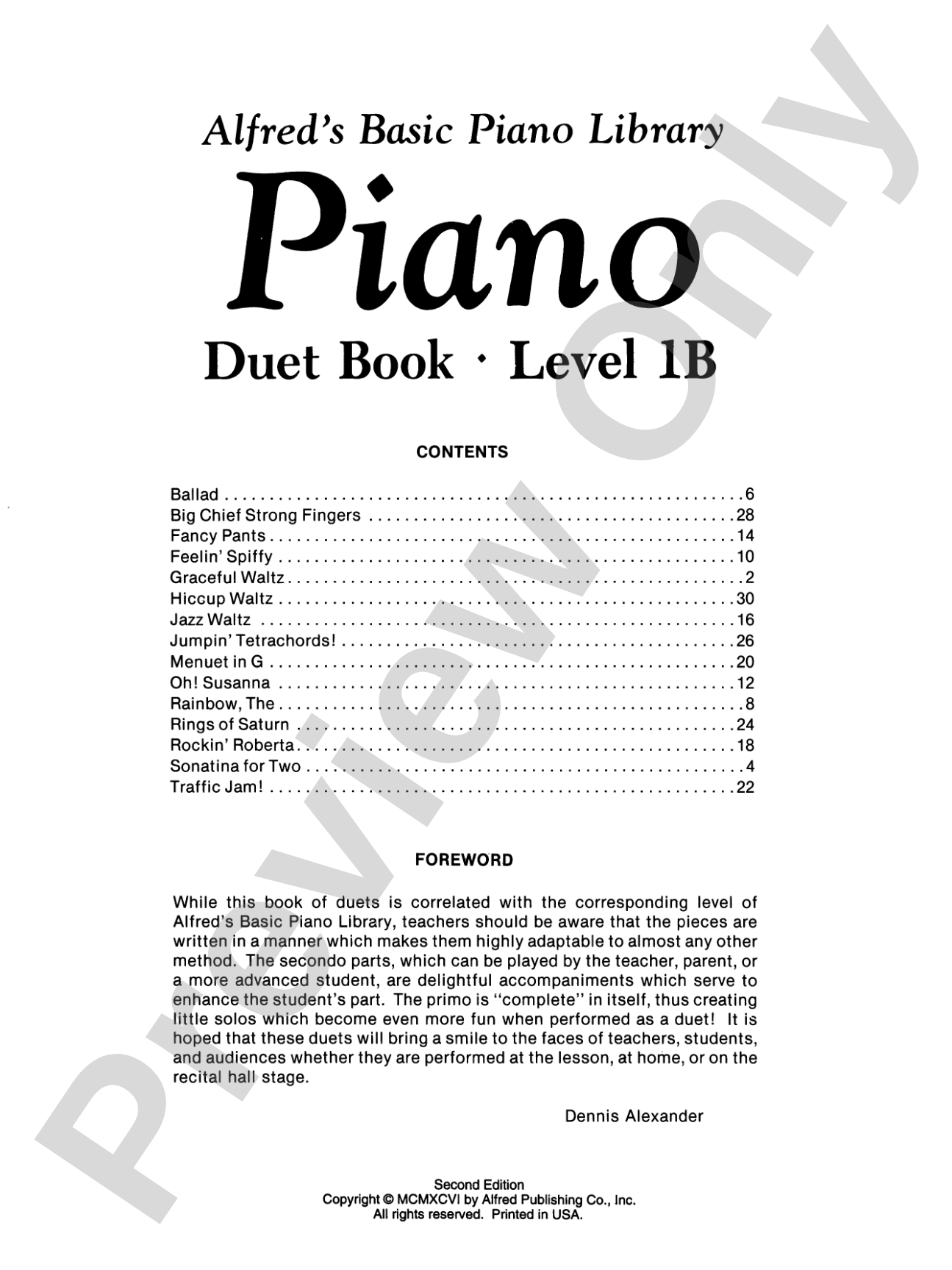
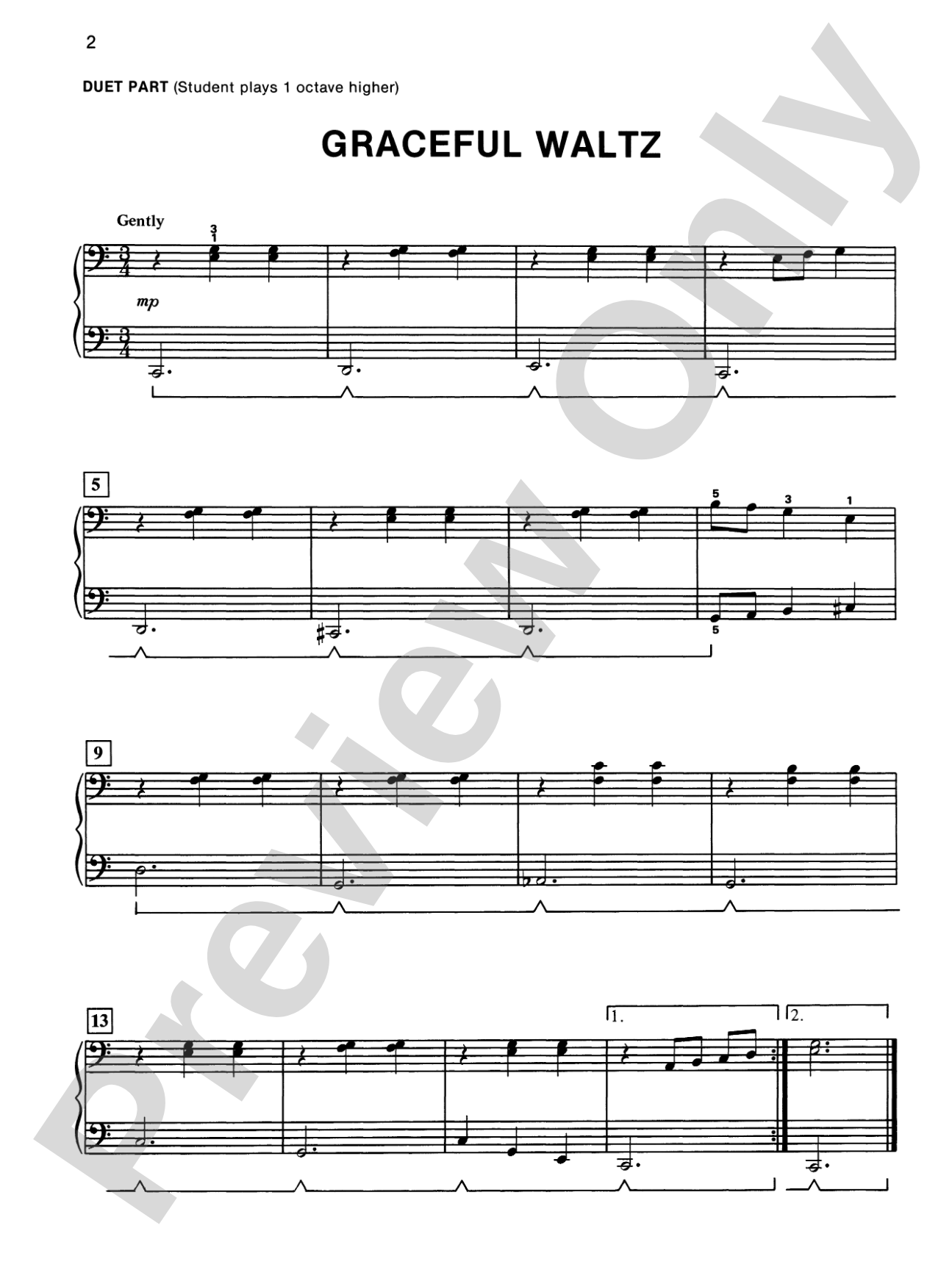
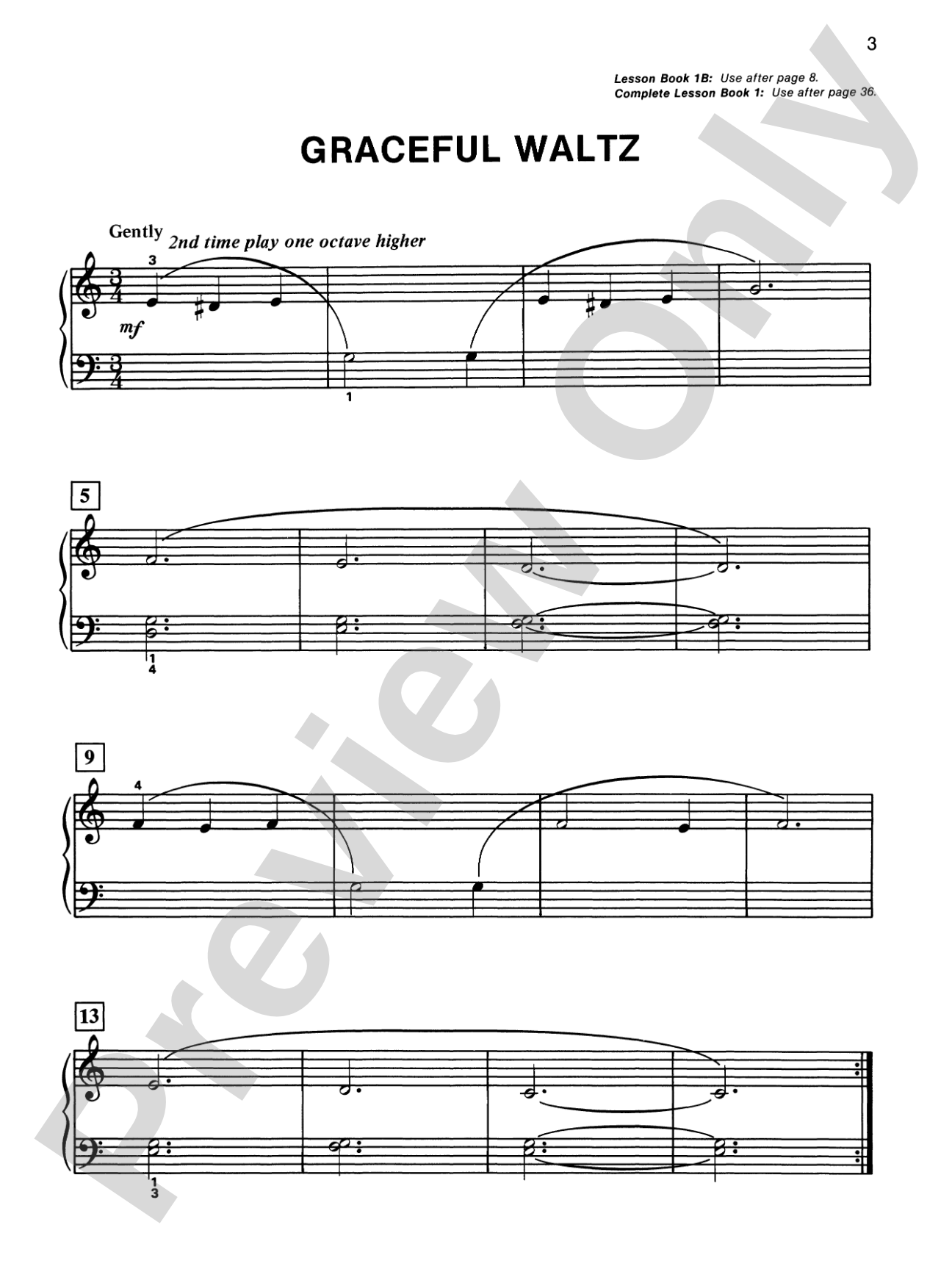
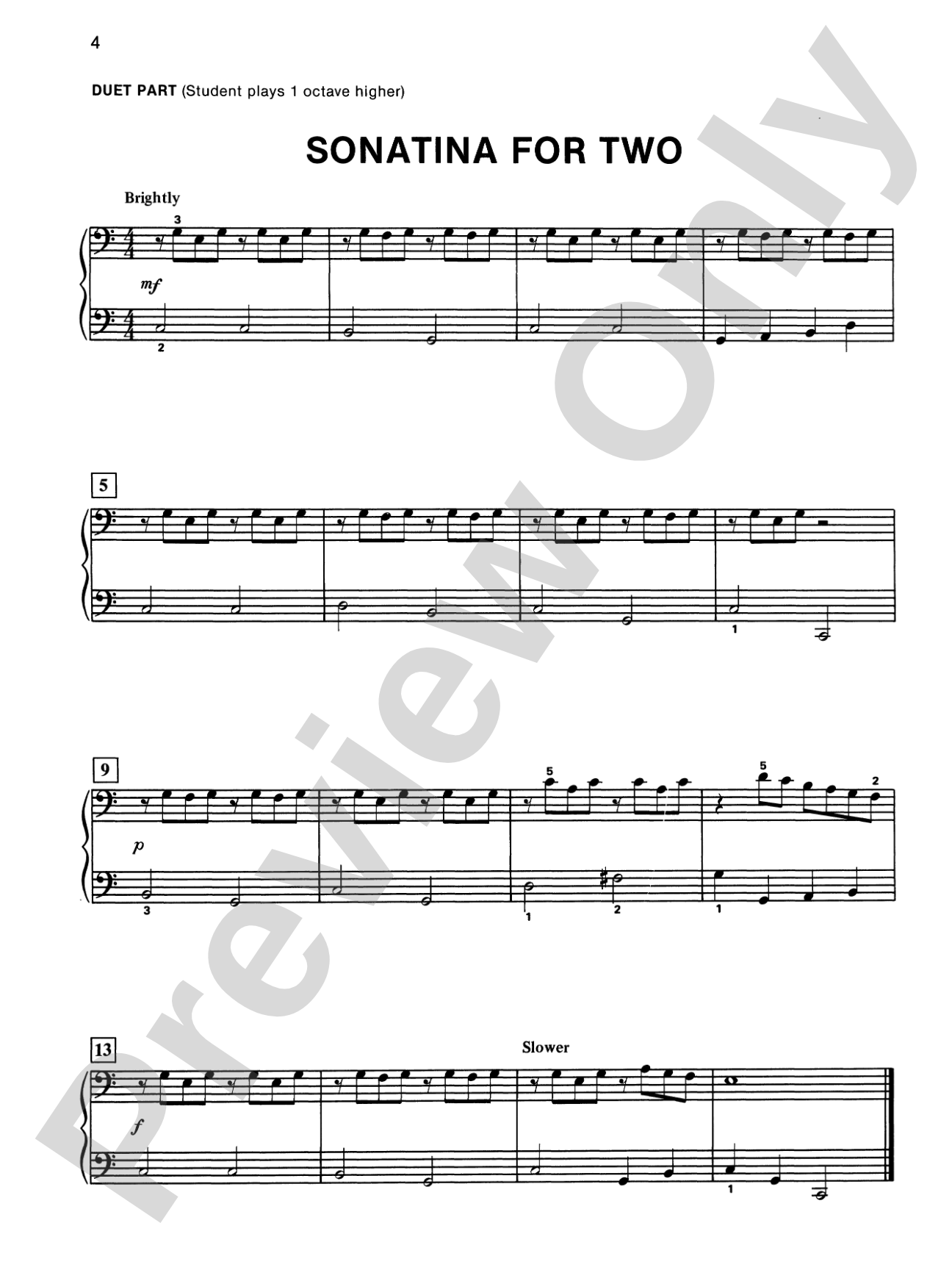
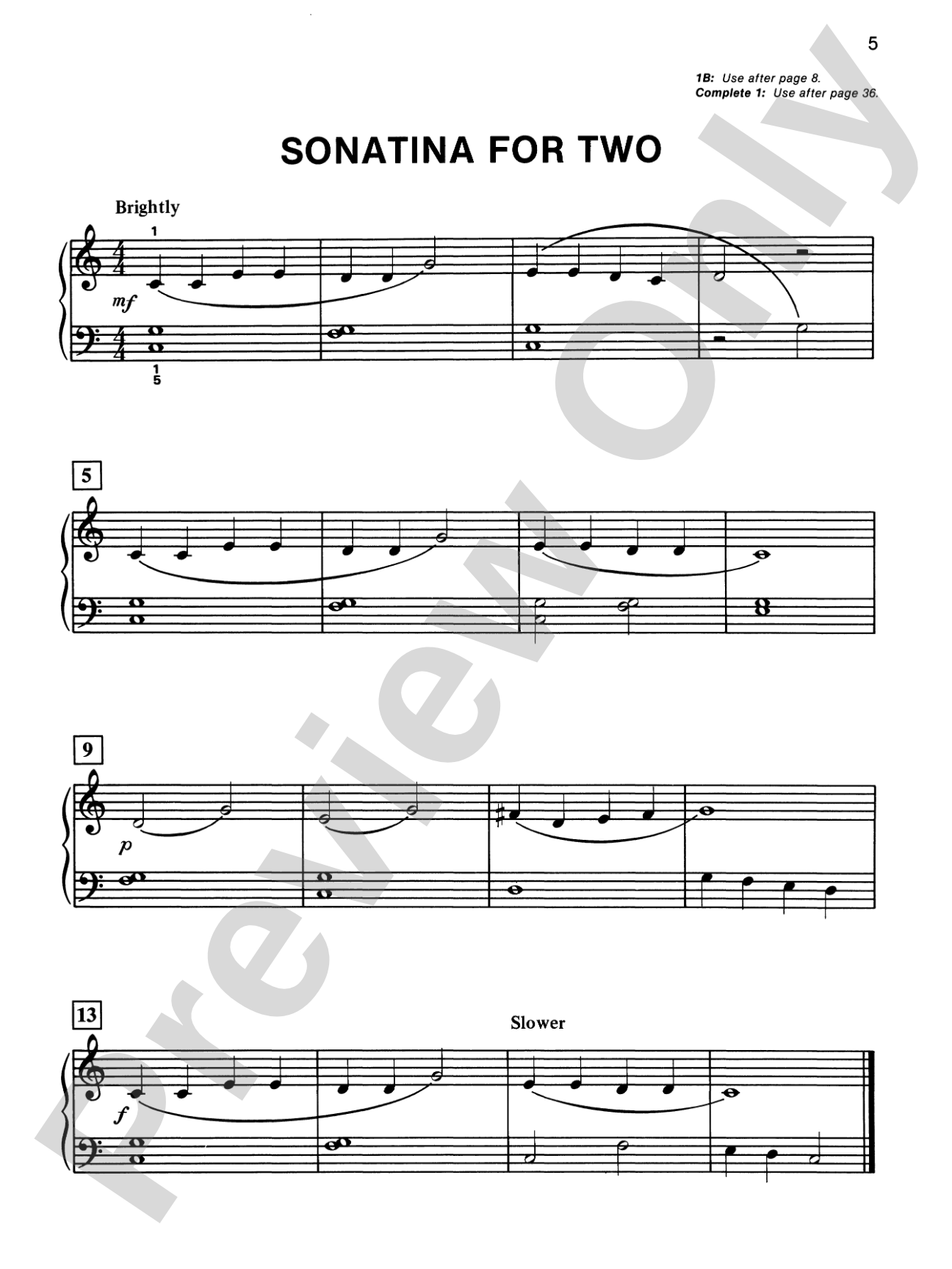
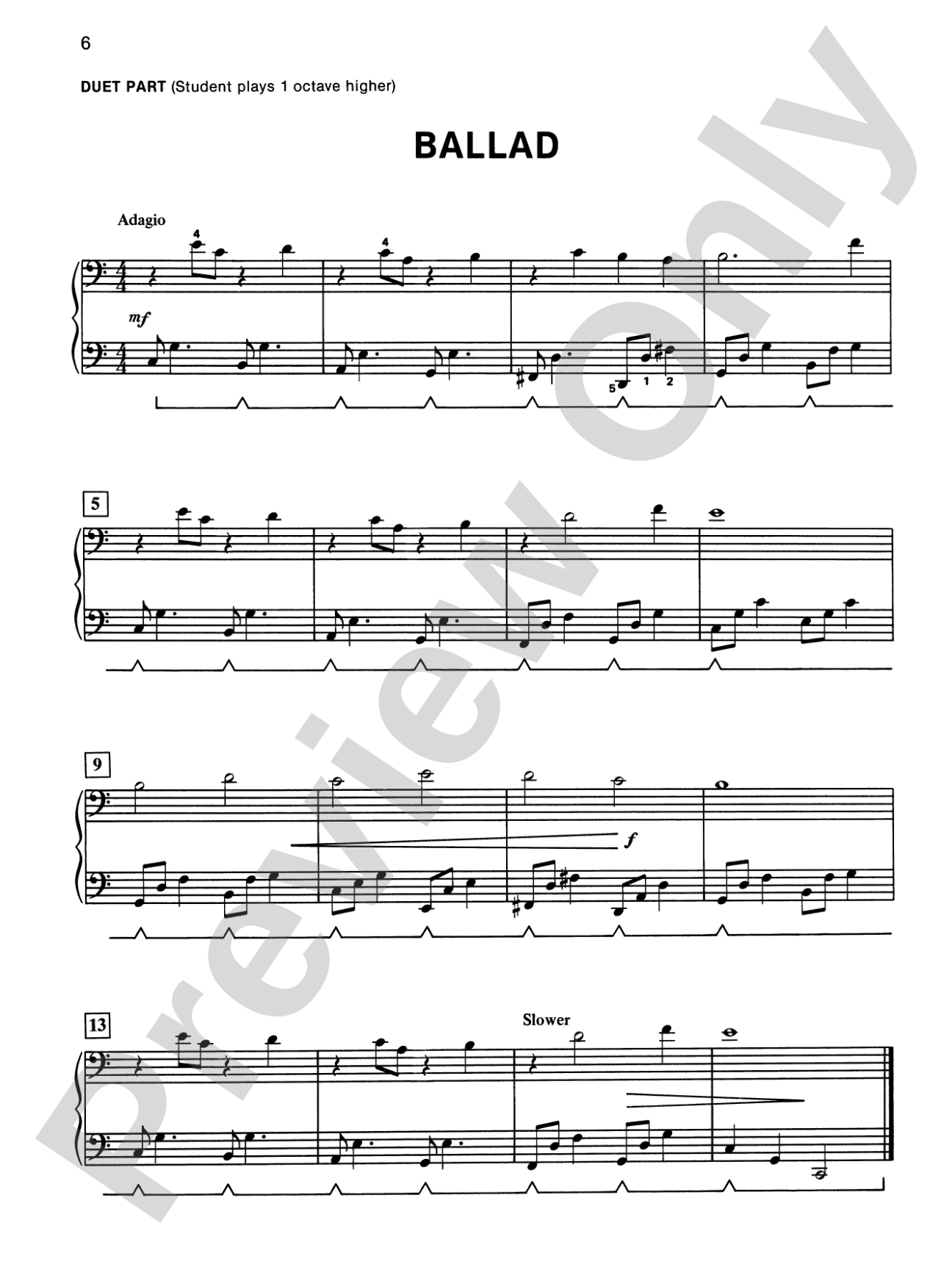
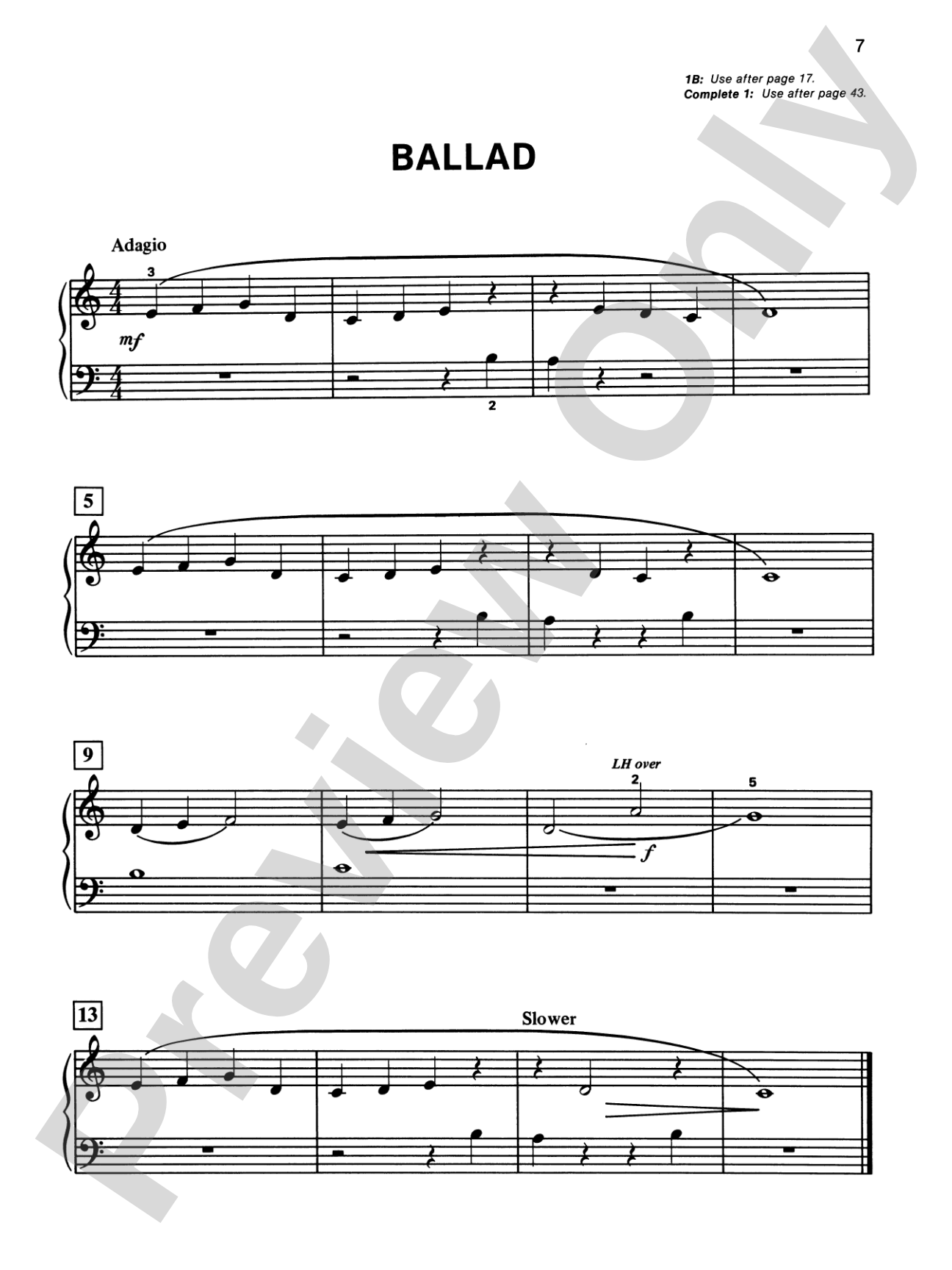
Each duet is arranged for student-teacher (parent or older student) performance. These charming Duet Books increase motivation and add fun to practice time and lessons.
Discover MakeMusic Cloud: thousands of interactive titles your students can play along with today.
Dennis Alexander has shaped generations of young pianists through his prolific catalog of educational works published with Alfred Music since 1986. With over 400 compositions and recordings to his name, he has become synonymous with piano repertoire that balances musical substance with student accessibility, earning international recognition as one of today's most respected voices in educational music.
Alexander's career spans both the academy and the concert stage. He taught piano pedagogy for 24 years at the University of Montana (where he also chaired the piano department), later joined the faculties of Cal State Fullerton and Cal State Northridge, and has maintained an active schedule as a soloist, chamber musician, and collaborative artist. His reach extends globally through clinician work at state and national conventions, adjudication roles, and performance tours across Asia and beyond.
Why we love this
Alexander understands exactly what sustains a young pianist's enthusiasm: music that sounds more sophisticated than it is to play. These duets work because the student part never feels simplified or subordinate; instead, both parts sound equally finished and genuinely enjoyable to perform together, which transforms what might otherwise be a drill into a genuine musical experience.
What to expect
These are charming, lighthearted pieces that sparkle with gentle humor and accessible melodic appeal. The duet format creates an intimate, conversational quality where both voices feel valued and the overall effect is warm, encouraging, and genuinely fun to perform.
Who it's for
This book is designed for the early elementary student (typically Level 1B progress) who plays alongside a teacher, parent, or older sibling. The pairing transforms solo practice into a shared musical experience, which deepens engagement and allows younger students to experience the joy of ensemble playing at a foundational level.
How to get the most out of it
Balance the parts by thinking of the duet as a conversation rather than a spotlight on one player; each voice should emerge naturally based on the melodic line, not volume.
Establish a steady tempo before beginning and maintain it consistently, which will strengthen the student's internal pulse and make ensemble coordination feel effortless.
Listen to how the parts interweave during rehearsal; identifying moments where one voice echoes, answers, or supports the other gives both players a musical reason to stay together.
How to use it
Deploy these duets in group lesson settings to demonstrate ensemble listening and rhythmic coordination, or feature them in studio recitals as parent-student or teacher-student performances that celebrate partnership in learning. They also work beautifully as motivational repertoire during regular lessons, offering a refreshing change of pace that keeps young pianists excited about their practice.
Skills your students will build
Reading treble clef notation across both hands in the early elementary range
Maintaining steady tempo while coordinating with a partner's part
Listening to and balancing independent melodic lines
Recognizing harmonic relationships between upper and lower voices
Developing ensemble awareness and rhythmic precision
You May Also Like
Scan to Complete Your Purchase
Use your phone's camera to scan the code below
You'll log in on your phone and the order will be added to your account