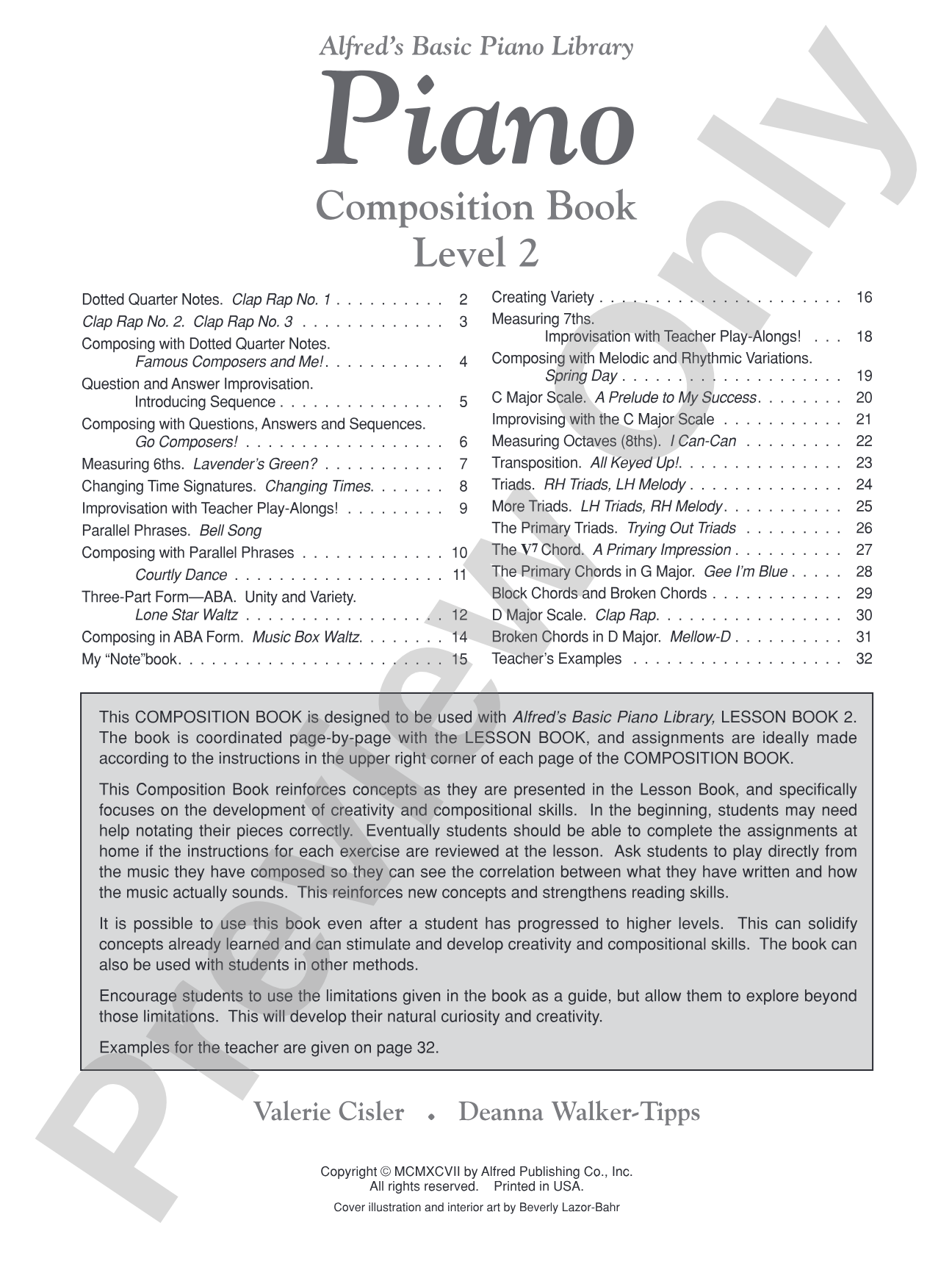
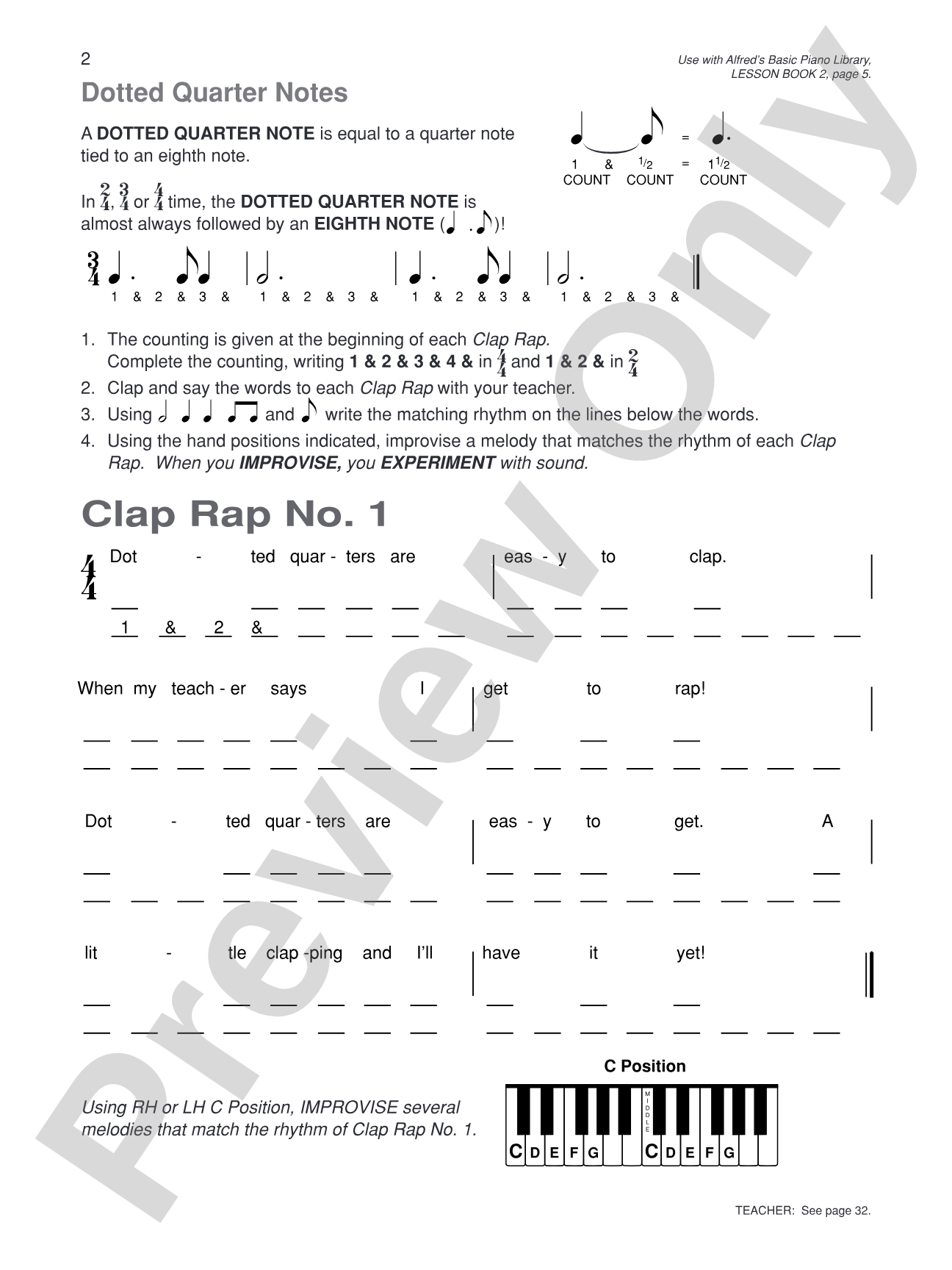
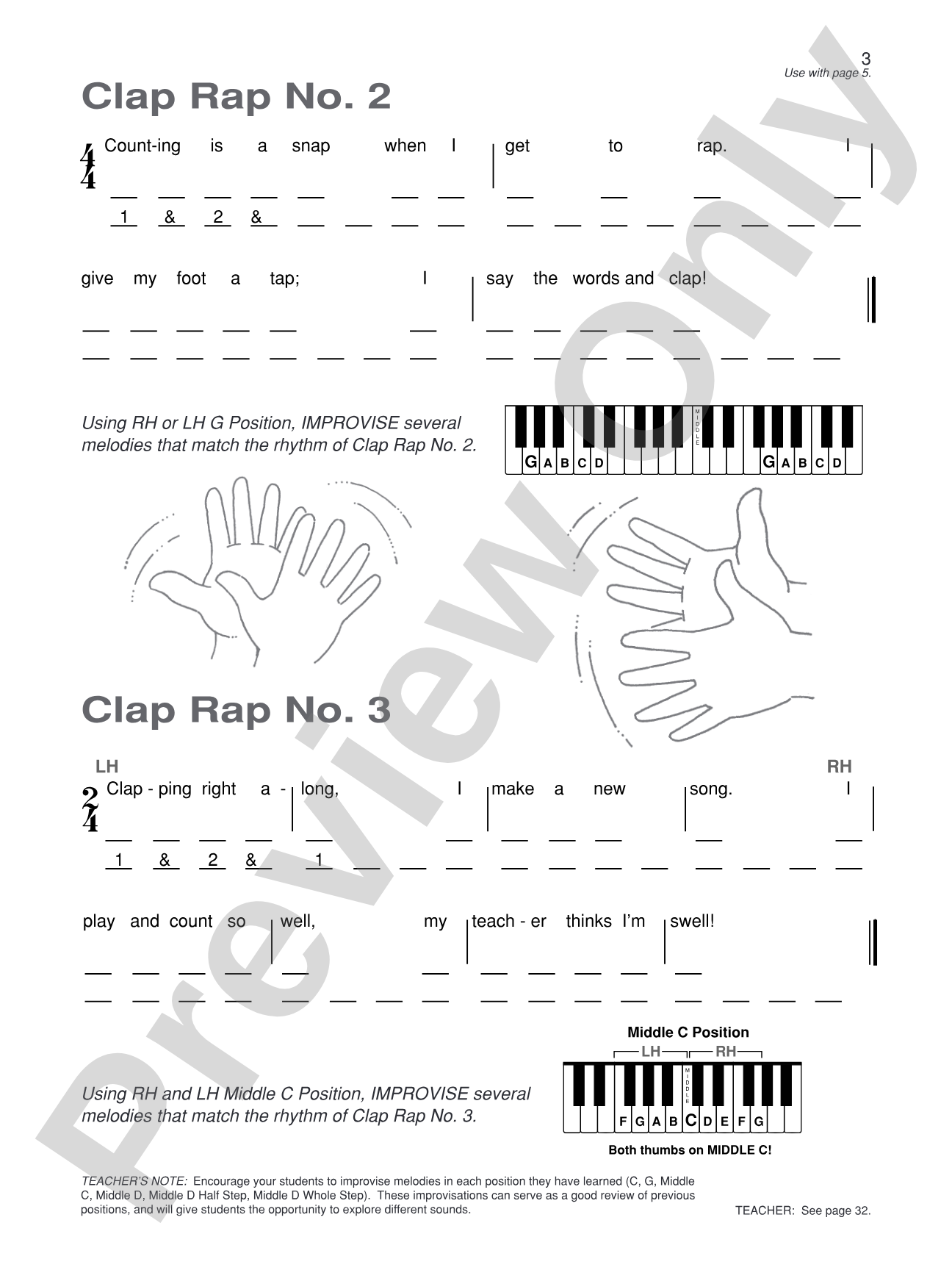
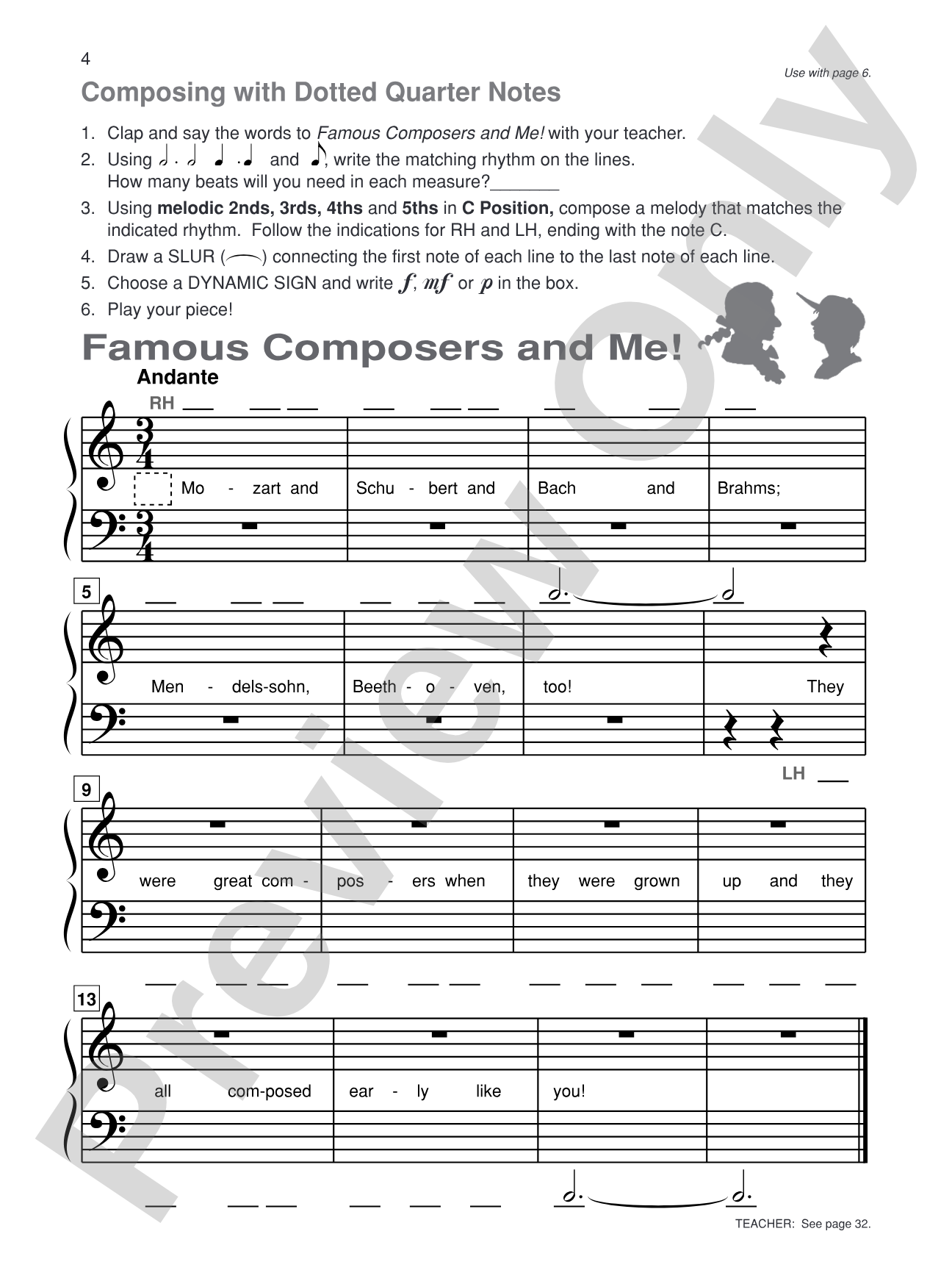
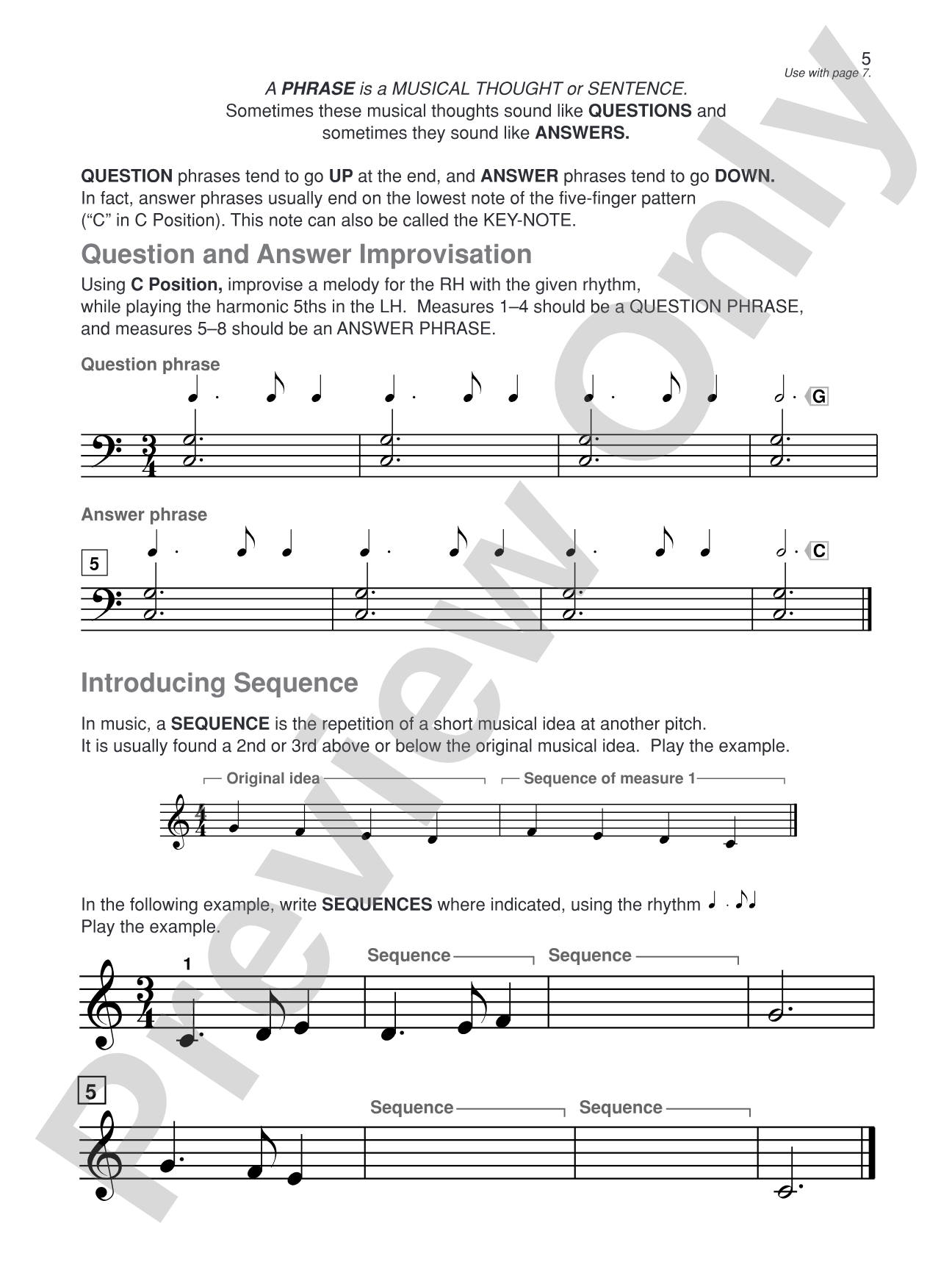
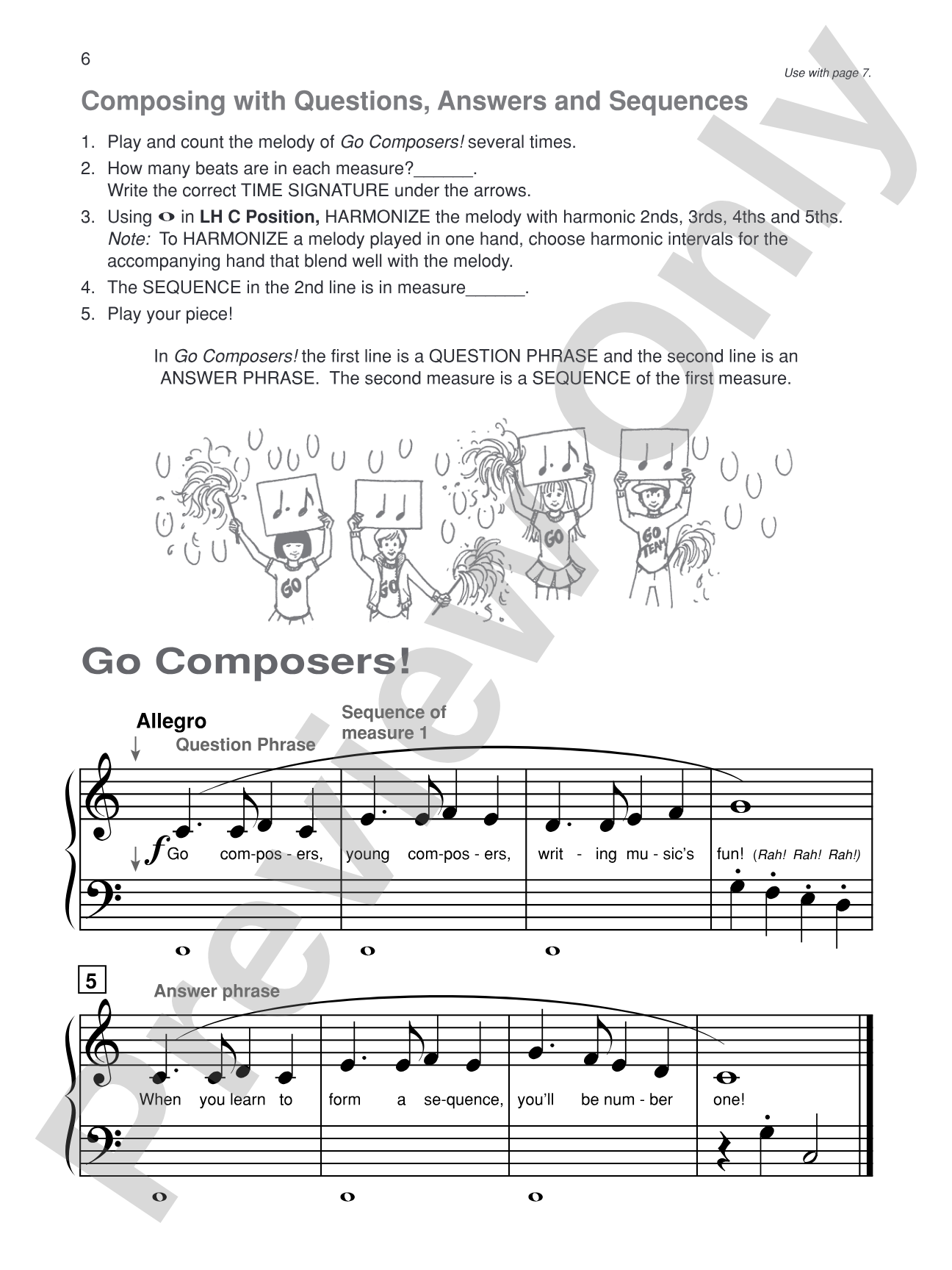
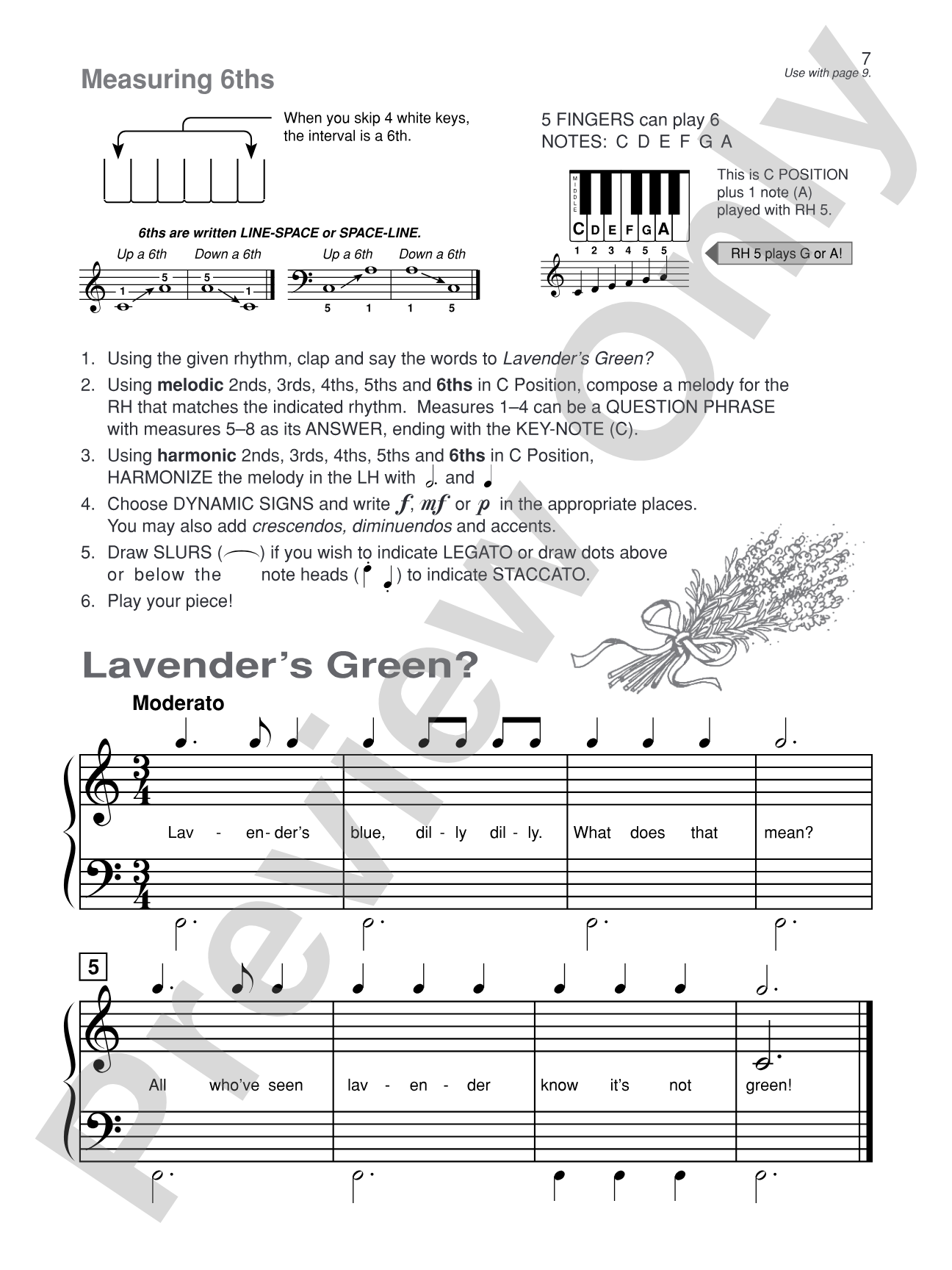
The Composition Book encourages the development of creativity and compositional skills, while reinforcing important musical concepts including music reading and notation. Although these books are correlated page-by-page with the Lesson Books, they can be used with any piano method.
Discover MakeMusic Cloud: thousands of interactive titles your students can play along with today.
Composition books at this level rarely feel organic to students' actual progress in technique and reading. Cisler and Walker-Tipps built these pages to move in lockstep with what students are already learning in their lesson books, so composition becomes a natural extension of their studies rather than a separate task. Students get permission and structure to create music that matches what their hands can actually do.
What to expect
Playful and achievable. Students encounter familiar melodic shapes and rhythm patterns they have already mastered, then turn them into their own pieces. There is real joy in writing something simple but genuinely yours.
Who it's for
Elementary pianists working through Alfred's Level 2 material who benefit from applying their new skills immediately. Any piano teacher wanting to develop compositional thinking without waiting until students are advanced; creativity at this age builds confidence and ownership of the instrument.
How to get the most out of it
Start with guided prompts before leaving students to blank staves. The scaffolding here means even hesitant writers will have a foothold.
Play student compositions aloud whenever possible, even rough sketches. Hearing their own work reinforces the connection between notation and sound in ways reading alone cannot.
Ask students to identify which musical concepts from their lesson book they used in each composition. This metacognitive step deepens both their compositional thinking and their grasp of fundamentals.
How to use it
Assign one composition exercise every few weeks as an in-lesson or practice room activity, moving through the book at whatever pace matches your students' lesson book progress. If you teach a group class, students can share short compositions with one another, which builds ensemble listening skills alongside creative confidence. These pieces also make excellent additions to spring recitals when students perform their own creations.
Skills your students will build
Applying lesson book concepts (intervals, rhythm patterns, scales) to original melodic writing
Standard music notation and proper staff work
Decision-making in melodic phrasing and repetition
Reinforcement of reading and harmonic understanding in a creative context
You May Also Like
Scan to Complete Your Purchase
Use your phone's camera to scan the code below
You'll log in on your phone and the order will be added to your account