

Alfred's Basic Piano Library: Classic Themes Book 5: Piano
Arranged by Allan Small
Level: 5
Item: 00-PB-0002215
$7.99
Pickup currently not available
Related Items
Alfred's Basic Piano Library: Classic Themes Book 5: Piano Book |
$7.99
|
View |
Description
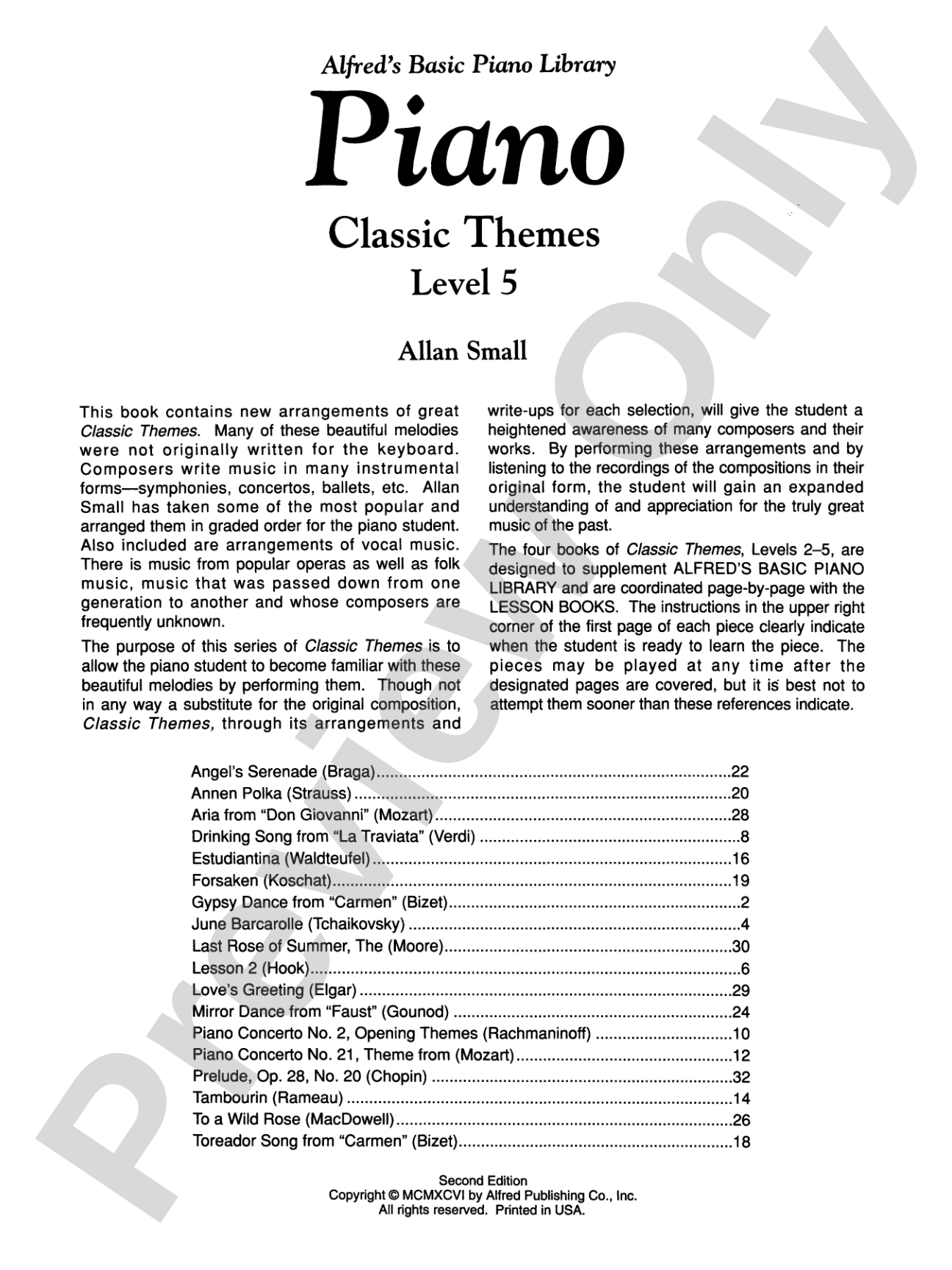
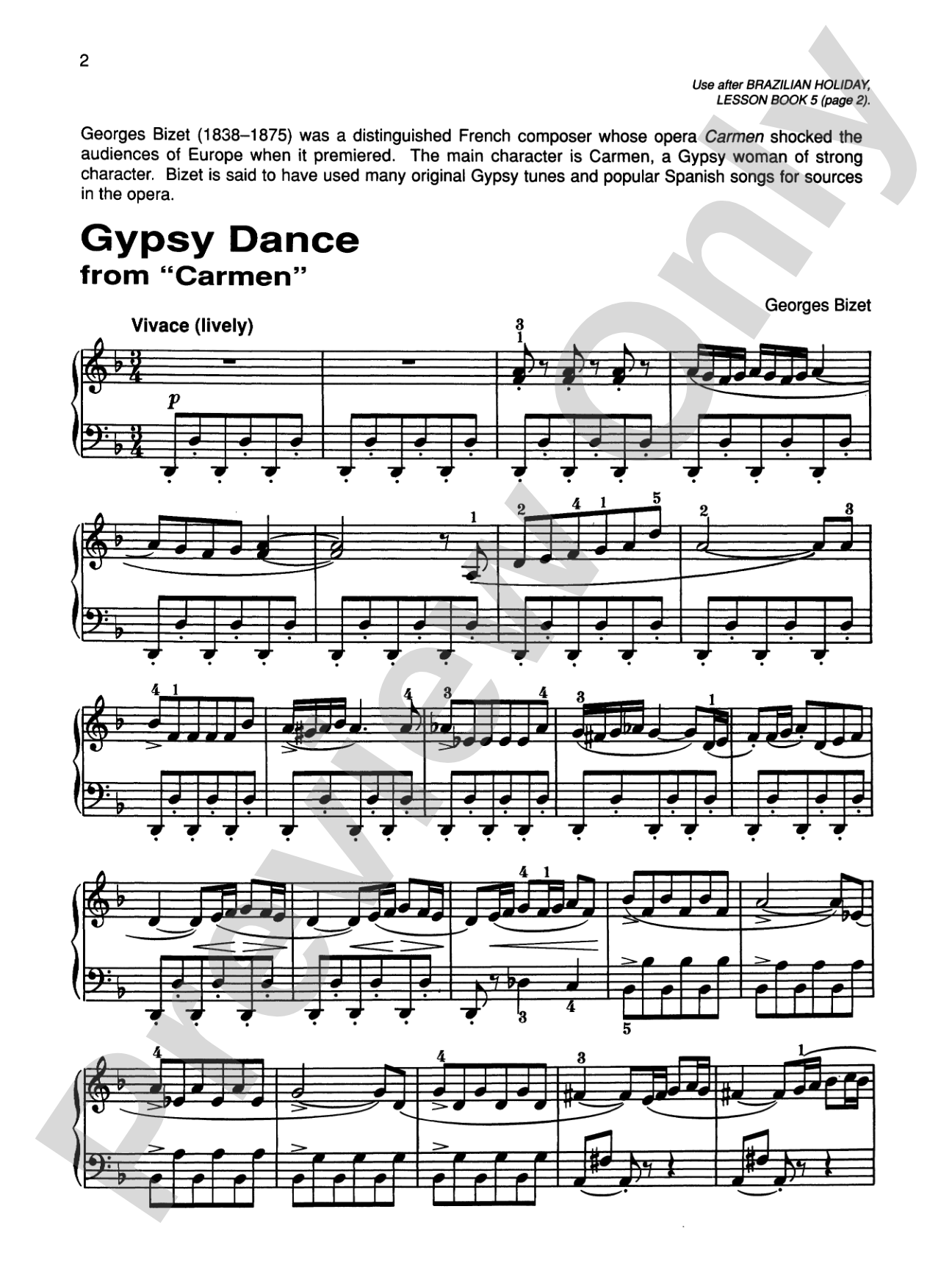
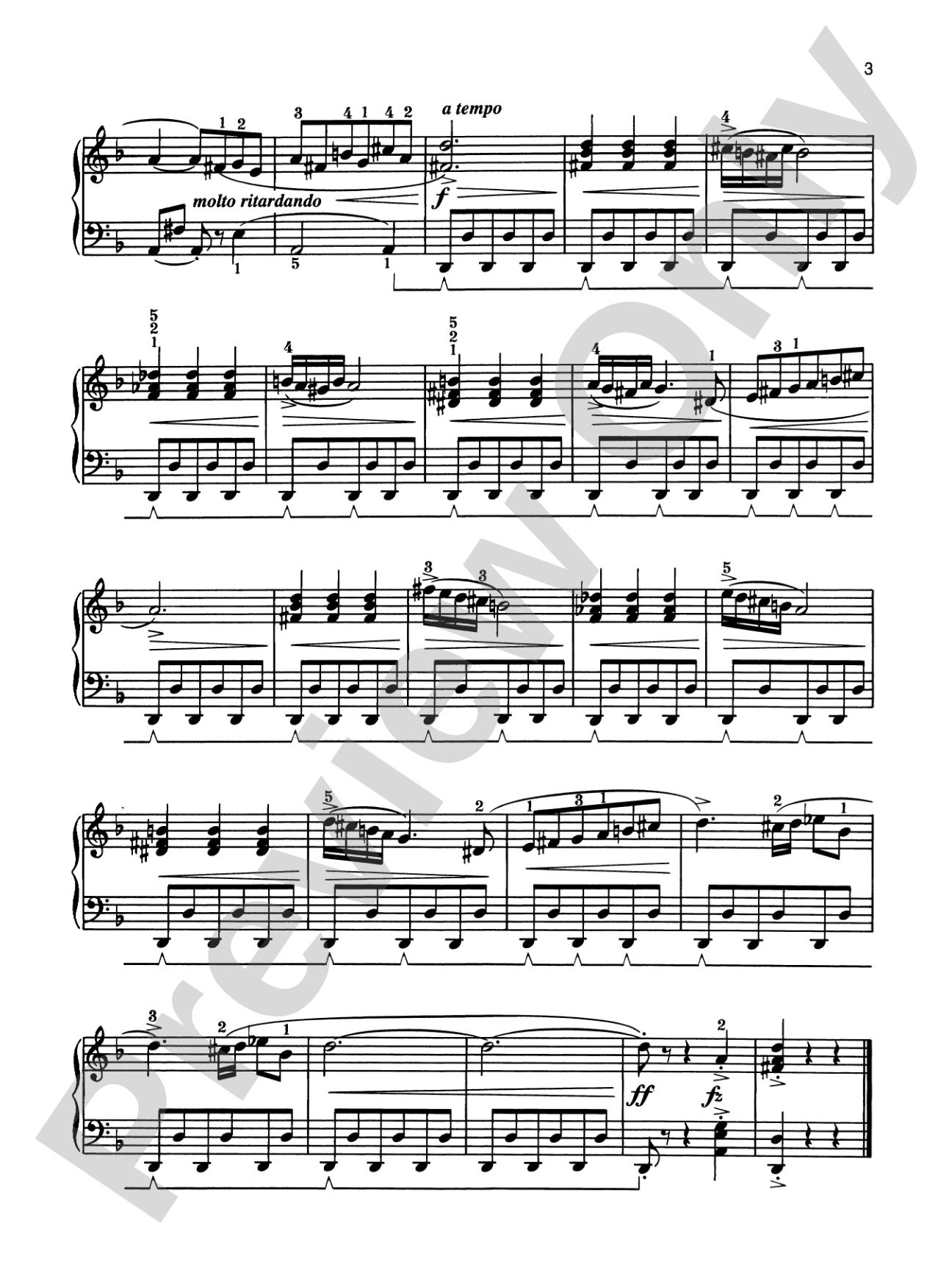
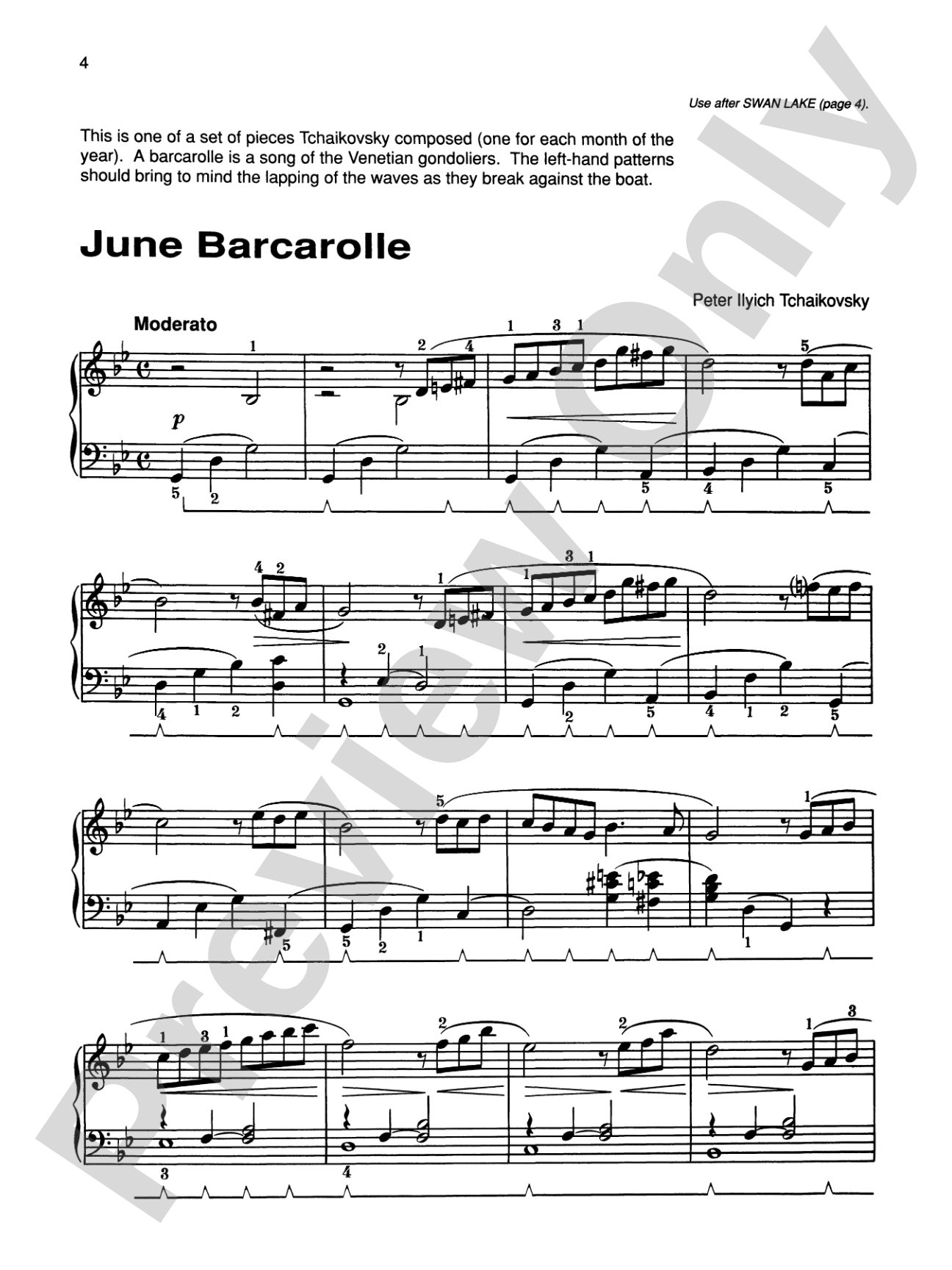
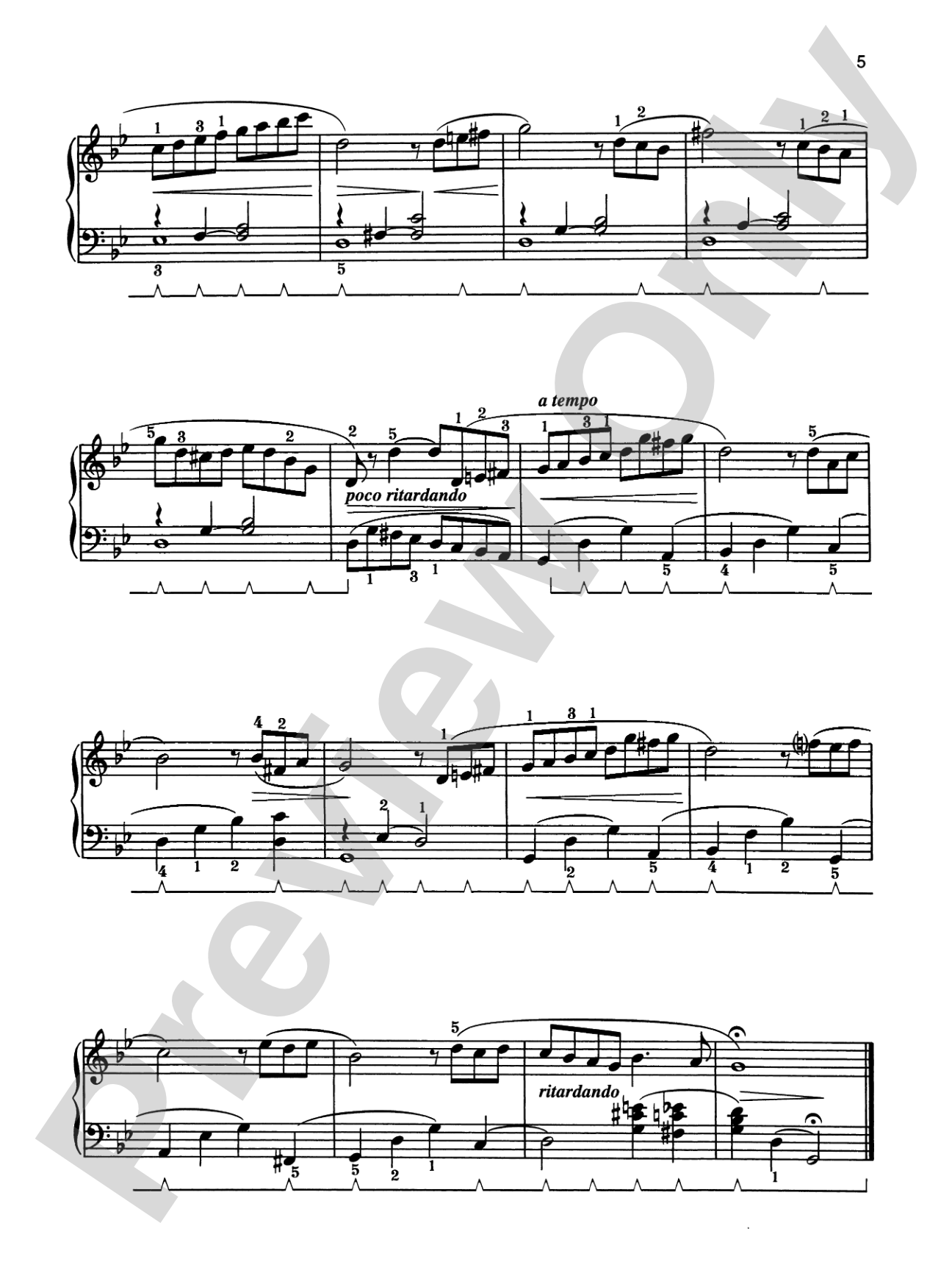
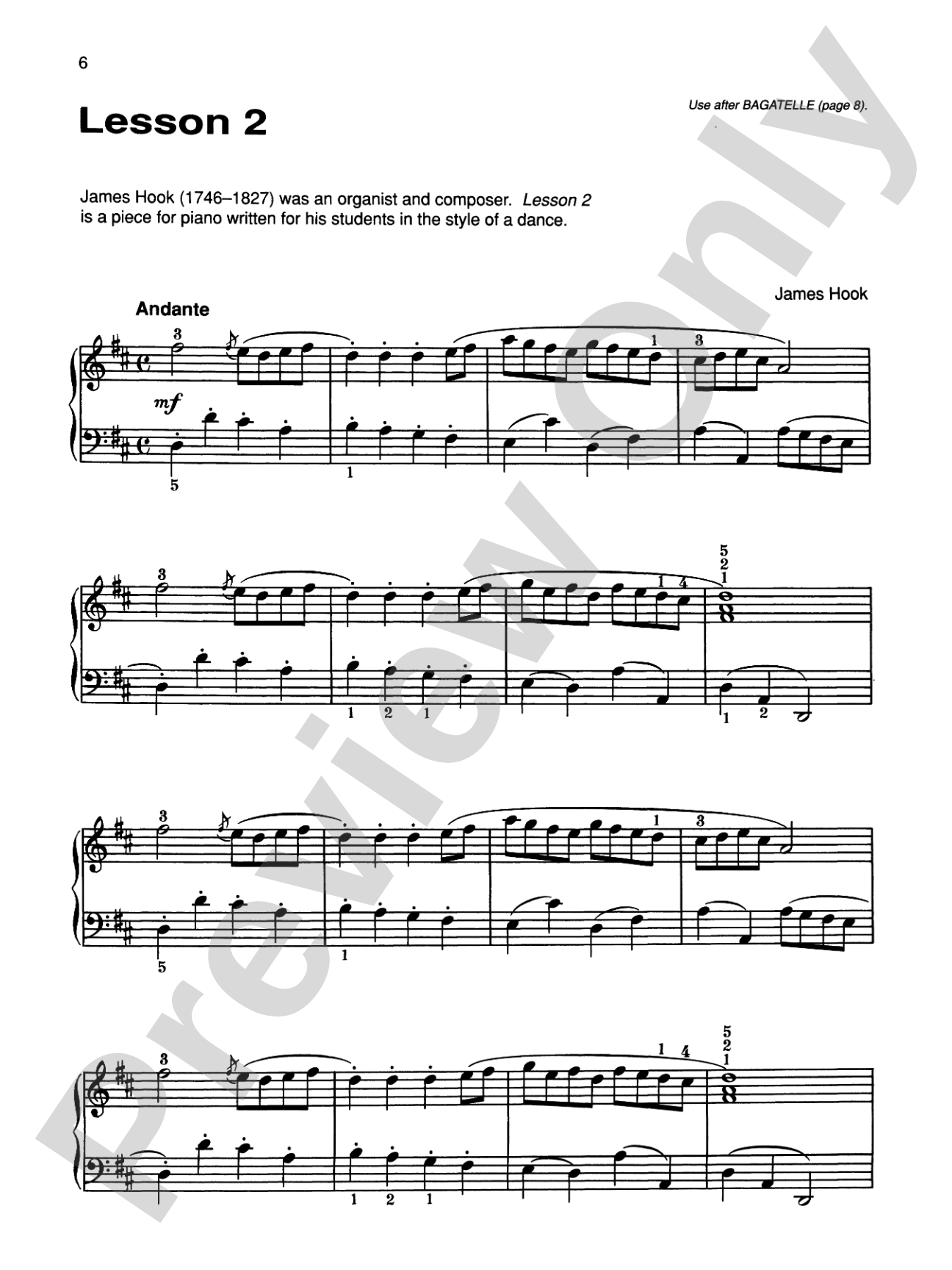
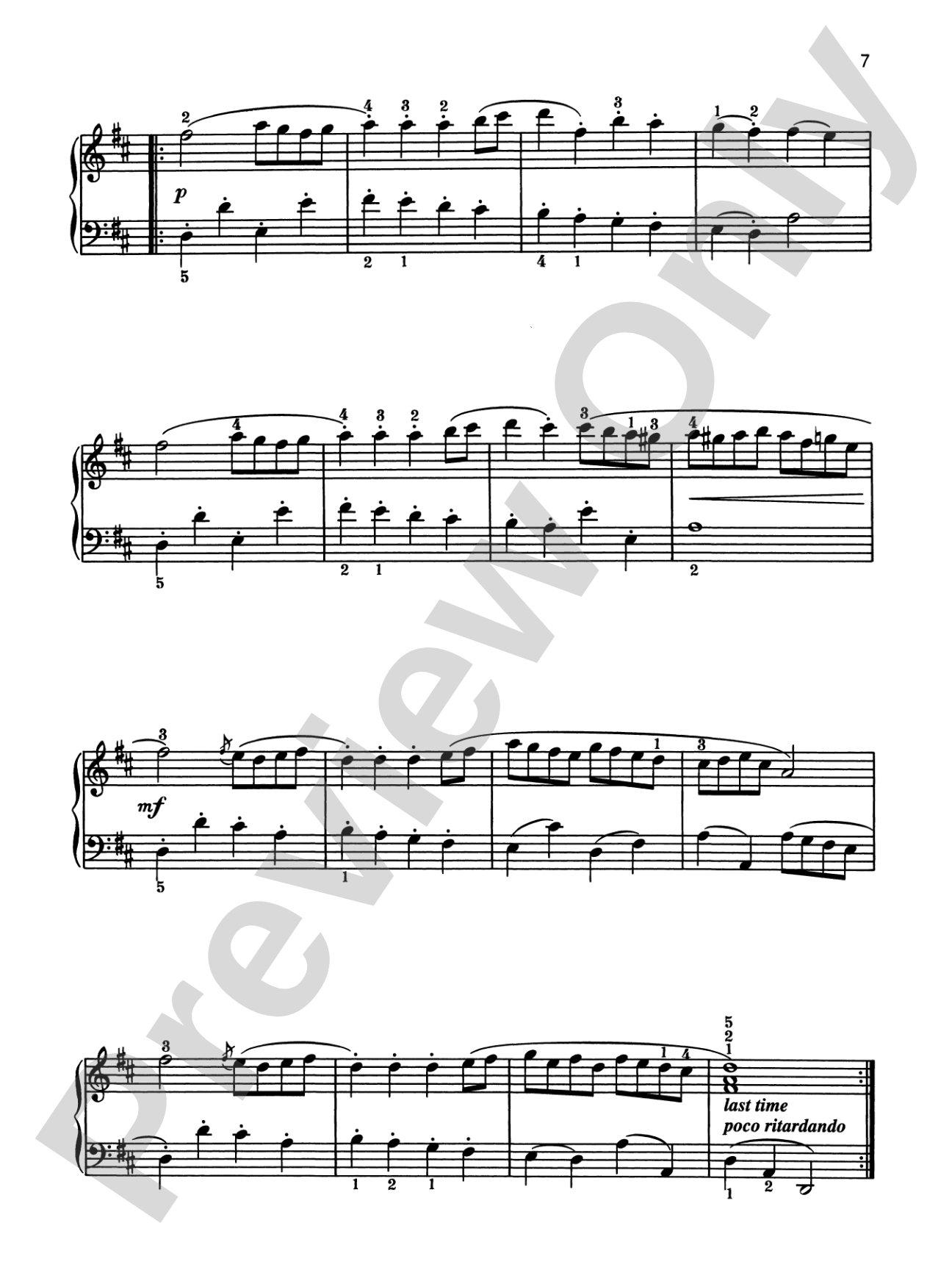
These volumes contain easy-to-play arrangements of great classical melodies. The arrangements allow the music to be introduced to younger students. While designed to correlate with Alfred's Basic Piano Library, Classic Themes may be used with any piano method or instruction course. Titles: Angel's Serenade (Braga) * Annen Polka (Strauss) * Aria from "Don Giovanni" (Mozart) * Drinking Song from "La Traviata" (Verdi) * Estudiantina (Waldteufel) * Forsaken (Koschat) * Gypsy Dance from "Carmen" (Bizet) * June Barcarolle (Tchaikovsky) * The Last Rose of Summer (Moore) * Lesson 2 (Hook) * Love's Greeting (Elgar) * Mirror Dance from "Faust" (Gounod) * Piano Concerto No. 2, Opening Themes (Rachmaninoff) * Piano Concerto No. 21, Theme (Mozart) * Prelude, Op. 28 No. 20 (Chopin) * Tambourin (Rameau) * To a Wild Rose (MacDowell) * Toreador Song from "Carmen" (Bizet).


Discover MakeMusic Cloud: thousands of interactive titles your students can play along with today.
Sample Audio
No sample audio found.
Sample Video
No sample videos found.
Additional Details
Series:
Alfred's Basic Piano Library
Publisher:
Alfred Music
Page Count:
32
SKU:
00-PB-0002215
More about this title
About the Arranger: Allan Small

Allan Small (born Elias Schreibman) came to music through early piano study and hands-on experience playing in Catskill Mountain dance bands before eventually leading his own ensemble at the Arcadia Ballroom in Manhattan. Largely self-directed in the fundamentals of harmony, orchestration, and counterpoint, he built a prolific career arranging for major figures including André Kostelanetz, Morton Gould, and Paul Whiteman; his work for Kostelanetz now resides in the Library of Congress.
Small's publishing legacy began in the 1950s through Schreibman Press, which expanded and eventually became Claire Music before its acquisition by Alfred Music. Beyond his substantial catalog of educational and arranged works, he composed symphonic pieces later in life, conducted and arranged for the Florida Mandolin Orchestra, and pursued painting at the Art Students League. His output across multiple artistic disciplines reflects both technical mastery and a sustained commitment to making serious music accessible.
Why we love this
Small's arrangements preserve the melodic integrity of these masterworks while stripping away unnecessary technical barriers, letting students focus on phrasing and expression rather than wrestling with fingering. The collection moves beyond isolated études into genuine classical literature, which means students experience the satisfaction of playing real music from composers they'll encounter throughout their musical lives. Programming selections from this book creates natural bridges between method work and concert repertoire.
What to expect
Stepping into a concert hall through a student's own hands. These arrangements carry the grandeur and emotional directness of their sources (Tchaikovsky's lyricism, Bizet's theatrical flair, Mozart's elegance) without condescension. Students discover that classical music isn't distant or austere; it's full of memorable melodies, clear structures, and genuine feeling.
Who it's for
Book 5 students in the Alfred's Basic Piano Library sequence who are ready to engage repertoire beyond method exercises, as well as students in other piano curricula working at late elementary to early intermediate levels. Teachers seeking motivating material that demonstrates how much musical literature becomes accessible once fundamental technique solidifies.
How to get the most out of it
- Approach the operatic excerpts (Don Giovanni, La Traviata, Carmen) as vocal lines first; imagine a singer's breath and phrasing even though you're playing keyboard.
- Balance texture in the dances and lighter pieces by letting melody sing while keeping accompaniment crisp but transparent.
- Pay particular attention to tempo markings and style indications; these arrangements succeed when students respect Small's careful attention to character.
- Use the key signatures and time signatures as interpretive guides. The Chopin Prelude in particular requires patience with harmonic rhythm rather than rushing through passages.
How to use it
Build a "Classical Panorama" student recital by selecting contrasting pieces from this book, letting students experience programming choices and concert flow. Alternatively, weave selections throughout the year as rewards for completing method chapters, or pair specific arrangements with listening assignments to deepen understanding of their original contexts. The opera excerpts work particularly well in interdisciplinary units combining music history with literature or drama.
Skills your students will build
- Phrasing across phrase lengths and musical styles
- Reading and interpreting style markings and performance directions
- Translating vocal and orchestral idioms to the keyboard
- Balancing melody and accompaniment textures
- Navigating key signatures from one to five sharps and flats
- Maintaining steady tempos in dances and rhythmically defined pieces
- Voice leading awareness through multi-part writing