

Alfred's Basic Piano Library: Classic Themes Book 4: Piano
Arranged by Allan Small
Level: 4
Item: 00-PB-0002586
$7.99
Pickup currently not available
Related Items
Alfred's Basic Piano Library: Classic Themes Book 4: Piano Book |
$7.99
|
View |
Description
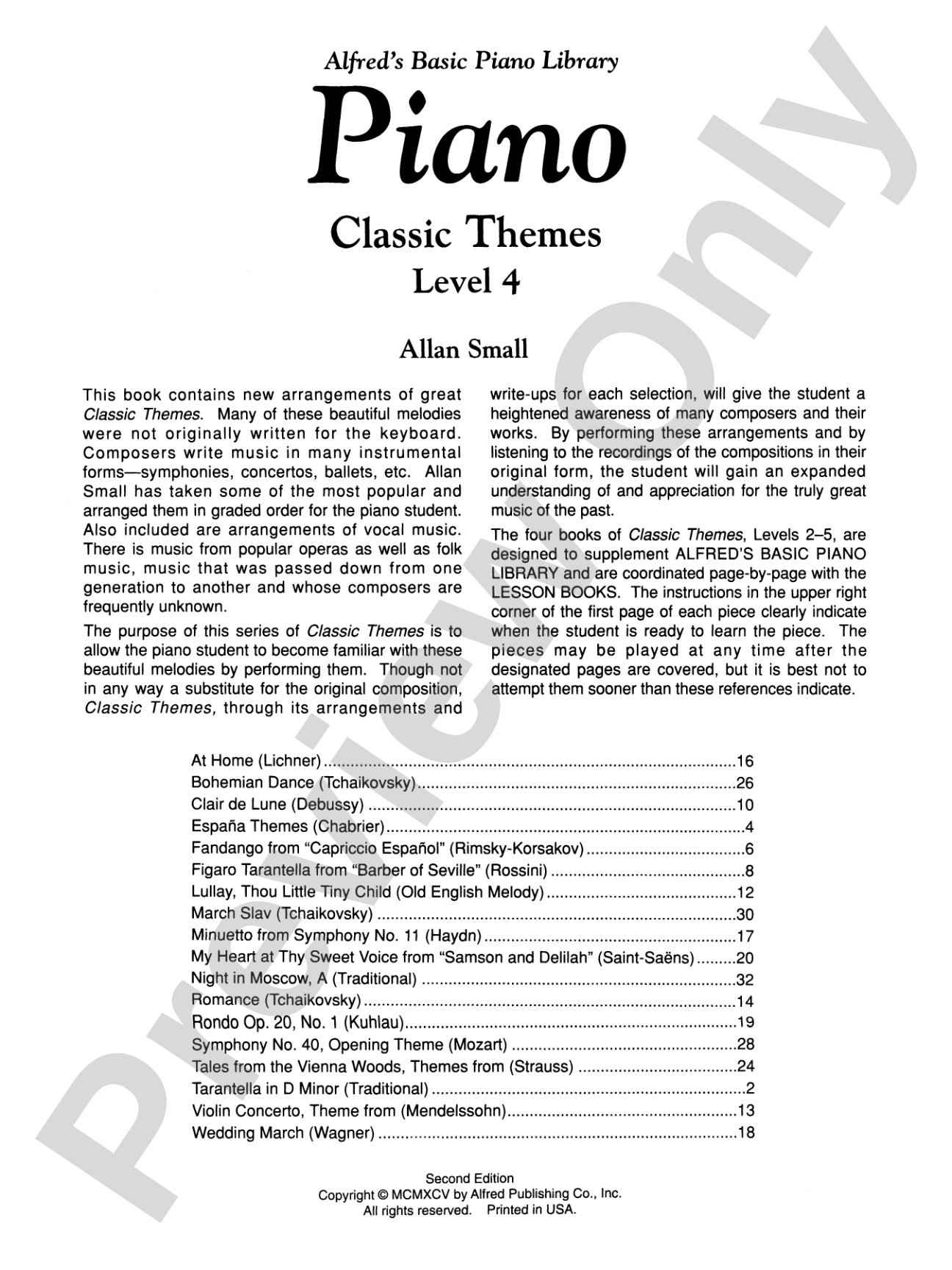
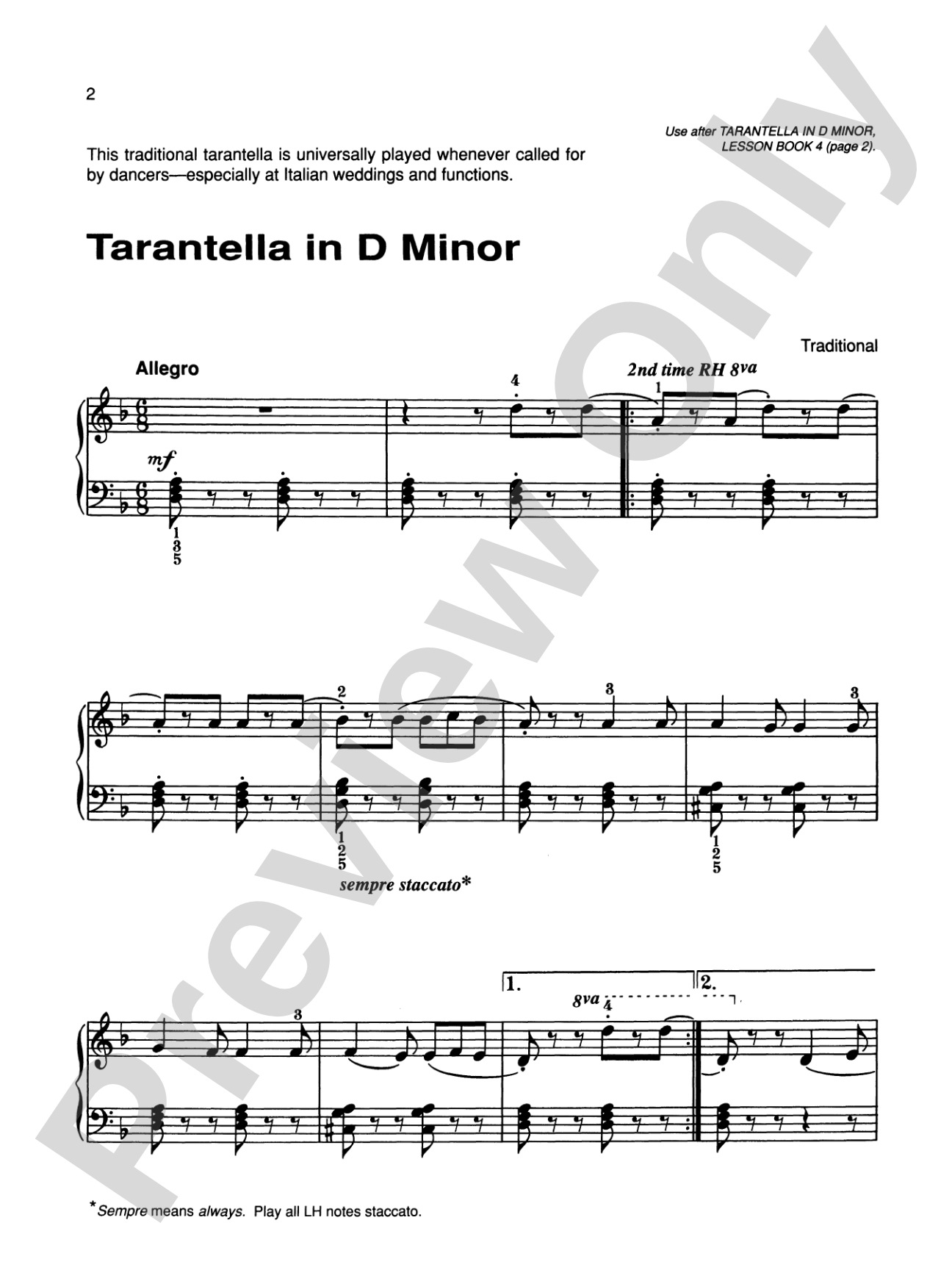
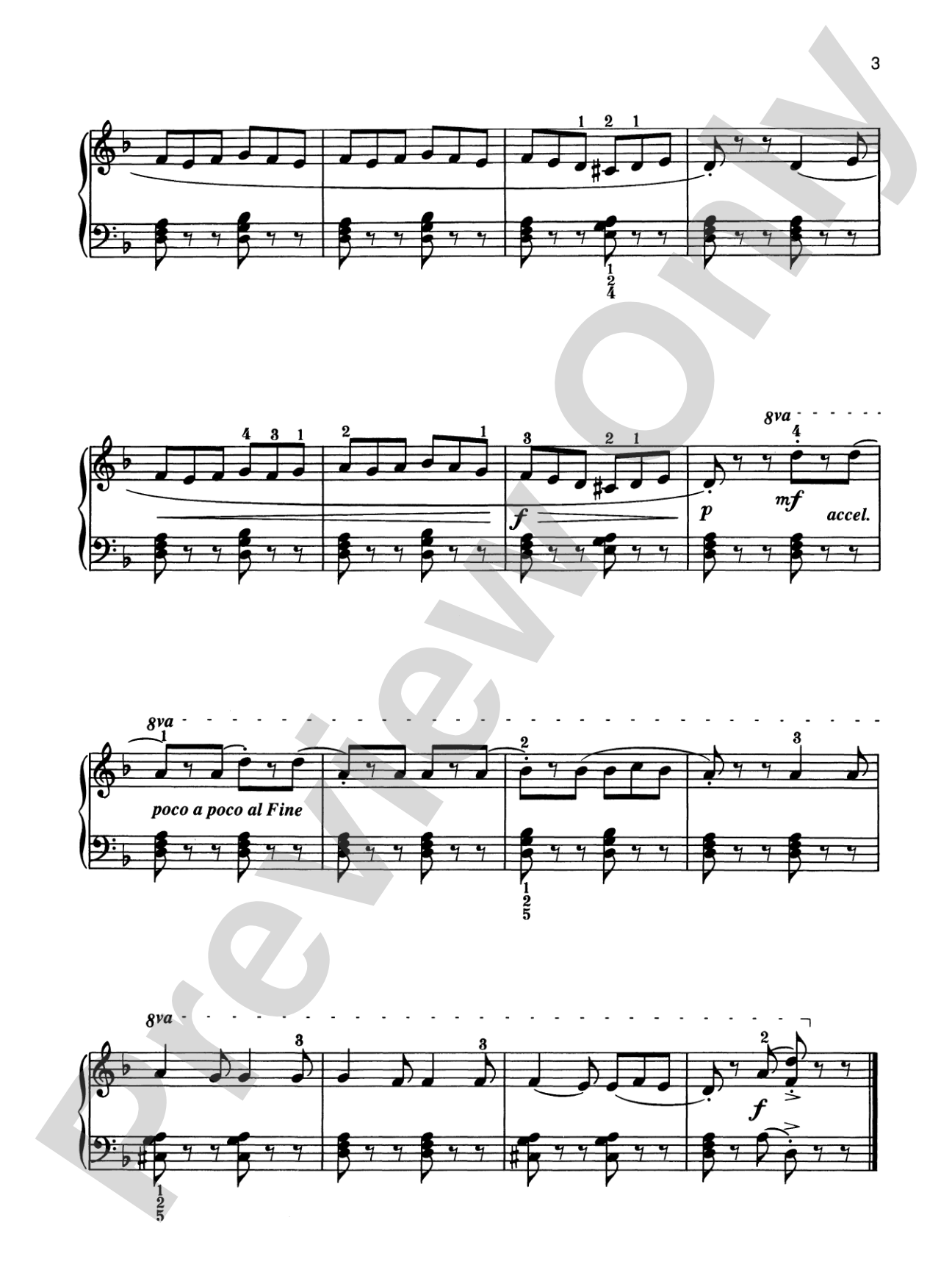
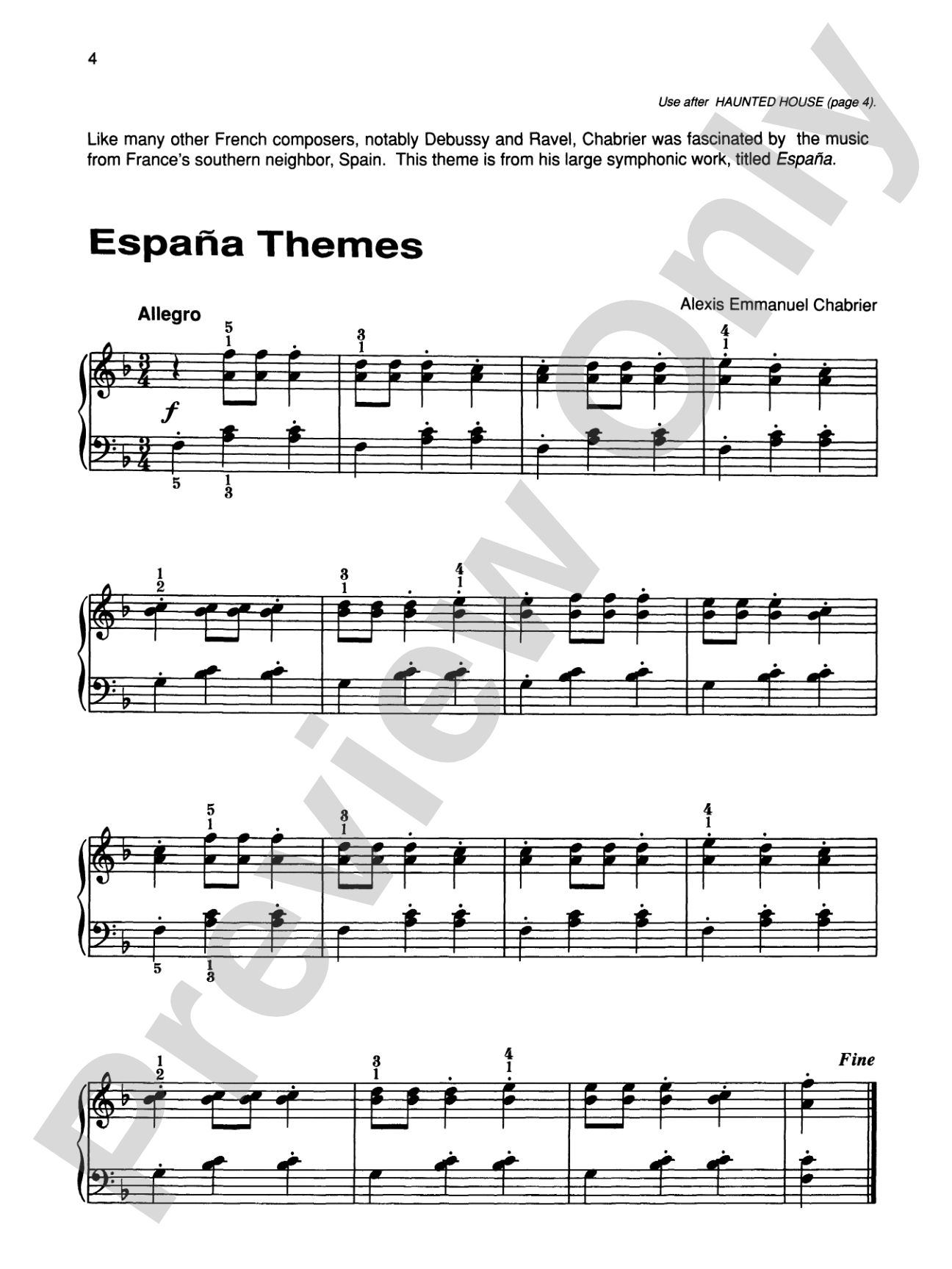
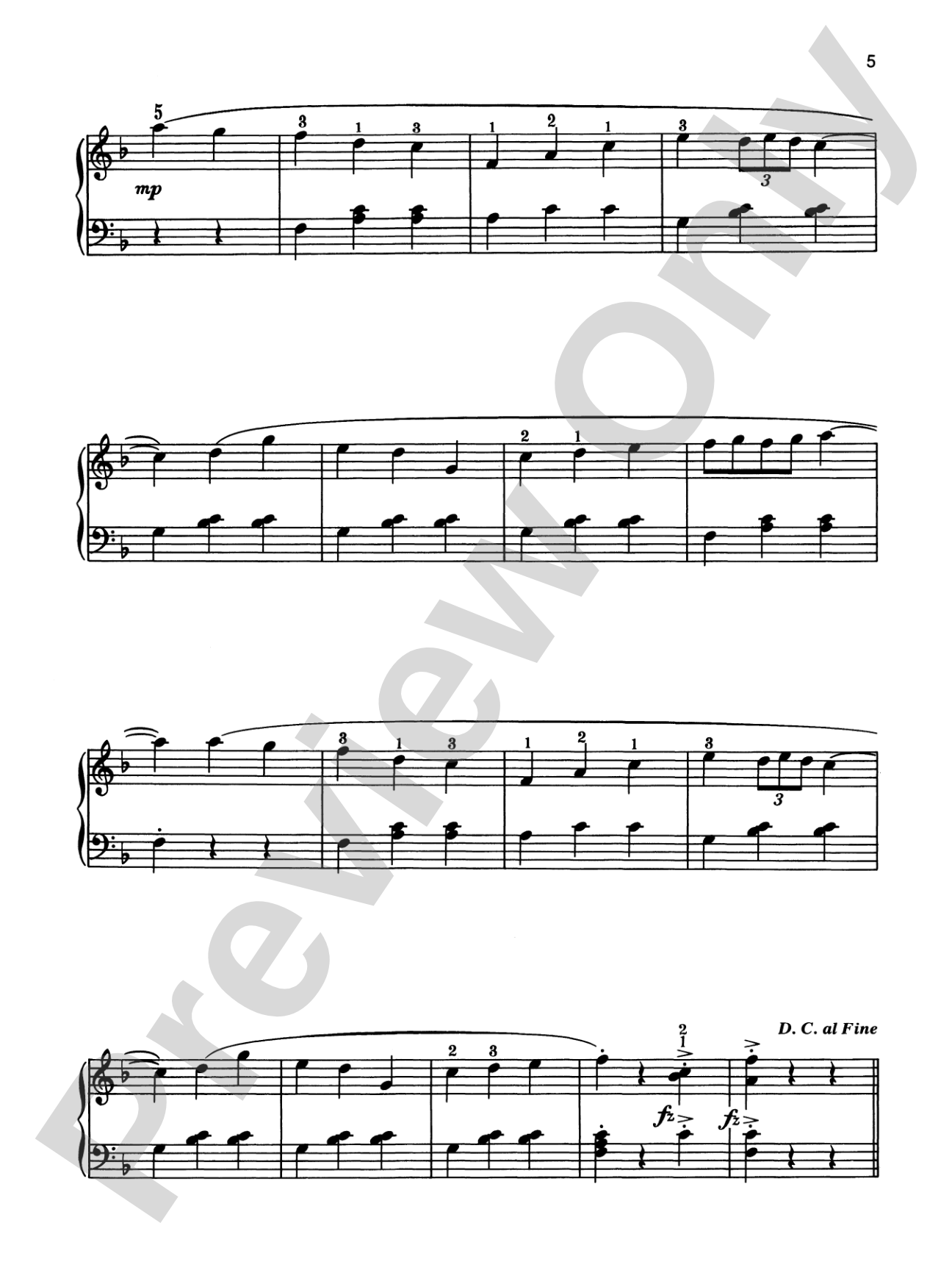
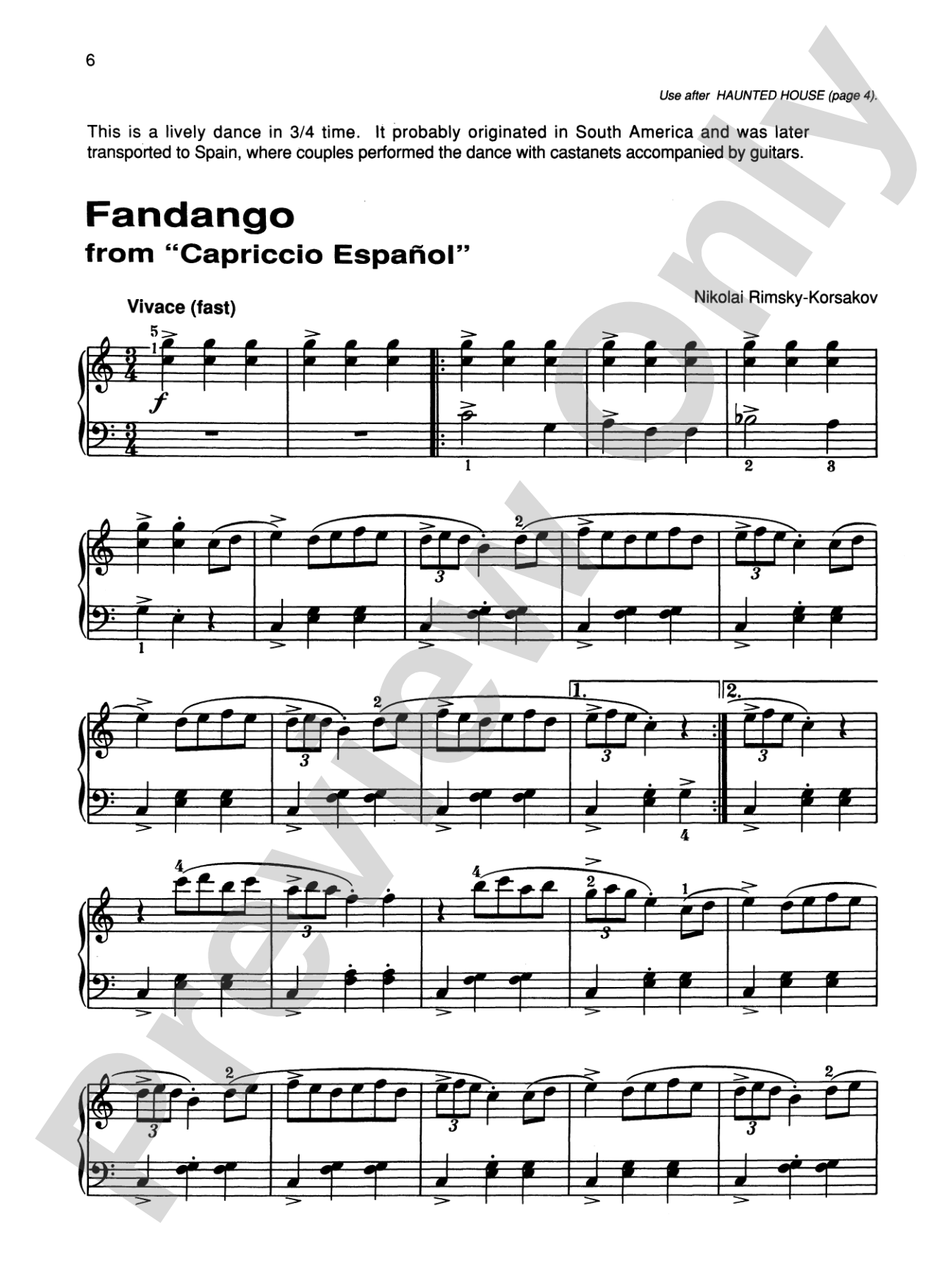
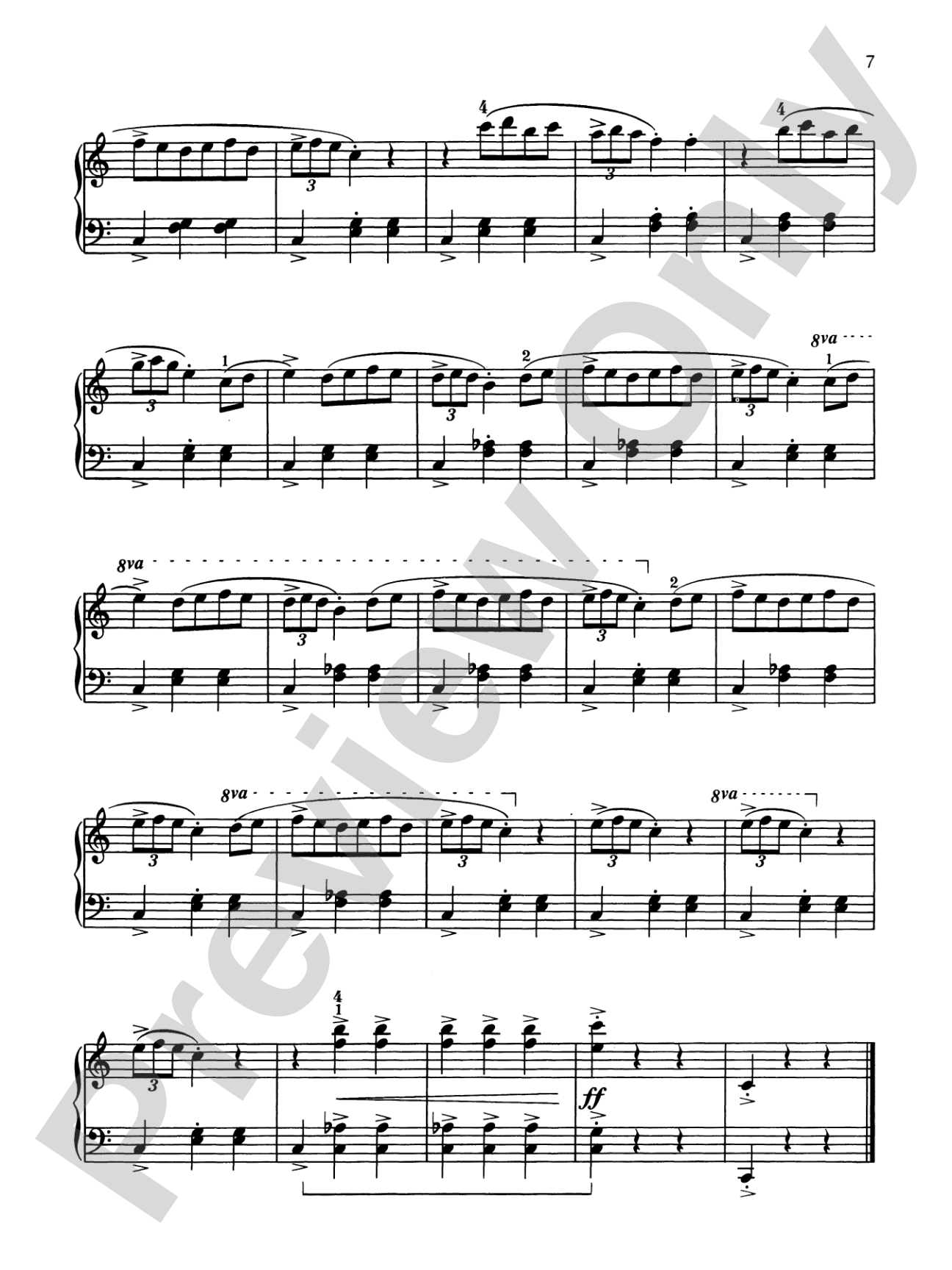
These volumes contain easy-to-play arrangements of great classical melodies. The arrangements allow the music to be introduced to younger students. While designed to correlate with Alfred's Basic Piano Library, Classic Themes may be used with any piano method or instruction course. Titles: At Home * Bohemian Dance (Tchaikovsky) * Clair de Lune (Debussy) * Espana Themes (Chabrier) * Fandango (from "Capriccio Espanol") (Rimsky-Korsakov) * Figar Tarantella (from "barber of Seville") (Rossini) * Lullay, Thou Little Tiny Child * March Slav (Tchaikovsky) * Minuetto (From Symphony No. 11) (Haydn) * My Heart at Thy Sweet Voice (From "Samson and Delilah") (Saint-Saens) * A Night in Moscow * Romance (Tchaikovsky) * Rondo Op. 20, No. 1 (Kuhlau) * Opening Theme from Symphony No. 40 (Mozart) * Theme from Tales from the Vienna Woods (Strauss) * Tarantella in D Minor * Theme from Violin Concerto (Mendelssohn) * Wedding March (Wagner).


Discover MakeMusic Cloud: thousands of interactive titles your students can play along with today.
Sample Audio
No sample audio found.
Sample Video
No sample videos found.
Additional Details
Series:
Alfred's Basic Piano Library
Publisher:
Alfred Music
Page Count:
32
SKU:
00-PB-0002586
More about this title
About the Arranger: Allan Small

Allan Small (born Elias Schreibman) began piano study at eleven and quickly moved into the working world of music, playing summers with dance bands in the Catskills before leading his own ten-piece ensemble at the Arcadia Ballroom in Manhattan. Entirely self-taught in harmony, orchestration, counterpoint, and thematic development, he became a sought-after arranger whose work appeared alongside composers like Andre Kostelanetz, Morton Gould, and Paul Whiteman; his scores for Kostelanetz now reside in the Library of Congress.
Small's prolific publishing career began in the 1950s under his own Schreibman Press, which eventually evolved into Claire Music before being acquired by Alfred Music Publishing. Beyond his thirty-plus arrangements and compositions for Alfred, he composed symphonies published by Carl Fischer, wrote for the Florida Mandolin Orchestra and Utopia String Ensemble, and remained active in professional musician organizations. A painter as well as musician, Small's dual artistic practice defined a career of quiet craftsmanship that shaped music education for generations.
Why we love this
Small's ear for what works under young fingers shines throughout this collection. Every arrangement respects the melodic integrity of the original while stripping away unnecessary complications, letting students experience masterworks without fighting the page. The mix of familiar Romantic standards, character pieces, and opera themes gives Book 4 students real repertoire to love, not just studies in disguise.
What to expect
Opening this book feels like stepping into a grand concert hall where the acoustics have been perfectly adjusted for smaller hands. Each piece unfolds with melodic generosity and emotional directness, from the intimate tenderness of Debussy's Clair de Lune to the spirited dance energy of Rossini and Tchaikovsky. There's genuine artistry here, not compromise.
Who it's for
Students working through Level 4 of Alfred's Basic Piano Library or equivalent method books who are ready to encounter the world's great composers without overwhelming technical demands. Teachers seeking repertoire that motivates students by offering recognizable, genuinely beautiful music alongside their method work.
How to get the most out of it
- Balance the melody prominently in the right hand while keeping left-hand accompaniment clean and rhythmically steady; this is where many younger players rush without support underneath.
- Approach the Russian and Spanish-flavored pieces (March Slav, Fandango, Espana Themes) with rhythmic confidence rather than timidity; these benefit from a touch of character and drama even at this level.
- Pay attention to phrasing marks and dynamics as cues for shaping; Small's arrangements embed the emotional arc of each piece in these details rather than technical complexity.
How to use it
Assign these pieces as solo recital material for festival competitions or school concerts, pairing pieces from different cultural traditions to create thematic programs. They work beautifully as supplementary repertoire during method book study, giving students immediate access to composers they'll encounter more deeply in later years.
Skills your students will build
- Playing multi-voice textures with clarity (melody against accompaniment)
- Identifying and executing period-appropriate phrasing and articulation
- Managing tempo consistency in moderately flowing pieces without constant teacher support
- Responding to dynamic contrast and structural form across varied musical styles
- Building repertoire familiarity with canonical composers across Baroque, Classical, and Romantic periods