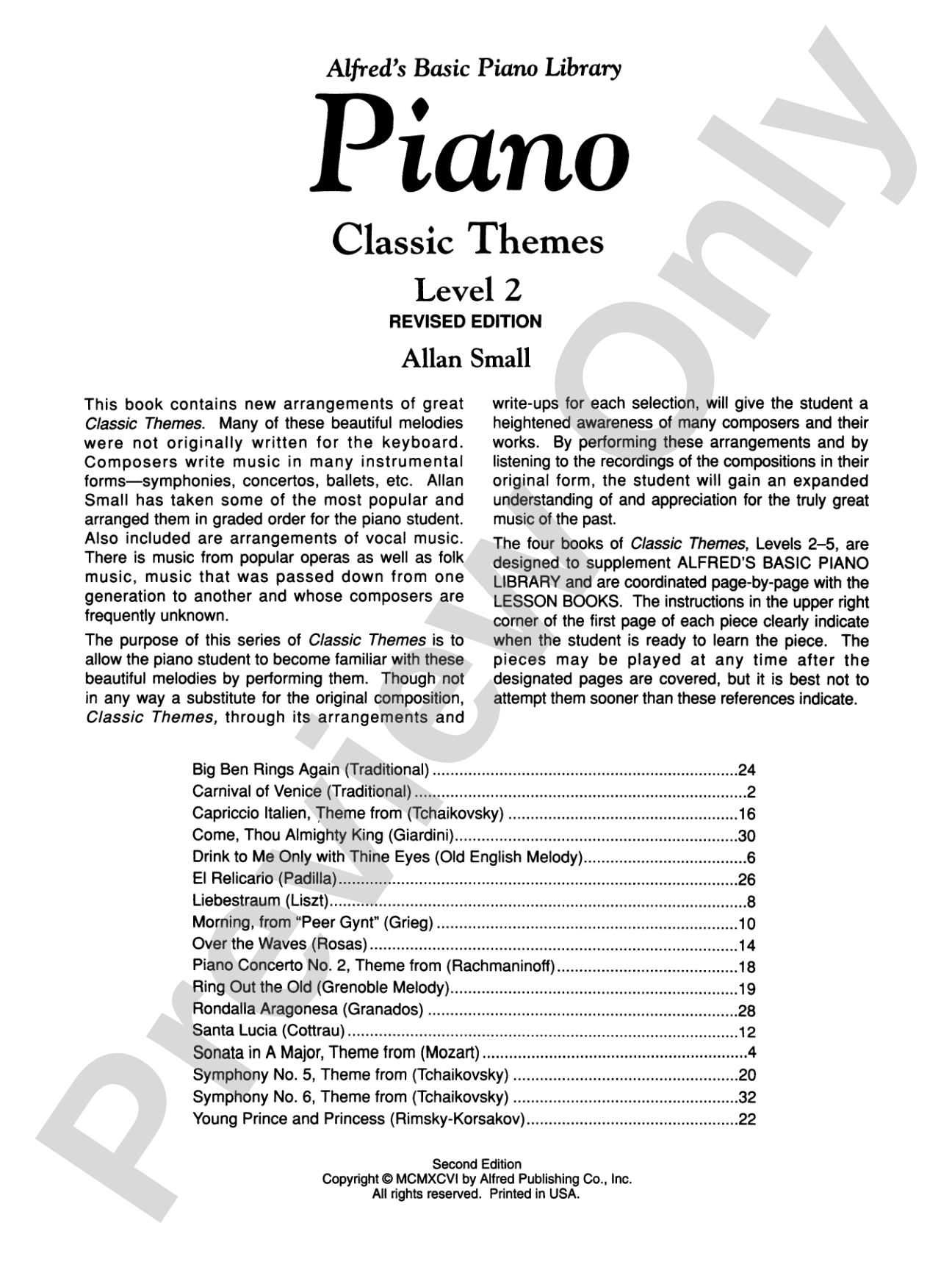
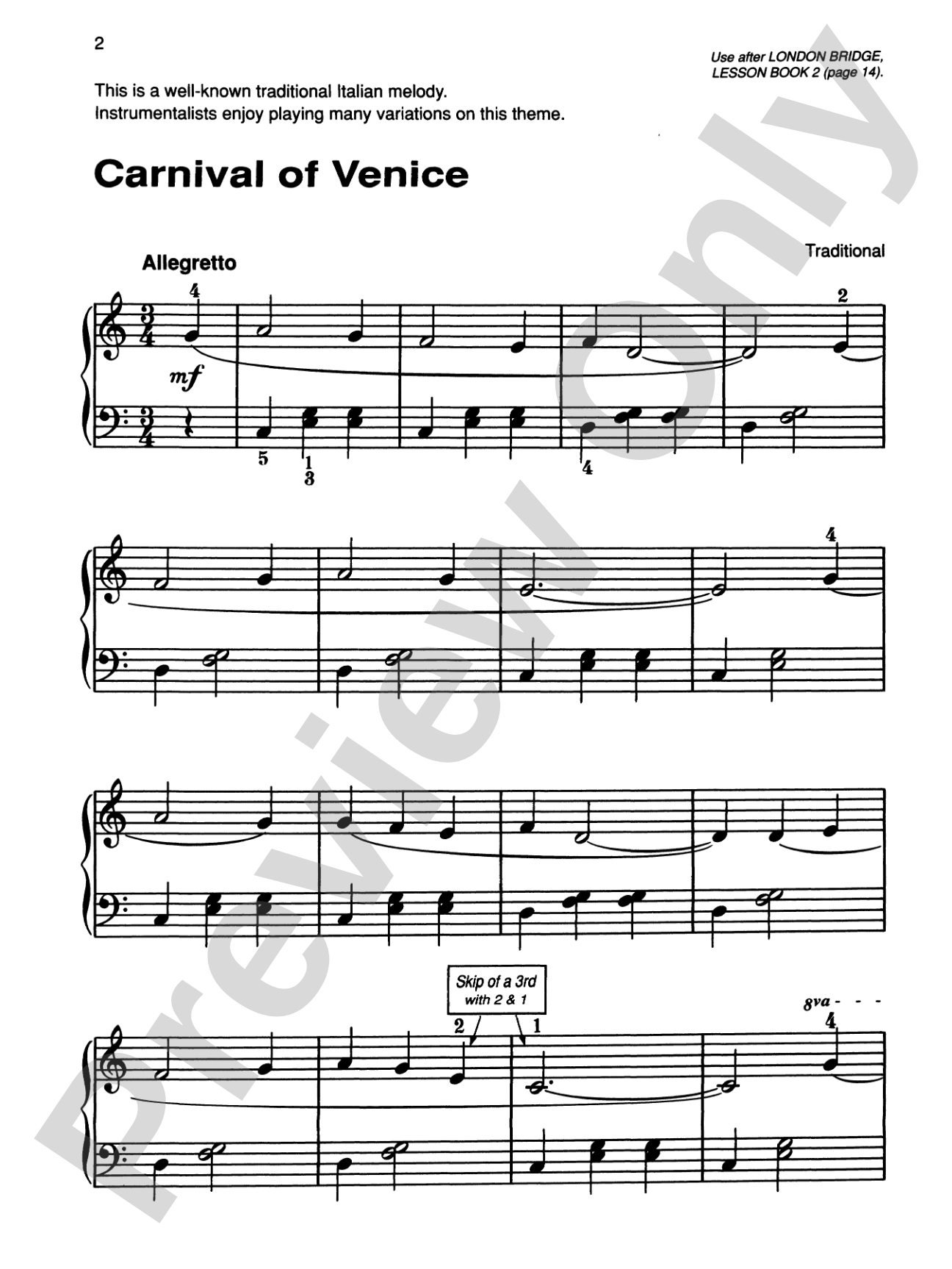
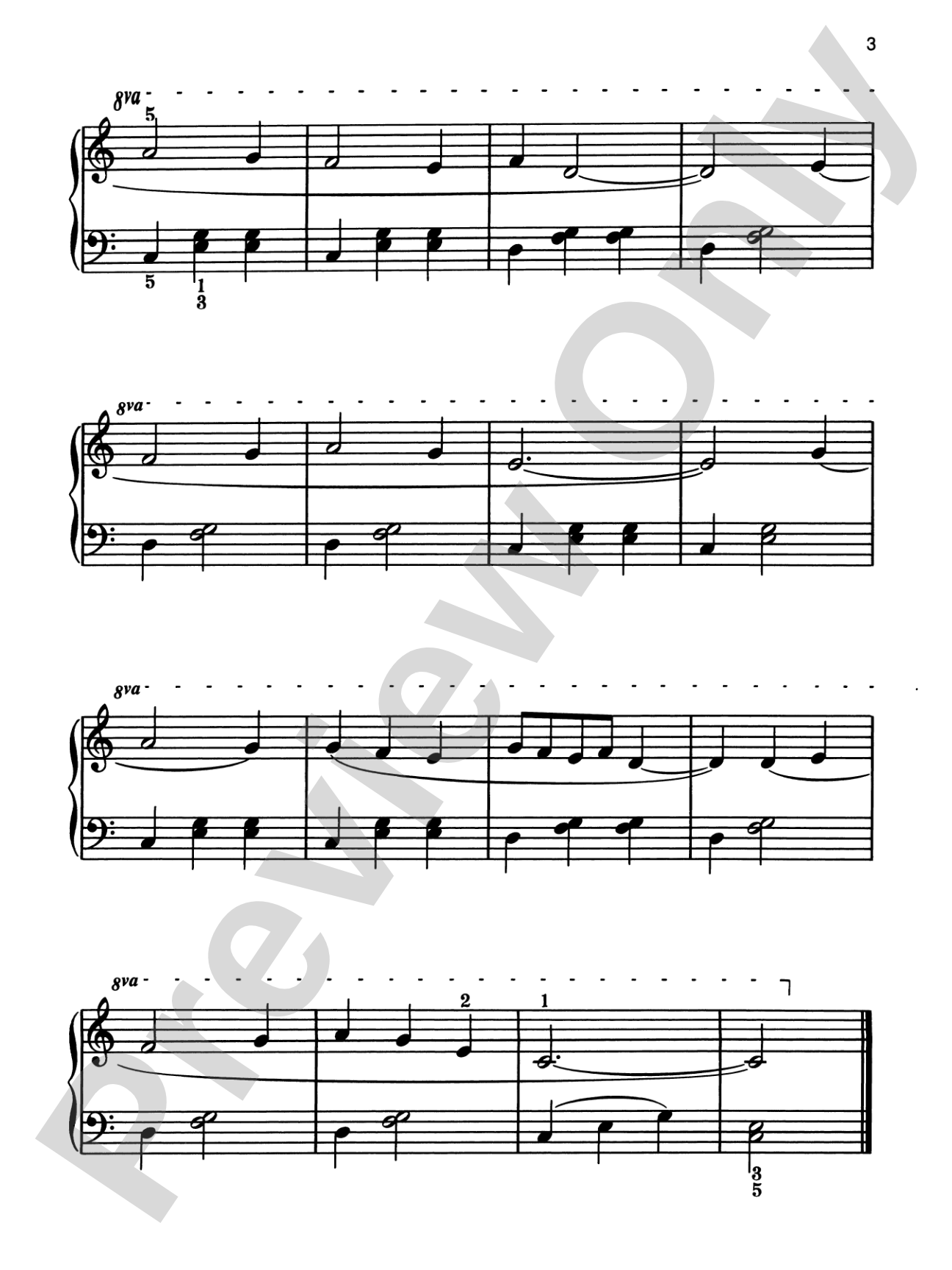
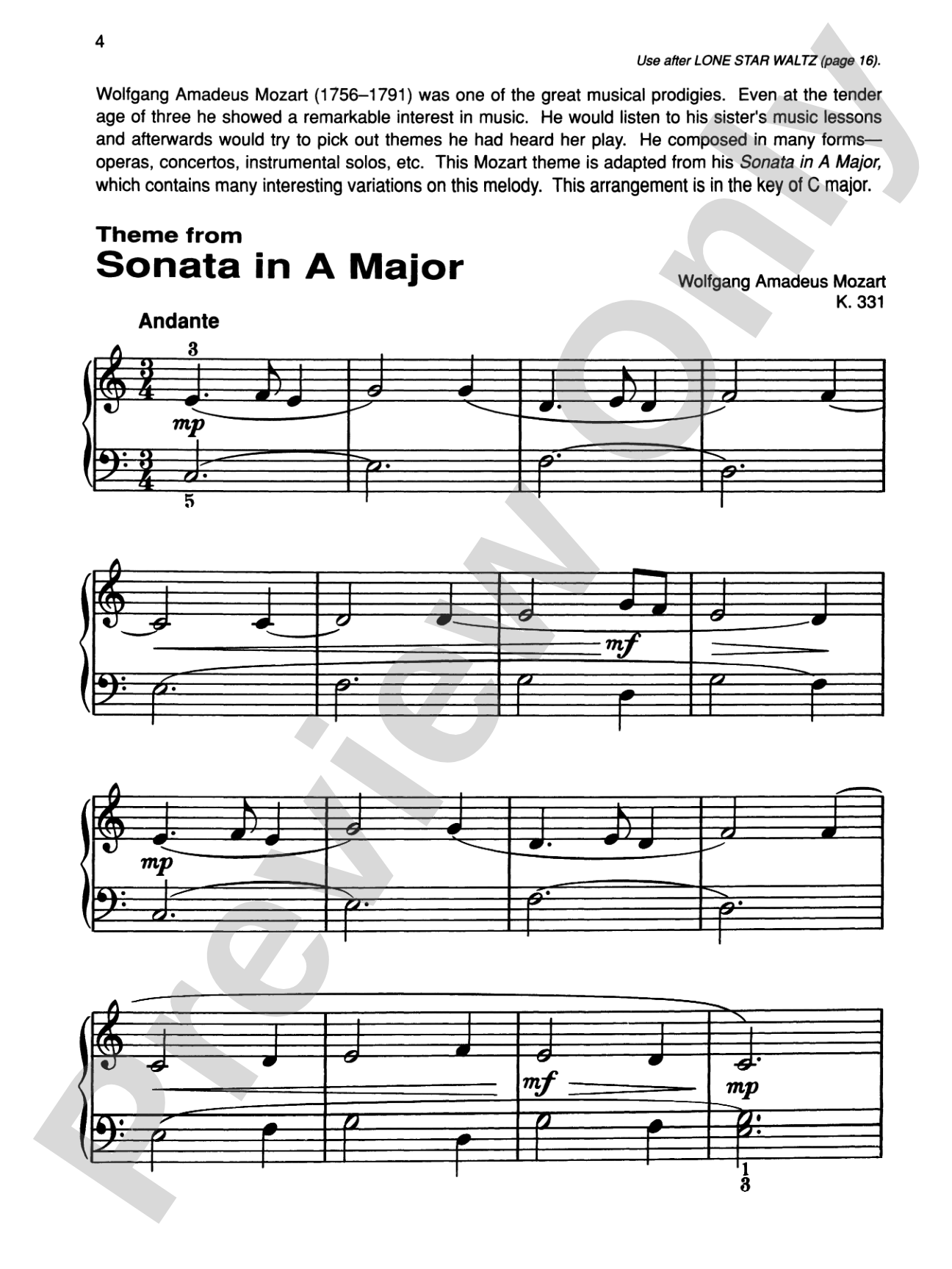
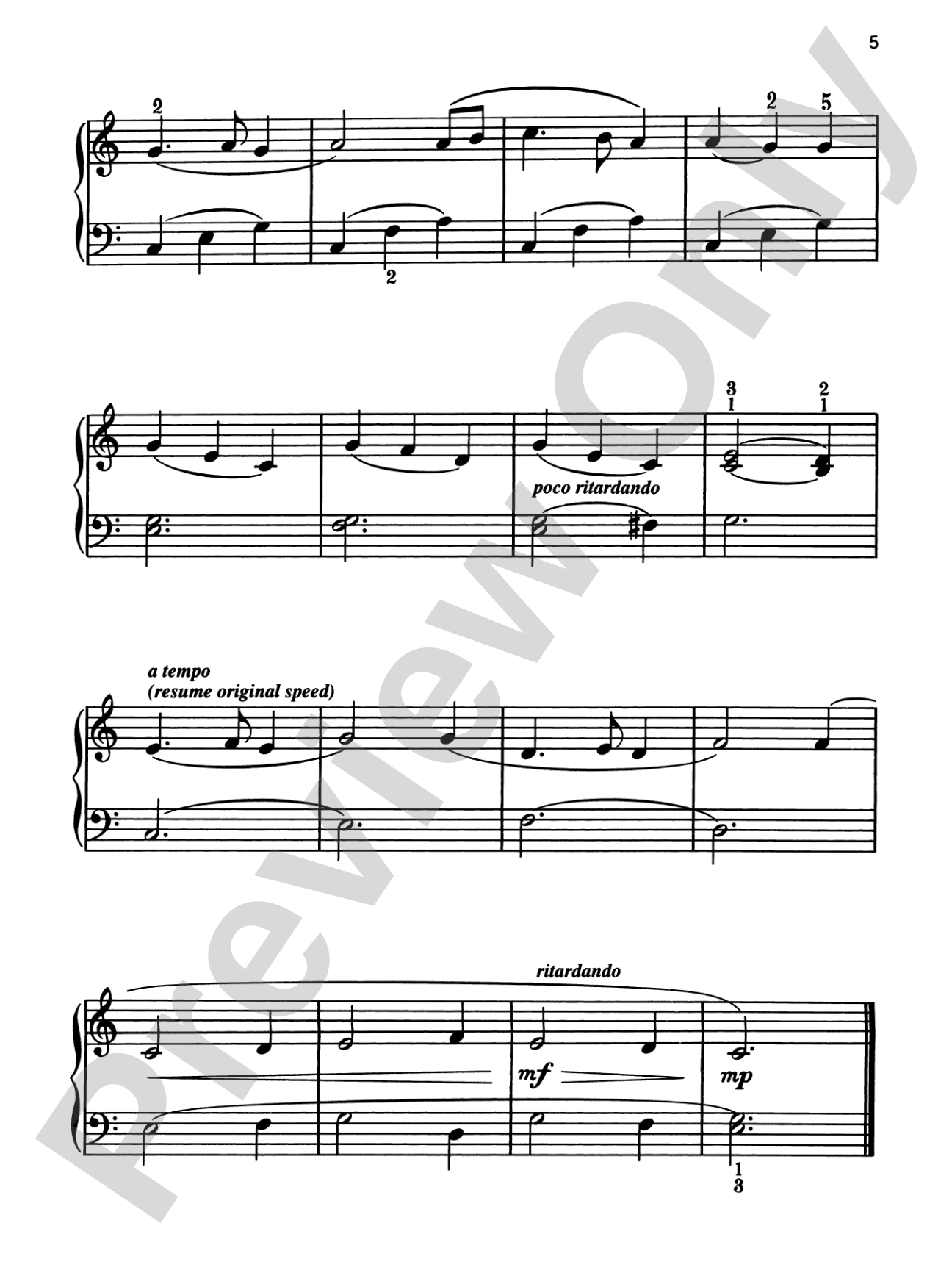
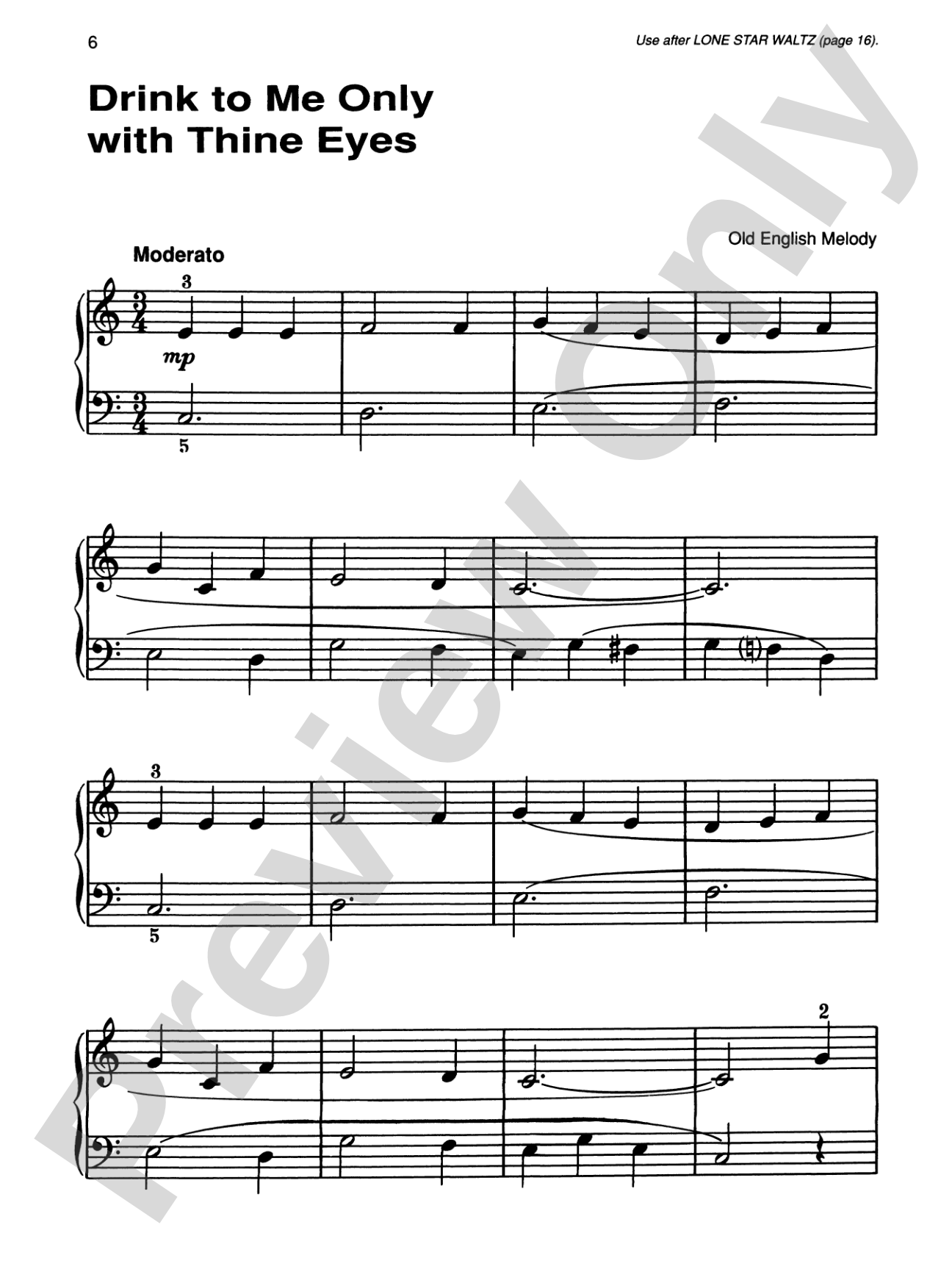
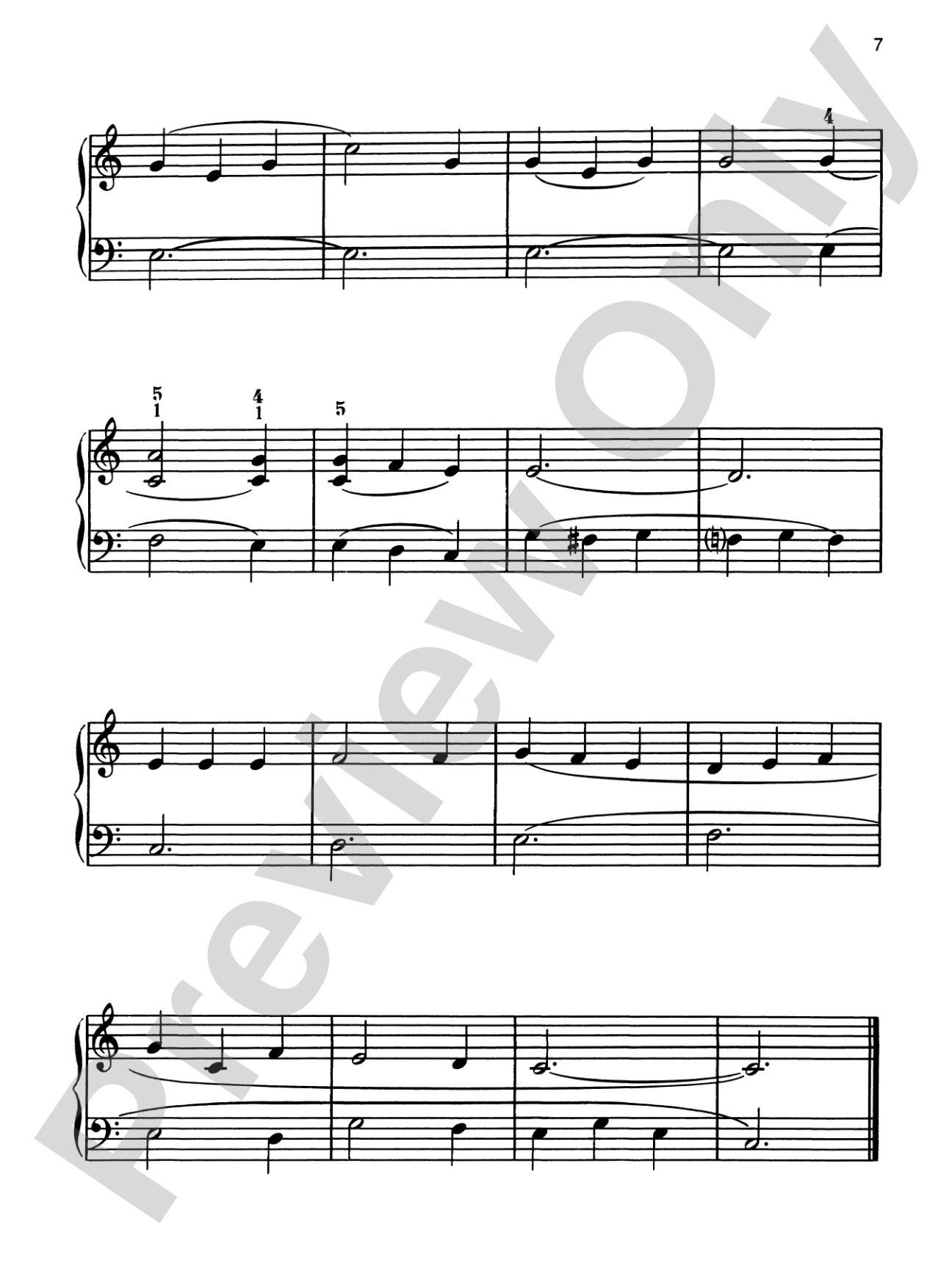
These volumes contain easy-to-play arrangements of great classical melodies. The arrangements allow the music to be introduced to younger students. While designed to correlate with Alfred's Basic Piano Library, Classic Themes may be used with any piano method or instruction course. Titles: Big Ben Rings Again * Carnival of Venice * Theme from Capriccio Italien * Come, Thou Almighty King * Drink to Me Only with Thine Eyes * El Relicario * Liebestraum * Morning Mood (from "Peer Gynt") * Over the Waves * Theme from Piano Concerto No. 2 (Rachmaninoff) * Ring Out the Old * Rondalla Aragonesa * Santa Lucia * Theme from Sonata in A Major (Mozart) * Theme from Symphony No. 5 (Tchaikovsky) * Theme from Symphony No. 6 (Tchaikovsky) * Young Prince and Princess (Rimsky-Korsakov).
Discover MakeMusic Cloud: thousands of interactive titles your students can play along with today.
Allan Small (born Elias Schreibman) trained as a pianist from age 11 and spent years performing in Catskill Mountain hotels before directing his own ten-piece band at the Arcadia Ballroom in New York City. Largely self-taught in harmony, orchestration, counterpoint, and thematic development, he became a prolific arranger whose work appeared in Broadway productions, major record labels, and scores for prominent conductors like André Kostelanetz (whose archives now reside in the Library of Congress).
During the 1950s and 1960s, Small established himself as both a piano teacher and publisher under Schreibman Press, a venture that eventually became Claire Music before Alfred Music acquired it. After retiring from active arranging, he composed symphonic works published by Carl Fischer, conducted the Florida Mandolin Orchestra, and contributed original compositions to chamber ensembles. Small remained active in the American Federation of Musicians and ASCAP throughout his career and was also an accomplished painter trained at the Art Students League in New York.
Why we love this
Small's arrangements sit at the sweet spot between cultural substance and genuine accessibility. Each piece emerges from the keyboard with the melodic clarity of the original while the accompaniment remains straightforward enough that second-year students can focus on singing the line rather than wrestling the notes.
What to expect
Opening this book feels like being invited into a concert hall through a side door. The melodies are unmistakably grand and famous, yet the pages never intimidate. There's warmth throughout, a sense that these beloved themes have been carefully protected rather than simplified.
Who it's for
Early intermediate pianists working through their second year of study who are ready to encounter real repertoire beyond method books. These arrangements also serve teachers building a bridge from elementary instruction toward the larger classical canon.
How to get the most out of it
Balance melody with accompaniment by keeping hands independent. The left hand should support without overshadowing, even when the harmonic movement becomes more active.
Pedal judiciously in the theme sections. Many of these melodies bloom with just the right amount of resonance, but too much blur obscures the classical origins.
Shape each phrase with a small ritardando approaching the cadence. These transcriptions benefit from the breathing room that gives them weight and intention.
Listen carefully to rubato in the accompaniment. Small often writes gentle rhythmic flexibility into the harmony that mirrors the lyrical quality of the theme itself.
How to use it
Schedule individual pieces across a spring or winter recital program to showcase progression without clustering all arrangements together. A single theme from this collection can anchor a mixed program of method pieces and original compositions, signaling to parents and peers that their student is engaging with serious music.
Skills your students will build
Reading key signatures through five sharps and flats
Maintaining independence between melody and accompaniment
Identifying and executing period-appropriate articulation and phrasing
Handling compound rhythms and dotted figures with accuracy
Recognizing thematic material and understanding its function across phrase boundaries
Transferring pedal technique from practice context to performance
You May Also Like
Scan to Complete Your Purchase
Use your phone's camera to scan the code below
You'll log in on your phone and the order will be added to your account