Alfred's Basic Group Piano Course, Book 3  Cover Image

Alfred's Basic Group Piano Course, Book 3: Digital Audio Download

$14.95 USD
Sale price  $14.95 USD Regular price 
Skip to product information
Alfred's Basic Group Piano Course, Book 3  Cover Image

Alfred's Basic Group Piano Course, Book 3: Digital Audio Download

By Willard A. Palmer, Morton Manus, and Amanda Vick Lethco

Level: 3

Item: 00-AA-0000211

$14.95
Digital Download
Description

Alfred's Basic Group Piano Course, Book 3: Digital Audio Download isn't in MakeMusic Cloud just yet...but it could be. Let us know you'd like to see it, and you'll help shape what comes next. In the meantime, start a free trial and dive into thousands of interactive titles your students can play along with today.

Sample Pages

No sample pages found.

Sample Audio
1 Disc 1 - Track 01 --:--
2 Disc 1 - Track 02 --:--
3 Disc 1 - Track 03 --:--

Disc 1 - Track 01

0:00
0:00
Sample Video
Additional Details
Series: Alfred's Basic Piano Library
Publisher: Alfred Music
SKU: 00-AA-0000211

More about this title

About the Composer: Willard A. Palmer
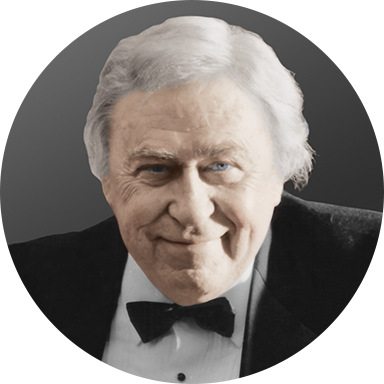
Willard A. Palmer

Willard A. Palmer's career spanned decades as both a prolific composer and innovative educator. A child prodigy who performed piano on radio at thirteen, he went on to study at the Conservatory of Leipzig and eventually joined the University of Houston faculty, where he pioneered the first successful college-level accordion courses. His output exceeded 789 published works across multiple instruments and genres, translated into German, Japanese, French, Dutch, and Spanish.

Palmer's scholarly work in Baroque music ornamentation earned him international recognition and formed the foundation for Alfred's acclaimed Masterworks series. As director of the Riemenschneider Bach Institute and a meticulous researcher, he brought both technical mastery and pedagogical insight to his teaching methods. His contributions to music education and musicological research were honored with Doctor of Humanities and Doctor of Music degrees.

Why we love this

Book 3 represents a carefully calibrated next step where students transition from foundational concepts to real musicianship. The sequencing integrates technique, theory, and repertoire so naturally that students hardly notice they're building sophistication. The digital audio component removes the logistics barrier of live accompaniment while maintaining the ensemble experience that keeps group piano engaging.

What to expect

The pieces strike a balance between the familiar and the newly challenging. Melodies become more expressive and less constrained by five-finger patterns, while harmonies gain color without overwhelming left-hand technique. There's a sense of genuine accomplishment as students hear themselves making real music rather than working through exercises.

Who it's for

Group piano classes at the intermediate level, community music centers, and individual students ready to move beyond basic fundamentals but not yet working with advanced repertoire. Teachers managing mixed-ability groups will find Book 3's structured progression keeps everyone moving forward without overwhelming.

How to get the most out of it

  • Encourage students to listen through the full accompaniment track before playing with it, familiarizing themselves with tempo, phrasing, and where the music breathes.
  • Layer the accompaniment gradually, start with melody only, then add left hand, then engage with the full recording once confidence builds.
  • Isolate tricky rhythmic passages against the audio rather than with a metronome alone; students internalize groove and style more naturally.

How to use it

Use this as your core curriculum text for intermediate group piano classes, or integrate individual pieces as supplementary material for students advancing through private lessons. The digital audio tracks make it possible to feature student performances in studio recitals or informal showcases without the logistics of coordinating accompanists.

Skills your students will build

  • Reading treble and bass clef coordination in more complex rhythmic patterns
  • Building hand independence with asymmetrical rhythms between hands
  • Expanding repertoire across multiple musical styles and periods
  • Following ensemble cues while maintaining individual focus
  • Developing interpretive choices within guided framework

You May Also Like