Alfred's Basic Adult Piano Course: Theory Book 2 Cover Image

Alfred's Basic Adult Piano Course: Theory Book 2: Piano Book

$14.99 USD
Sale price  $14.99 USD Regular price 
Skip to product information
Alfred's Basic Adult Piano Course: Theory Book 2 Cover Image

Alfred's Basic Adult Piano Course: Theory Book 2: Piano Book

By Willard A. Palmer, Morton Manus, and Amanda Vick Lethco

Item: 00-2118

$14.99
Shipped

One moment…

Description
Every concept and principal introduced in the Lesson Books of Alfred's Basic Adult Piano Course is reinforced in each of the correlated Theory Books. Important tips are included that make learning chord progressions even easier!

Alfred's Basic Adult Piano Course: Theory Book 2: Piano Book isn't in MakeMusic Cloud just yet...but it could be. Let us know you'd like to see it, and you'll help shape what comes next. In the meantime, start a free trial and dive into thousands of interactive titles your students can play along with today.

Sample Pages

Sample Audio
No sample audio found.
Sample Video
Additional Details
Series: Alfred's Basic Adult Piano Course
Publisher: Alfred Music
Page Count: 48
ISBN10: 0-88284-637-X
ISBN13: 978-0-88284-637-8
UPC: 038081013510
SKU: 00-2118

More about this title

About the Author: Willard A. Palmer
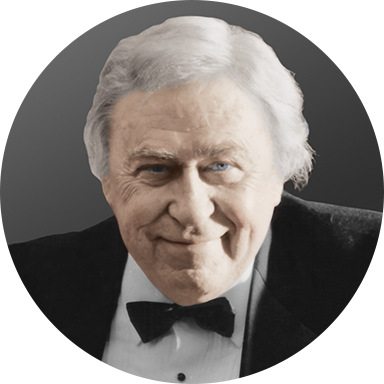
Willard A. Palmer

Willard A. Palmer established himself as a prolific composer and pedagogue whose output spanned nearly 800 published works across multiple instruments and ensembles. His early training at the piano and accordion shaped a career dedicated to accessible music instruction; he later served on the faculty at the University of Houston, where he pioneered the first collegiate accordion courses. Palmer's scholarly work in Baroque ornamentation and performance practice earned him international recognition and informed the Alfred Masterworks series.

Palmer's approach to music education was rooted in both rigorous technique and practical musicianship. He studied at the Conservatory of Leipzig on scholarship and conducted the choir at Memorial Lutheran Church in Houston for many years, grounding his teaching philosophy in real ensemble and performance experience. His methods were translated into multiple languages, reflecting their widespread adoption by teachers seeking materials that balance systematic instruction with musical engagement.

Why we love this

This theory book stays locked to the Lesson Book pacing without veering into abstract exercises. The reinforcement of each concept as it's introduced means students aren't building a confusing backlog of half-understood progressions; instead, they cement what they just played before moving forward. The practical tips on chord progressions are what make the difference—theory stays connected to sound and to the hands on the keyboard.

What to expect

Clear and methodical. Every page builds logically on the previous one, with plenty of room to write and work through problems at your own pace. There's nothing intimidating here; the presentation is straightforward, and the focus stays on practical application rather than theory for its own sake.

Who it's for

Adult piano students working through the Alfred's Basic Adult Piano Course who need reinforcement and deeper understanding of the harmony and structure introduced in their Lesson Book. This book is also valuable for teachers designing supplementary work or homework assignments that extend beyond the lesson itself.

How to get the most out of it

  • Work through the exercises in the same order as your corresponding Lesson Book chapter to avoid jumping ahead conceptually.
  • Sit at the keyboard while working through progressions to connect the written theory to the physical movement and listening experience.
  • Test yourself on chord progressions by playing them without looking at the page first, then verify your work against the written example.

How to use it

Assign corresponding theory chapters as homework between lessons to deepen understanding of harmony and structure. The reinforcement prevents conceptual gaps from forming and gives students ownership of the material through written and practical work.

Skills your students will build

  • Understanding chord progressions and Roman numeral analysis
  • Identifying major and minor chord qualities in context
  • Recognizing functional harmony through practical written exercises
  • Connecting theoretical concepts to keyboard performance

You May Also Like