Alfred's Basic Adult All-in-One Course, Book 3 Cover Image

Alfred's Basic Adult All-in-One Course, Book 3: Piano Comb Bound Book & CD

$24.99 USD
Sale price  $24.99 USD Regular price 
Skip to product information
Alfred's Basic Adult All-in-One Course, Book 3 Cover Image

Alfred's Basic Adult All-in-One Course, Book 3: Piano Comb Bound Book & CD

Lesson * Theory * Solo

By Willard A. Palmer, Morton Manus, and Amanda Vick Lethco / perf. Dylan Gentile

Item: 00-36617

$24.99
Shipped

One moment…

Description
Designed for use with an instructor, the Adult All-in-One Course is for the beginning student looking for a truly complete piano course. It is a greatly expanded version of Alfred's Basic Adult Piano Course that includes lessons, theory, and technique in a convenient all-in-one format. This comprehensive course features written assignments that reinforce each lesson's concepts, a smooth, logical progression between each lesson, a thorough explanation of chord theory and playing styles, and outstanding extra songs, including folk, classical, and contemporary selections. At the completion of this course, the student will have learned to play some of the most popular music ever written and will have gained a good understanding of basic musical concepts and styles. The comb binding creates a lay-flat book that is perfect for study and performance. The CD includes dynamic recordings of all 45 songs in the book.

Alfred's Basic Adult All-in-One Course, Book 3: Piano Comb Bound Book & CD isn't in MakeMusic Cloud just yet...but it could be. Let us know you'd like to see it, and you'll help shape what comes next. In the meantime, start a free trial and dive into thousands of interactive titles your students can play along with today.

Sample Pages

Sample Audio
1 Dry Bones --:--
2 Prelude In C Minor --:--

Dry Bones

0:00
0:00
Sample Video
Additional Details
Series: Alfred's Basic Adult Piano Course
Publisher: Alfred Music
Page Count: 144
ISBN10: 0-7390-7534-9
ISBN13: 978-0-7390-7534-0
UPC: 038081405148
SKU: 00-36617

More about this title

About the Author: Willard A. Palmer
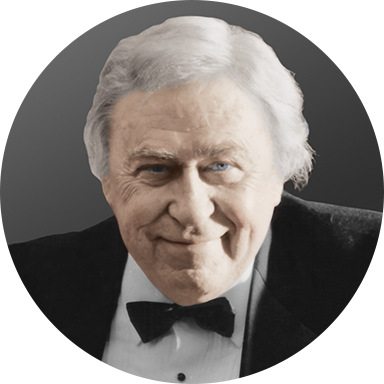
Willard A. Palmer

Willard A. Palmer built a career spanning decades as a performer, pedagogue, and prolific composer. His output of 789 published works reflected deep expertise across multiple instruments: piano, accordion, guitar, and organ methods alongside hundreds of solo pieces and choral compositions. His music reached international audiences through translations into German, Japanese, French, Dutch, and Spanish.

Palmer's scholarly contributions shaped music education at the highest levels. He established the first successful college accordion courses at the University of Houston, where he taught for 18 years, and later became recognized worldwide as an authority on Baroque music ornamentation. This expertise formed the foundation for Alfred's acclaimed Masterworks series. His doctoral degrees (Doctor of Humanities, 1971; Doctor of Music, 1983) honored his rigorous musicological research and lasting impact on how musicians learn.

Why we love this

Book 3 rewards the intermediate adult student with genuine musical repertoire alongside substantive chord theory and technique work. Palmer's decades of teaching experience shine through in the pacing and song selection; the mix of folk, classical, and contemporary pieces gives adult learners music they actually want to play, which sustains motivation far better than exercises alone. The lay-flat comb binding and included CD make this genuinely practical for independent practice or teacher-led lessons.

What to expect

Solid, purposeful, and genuinely musical. This is not a workbook disguised as a method; the songs chosen span beloved standards and folk melodies that adults recognize, which creates immediate satisfaction. The progression from simple chord accompaniments to more sophisticated voicings and styles feels earned rather than rushed, building confidence that you are becoming a real pianist.

Who it's for

Adult learners returning to piano or beginning as adults with an instructor guiding their progress. This book works for self-directed study only if the student has prior musical training; without teacher feedback on hand position, technique, and interpretation, adult beginners will benefit most from weekly or regular lessons. The comprehensive approach with theory and technique integrated throughout suits students who want to understand music rather than simply play by rote.

How to get the most out of it

  • Use the recorded accompaniments on the CD to develop rhythmic confidence and hear how each piece sounds when fully realized; this is especially valuable for students building ensemble awareness.
  • Anchor chord progressions by playing the root position voicings slowly and deliberately before introducing any inversions or rhythmic variations the arrangement requires.
  • Apply the technique exercises in each lesson directly to the repertoire that follows; Palmer sequences these deliberately so that new technical skills immediately appear in context.
  • Work through the written assignments between lessons rather than as review; they reinforce concepts when your hands are still learning the physical patterns.

How to use it

Structure adult group classes or private lessons around the book's integrated lessons, theory assignments, and repertoire; complete one lesson per week and assign the written work as homework. The included recordings provide immediate reinforcement and let students hear performance standards without relying on teacher demonstration alone. The variety of styles means students can tailor their practice to musical preferences while still covering foundational pianistic skills.

Skills your students will build

  • reading treble and bass clef with fluency in the staff ranges covered
  • playing chord progressions in major and minor keys with root position and inversions
  • sight-reading simple to intermediate lead sheets and chord symbols
  • understanding and executing basic pedaling technique
  • playing with consistent rhythm and tempo control through varied time signatures (2/4, 3/4, 4/4)
  • interpreting different musical styles (folk, classical, contemporary) with appropriate touch and articulation
  • applying music theory concepts (intervals, scales, chord construction) to repertoire directly
  • independent practice habits and score annotation techniques

You May Also Like