Alfred Jazz Play-Along Series, Vol. 1: Strayhorn & More Cover Image

Alfred Jazz Play-Along Series, Vol. 1: Strayhorn & More: Rhythm Section (Piano, Bass, & Drumset) Book & Online Audio

$23.99 USD
Sale price  $23.99 USD Regular price 
Skip to product information
Alfred Jazz Play-Along Series, Vol. 1: Strayhorn & More Cover Image

Alfred Jazz Play-Along Series, Vol. 1: Strayhorn & More: Rhythm Section (Piano, Bass, & Drumset) Book & Online Audio

9 Jazz Standards

Billy Strayhorn

Grade: 3-4

Item: 00-38722

$23.99
Shipped

One moment…

Description
The Alfred Jazz Play-Along series for Rhythm Section goes beyond the other play-alongs. The rhythm section book has written out parts for piano, bass, and drumset to show comping suggestions. In addition, each of the nine jazz standards includes the melody and a sample jazz solo written out for you to listen to, play, and practice. The included online audio has a demo track and a play-along track for each tune for piano, bass, and drums. The demo track, featuring a pro rhythm section with a horn player, is a learning tool for the melody, piano comping, bass lines, drum parts, and improvisation. The play-along track allows each player to practice with the rhythm section as individuals with their part removed from the mix. In addition, the rhythm section parts in the book can be used as small group arrangements. Each jazz standard has specific improvisation tips and suggestions. The written out comping examples and melody along with the written out sample solos are all invaluable assets that makes learning how to improvise easier. Nine great tunes=great jazz! Titles: Caravan * Chelsea Bridge * Freddie Freeloader * Isfahan * Johnny Come Lately * Prelude to a Kiss * Raincheck * Take the "A" Train * Upper Manhattan Medical Group.

Alfred Jazz Play-Along Series, Vol. 1: Strayhorn & More: Rhythm Section (Piano, Bass, & Drumset) Book & Online Audio isn't in MakeMusic Cloud just yet...but it could be. Let us know you'd like to see it, and you'll help shape what comes next. In the meantime, start a free trial and dive into thousands of interactive titles your students can play along with today.

Sample Pages

Sample Audio
1 Johnny Come Lately --:--
2 Johnny_Come_Lately --:--
3 Take the A Train --:--
4 Take_the_A_Train --:--

Johnny Come Lately

0:00
0:00
Sample Video
Additional Details
Series: Alfred Jazz Play-Along Series
Publisher: Alfred Music
Page Count: 132
ISBN10: 0-7390-8487-9
ISBN13: 978-0-7390-8487-8
UPC: 038081430782
SKU: 00-38722
Instrumentation: Rhythm Section

More about this title

About the Composer: Billy Strayhorn
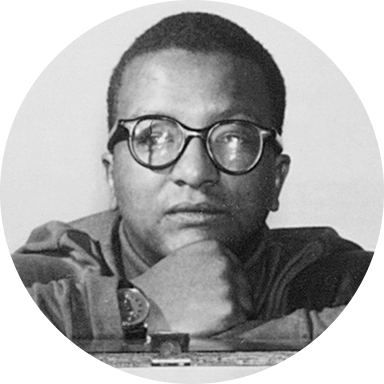
Billy Strayhorn

Billy Strayhorn (1915-1967) shaped American jazz from the shadows, composing and arranging some of the era's most enduring standards while remaining far less famous than his music deserved. Beginning his partnership with Duke Ellington in 1939, he became one of the most recorded jazz composers in history, yet his name rarely appeared on concert posters or album covers. His harmonic sophistication and melodic gift produced "Take the 'A' Train," which became the Ellington Orchestra's theme in the 1940s and remains a jazz essential, and "Lush Life," a ballad of such complexity that it challenges the finest interpreters.

Strayhorn's decision to live openly as a gay Black man in mid-20th-century America likely contributed to decades of public obscurity despite his towering influence on jazz history. Musicians from Ella Fitzgerald to John Coltrane to Oscar Peterson recorded his compositions, yet historians and scholars have long recognized him as one of America's most underrecognized composers. His legacy rests on music of uncommon elegance and harmonic depth that continues to reward serious study.

Why we love this

This collection delivers written-out comping examples and bass lines alongside melody and sample solos, giving rhythm section players a genuine learning pathway rather than just a play-along framework. The inclusion of both demo tracks (with professional horn interpretation) and isolated play-along tracks for each instrument means students can hear how their part fits the larger ensemble while practicing independently. Nine Strayhorn standards represent some of the most thoughtfully composed jazz repertoire available, rewarding deep musical engagement from every player at the kit, bench, or bass.

What to expect

Swinging, sophisticated, and urbane. Strayhorn's melodic lines glide with elegance over harmonies that reward close listening, and his standards carry the polished glamour of the Harlem Renaissance and the timeless swing of Duke's orchestra. Every tune here balances accessibility with genuine harmonic and melodic substance, creating the feeling of stepping into a small jazz room where the musicians know exactly what they're doing.

Who it's for

Pianists, bassists, and drummers at the intermediate level (grades 3-4) who want to learn how rhythm sections function in jazz and develop comping and accompaniment skills through authentic Strayhorn repertoire. This resource suits classroom small groups, jazz combos, or private studio work where rhythm section players need both written guidance and the freedom to practice their individual roles.

How to get the most out of it

  • Study the written comping patterns in the book before listening to the demo track; these suggestions model how to voice chords and voice-lead through changes while leaving space for the soloist.
  • Use the demo track to internalize the melody and the harmonic language of each tune, then switch to the play-along track and practice keeping time while responding to the changes.
  • Listen across multiple recorded versions of these standards (by artists mentioned in the Strayhorn legacy) to hear how different rhythm sections interpret the same composition; this expands your stylistic vocabulary.
  • Work through the improvisation tips provided for each tune before attempting your own solo, as they highlight the harmonic and melodic landmarks that make the tune distinctive.

How to use it

Feature a Strayhorn medley in a jazz concert, pairing the written arrangements with student-led improvisation to demonstrate how the rhythm section anchors soloist development. Use individual tunes in rehearsal as vehicles for teaching voice-leading and comping vocabulary, then perform them as a small group arrangement to showcase ensemble musicianship without requiring a front-line soloist.

Skills your students will build

  • Jazz comping vocabulary and voice-leading through chord changes
  • Walking bass line construction and harmonic navigation
  • Jazz drum time-keeping, groove, and responding to ensemble dynamics
  • Listening and transcription skills through analysis of written solos
  • Blues and jazz harmony reading at intermediate level
  • Improvisation frameworks grounded in melodic and harmonic analysis

You May Also Like