

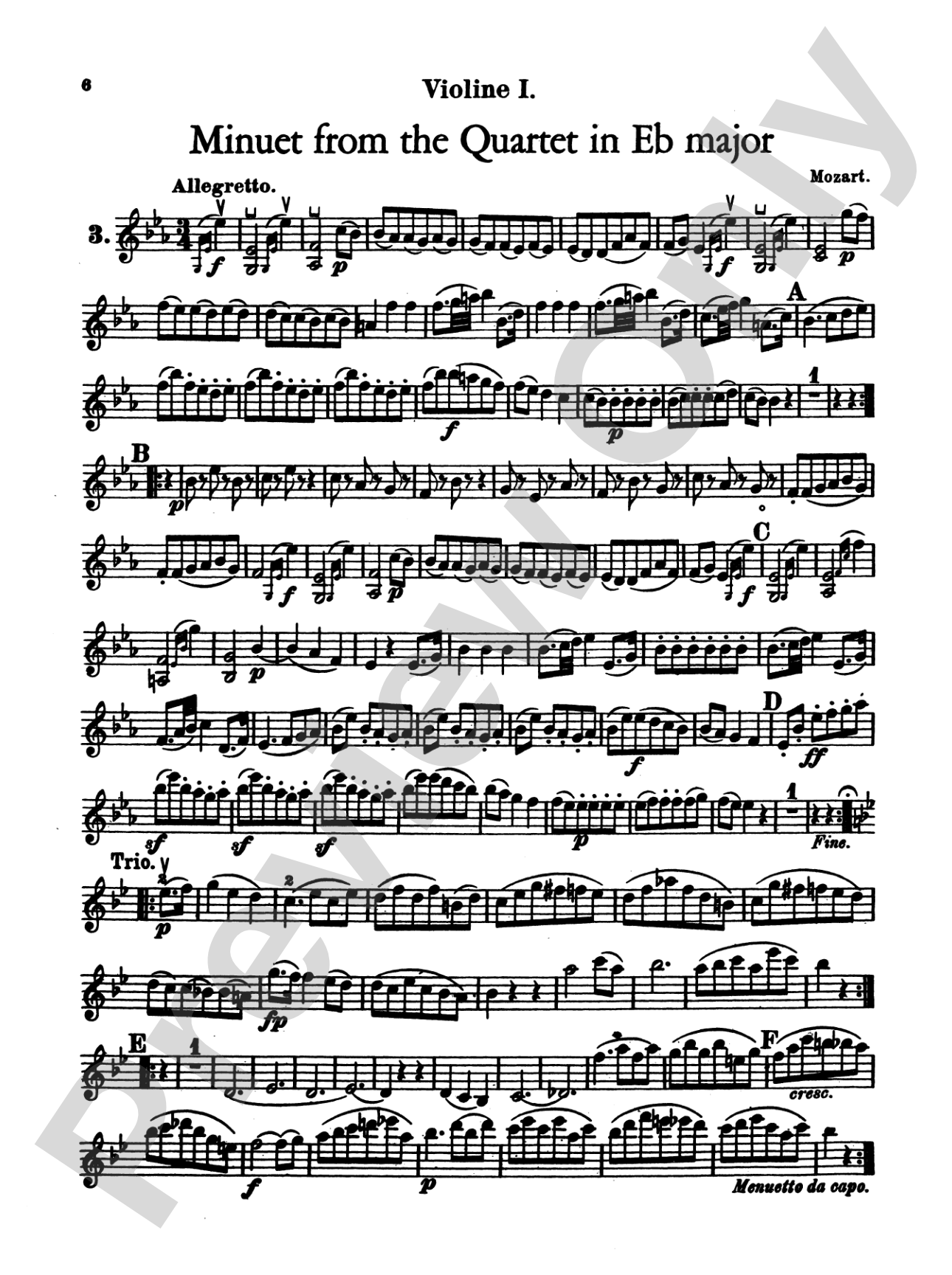
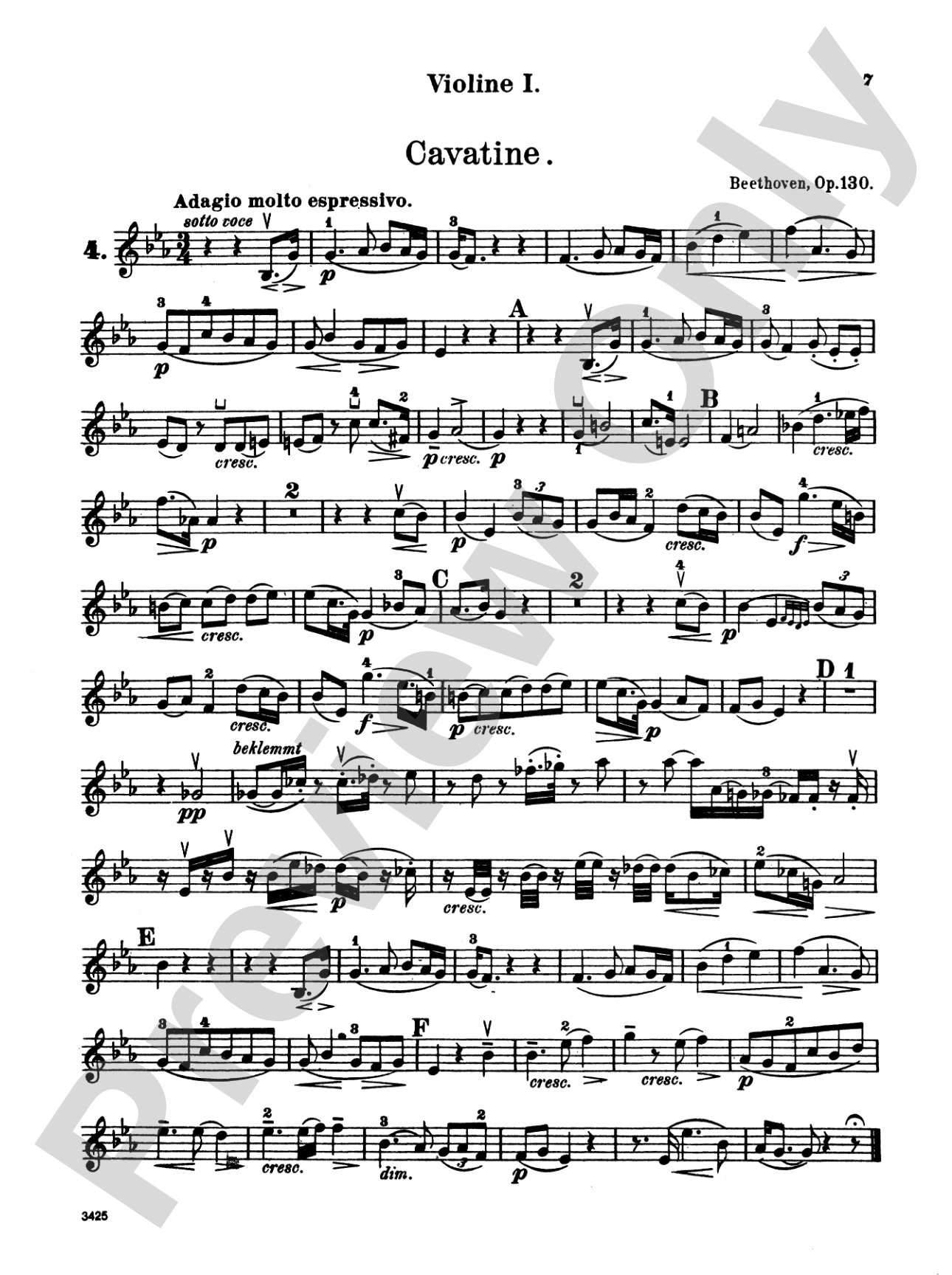
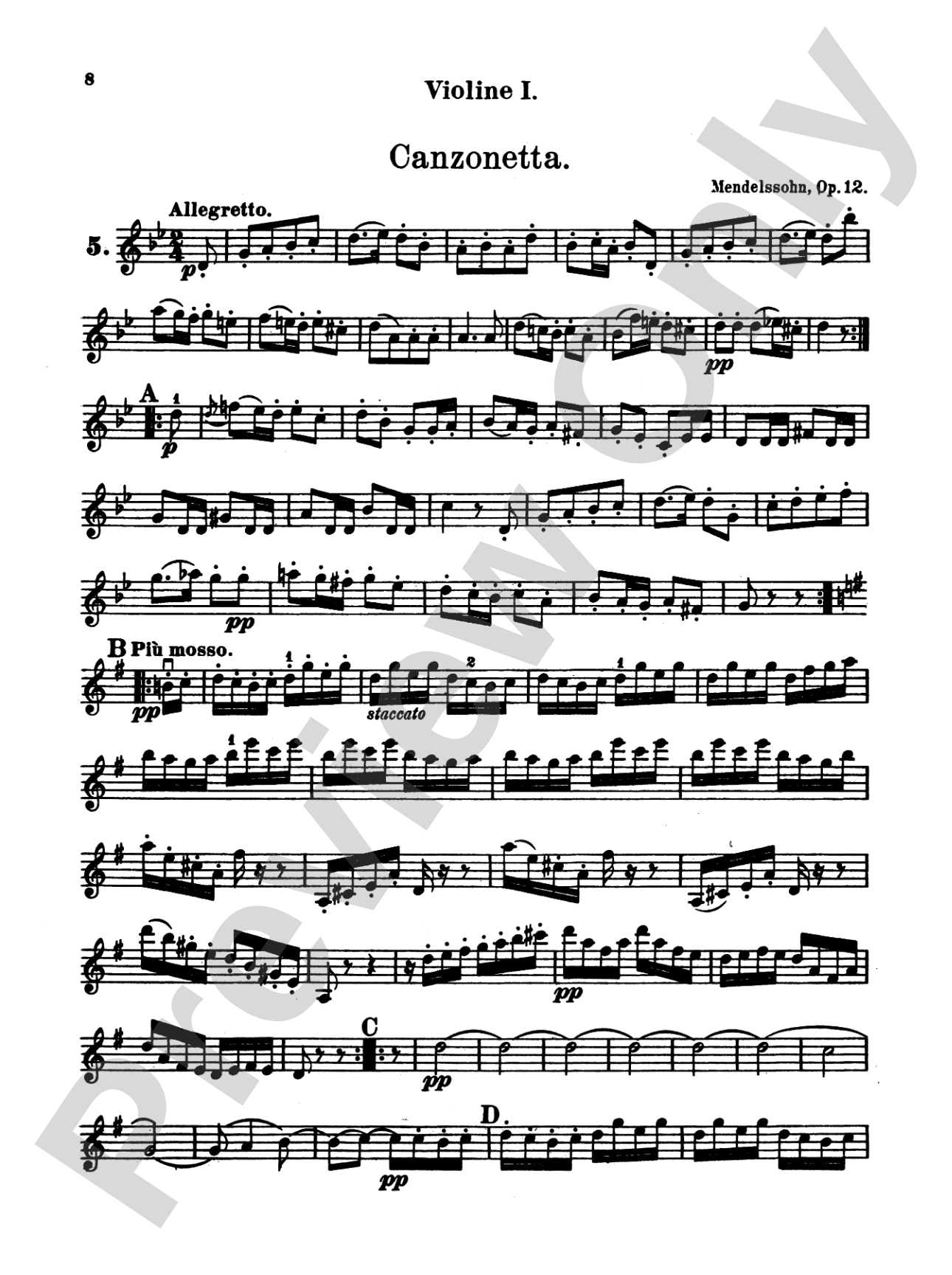
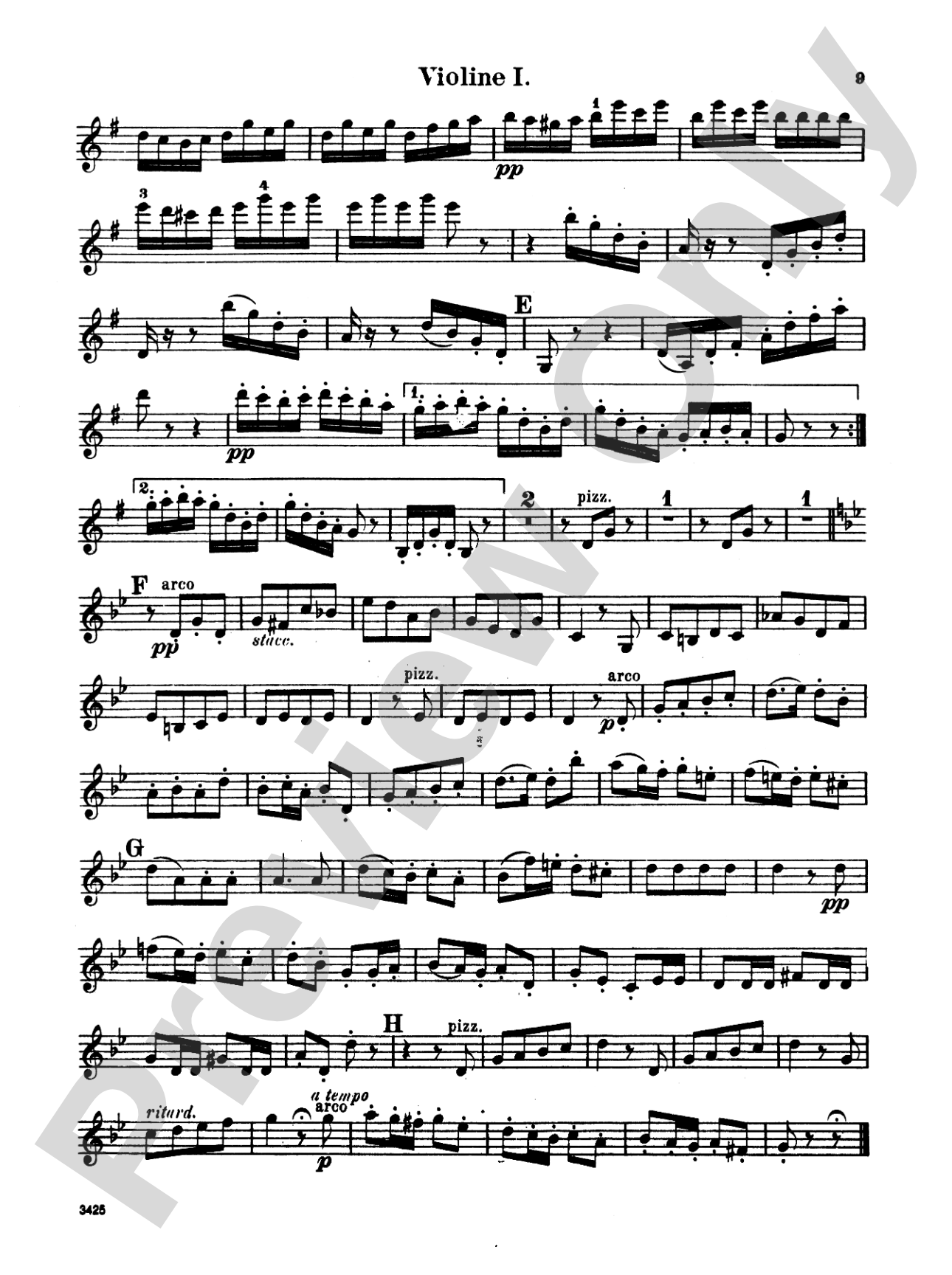
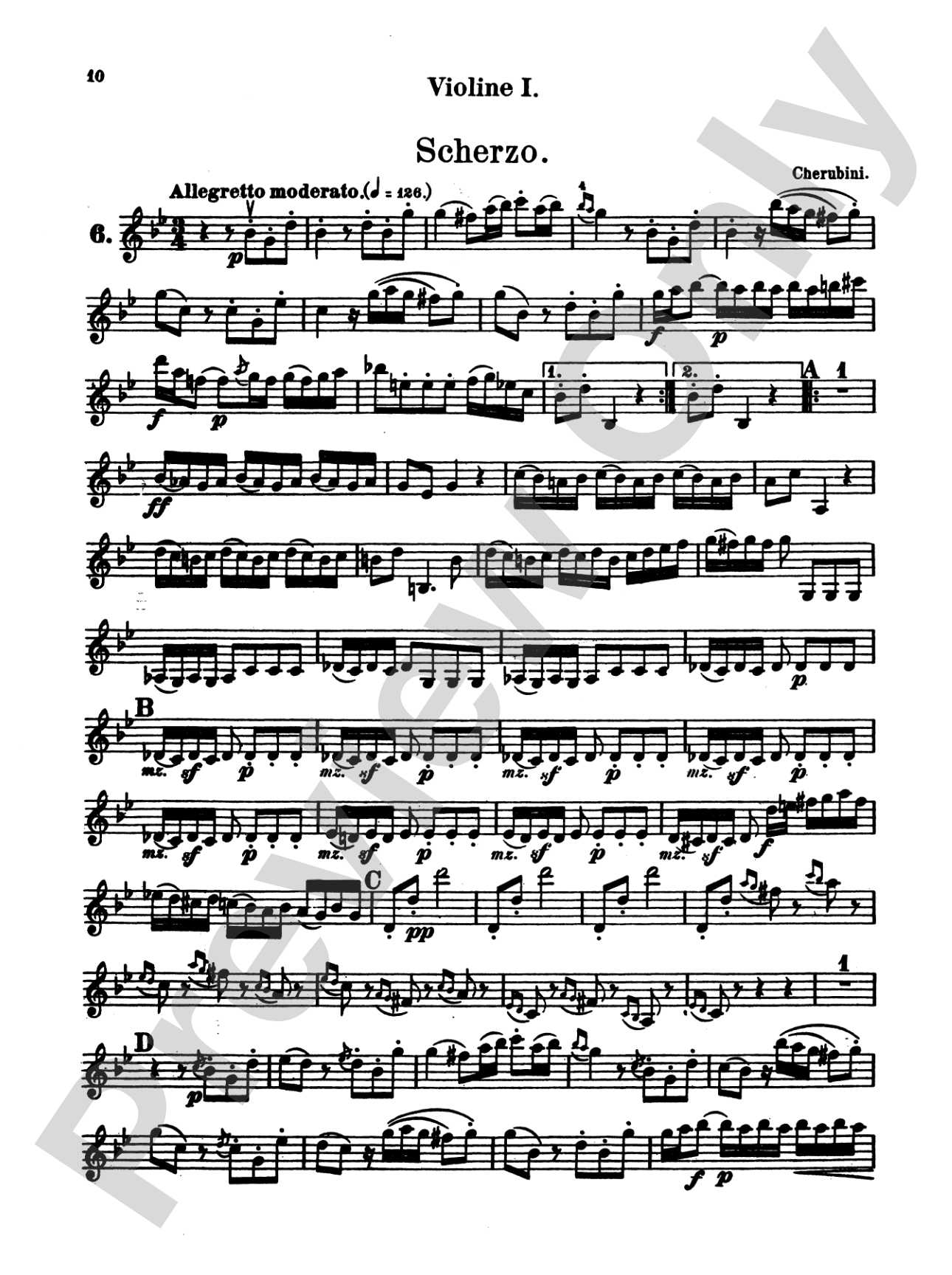
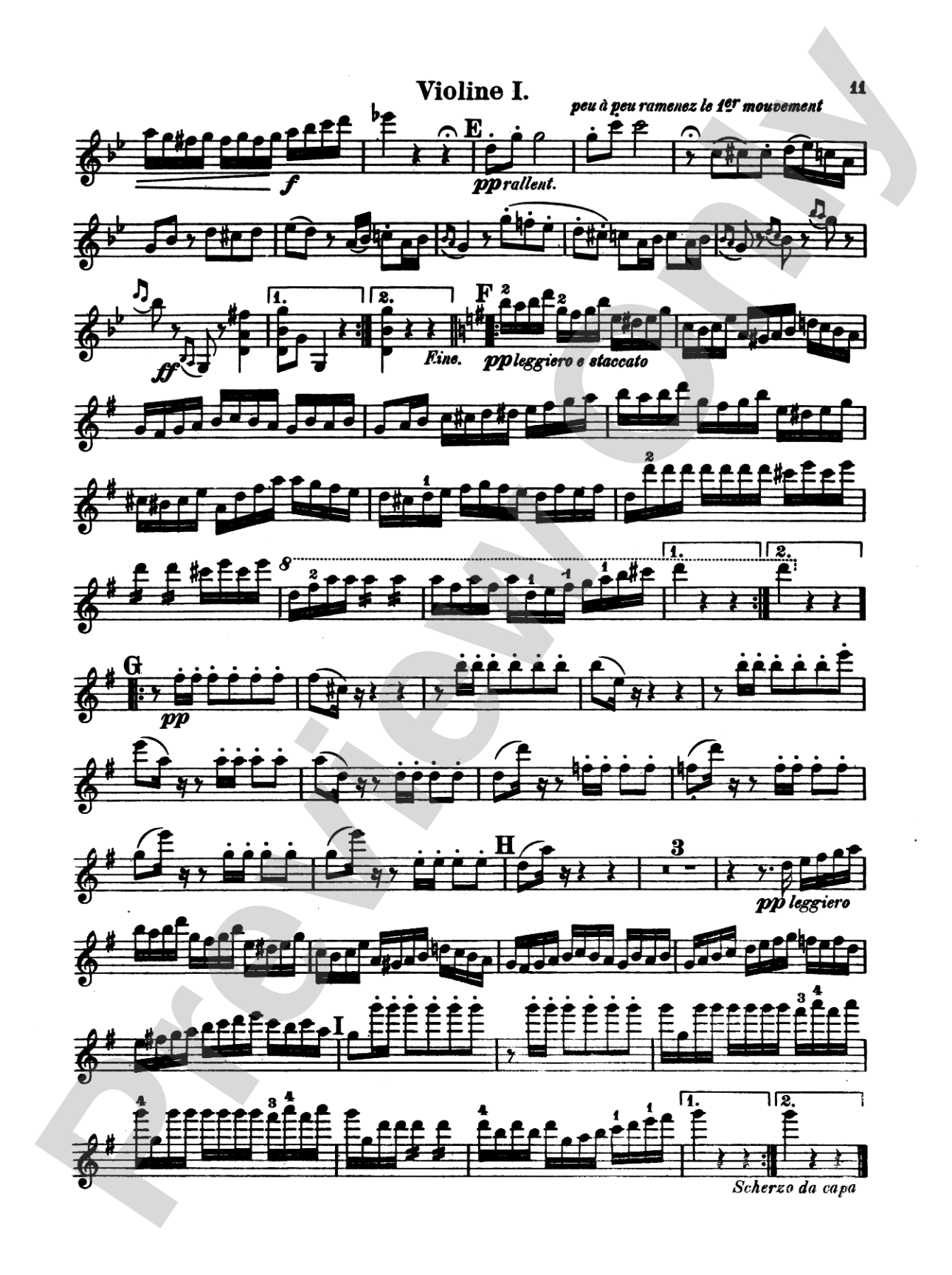
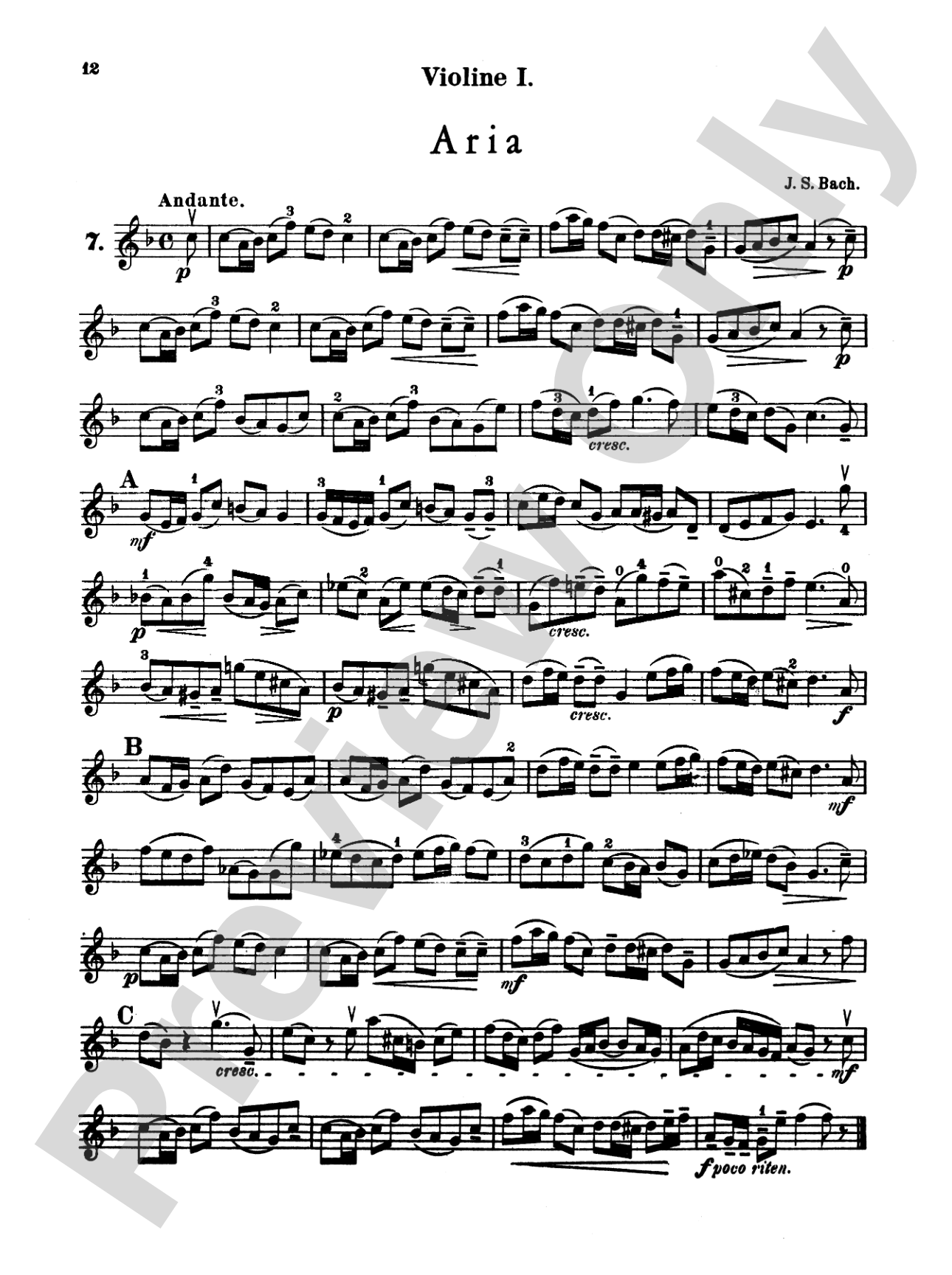
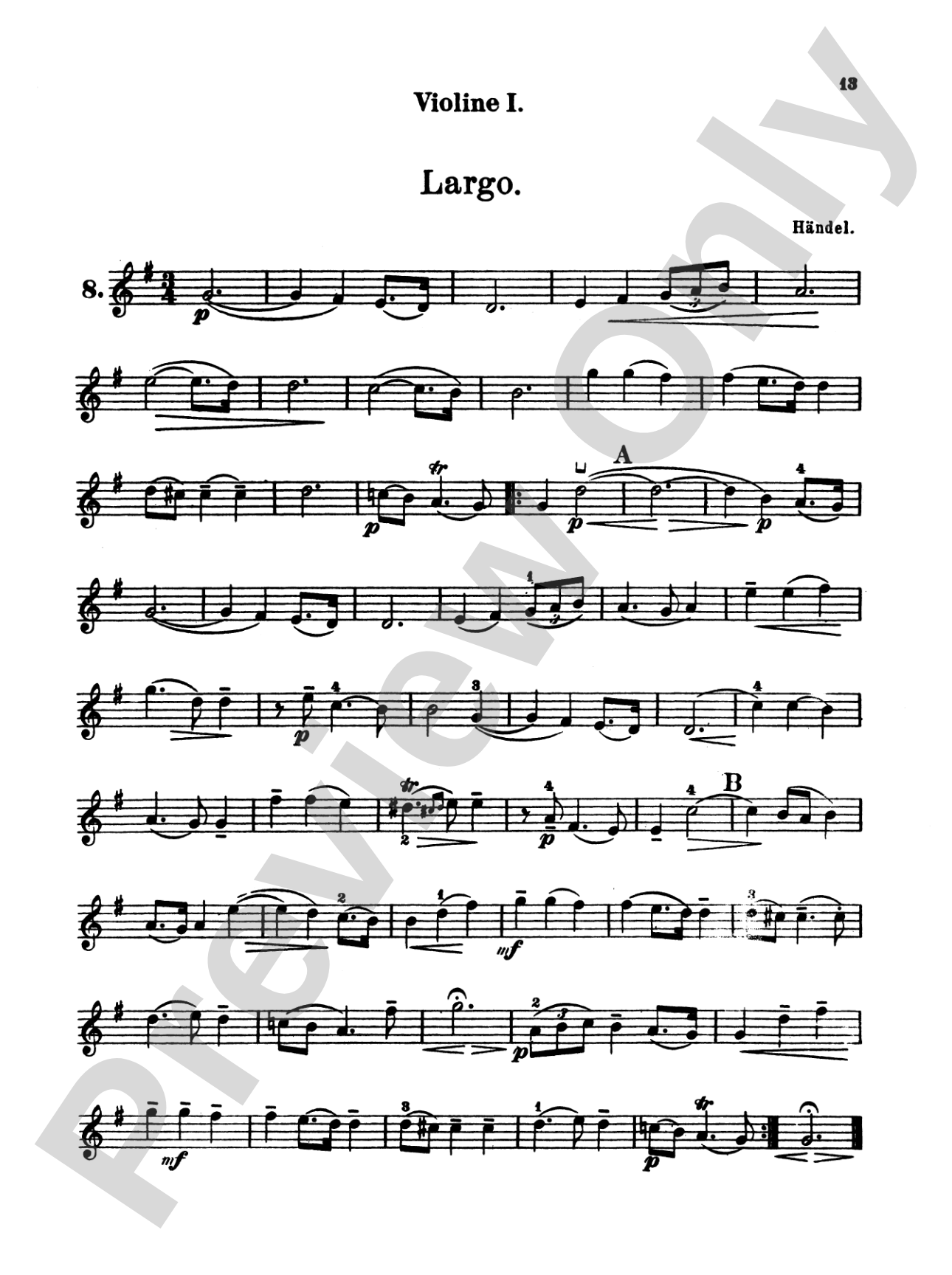




Album of Easy String Quartets, Volume I (Pieces by Bach, Haydn, Mozart, Beethoven, Schumann, Mendelssohn, and others): String Quartet Book
Item: 00-PK-0002575

$22.99
Pickup currently not available
Buy Extra Parts (Digital PDF Download)
Parts Added to Cart!
Related Items
Album of Easy String Quartets, Volume I (Pieces by Bach, Haydn, Mozart, Beethoven, Schumann, Mendelssohn, and others): String Quartet Book |
$22.95
|
View |
Description
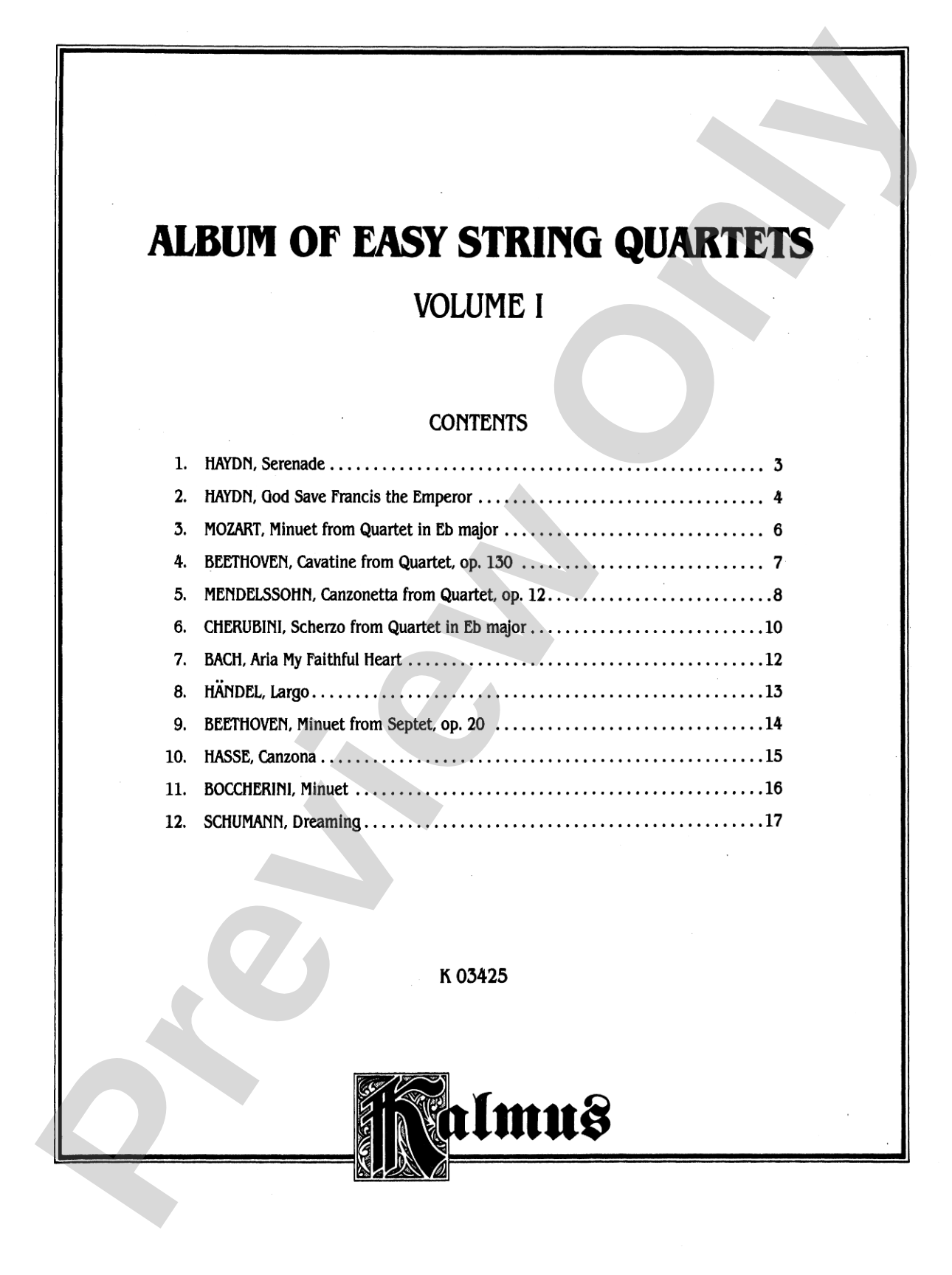
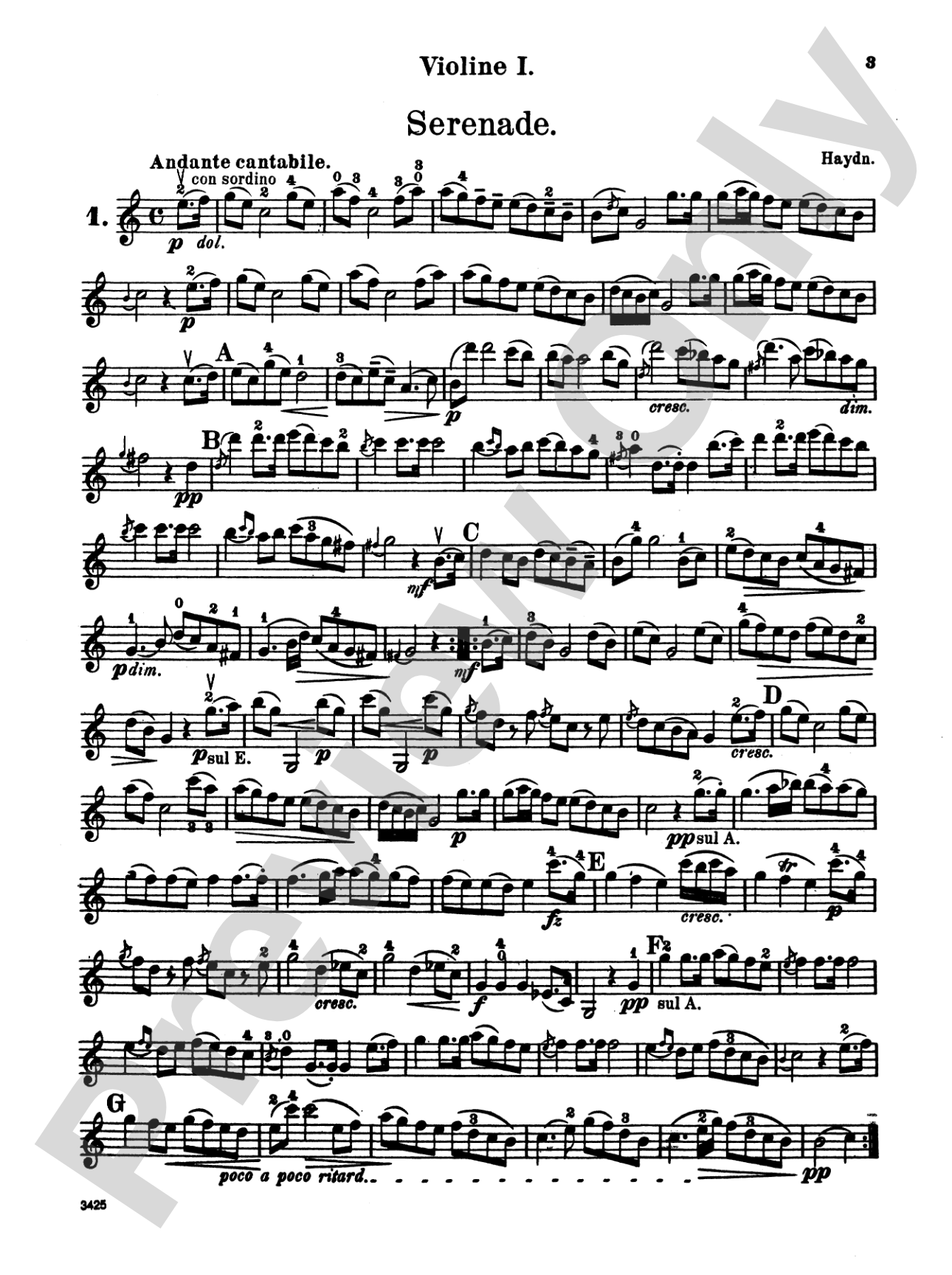
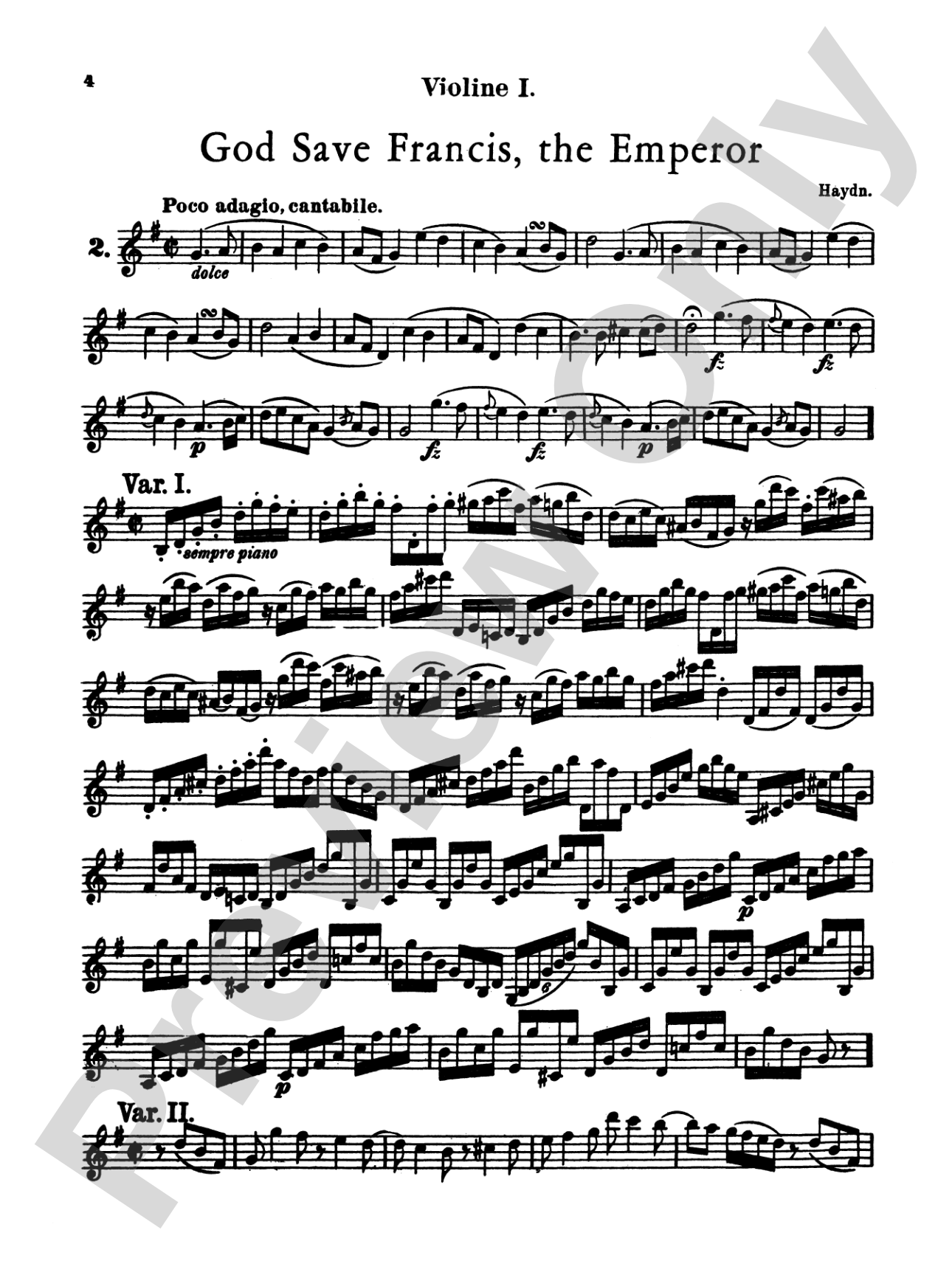
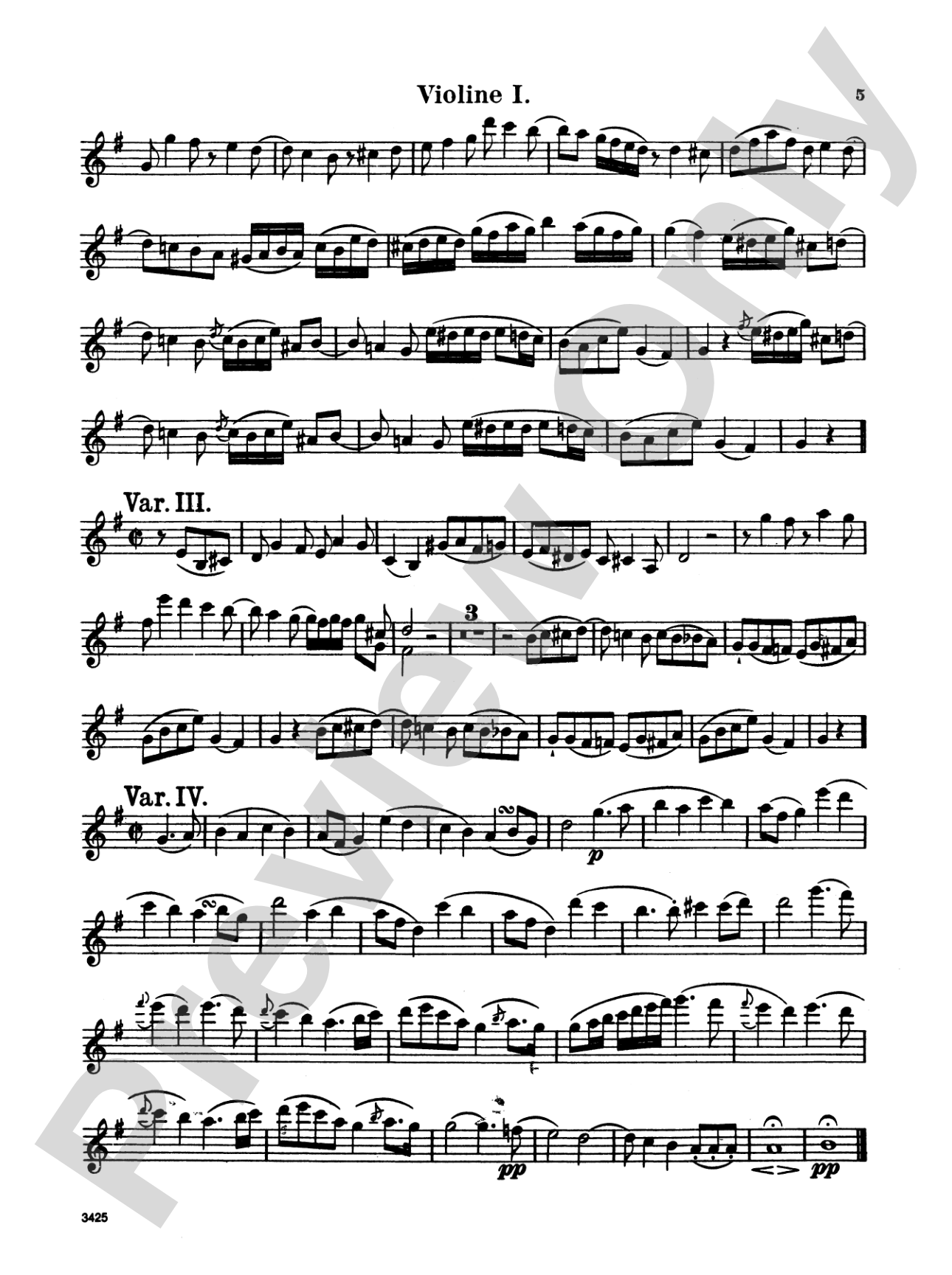
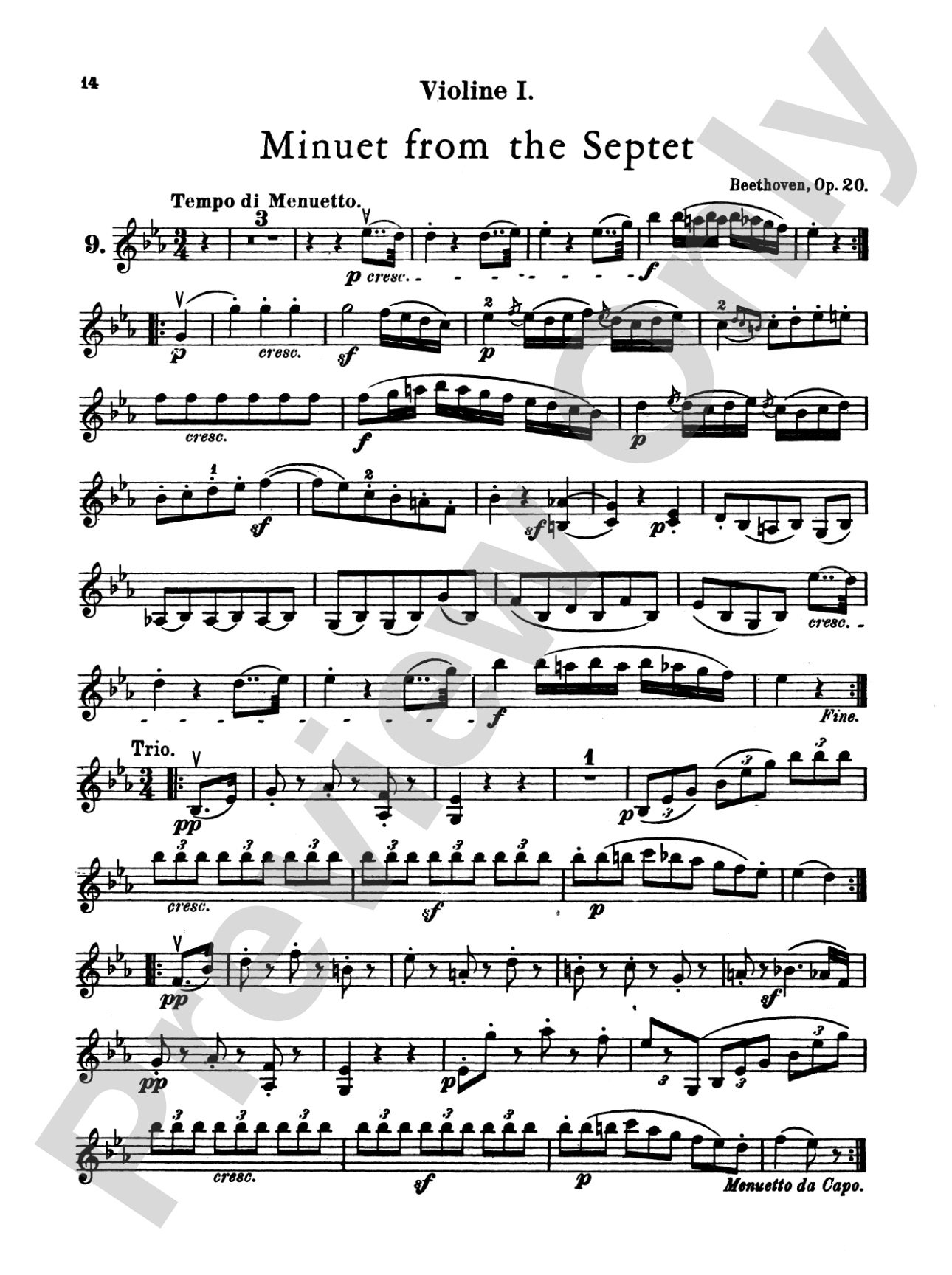
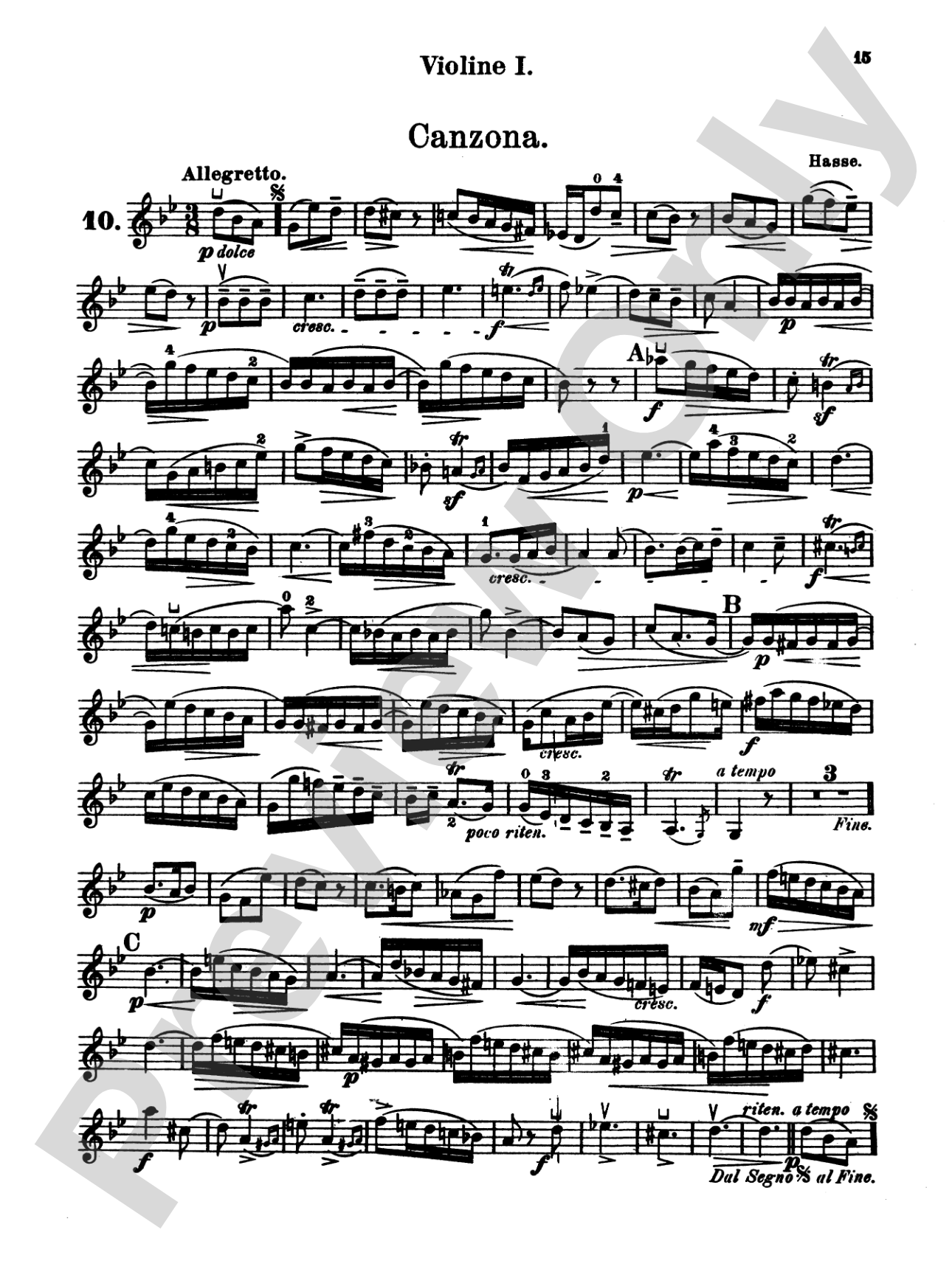
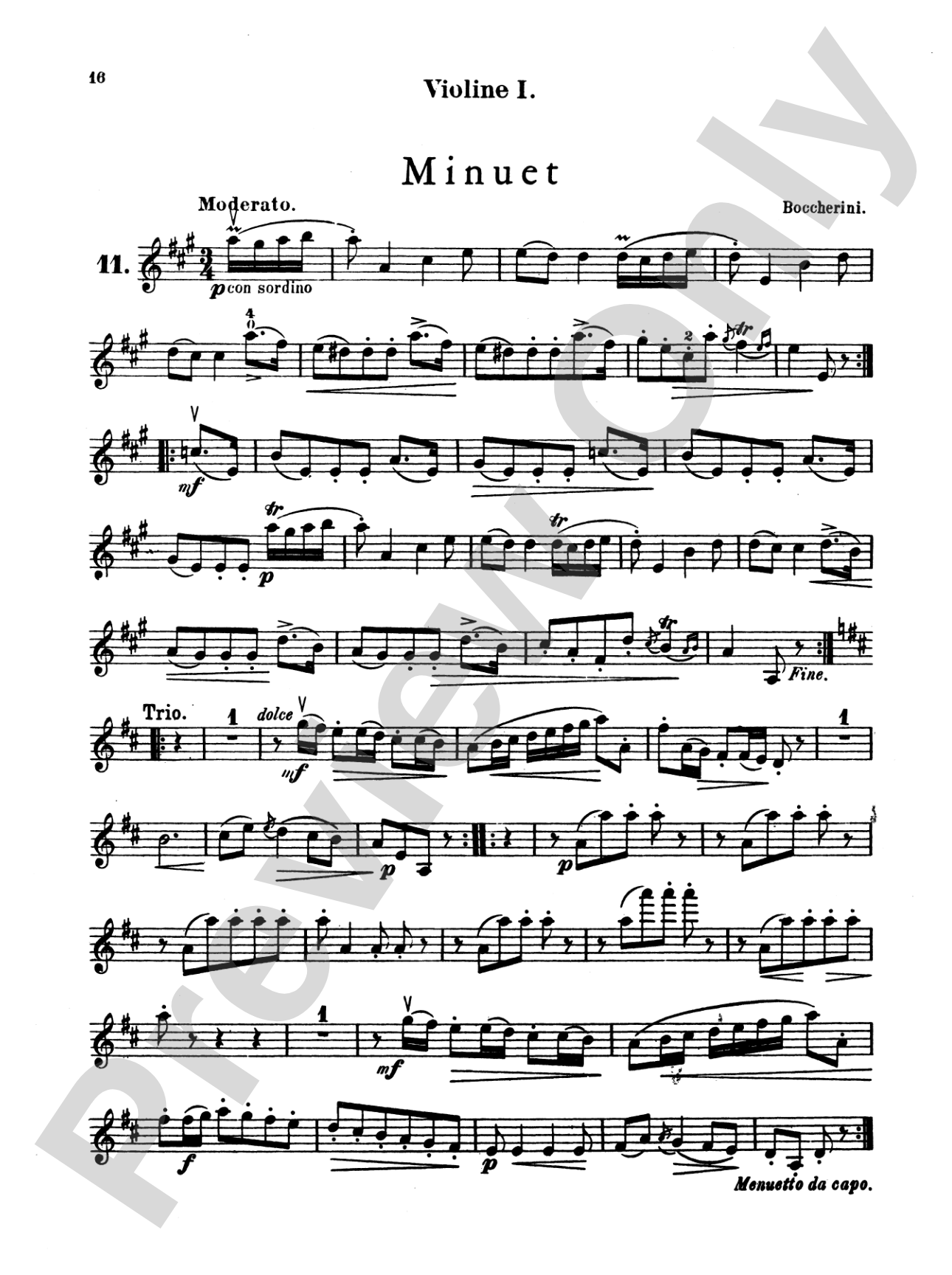
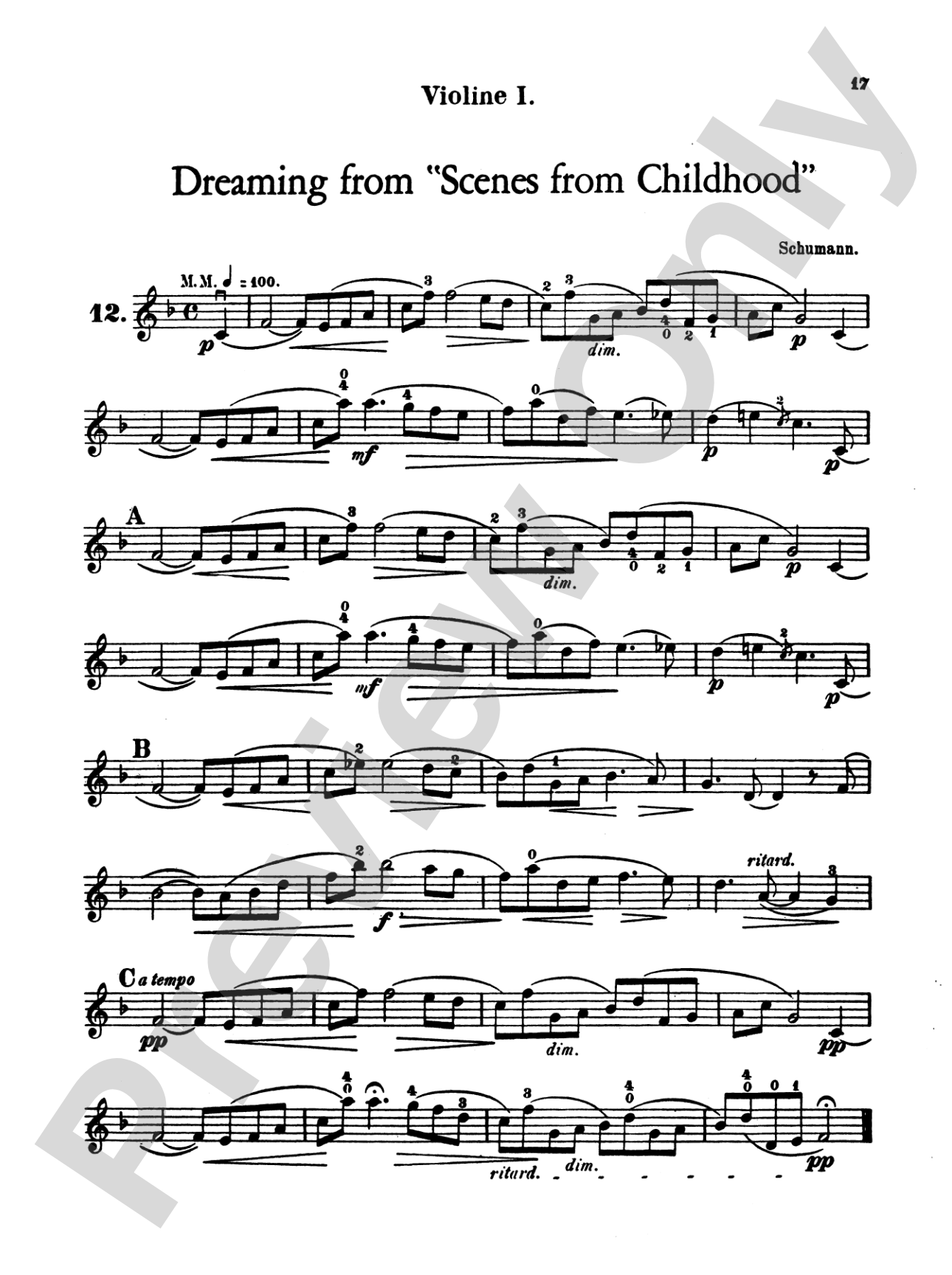
Includes: HAYDN (Serenade) * HAYDN (God Save Francis, the Emperor) * MOZART (Minuet from Quartet in E-Flat Major) * BEETHOVEN (Cavatine from Quartet, op. 130) * MENDELSSOHN (Canzonetta from Quartet, op.12) * CHERUBINI (Scherzo from Quartet in E-Flat Major) * BACH (Aria, My Faithful Heart) * HANDEL (Largo, from Xerxes) * BEETHOVEN (Minuet from Septet, op. 20) * HASSE (Canzona) * BOCCHERINI (Minuet) * SCHUMANN (Dreaming from Scenes from Childhood, op.15).


Don't just read it, hear it, play along with it, and watch your students grow with it. In MakeMusic Cloud, Album of Easy String Quartets, Volume I (Pieces by Bach, Haydn, Mozart, Beethoven, Schumann, Mendelssohn, and others): String Quartet Book comes alive with professional accompaniment, adjustable tempo, and built-in practice tools that turn solo practice into real progress.
Open in the Player
Jump straight in and assign it today.
Start Your Free Trial
Open this title and explore the full library in minutes.
Sample Audio
No sample audio found.
Sample Video
No sample videos found.
Additional Details
Series:
Kalmus Edition
Publisher:
Alfred Music
Page Count:
68
SKU:
00-PK-0002575
More about this title
About the Composer: Haydn
Franz Joseph Haydn (1732-1809) shaped the Classical string quartet into its most essential form. Working across nearly 84 quartets over a 50-year career, he moved the genre from a divertimento for amateurs into serious chamber music where all four voices could develop thematic ideas. His innovations in motivic development and harmonic exploration established the template that Mozart, Beethoven, and generations of composers would follow.
For string players, Haydn's writing remains pedagogically invaluable. His quartets demand clear articulation, balanced ensemble playing, and the ability to pass a musical thought smoothly between voices. They sit at the exact intersection of technical accessibility and artistic substance, making them ideal for players developing ensemble discipline without struggling with impossible ranges or virtuosic demands.
Why we love this
This collection gathers essential Classical repertoire across multiple composers, giving string quartets immediate access to music that sounds fully realized without requiring advanced technique. The pieces span from intimate movements (the Mendelssohn Canzonetta, the Handel Largo) to rhythmically vital numbers (Boccherini's Minuet, Beethoven's Minuet from the Septet), which means you can program varied concert sets without hunting through individual scores. Schumann's 'Dreaming' offers something more intimate and Romantic alongside the Classical core, broadening the musical palette within a single volume.
What to expect
Moving through these pieces is like walking through a gallery of Classical chamber music's greatest moments compressed into single movements. The Haydn Serenade has the grace and wit you expect; the Handel Largo breathes with a noble simplicity; Beethoven's Cavatine arrives with unexpected emotional depth. Each piece is finished and complete, never feeling like an excerpt, yet each speaks in the clear, direct language of the Classical period.
Who it's for
String quartets at the intermediate to early-advanced level who want to perform meaningful concert repertoire without the technical demands of later Romantic or contemporary works. Ensembles preparing for competitions, festivals, or chamber recitals will find this volume an immediate resource for programming. High school quartets and adult amateur ensembles will particularly benefit from the variety and historical scope.
How to get the most out of it
- Balance the quartet sound by listening for the inner voices (viola and second violin) during rehearsal. These pieces often carry harmonic and countermeltic material that disappears if the first violin dominates.
- Approach phrases with natural breathing points, especially in the slower movements like the Handel Largo and Mendelssohn Canzonetta. Allow silence to define the musical architecture.
- Lock the rhythm section (cello and viola) early in rehearsal before addressing first violin details. A stable harmonic foundation lets the melodic voices sit comfortably on top.
- Mark bowings in the first rehearsal and stay consistent. The Classical style depends on clear articulation and uniform stroke direction across the ensemble, which is impossible without agreed-upon markings.
How to use it
Structure a quartet recital around the emotional arc of this collection: open with a Haydn piece for brightness, anchor the middle with the Beethoven Cavatine or Handel Largo, and close with Schumann's 'Dreaming' or the Boccherini Minuet. The variety also makes this ideal for competitions where you need multiple contrasting pieces from a single, authoritative source. Consider using lighter pieces early in the season for rehearsal building, then moving to more expressive movements as the ensemble matures.
Skills your students will build
- Balancing ensemble sound across four voices with equal voice independence
- Executing clean articulation and uniform bowing in Classical idioms
- Responding to phrase architecture and harmonic movement in period style
- Reading from parts while maintaining awareness of other voices
- Sustaining intonation across longer, slower movements with minimal vibrato
- Transitioning between contrasting emotional moods across multiple pieces