
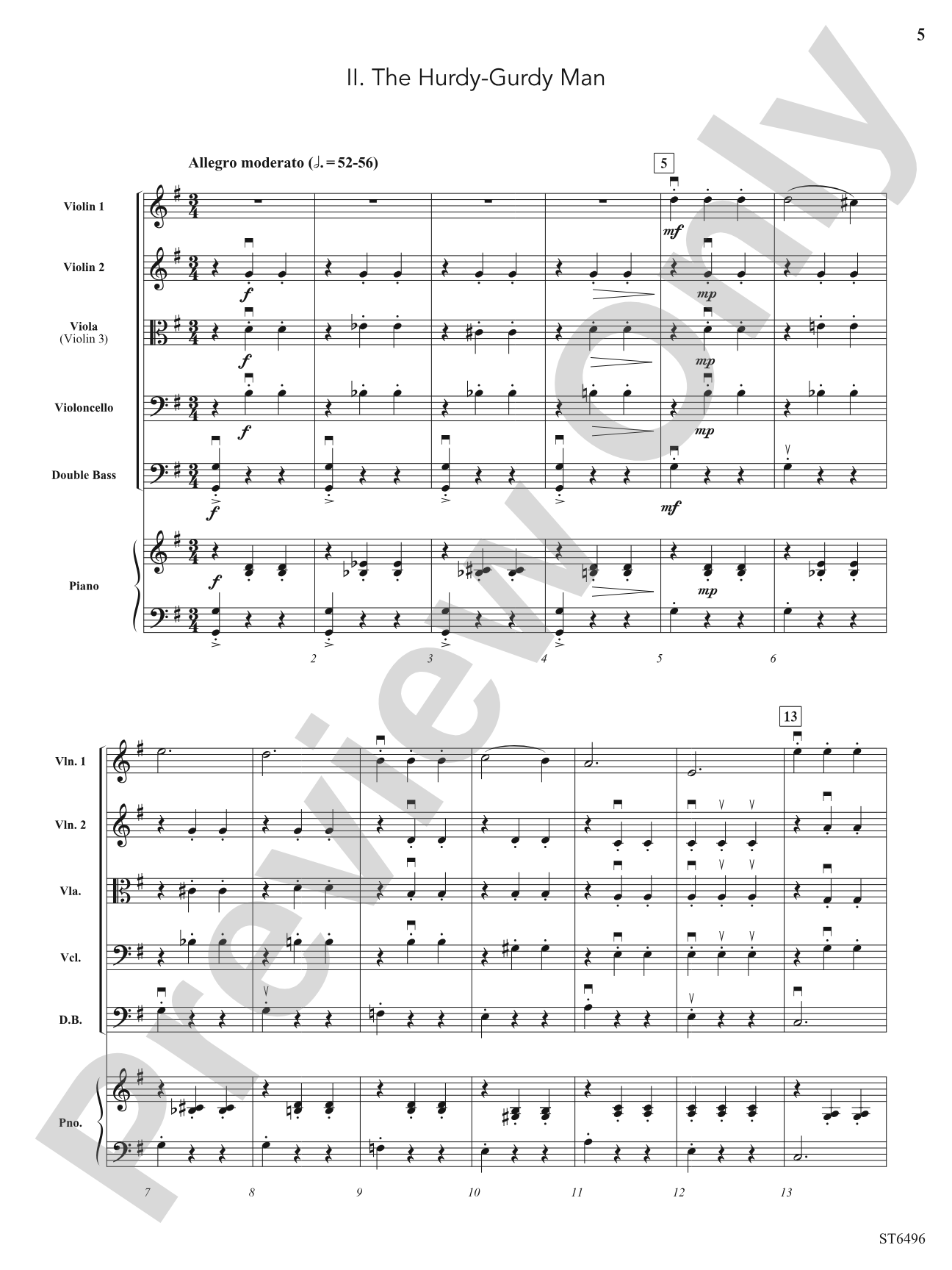
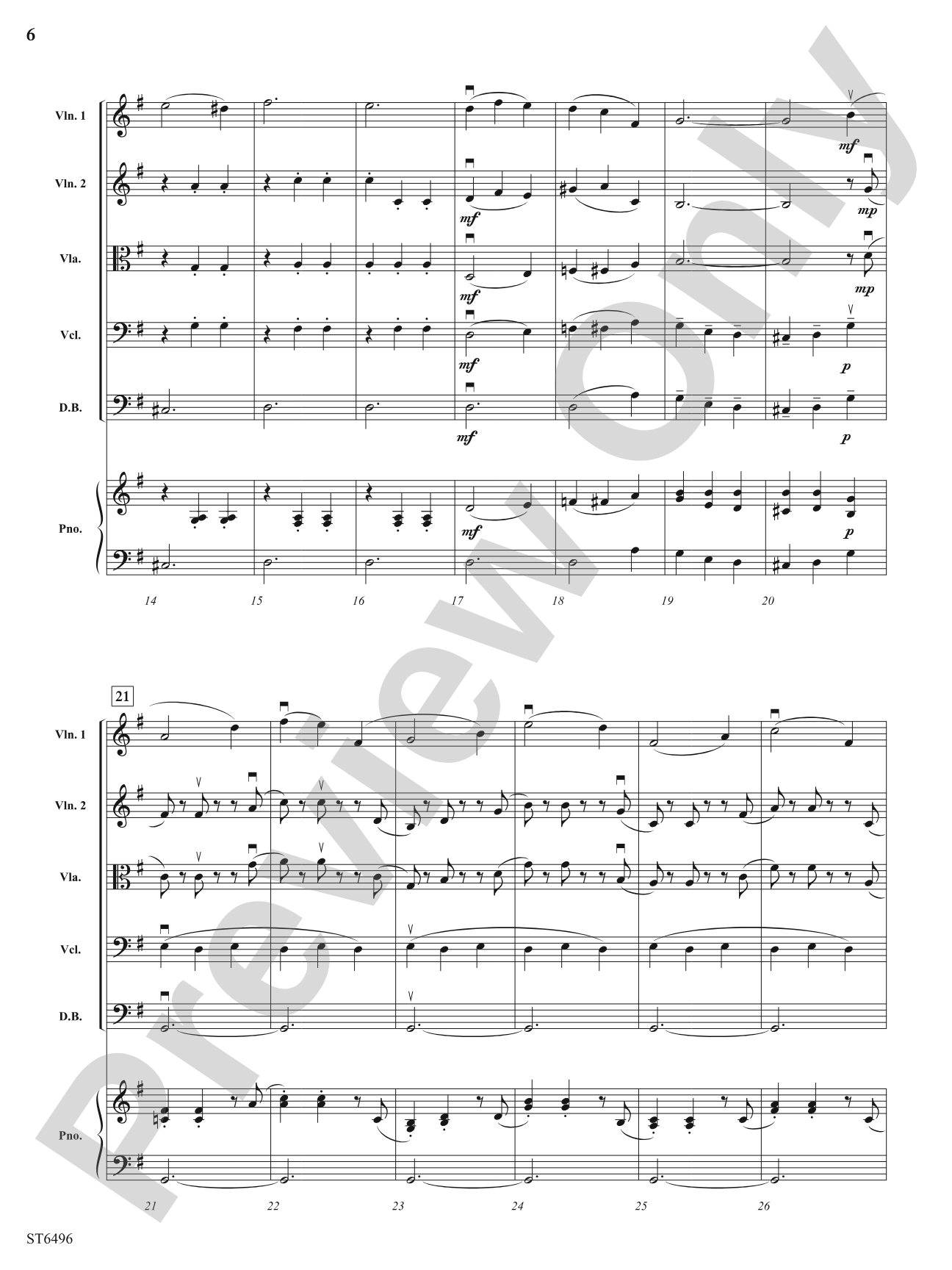
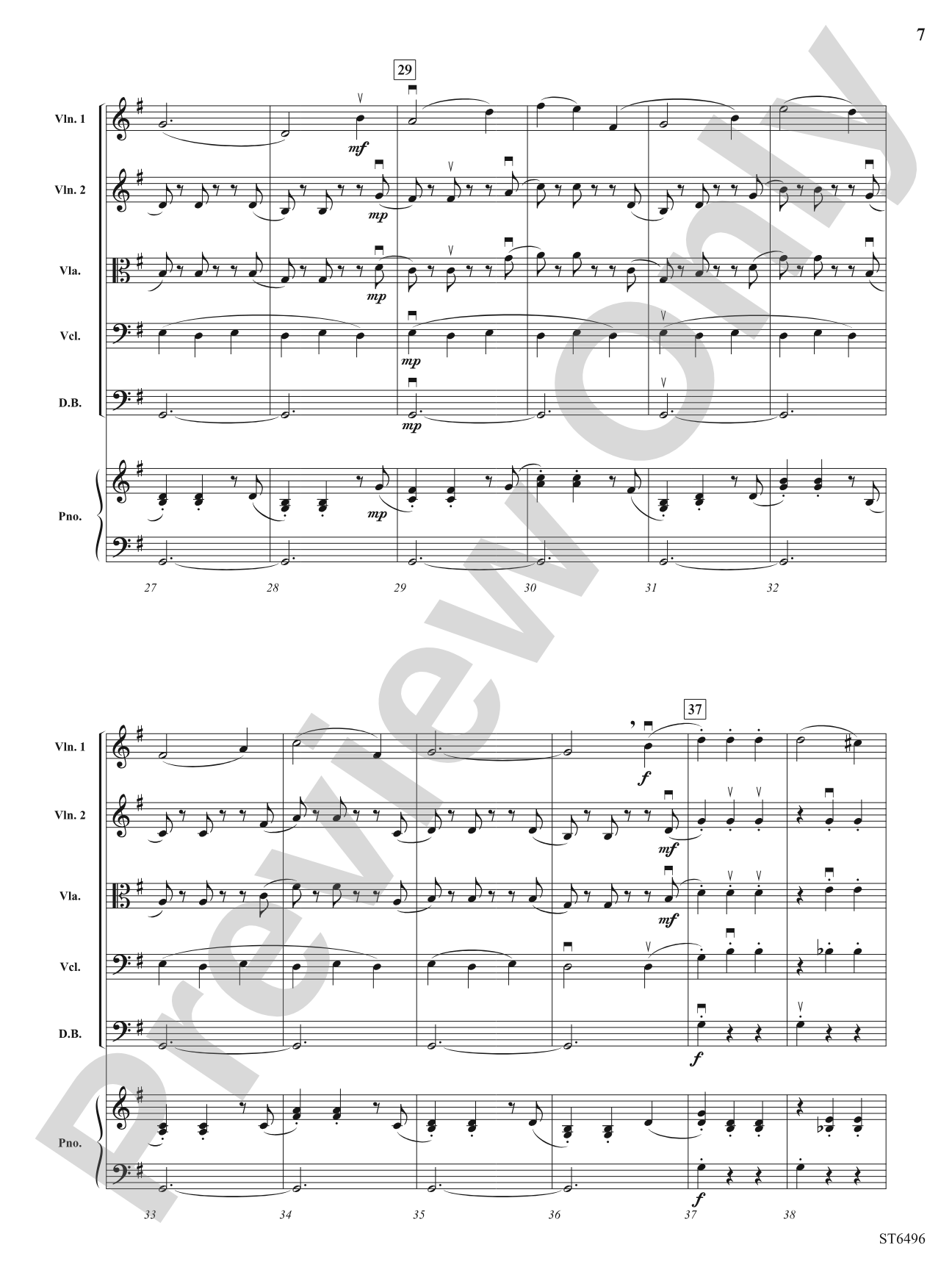
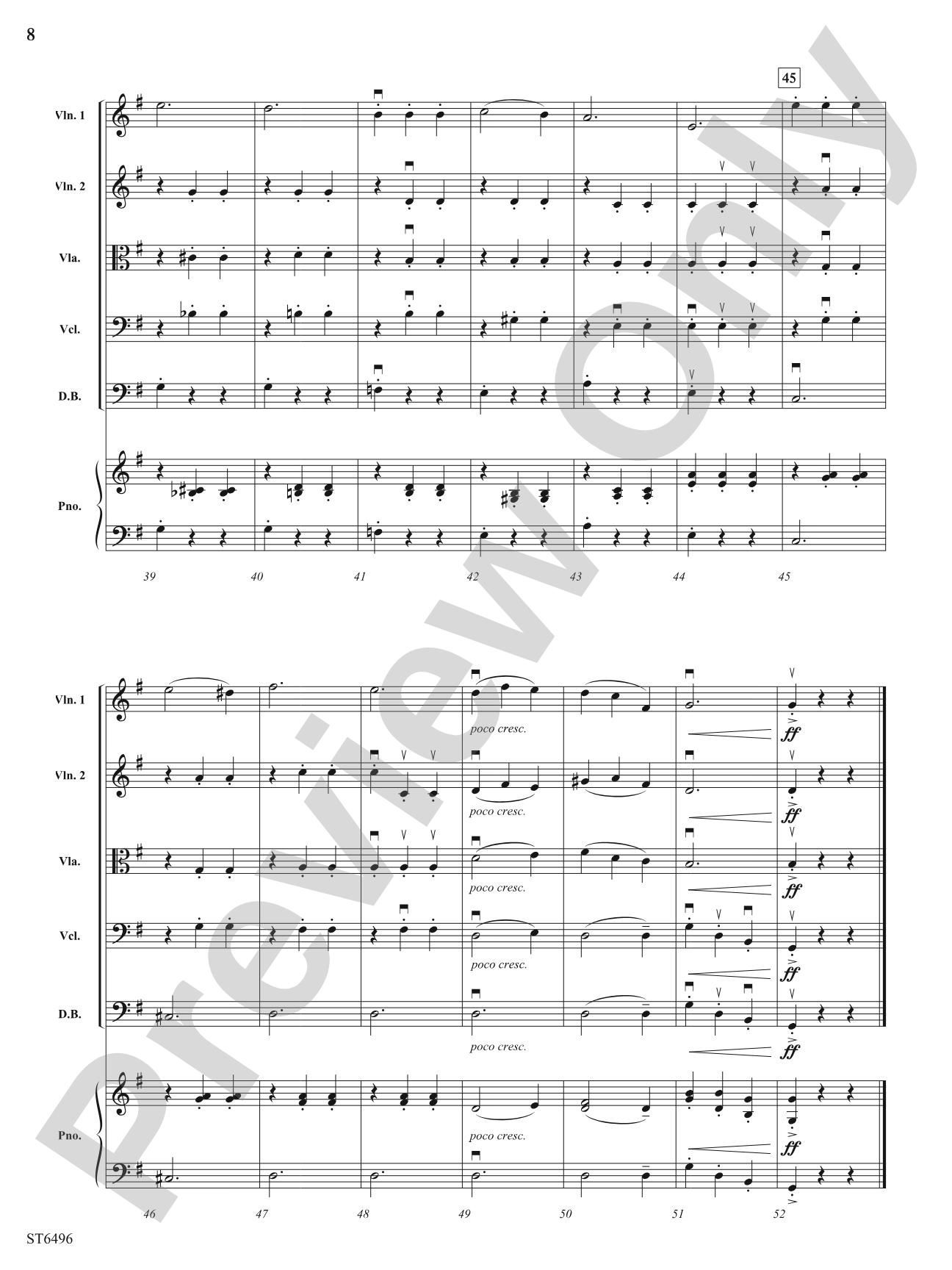
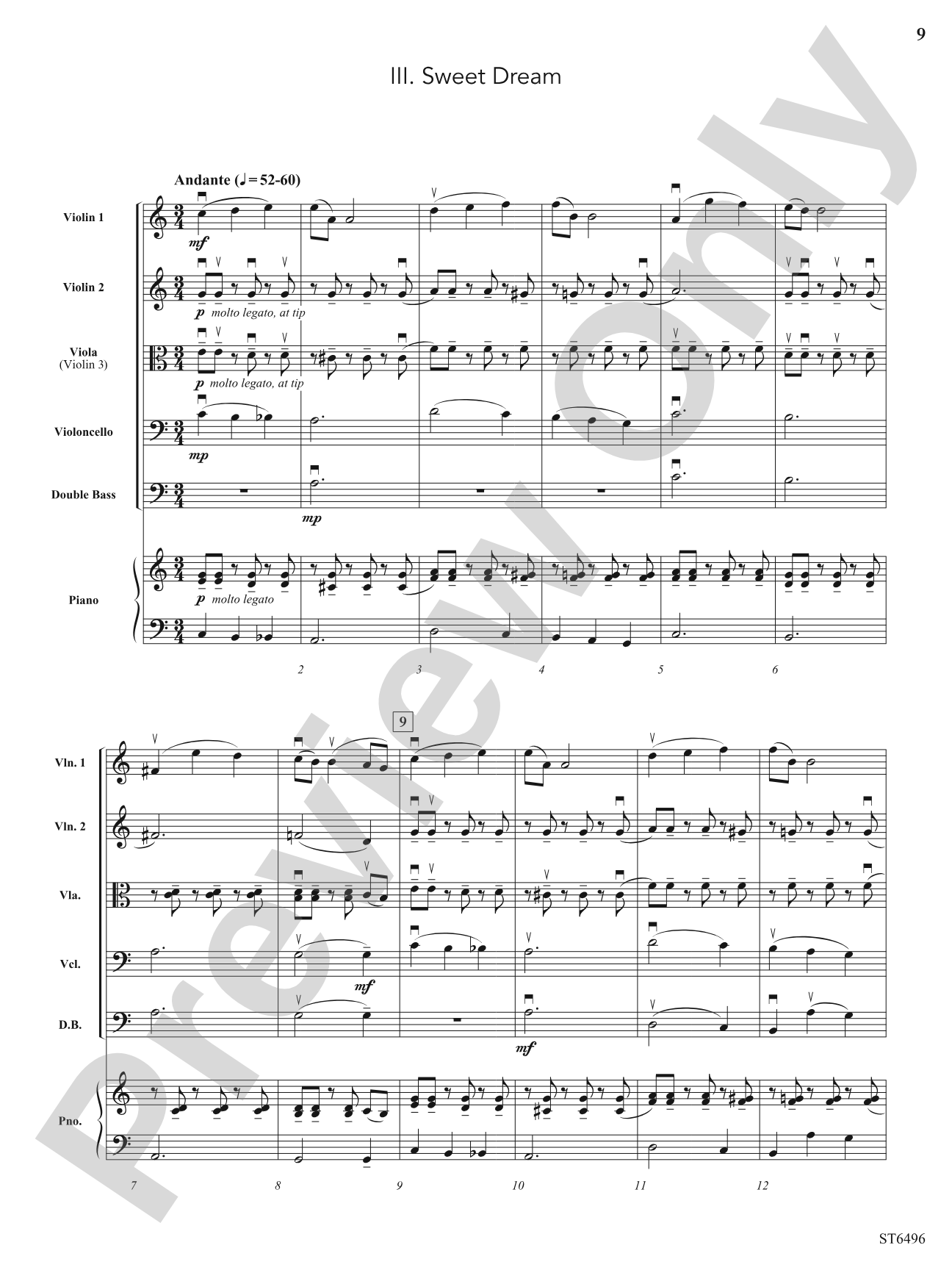
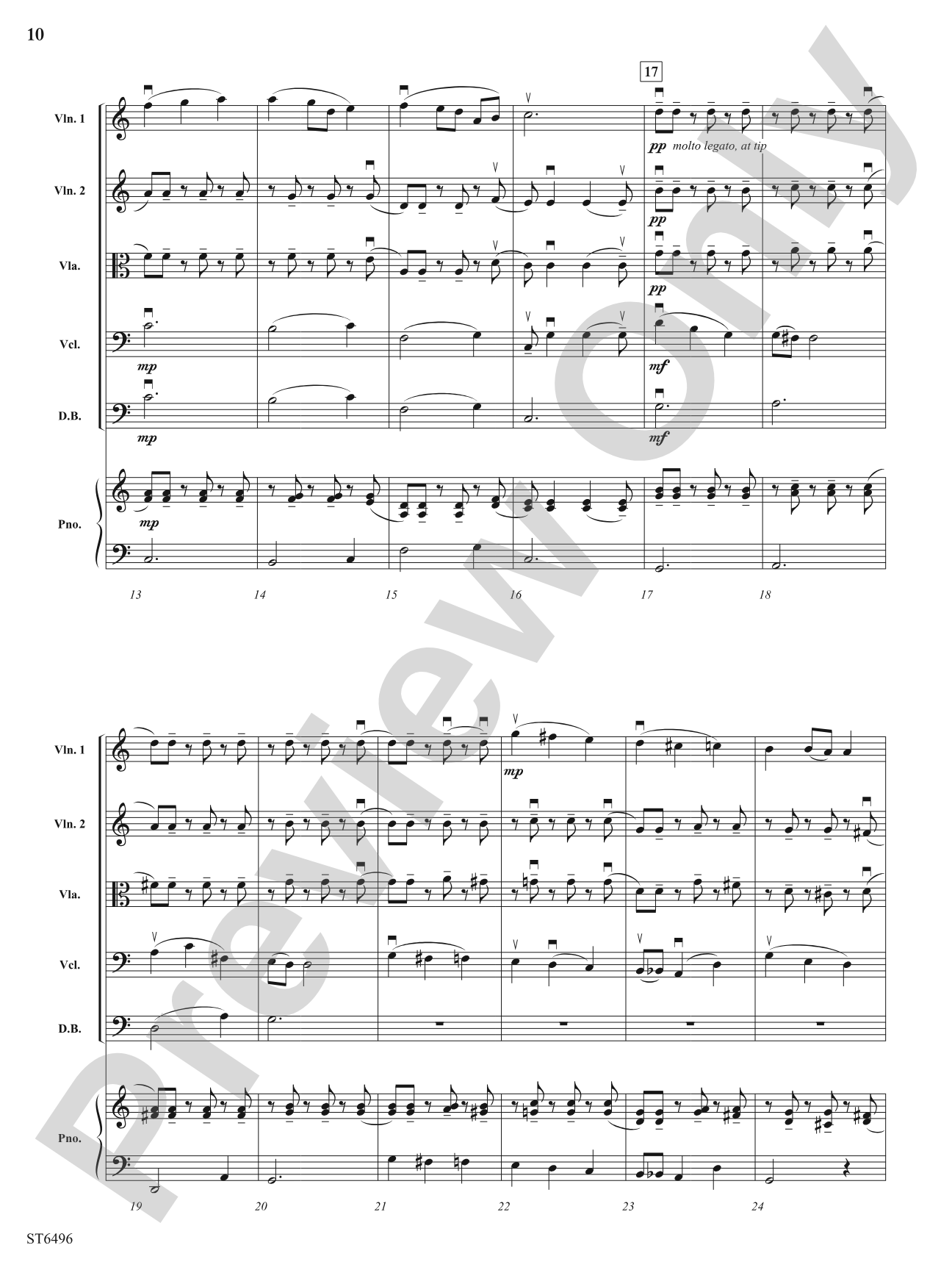
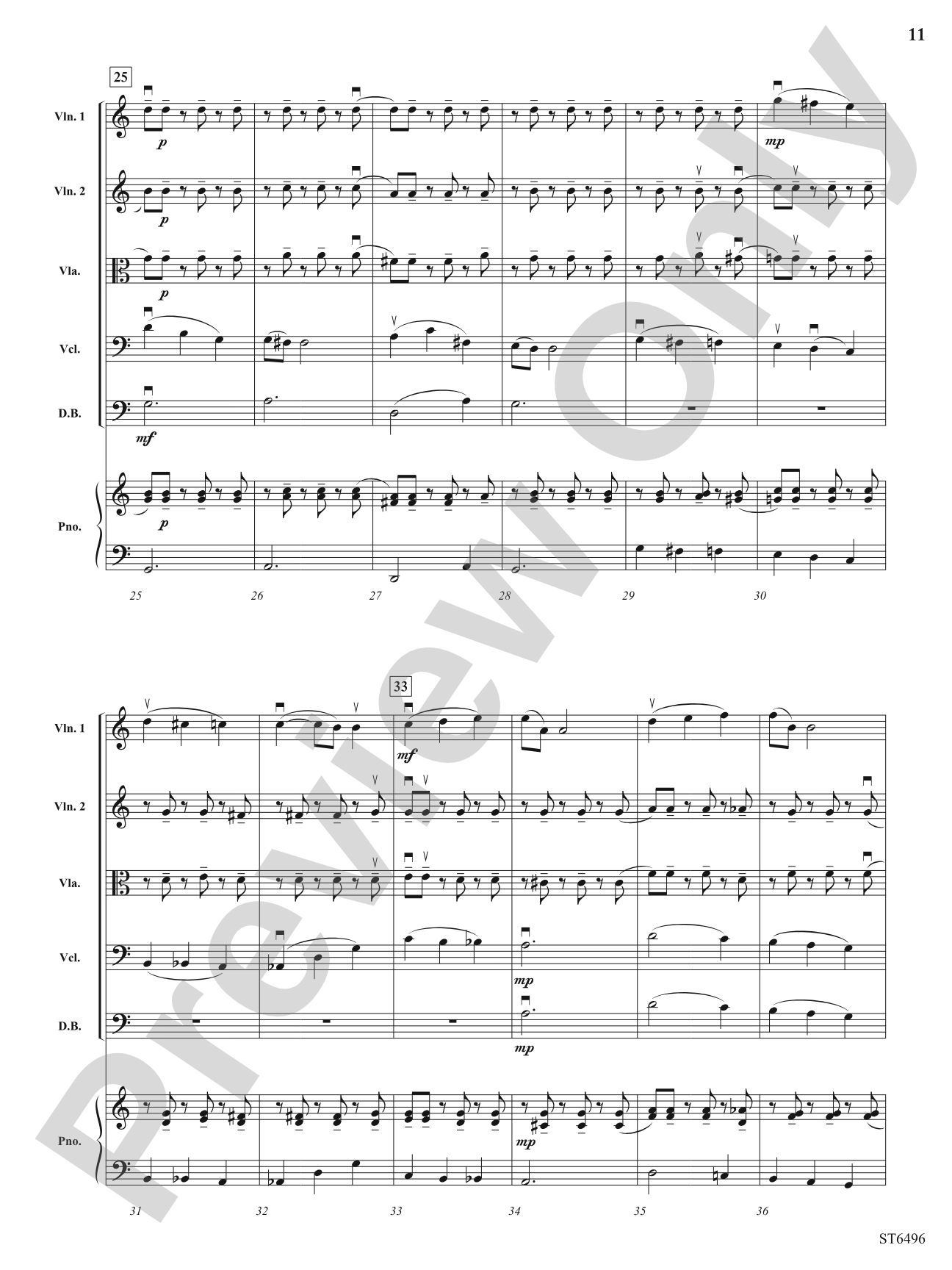
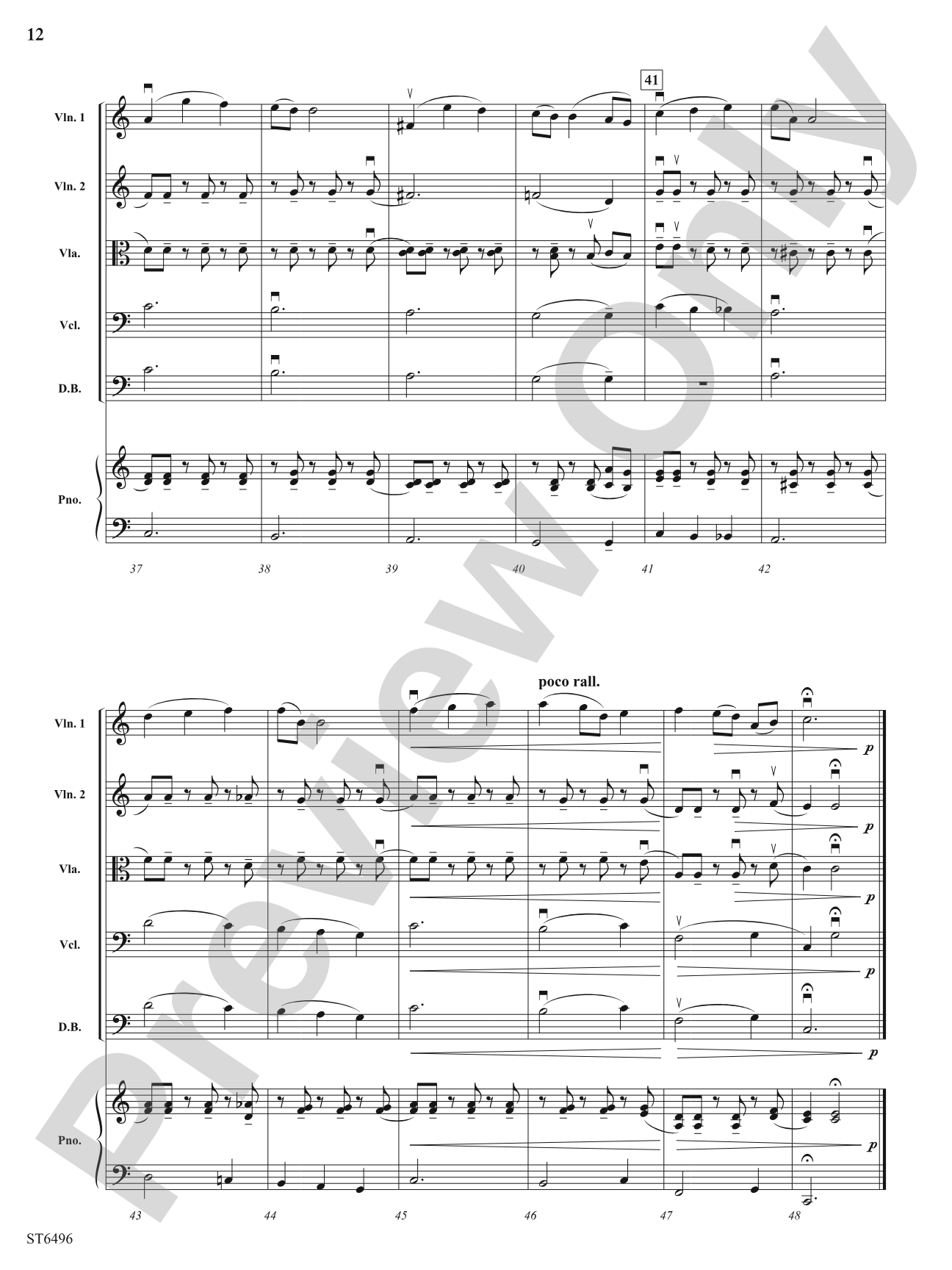
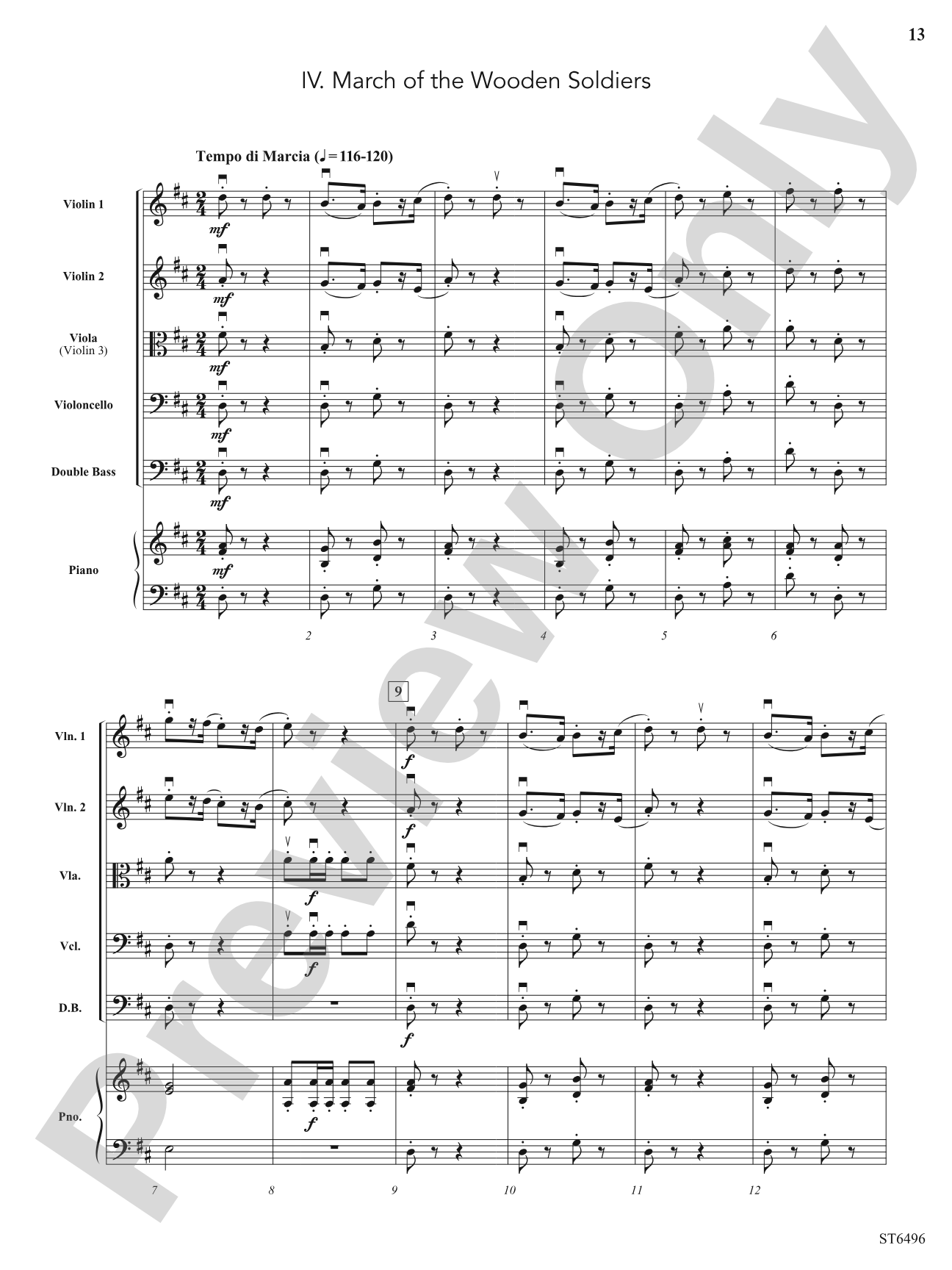
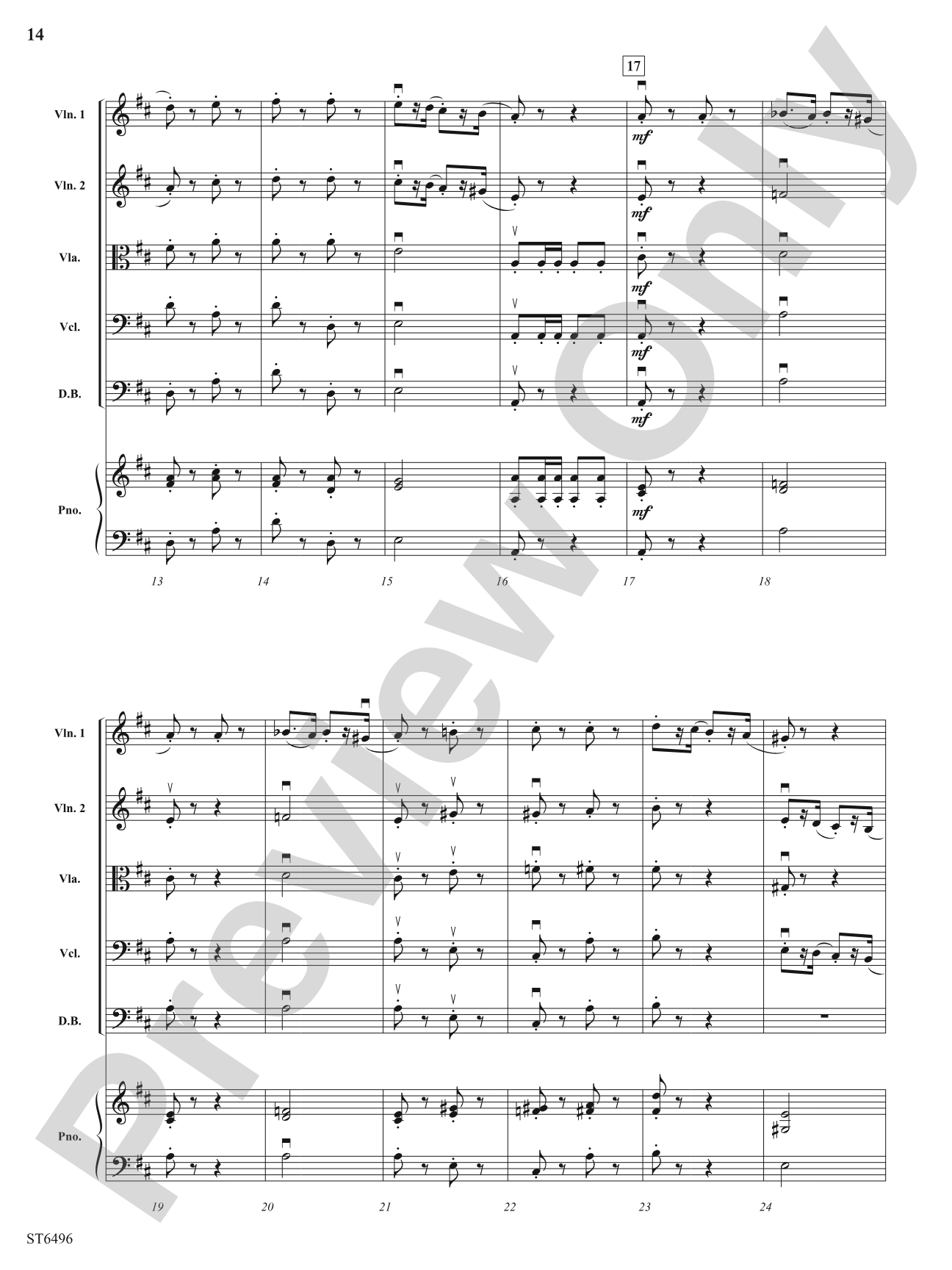
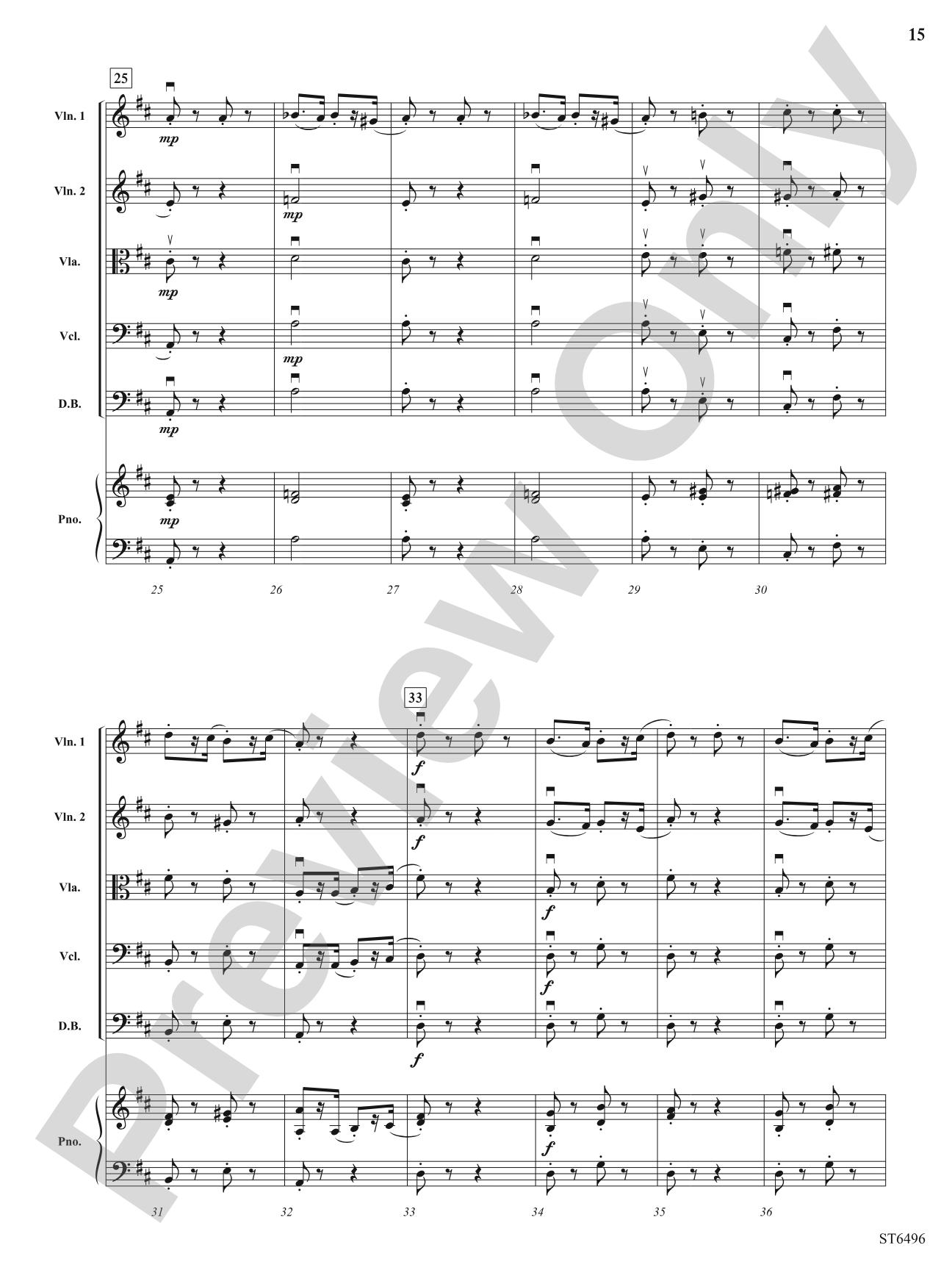
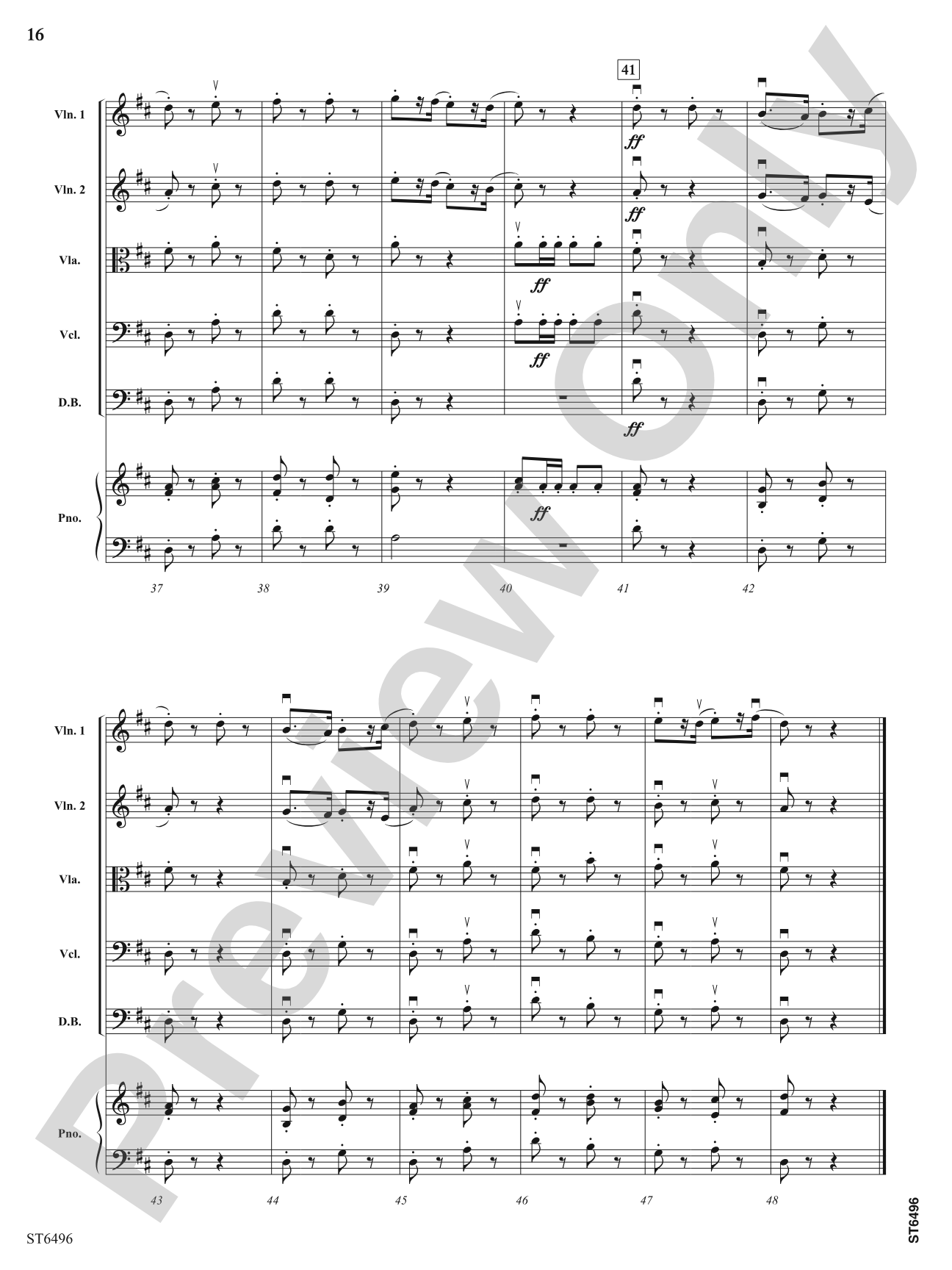

Album for the Young: Score
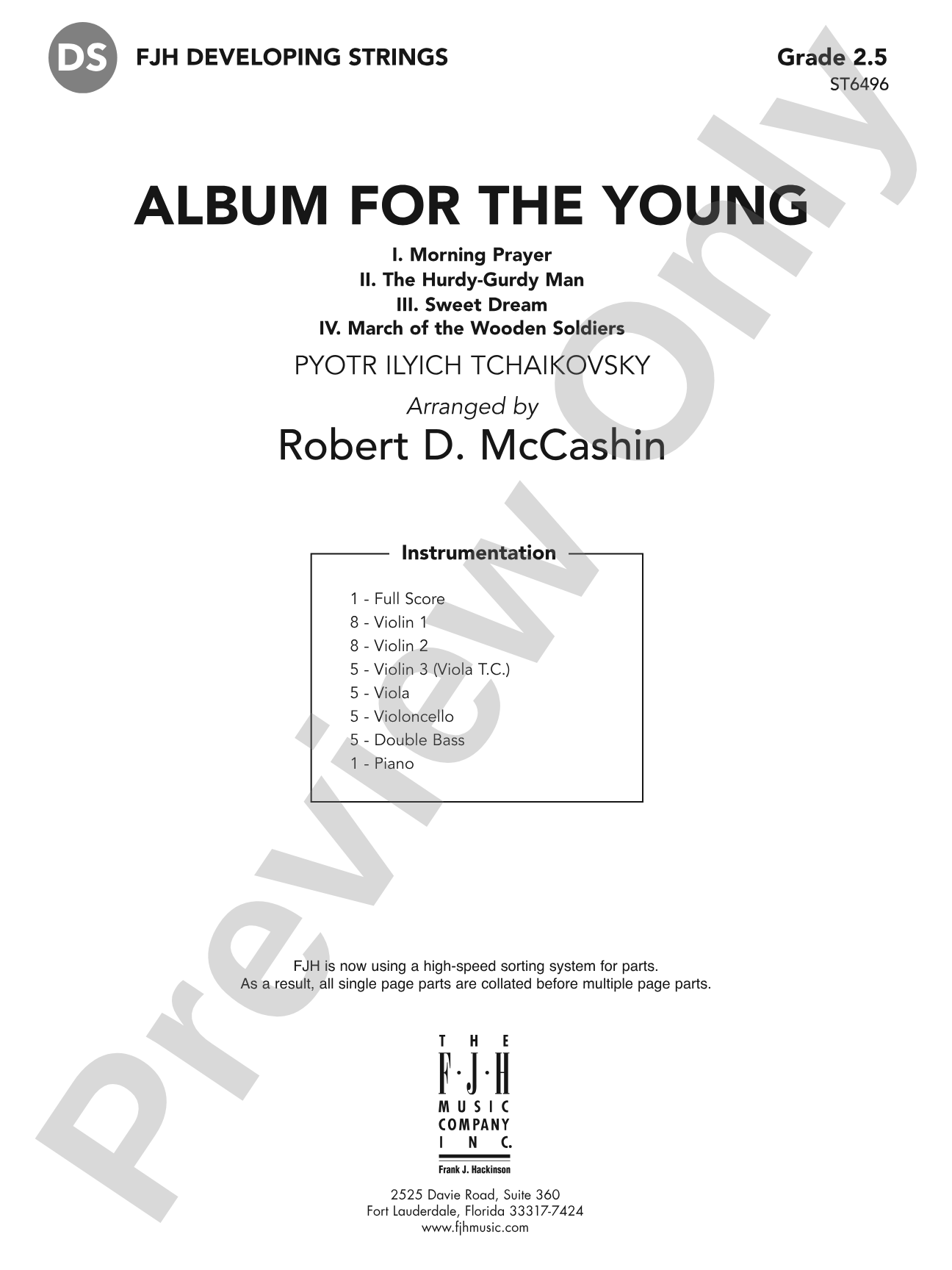
By Pyotr Ilyich Tchaikovsky / arr. Robert D. McCashin
Grade: 2.5
Item: 98-DST6496S
$6.00
Pickup currently not available
Description
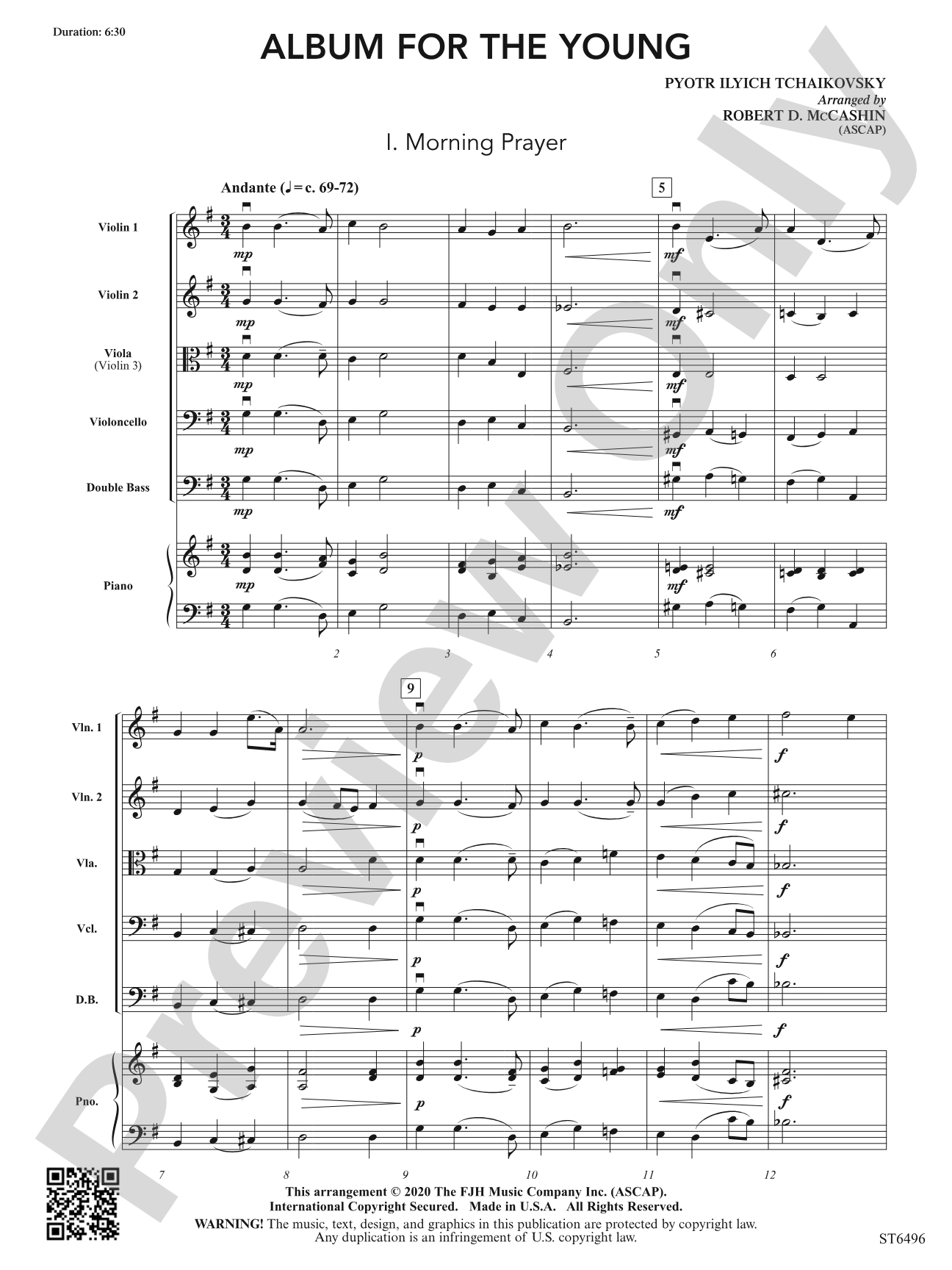
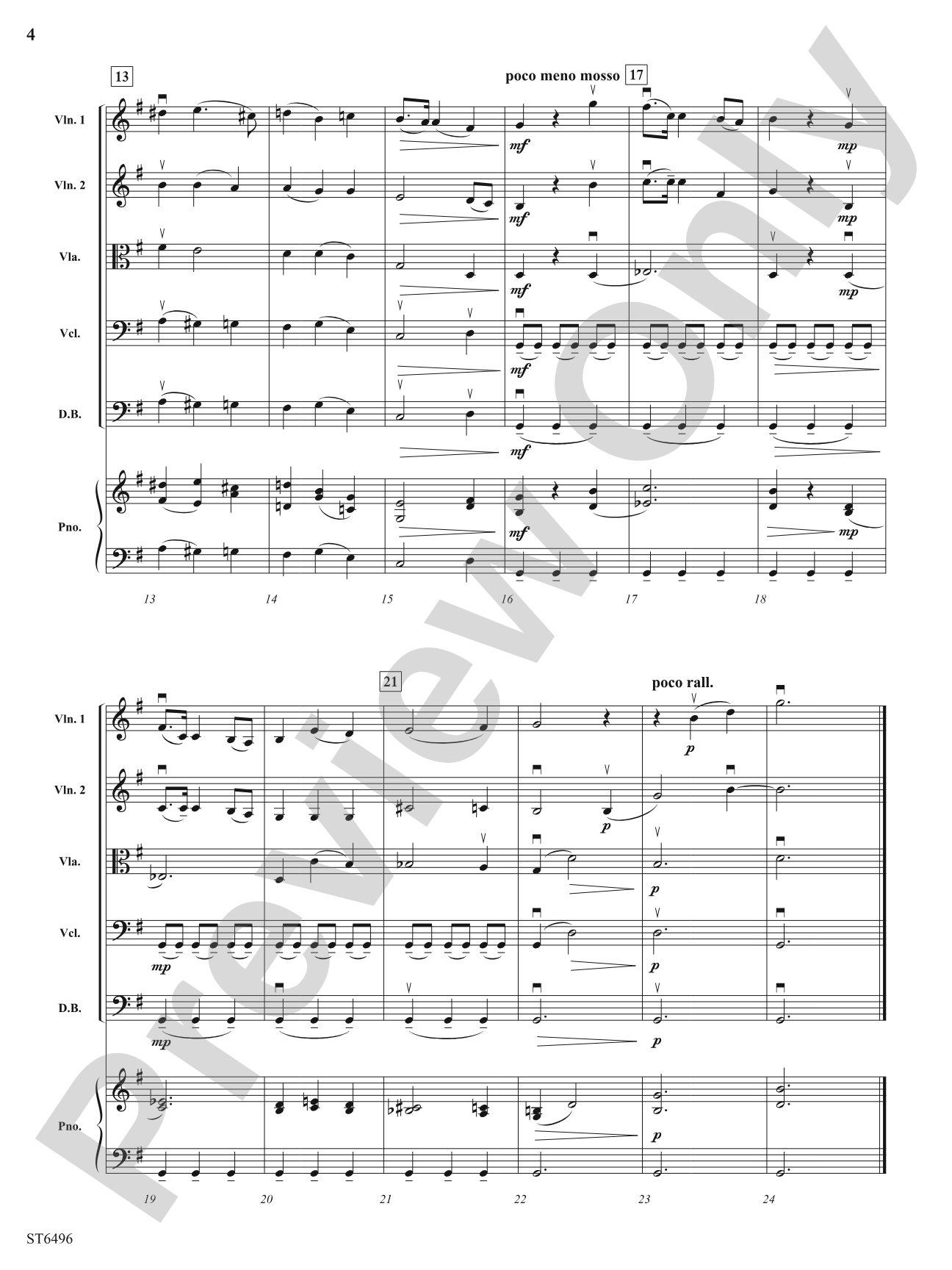
This spectacular arrangement features four movements from Tchaikovsky's famous Album for the Young. Opening with the endearing Morning Prayer, the piece then moves into the lighthearted waltz, The Hurdy-Gurdy Man. The beautiful Sweet Dream sets the stage for the delightful last movement, March of the Wooden Soldiers. Remarkably faithful to the original while also quite accessible to younger students! (6:30)


Album for the Young: Score isn't in MakeMusic Cloud just yet...but it could be. Let us know you'd like to see it, and you'll help shape what comes next. In the meantime, start a free trial and dive into thousands of interactive titles your students can play along with today.
Request This Title
Tell us you want it.
Start Your Free Trial
Explore everything that's ready to play right now.
Sample Audio
1
Audio File
--:--
0:00
0:00
Sample Video
Additional Details
Series:
FJH Developing Strings
Publisher:
The FJH Music Company, Inc.
SKU:
98-DST6496S
More about this title
About the Composer: Pyotr Ilyich Tchaikovsky
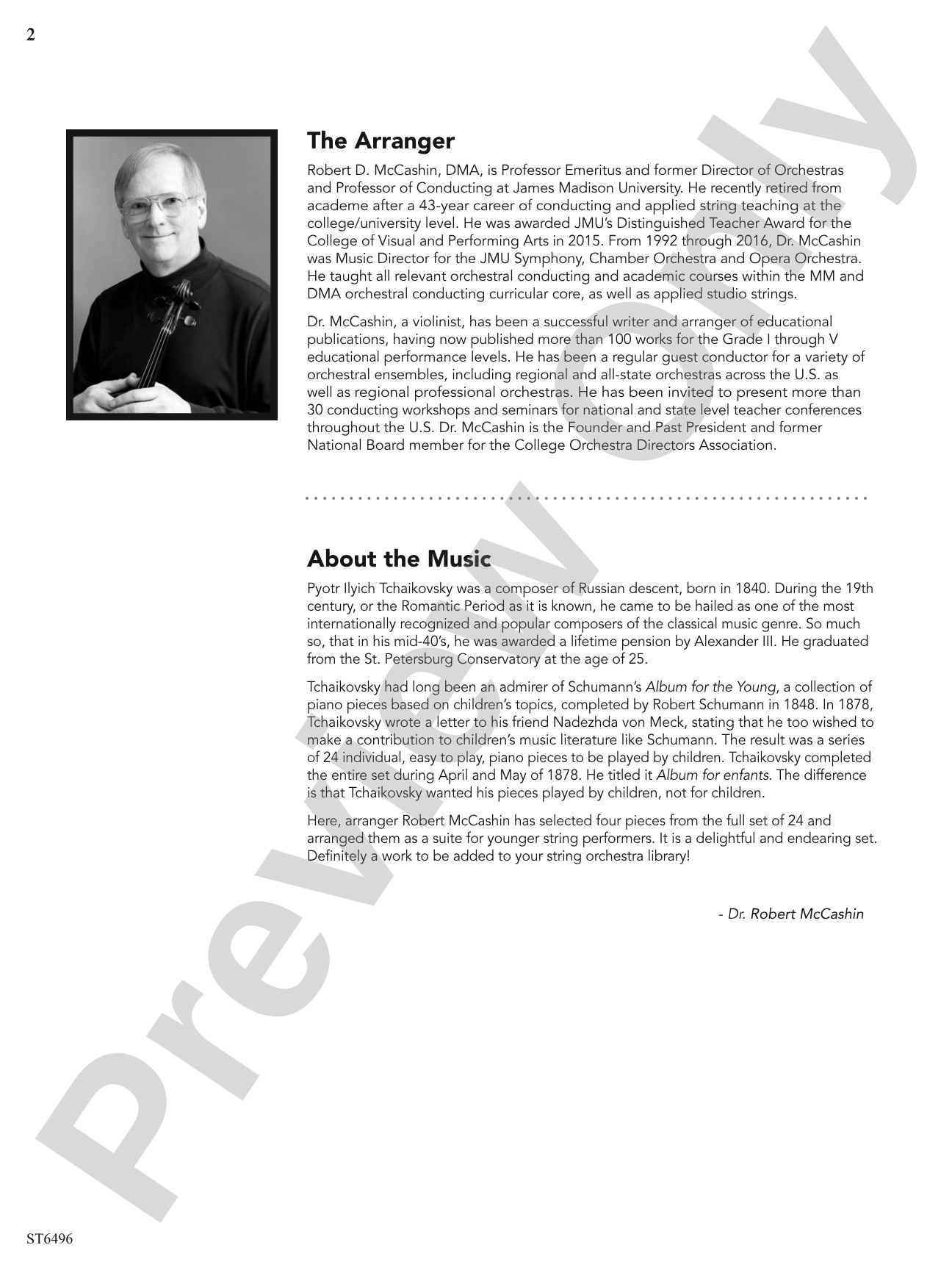
Pyotr Ilyich Tchaikovsky (1840-1893) remains one of the most performed composers in the classical canon, known for melodies that lodge immediately in the listener's ear and orchestrations of stunning color. His Album for the Young, a collection of 24 short piano pieces published in 1878, was written specifically for developing musicians and captures childhood experience with directness and affection. These pieces have become standards in music education worldwide, valued equally by pedagogues and young performers for their combination of technical accessibility and genuine artistic substance.
Why we love this
McCashin's arrangement captures the intimate charm of Tchaikovsky's original piano writing while building natural textures for growing string players. The four-movement sequence unfolds like a perfect rehearsal arc: a lyrical opening that centers the ensemble, rhythmic vitality that demands ensemble precision, a moment of reflection, and a rousing finale that sends students home energized. This is Tchaikovsky done right for young orchestras—musically sophisticated without pretense, and genuinely rewarding to teach.
What to expect
Four snapshots of childhood rendered in crystalline melodies and warm orchestral color. The progression moves from quiet reverence to playful energy to introspection and finally to celebratory march, each movement offering its own emotional landscape while maintaining the gentleness that made these pieces beloved in classrooms for over a century.
Who it's for
String orchestras at the Grade 2.5 level, including mixed-ability middle school ensembles and advancing community youth orchestras. Conductors seeking accessible arrangements that honor the original composer's voice and offer genuine musical substance will find this a staple for concerts, festivals, and recordings.
How to get the most out of it
- Balance the opening Prayer melody between first violins and cellos; both lines carry the tune, and blending them creates warmth rather than doubling thickness.
- In the Hurdy-Gurdy Man, anchor the pizzicato accompaniment with consistent pulse from your bass section; young players often rush rhythmic figures when the melody line is driving above them.
- Sweet Dream requires patience with bow distribution among the violins; mark where longer bows make musical sense and where shorter strokes preserve transparency over the accompaniment.
- Drive the March toward the downbeats rather than subdividing each beat; the harmonic changes move the piece forward naturally if you resist the urge to hold back.
How to use it
Program this as a complete four-movement suite to fill 6.5 minutes of concert time with repertoire students will be proud to own, or pair the movements separately with contemporary works to create thematic connections (Morning Prayer works beautifully alongside other spiritual or reflective pieces; the March pairs naturally with other dances). Early-to-mid season is ideal for introducing the piece, allowing time for genuine musical rehearsal rather than last-minute learning.
Skills your students will build
- Playing sustained legato phrases across multiple bars
- Balancing melodic and accompanimental texture within the same string section
- Responding to tempo and phrasing choices that differ from literal note values
- Executing quick dynamic transitions within flowing musical lines
- Ensemble awareness in both unison and divisi writing