
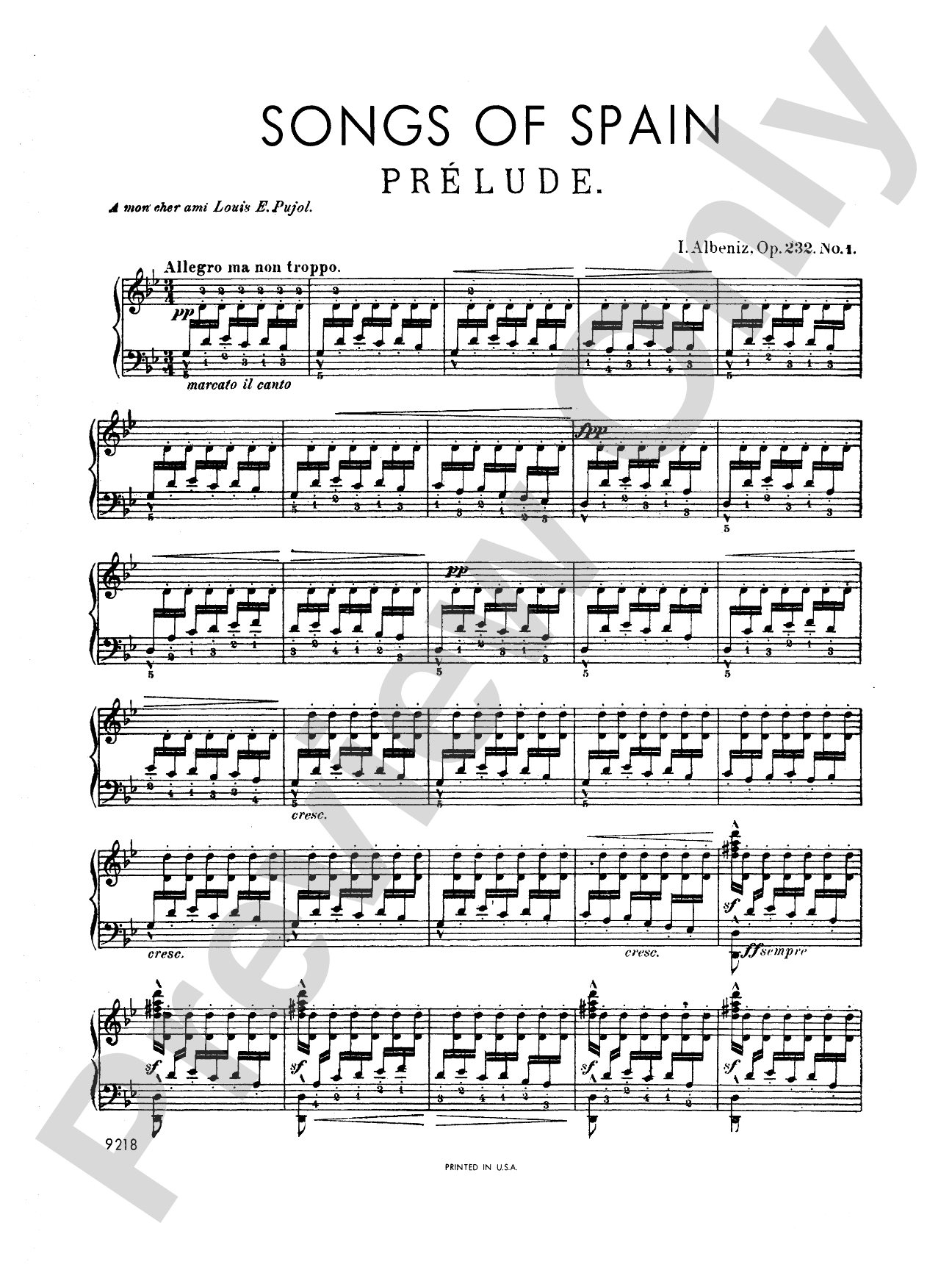
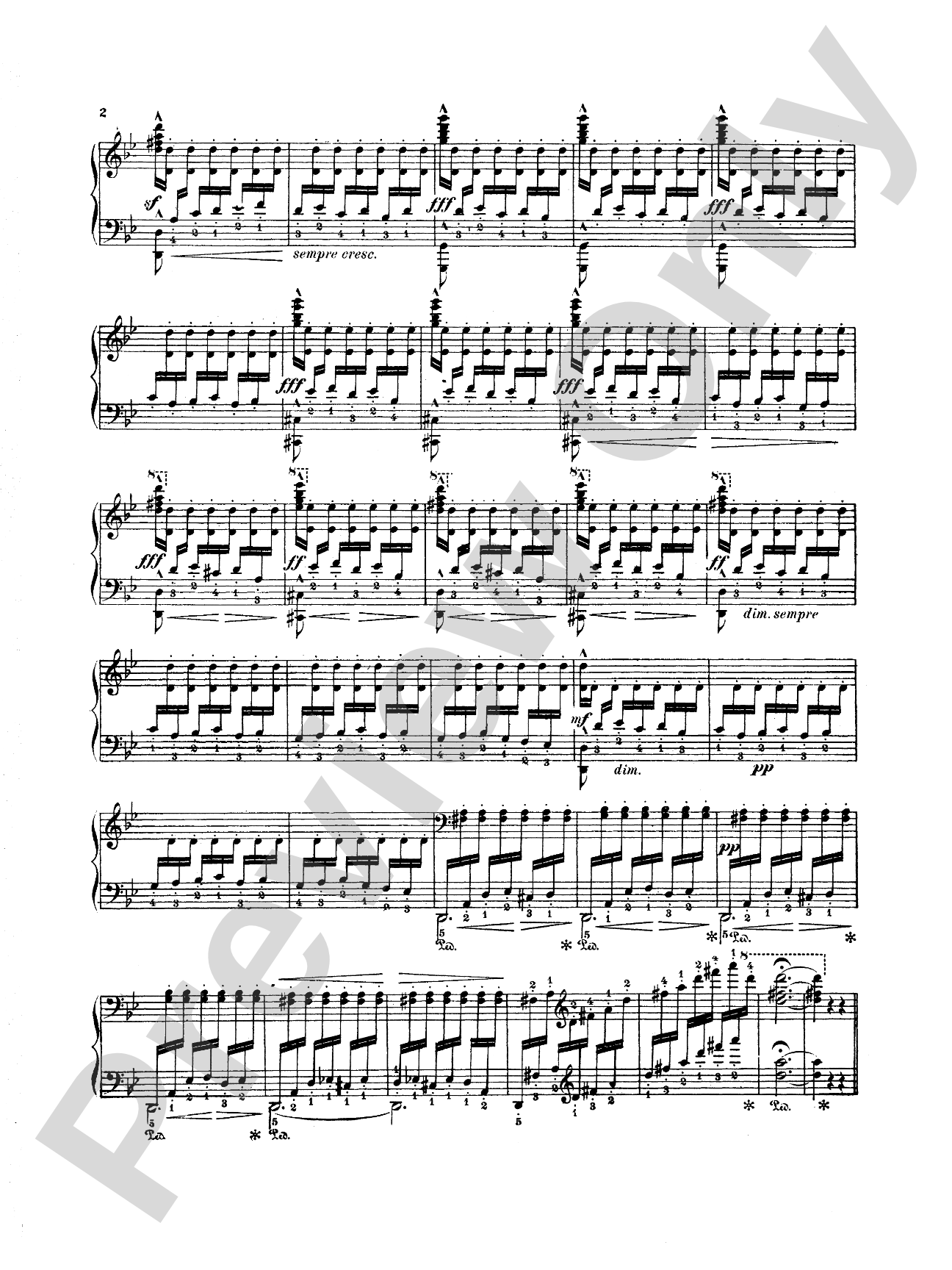
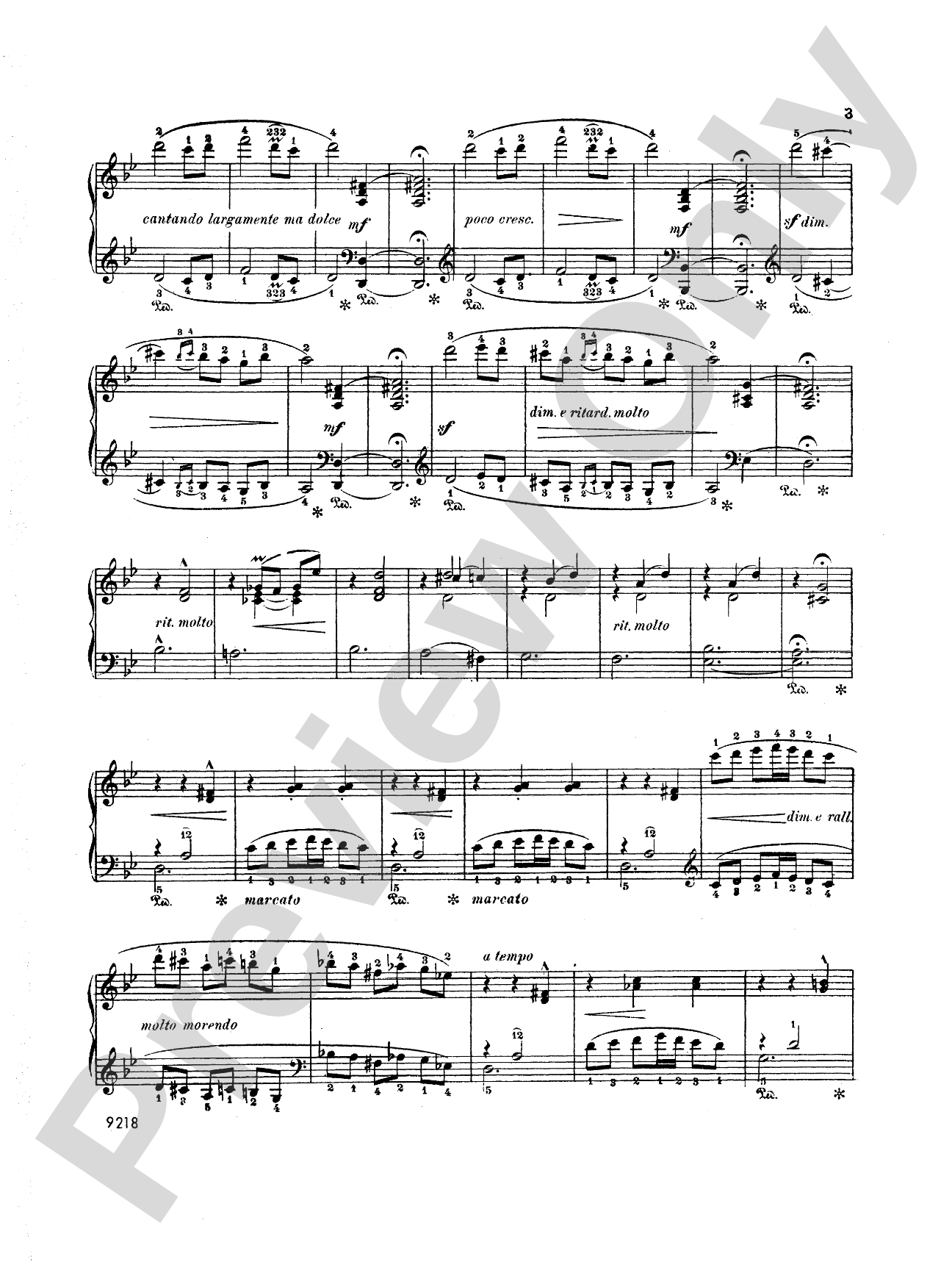
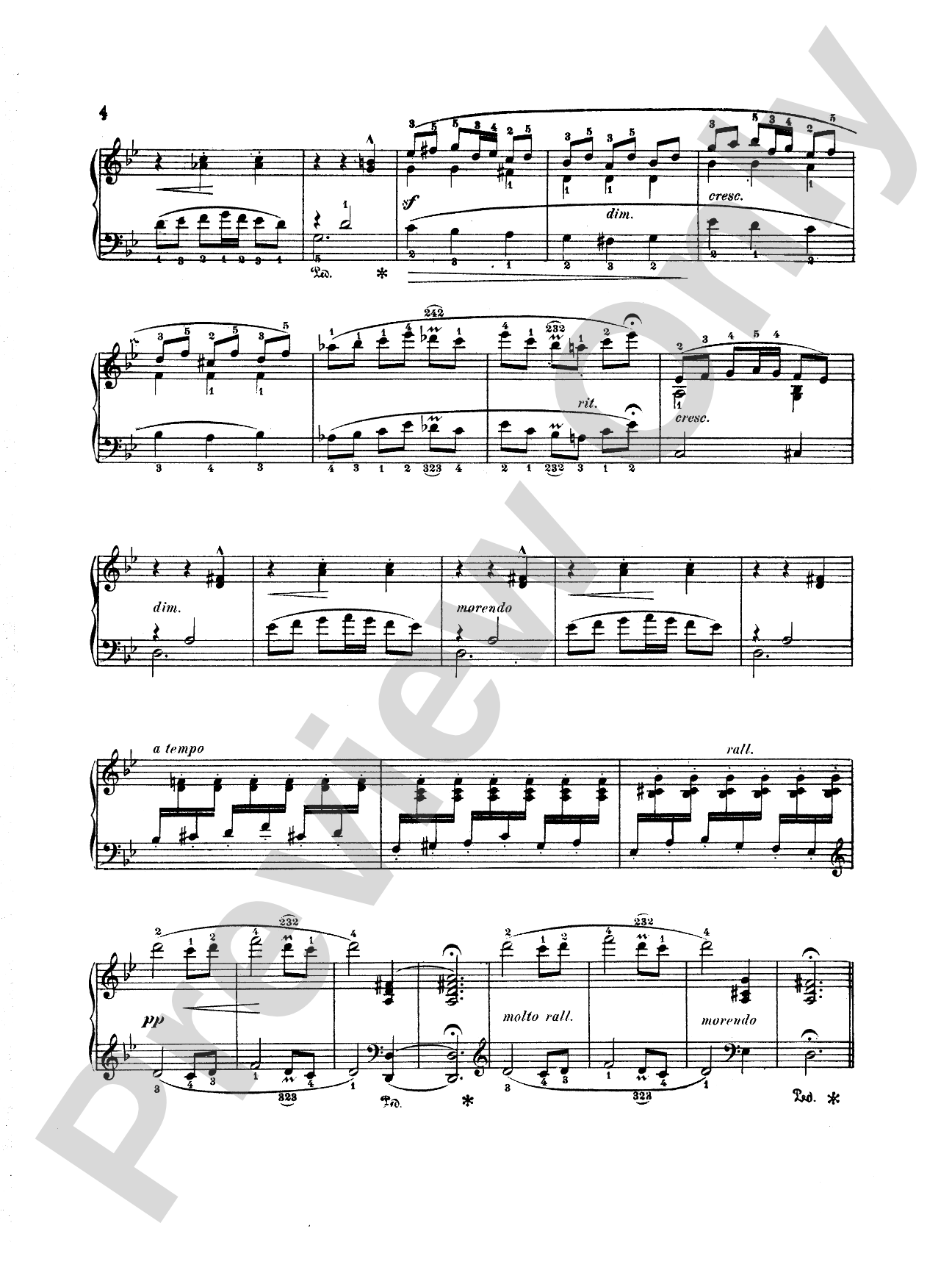
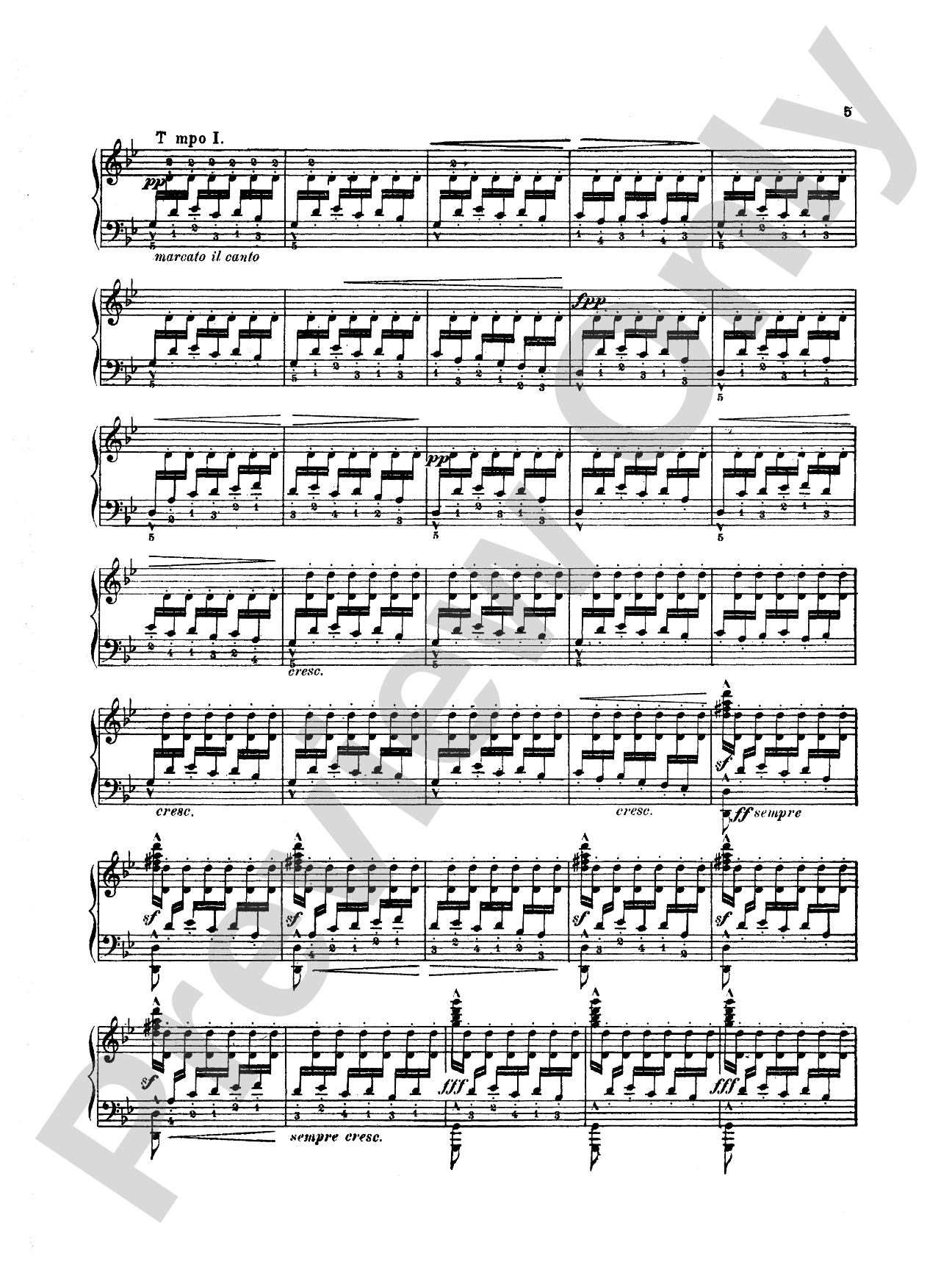
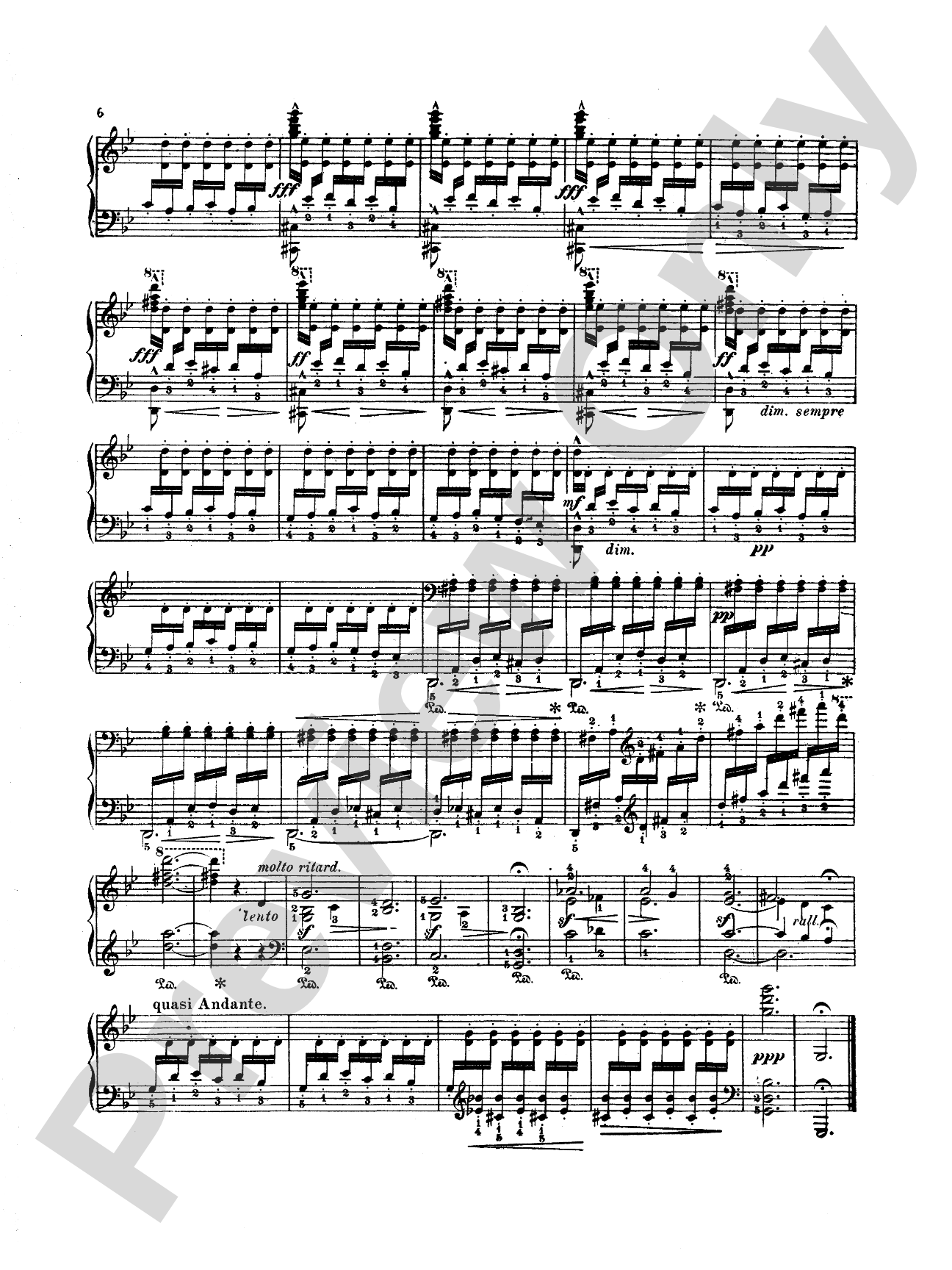

Albéniz: Songs of Spain, Op. 232: Piano
By Isaac Albéniz
Level: Intermediate / Advanced
Item: 00-PK-0003706

$9.99
Pickup currently not available
Buy Extra Parts (Digital PDF Download)
| Product | Price | Quantity |
|---|---|---|
| Albéniz: Songs of Spain, Op. 232 | $0.99 | |
| Albéniz: Songs of Spain, Op. 232 | $0.99 | |
| Albéniz: Songs of Spain, Op. 232 | $0.99 | |
| Albéniz: Songs of Spain, Op. 232 | $0.99 | |
| Albéniz: Songs of Spain, Op. 232 | $0.99 |
Parts Added to Cart!
Related Items
Songs of Spain, Opus 232: Piano |
$9.95
|
View |
Description
Titles: Prelude * Orientale * Sous le Palmier * Cordoba * Seguidillas.


Don't just read it, hear it, play along with it, and watch your students grow with it. In MakeMusic Cloud, Albéniz: Songs of Spain, Op. 232: Piano comes alive with professional accompaniment, adjustable tempo, and built-in practice tools that turn solo practice into real progress.
Open in the Player
Jump straight in and assign it today.
Start Your Free Trial
Open this title and explore the full library in minutes.
Sample Audio
No sample audio found.
Sample Video
No sample videos found.
Additional Details
Series:
Kalmus Edition
Publisher:
Alfred Music
Page Count:
32
SKU:
00-PK-0003706
More about this title
About the Composer: Isaac Albéniz
Isaac Albéniz (1860-1909) was a Spanish pianist and composer whose music captured the spirit and color of his native country while absorbing influences from across Europe. He spent formative years in Paris and London, where he developed a cosmopolitan compositional voice that blended Romantic harmony with distinctly Iberian melodic sensibilities. His piano works remain cornerstones of the Spanish Romantic repertoire, prized for their evocative nationalism and technical brilliance.
Albéniz's later works, including Songs of Spain, represent the culmination of his artistic vision: music that feels both deeply rooted in Spanish folk traditions and thoroughly sophisticated in its harmonic language. His influence on twentieth-century Spanish composers and on pianists seeking culturally specific repertoire has proven enduring.
Why we love this
Albéniz writes at a level where intermediate-advanced pianists can feel like genuine musicians rather than mere technicians. Each movement offers distinct character and color without relying on empty virtuosity; the challenges emerge from interpretive nuance, tonal control, and the integration of Spanish musical idioms into a sophisticated harmonic framework. Programming these pieces signals to your audience that you're offering concert music, not etudes.
What to expect
These pieces evoke the warmth and drama of Spain: sunlit courtyards, exotic rhythms, moments of introspection alongside passionate flourishes. The harmonic language is luxuriant and chromatic, often painting impressionistic color, while the melodic line maintains an almost vocal quality that recalls Spanish song traditions. You move between intimate character pieces and grander gestures, always sensing Albéniz's underlying romantic sensibility.
Who it's for
Intermediate-advanced pianists preparing for competition, recital, or ensemble performance will find substantial material here. Teachers seeking to introduce advanced students to Spanish musical nationalism and the distinct keyboard voice Albéniz developed will find these five movements both accessible and artistically rewarding.
How to get the most out of it
- Attend carefully to the tonal palette Albéniz creates through harmonic color. These pieces reward a pianist who thinks in terms of orchestral sonority and uses the pedal as a compositional tool, not a convenience.
- Research the geographic and cultural associations of each title. Cordoba and Seguidillas reference specific regions and musical traditions; understanding these contexts deepens your interpretive choices.
- Balance the Romantic expansiveness of the harmonic language with the clarity needed to showcase the Spanish melodic character. Avoid dragging tempos in the more languorous sections.
- The ornaments and rhythmic inflections in these pieces draw from flamenco and guitar music. Listen to recordings that honor these roots rather than treating them as purely Romantic piano showpieces.
How to use it
Songs of Spain works beautifully as a recital suite, allowing you to program five distinct Spanish-flavored movements without leaving the piano. Alternatively, select individual movements to pair with other Romantic or Spanish-influenced repertoire; Cordoba is particularly effective as a concert centerpiece. The set also serves intermediate-advanced students working to expand beyond standard classical and romantic canon into culturally specific traditions.
Skills your students will build
- Harmonic analysis of chromatic and impressionistic voice leading
- Ornamentation and rubato in the Spanish musical idiom
- Tonal control and pedal technique for creating orchestral sonority
- Rhythmic interpretation of flamenco and Spanish dance rhythms
- Balancing lyrical melodic expression with complex accompaniment patterns