
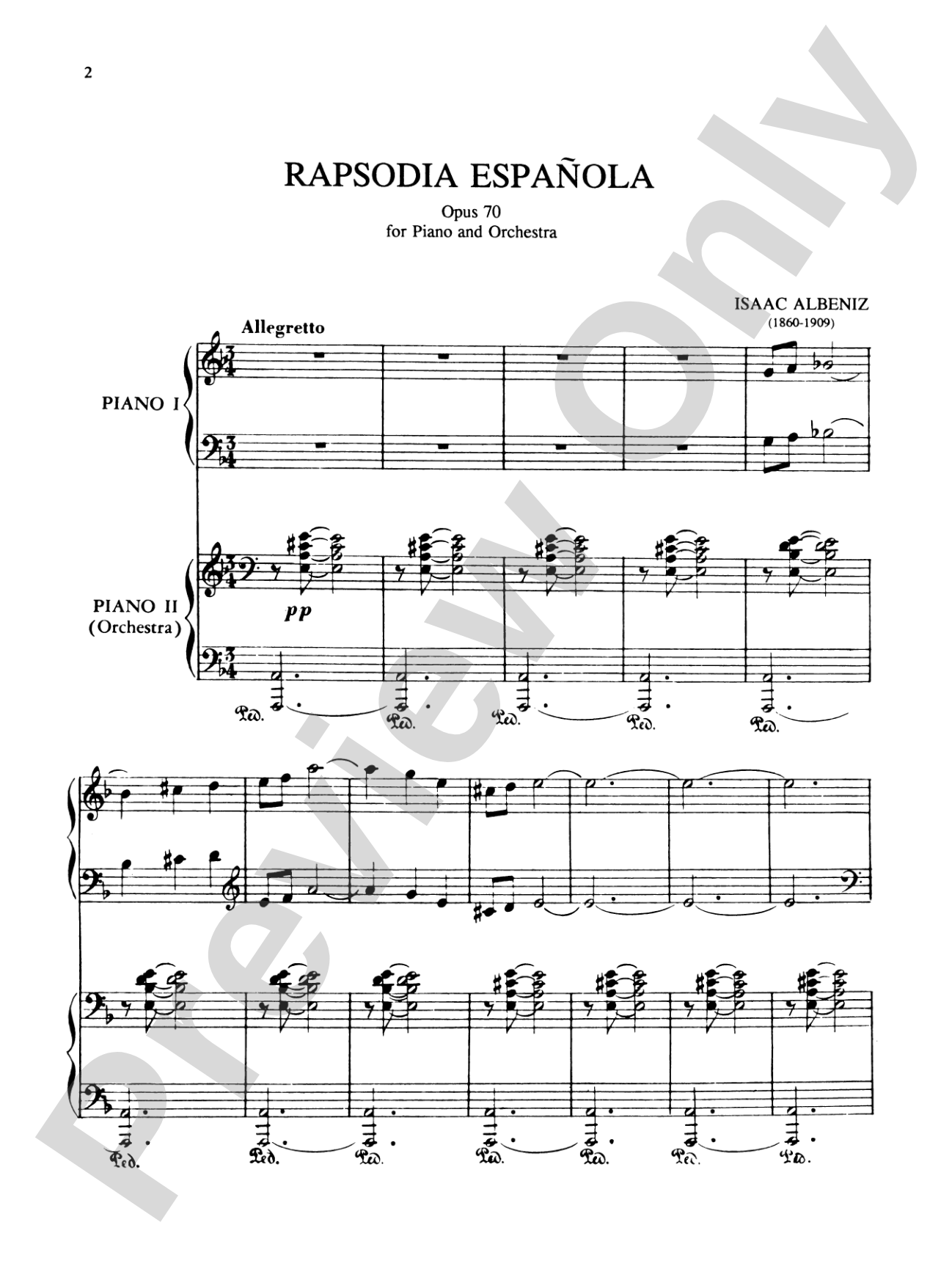
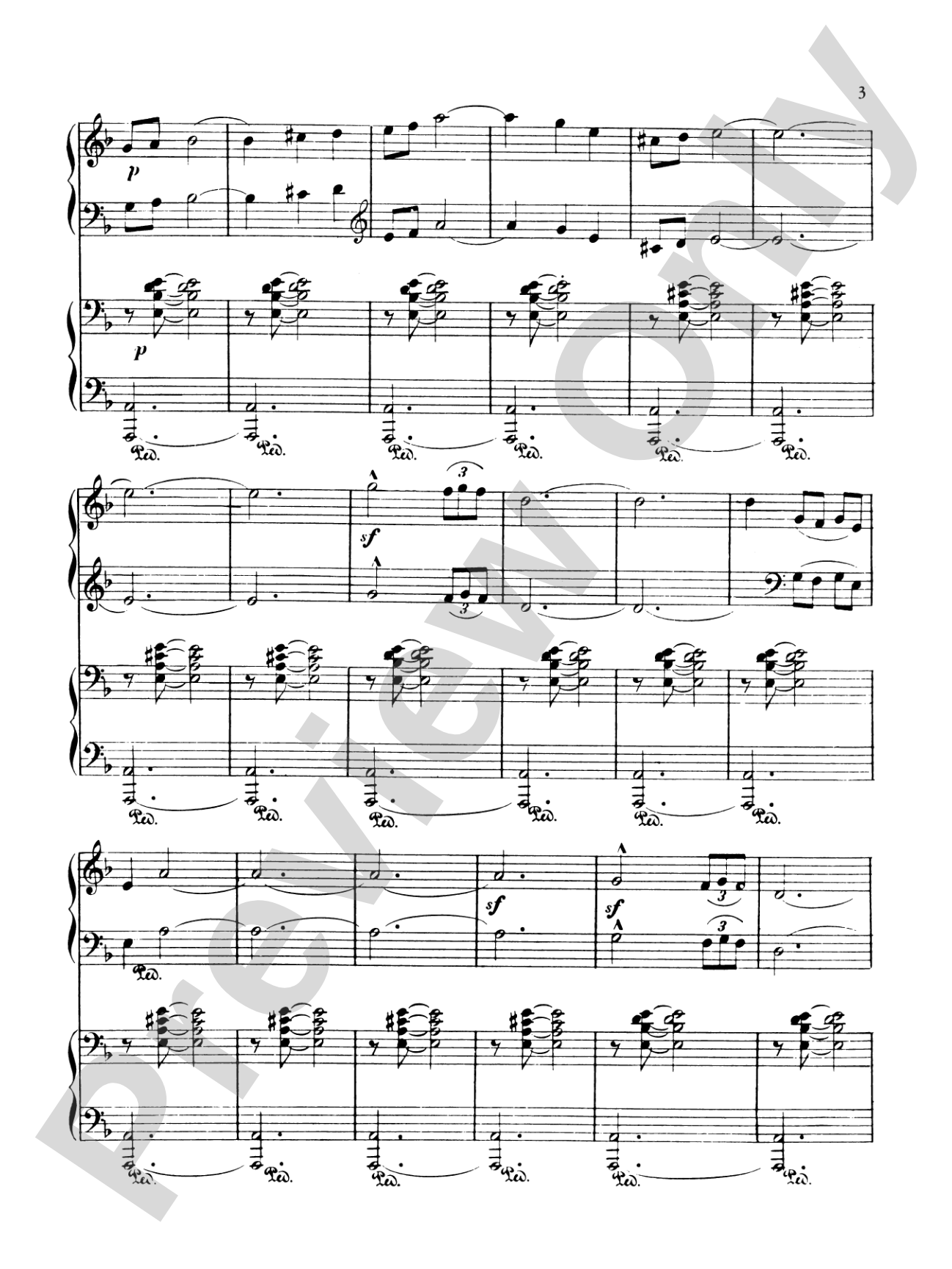
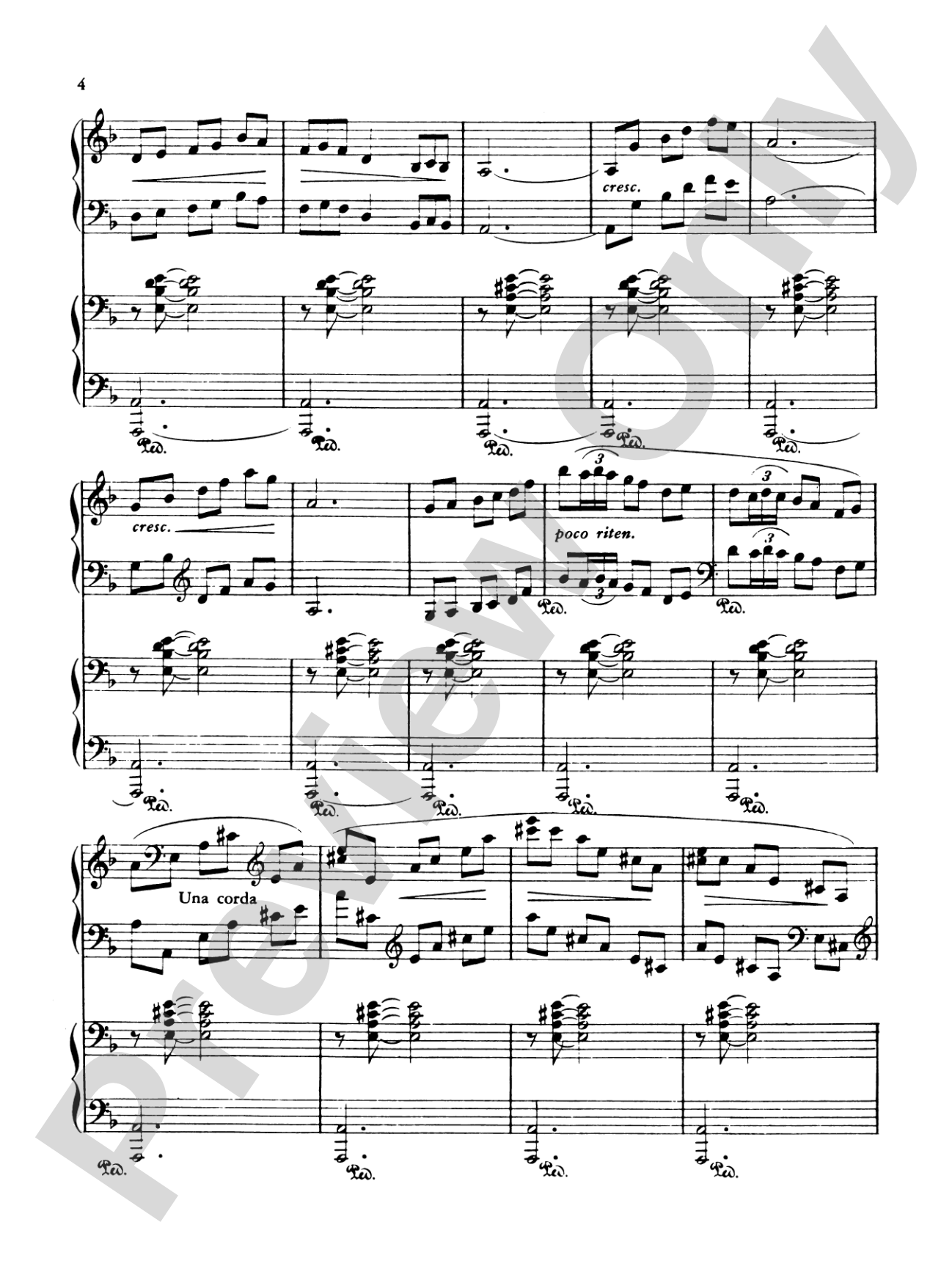
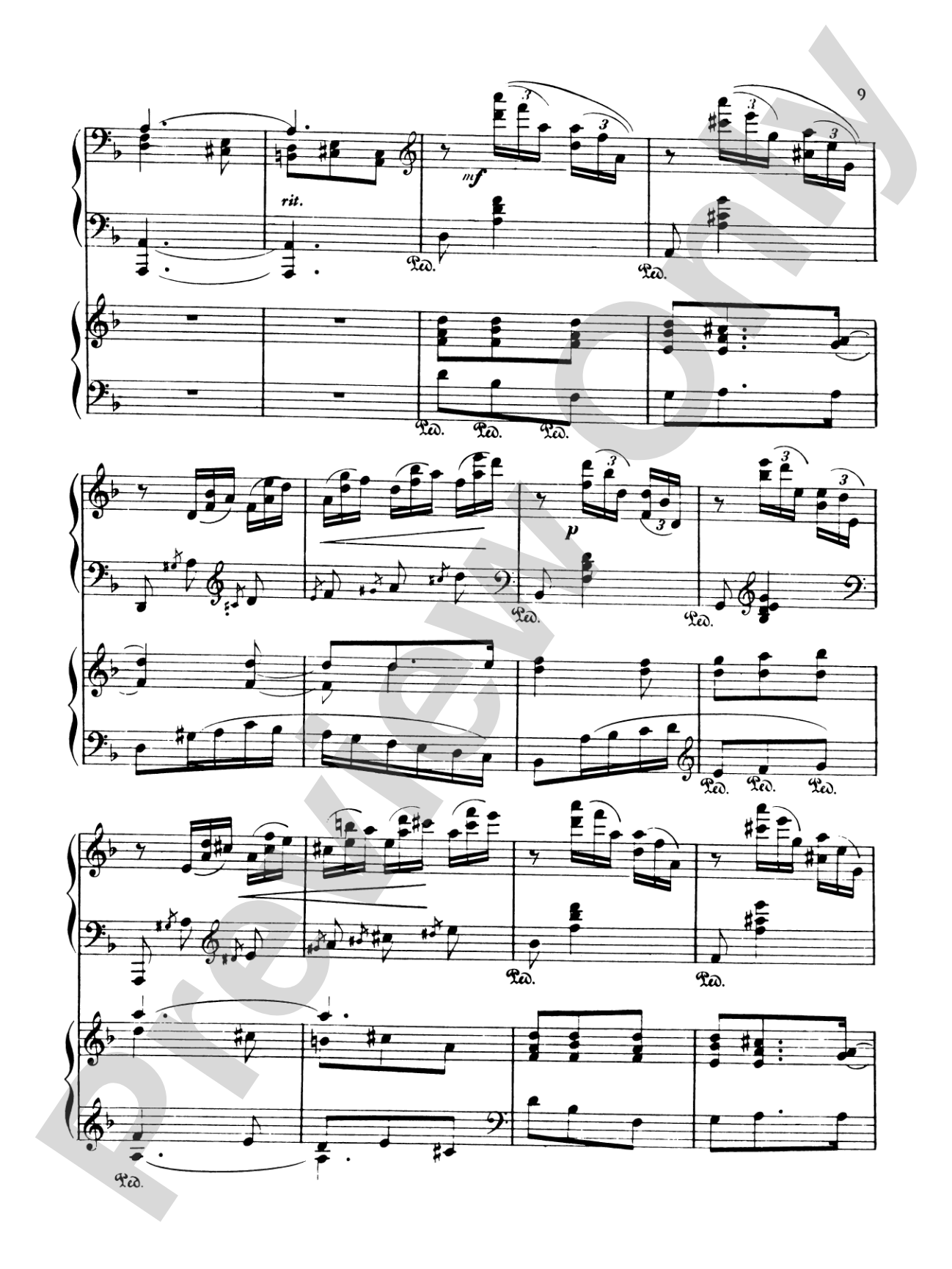
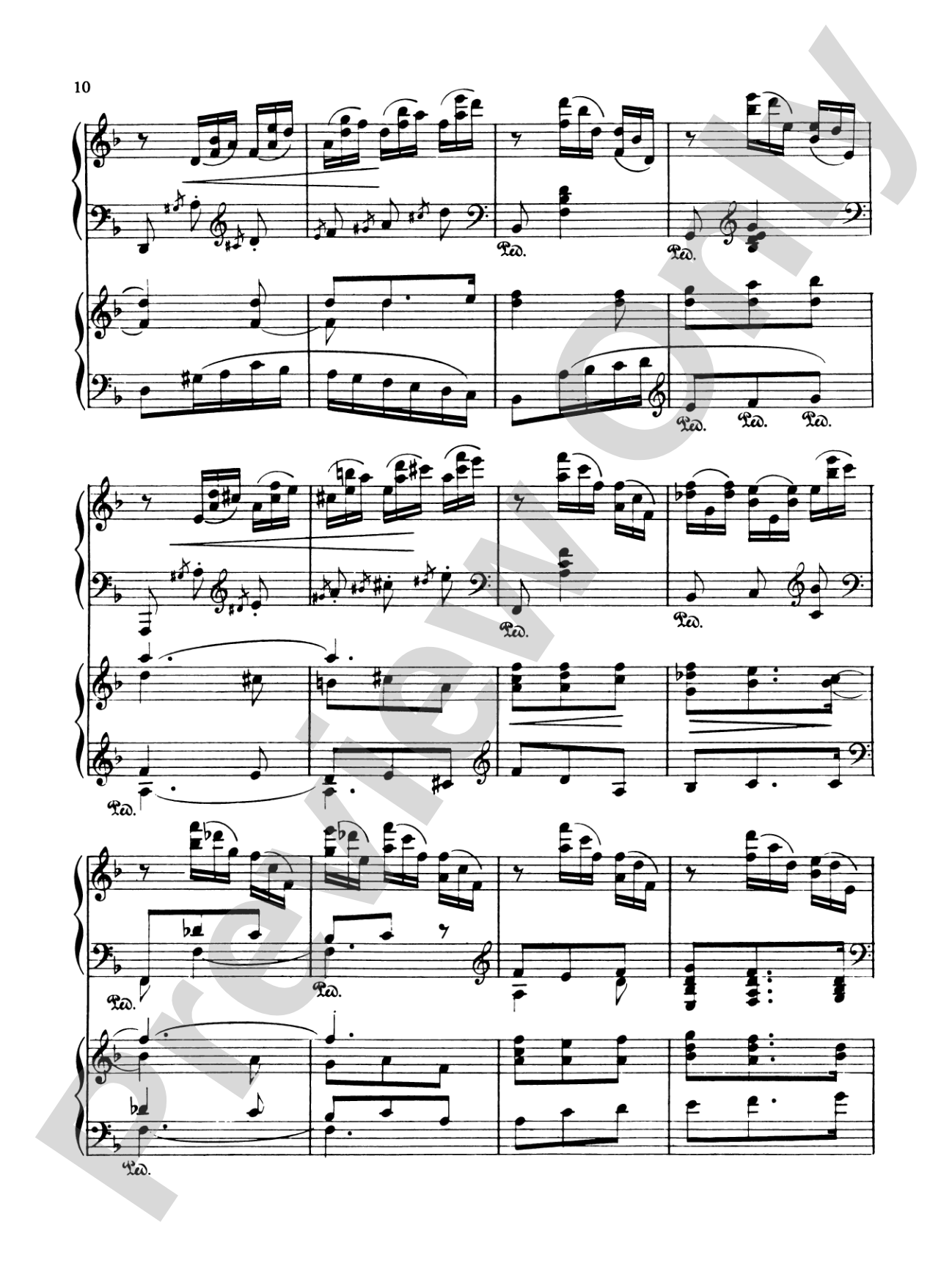
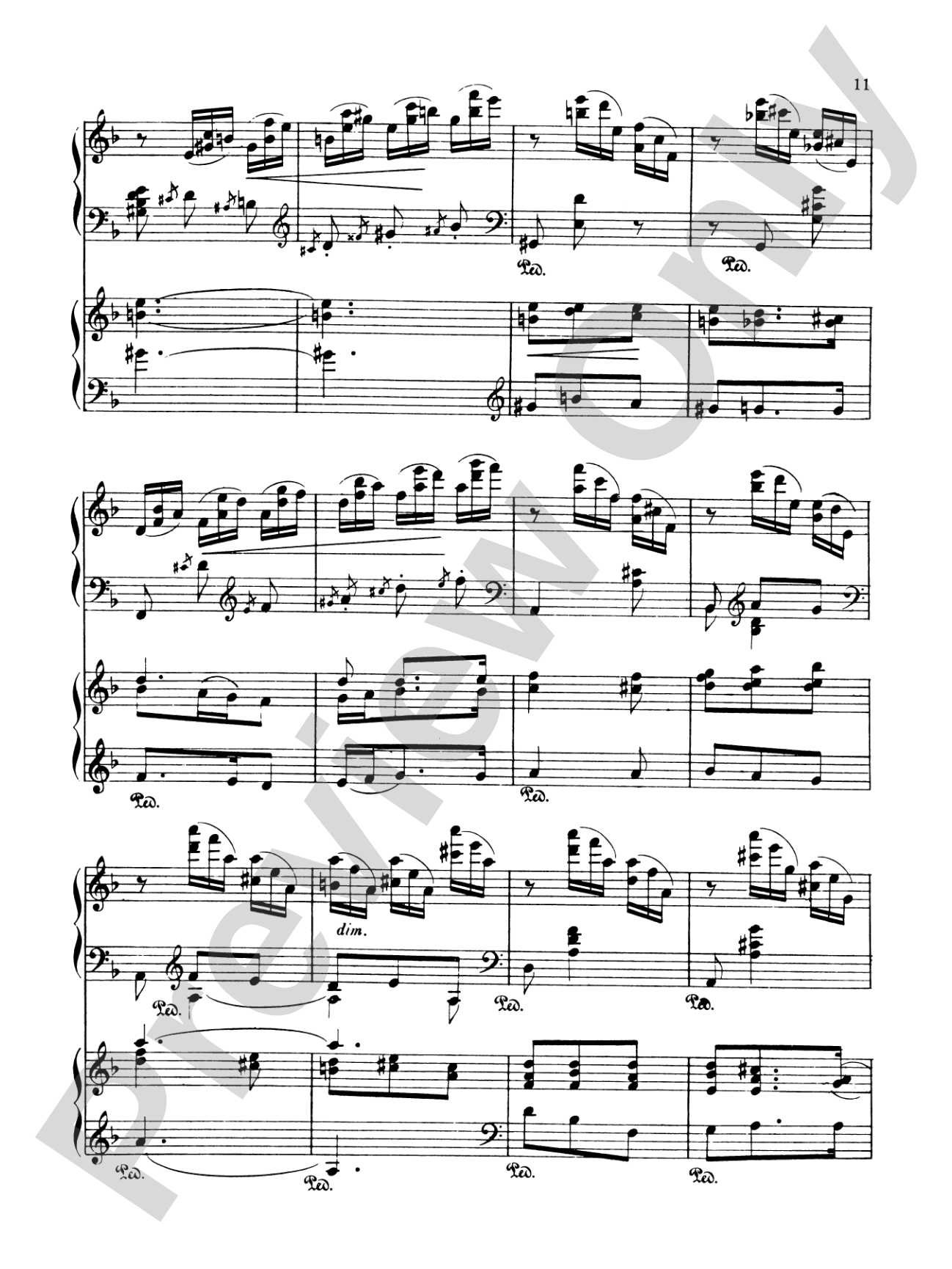
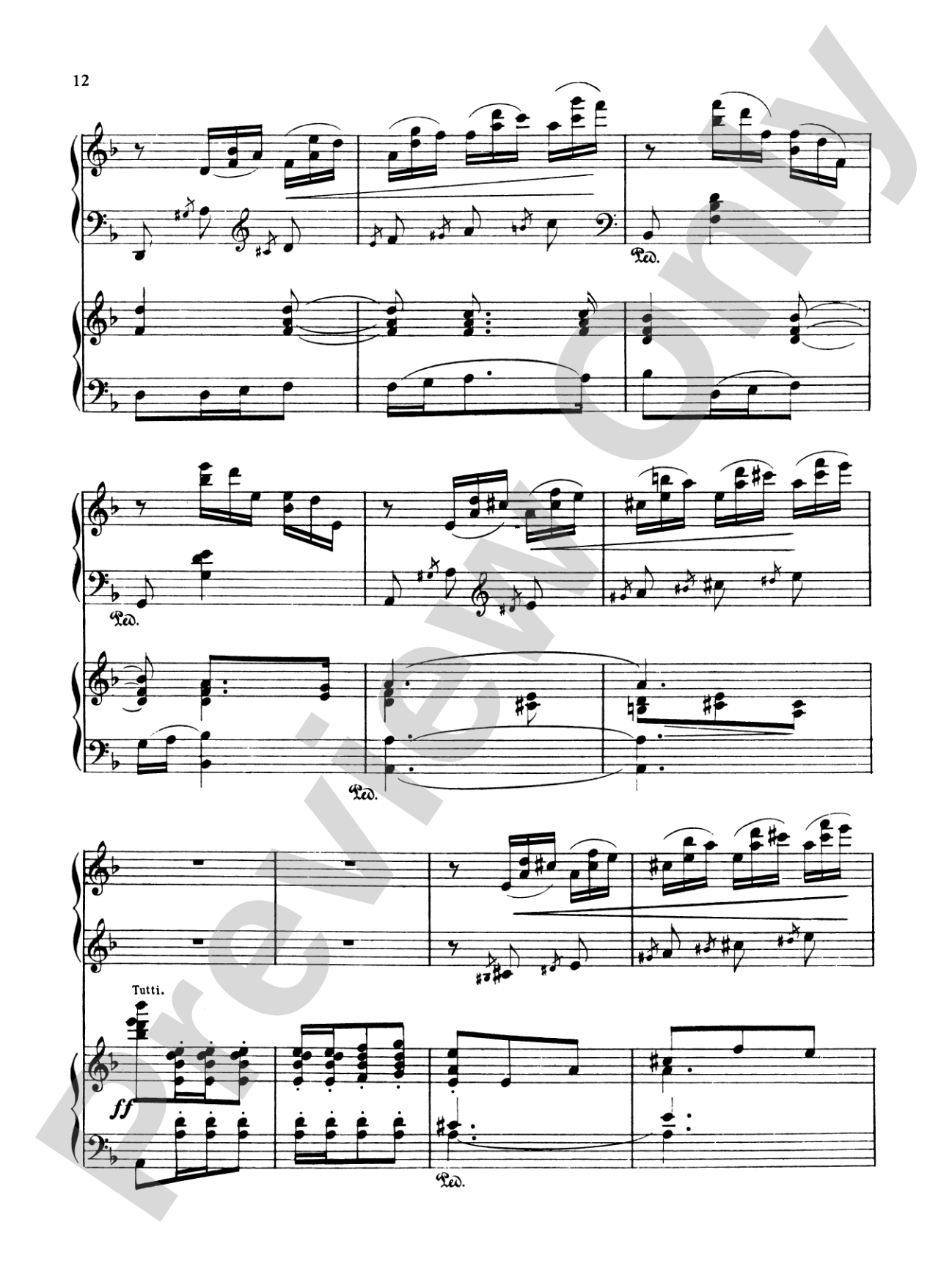
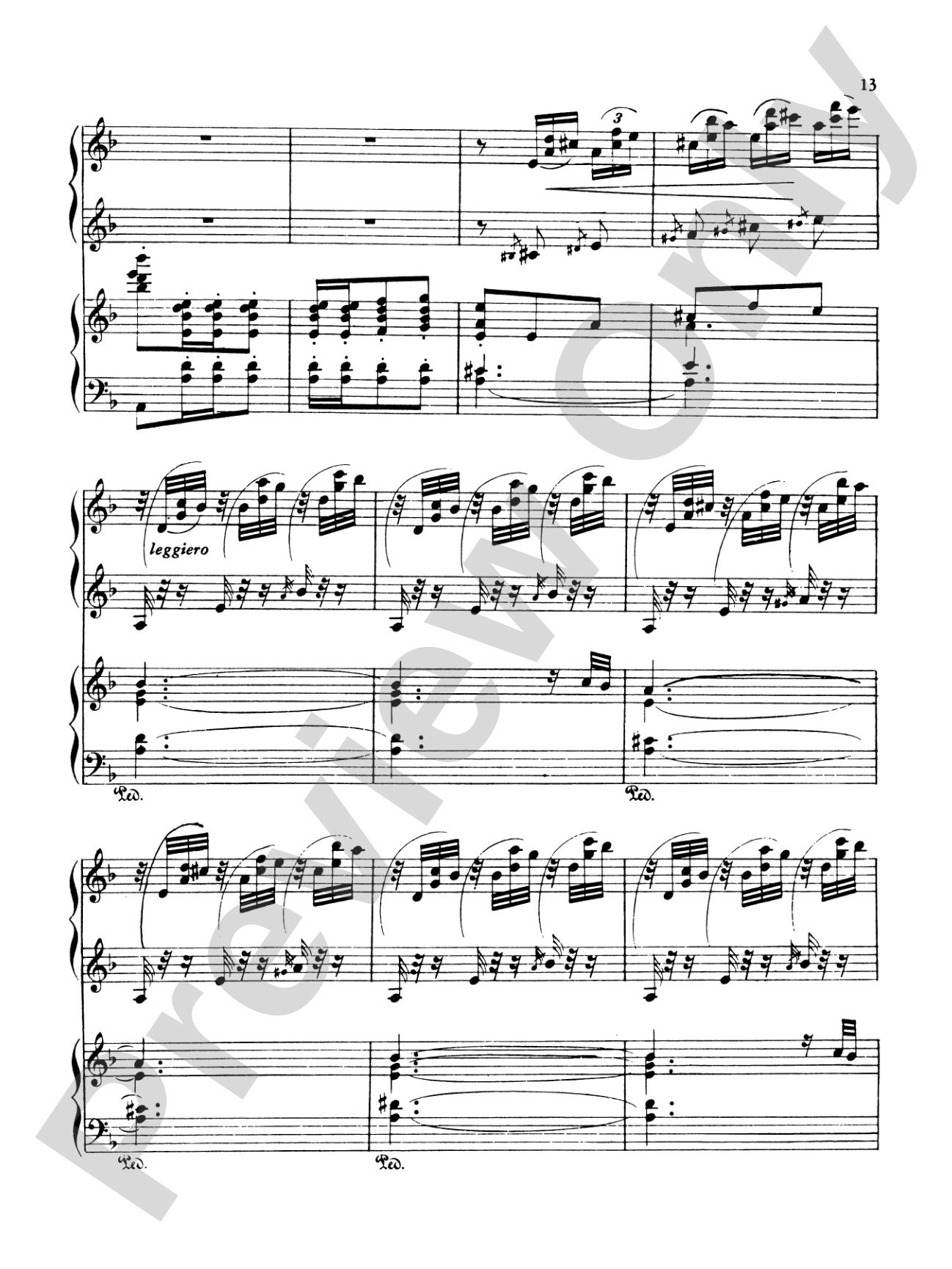
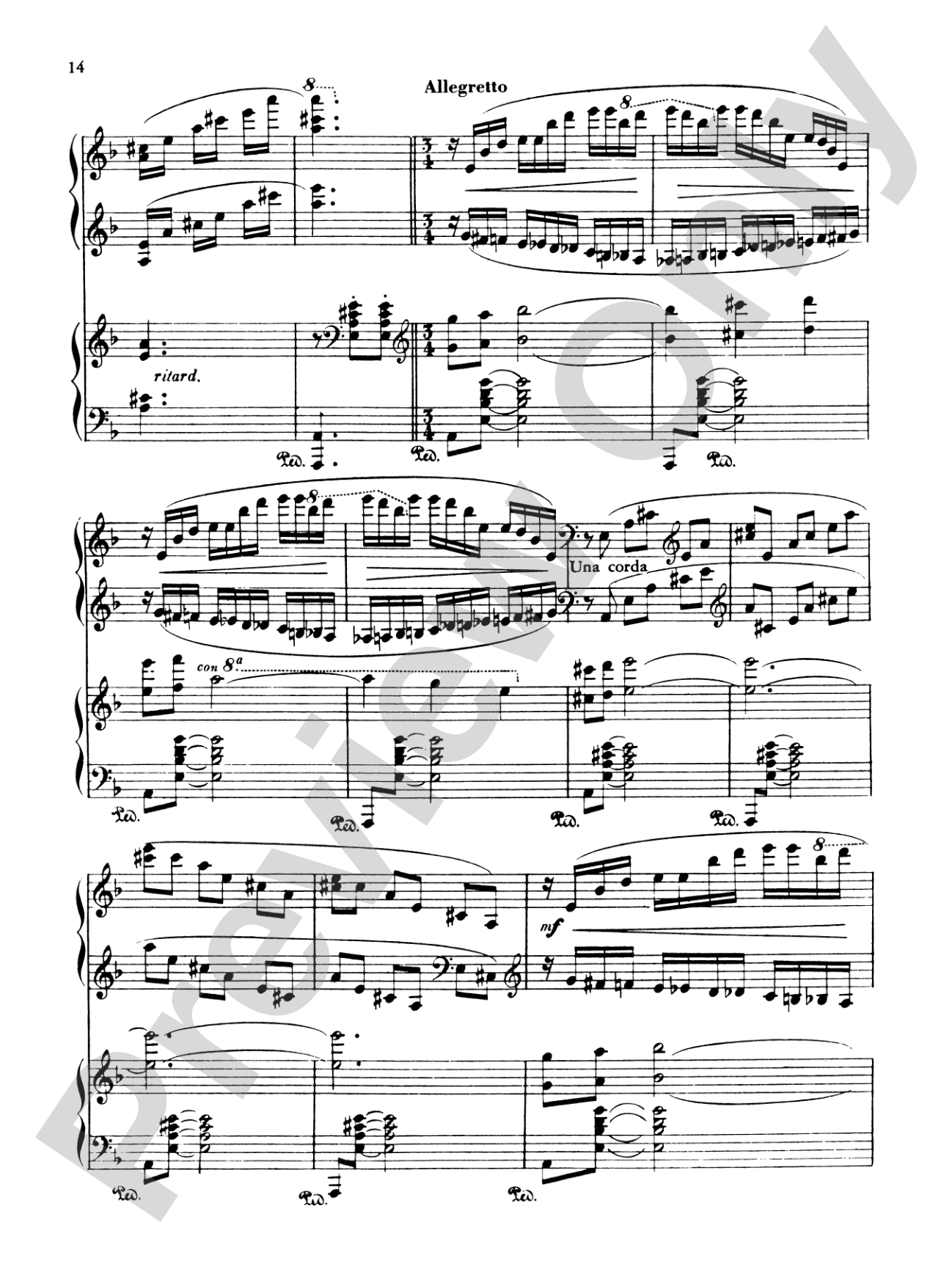
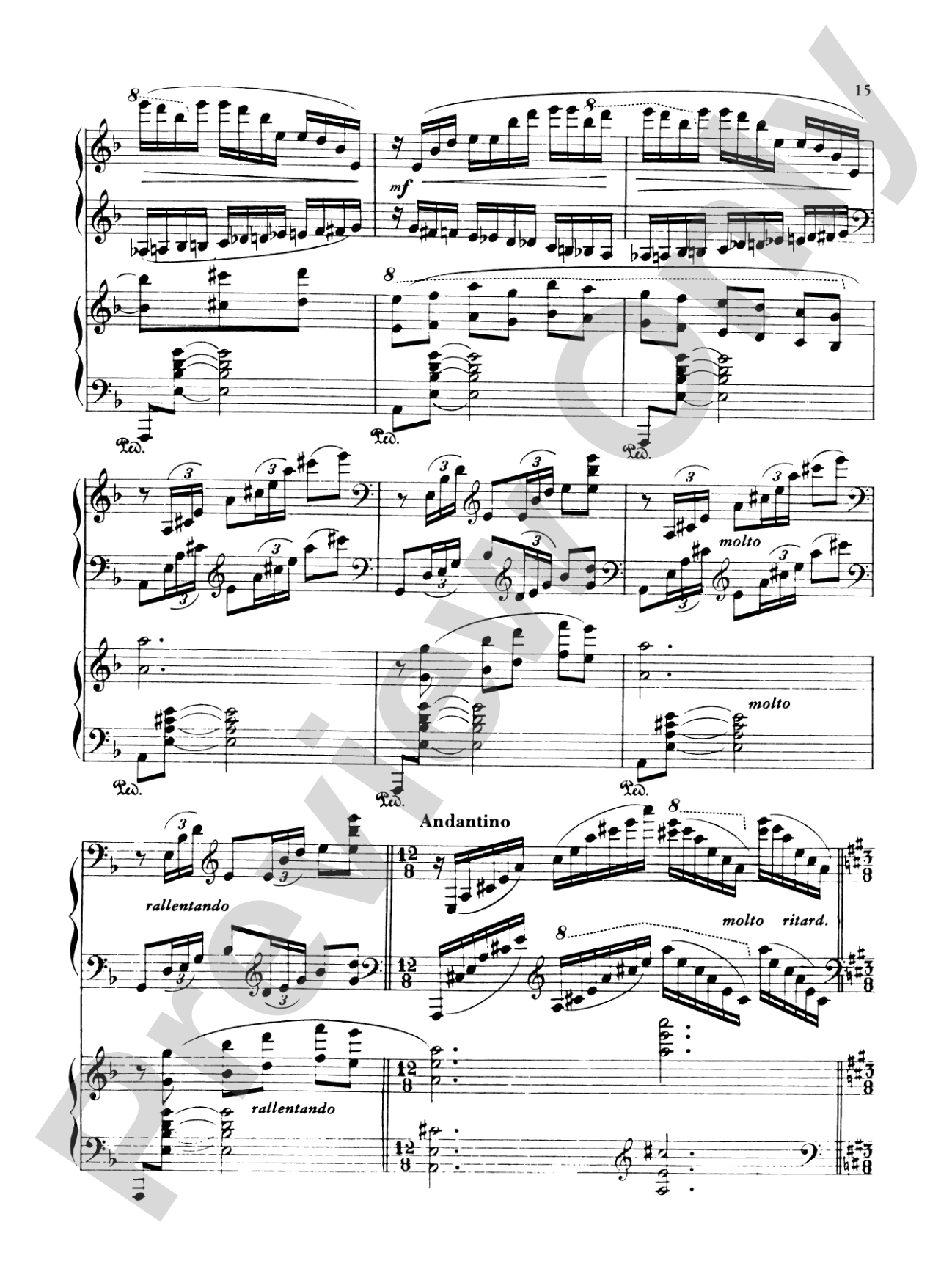
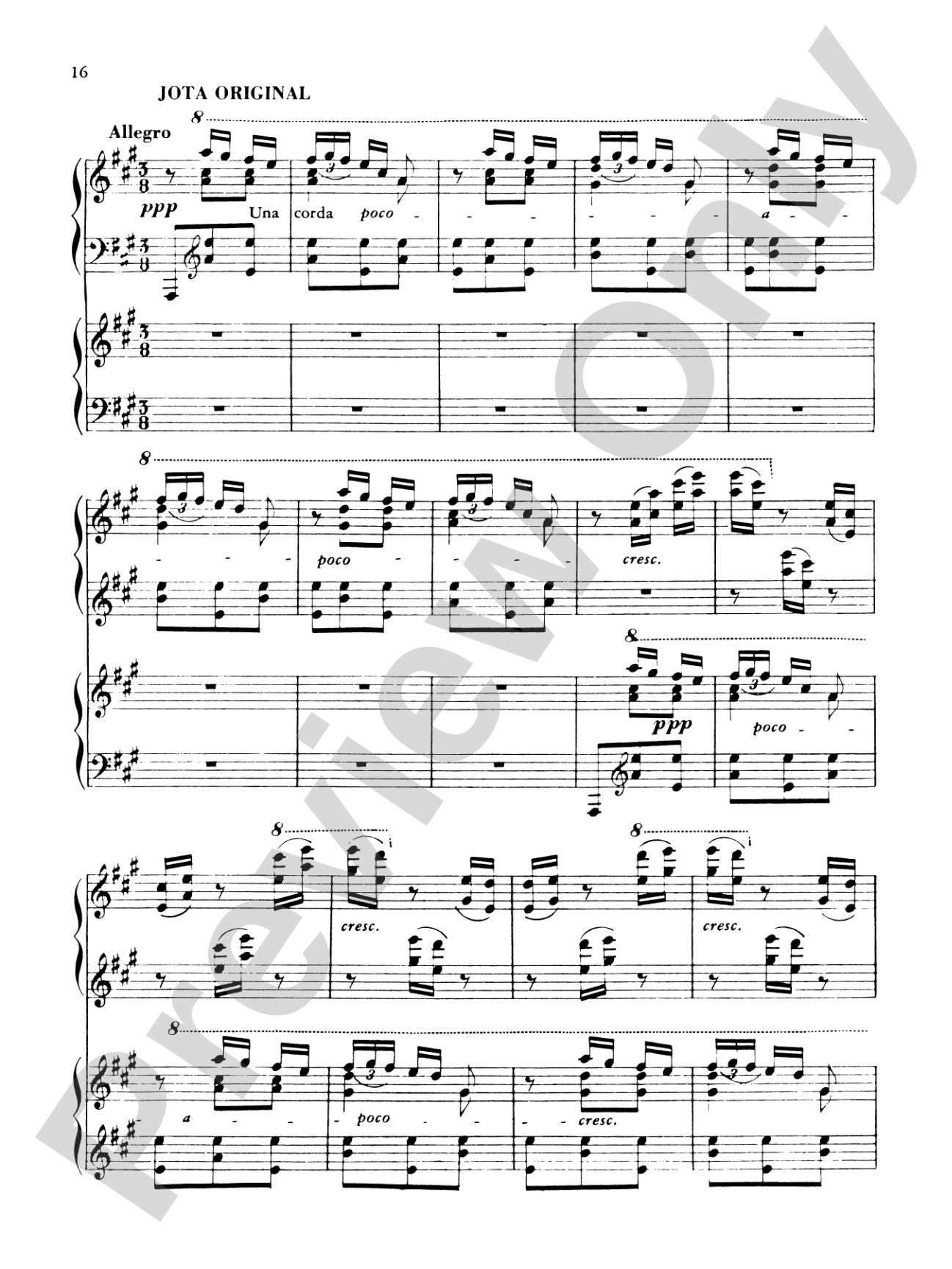
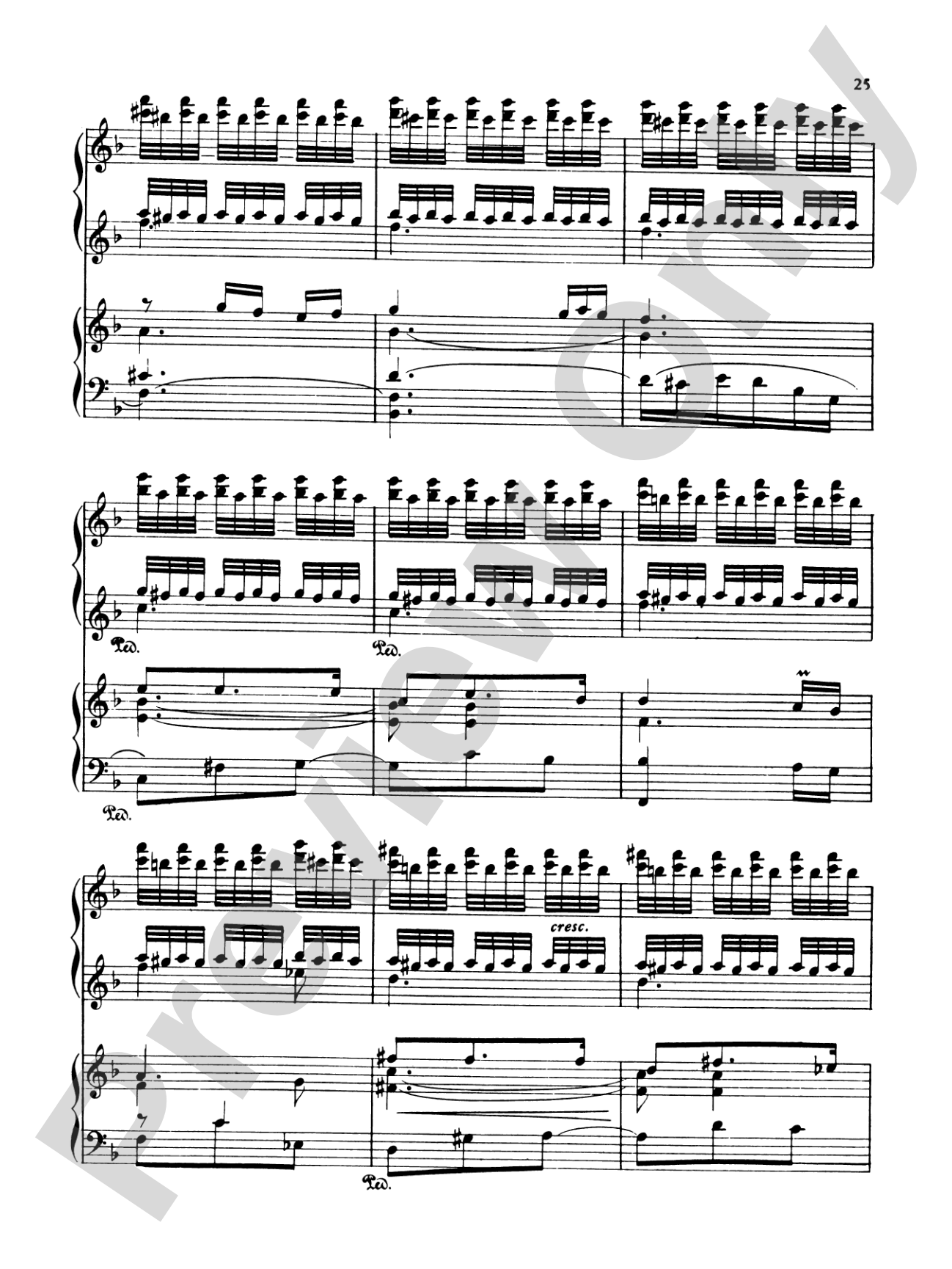
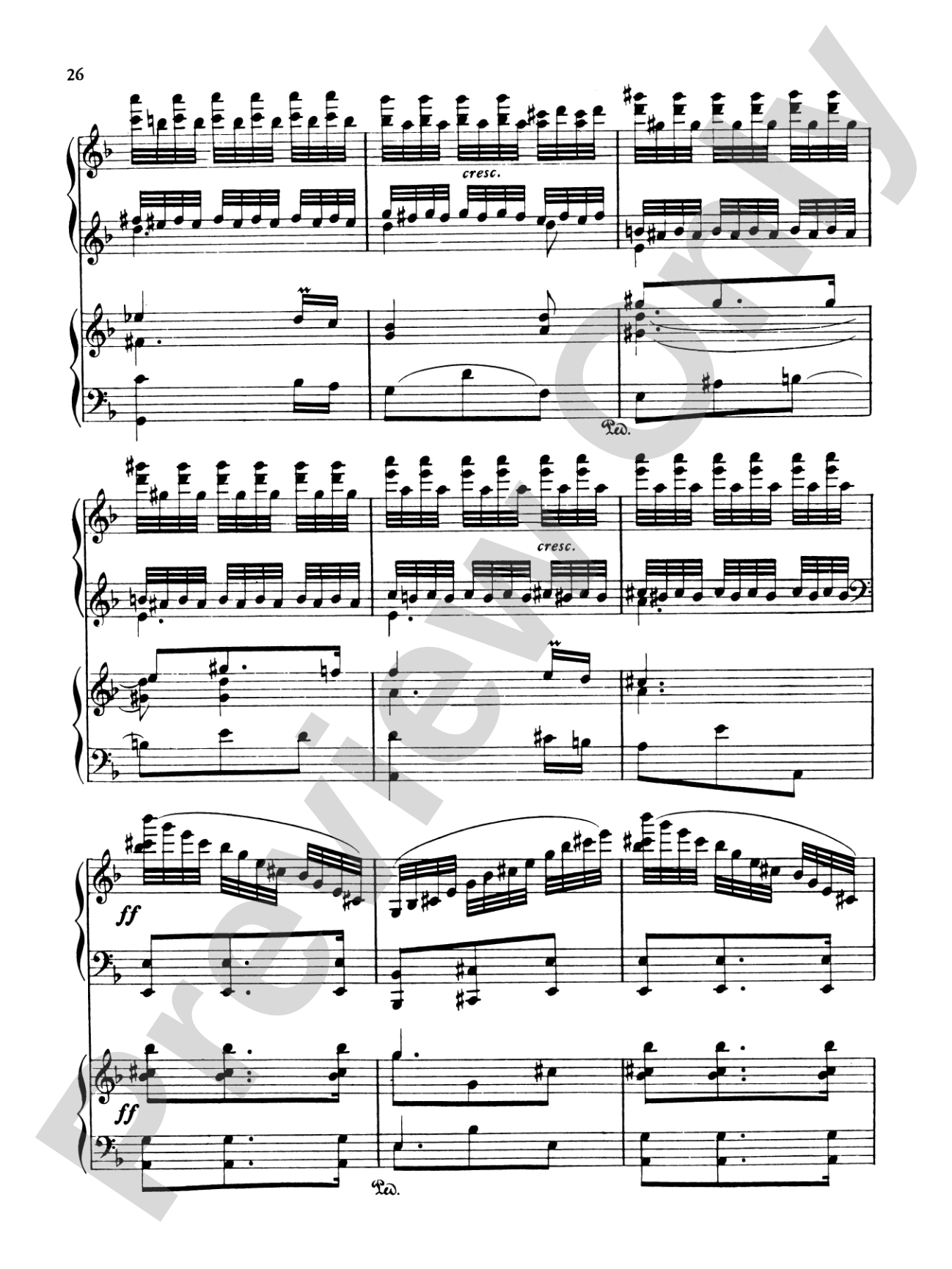
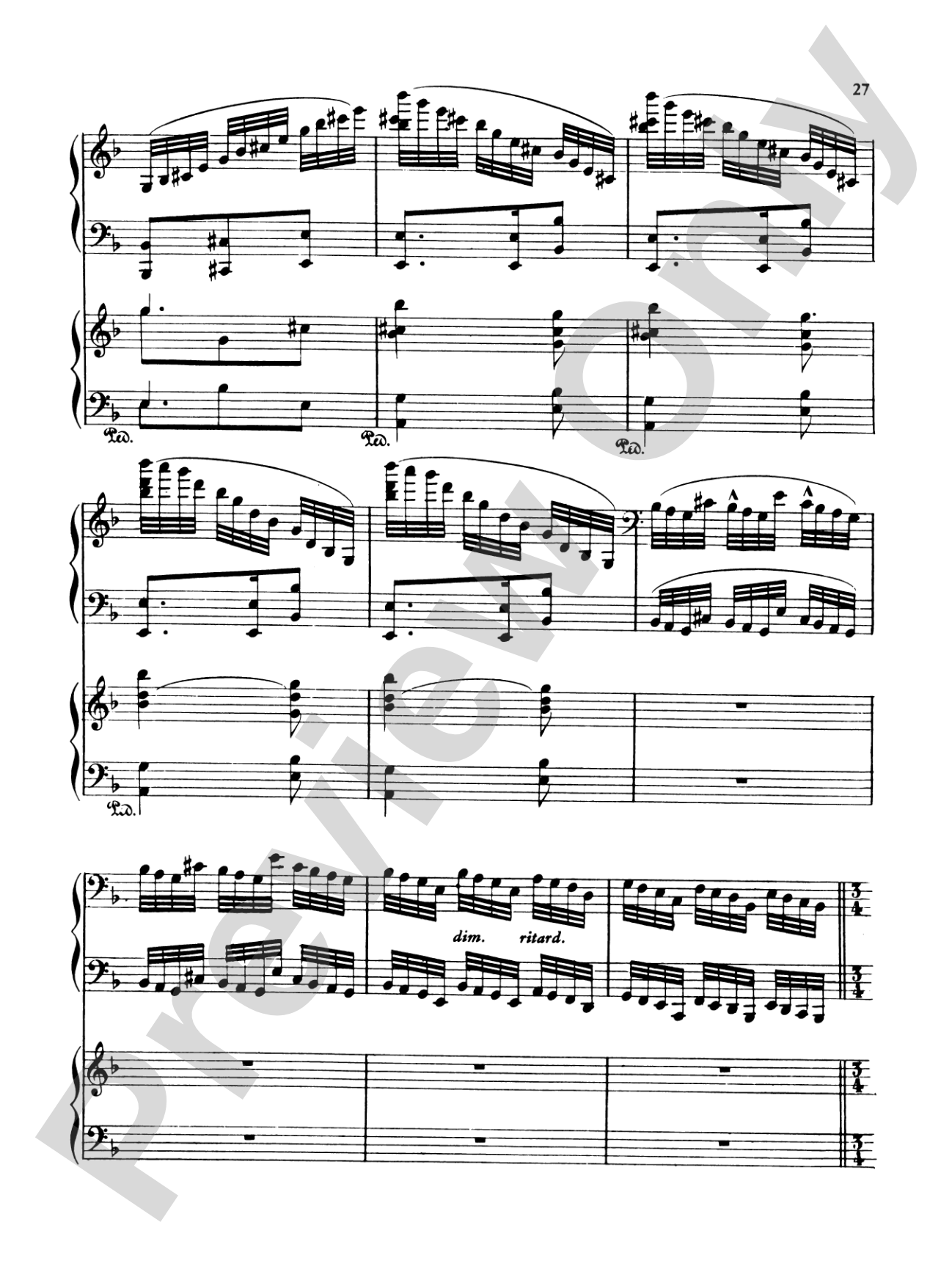
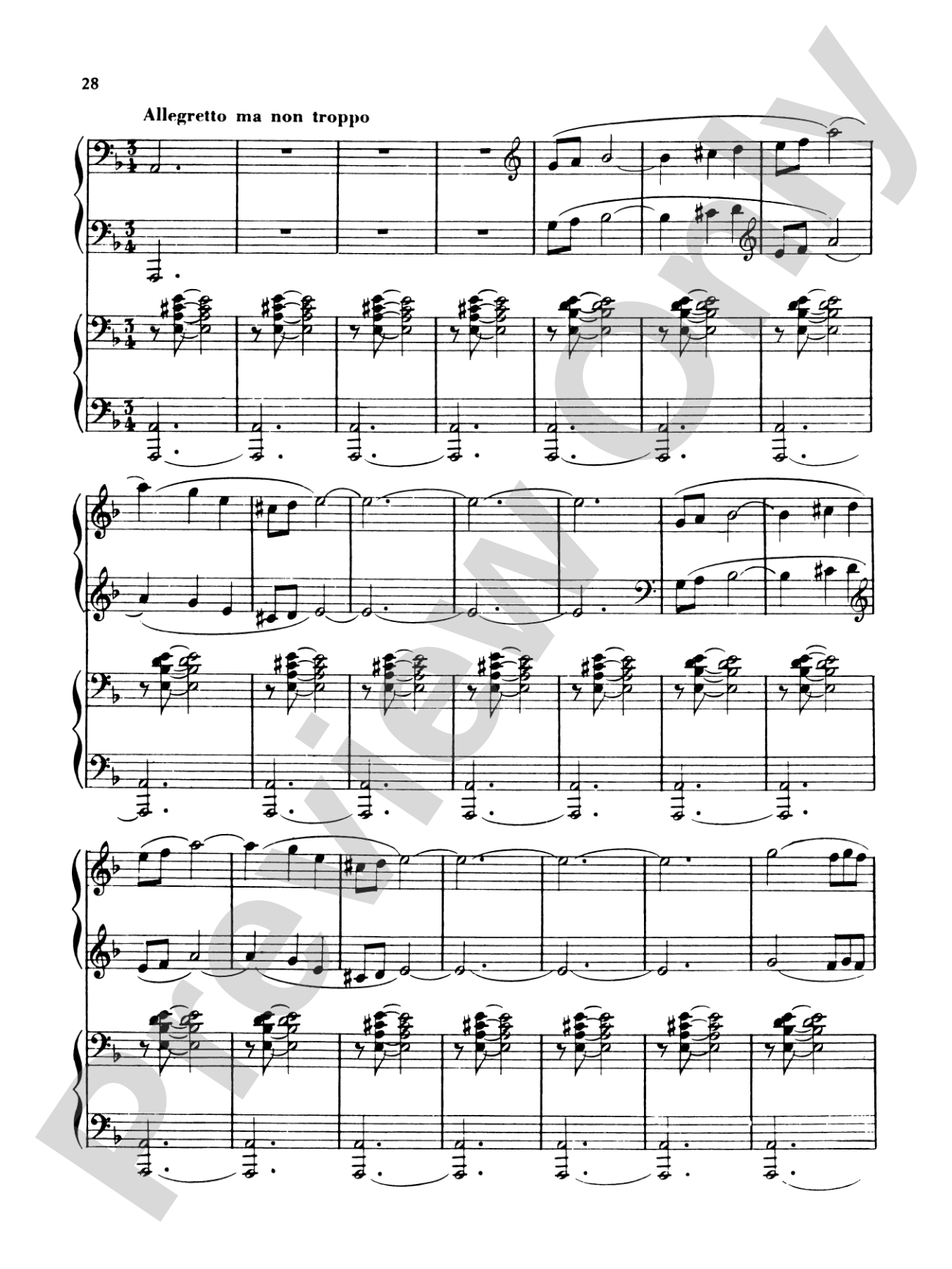
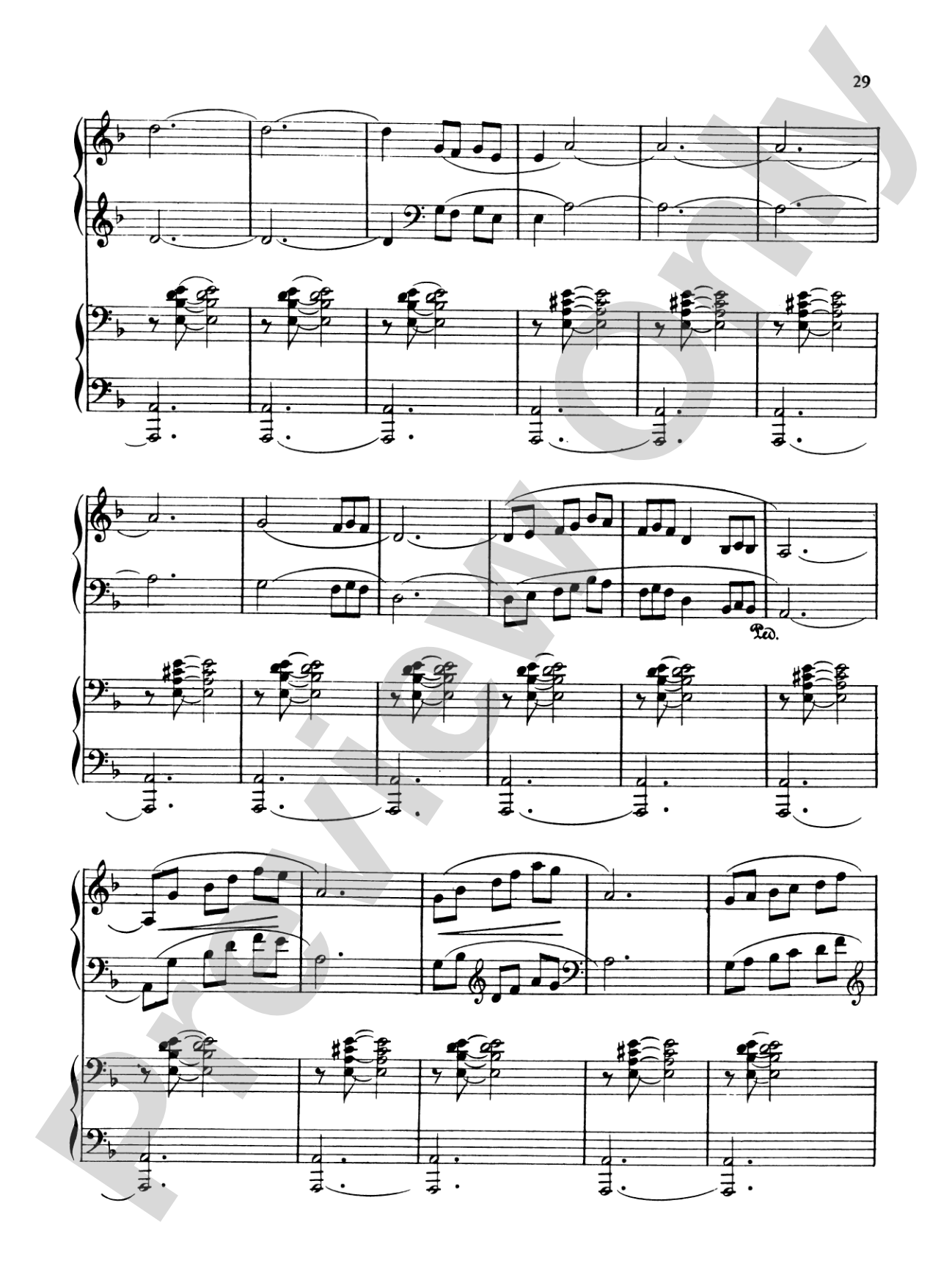
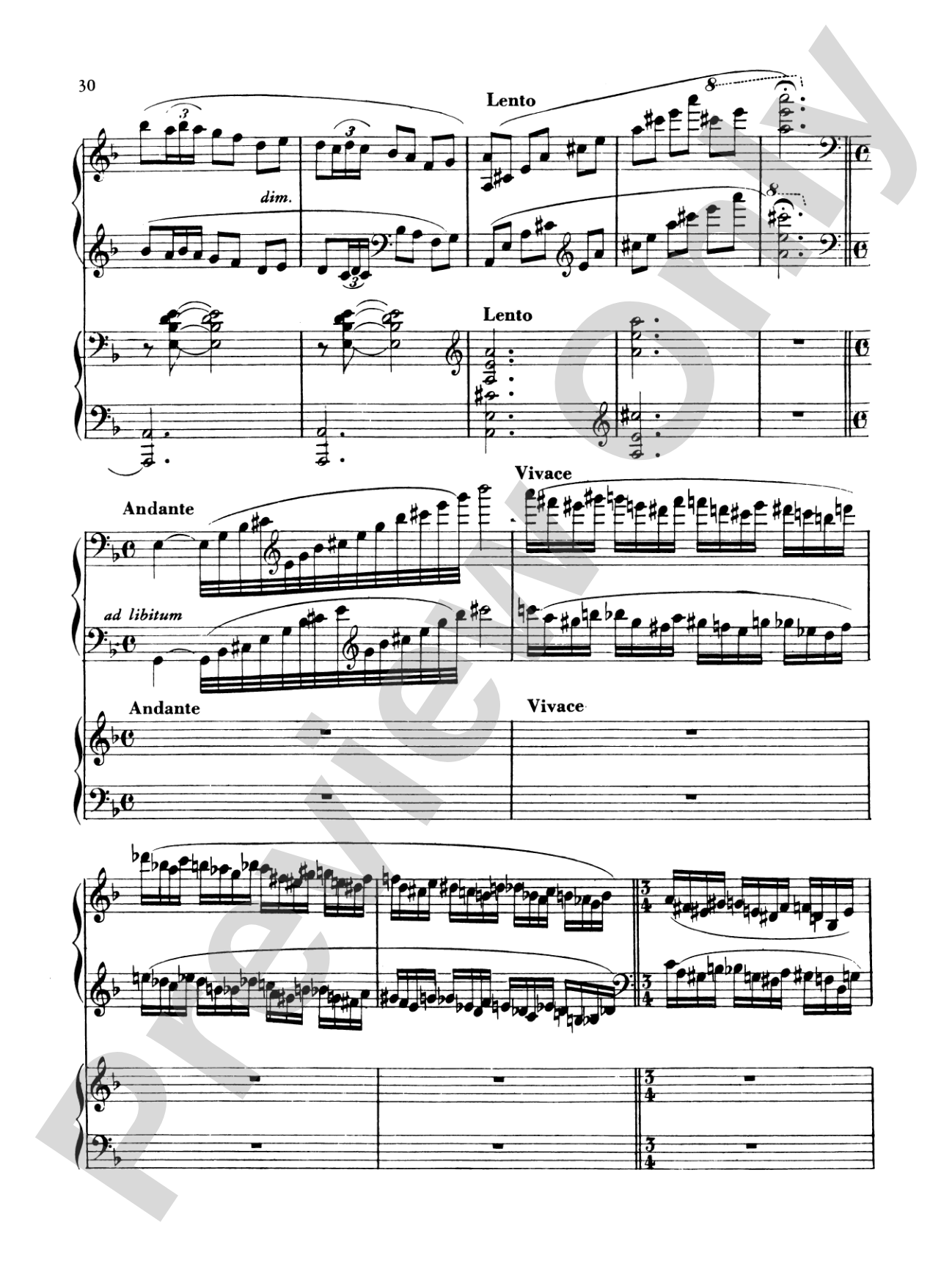
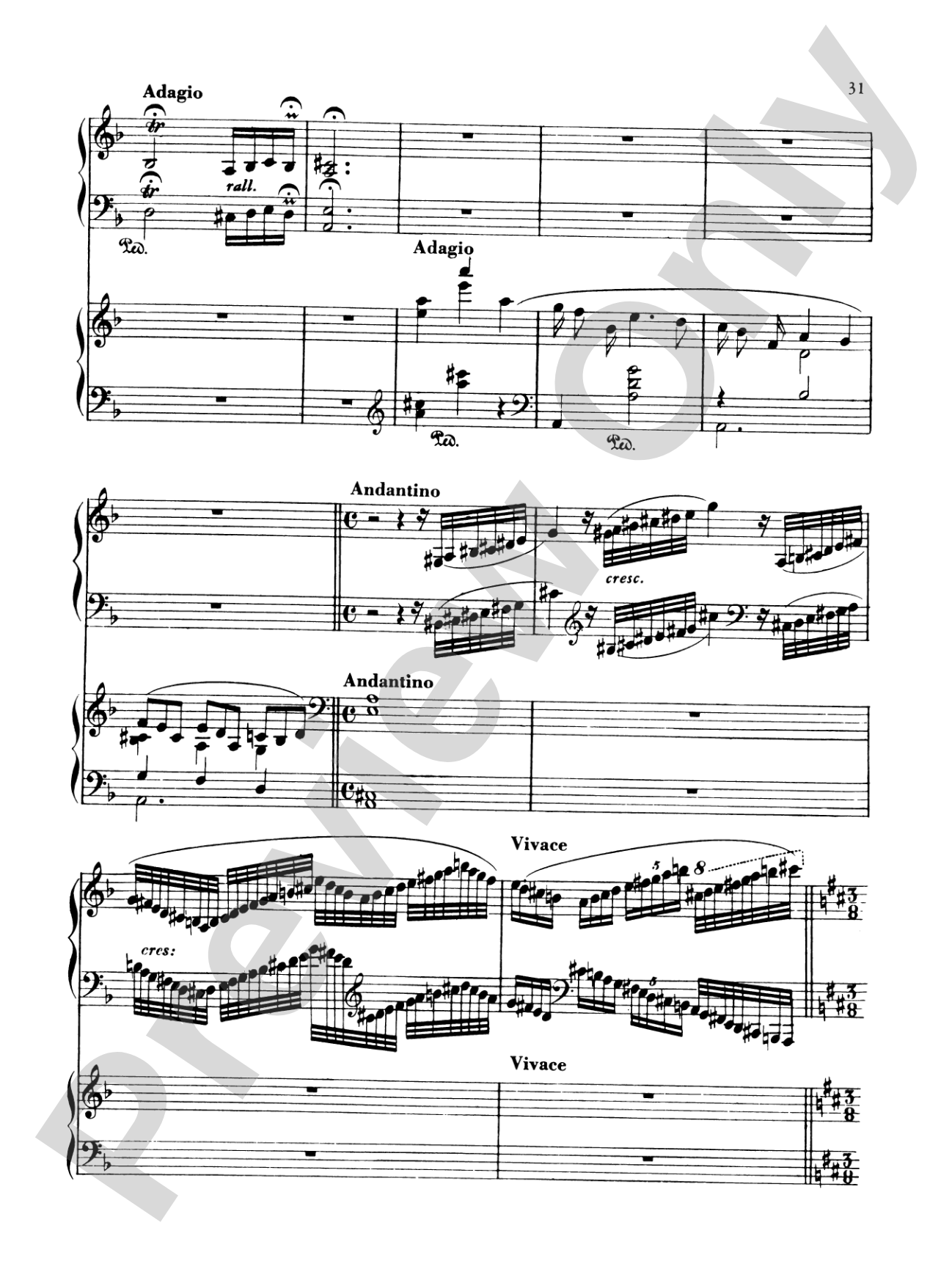
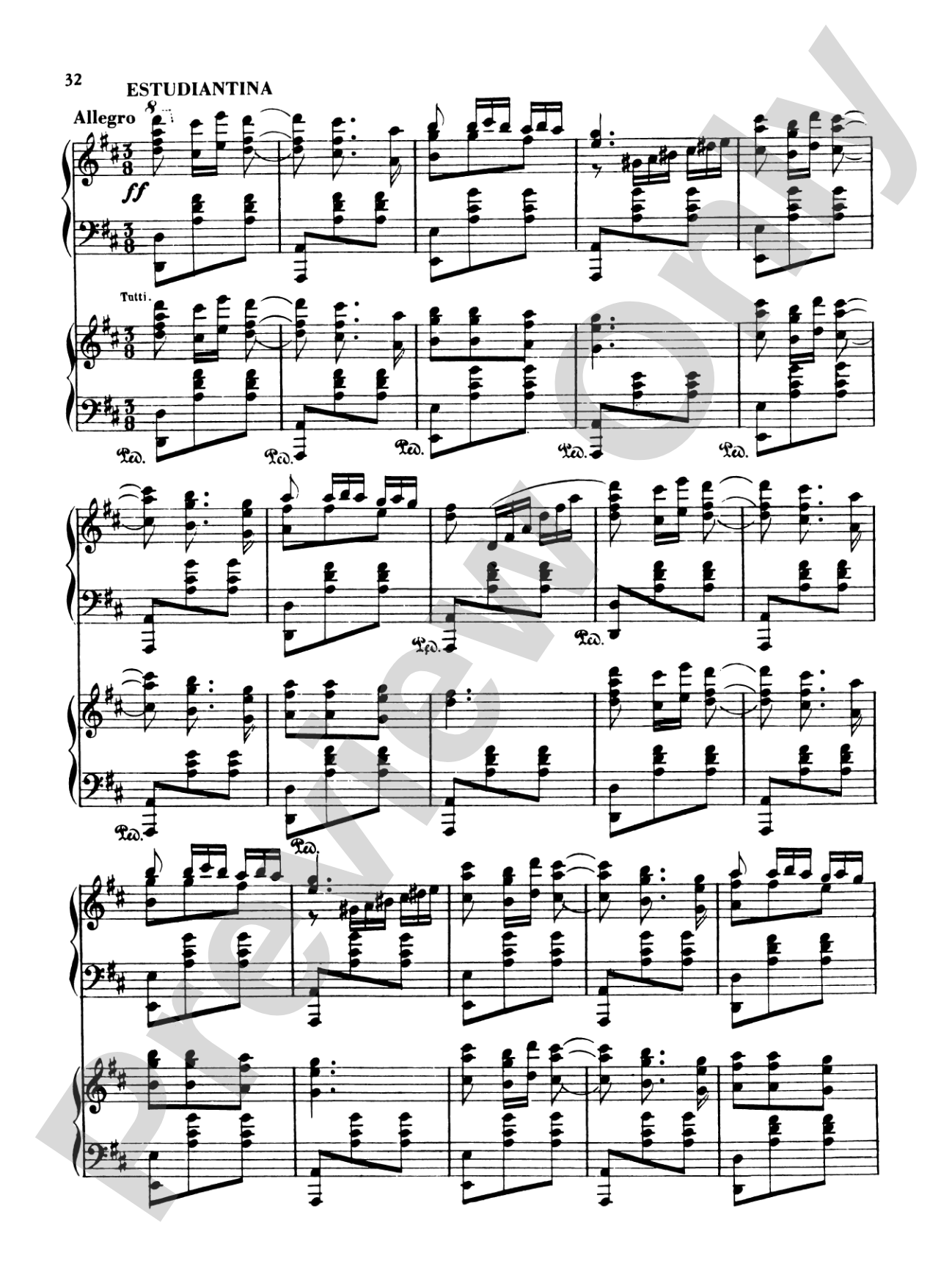
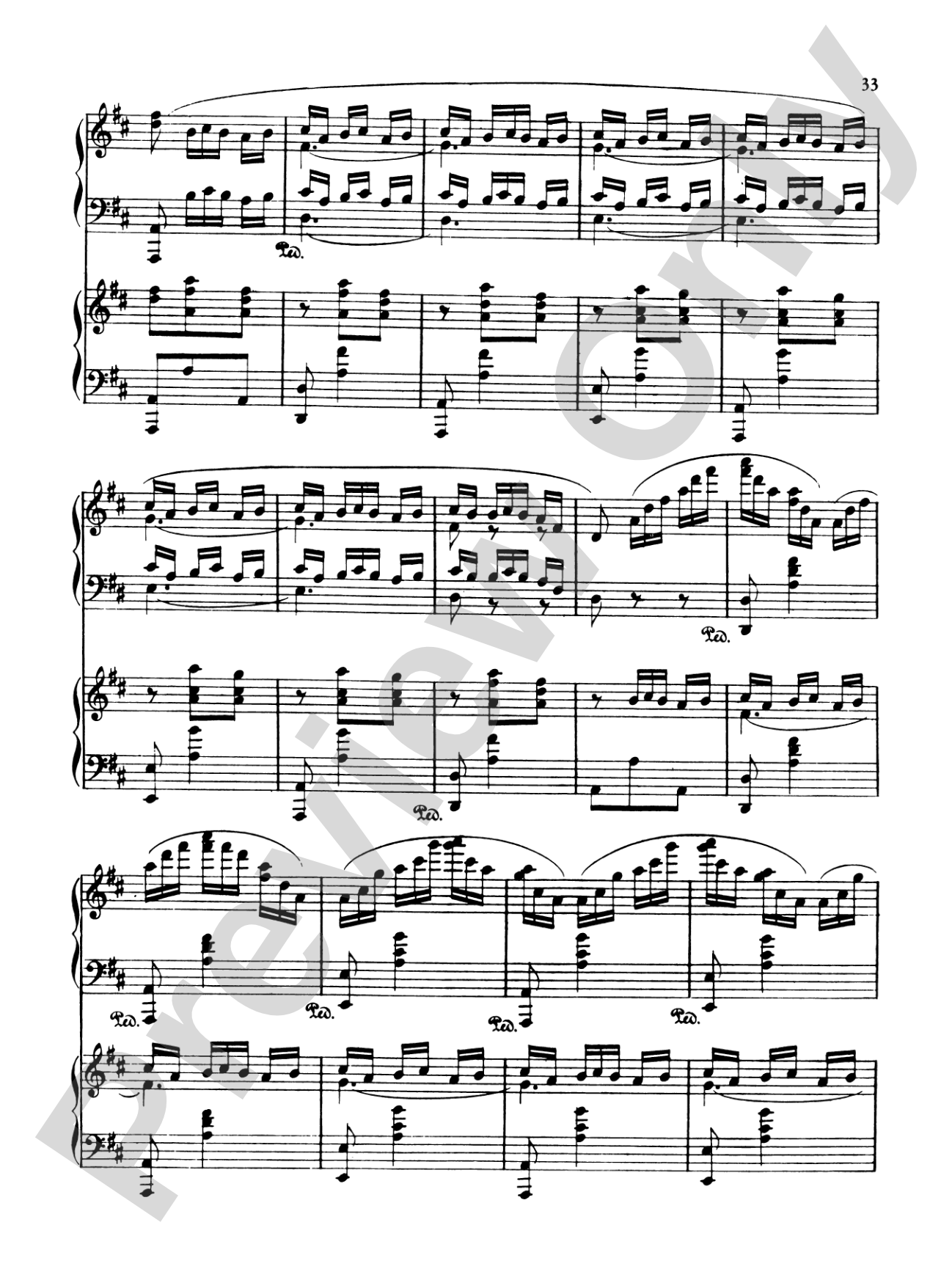
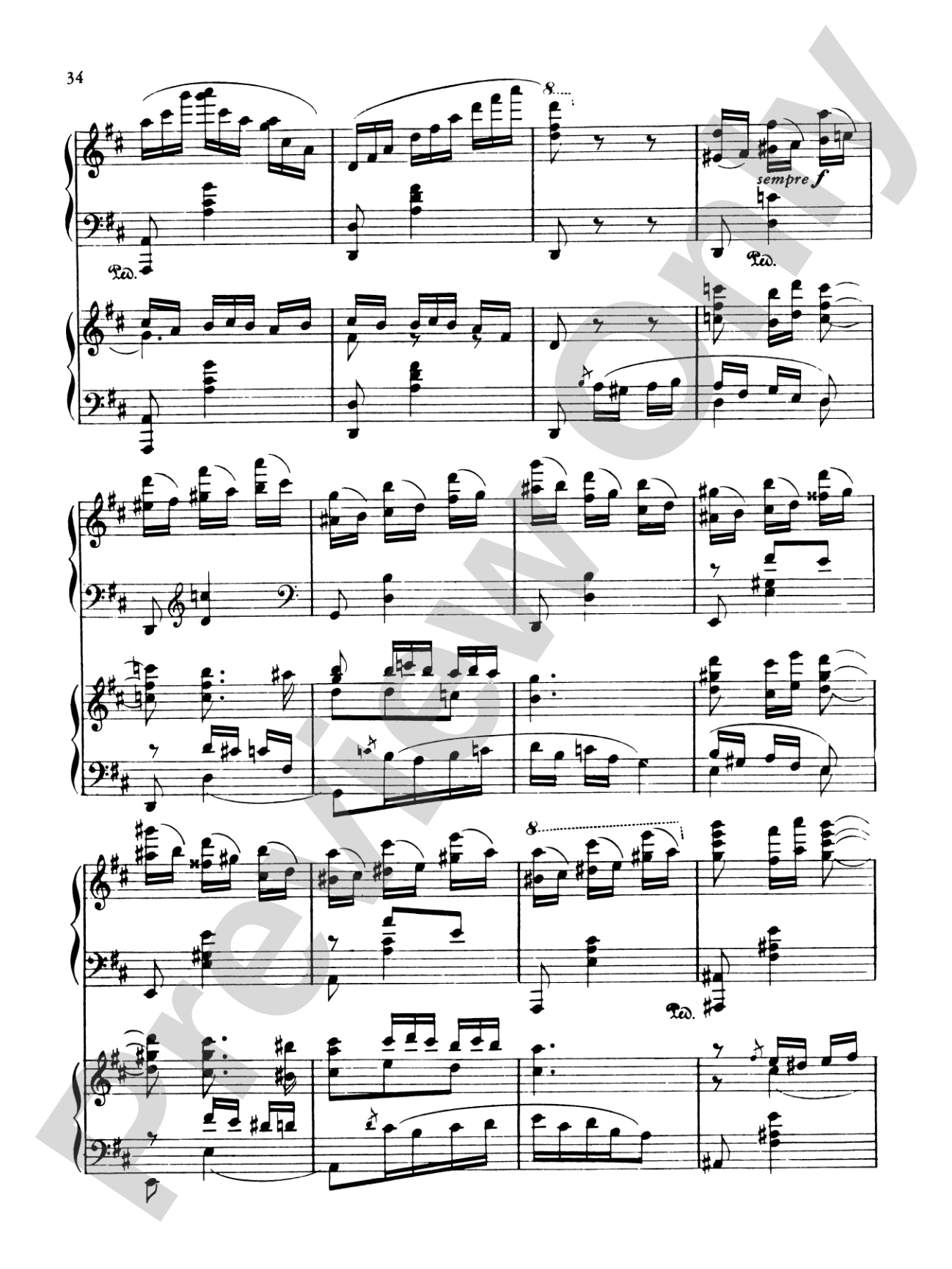
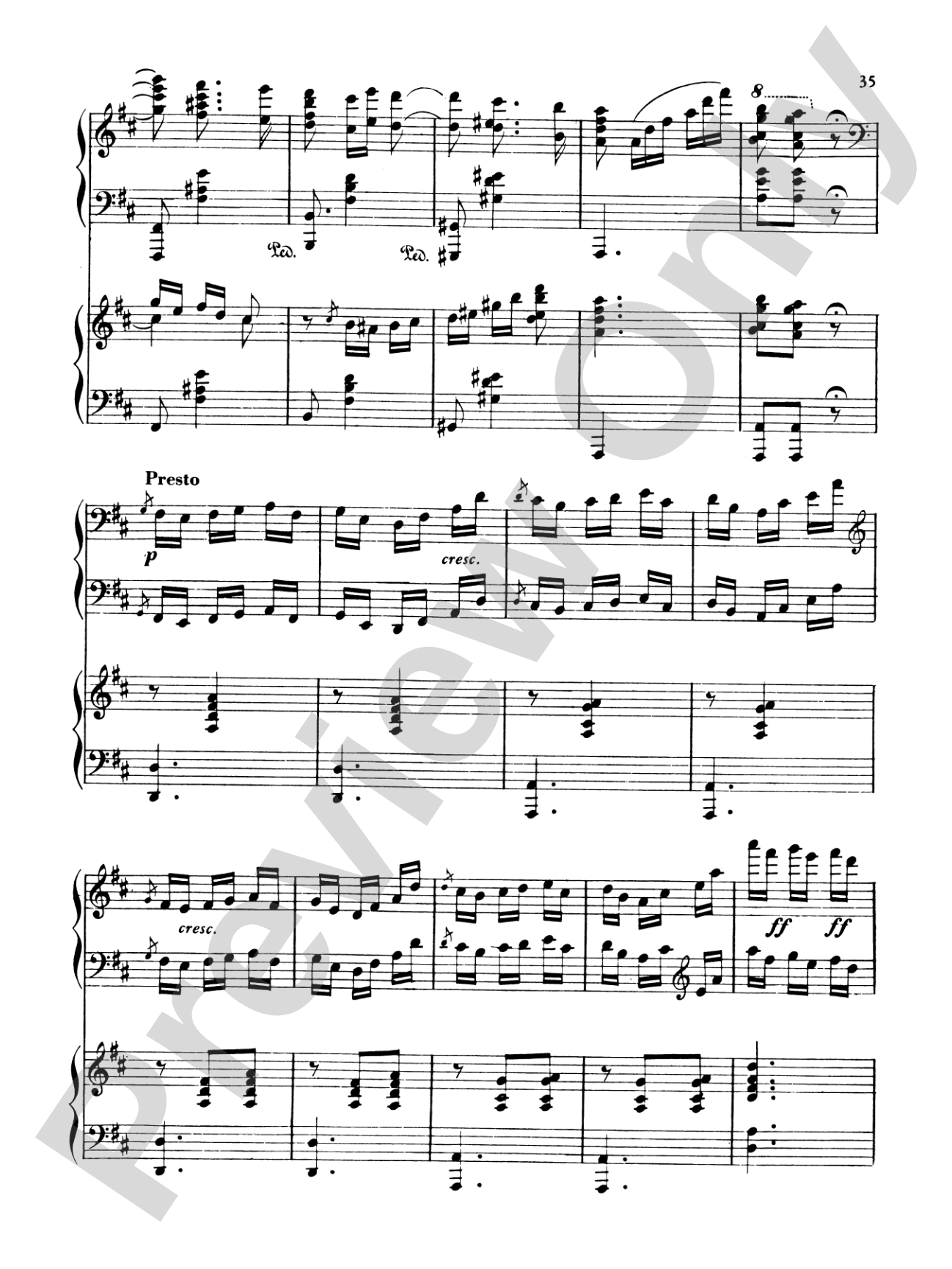
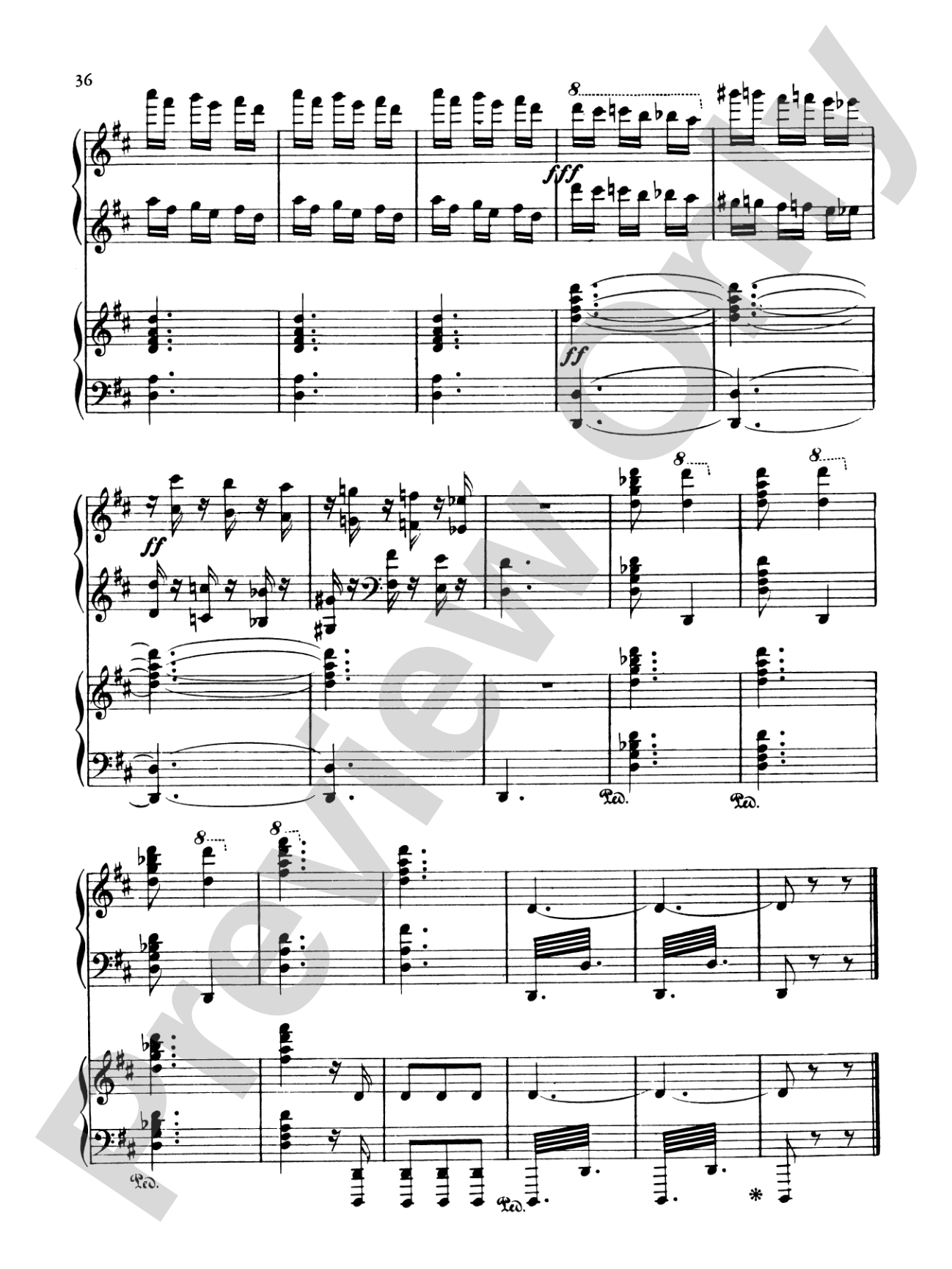

Albéniz: Rapsodia Española, Op. 70: Piano Duo (2 Pianos, 4 Hands) Book (2 copies required)
By Isaac Albéniz
Level: Advanced
Item: 00-PK-0002807

$9.95
Pickup currently not available
Buy Extra Parts (Digital PDF Download)
| Product | Price | Quantity |
|---|---|---|
| Albéniz: Rapsodia Española, Op. 70 | $8.95 |
Parts Added to Cart!
Related Items
Rapsodia Española, Opus 70: Piano Duo (2 Pianos, 4 Hands) Book (2 copies required) |
$9.95
|
View |
Description
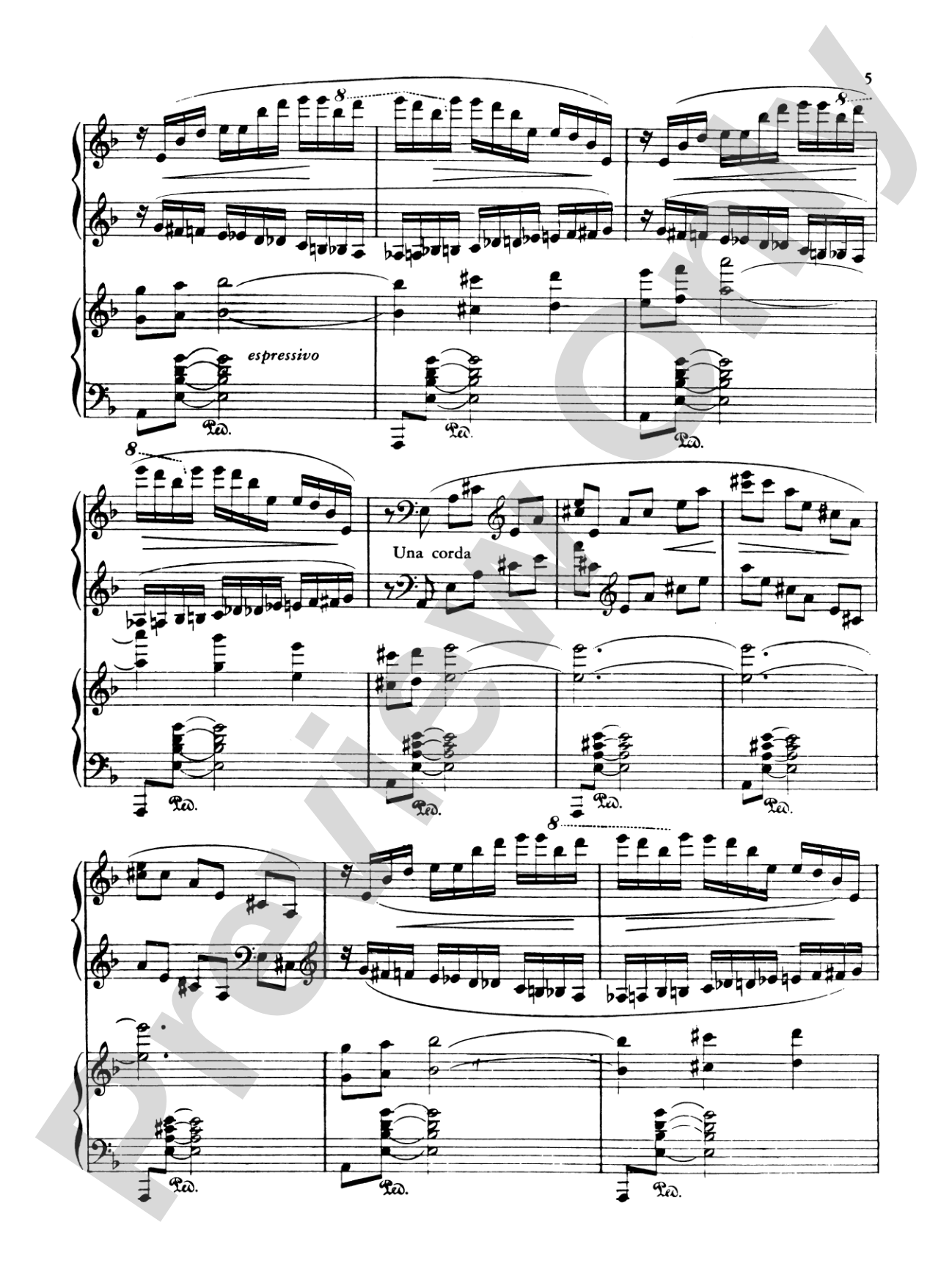
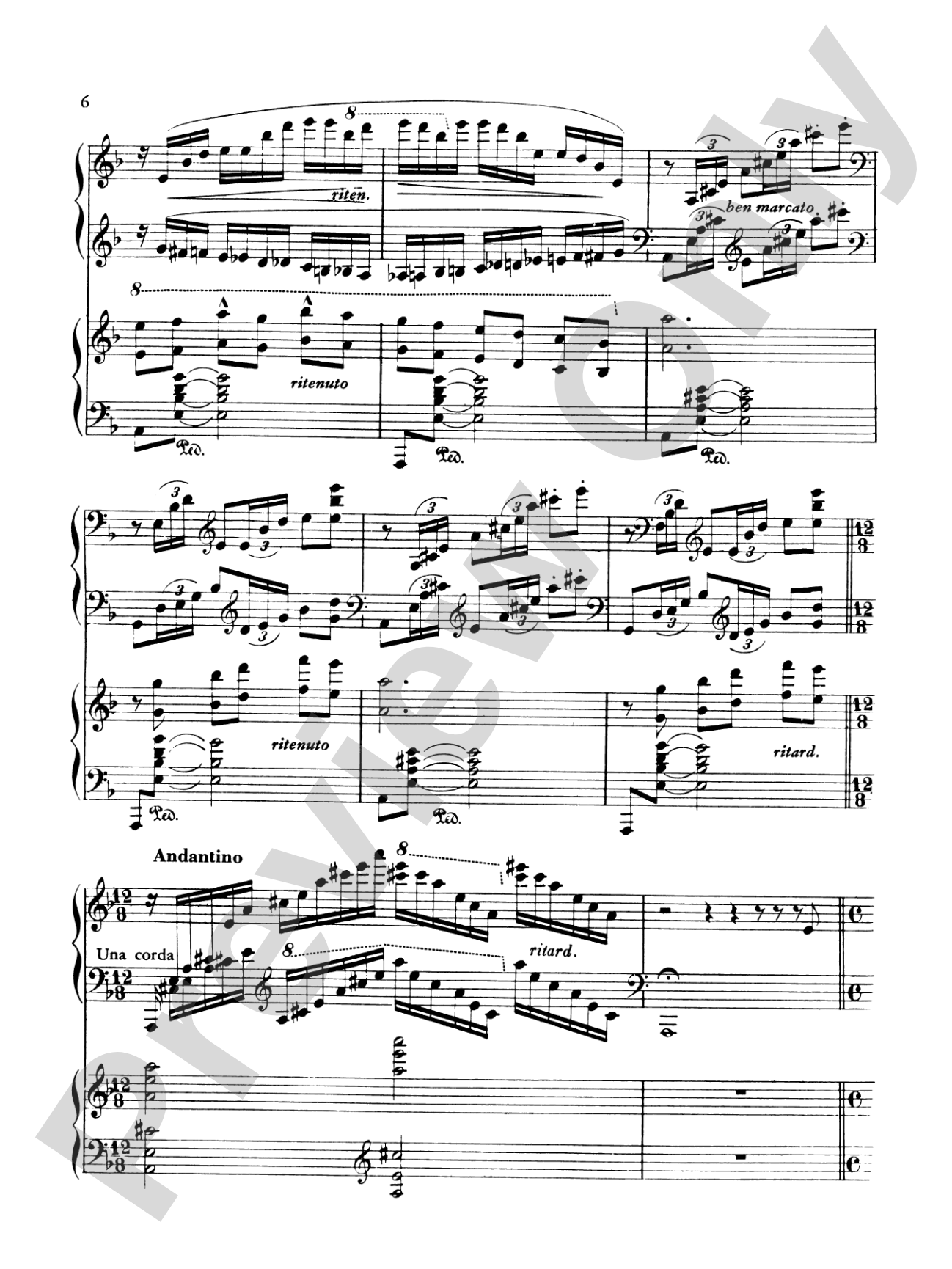
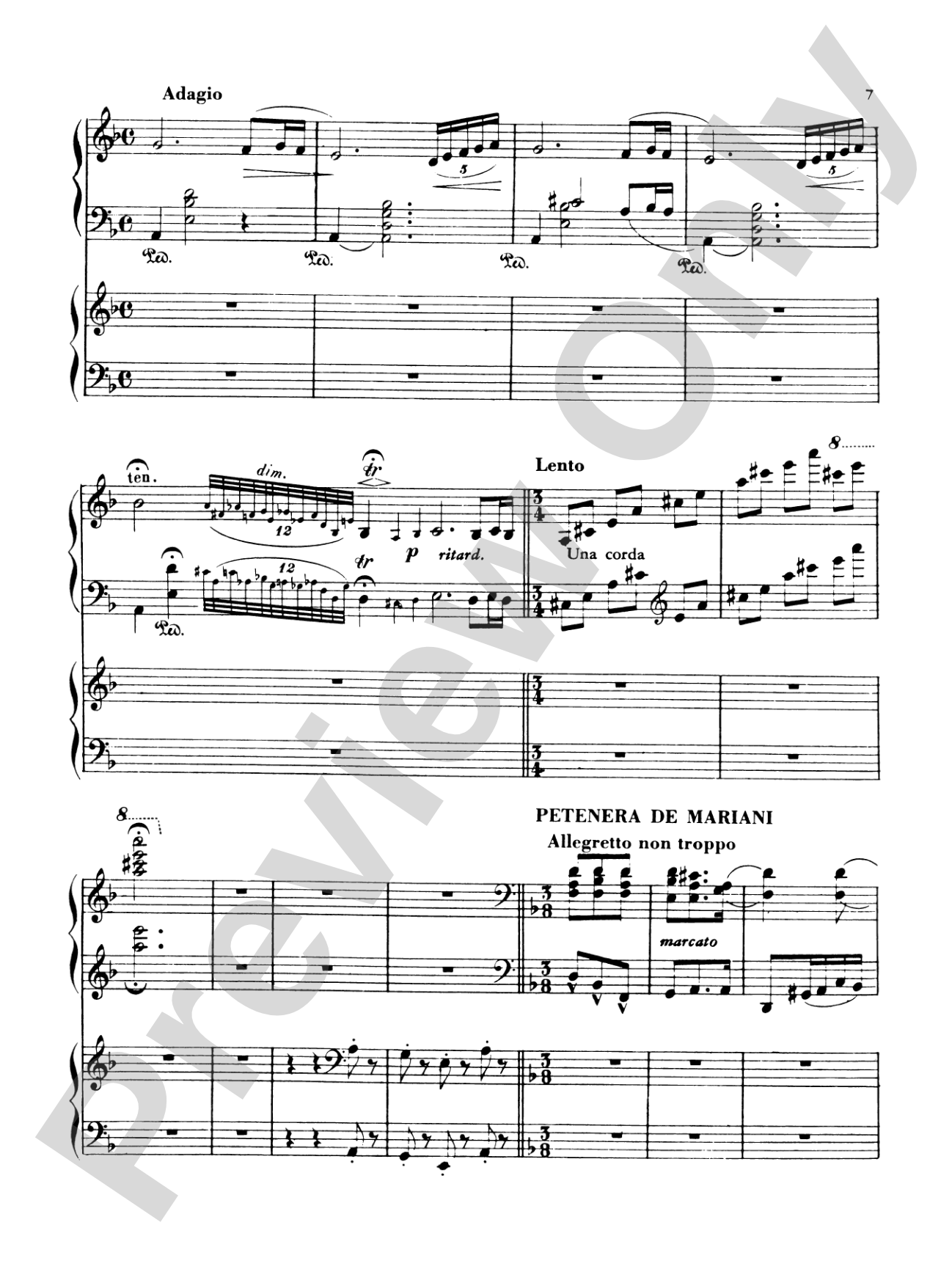
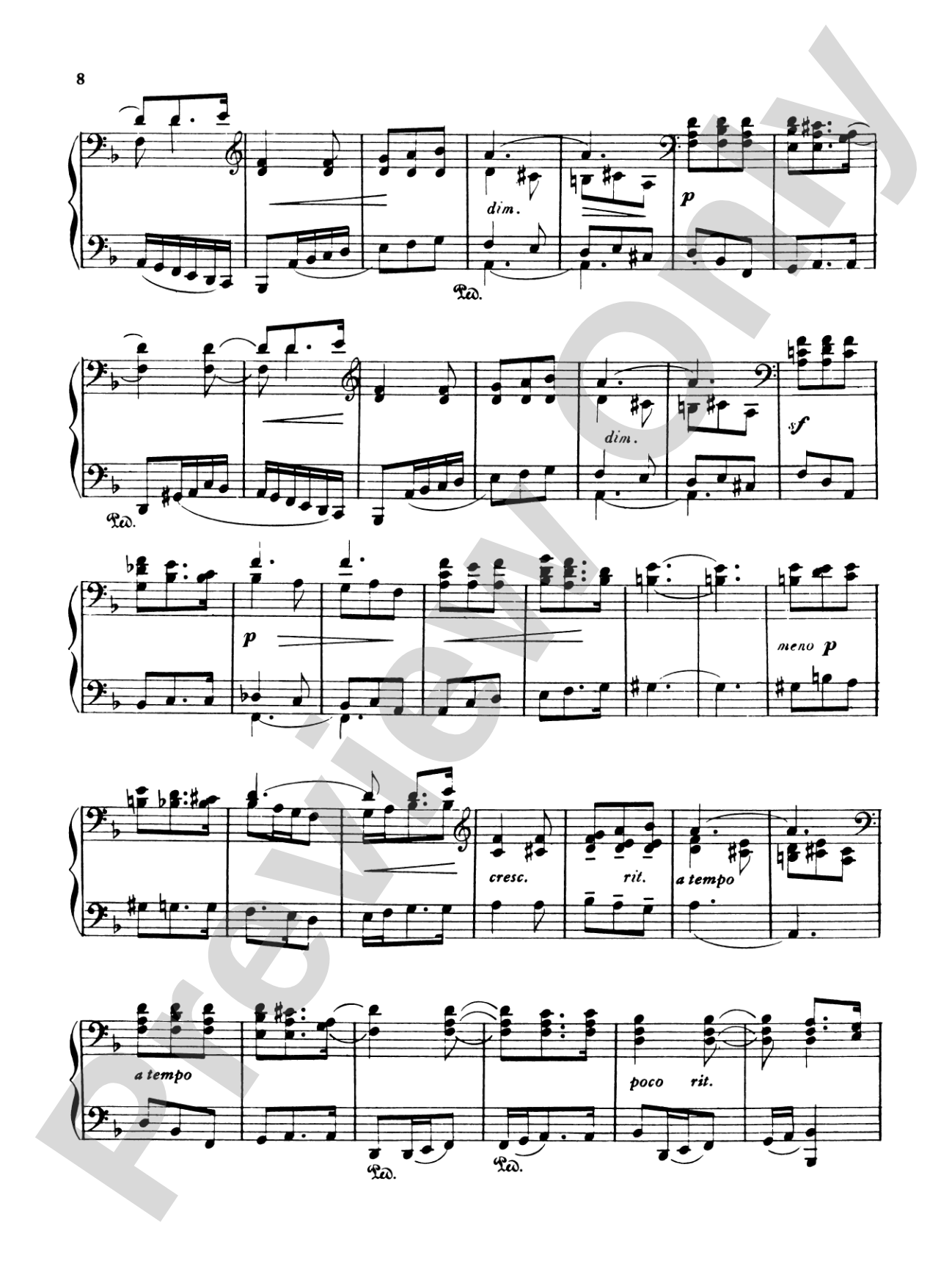
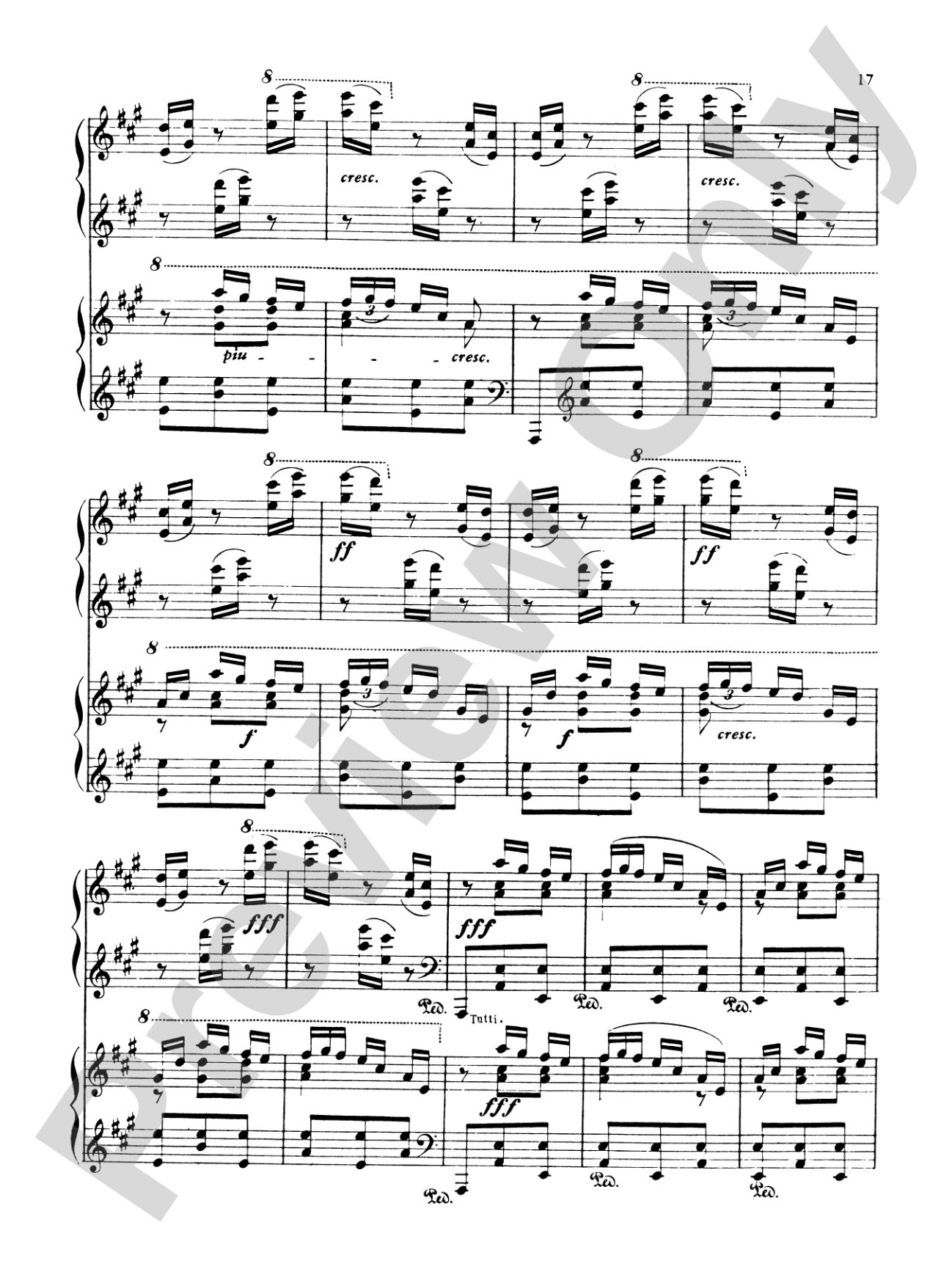
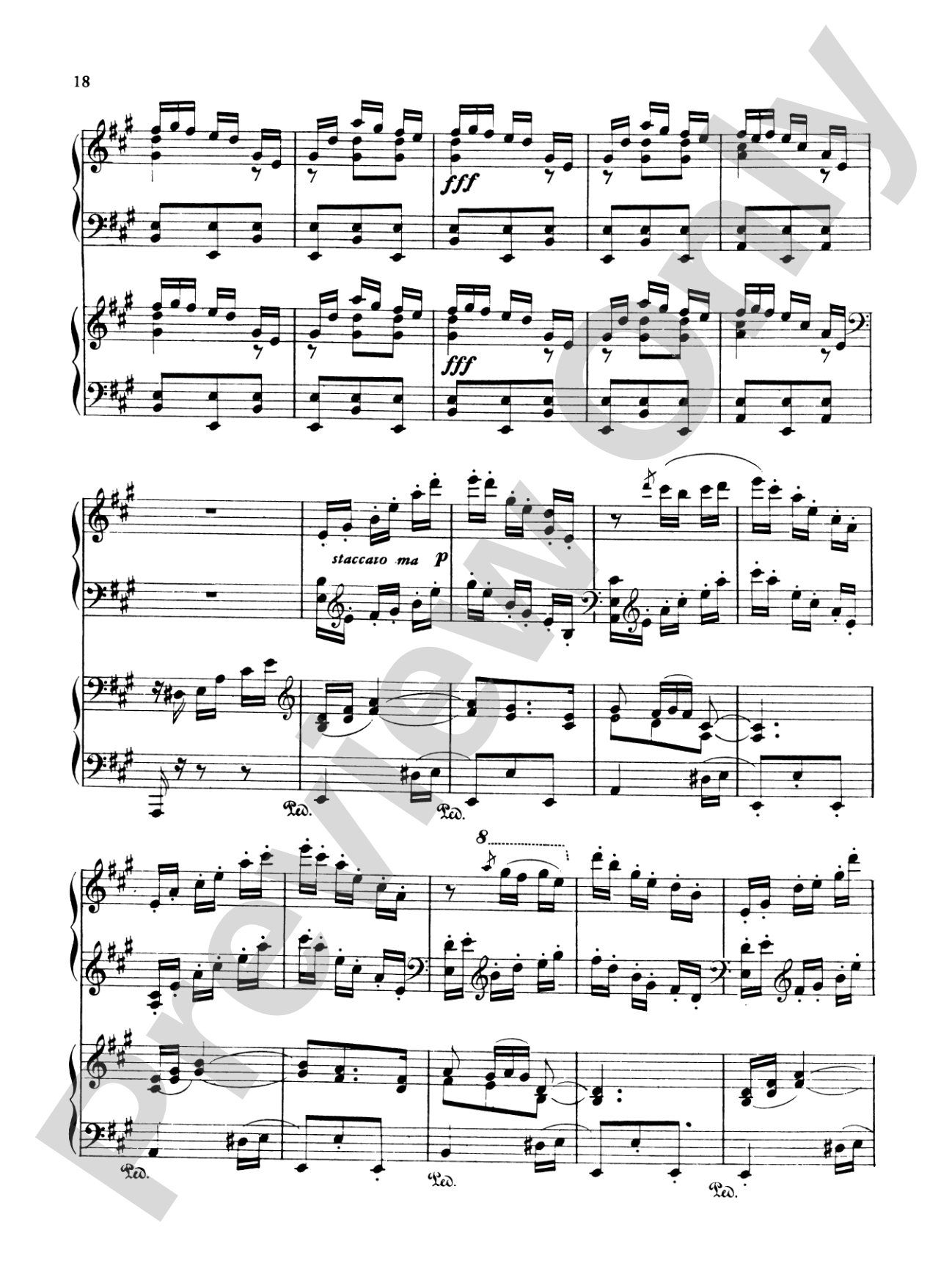
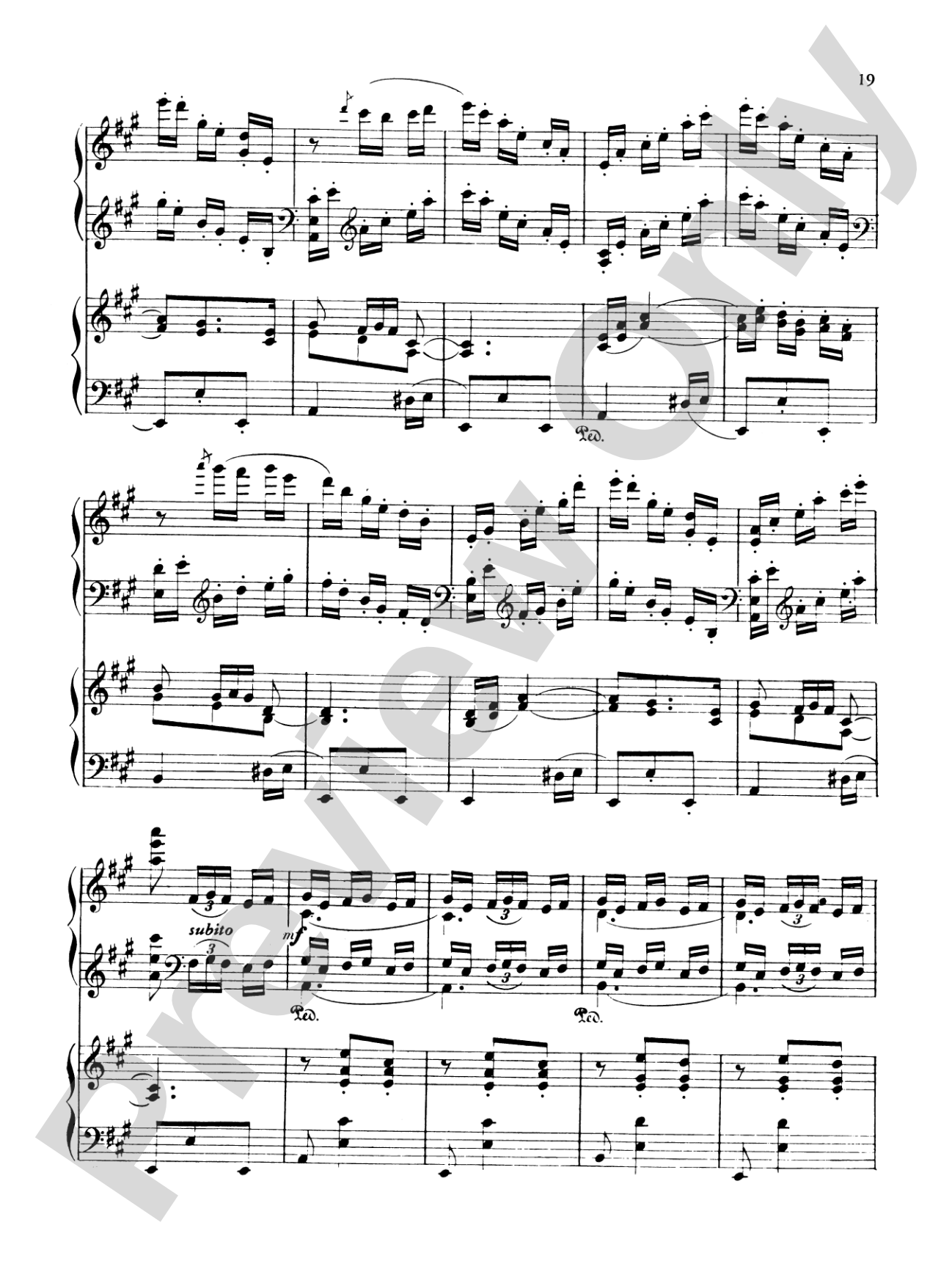
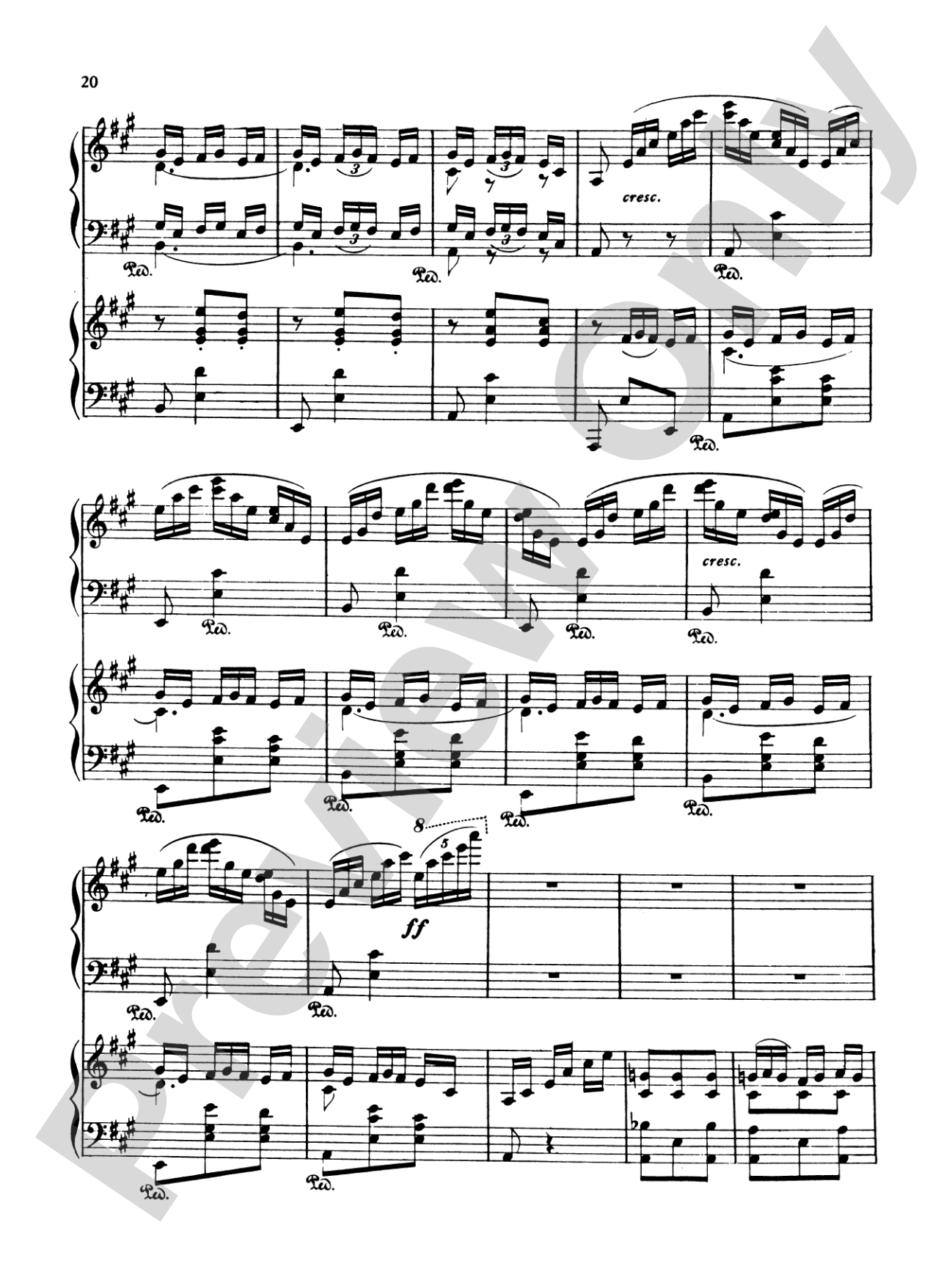
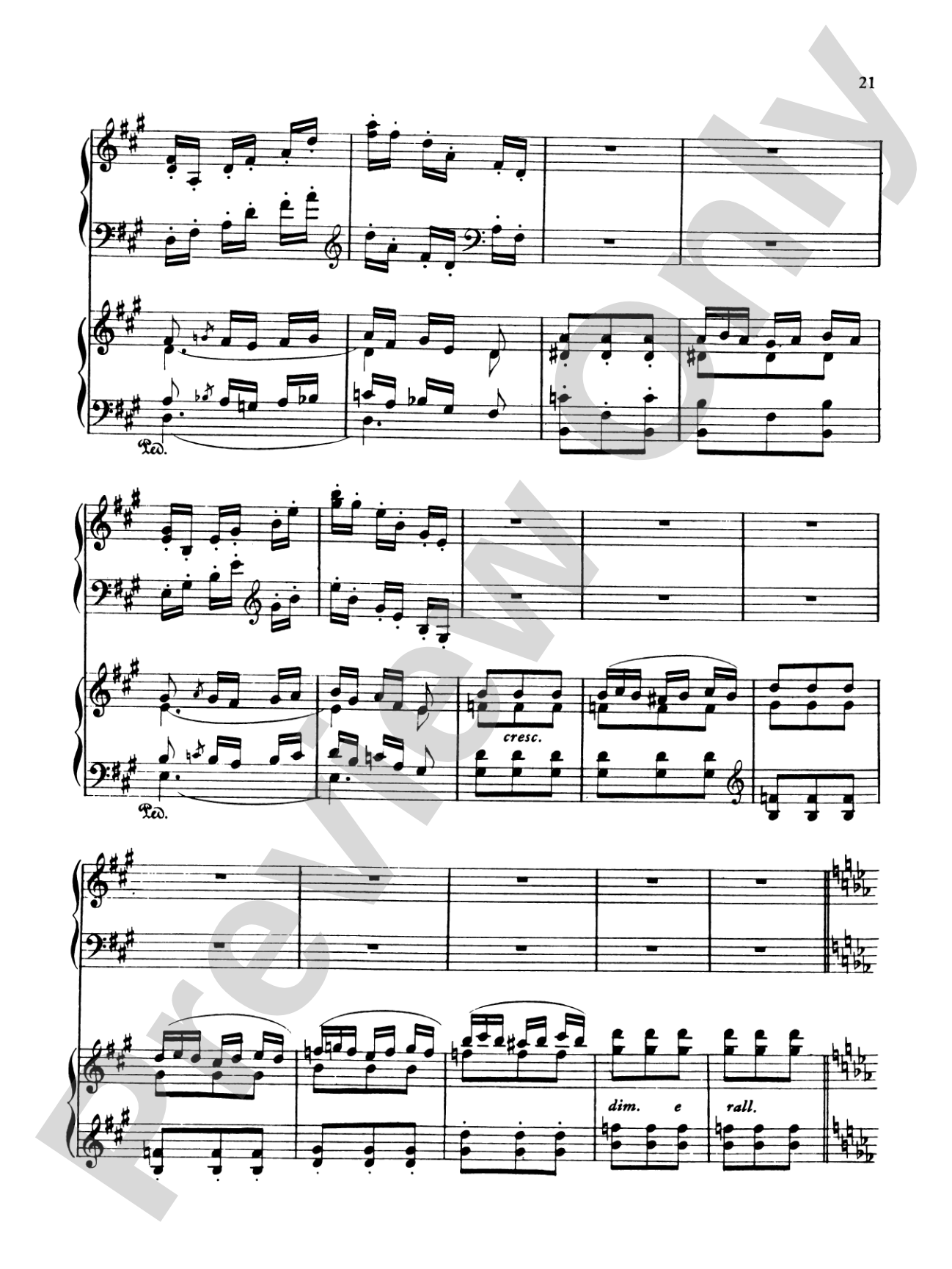
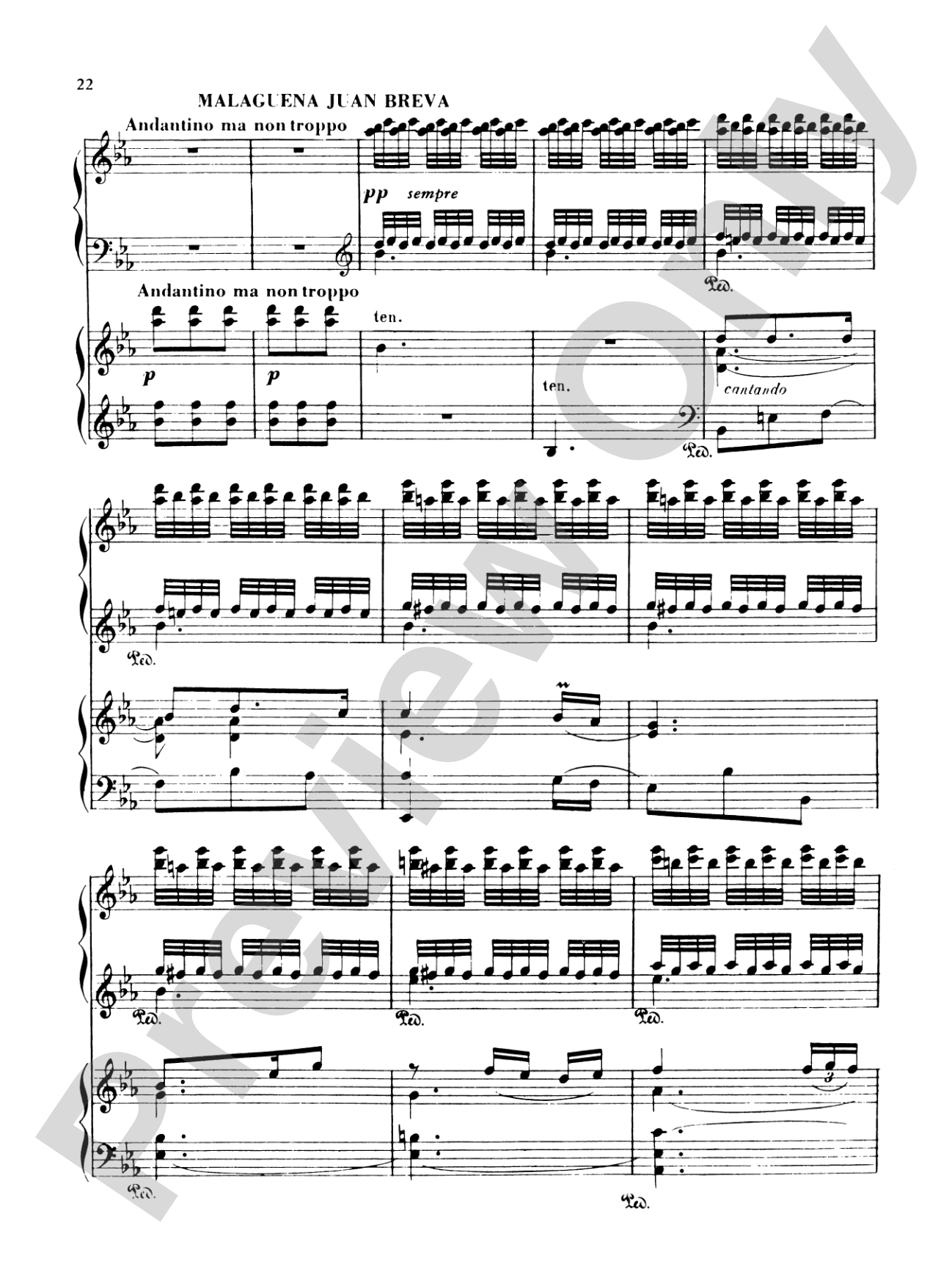
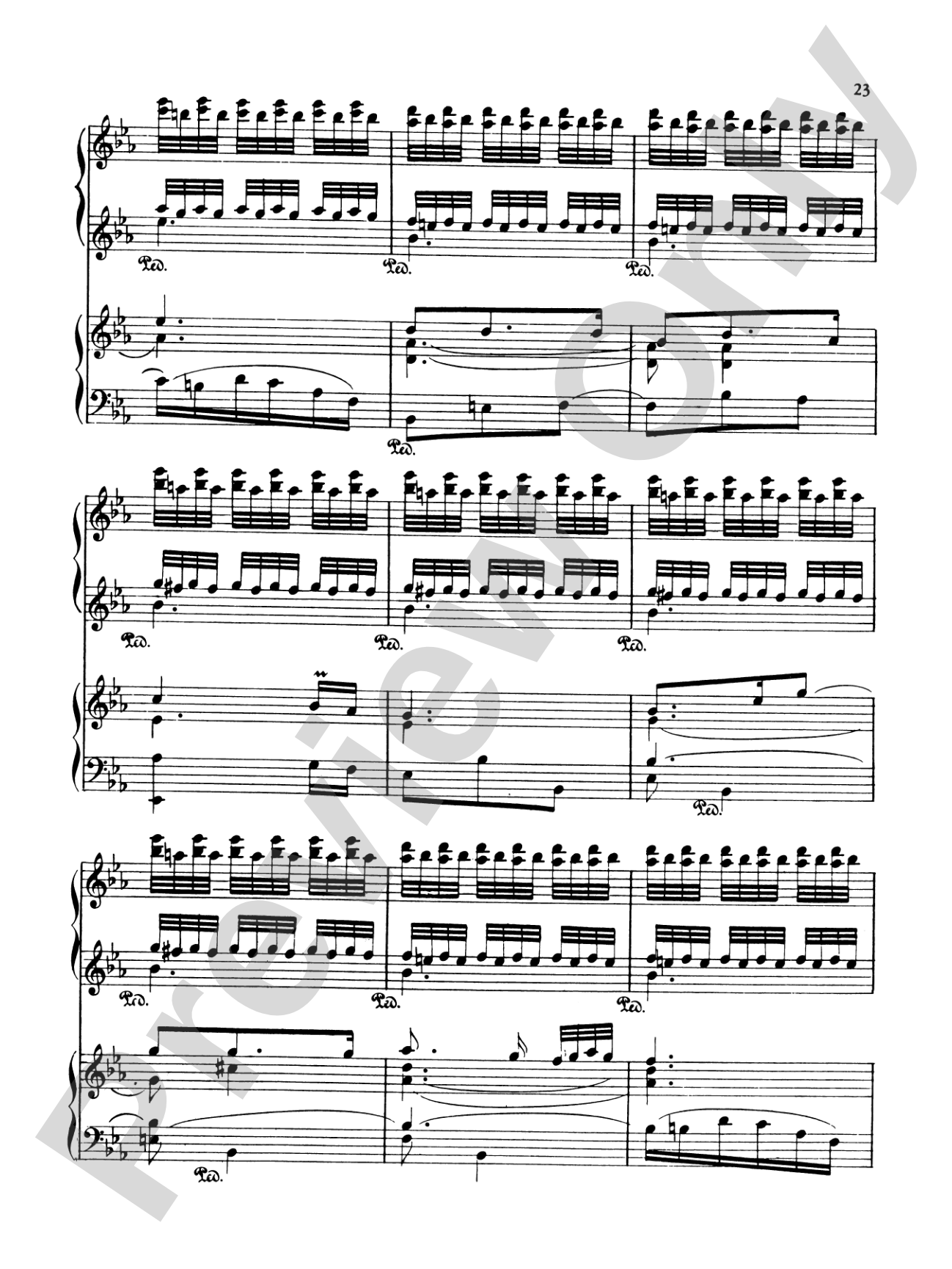
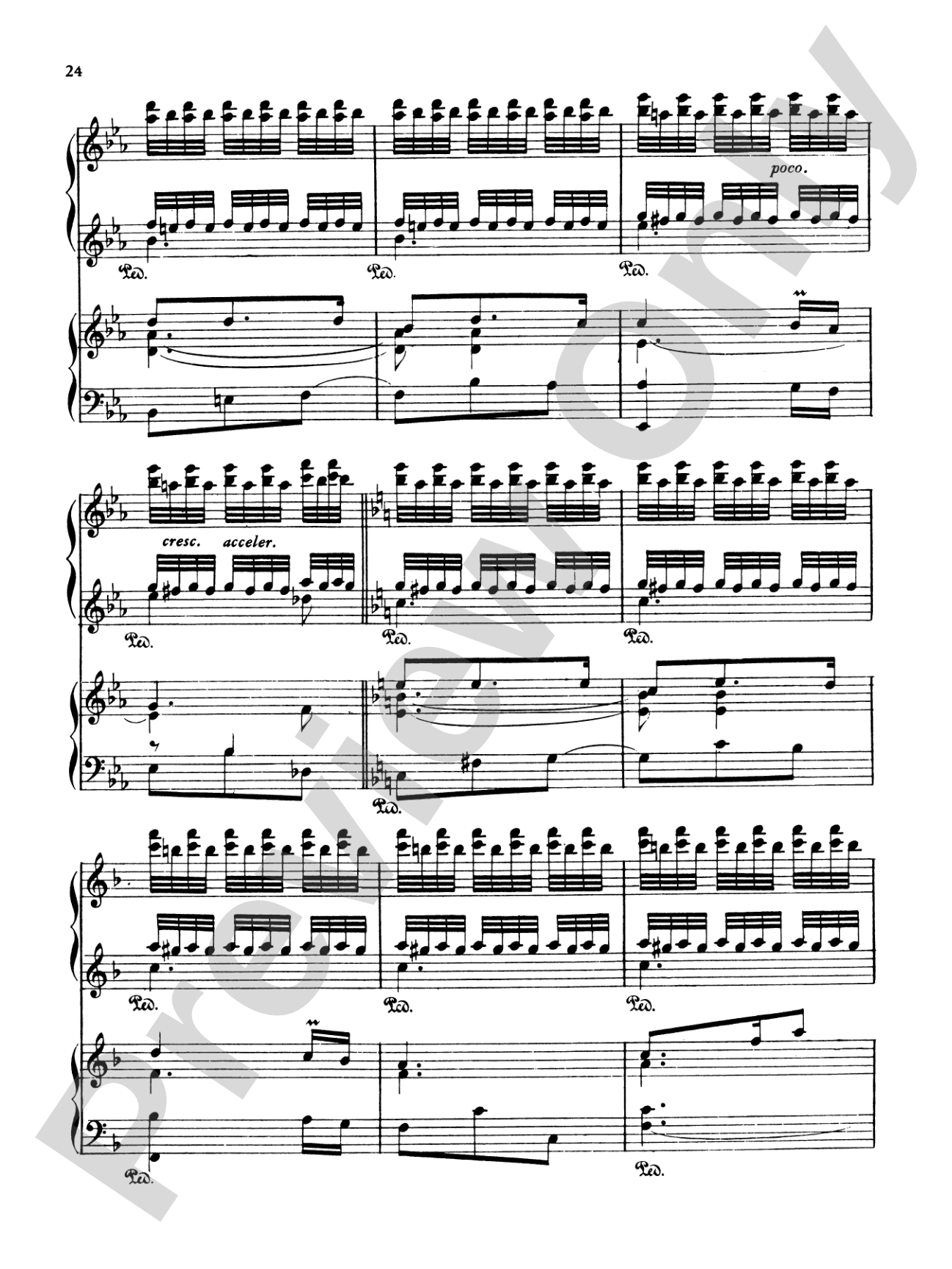
A grand piano and orchestra piece, presented here with second piano reduction. This is a single movement work with various sections offering the player and listener a selection of dance rhythms.


Don't just read it, hear it, play along with it, and watch your students grow with it. In MakeMusic Cloud, Albéniz: Rapsodia Española, Op. 70: Piano Duo (2 Pianos, 4 Hands) Book (2 copies required) comes alive with professional accompaniment, adjustable tempo, and built-in practice tools that turn solo practice into real progress.
Open in the Player
Jump straight in and assign it today.
Start Your Free Trial
Open this title and explore the full library in minutes.
Sample Audio
No sample audio found.
Sample Video
No sample videos found.
Additional Details
Series:
Kalmus Edition
Publisher:
Alfred Music
Page Count:
36
SKU:
00-PK-0002807
More about this title
About the Composer: Isaac Albéniz
Isaac Albéniz (1860, 1909) was a Spanish pianist and composer who became one of the defining voices of Spanish Romantic music. His keyboard works draw deeply from Spanish folk idioms, flamenco guitar techniques, and the rhythmic vitality of regional dances, translating them into virtuosic piano writing that remains fiercely idiomatic to the instrument.
Albéniz spent significant time in France and England during his career, where he absorbed broader European compositional trends while maintaining an unmistakably Spanish voice. His legacy rests largely on his piano works, which have become central to the concert repertoire and remain essential studies for advanced pianists exploring Romantic nationalism and coloristic keyboard writing.
Why we love this
This arrangement transforms a grand orchestral showpiece into a pianistic conversation, allowing two advanced players to claim the full dramatic arc of Albéniz's Spanish nationalism without needing an orchestra. The second piano reduction preserves the harmonic richness and orchestral color of the original while demanding real partnership: one pianist carries the melody while the other provides the rhythmic and harmonic foundation, then they trade roles entirely. It's repertoire that feels both virtuosic and deeply collaborative.
What to expect
Rapsodia Española sweeps across multiple Spanish dance forms and rhythmic characters, from passionate and virtuosic passages to lyrical, guitar-like melodic moments. The overall trajectory feels improvisational and rhapsodic, as Albéniz moves between sections with a storyteller's sense of drama. Between the two pianos, you're creating an entire orchestral palette: one instrument sings while the other shimmers with accompaniment, then they reverse, creating texture and depth that single-piano playing cannot achieve.
Who it's for
This duet serves advanced pianists ready to explore collaborative performance and Spanish Romantic repertoire. It works for recital partners preparing a substantial shared program, or for advanced students and teachers who want to perform together at faculty or studio recitals. The work demands secure technique, harmonic awareness, and genuine ensemble listening.
How to get the most out of it
- Establish clear roles before rehearsing: decide who takes the primary melodic material in each section, then practice transitions where responsibilities shift. Switching without rehearsal creates muddy textures.
- Balance the two parts by positioning pianists side-by-side at separate instruments so you can see each other's hands. Eye contact matters more than in solo playing.
- Shape the dance rhythms with rhythmic precision rather than rubato; Albéniz's Spanish idioms depend on clean articulation of the underlying pulse, even when the melody sings above it.
- Record yourselves regularly. Two pianos can mask ensemble sloppiness; recordings reveal timing gaps and dynamic imbalances that feel fine in the room.
How to use it
Program this as a standalone feature at a formal recital where advanced pianists can showcase both technical prowess and collaborative artistry. It pairs naturally with other Spanish or Latin-flavored works, or stand alone as a substantial concert anchor. The rhapsodic structure and dance-form content also make it suitable for thematic programming around nationalism or the Romantic era's fascination with cultural identity.
Skills your students will build
- Reading two independent pianistic lines while maintaining ensemble synchronization
- Collaboratively shaping melodic and harmonic material across two instruments
- Executing rapid Spanish dance rhythms and flamenco-inspired figurations with precision
- Balancing solo and accompanying roles within a single rehearsal or performance
- Interpreting Romantic-era harmonic language and idiomatic orchestral color through keyboard writing