
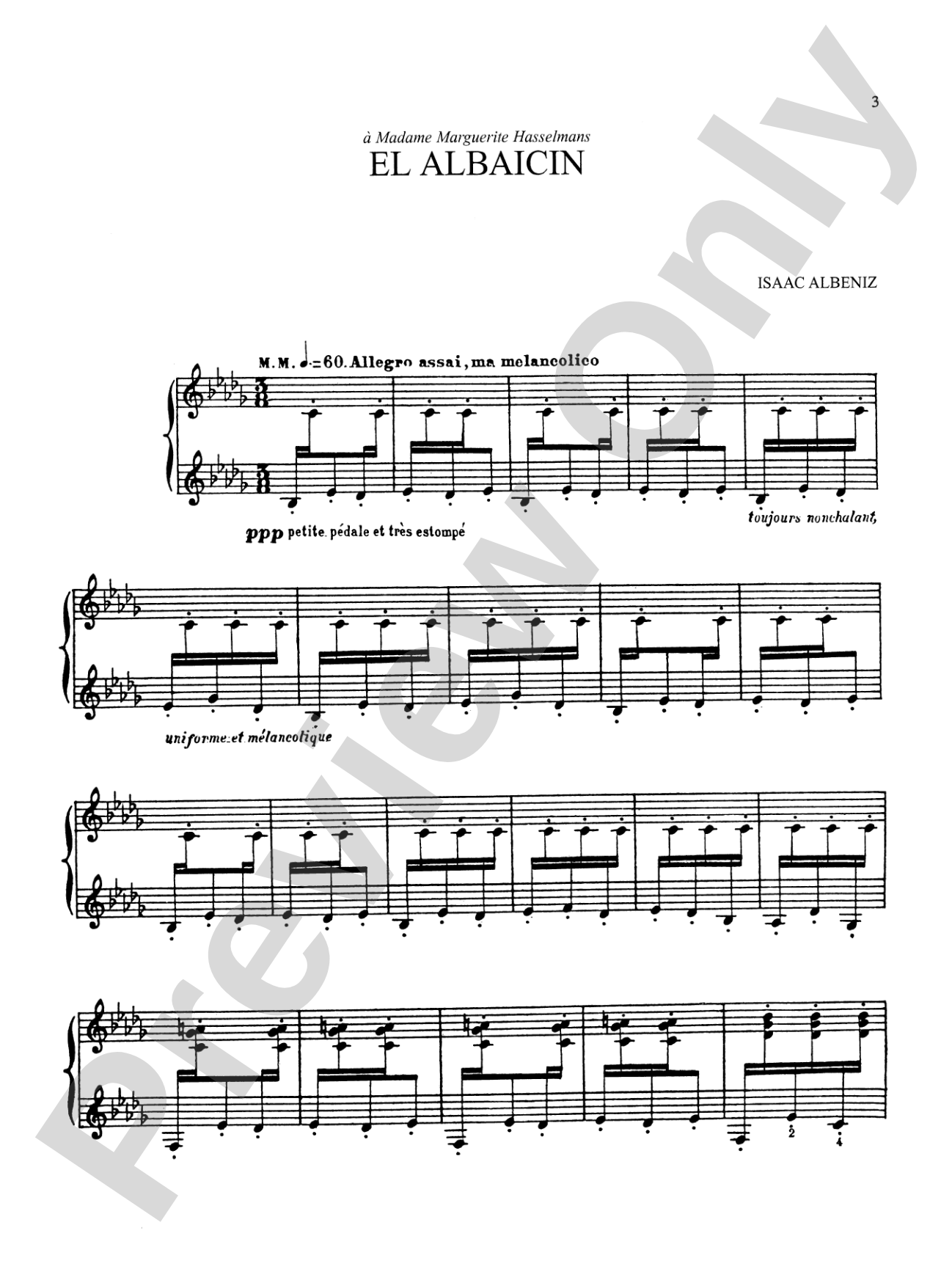
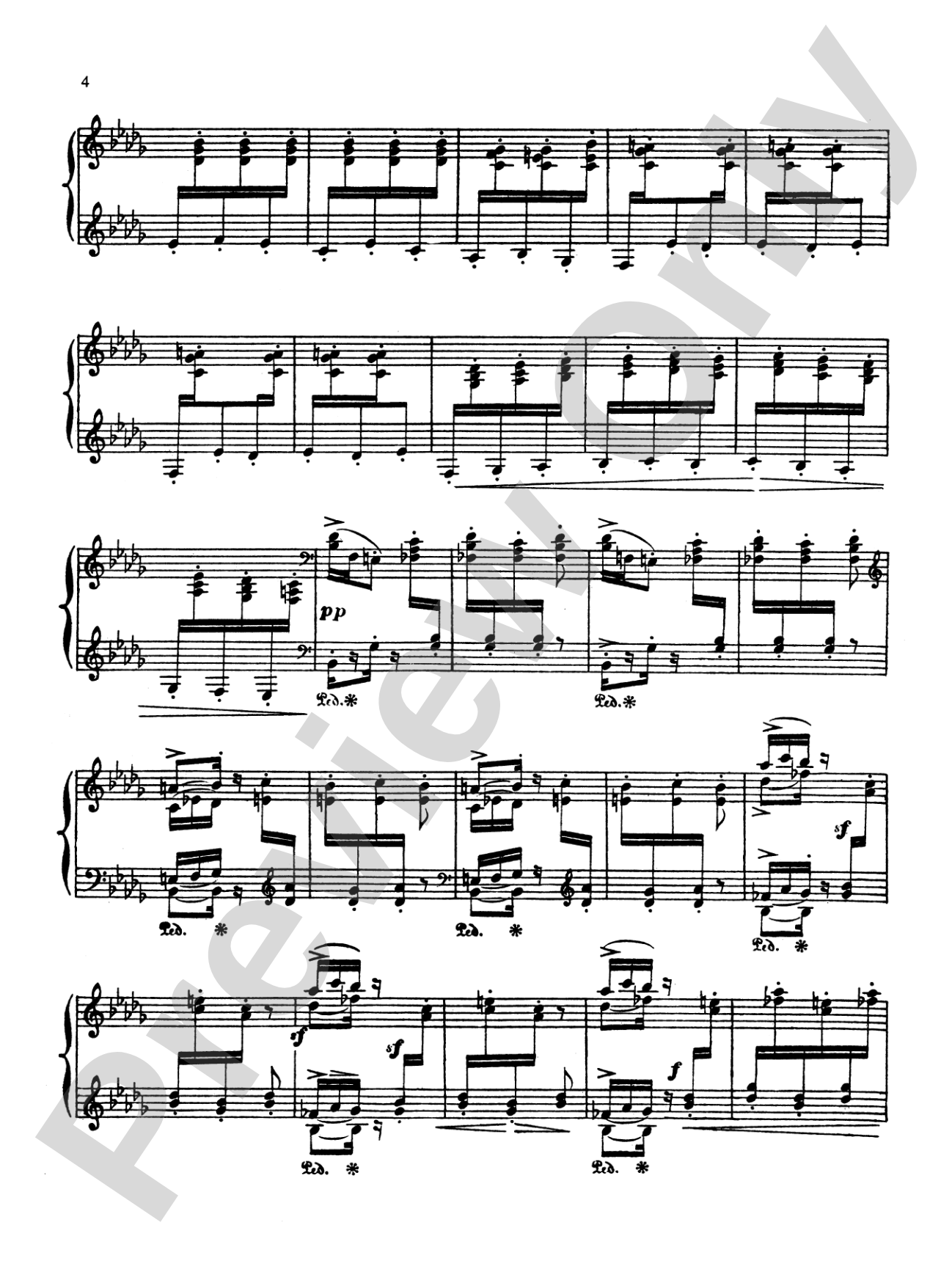
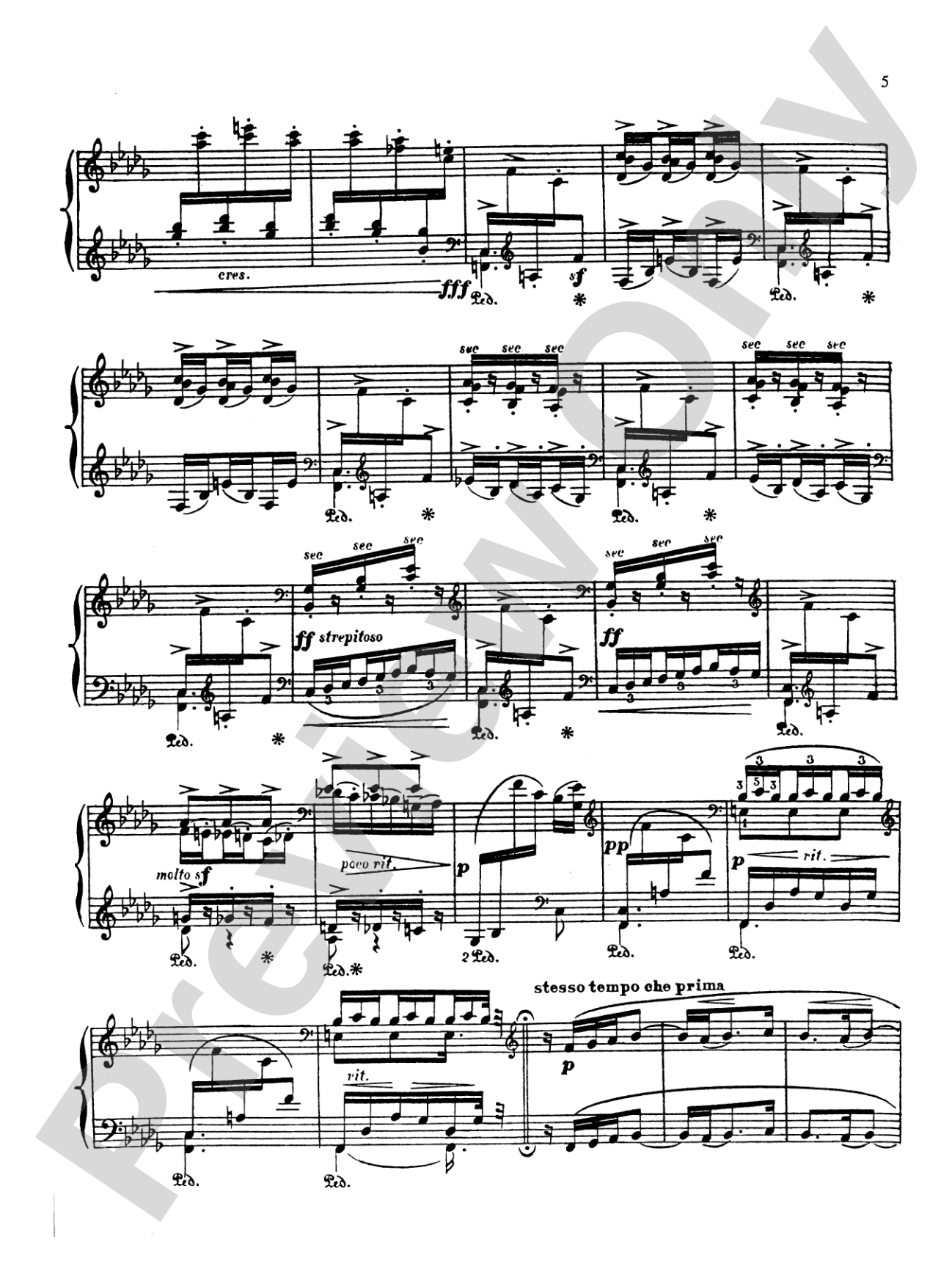
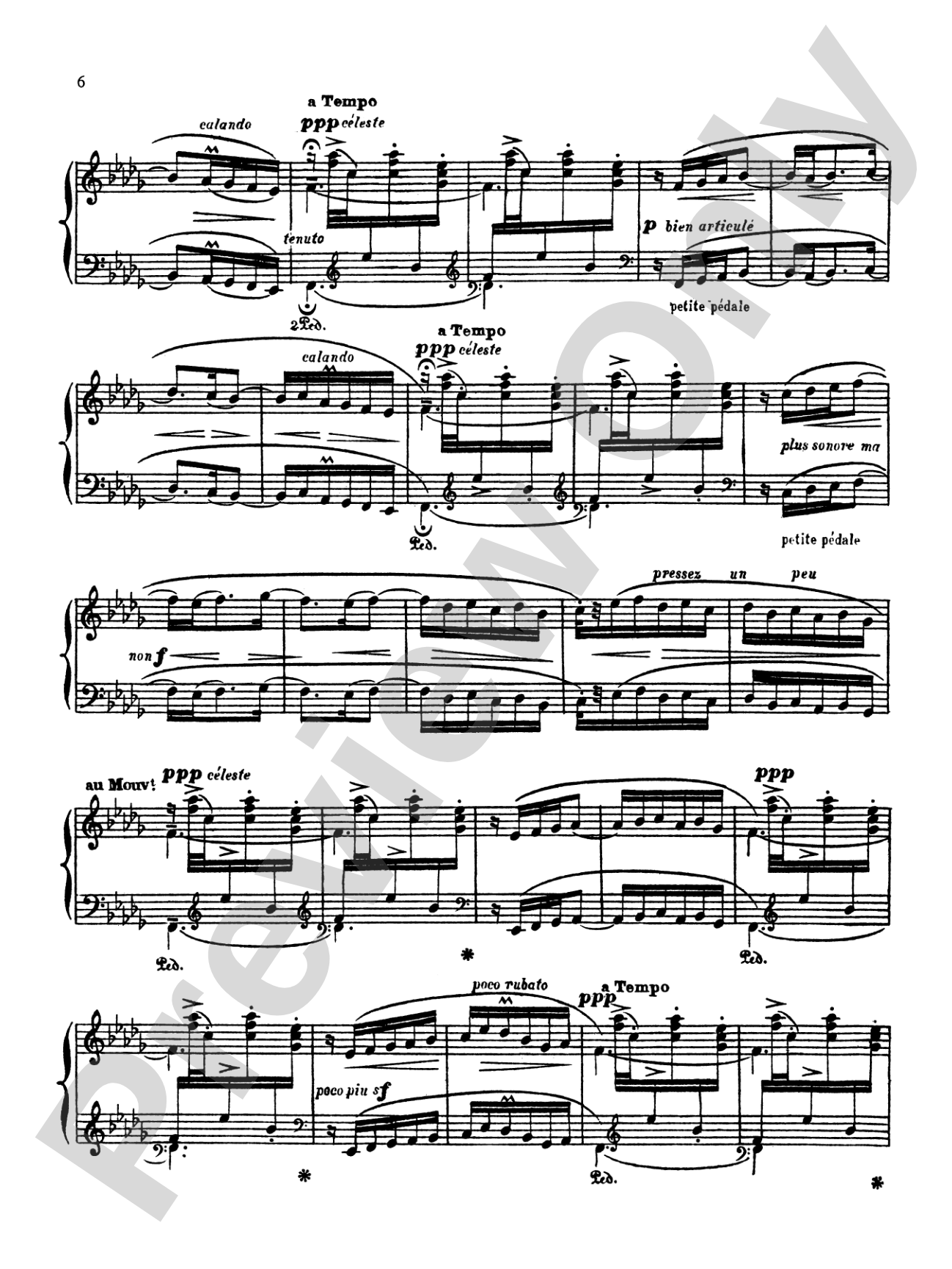
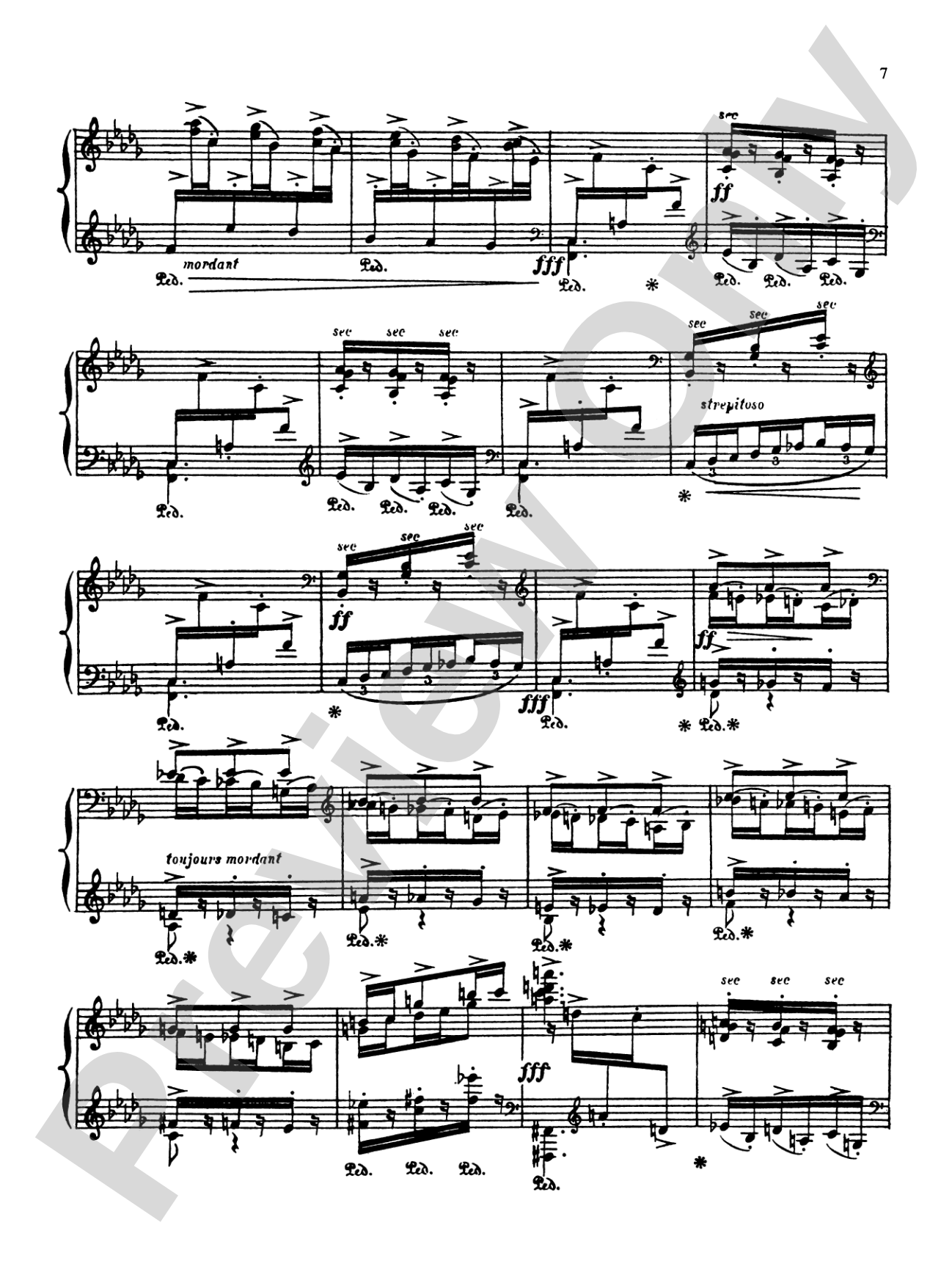
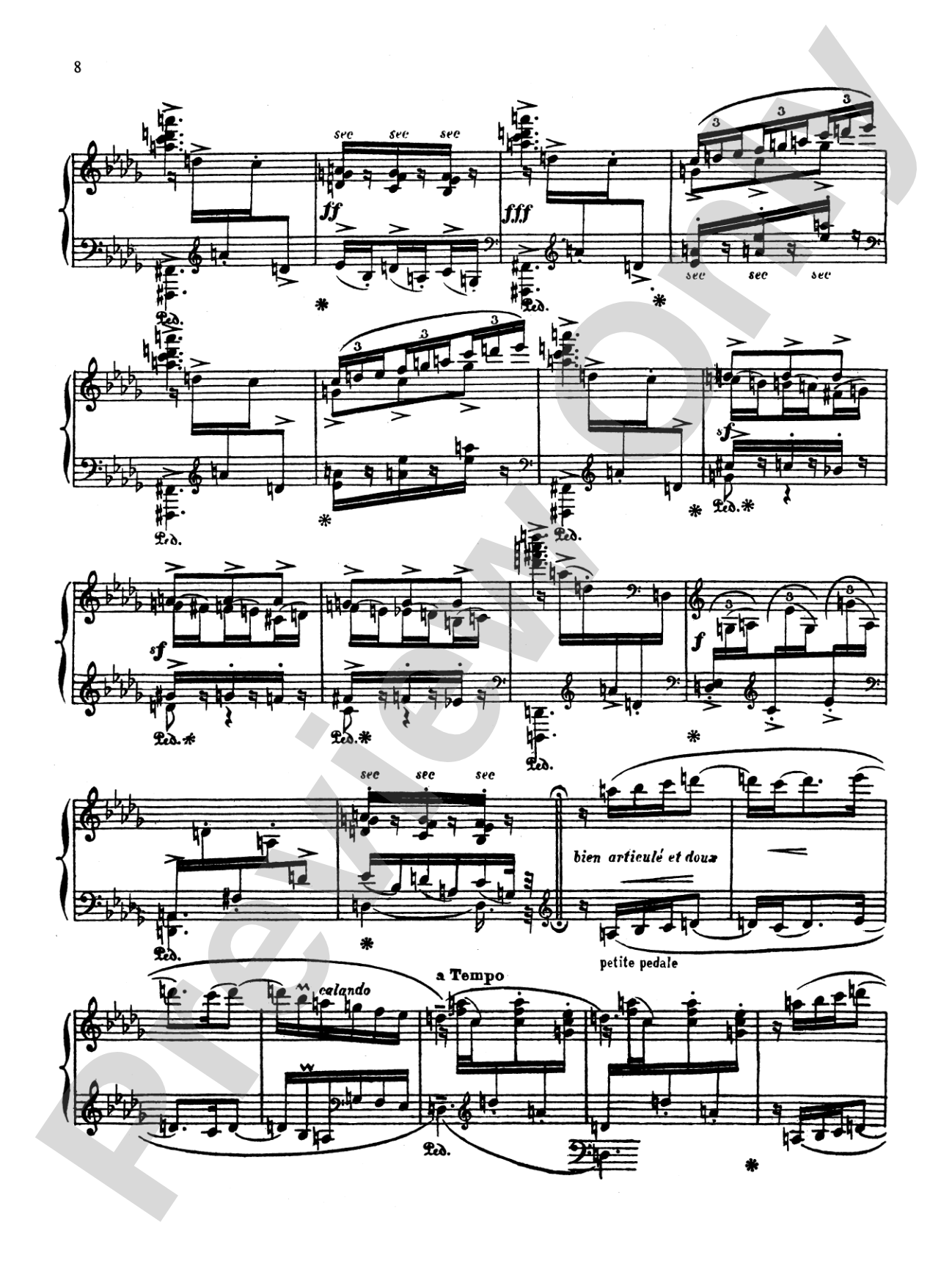
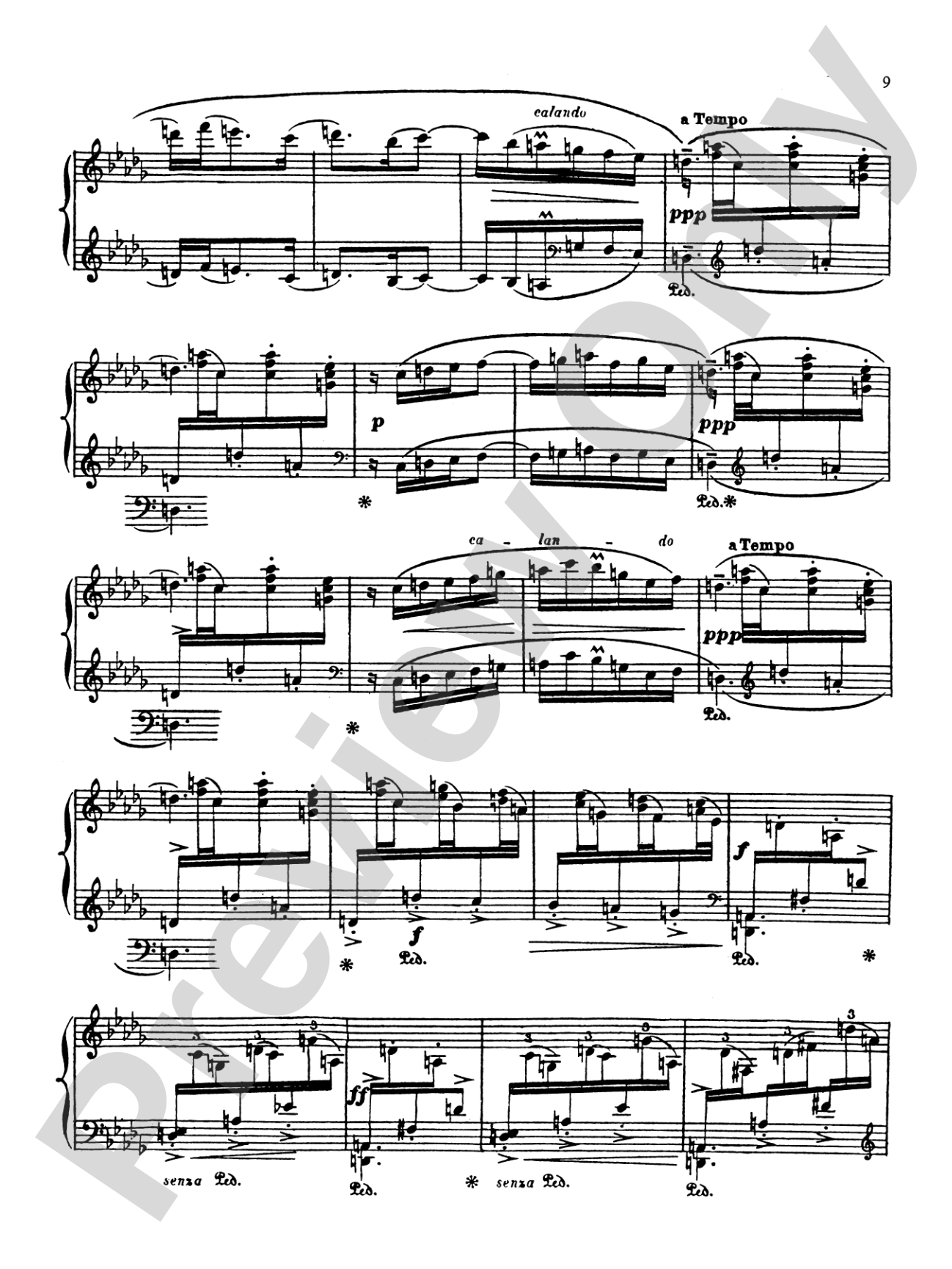
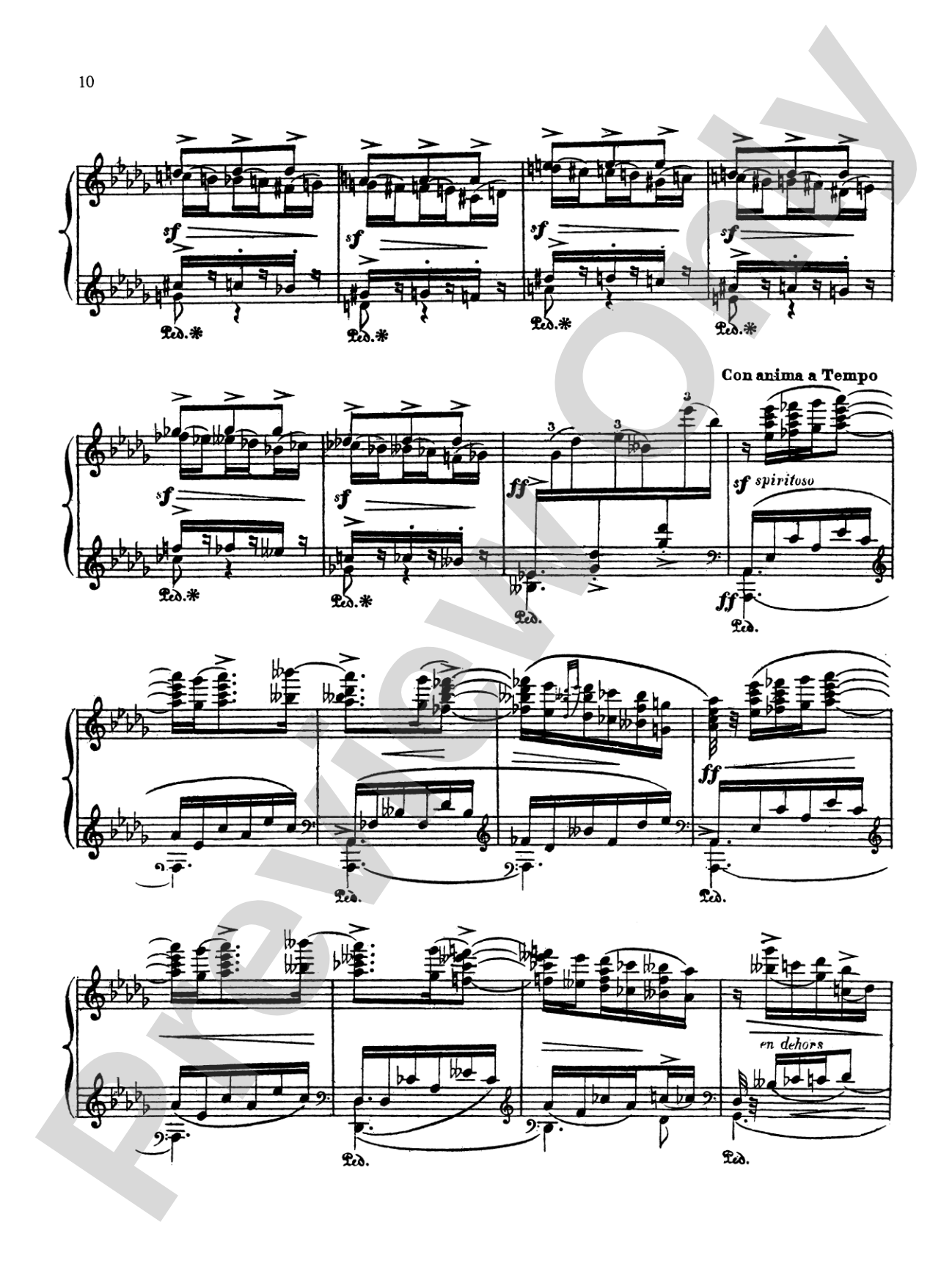
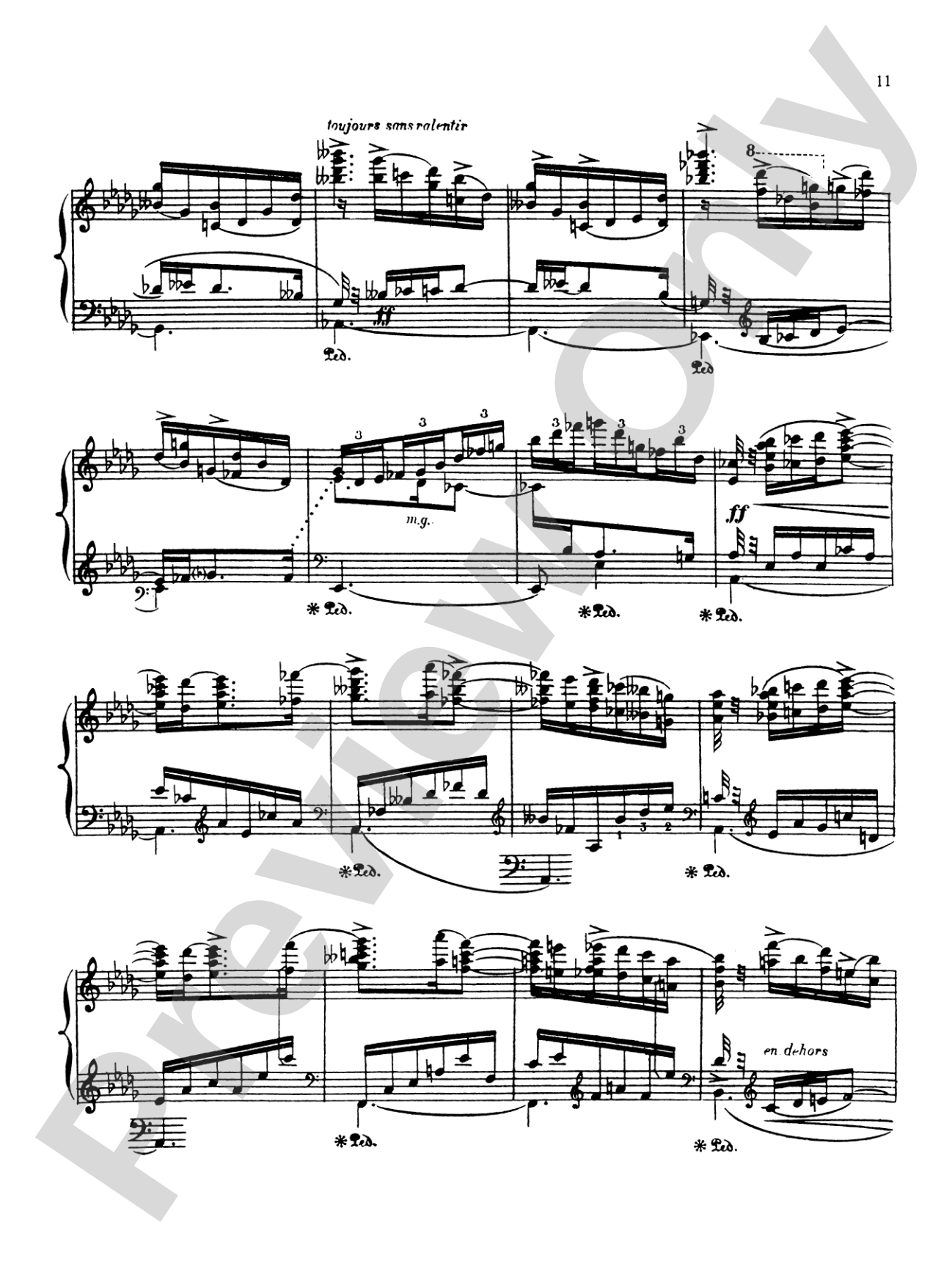
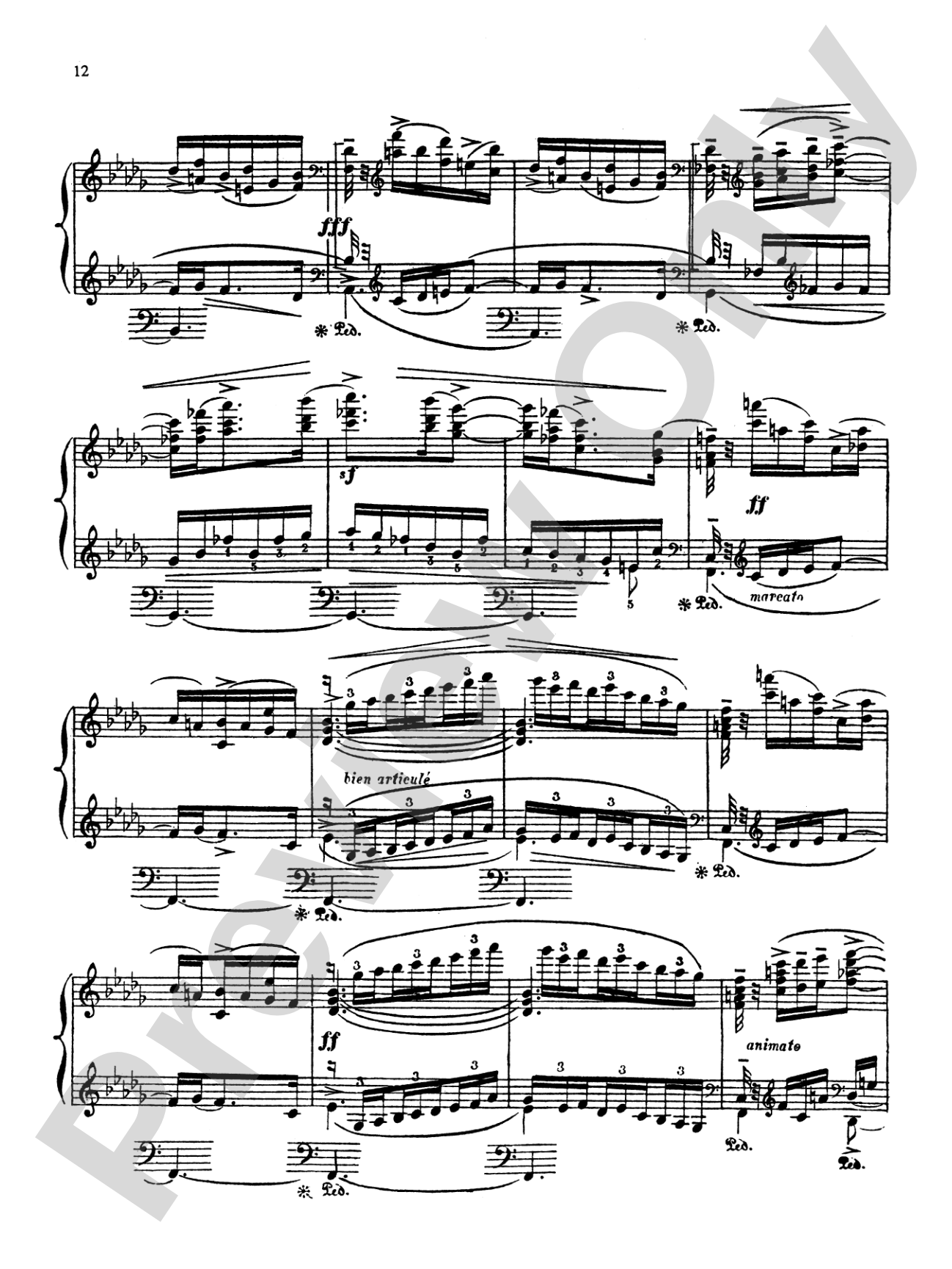
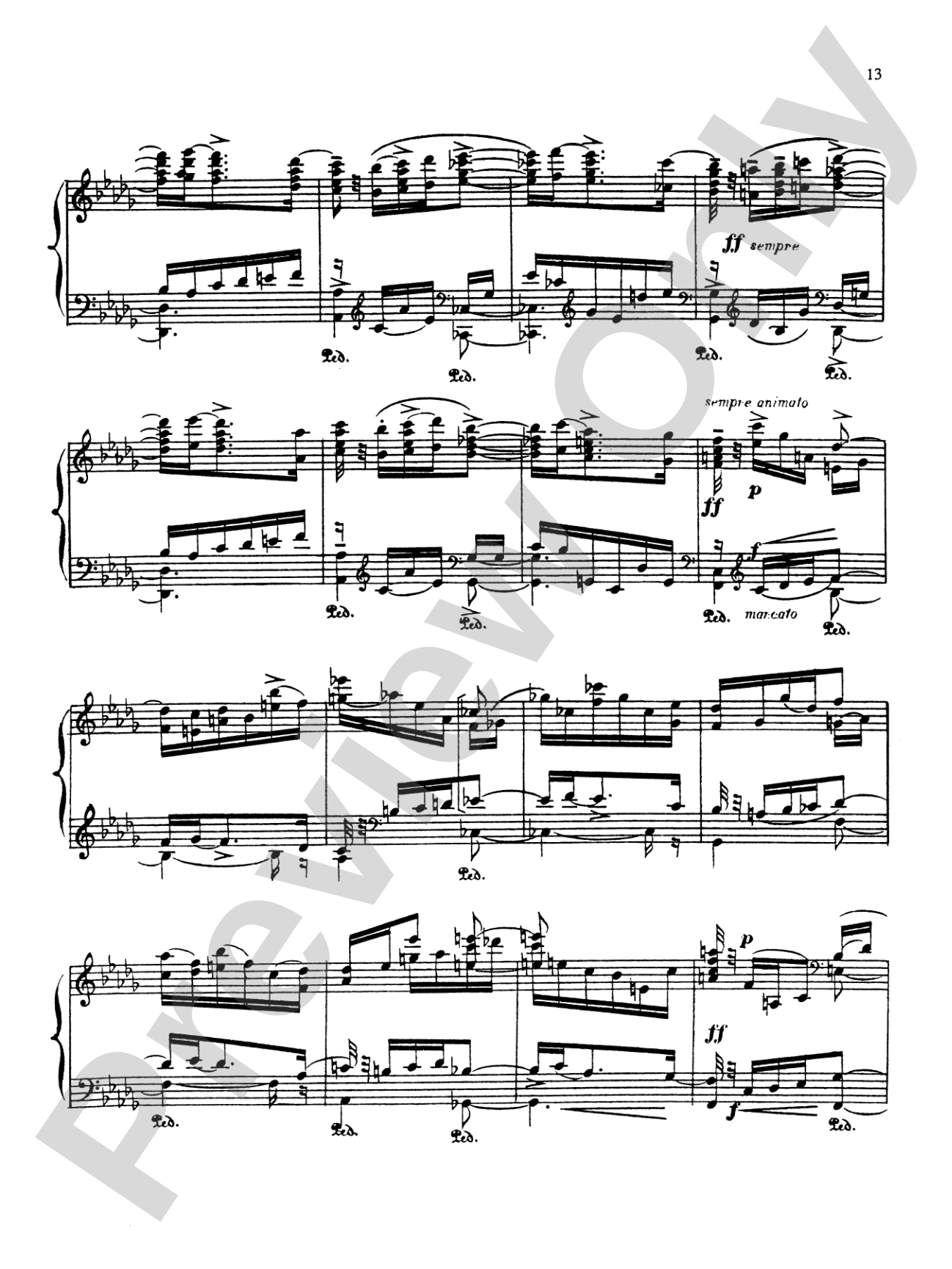
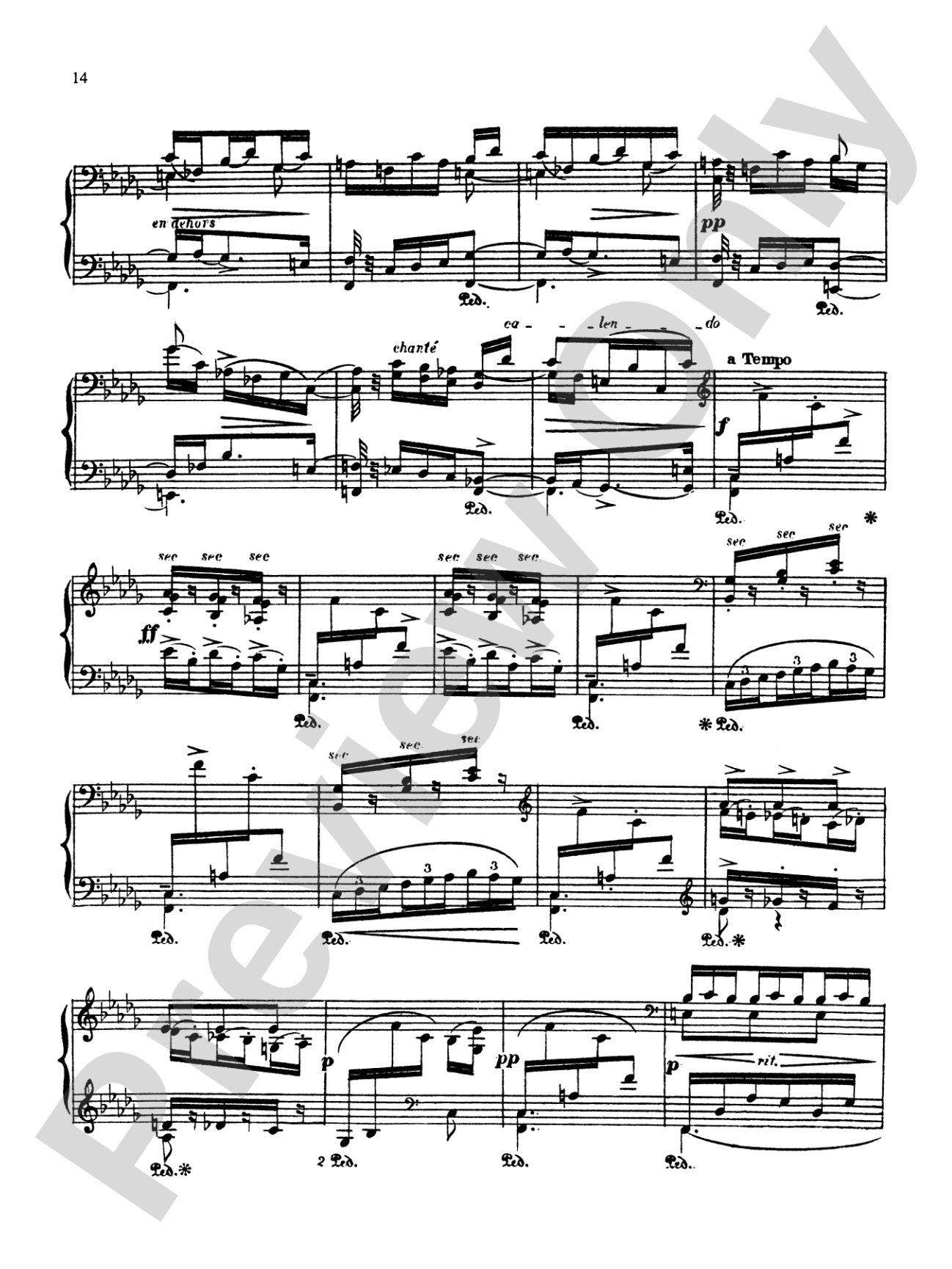
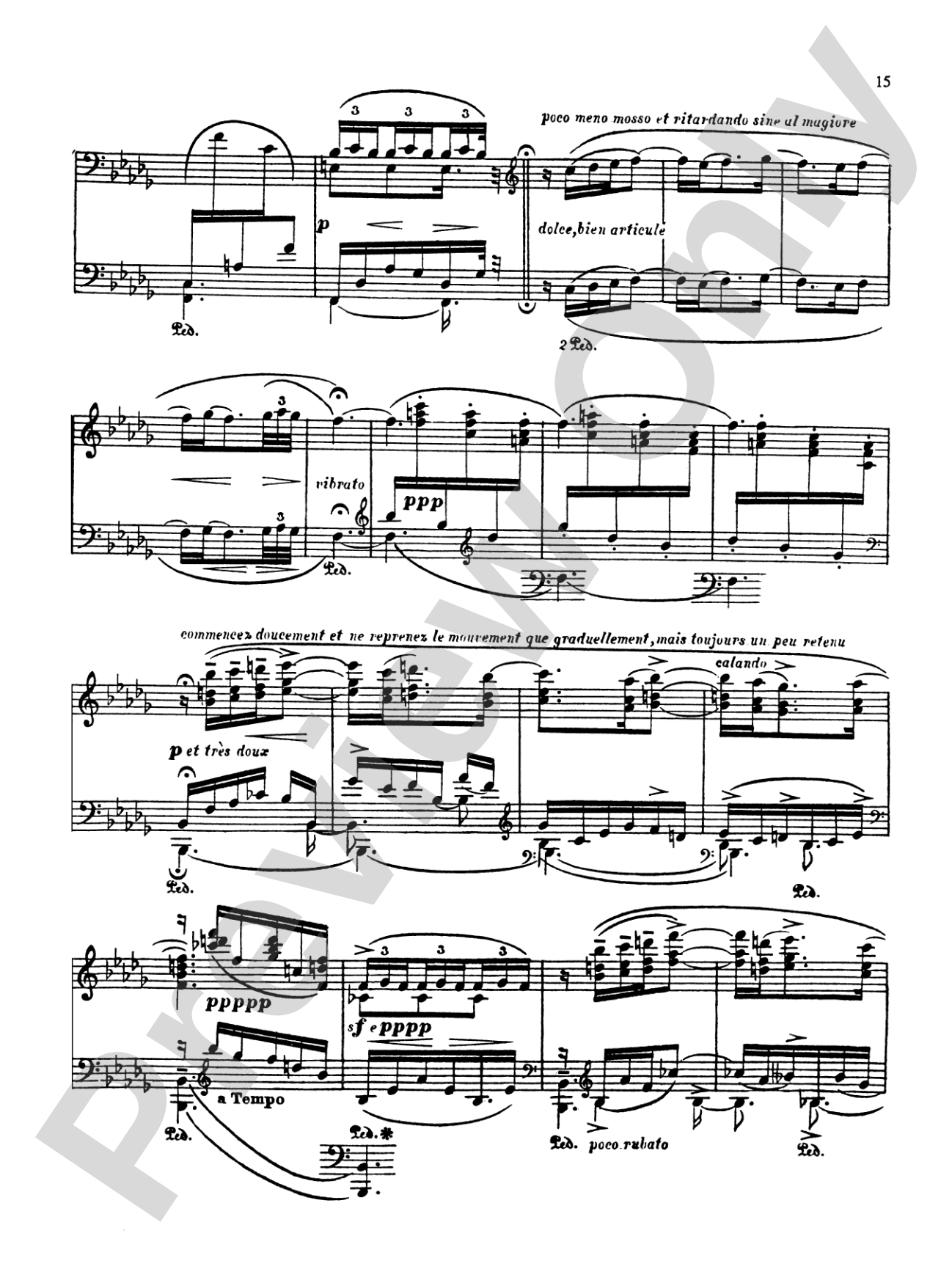
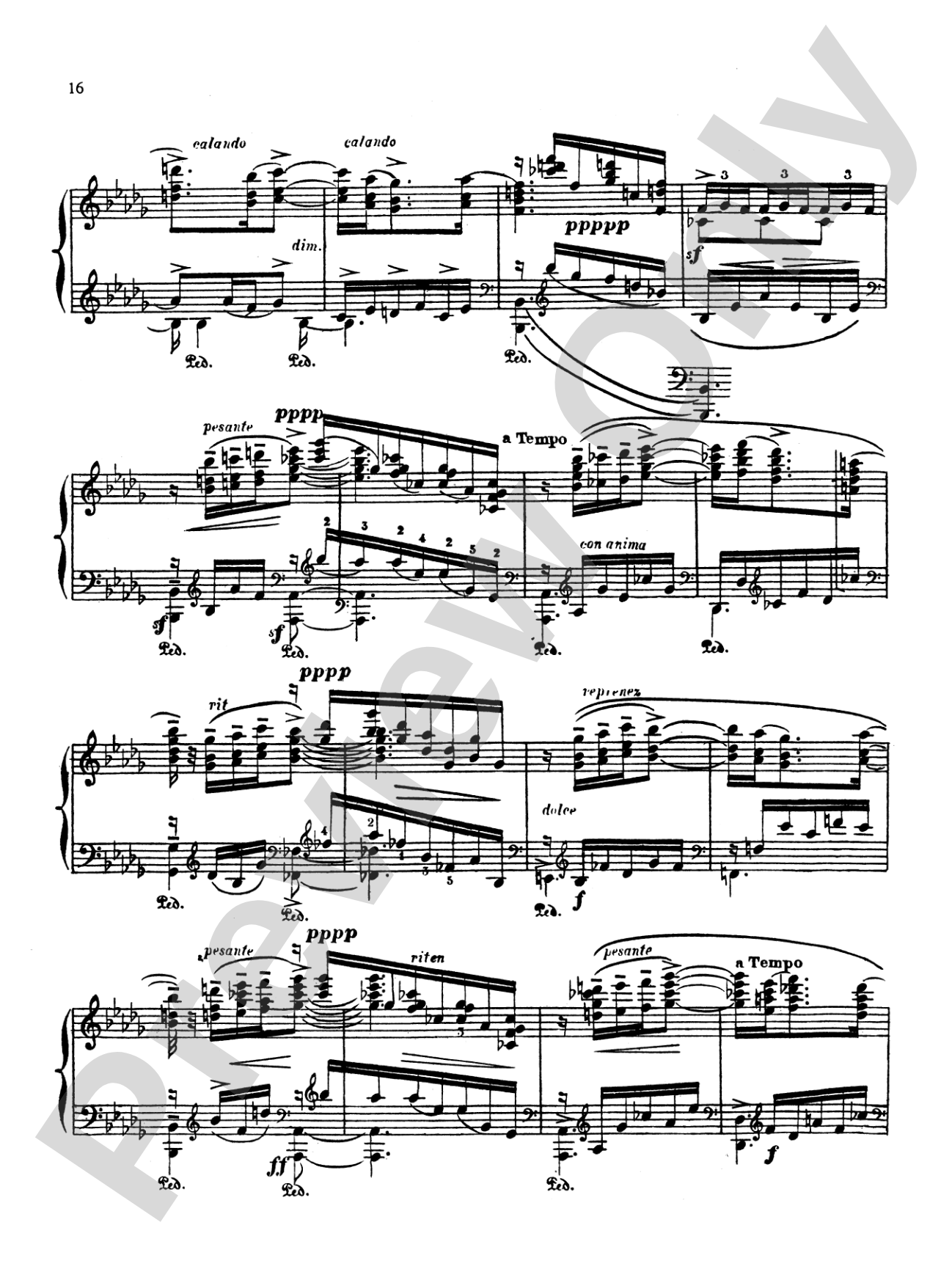
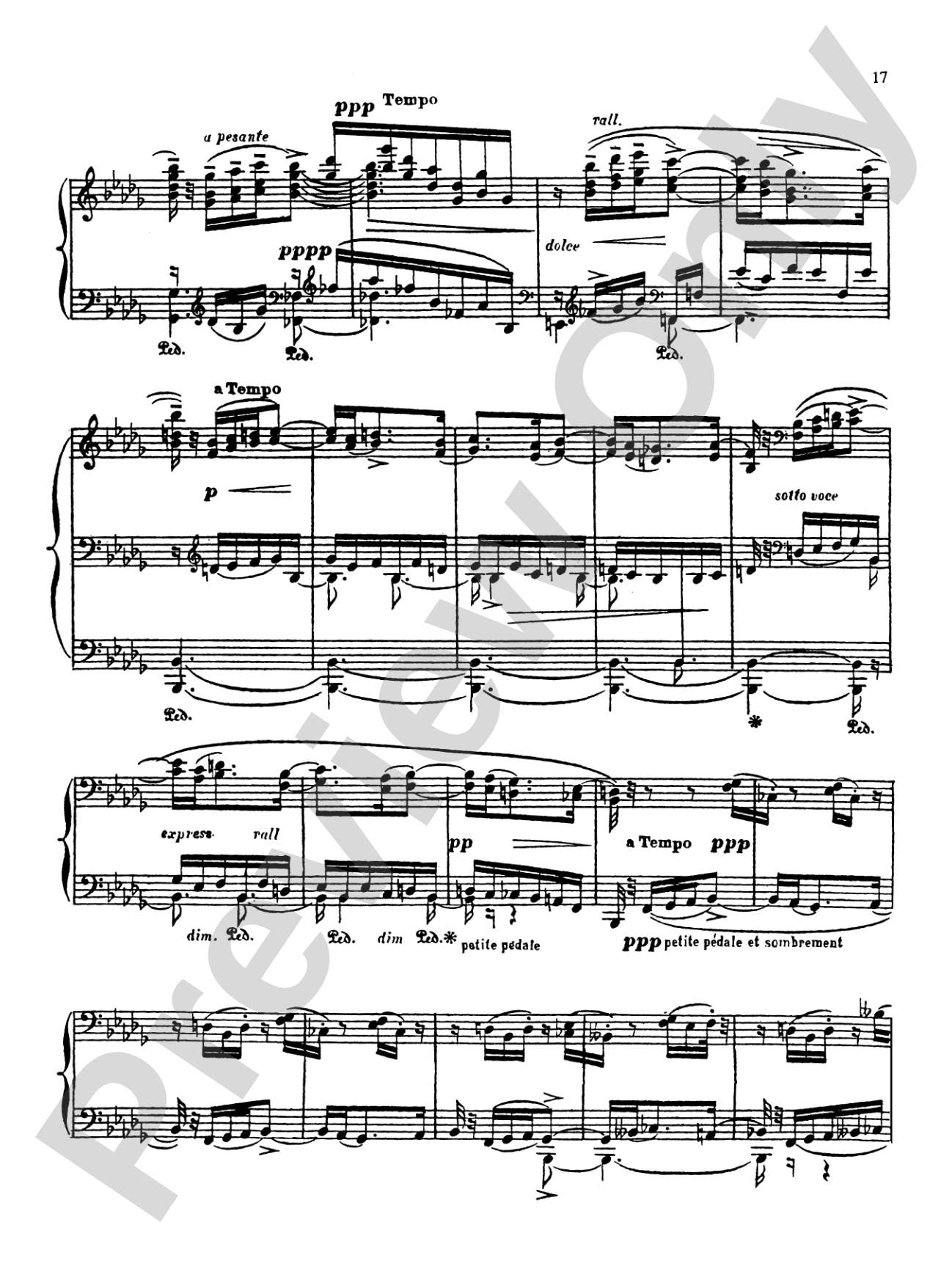
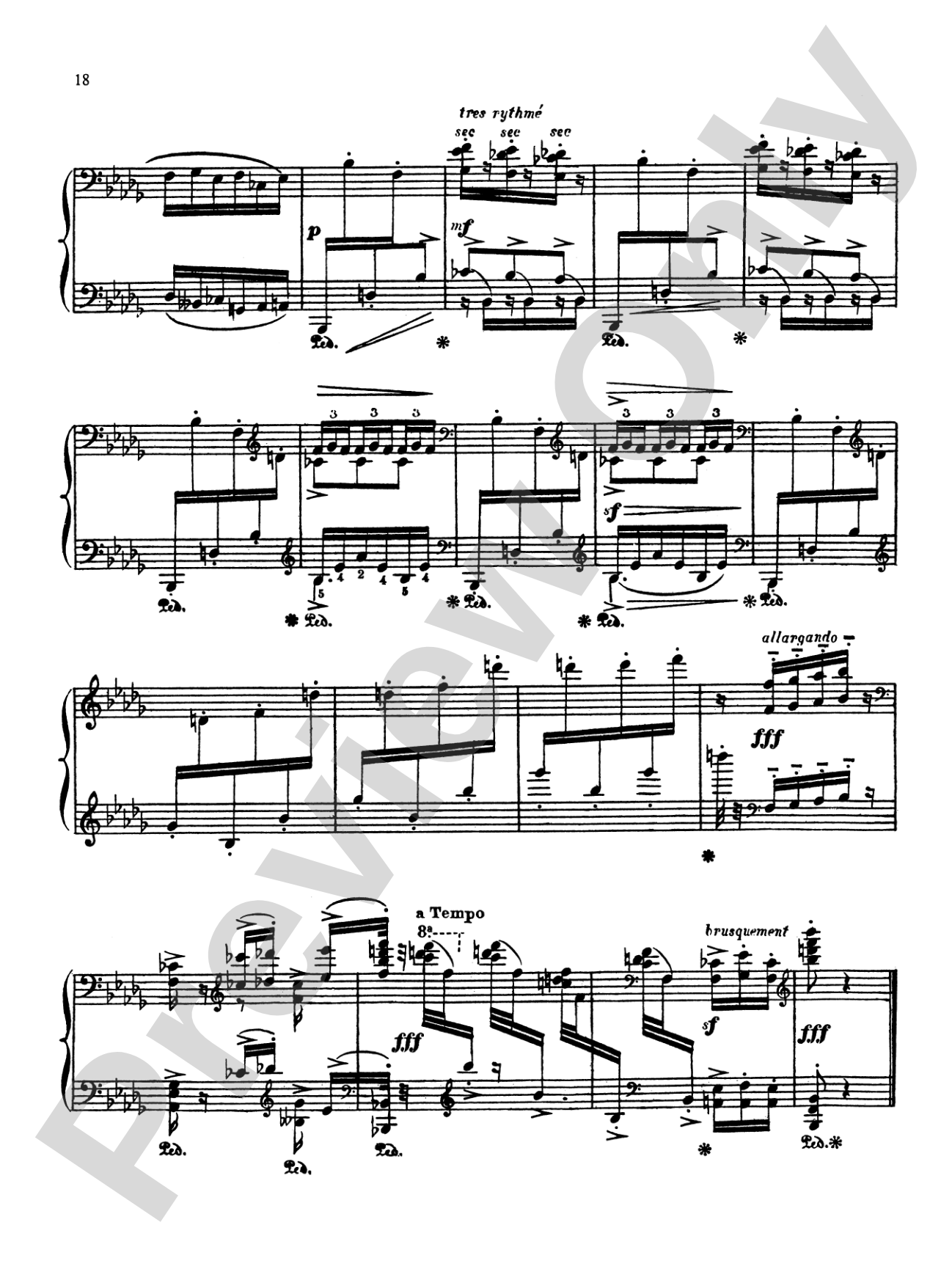

Albéniz: Iberia (Volume III & IV): Piano Book
By Isaac Albéniz
Item: 00-PK-0002728

$12.99
Pickup currently not available
Buy Extra Parts (Digital PDF Download)
| Product | Price | Quantity |
|---|---|---|
| Albéniz: Iberia (Volume III & IV) | $1.99 | |
| Albéniz: Iberia (Volume III & IV) | $1.99 | |
| Albéniz: Iberia (Volume III & IV) | $1.99 | |
| Albéniz: Iberia (Volume III & IV) | $1.99 | |
| Albéniz: Iberia (Volume III & IV) | $1.99 | |
| Albéniz: Iberia (Volume III & IV) | $1.99 |
Parts Added to Cart!
Related Items
Iberia, Volume III & IV: Piano Book |
$12.95
|
View |
Description
(El Albaicin, El Polo, Lavapies, Malaga, Jerez, Eritaña)


Don't just read it, hear it, play along with it, and watch your students grow with it. In MakeMusic Cloud, Albéniz: Iberia (Volume III & IV): Piano Book comes alive with professional accompaniment, adjustable tempo, and built-in practice tools that turn solo practice into real progress.
Open in the Player
Jump straight in and assign it today.
Start Your Free Trial
Open this title and explore the full library in minutes.
Sample Audio
No sample audio found.
Sample Video
No sample videos found.
Additional Details
Series:
Kalmus Edition
Publisher:
Alfred Music
Page Count:
92
SKU:
00-PK-0002728
More about this title
About the Composer: Isaac Albéniz
Isaac Albéniz (1860–1909) was a Spanish pianist and composer whose music crystallized the sound of Spanish nationalism during the late Romantic era. Working across opera, orchestral works, and solo piano literature, he became the defining voice of Spanish piano music, blending folk idioms with European harmonic sophistication.
Iberia stands as his masterwork: a four-volume suite of twelve piano pieces that capture the regional character, rhythms, and emotional landscape of Spain. Composed between 1906 and 1909, these pieces demand virtuosic technique while remaining rooted in authentic Spanish musical culture. They have become cornerstones of the concert piano repertoire.
Why we love this
Volumes III and IV of Iberia showcase Albéniz at his most inventive, balancing virtuosic display with genuine musical substance. Each piece is a self-contained study in Spanish regional identity, making them ideal for pianists seeking repertoire that is technically demanding yet musically coherent and deeply rewarding to perform.
What to expect
Albéniz's Iberia evokes the sensory richness of Spain: the architectural drama of Moorish Granada (El Albaicín), the raw emotion of flamenco tradition (El Polo), the street life of Madrid neighborhoods (Lavapías), and the sun-drenched Mediterranean coast (Málaga). The writing shimmers with color, alternating between passionate intensity and lyrical tenderness, always grounded in the rhythmic vitality of Spanish folk music.
Who it's for
Advanced pianists preparing concerto competition repertoire, conservatory students studying Spanish nationalist music, and performers ready to tackle the technical and interpretive demands of early twentieth-century Romantic piano literature. This collection suits pianists with strong technique and a willingness to engage deeply with Spanish musical idioms.
How to get the most out of it
- Approach the flamenco-influenced passages with rhythmic flexibility; allow rubato to emerge naturally from the underlying cante jondo character rather than imposing a metronomic feel.
- Pay close attention to Albéniz's pedal markings and the specificity of his dynamic shadings. These details create the harmonic color and atmospheric depth that define the work.
- Study recordings of authentic Spanish guitar and flamenco to internalize the idiomatic rhythms and ornamental vocabulary Albéniz transcribes for the keyboard.
- Build stamina incrementally; these pieces demand sustained energy and technical precision over extended passages. Practice in sections before attempting full performances.
How to use it
These pieces work best on recitals dedicated to Spanish repertoire or as anchor works in a Romantic-era piano program. Program Iberia selections alongside other late nineteenth-century nationalist works, or use individual pieces as a focused study in how folk tradition informs concert music. They are substantial enough to command a recital section on their own.
Skills your students will build
- Ornamentation and passagework in the Spanish idiom (trills, flourishes, and rhythmic figures rooted in flamenco tradition)
- Pedal control and harmonic voicing for impressionistic color effects
- Rhythmic independence and flexibility within a metric framework (syncopation and rubato)
- Technical precision across a wide dynamic range and register
- Interpretive choices based on musicological and cultural context