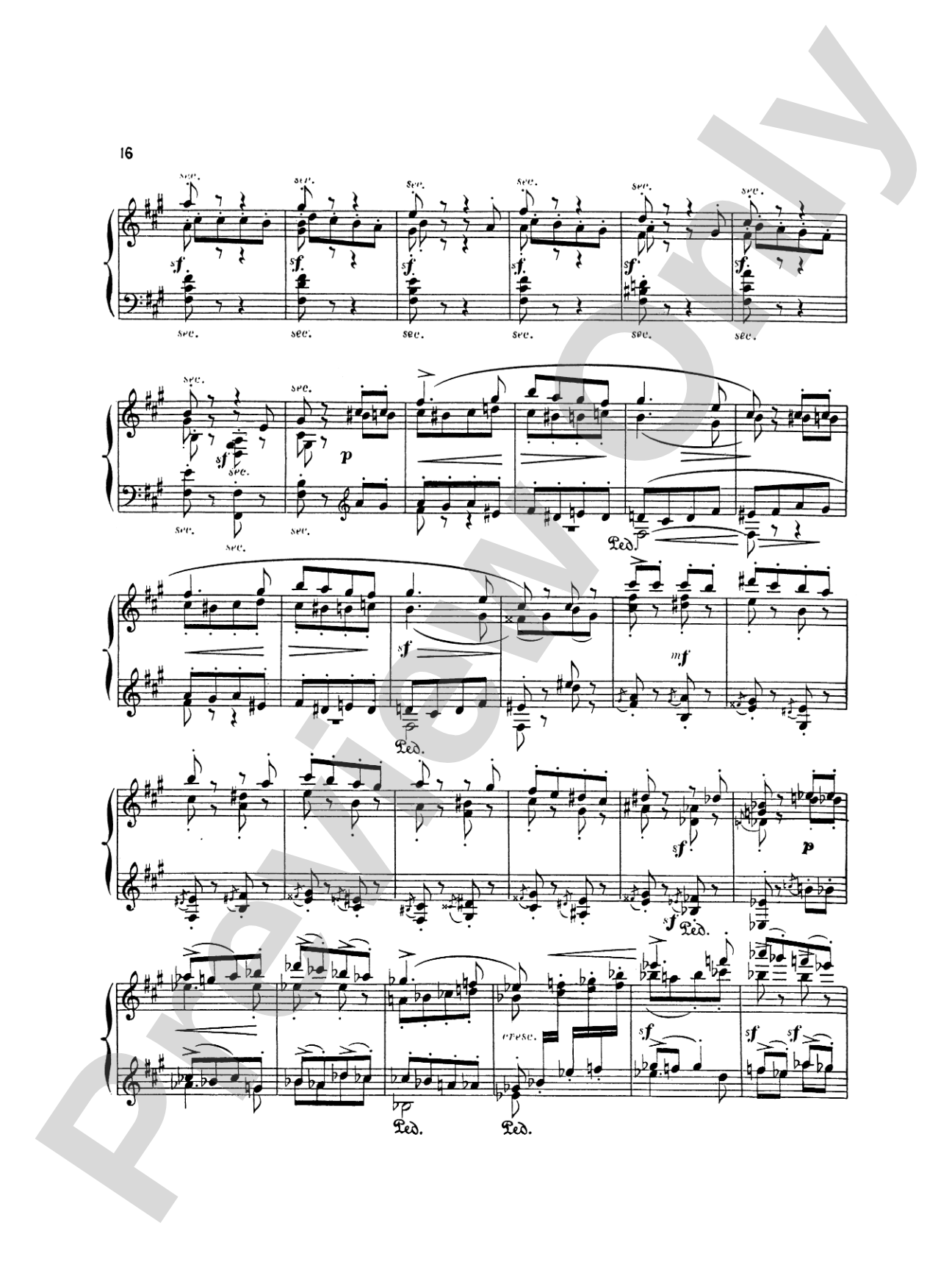
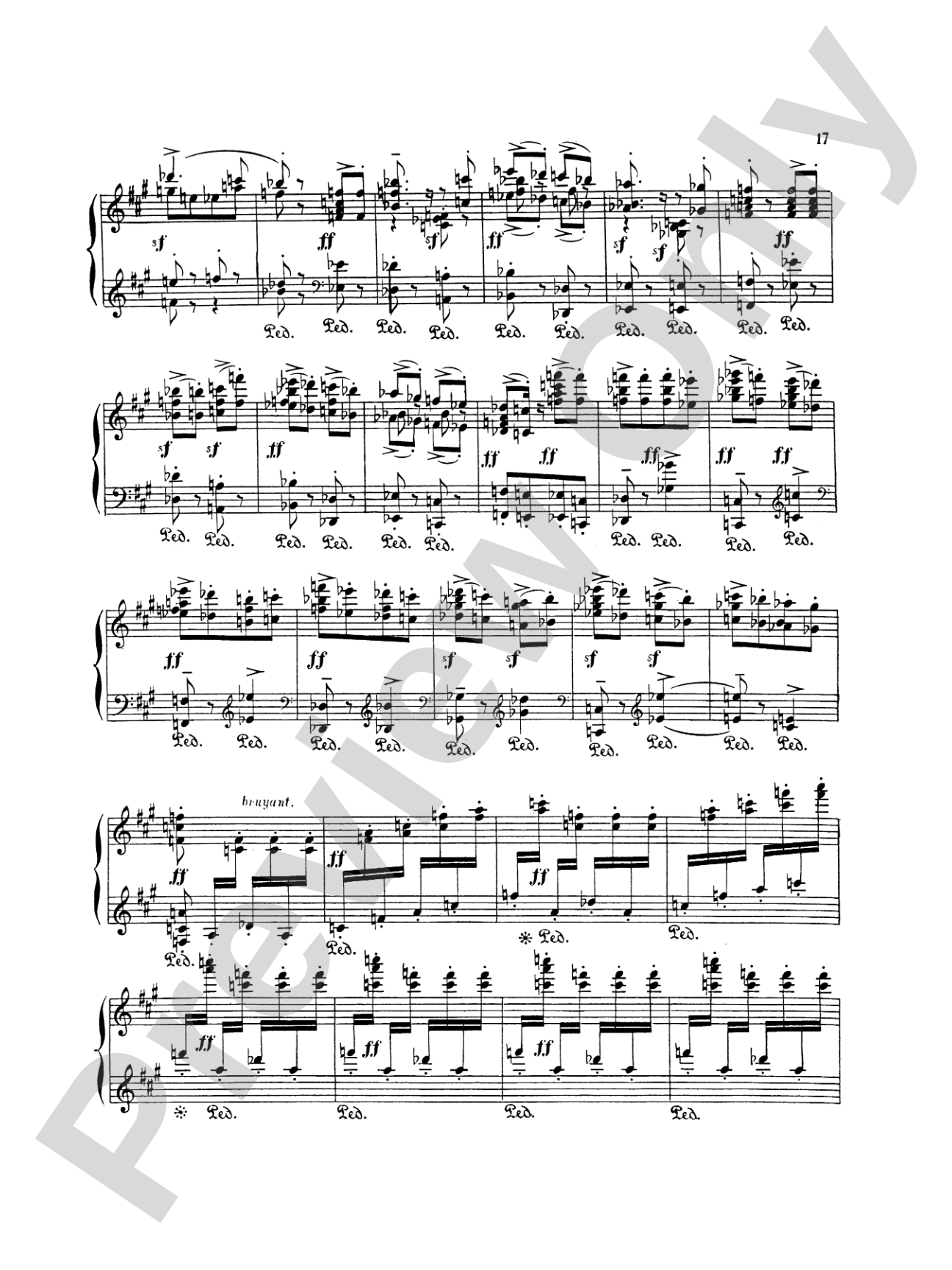
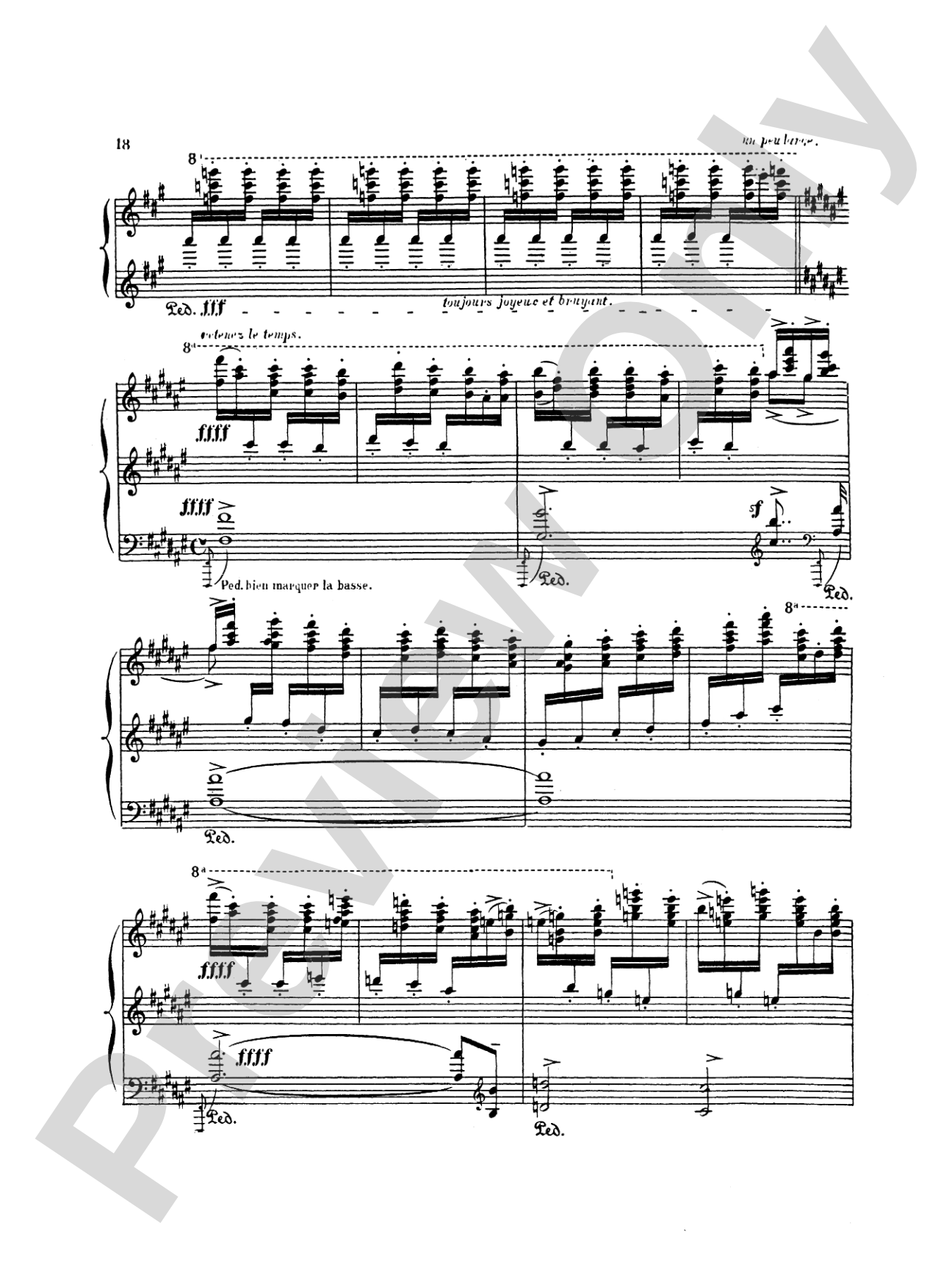
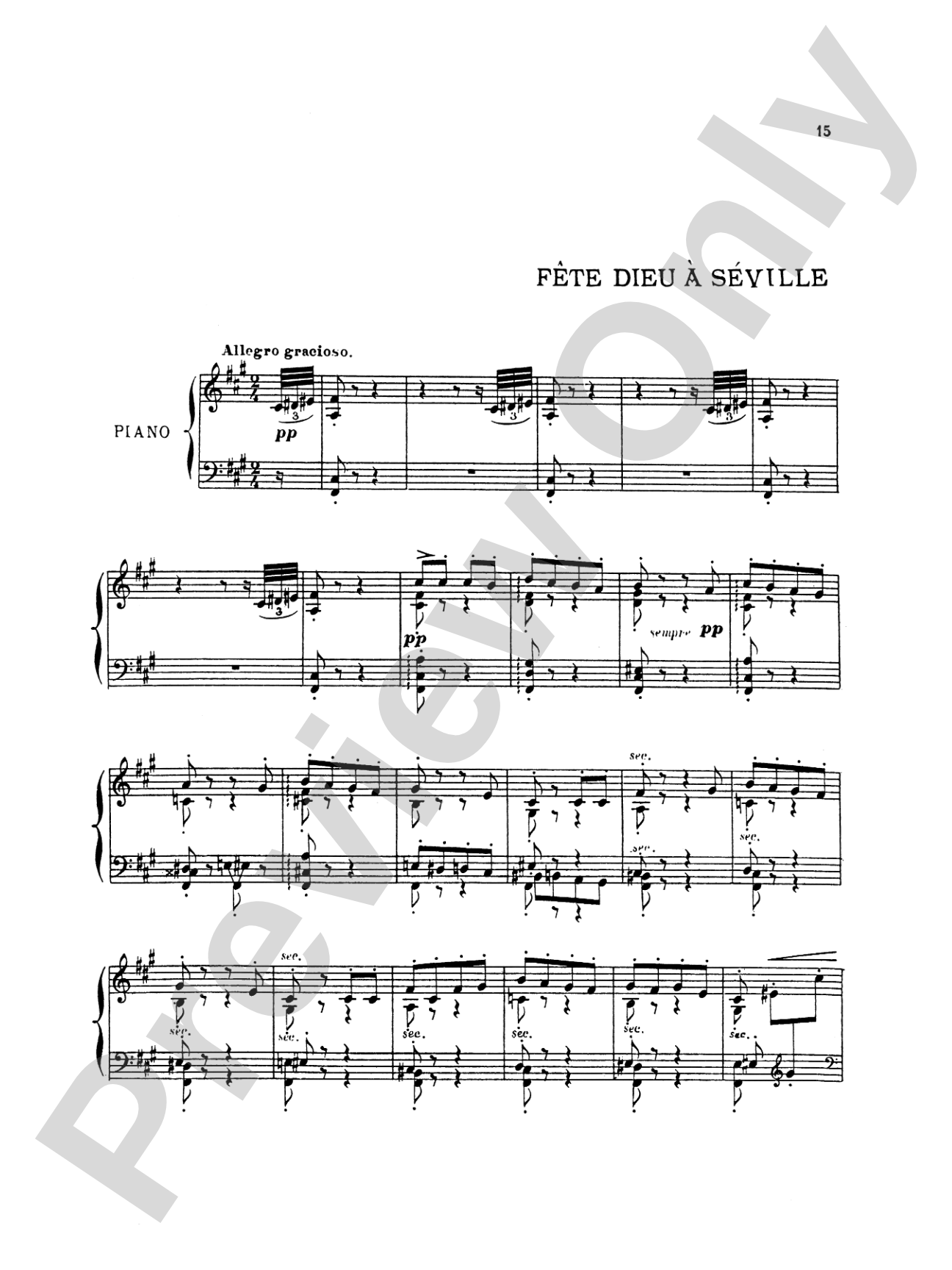
Albéniz: Iberia (Volume I) Sheet Music Preview

Albéniz: Iberia (Volume I)

By Isaac Albéniz

Item: 00-PC-0004230

Digital Download
$1.99
Description
(Evocation, El Puerto, Fete-Dieu à Séville)

Don't just read it, hear it, play along with it, and watch your students grow with it. In MakeMusic Cloud, Albéniz: Iberia (Volume I) comes alive with professional accompaniment, adjustable tempo, and built-in practice tools that turn solo practice into real progress.

Sample Audio
No sample audio found.
Sample Video
Additional Details
Series: Kalmus Edition
Publisher: Alfred Music
Page Count: 36
SKU: 00-PC-0004230

More about this title

About the Composer: Isaac Albéniz

Isaac Albéniz (1860-1909) was a Spanish pianist and composer who became one of the defining voices of Iberian nationalism in classical music. Born in Camprodón, Catalonia, he achieved virtuosic mastery at the keyboard and channeled that technical brilliance into works that captured the rhythmic vitality, harmonic sophistication, and regional character of Spanish folk tradition. His late works, particularly the Iberia cycle, stand as monuments of Romantic piano literature and remain central to the repertoire of serious pianists worldwide.

Albéniz's compositional voice synthesized European Romanticism with authentic Spanish musical idioms, creating pieces that demand both technical command and deep musical understanding. Iberia, his four-volume masterwork completed near the end of his life, represents the culmination of his artistic vision and continues to challenge and inspire pianists across generations.

Why we love this

Volume I of Iberia presents three works of stunning musical and technical substance that belong in any serious pianist's recital repertoire. Each piece offers distinct sonic and structural challenges; Evocation establishes an atmospheric foundation, El Puerto dives into rhythmic complexity and regional color, and Fete-Dieu à Séville builds to magnificent architectural climaxes. These are works that reward deep study and reveal new layers with each encounter.

What to expect

These three pieces evoke Spain through impressionistic harmonies, rhythmic vitality rooted in regional dances, and moments of profound lyrical depth. The music shifts between intimate atmospheric sketches and grand ceremonial grandeur, with technical figures that shimmer and dance beneath singing melodic lines.

Who it's for

Advanced pianists preparing recital repertoire and students ready to engage with the full technical and interpretive demands of post-Romantic masterworks. Teachers seeking substantial pieces that cultivate sophisticated pedaling technique, rhythmic flexibility, and the ability to balance decorative passagework with structural clarity.

How to get the most out of it

  • Attend carefully to Albéniz's pedal markings throughout, particularly in Evocation where harmonic wash and sustain create the piece's essential atmospheric quality.
  • Approach the rhythmic figures in El Puerto as subtle dance rhythms rather than strict metrical patterns; allow the pulse to breathe and flex with the Spanish folk idioms embedded in the melody.
  • Shape the climactic passages in Fete-Dieu à Séville through careful dynamic gradation and tonal control; the grandeur comes from architectural release, not simply louder playing.
  • Develop independence between hands in all three works, particularly where accompaniment patterns conflict with melodic phrasing across the barline.

How to use it

Present Volume I as a substantial recital anchor for advanced student pianists or as part of a thematic concert exploring Spanish Romanticism. The three contrasting character pieces work especially well as a single programming unit that showcases interpretive range while maintaining musical coherence.

Skills your students will build

  • Pedal control and harmonic resonance management in impressionistic textures
  • Reading and executing Spanish rhythmic idioms (habanera rhythms, flamenco influences)
  • Balancing decorative passagework with structural clarity across large forms
  • Coordinating independent hand voices in complex accompaniment patterns
  • Dynamic shaping and tonal control across extended climactic sections

You May Also Like